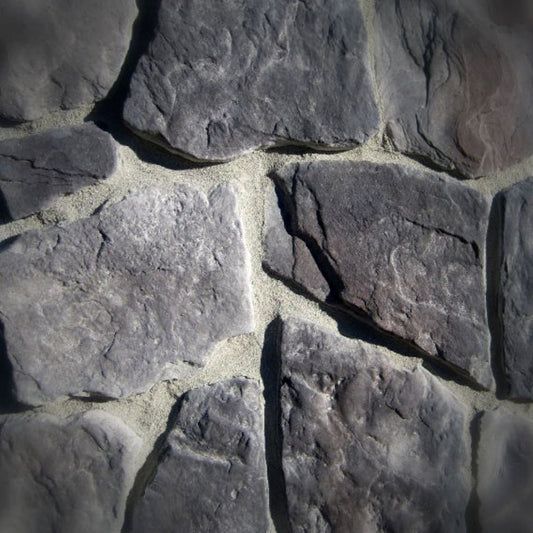

Handling Stone Veneer Damage from Shipping
Share
Originally posted March 26 2025, updated July 20 2026.
If your manufactured stone veneer arrives with minor shipping damage, inspect the shipment before signing, note any damage on the delivery receipt, take photos, and contact your supplier immediately. Small chips and broken pieces are common with heavy building materials and can often be used for cuts during installation, minimizing waste without affecting the finished appearance.
Receiving a shipment of manufactured stone veneer is an exciting milestone in any home improvement project. Whether you're installing a new fireplace, upgrading your home's exterior, building columns, or creating an outdoor kitchen, you want every piece to arrive in excellent condition.
Because manufactured stone veneer is a heavy construction material that travels long distances on freight trucks, it's normal for a small percentage of pieces to experience minor chips, cracks, or broken corners during transportation. While seeing damaged pieces can be frustrating, it is rarely a reason to delay your project.
The good news is that most shipping damage is cosmetic, many damaged pieces can still be installed after cutting, and reputable manufacturers have established procedures to resolve legitimate freight damage. Understanding what to inspect, how to document damage, and when to file a freight claim will help keep your project moving smoothly.
Why minor shipping damage is common
Manufactured stone veneer is carefully packaged and palletized before shipping, but unlike lightweight consumer products, each pallet contains hundreds or even thousands of pounds of concrete-based materials.
During transit, freight may be transferred between terminals, loaded and unloaded multiple times, and transported over varying road conditions. Even with careful handling, vibration and movement inside the pallet can occasionally cause small chips or broken corners.
This is not unique to manufactured stone veneer. Similar minor shipping damage is common with brick, tile, concrete pavers, natural stone, and other masonry products.
Fortunately, manufactured stone veneer is typically installed piece by piece rather than as complete panels. Since every installation requires trimming and fitting individual stones, minor damage rarely impacts the completed project.
How stone veneer is delivered
Manufactured stone veneer is typically shipped using LTL (Less-Than-Truckload) freight service. Orders arrive on pallets using trucks equipped with lift gates, allowing the shipment to be unloaded safely at your location.
Freight deliveries are curbside only. The driver will unload the pallet at the end of your driveway or another accessible delivery location. Moving the materials from the curb to the installation area is the customer's responsibility.
Before delivery, the freight carrier will contact you to schedule a delivery appointment. This helps ensure someone is available to inspect the shipment before accepting it.
Taking a few extra minutes during delivery can save significant time later if a freight claim becomes necessary.
Inspect your shipment before signing
The most important step in the entire delivery process happens before you sign the freight paperwork.
Every shipment should be inspected while the driver is still present. Look over the pallet carefully for obvious signs of damage such as crushed boxes, broken shrink wrap, broken pallet boards, or visible broken stone.
You do not need to unpack every box during delivery, but you should perform a reasonable inspection of everything you can see.
If anything appears damaged or missing, note it directly on the delivery receipt before signing. The freight carrier may also provide a damage form to complete.
This documentation is essential because freight companies generally require visible damage to be reported at the time of delivery. If no damage is noted when the shipment is accepted, it may be difficult or impossible to file a successful freight claim afterwards.
Always keep a copy of any paperwork completed during delivery for your records.
Document any damage thoroughly
If you discover damaged stone veneer, take photographs before moving or using any of the material. Capture close-up images showing individual damaged stones, along with wider photos showing the pallet, packaging, and overall shipment. Photograph any torn shrink wrap, damaged boxes, or broken pallet components that may indicate rough handling during transportation. These images provide valuable documentation for both your supplier and the freight carrier.
The more complete your documentation is, the faster your supplier can assist you with the claims process if replacement material is needed.
Contact your stone veneer supplier
Once you've documented the damage, contact your stone veneer supplier as soon as possible. Provide your order information, delivery date, photographs, and copies of any paperwork completed during delivery. Your supplier can review the damage, determine whether replacement material is necessary, and help coordinate the freight claim if applicable. Most experienced stone veneer manufacturers regularly work with freight carriers and understand how to resolve shipping issues efficiently.
Prompt communication helps prevent unnecessary delays in your installation schedule.
Don't panic over minor chips and broken corners
One of the biggest misconceptions among first-time installers is that every stone must arrive in perfect condition. In reality, professional installers expect a small amount of breakage on nearly every large shipment.
Manufactured stone veneer installations require constant fitting around windows, doors, corners, outlets, columns, fireplaces, and architectural details. Installers routinely cut numerous stones throughout the project to achieve a natural-looking layout. Because of this, slightly chipped or partially broken stones often become ideal candidates for making these cuts. Instead of discarding them, installers simply use the damaged section as the portion being trimmed away while preserving the undamaged face that will remain visible after installation. This significantly reduces waste and allows the project to continue without affecting the finished appearance.
Damaged pieces often become your best cutting pieces
Every manufactured stone veneer installation involves customization. No two walls are identical, and stones must frequently be trimmed to fit around electrical boxes, trim boards, corners, arches, windows, fireplaces, and other design features. Many installers intentionally set aside chipped or partially damaged stones specifically for these cuts.
For example, a stone with a chipped corner may fit perfectly beneath a window where that damaged portion would be removed anyway. Likewise, a stone with a broken edge might become the perfect filler piece behind a column or along the bottom course where trimming is already required.
Using damaged stones strategically helps maximize material usage while leaving your best full-sized pieces available for the most visible sections of the installation.
When is shipping damage a serious concern?
While minor cosmetic damage is expected, more significant damage should be reported immediately. If entire boxes are crushed, numerous stones are broken beyond use, pallets are severely damaged, or large portions of the shipment are missing, your supplier should be contacted right away. Substantial freight damage may require replacement material before installation begins.
Fortunately, major freight damage is far less common than minor cosmetic chipping, and proper documentation during delivery allows suppliers to resolve these situations much more quickly.
How shipping damage affects your installation
In most cases, it doesn't. Manufactured stone veneer is designed to create a natural appearance using stones of varying shapes, textures, and sizes. Individual stones are installed one at a time rather than in predetermined patterns. Because installers already make numerous cuts throughout the project, minor shipping damage typically has little impact on installation efficiency.
Even after installation, slight variations between stones contribute to the authentic appearance of manufactured stone veneer. Once mortar joints are finished and the entire wall is complete, previously chipped pieces that were trimmed into place become virtually impossible to identify.
Prevent delays by planning ahead
Although most freight shipments arrive without significant issues, it's always wise to inspect your order as soon as it arrives rather than waiting until installation day. Early inspection gives you time to identify any concerns, contact your supplier if necessary, and receive replacement materials before your installer begins work. This simple step helps avoid unnecessary project delays and keeps your installation on schedule.
Frequently asked questions
1. Is it normal for stone veneer to have a few broken pieces during shipping? Yes. Minor chips and broken corners are common when shipping heavy masonry materials by freight. Most damaged pieces can still be used during installation after being cut to fit.
2. Should I refuse delivery if my stone veneer has minor damage? Not necessarily. Minor cosmetic damage is expected. Instead, inspect the shipment carefully, note any damage on the delivery receipt, take photographs, and contact your supplier if needed.
3. Can chipped stone veneer still be installed? Yes. Professional installers frequently use chipped or partially broken stones for cuts around windows, doors, corners, fireplaces, and other areas where trimming is required.
4. Who is responsible for reporting freight damage? The customer should inspect the shipment during delivery and note any visible damage before signing the freight paperwork. Damage not documented at delivery may be difficult to claim later.
5. What photos should I take if my shipment is damaged? Photograph the damaged stones, the full pallet, packaging, shrink wrap, pallet condition, and any visible shipping damage. These images help support any freight claim.
6. Will minor shipping damage affect the finished appearance? In most cases, no. Since manufactured stone veneer is typically installed one piece at a time and many stones are cut during installation, minor shipping damage typically has no noticeable effect on the completed project.
Handling stone veneer damage from shipping
Finding a few chipped stones when your shipment arrives can be disappointing, but it's usually not a major setback. Manufactured stone veneer installations naturally involve cutting and fitting individual stones, making many damaged pieces perfectly usable.
The most important steps are inspecting the shipment during delivery, documenting any damage thoroughly, and notifying your supplier immediately if replacement material is needed.
With proper documentation and realistic expectations, minor freight damage becomes just another routine part of working with masonry products. Once your project is complete, those small imperfections will have little to no impact on the beauty, durability, or long-term performance of your finished stone veneer installation.
What's next?
Bring your vision to life with our premium stone veneer! Shop now to discover the ideal style or order a sample to feel the texture and see the colors up close. Start your project today!
Have a question?
Please see our full terms of service or check out our frequently asked questions.
For general information and questions please call: (864) 882-8960 Mon. - Fri. 8am - 5pm (EST) or email: info@blackbearmountainstone.com we are more than happy to help you.
Or you can submit your questions via our contact us page.
We look forward to working with you on your upcoming project.
The Black Bear Mountain Stone Team
Pictured is an AI image of manufactured stone veneer being delivered.