
How Thick Is Manufactured Stone Veneer?
Share
Originally posted February 13 2025, updated June 19 2026.
Manufactured stone veneer is typically between ¾ inch and 2 inches thick, depending on the profile and style. This thinner design makes it significantly lighter than full-bed natural stone while maintaining the appearance of authentic masonry. The thickness of manufactured stone veneer affects installation, transitions to other materials, weight, and overall project planning.
Manufactured stone veneer has become one of the most popular architectural materials for residential and commercial construction. Homeowners appreciate its ability to replicate the beauty and texture of natural stone, while builders and designers value its versatility, lighter weight, and ease of installation.
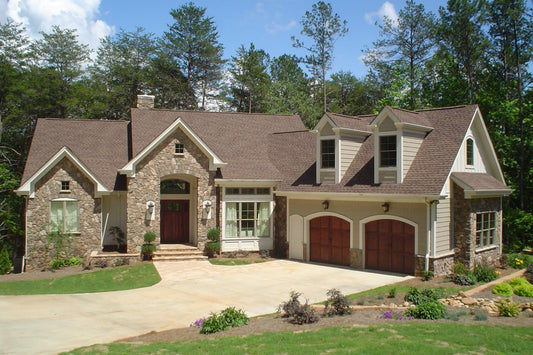
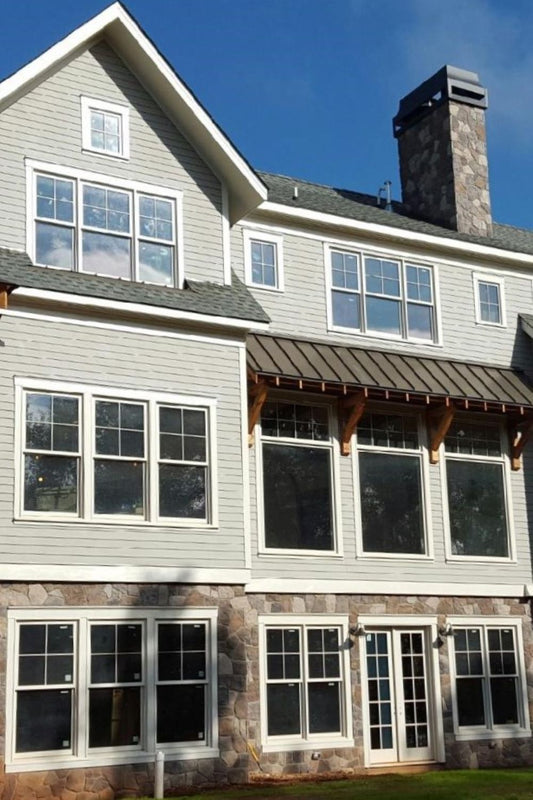
Whether you're planning a fireplace surround, exterior accent wall, outdoor kitchen, entryway, retaining wall, or full building facade, understanding the physical dimensions of manufactured stone veneer is an important part of the design and planning process.
One of the most common questions homeowners ask before starting a project is, "How thick is manufactured stone veneer?" The answer depends on the specific stone profile, texture, and manufacturing process, but most products fall within a relatively consistent range.
Knowing the thickness of manufactured stone veneer helps ensure proper installation, smooth transitions to surrounding materials, accurate project planning, and realistic expectations about the finished appearance. In this post, we'll explore typical stone veneer thicknesses, why thickness varies, how it compares to other masonry products, and what homeowners should know before beginning a stone veneer project.
What is manufactured stone veneer?
Manufactured stone veneer is a lightweight architectural cladding designed to replicate the appearance of natural stone. Unlike full-thickness masonry stone, manufactured stone veneer is not a structural building material. Instead, it serves as a decorative exterior or interior finish that is installed over a properly prepared substrate.
Modern manufactured stone veneer is typically made from cement, lightweight aggregates, and mineral oxide pigments. The material is cast in molds created from actual stone, allowing manufacturers to reproduce realistic textures, shapes, and color variations.
Because manufactured stone veneer is designed specifically as a thin cladding system, it provides many of the visual benefits of natural stone without the significant weight, foundation requirements, or installation complexity associated with traditional masonry construction.
Typical thickness of manufactured stone veneer
Most manufactured stone veneer products range from approximately ¾ inch to 2 inches in thickness.
This range provides enough depth to create realistic shadows, textures, and dimensional variation while remaining significantly thinner than full-bed natural stone. The exact thickness varies depending on the profile selected and the specific manufacturing process used.
Some profiles feature relatively flat faces with minimal surface variation. These products often fall closer to the thinner end of the spectrum and are commonly used in contemporary or modern architectural designs.
Other profiles are intentionally designed with deeper textures and more dramatic relief. These products may approach the upper end of the thickness range to replicate rugged fieldstone, weathered limestone, or irregular quarry stone.
Although individual pieces within a profile may vary in thickness, most manufactured stone veneer systems are engineered to maintain consistency while delivering a natural appearance.
Why thickness varies between stone veneer profiles
Not all manufactured stone veneer looks the same, and neither does its thickness.
One of the primary factors influencing thickness is the stone profile itself. Different architectural styles require different levels of dimensionality and texture to achieve an authentic appearance.
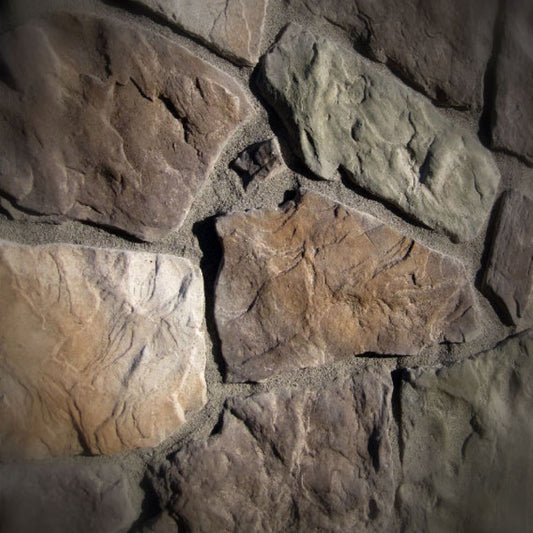
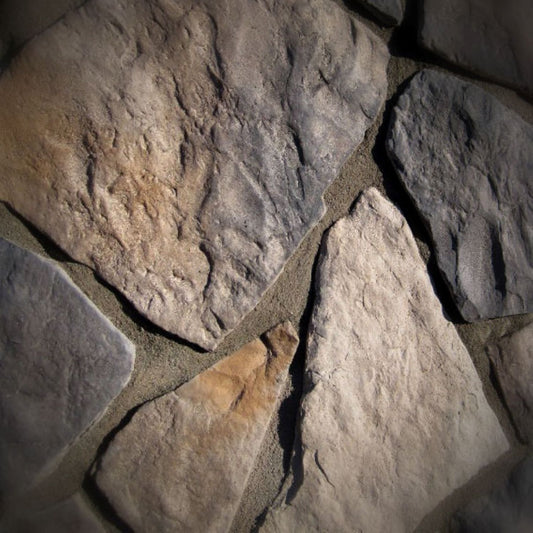
Profiles that mimic fieldstone often incorporate irregular shapes, varying depths, and rugged surfaces. These characteristics naturally require greater thickness to reproduce the look of traditional masonry stone.
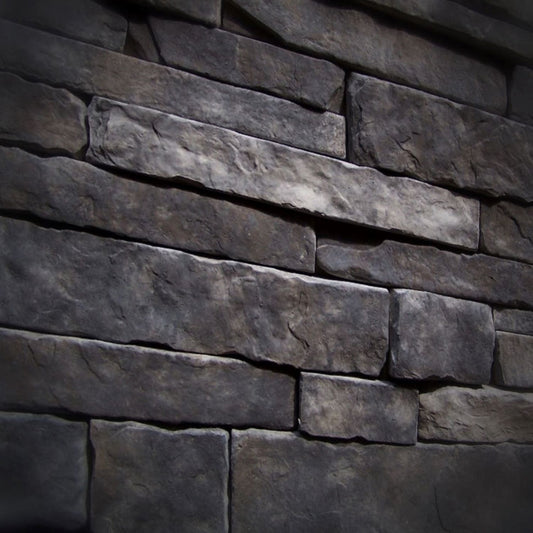
Ledgestone profiles typically consist of linear pieces stacked together. While some ledgestone products remain relatively thin, others feature deeper projections that create additional shadow lines and texture.
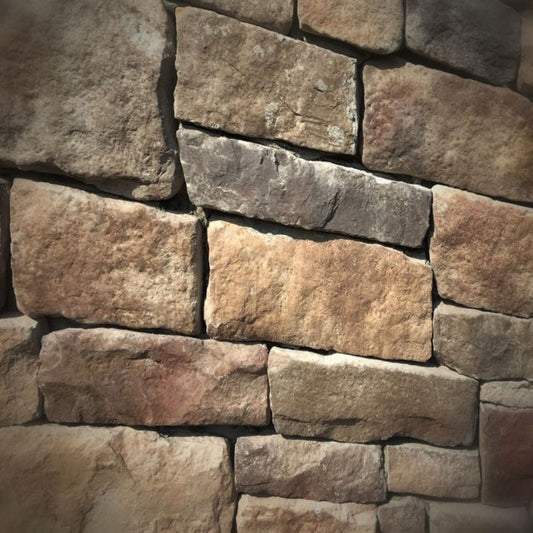
Limestone-inspired profiles often balance dimensional variation with a more refined appearance. Depending on the desired look, these products may fall anywhere within the standard thickness range.
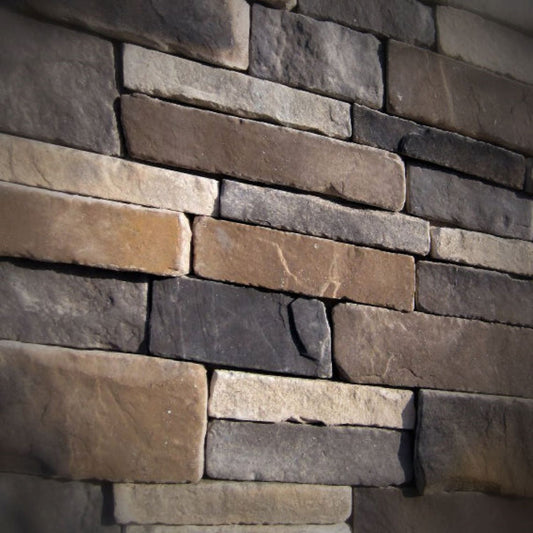
Stacked stone profiles frequently feature tightly arranged pieces with varying depths that contribute to their modern architectural appeal. These profiles often create significant visual texture despite remaining relatively lightweight.
The manufacturing process carefully balances realism with practicality, ensuring the finished product maintains the appearance of natural stone while remaining easy to install.
The relationship between thickness and weight
One of the biggest advantages of manufactured stone veneer is its weight.
Because manufactured stone veneer is thinner than traditional masonry stone, it weighs substantially less. Most manufactured stone veneer products weigh approximately 8 to 12 pounds per square foot, depending on the profile and thickness.
This reduced weight opens up a wide range of design possibilities. Stone veneer can often be installed on walls, fireplaces, and other structures that may not be capable of supporting the weight of full-thickness stone.
The lighter weight also simplifies transportation, handling, and installation. Contractors can work more efficiently, and homeowners often benefit from lower installation costs compared to traditional masonry projects.
Despite being significantly lighter, modern manufactured stone veneer still creates impressive depth, texture, and visual impact.
Comparing manufactured stone veneer to natural stone
Understanding thickness becomes even more meaningful when comparing manufactured stone veneer to other stone products.
Full-bed natural stone is typically between 3 and 5 inches thick and can be even thicker in some applications. Because of its substantial weight, full-bed stone often requires specialized structural support, reinforced foundations, and more labor-intensive installation methods.
Thin-cut natural stone veneer provides a middle ground between manufactured stone veneer and full-bed natural stone. Most thin natural stone veneer products measure approximately ¾ inch to 1½ inches thick, placing them within a similar thickness range as manufactured stone veneer.
While thin natural stone is made from genuine stone, manufactured stone veneer offers greater consistency in sizing, color control, and product availability.
Brick veneer represents another common cladding option. Most brick veneer products are approximately ½ inch to 1 inch thick and offer similar weight-saving benefits, although they provide a distinctly different architectural appearance.
For many projects, manufactured stone veneer delivers an ideal balance of realism, versatility, manageable weight, and installation convenience.
Why thickness matters during installation
The thickness of manufactured stone veneer affects several aspects of project planning and installation.
One of the most important considerations is how the stone veneer transitions to adjacent materials. Exterior siding, drywall, trim boards, brick, stucco, and other finishes may have different thicknesses than the stone veneer being installed.
Careful planning helps create attractive transitions while avoiding awkward edges or uneven surfaces. In some situations, installers may use trim details, transition strips, or design features to accommodate differences in material thickness.
Door and window openings also require attention. The depth of the stone veneer influences how trim details, flashing components, and finishing elements are installed.
Electrical outlets, lighting fixtures, vents, and other wall penetrations may require modifications to account for the added thickness of the stone veneer system.
Considering these details during the design phase helps avoid unnecessary complications during installation.
The role of mortar and substrates
When discussing stone veneer thickness, it's important to remember that the installed assembly extends beyond the stone itself.
Manufactured stone veneer is installed over a properly prepared substrate, which may include components such as weather-resistant barriers, metal lath, scratch coats, cement board, masonry surfaces, or other approved installation systems.
The mortar used to bond the stone veneer also contributes to the overall depth of the assembly.
As a result, the finished wall thickness will often be greater than the stone veneer dimensions alone. Understanding the complete assembly is particularly important when coordinating transitions, clearances, and architectural details.
Following manufacturer installation instructions and industry best practices helps ensure proper performance and long-term durability.
Design advantages of thin stone veneer
The relatively thin profile of manufactured stone veneer provides several practical and aesthetic advantages.
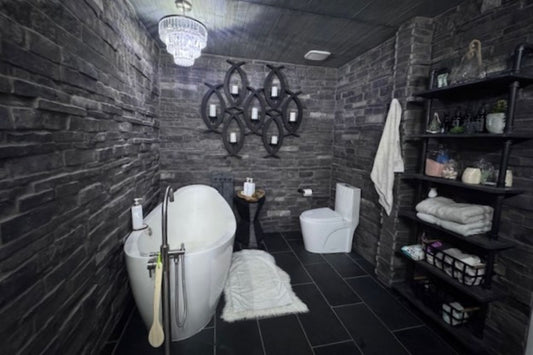
Because the material occupies less space than full-thickness stone, it can be incorporated into a wider variety of projects. Interior feature walls, fireplaces, kitchen backsplashes, commercial accent walls, and outdoor living spaces can often accommodate manufactured stone veneer without requiring major structural modifications.
The thinner profile also makes renovations easier. Homeowners can update existing surfaces without dramatically altering room dimensions or wall assemblies.
At the same time, manufactured stone veneer still provides substantial visual depth. Shadows, textures, and color variation create the appearance of traditional masonry while maintaining modern installation efficiency.
This combination of aesthetics and practicality is one of the primary reasons manufactured stone veneer remains so popular among architects, builders, and homeowners.
Choosing the right stone veneer for your project
While thickness is an important consideration, it should not be the only factor when selecting a stone veneer product.
Architectural style, color palette, texture, installation requirements, project budget, and surrounding materials all contribute to the decision-making process.
Some homeowners prioritize deep texture and dramatic shadow lines, while others prefer cleaner profiles with a more contemporary appearance. The right choice depends on the overall design goals of the project.
Reviewing product samples is often the best way to evaluate thickness, texture, and color in person. Samples provide a more accurate understanding of how the stone will appear once installed and can help ensure the selected profile complements the surrounding architecture.
Frequently asked questions
1. How thick is manufactured stone veneer? Most manufactured stone veneer products range from approximately ¾ inch to 2 inches thick, depending on the style, profile, and manufacturer.
2. Is manufactured stone veneer thinner than natural stone? Yes. Full-bed natural stone is typically 3 to 5 inches thick, while manufactured stone veneer generally ranges from ¾ inch to 2 inches thick.
3. Does thicker stone veneer weigh more? Generally, yes. Thicker profiles often weigh more than thinner profiles, although most manufactured stone veneer products remain significantly lighter than full-thickness natural stone.
4. How much does manufactured stone veneer weigh? Most manufactured stone veneer products weigh between 8 and 12 pounds per square foot, making them suitable for many interior and exterior applications.
5. Does stone veneer thickness affect installation? Yes. Thickness impacts wall transitions, trim details, window and door clearances, outlet extensions, and overall project planning.
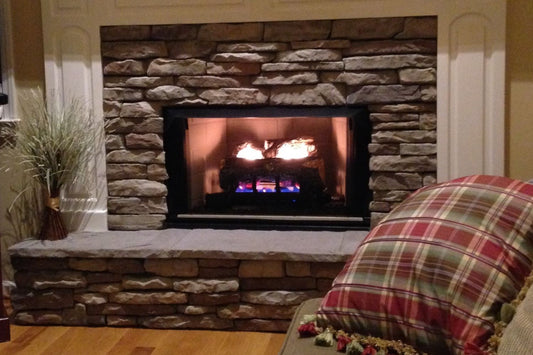
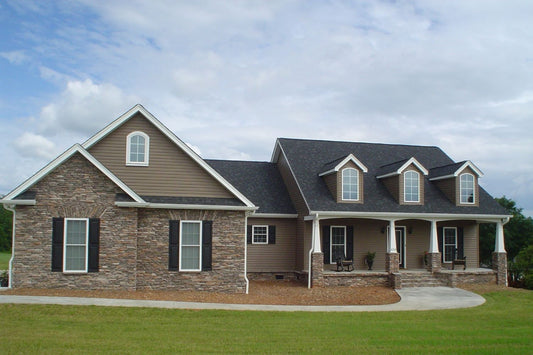
6. Can manufactured stone veneer be installed indoors and outdoors? Absolutely. Manufactured stone veneer is commonly used on fireplaces, accent walls, exterior facades, entryways, outdoor kitchens, retaining walls, and commercial feature walls.
How thick is manufactured stone veneer?
Manufactured stone veneer is typically between ¾ inch and 2 inches thick, making it significantly thinner and lighter than traditional full-bed natural stone. This reduced thickness allows for easier installation, lower structural demands, and greater versatility across a wide range of residential and commercial applications.
Whether you're planning a fireplace renovation, exterior accent wall, outdoor living space, or complete facade transformation, understanding stone veneer thickness can help you make informed design and installation decisions. By considering profile selection, substrate requirements, transitions, and overall project goals, you can choose a manufactured stone veneer that delivers both beauty and long-term performance.
What's next?
Bring your vision to life with our premium stone veneer! Shop now to find the perfect style or order a sample to see the quality up close. Start your project today!
Have a question?
Please see our full terms of service or check out our frequently asked questions.
For general information and questions please call: (864) 882-8960 Mon. - Fri. 8am - 5pm (EST) or email: info@blackbearmountainstone.com we are more than happy to help you.
Or you can submit your questions via our contact us page.
We look forward to working with you on your upcoming project.
The Black Bear Mountain Stone Team
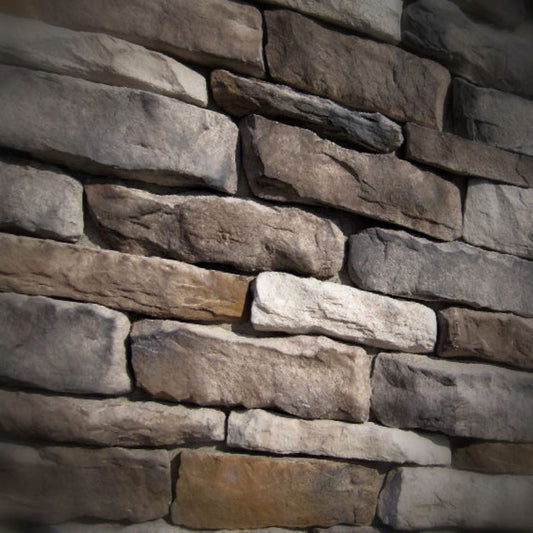
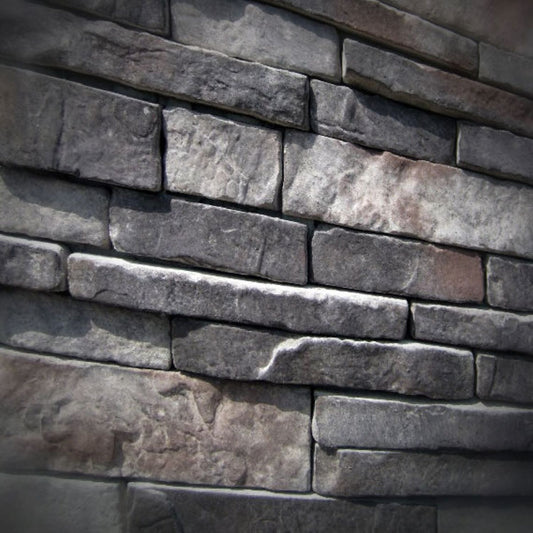
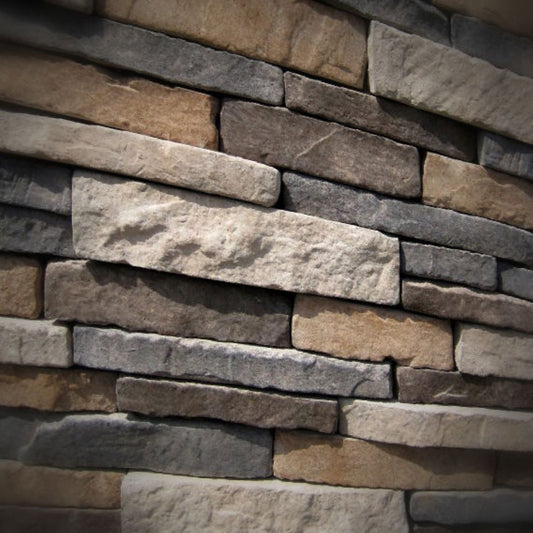
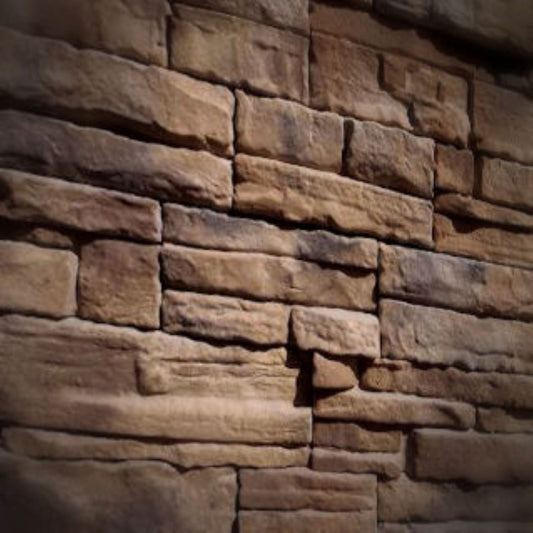
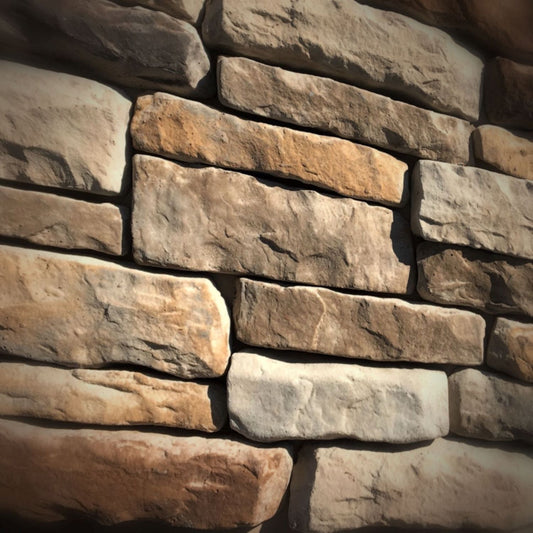
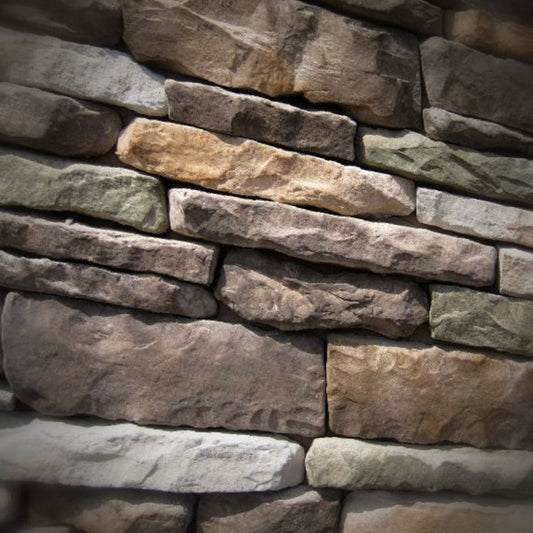
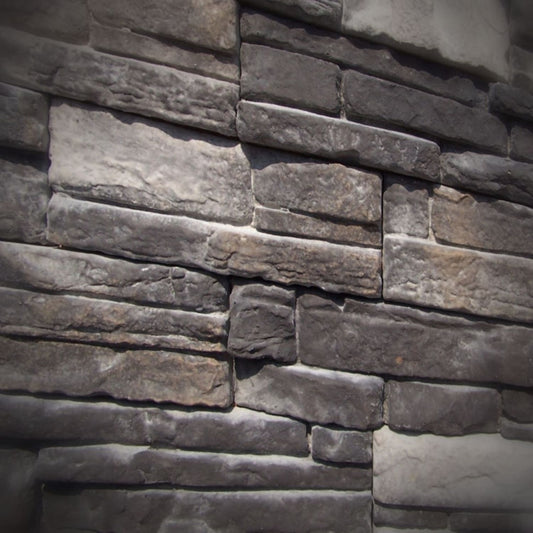
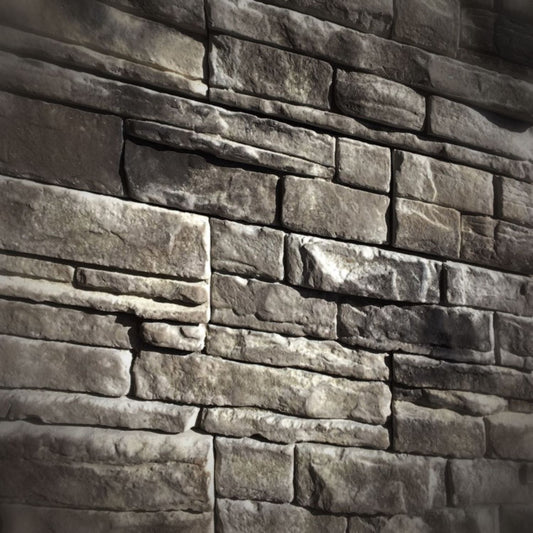
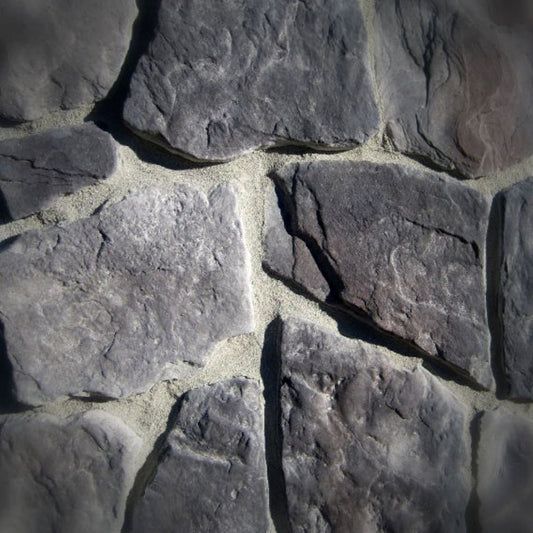
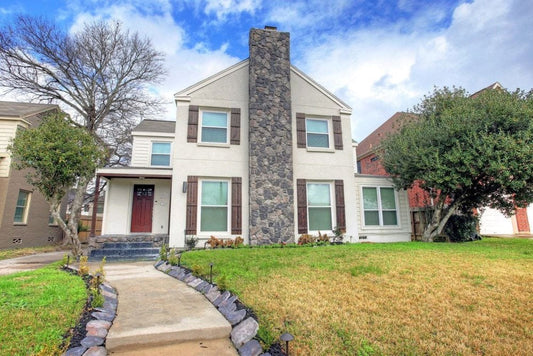
Pictured is stack stone ozark.