

How to Match Existing Stone Veneer: Colors, Textures, and Profiles
Share
Originally posted April 22, 2025, updated August 10, 2026.
To match existing manufactured stone veneer, identify the original product, profile, color blend, texture, and installation style. Order samples and compare them directly with the existing veneer in natural light before purchasing a full order. Because manufactured stone can weather and vary between production batches, blending new and existing pieces is often the best way to achieve a seamless appearance.
Whether you're repairing a damaged section, expanding an existing feature wall, or adding manufactured stone veneer to a new portion of your home, matching existing stone can be challenging. Even when you find a stone that appears nearly identical online, differences in color, texture, size, and weathering can become noticeable once the new veneer is installed.
The good news is that matching new manufactured stone veneer to an existing installation is possible with careful planning. The key is to look beyond color alone. The stone profile, individual piece shapes, surface texture, thickness, mortar joints, and overall color blend all contribute to how well new veneer will match an existing wall.
If you know the original manufacturer and product, the process becomes considerably easier. If you don't, photographs, physical samples, and careful comparison can help narrow down the closest available match.
Identify the Original Stone Veneer
The best place to start when matching existing manufactured stone veneer is identifying the original product. If you know who supplied or installed the original veneer, contact them and ask for the manufacturer, product or profile name, color blend, and approximate installation date.
If a contractor installed the stone, they may still have the original product information in their records. Homeowners may also find useful information on old invoices, project documents, product packaging, or leftover boxes stored in a garage, basement, shed, or attic.
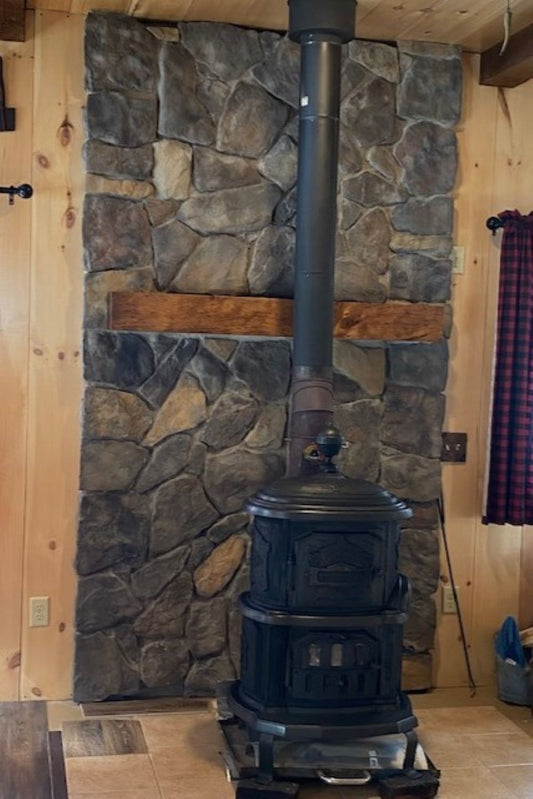
If the original information is no longer available, don't assume you're out of options. Take several high-resolution photographs of the existing veneer. Include photographs of the entire installation as well as close-ups of individual stones. Images taken in natural daylight are particularly useful because artificial lighting can significantly change how stone colors appear.
When possible, photograph the veneer from several angles and at different times of day. This can help reveal the variation within the original color blend and provide a better understanding of the stone's texture and surface characteristics.
A local stone supplier or manufacturer may also be able to help identify a similar product from photographs. While an exact identification isn't always possible from pictures alone, an experienced stone professional can often narrow down the profile and style.
Match the Stone Profile, Shape, and Texture
Color is important, but it isn't the only factor that determines whether new manufactured stone veneer will look like the existing installation. The profile, individual stone shapes, dimensions, texture, and thickness all affect the final appearance.
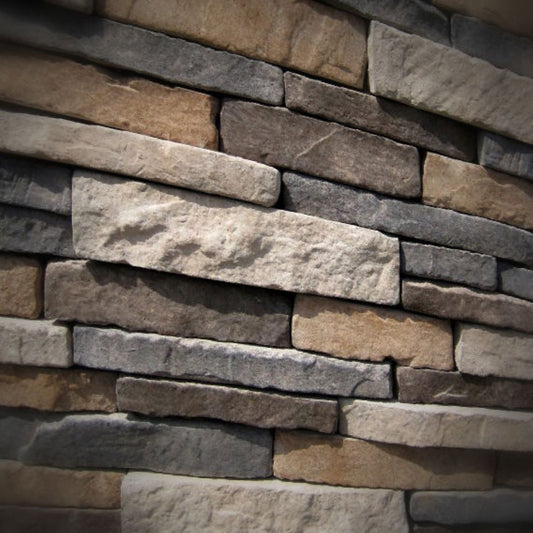
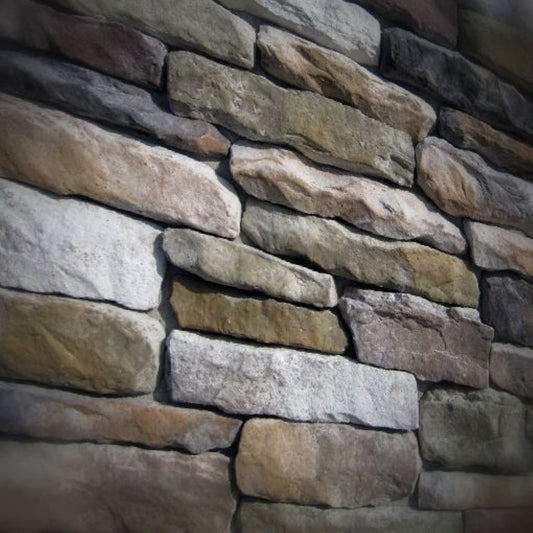
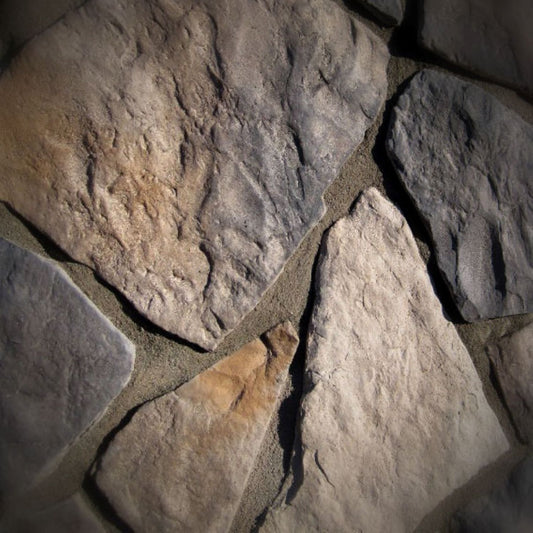
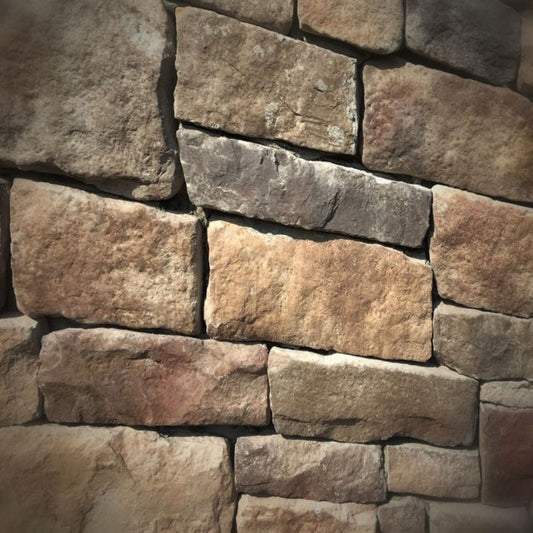
Start by identifying the general stone profile. Common manufactured stone veneer styles include ledgestone, stacked stone, fieldstone, limestone, and other architectural stone profiles. Each has a distinct arrangement of shapes and sizes.
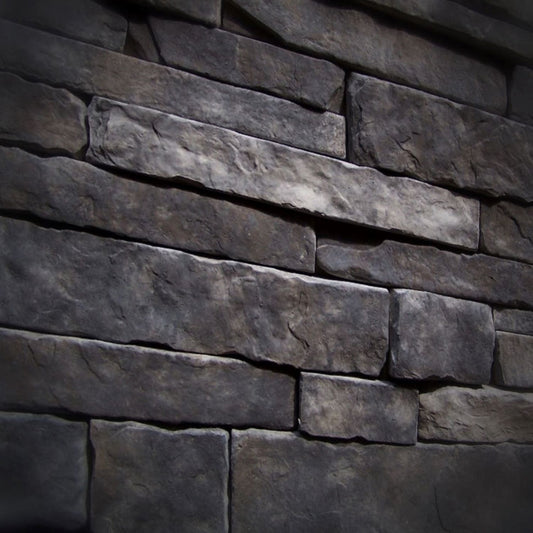
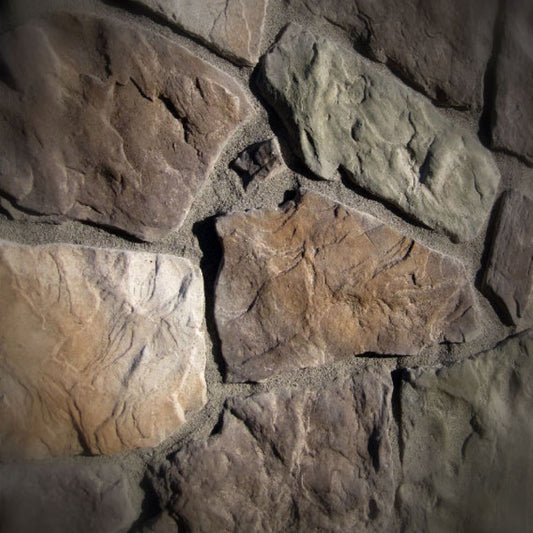
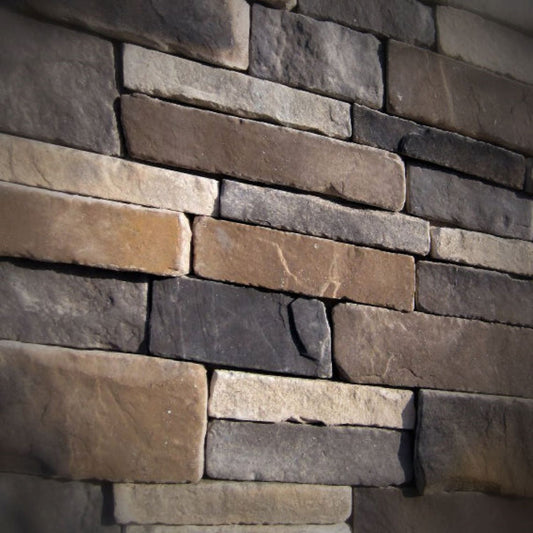
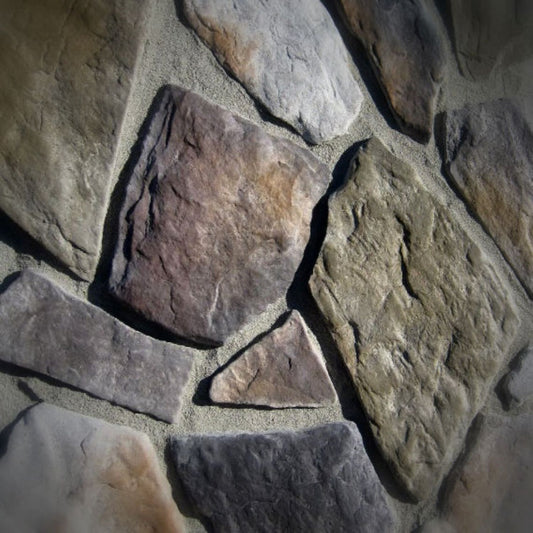
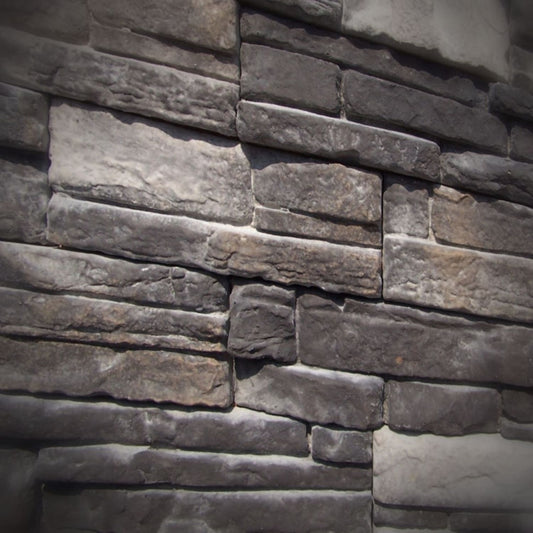
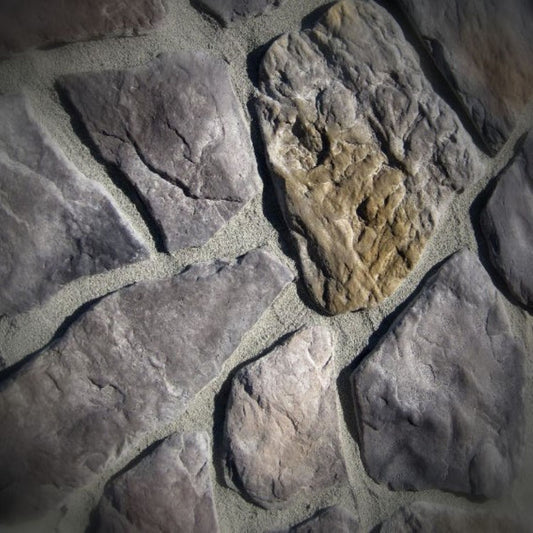
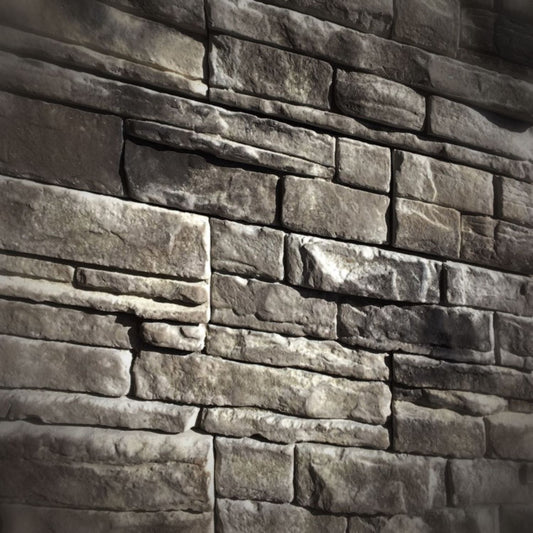
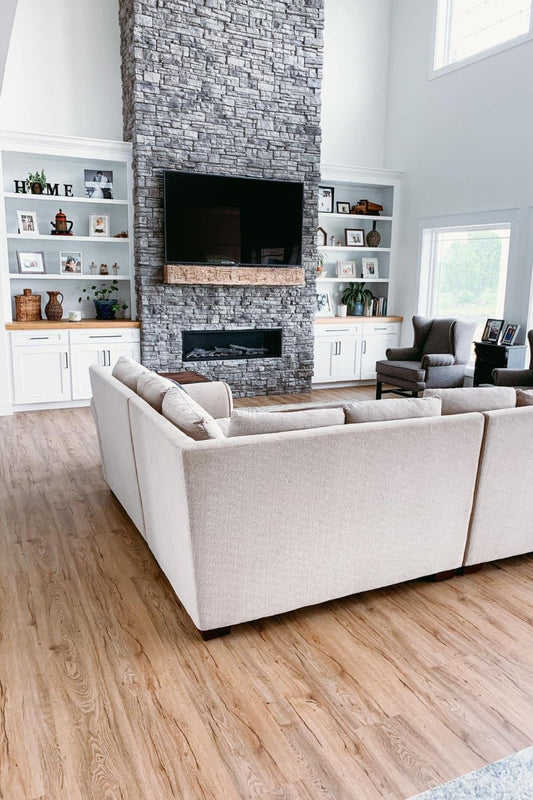
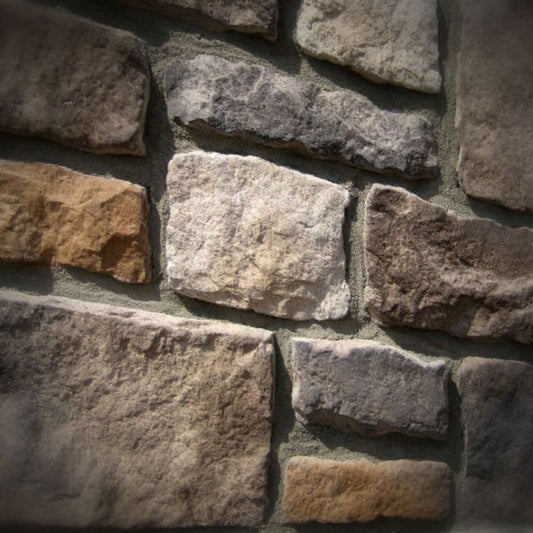
For example, ledgestone typically has a more linear appearance with relatively narrow pieces, while fieldstone tends to have more irregular shapes and natural variation. Stacked stone generally creates a more uniform horizontal pattern. Limestone and ashlar-style profiles often use more rectangular pieces and defined courses.
Look closely at the individual stones rather than only the overall wall. Are the pieces mostly rectangular, irregular, long and narrow, or block-like? Are the edges relatively straight or highly varied? Do the stones have a rough, natural surface or a more consistent texture?
Thickness is another important consideration. Even if the color and profile appear similar, a noticeable difference in thickness can affect how the new and existing sections meet.
The installation pattern matters as well. Look at how the original pieces are arranged and how much mortar is visible between them. A new section installed with significantly different joint widths or placement can stand out even when the stone itself is a close match.
Match the Color Blend, Not Just One Stone
Color is often the most difficult part of matching existing manufactured stone veneer. Manufactured stone is typically produced as a blend of multiple complementary colors rather than a single uniform shade. The overall appearance comes from the combination of those colors across many individual pieces.
When comparing a new product to an existing installation, don't focus on finding one individual stone that looks identical. Instead, compare the overall color blend. Look at the dominant colors as well as the lighter, darker, warmer, and cooler tones present throughout the installation.
Weathering can make this more complicated. Existing manufactured stone veneer may have been exposed to years of sunlight, rain, snow, dirt, dust, and other environmental conditions. The original installation may therefore look different from the same product when it is brand new.
Production batches can also have slight variations. Even when the manufacturer, profile, and color are the same, a new production run may not appear perfectly identical to an installation that was completed years earlier.
For these reasons, photographs alone are not always enough to determine whether a new stone will match.
Order Samples Before Buying a Full Order
If you're trying to match existing manufactured stone veneer, ordering samples before purchasing the full quantity is one of the most important steps you can take.
Place the sample directly beside the existing veneer and compare it in natural daylight. Look at it during different parts of the day if possible. A sample that appears to match under indoor lighting may look noticeably different outside.
Don't compare only the color. Examine the texture, stone shapes, surface variation, thickness, and overall profile. Step back and look at the sample from several feet away as well. The way individual pieces look close up can be very different from how the overall color blend appears at installation distance.
Sampling is particularly important when repairing an older installation. The existing stone may have weathered considerably, making a brand-new product appear brighter or more saturated even if it is technically the same color blend.
Taking the time to sample before ordering can help prevent an expensive mistake and give you a much better idea of how the new stone will look alongside the existing veneer.
Blend New and Existing Stone for a Better Match
When an exact match isn't possible, blending can often produce a much more natural result than trying to create a sharp dividing line between old and new stone.
If the project allows for it, incorporating new stones into the existing installation can help distribute subtle color differences throughout the wall. Rather than having one clearly visible area of brand-new stone beside an older section, the transition becomes more gradual.
The transition between the old and new veneer is particularly important. A straight vertical or horizontal line can make the repair look obvious. When the installation allows, staggering or feathering the transition can create a more natural visual connection between the two areas.
The mortar can also influence the finished appearance. Try to maintain a consistent mortar color, joint width, and installation technique. Differences in mortar can make two otherwise similar stone products appear more different than they actually are.
A good installation should look intentional rather than patched. Careful placement of individual pieces can help distribute variations in shape and color so the finished wall feels cohesive.
Consider the Age of the Existing Veneer
One of the biggest challenges when matching existing stone veneer is that the original installation has aged while the replacement material is new.
Sun exposure, moisture, dirt, and general weathering can gradually change the appearance of manufactured stone veneer. This doesn't necessarily mean that the original product has failed or that the color has dramatically faded. Even subtle changes accumulated over several years can make a new piece look different when placed directly beside an older one.
Keep the age of the existing installation in mind when evaluating samples. If the original veneer is several years old, an exact match may be difficult even when you locate the same product and color.
This is another reason why blending can be preferable to attempting to create an indistinguishable one-for-one replacement.
Can You Match Existing Stone Veneer From Photos?
Photos can be extremely helpful for narrowing down a potential match, but they generally cannot guarantee an exact color match.
Lighting, camera settings, shadows, screen displays, and surrounding colors can all affect how manufactured stone appears in a photograph. A stone that looks gray in one photograph may appear warmer or cooler in person.
For the best possible recommendation, provide several high-resolution photographs showing both the overall installation and individual stones. Photos from different angles and lighting conditions can help identify the profile, color blend, texture, and degree of variation.
If you are contacting a manufacturer or stone supplier for assistance, provide as much original product information as you have, including the manufacturer, style or profile, color name, approximate installation date, and where the stone was originally purchased.
Can Black Bear Mountain Stone Help Match Existing Veneer?
If you're trying to determine whether Black Bear Mountain Stone has a manufactured stone veneer that will work with an existing installation, we can help you compare the available options as closely as possible.
For the most useful assessment, provide the original manufacturer if known, the style or profile, color name, approximate installation date, and several high-resolution photographs of the existing veneer. Photos should show the overall installation as well as close-ups of individual pieces.
The more information available, the easier it is to evaluate the stone's color blend, profile, texture, and overall appearance. While an exact match cannot always be guaranteed, these details allow us to recommend the closest possible option.
What If You Only Need a Small Amount for a Repair?
Small stone veneer repairs can present another challenge: the amount of material needed may be significantly less than the minimum quantity required for a manufactured stone order.
Manufactured stone veneer is generally shipped on pallets using LTL freight delivery, and minimum order requirements help reduce the risk of damage during transportation. Because of these shipping requirements, a very small order may not be practical.
If you only need a few pieces for a minor repair, check with local stone suppliers in your area. They may have individual pieces, discontinued products, or similar materials available locally, and avoiding freight shipping can make a small repair considerably more economical.
If you need a larger quantity or are extending an existing wall, ordering directly from a manufacturer may provide a better opportunity to maintain consistency across the project.
Can You Use Stone Veneer Samples for a Repair?
Manufactured stone veneer samples are intended for evaluating color and texture and should not be treated as installation material.
Samples may be cut-down pieces or individual sections that don't represent the full-size product's normal shape, variation, or installation characteristics. They also aren't intended to provide the quantity or configuration needed for a permanent installation.
Use samples to compare color, texture, profile, and overall appearance. For an actual repair or new installation, use full-sized manufactured stone veneer designed for permanent installation.
When Should You Consult a Mason or Stone Professional?
If you're dealing with a large repair, a prominent architectural feature, or an older installation where the original product cannot be identified, professional advice can be worthwhile.
Experienced masons and stone installers understand how stone profiles, mortar joints, color variation, and installation patterns affect the finished appearance. They can also help determine how best to transition between existing and new veneer.
Professional guidance is especially valuable when an exact match isn't available. Instead of focusing solely on finding an identical product, a skilled installer can use placement and blending techniques to create an intentional appearance.
Frequently Asked Questions About How to Match Existing Stone Veneer
Can you match new manufactured stone veneer to old stone?
Yes, new manufactured stone veneer can often be matched closely to an existing installation. The best results come from identifying the original manufacturer, profile, color blend, texture, and installation pattern. Because existing stone may have weathered over time, an exact match is not always possible.
How do I find out what type of stone veneer I have?
Check for leftover packaging, invoices, installation records, or contractor information. If those aren't available, take high-resolution photographs of the stone, including close-ups and wider views. A manufacturer, stone supplier, or experienced installer may be able to identify the profile or recommend a similar product.
Will new stone veneer be the same color as my existing stone?
Not necessarily. Even the same manufactured stone veneer can have slight variations between production batches, and older installations may have weathered over time. Ordering samples and comparing them directly with the existing veneer is the best way to evaluate the potential match.
Should I order a sample before matching existing stone veneer?
Yes. Samples allow you to compare the color blend, texture, profile, and overall appearance before committing to a larger order. Compare the sample directly against the existing veneer in natural daylight for the most accurate assessment.
Can I repair a small area with stone veneer samples?
No. Manufactured stone veneer samples are intended for color and texture evaluation and are not designed for permanent installation. Use full-sized product intended for installation when completing a repair.
What if I can't find an exact match for my existing stone veneer?
If an exact match isn't available, focus on finding a product with a compatible profile, color range, texture, and scale. A carefully planned transition and strategic blending can make a close alternative look intentional and cohesive rather than like an obvious repair.
How to Match Existing Stone Veneer
Matching existing manufactured stone veneer is part identification, part comparison, and part installation technique. Start by determining the original manufacturer, profile, color blend, texture, and installation style whenever possible. If the original information isn't available, detailed photographs and samples can help narrow down the closest option.
Remember that a new product may not look exactly like an older installation, even when it comes from the same manufacturer. Weathering, lighting, production variations, and changes in the surrounding environment can all affect the appearance.
The best results come from ordering samples, comparing them directly with the existing veneer, and carefully planning the transition between old and new stone. With the right product and thoughtful installation, a repair or addition can look like a natural extension of the original design rather than an obvious patch.
What's Next?
Turn your vision into reality with our premium stone veneer! Shop now to find the perfect style or order a sample to experience the texture and color up close. Start your project today!
Have a Question?
Please see our full terms of service or check out our frequently asked questions.
For general information and questions please call: (864) 882-8960 Mon. - Fri. 8am - 5pm (EST) or email: info@blackbearmountainstone.com we are more than happy to help you.
Or you can submit your questions via our contact us page.
We look forward to working with you on your upcoming project.
The Black Bear Mountain Stone Team
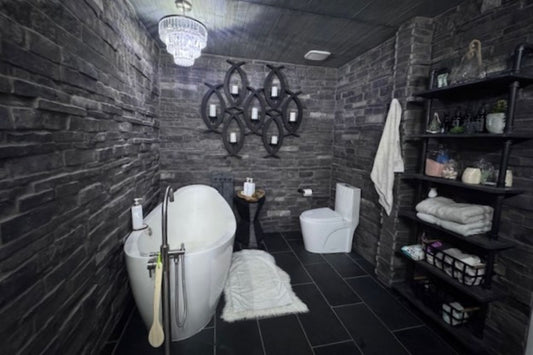
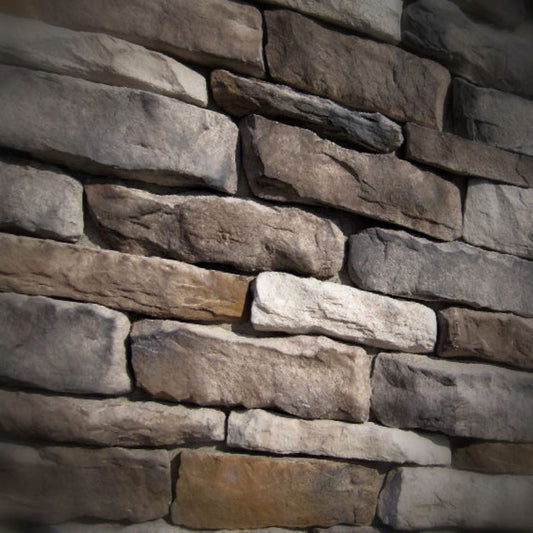
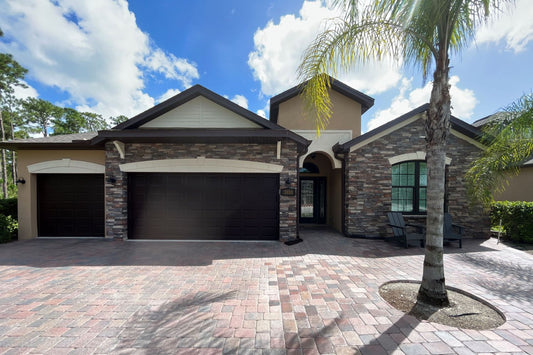
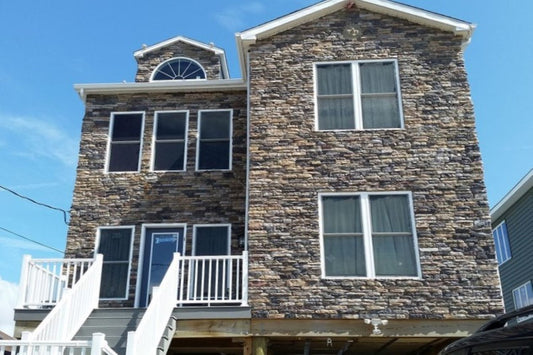
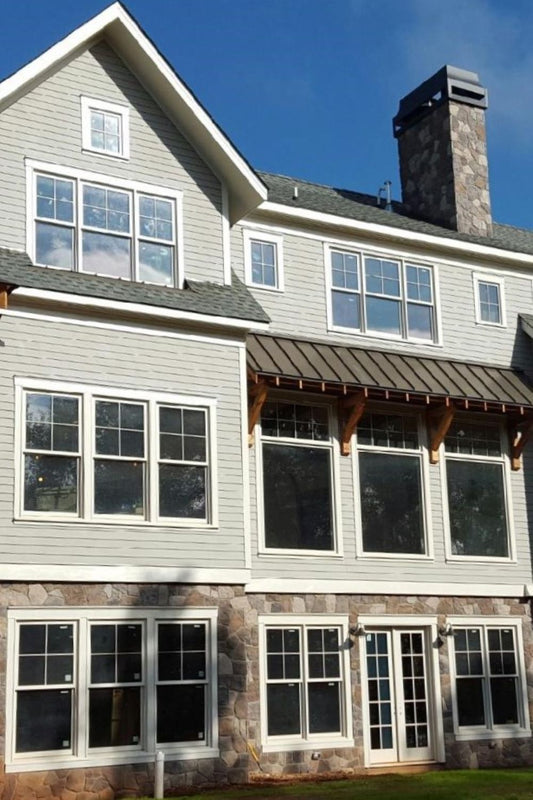
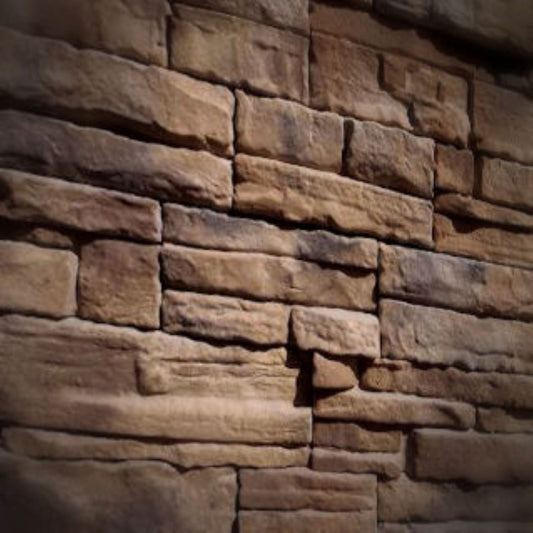
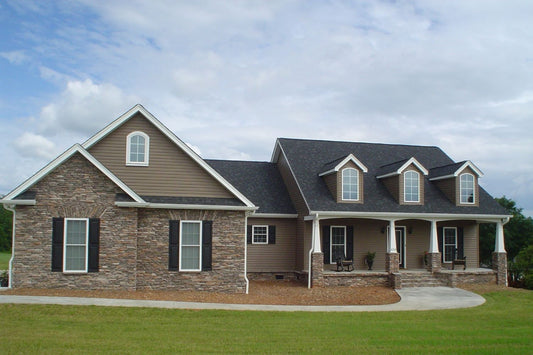
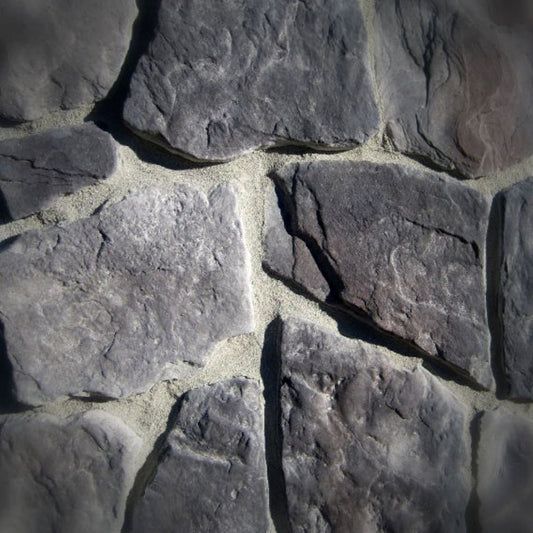
Pictured is ledge stone sonoma.



2 comments
Hi David,
Thank you for your question and interest in our stone veneer.
To start the process, simply email a few high-quality photos of your current stone to info@blackbearmountainstone.com and our team will work with you to find the closest match from our assortment.
Please let us know if you have any more questions!
Hi,
I’m re-building two exterior columns on my house and want to see if you can match the existing stone veneer, which is Versetta Stone, color Plum Creek, and the style is Ledgestone.
Do you have anything close to this? Thank you,
David Teague