
Cutting Manufactured Stone Veneer: Tools, Techniques, and Tips for a Clean Fit
Share
Manufactured stone veneer can be cut to fit around corners, windows, doors, outlets, and other installation obstacles using an angle grinder or masonry saw equipped with a diamond blade. Measure carefully, mark the stone, and make controlled cuts to achieve the desired fit. Always wear appropriate safety equipment and use wet-cutting methods or effective dust-control measures to minimize exposure to airborne silica dust.
Installing manufactured stone veneer often requires cutting individual stones to achieve a proper fit around corners, windows, doors, electrical outlets, fireplaces, and other architectural features. Although manufactured stone veneer is designed to simplify the installation process, not every stone will fit perfectly into every space. Knowing how to cut manufactured stone veneer correctly helps create a more natural-looking finished surface while reducing material waste and avoiding unnecessary installation delays.
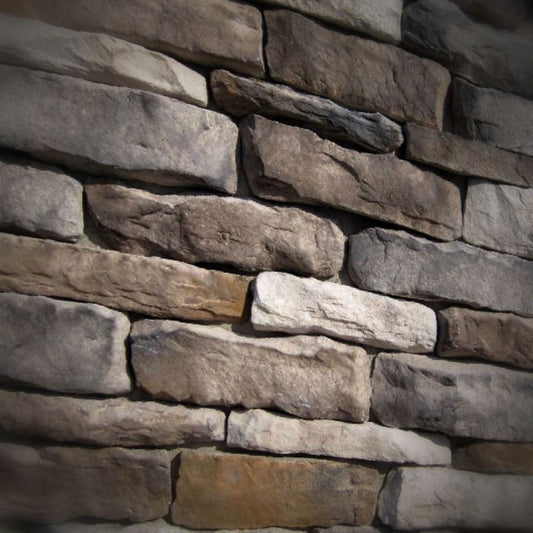
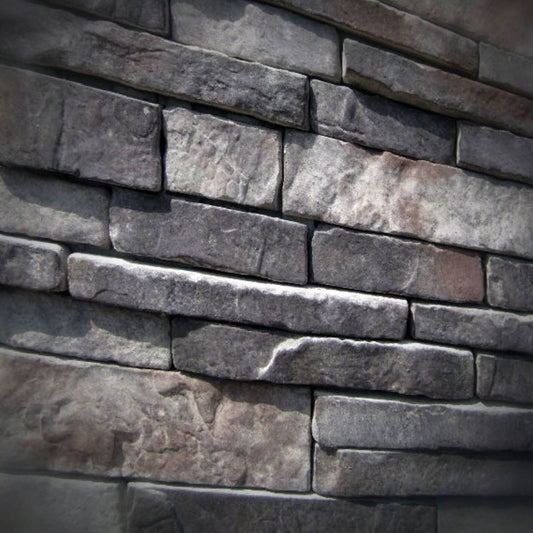
Unlike natural stone, manufactured stone veneer is manufactured using cement-based materials and lightweight aggregates, with mineral oxide pigments used to create its color variations. Its composition makes it possible to cut and shape individual pieces using commonly available masonry tools. However, choosing the right cutting equipment and technique is important for achieving clean cuts without unnecessarily chipping, cracking, or damaging the stone.
Whether you are a homeowner tackling a DIY stone veneer project or a professional mason working on a larger installation, understanding the proper cutting methods can make a significant difference in the finished appearance.
What Tools Do You Need to Cut Manufactured Stone Veneer?
The best tool for cutting manufactured stone veneer depends on the size of the stone, the type of cut required, and the amount of material being installed. Most projects can be completed using an angle grinder or a masonry wet saw equipped with an appropriate diamond blade.
An angle grinder is one of the most versatile tools for cutting manufactured stone veneer. A handheld grinder fitted with a diamond masonry blade allows installers to make straight cuts, shorten individual stones, and trim irregular edges. Its compact size also makes it useful when working with stones that need minor adjustments during installation. For many residential projects, a four-and-a-half-inch angle grinder provides sufficient cutting capacity.
A masonry wet saw is another effective option, particularly when a project involves cutting a large number of stones or requires consistent, straight edges. Wet saws use a diamond blade and water to cool the blade while helping control airborne dust. Depending on the saw's capacity, they can accommodate different stone sizes and thicknesses.
A hammer and masonry chisel may also be useful for making small adjustments or creating irregular edges. Rather than producing a perfectly straight mechanical cut, carefully chipping along an edge can help create a more natural appearance when a cut edge needs to be visible. However, this technique requires practice and should not be used when precise dimensions are necessary.
Regardless of the tool selected, always use a diamond blade specifically rated for cutting masonry or concrete-based materials. Standard wood-cutting blades and general-purpose cutting discs are not appropriate for manufactured stone veneer.
How to Measure and Mark Manufactured Stone Veneer Before Cutting
Accurate measurements are essential for achieving a professional-looking manufactured stone veneer installation. Before making any cuts, determine exactly where the stone needs to fit and how much material needs to be removed. Taking a few extra moments to measure and mark each piece can prevent unnecessary waste and help maintain consistent spacing throughout the installation.
When measuring a stone for a specific opening or installation area, account for the mortar joint if the installation uses mortar joints. Manufactured stone veneer is typically installed with individual pieces arranged to create a natural masonry appearance, so the spacing between stones can affect the dimensions of the available space.
Once you have determined the required dimensions, use a pencil, marker, or chalk to indicate the cutting line on the back of the stone. Marking the back helps keep the finished face free of unnecessary markings and provides a clear reference during cutting. If the stone has an irregular shape, double-check the measurement against the actual installation area before proceeding.
It is also helpful to dry-fit the stone before cutting. Positioning it where it will be installed allows you to identify any adjustments needed and helps prevent cutting away more material than necessary. Remember that manufactured stone veneer is designed to have natural variations in shape and size. Not every piece needs to be perfectly uniform, and minor variations can contribute to a more authentic stone appearance.
How to Cut Manufactured Stone Veneer With an Angle Grinder
An angle grinder equipped with a diamond masonry blade is one of the most commonly used tools for cutting manufactured stone veneer. It offers flexibility, portability, and enough cutting power to handle most individual stones used in residential and commercial installations.
Begin by securing the stone on a stable cutting surface. The stone should not shift or move while you are cutting. Position it so the cutting area is accessible and the blade can follow the marked line without obstruction. Never hold a stone in your hand while operating an angle grinder.
With the appropriate protective equipment in place, align the blade with the marked cutting line. Allow the grinder to reach its operating speed before making contact with the stone. Apply steady, controlled pressure rather than forcing the blade through the material. Depending on the thickness of the stone and the cutting capacity of the grinder, you may need to make multiple passes to complete the cut.
For thicker pieces, cutting partway through one side and then repositioning the stone to finish the cut from the opposite side can help produce a more controlled result. Avoid twisting the grinder or applying sideways pressure to the blade, as this can damage the blade and create an unsafe cutting situation.
After completing the cut, inspect the edge for any rough or uneven areas. Small imperfections can sometimes be corrected with additional careful trimming. If the cut edge will be visible in the finished installation, consider how it will look alongside the surrounding stones. A naturally irregular edge may blend better with the profile than an overly straight, manufactured-looking cut.
How to Cut Manufactured Stone Veneer With a Wet Saw
A masonry wet saw can be an excellent choice for projects involving numerous cuts or stones that require consistent dimensions. Unlike a handheld angle grinder, a wet saw provides a stationary cutting platform that helps maintain a straight cutting path.
Before using the saw, confirm that the diamond blade is appropriate for the material and that the saw is designed for the size and thickness of the stones being cut. Make sure the water supply is functioning properly and that the cutting area is clear of debris.
Position the manufactured stone veneer securely on the saw's cutting table, aligning the marked line with the blade. Feed the stone through the blade slowly and steadily, allowing the saw to do the work. Avoid pushing the material too quickly, as excessive pressure can produce uneven cuts or damage the stone.
Wet cutting is particularly useful because the water helps cool the blade and suppress dust generated during cutting. However, wet cutting does not eliminate every potential exposure to airborne silica dust. Proper equipment, ventilation, and safe work practices remain important.
For homeowners and contractors completing larger projects, a wet saw can improve consistency and make repetitive cutting tasks more manageable. It is especially useful when several stones need to be shortened to similar dimensions or when straight cuts are required around openings and transitions.
How to Make Manufactured Stone Veneer Cuts Look Natural
One of the most important considerations when cutting manufactured stone veneer is maintaining the natural appearance of the finished installation. A technically accurate cut does not always produce the most attractive result, particularly when a freshly cut edge is visible.
Manufactured stone veneer is designed to replicate the texture, shape, and color variation of natural stone. The goal is to make individual pieces fit together naturally rather than create an installation that looks overly uniform or mechanically assembled.
Whenever possible, position cut edges where they will be less noticeable. For example, a cut edge can often be placed against a window frame, beneath a trim detail, or in a location where it will be covered by an adjacent material. This helps preserve the natural appearance of the exposed stone faces.
When a cut edge must remain visible, consider using a hammer and masonry chisel to carefully create a slightly irregular finish, provided the stone's shape and installation requirements allow it. This can help soften the appearance of a perfectly straight saw cut. Take care not to chip away too much material or damage the face of the stone.
It is also important to avoid placing too many similarly sized cut pieces together. Distributing cut stones throughout the installation helps maintain a more natural pattern. Step back periodically and inspect the overall arrangement rather than concentrating exclusively on the individual stones being installed.
Safety Considerations When Cutting Manufactured Stone Veneer
Safety should always be a priority when cutting manufactured stone veneer. Cutting cement-based masonry products can generate respirable crystalline silica dust, which presents a serious health hazard when inhaled. Repeated or prolonged exposure can cause silicosis and other serious respiratory diseases.
Never assume that working outdoors eliminates the risk. Airborne dust can still be generated and inhaled, even when cutting takes place in an open area. Use appropriate dust-control measures, such as a properly equipped wet saw or a suitable dust-collection system designed for the cutting equipment being used. Follow applicable occupational safety requirements and the tool manufacturer's instructions.
Wear appropriate personal protective equipment, including safety glasses or a face shield, hearing protection, gloves suitable for the task, and respiratory protection when required by the exposure-control plan. Respirators must be properly selected, fitted, and used according to applicable requirements. A basic dust mask should not be assumed to provide adequate protection.
Keep other people away from the cutting area, especially children and anyone not involved in the work. Maintain a stable work surface, inspect blades before use, and disconnect power before changing blades or performing maintenance. When using electrical equipment around water, ensure that the equipment and electrical connections are suitable for wet conditions.
Good cutting practices protect both the installer and the quality of the finished project.
Cutting Stone Veneer Around Windows, Doors, and Other Obstacles
Many manufactured stone veneer installations involve working around architectural features that require precise cuts. Windows, doors, electrical boxes, plumbing penetrations, fireplace openings, and exterior corners are common areas where individual stones must be trimmed to fit.
When cutting around windows and doors, measure the opening carefully and determine how the surrounding trim or molding will meet the stone. Whenever possible, make cuts that allow the stone to terminate neatly against the adjacent material without leaving unnecessarily large gaps.
Electrical outlets and other wall penetrations require additional attention. Measure the location of the opening and transfer those measurements to the stone before cutting. Make sure the finished opening provides sufficient clearance for the electrical box or other component without compromising the surrounding installation.
For outside corners, manufactured stone veneer corner pieces are generally preferable to cutting flat stones to create the appearance of a finished corner. Corner pieces are specifically manufactured to wrap around outside corners and provide a more natural, consistent appearance. When a flat stone needs trimming near a corner, position the cut edge where it will be least noticeable.
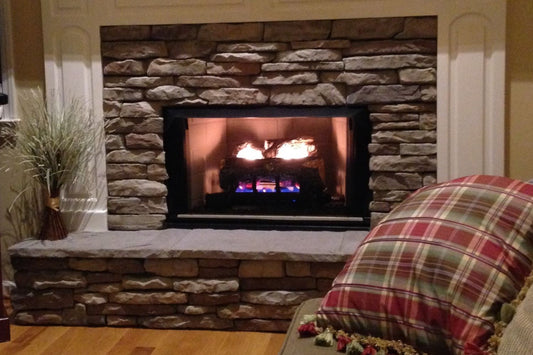
Fireplace installations may require additional cuts around the firebox opening, hearth, and surrounding trim. Always follow the fireplace manufacturer's clearance requirements and applicable building codes. Manufactured stone veneer is noncombustible, but that does not mean it is a fire-rated material or suitable for direct flame exposure.
Does Cutting Manufactured Stone Veneer Affect Its Color?
Cutting manufactured stone veneer can expose the interior material, which may look different from the finished exterior surface. This is because manufactured stone veneer is typically produced using cement-based materials, lightweight aggregates, and mineral oxide pigments, with much of the visible coloration concentrated near the surface. When a stone is cut, the newly exposed edge may reveal a lighter or more uniform interior color. This is a normal characteristic of many manufactured stone veneer products and does not necessarily indicate a defect.
Black Bear Mountain Stone uses Color Lock Technology to help bond surface color to the manufactured stone veneer. However, cutting through a stone will expose the underlying cement-based material, which is why it is important to consider the placement of cut edges during installation.
Whenever possible, keep freshly cut edges tucked against adjacent stones, trim, or other surfaces. If a cut edge will remain visible, evaluate the appearance before installing the piece. Avoid applying paint or other coatings without first understanding the manufacturer's recommendations, as altering the surface may affect product warranties.
Common Mistakes to Avoid When Cutting Manufactured Stone Veneer
One of the most common mistakes when cutting manufactured stone veneer is using the wrong blade. A blade that is not designed for masonry can produce poor results, wear prematurely, or create unnecessary damage. Always select a suitable diamond blade and follow the cutting tool manufacturer's recommendations.
Another mistake is rushing through measurements. Cutting a stone too short can create an unwanted gap, while removing too much material can make it difficult to maintain the intended pattern. Dry-fitting stones before cutting and checking measurements twice can help avoid these problems.
Applying excessive pressure during cutting is another issue. Forcing a blade through the stone can result in uneven edges, excessive chipping, or damage to the cutting equipment. A controlled approach produces more consistent results and helps extend blade life.
Finally, never overlook dust control. Cutting cement-based products can release respirable crystalline silica, even during relatively small DIY projects. Using appropriate dust-control equipment and following applicable safety requirements is essential. OSHA provides additional guidance on controlling silica dust when cutting masonry and other construction materials.
Cutting Manufactured Stone Veneer
Cutting manufactured stone veneer is a normal part of most installation projects. Whether you are trimming a few individual stones around a window or making numerous cuts for an entire fireplace or exterior wall, the right equipment and preparation make the process considerably easier.
An angle grinder with an appropriate diamond blade offers flexibility for most smaller projects, while a masonry wet saw can provide greater consistency when making multiple straight cuts. Taking accurate measurements, dry-fitting stones, and carefully positioning cut edges can help create a finished installation that looks natural and professionally installed.
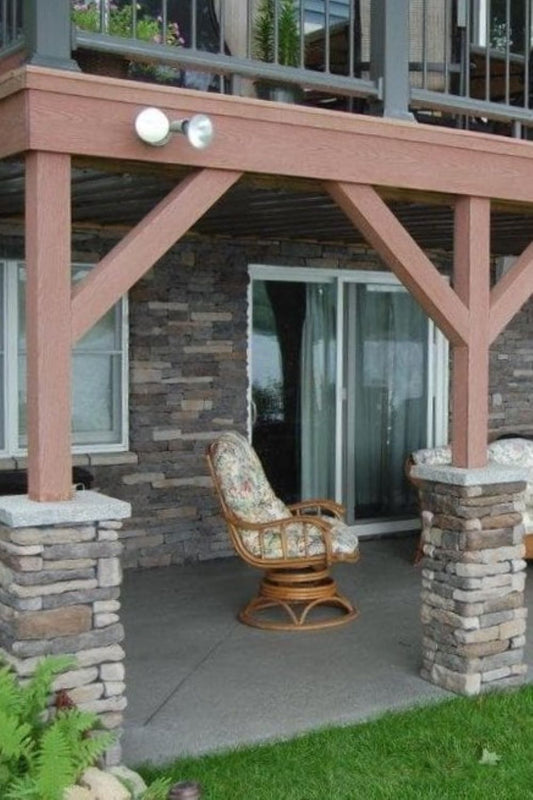
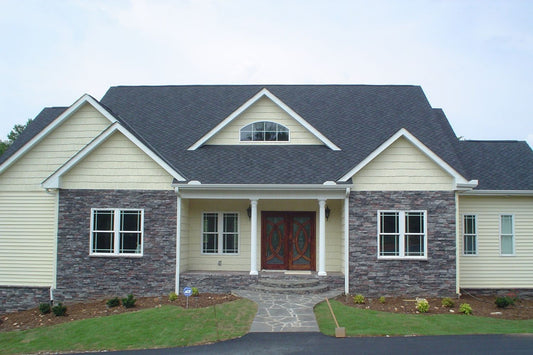
With proper planning, appropriate cutting tools, and careful installation, manufactured stone veneer can transform an ordinary wall, fireplace, column, or exterior facade into an attractive masonry feature.
Frequently Asked Questions About Cutting Manufactured Stone Veneer
Can you cut manufactured stone veneer with an angle grinder?
Yes. An angle grinder equipped with a diamond masonry blade is commonly used to cut manufactured stone veneer. It can make straight cuts, shorten individual stones, and trim pieces to fit around windows, doors, corners, and other obstacles.
Can you cut manufactured stone veneer with a regular saw?
A standard wood-cutting saw is not appropriate for cutting manufactured stone veneer. Use a masonry wet saw or a compatible handheld cutting tool equipped with a diamond blade designed for masonry and concrete-based materials.
Is it better to cut manufactured stone veneer wet or dry?
Wet cutting is generally preferable because continuously applied water helps suppress airborne silica dust and cool the cutting blade. When wet cutting is not feasible, use an appropriate dust-collection system and follow applicable exposure-control requirements. Simply wearing a dust mask is not a substitute for effective dust controls.
Does cutting manufactured stone veneer change its color?
Cutting can expose the interior of the stone, which may be lighter or more uniform in color than the finished exterior surface. This is normal for many manufactured stone veneer products. Positioning cut edges against adjacent stones or trim can help minimize their visibility.
Can you use a hammer and chisel to cut manufactured stone veneer?
A hammer and masonry chisel can be used to make small adjustments or create irregular edges. However, they are not ideal for precise dimensional cuts. A diamond-blade cutting tool generally provides better control and more consistent results.
Do you need to seal manufactured stone veneer after cutting?
Cutting manufactured stone veneer does not automatically mean the installation needs to be sealed. Sealing is generally optional and depends on the installation environment and manufacturer's recommendations. If a sealer is used, choose a compatible breathable penetrating sealer rather than a glossy surface coating, and test it on an inconspicuous area first.
What's Next?
Elevate your home or commercial project with high-quality manufactured stone veneer. Shop now to find the perfect style for your project or order a sample to see the texture, color, and craftsmanship up close.
Have a Question?
Please see our full terms of service or check out our frequently asked questions.
For general information and questions please call: (864) 882-8960 Mon. - Fri. 8am - 5pm (EST) or email: info@blackbearmountainstone.com we are more than happy to help you.
Or you can submit your questions via our contact us page.
We look forward to working with you on your upcoming project.
The Black Bear Mountain Stone Team
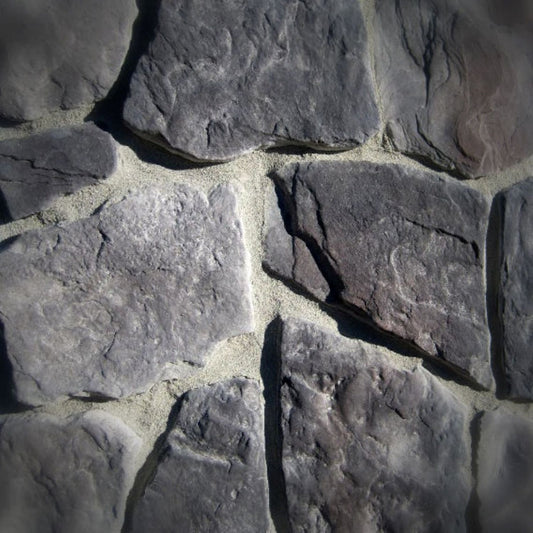
Pictured is an AI generated image of cutting stone veneer.