
Is Stone Veneer Better Than Faux Stone Panels?
Share
Originally posted January 30 2025, updated June 4 2026.
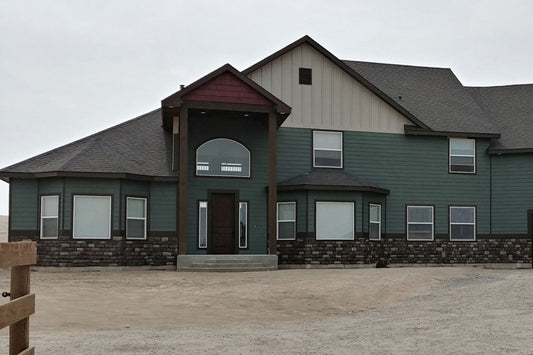
Manufactured stone veneer is generally considered the better choice for homeowners seeking a realistic stone appearance, long-term durability, and increased property value. Made from cement and aggregates, manufactured stone veneer closely replicates natural stone and performs well in both interior and exterior applications. Faux stone panels are lightweight synthetic products that offer easier installation but typically lack the authenticity, durability, and longevity of manufactured stone veneer.
Few architectural materials have the ability to transform a home quite like stone. Whether used on a fireplace, accent wall, foundation, outdoor kitchen, or entire facade, stone adds texture, depth, and timeless appeal. However, many homeowners quickly discover that natural stone can be expensive, heavy, and labor-intensive to install.
As a result, alternative products have become increasingly popular. Two of the most common options are manufactured stone veneer and faux stone panels. At first glance, both products may appear similar. Both are designed to replicate the look of natural stone while reducing costs and simplifying installation. Yet beneath the surface, these materials are fundamentally different in composition, appearance, performance, and long-term value.
If you are deciding between manufactured stone veneer and faux stone panels, understanding these differences can help ensure you choose the right material for your project.
What is manufactured stone veneer?
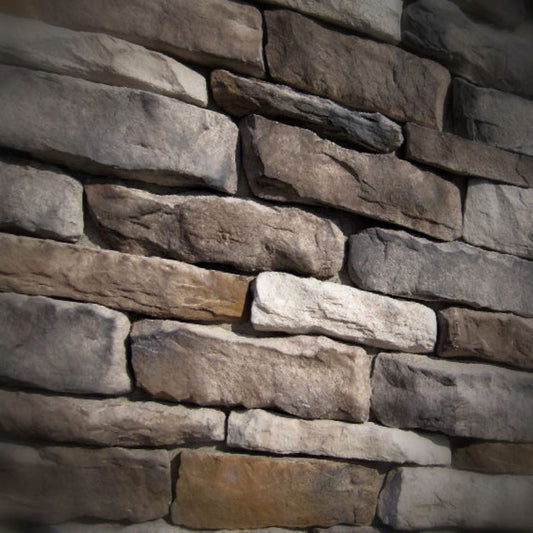
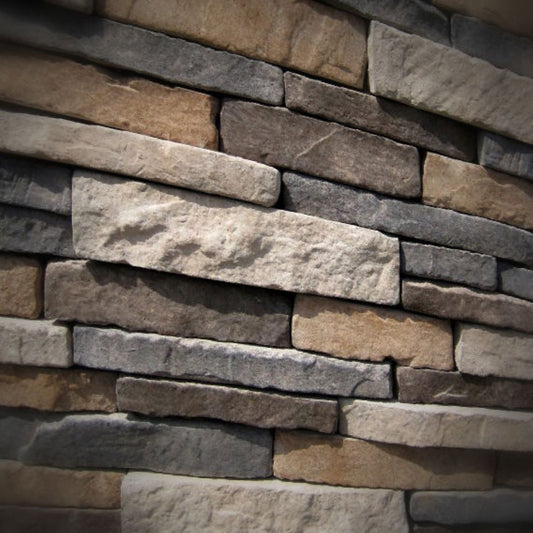
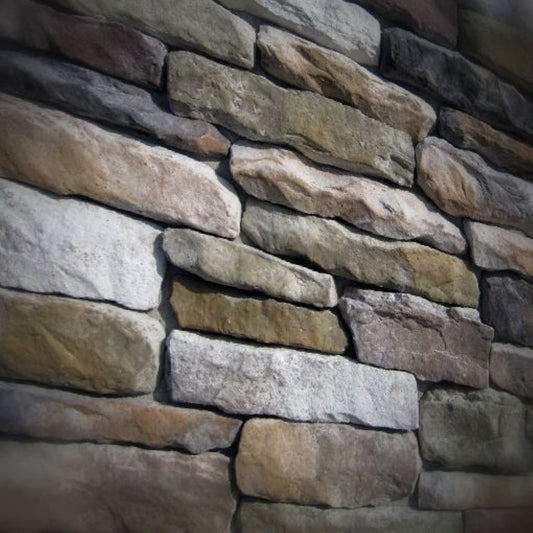
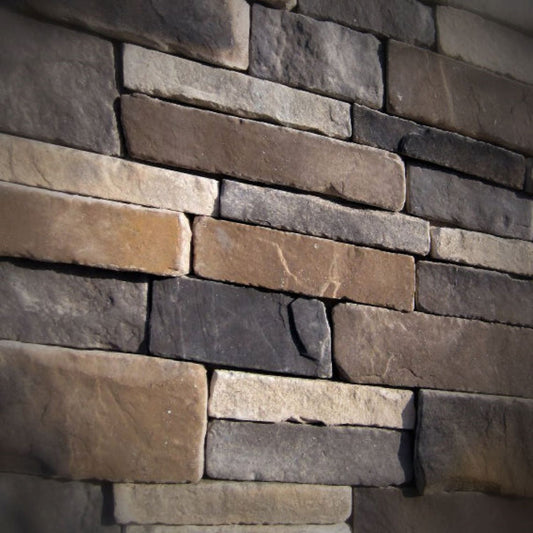
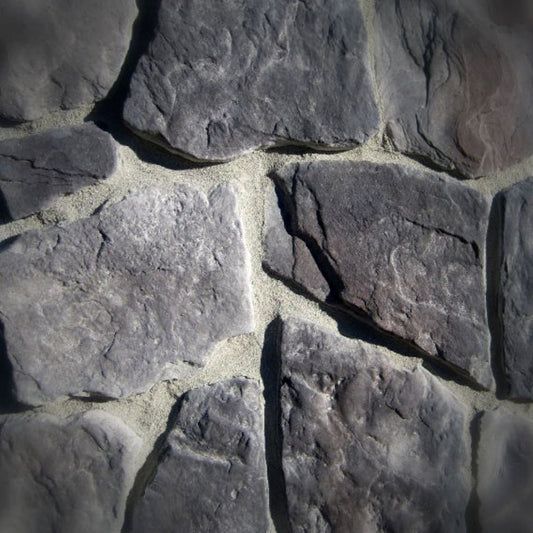
Manufactured stone veneer, often referred to as cultured stone or architectural stone veneer, is a cement-based product designed to replicate the appearance of natural stone. It is created using a blend of Portland cement, lightweight aggregates, mineral pigments, and specialized additives.
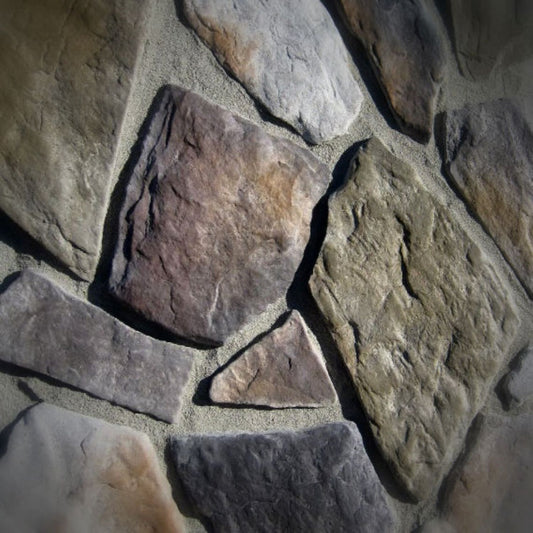
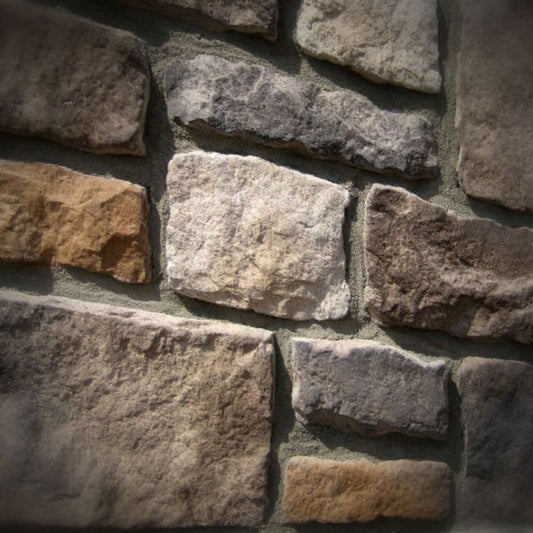
The manufacturing process involves casting the material in molds taken from real stone. The result is a highly realistic product that captures the texture, color variation, and character of natural stone while being significantly lighter and easier to install.
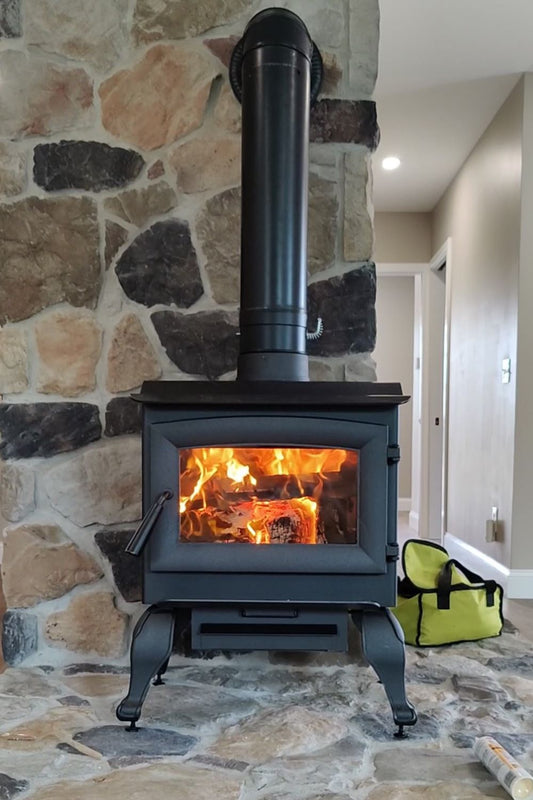
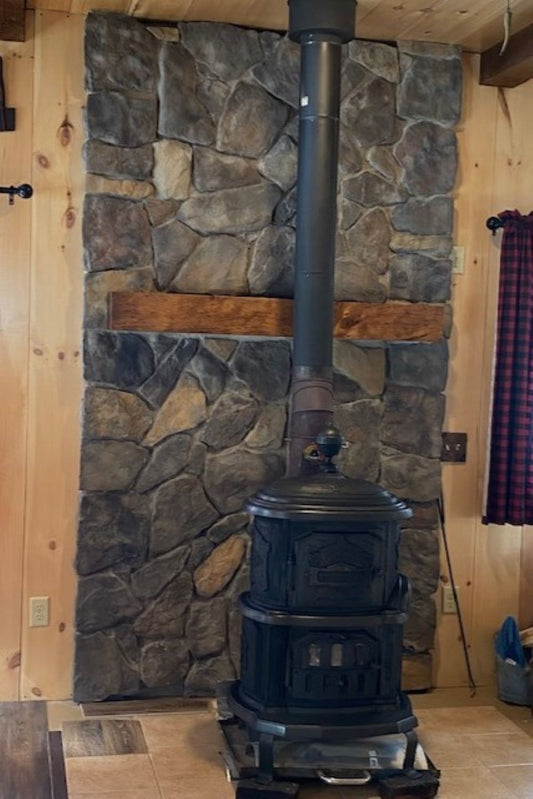
Manufactured stone veneer is installed individually, piece by piece, using mortar and traditional masonry techniques. Because each stone is installed separately, the finished project has natural depth, shadow lines, and variation that closely resembles full-bed natural stone construction.
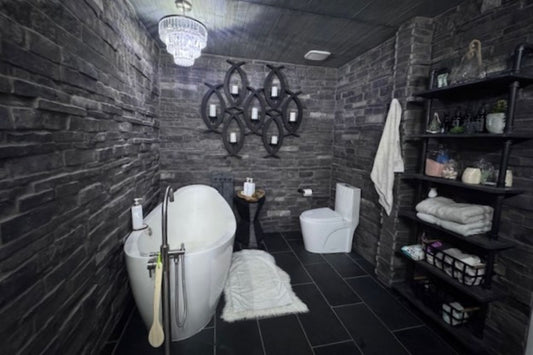
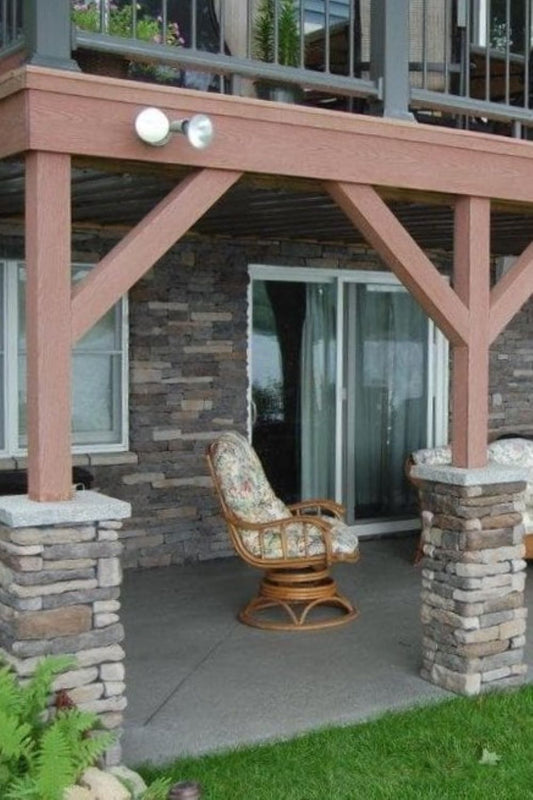
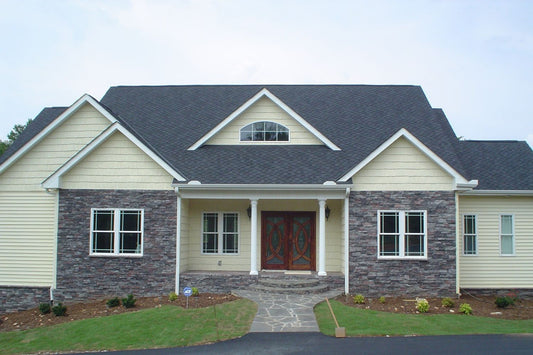
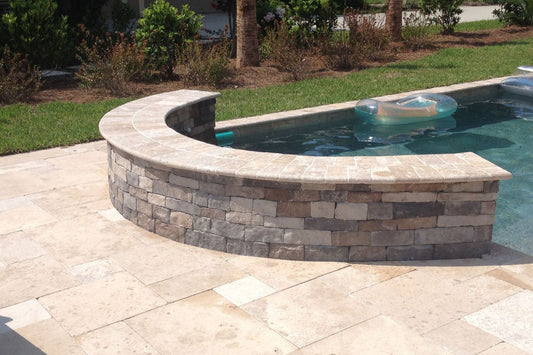
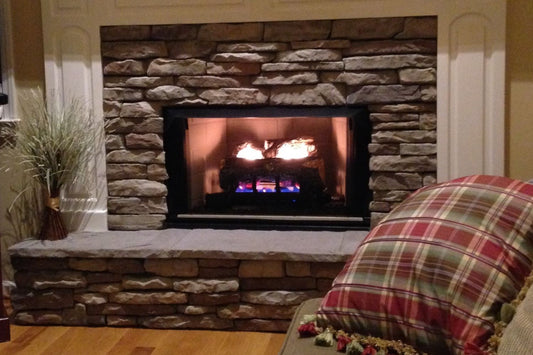
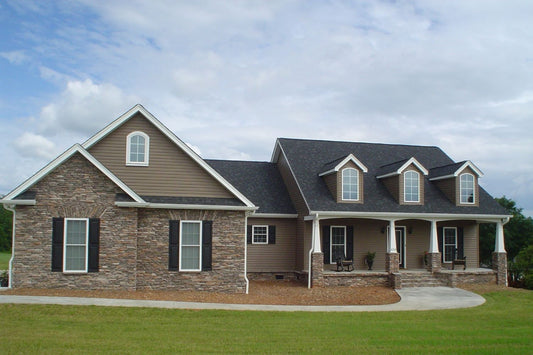
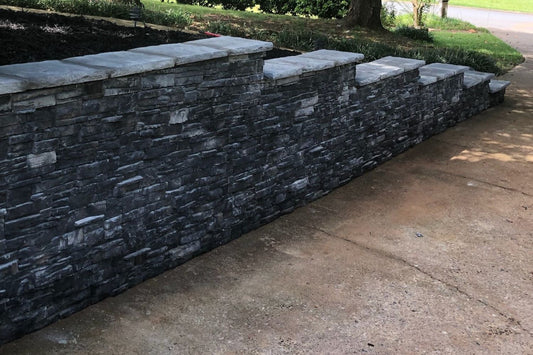
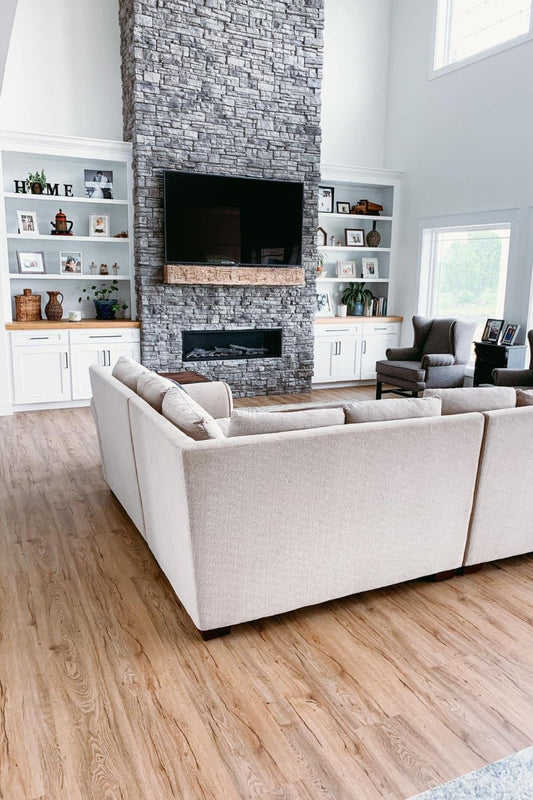
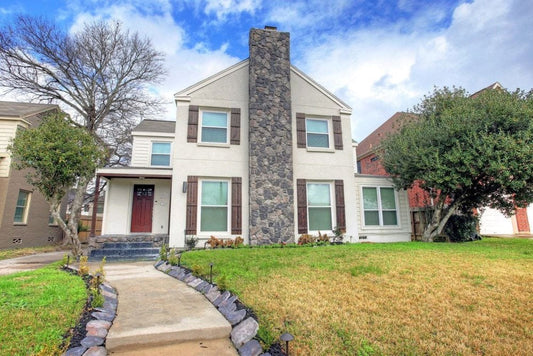
Today, manufactured stone veneer is widely used for fireplaces, exterior facades, retaining walls, entryways, columns, commercial buildings, and countless other residential and commercial applications.
What are faux stone panels?
Faux stone panels are manufactured wall covering systems designed to imitate the appearance of stone using lightweight synthetic materials. Most faux stone panels are made from polyurethane foam, PVC, or composite plastics.
Rather than installing individual stones, faux stone panels are produced as large sections that contain multiple stones molded together into a single panel. These panels are attached to walls using screws, fasteners, or construction adhesives.
Because they are lightweight and relatively easy to install, faux stone panels have become popular among homeowners seeking a quick cosmetic upgrade. They are frequently used for decorative accent walls, temporary renovations, trade show displays, retail environments, and certain exterior projects.
While modern manufacturing techniques have improved their appearance, faux stone panels remain fundamentally different from real masonry products.
Appearance and realism
For many homeowners, appearance is the most important factor when choosing between manufactured stone veneer and faux stone panels.
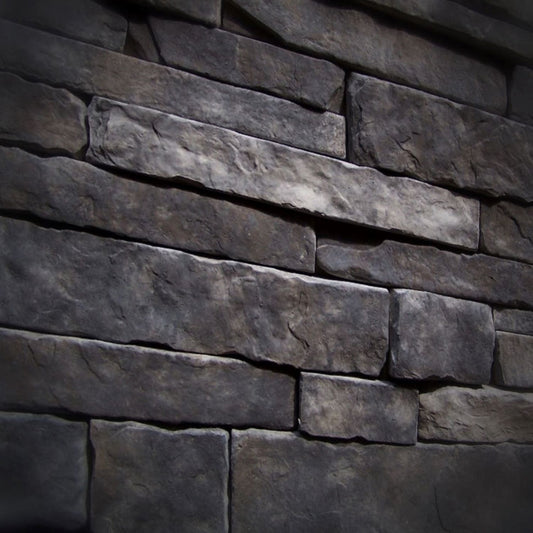
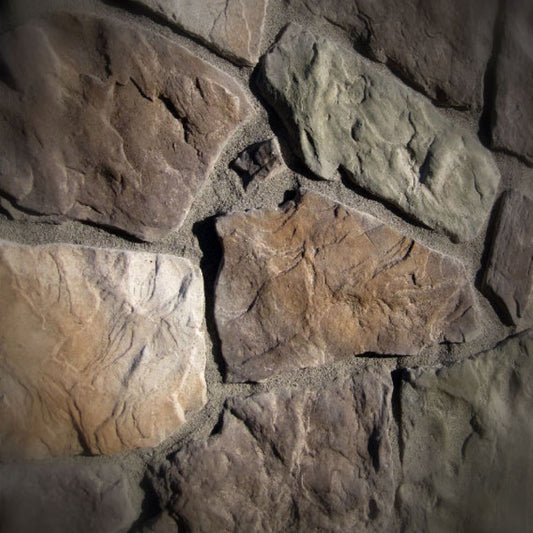
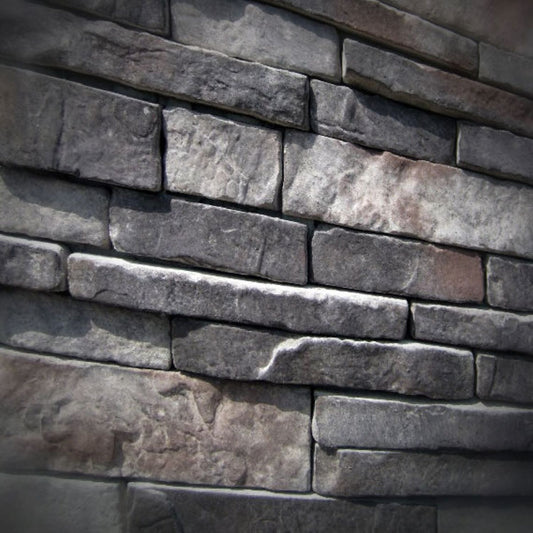
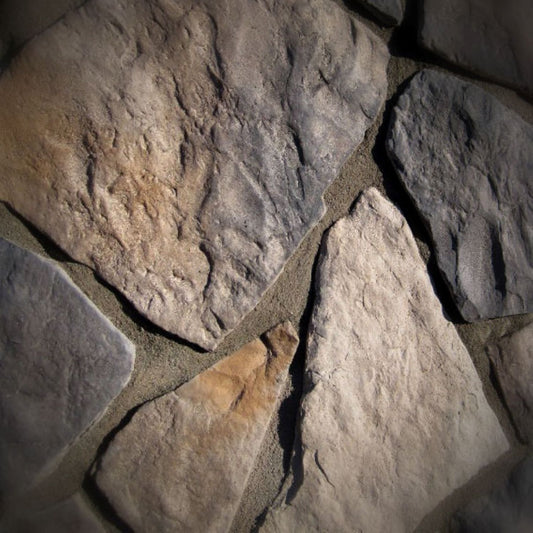
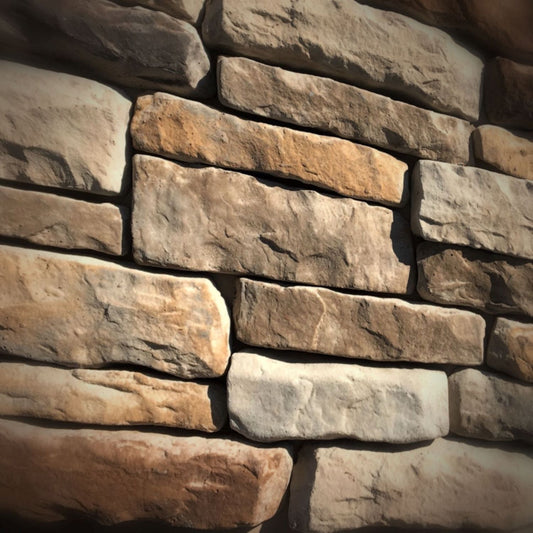
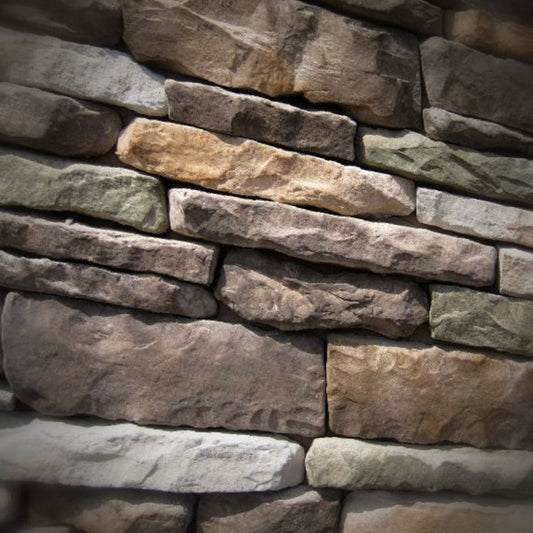
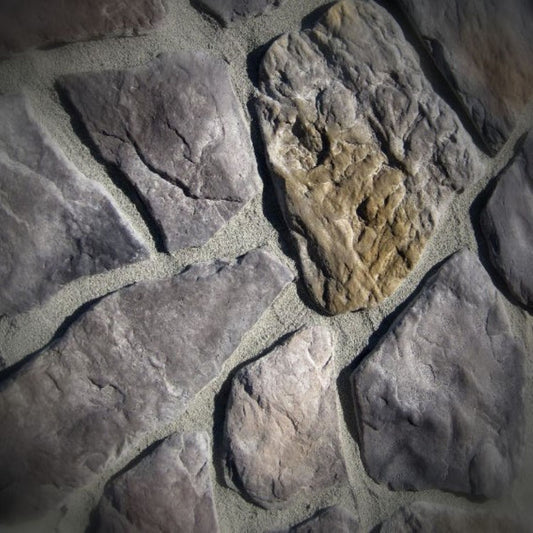
Manufactured stone veneer is widely regarded as the more authentic option. Because it is made from cement-based materials and installed one stone at a time, it creates the depth, texture, and irregularity found in natural stone masonry. Variations in color, shape, and joint placement contribute to a highly realistic finished appearance.
Even at close viewing distances, high-quality manufactured stone veneer can be difficult to distinguish from natural stone. The shadows, mortar joints, and dimensional characteristics all contribute to its authenticity.
Faux stone panels have improved dramatically over the years, but they often reveal their synthetic nature upon closer inspection. Because the stones are molded into repeating patterns, homeowners may notice duplicated textures or obvious panel seams. The material itself also lacks the weight and tactile feel associated with genuine masonry products.
For projects where appearance is the top priority, manufactured stone veneer is generally considered the superior choice.
Durability and long-term performance
Durability is another area where manufactured stone veneer often outperforms faux stone panels.
Manufactured stone veneer is composed primarily of cement and aggregates, giving it strength similar to other masonry materials. When properly installed, it can withstand years of exposure to rain, snow, freeze-thaw cycles, UV radiation, and temperature fluctuations.
Many manufactured stone veneer installations remain attractive and functional for decades with minimal maintenance. This durability makes it suitable for both interior and exterior applications.
Faux stone panels are considerably lighter because they are made from foam or plastic-based materials. While this contributes to easier installation, it also makes them more vulnerable to physical damage. Impacts from lawn equipment, hail, furniture, or everyday wear can dent, crack, or puncture the panels.
Extended exposure to sunlight may also cause fading over time, particularly in lower-quality products. Although premium faux stone panels offer improved UV resistance, they generally do not match the lifespan of cement-based stone veneer.
Installation differences
Installation is one area where faux stone panels offer a clear advantage.
Because the panels are lightweight and cover large areas quickly, installation can often be completed by homeowners with basic carpentry skills. Most systems involve fastening panels directly to a wall using screws or adhesive. This reduces labor costs and shortens project timelines.
Manufactured stone veneer requires a more traditional masonry installation process. Depending on the substrate, installers may need to apply a weather-resistant barrier, metal lath, scratch coat, mortar, and individual stone pieces.
This process requires greater skill and attention to detail. Professional installation is often recommended, particularly for exterior projects where moisture management is critical.
Although installation costs may be higher, many homeowners consider the improved appearance and durability well worth the investment.
Exterior applications
Exterior performance is one of the most significant distinctions between these products.
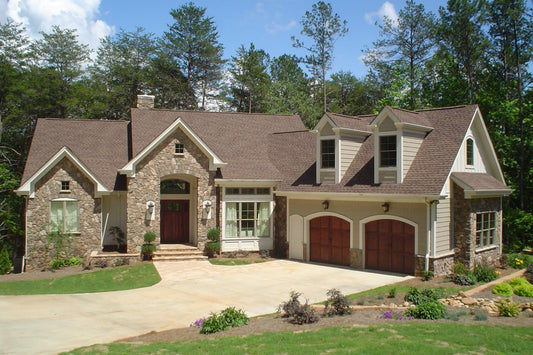
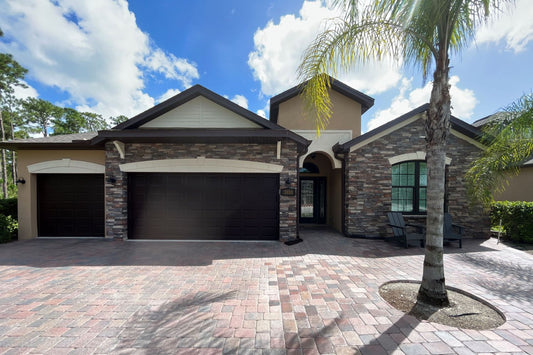
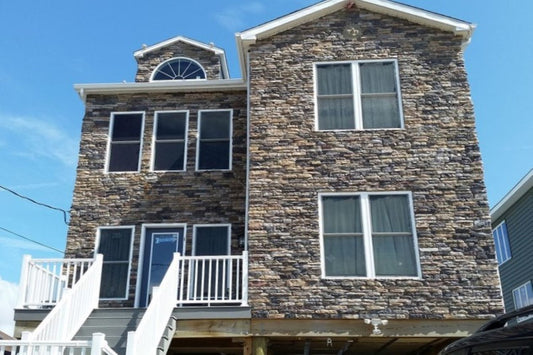
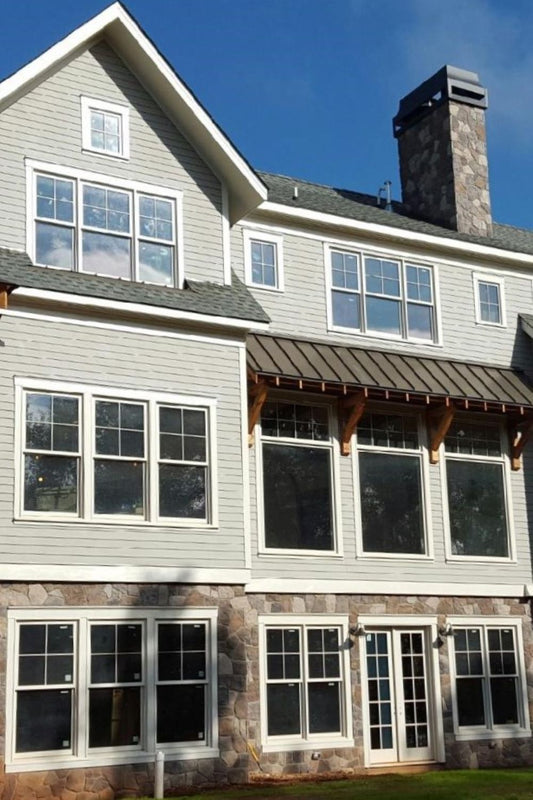
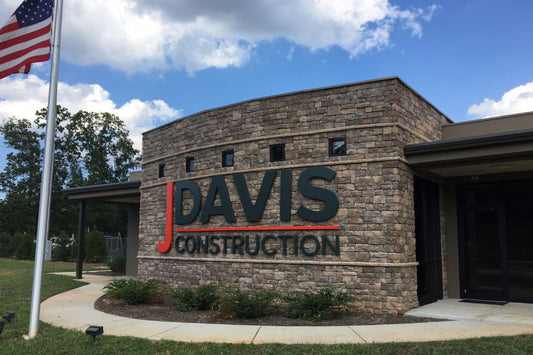
Manufactured stone veneer was developed specifically for long-term architectural applications. It is commonly installed on home exteriors, foundations, chimneys, columns, retaining walls, outdoor kitchens, and commercial buildings.
Its cement-based composition allows it to withstand challenging environmental conditions while maintaining its appearance.
Faux stone panels can be used outdoors, but their long-term performance depends heavily on product quality and installation methods. Because many panels are made from synthetic materials, they may be more susceptible to fading, cracking, or damage from extreme weather conditions.
For homeowners seeking a permanent exterior cladding solution, manufactured stone veneer is generally the preferred option.
Property value and perceived quality
Building materials influence not only appearance but also how buyers perceive a property.
Manufactured stone veneer is often viewed as a premium architectural finish. Because it closely resembles natural masonry construction, it can enhance curb appeal and contribute to a home's overall perceived value.
Real estate professionals frequently note that stone accents create a sense of permanence, craftsmanship, and quality. These characteristics can help differentiate a home in competitive housing markets.
Faux stone panels typically do not provide the same level of perceived value. While they can improve appearance, many buyers recognize them as decorative coverings rather than permanent masonry products.
For homeowners making long-term investments in their property, manufactured stone veneer often delivers greater returns.
Cost considerations
Many people assume faux stone panels are automatically less expensive than manufactured stone veneer. In reality, the comparison is often more complicated.
While faux stone panels may reduce installation costs due to faster labor, premium panel systems can carry surprisingly high material costs. High-quality polyurethane products often command significant prices because of the specialized molding and manufacturing processes required to create realistic textures.
Manufactured stone veneer typically offers a strong balance between material cost, appearance, and longevity. Although installation expenses may be higher, many homeowners find that the long-term value justifies the investment.
When evaluating costs, it is important to consider not only initial installation but also lifespan, maintenance, and potential replacement expenses.
Maintenance requirements
Both products require relatively little maintenance, but there are some differences.
Manufactured stone veneer benefits from periodic inspections and occasional cleaning. In certain climates and applications, sealing may be recommended to help protect against moisture intrusion and staining. When properly maintained, stone veneer can retain its appearance for decades.
Faux stone panels are generally resistant to moisture and easy to clean. However, if panels become damaged, cracked, or faded, replacement may be necessary. Because colors can change over time, matching replacement panels may occasionally present challenges.
For homeowners seeking a long-lasting solution with proven durability, manufactured stone veneer typically offers greater peace of mind.
Frequently asked questions
1. What is the difference between manufactured stone veneer and faux stone panels? Manufactured stone veneer is a cement-based masonry product installed individually with mortar, while faux stone panels are synthetic panels typically made from polyurethane, PVC, or composite materials.
2. Which looks more realistic, stone veneer or faux stone panels? Manufactured stone veneer generally provides a more realistic appearance because each stone is installed individually and creates natural depth, texture, and variation.
3. Are faux stone panels suitable for exterior use? Some faux stone panels are rated for exterior applications, but their long-term durability and weather resistance often do not match high-quality manufactured stone veneer.
4. Is manufactured stone veneer more durable? Yes. Manufactured stone veneer is typically more resistant to impacts, weather exposure, UV damage, and aging compared to most synthetic faux stone panel products.
5. Which option adds more value to a home? Manufactured stone veneer is generally viewed as a premium architectural material and often contributes more to curb appeal and perceived property value.
6. Is manufactured stone veneer worth the extra installation cost? For many homeowners, the improved appearance, longevity, durability, and resale value make manufactured stone veneer a worthwhile long-term investment.
Is stone veneer better than faux stone panels?
The answer depends on your goals, budget, and project requirements.
If you are looking for the most realistic stone appearance, superior durability, long-term value, and a material suitable for both interior and exterior applications, manufactured stone veneer is generally the better choice. It delivers the timeless beauty of natural stone while offering excellent performance and longevity.
If your primary goal is a quick installation, lower labor requirements, and a lightweight decorative solution, faux stone panels may be a practical option. They can work well for certain accent walls, temporary applications, and DIY projects.
For most permanent residential and commercial installations, however, manufactured stone veneer remains the preferred choice among builders, designers, and homeowners seeking authentic stone aesthetics and long-term performance.
What's next?
Ready to transform your space? Shop now for a stunning upgrade or order a sample to see the quality in person before you decide. Start your project with confidence today!
Have a question?
Please see our full terms of service or check out our frequently asked questions.
For general information and questions please call: (864) 882-8960 Mon. - Fri. 8am - 5pm (EST) or email: info@blackbearmountainstone.com we are more than happy to help you.
Or you can submit your questions via our contact us page.
We look forward to working with you on your upcoming project.
The Black Bear Mountain Stone Team
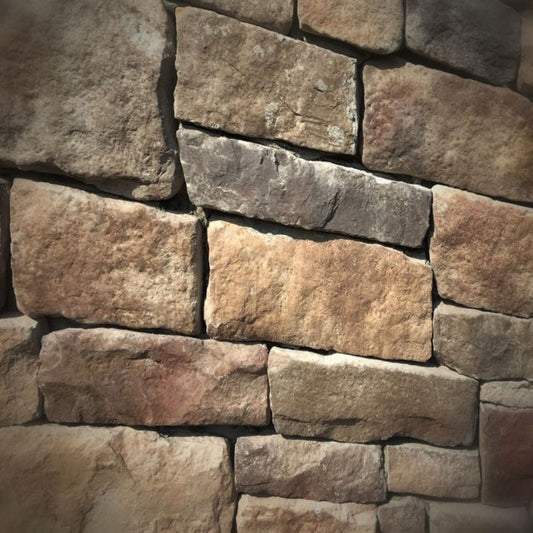
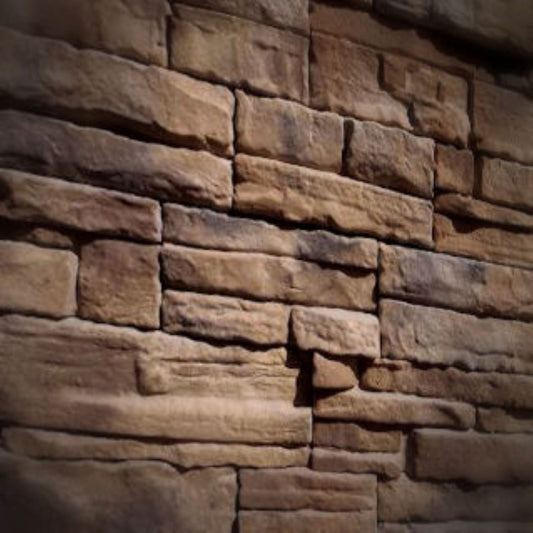
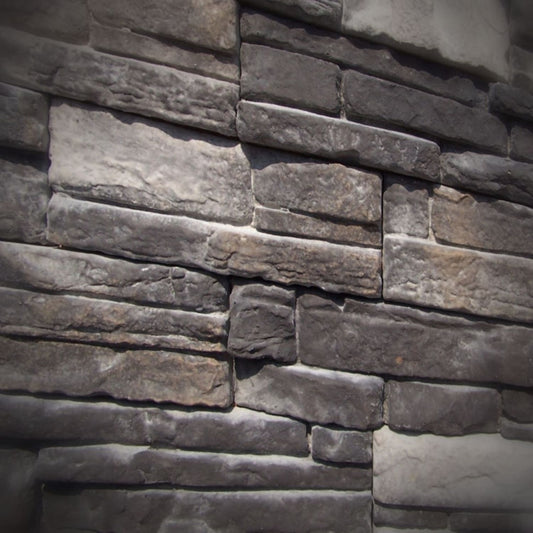
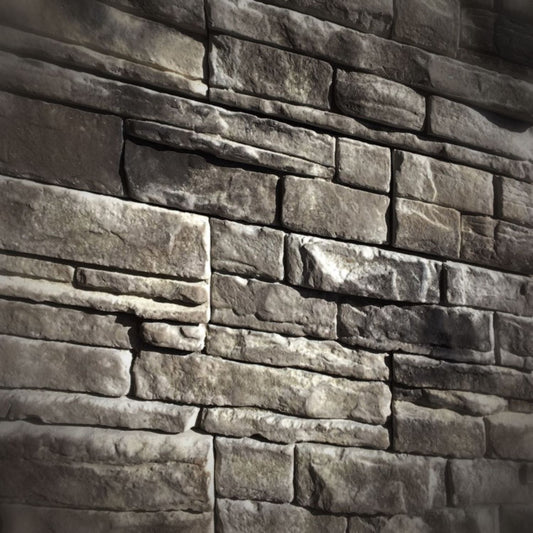
Pictured is stack stone ozark.