
Is Stone Veneer Fire Resistant?
Share
Originally posted January 27 2025, updated June 4 2026.
Yes, manufactured stone veneer is considered a fire-resistant and non-combustible building material because it is primarily made from cement, lightweight aggregates, and mineral-based pigments. Manufactured stone veneer will not ignite, contribute fuel to a fire, or support flame spread. This makes it a popular choice for fireplace surrounds, chimneys, outdoor kitchens, fire pits, and homes located in wildfire-prone regions. However, proper installation and compliance with manufacturer specifications and local building codes remain essential for maximum fire safety.
When choosing exterior or interior finish materials, appearance is often the first consideration. However, durability, safety, and building performance are equally important. One of the most common questions homeowners, contractors, architects, and designers ask is whether manufactured stone veneer is fire resistant.
The answer is generally yes. Manufactured stone veneer offers excellent fire-resistant properties and is widely used in applications where exposure to heat is expected. From fireplace surrounds and chimney facades to outdoor living spaces and wildfire-conscious construction, manufactured stone veneer provides the appearance of natural stone while helping support fire-safe building practices.
Understanding how manufactured stone veneer behaves when exposed to heat, what makes it fire resistant, and how proper installation affects performance can help you make informed decisions for your next project.
What is manufactured stone veneer?
Manufactured stone veneer, often referred to as manufactured stone veneer or cultured stone, is a lightweight architectural cladding designed to replicate the appearance and texture of natural stone. It is manufactured using a blend of Portland cement, lightweight aggregates, mineral pigments, and specialty additives.
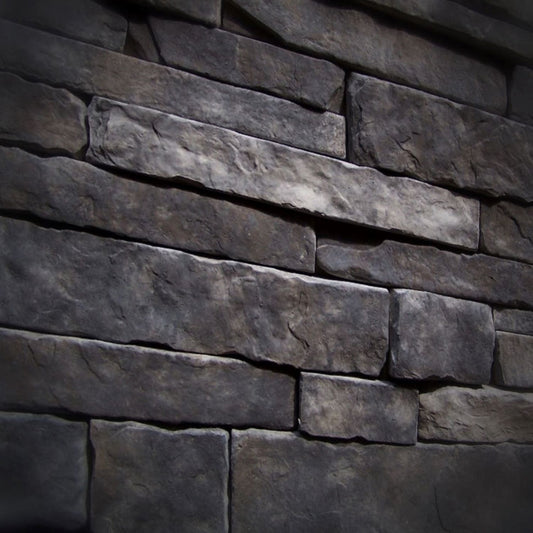
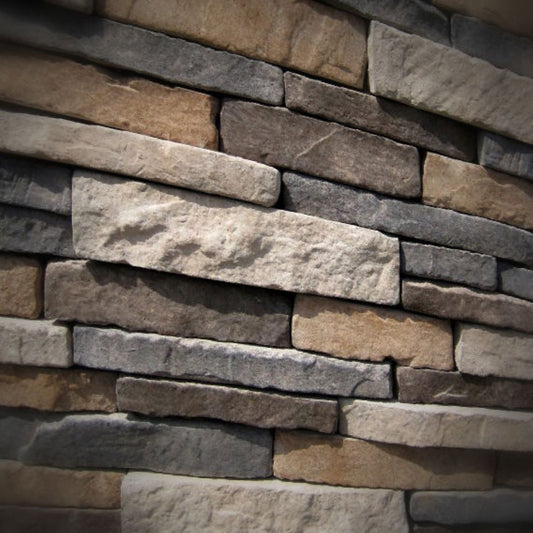
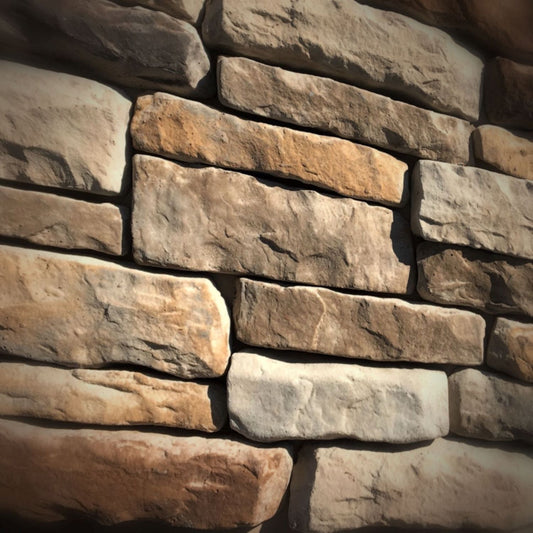
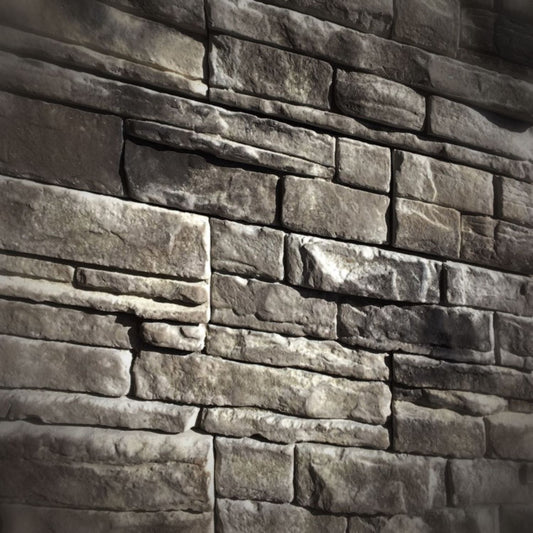
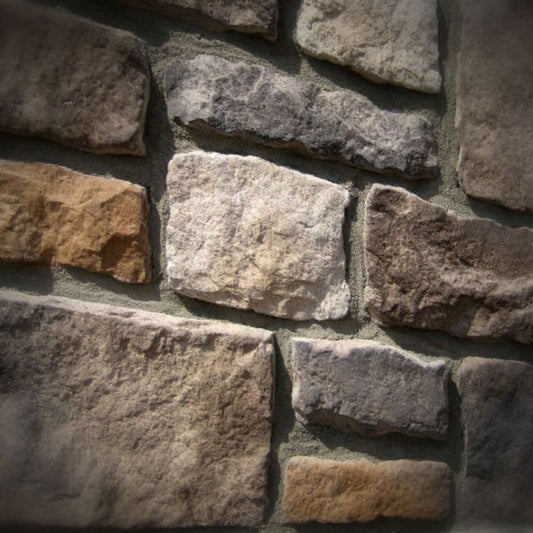
Modern manufacturing techniques allow stone veneer products to closely mimic the appearance of fieldstone, ledgestone, limestone, river rock, and other natural stone profiles. Because it is significantly lighter than full-bed natural stone, manufactured stone veneer can often be installed without the structural requirements associated with traditional masonry construction.
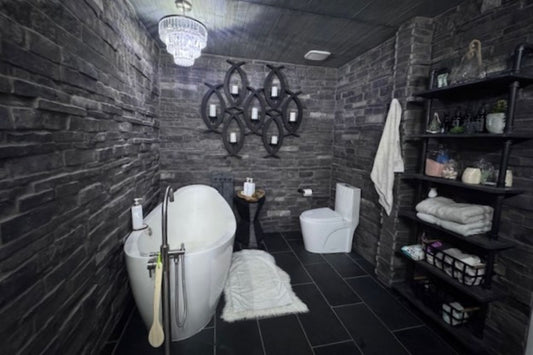
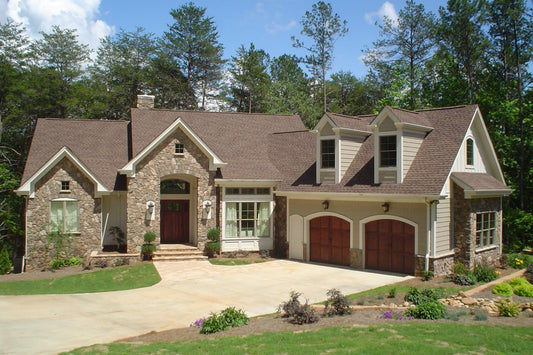
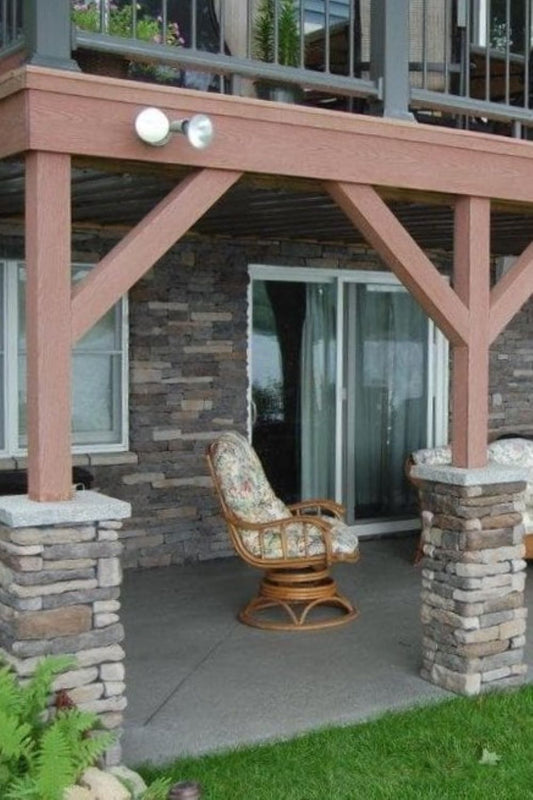
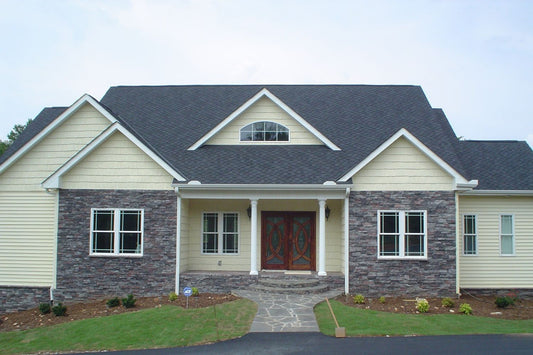
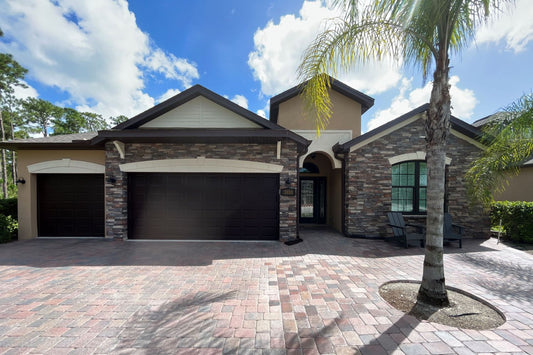
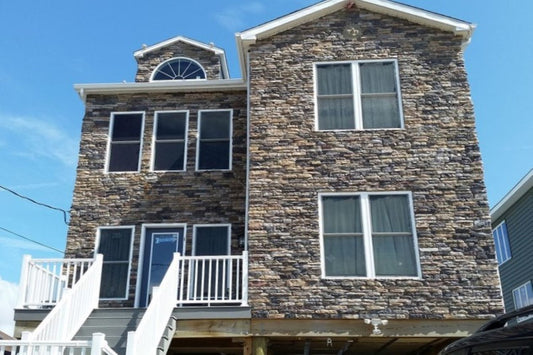
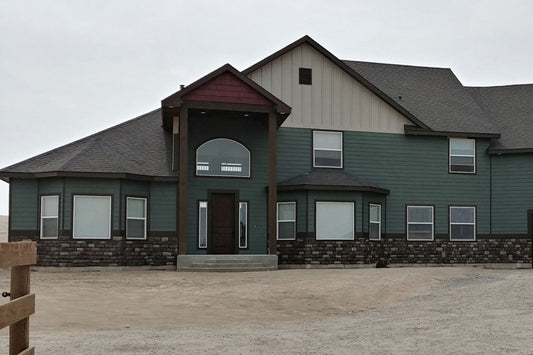
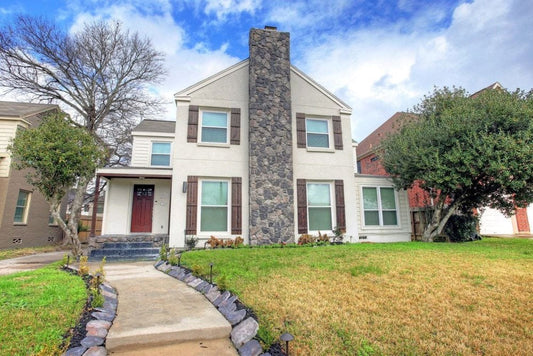
Its versatility has made it a popular choice for fireplaces, accent walls, exterior facades, retaining walls, entryways, columns, outdoor kitchens, and numerous residential and commercial applications.
Why manufactured stone veneer is fire resistant
The fire-resistant nature of manufactured stone veneer comes directly from its composition. Unlike wood, vinyl siding, composite materials, or other combustible building products, manufactured stone veneer is primarily composed of inorganic materials that do not burn.
Cement serves as the primary binder within the product and is inherently non-combustible. The aggregates used during manufacturing are also mineral-based and resistant to ignition. As a result, manufactured stone veneer does not contribute fuel to a fire and does not produce flames when exposed to heat.
Because of these characteristics, manufactured stone veneer is frequently incorporated into projects where fire resistance is an important consideration. The material maintains its structural integrity under high temperatures and does not melt or rapidly deteriorate when exposed to heat sources commonly found around residential and commercial buildings.
This combination of beauty and performance makes manufactured stone veneer a practical solution for homeowners seeking both aesthetic appeal and enhanced safety.
Can stone veneer be used around fireplaces?
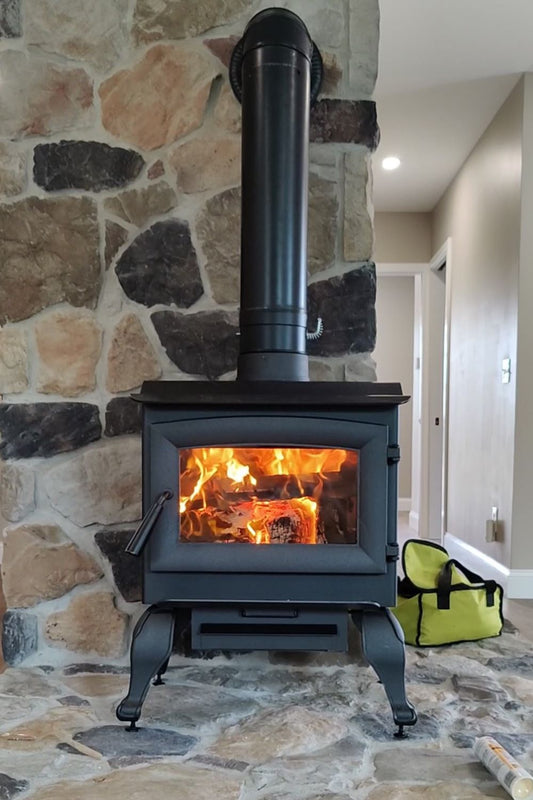
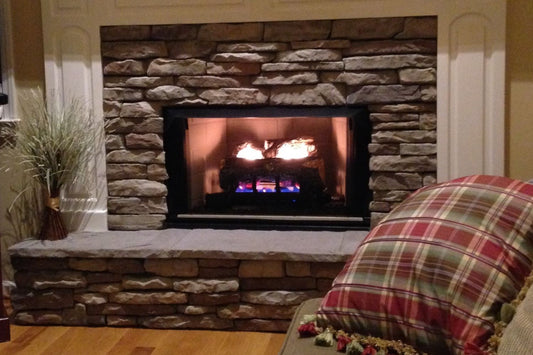
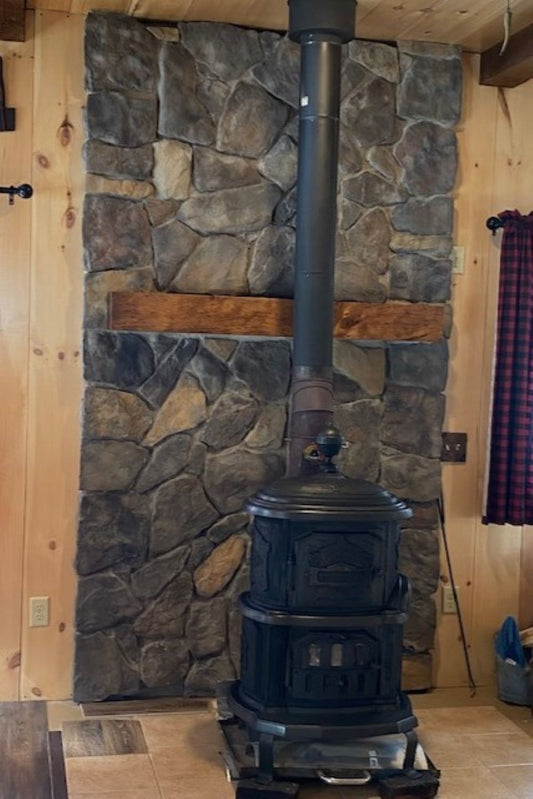
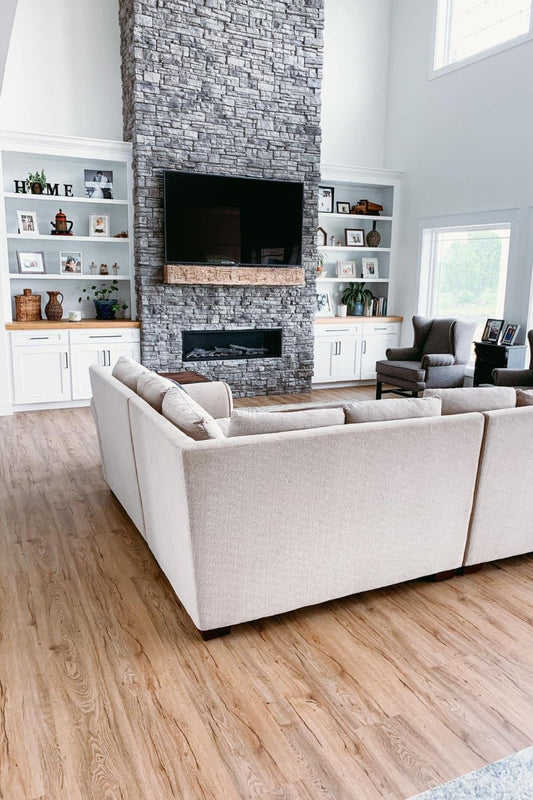
Fireplace surrounds are among the most common applications for manufactured stone veneer. The material's ability to withstand elevated temperatures makes it particularly well suited for creating attractive fireplace facades and feature walls.
Whether installed around a traditional wood-burning fireplace, gas fireplace, or electric fireplace, manufactured stone veneer can provide the timeless appearance of natural stone while offering dependable performance.
The key factor is ensuring that installation follows all manufacturer recommendations and applicable building codes. Required clearances between combustible materials and heat-producing components must always be maintained. The substrate and supporting materials should also be suitable for high-temperature environments.
When installed correctly, a stone veneer fireplace becomes a beautiful focal point that combines design flexibility with long-term durability.
Manufactured stone veneer and outdoor fire features
Outdoor living spaces continue to grow in popularity, and fire features are often at the center of those designs. Fire pits, outdoor fireplaces, pizza ovens, and outdoor kitchens frequently incorporate manufactured stone veneer because of its fire-resistant properties and natural appearance.
The material can withstand normal heat exposure associated with recreational fire features while maintaining its visual appeal. It also resists weathering, making it suitable for year-round outdoor use in many climates.
Homeowners appreciate the ability to create cohesive outdoor environments where stone veneer is used consistently across seating walls, fire features, kitchen islands, and structural columns.
Proper design remains important. Areas exposed to direct flame or extreme temperatures may require specialized refractory materials, firebrick, or other heat-rated components in conjunction with manufactured stone veneer.
Is manufactured stone veneer suitable for wildfire-prone areas?
Fire-resistant building materials have become increasingly important in regions vulnerable to wildfires. While no exterior cladding system can make a structure completely fireproof, manufactured stone veneer can contribute to a more resilient building envelope.
Because it is non-combustible, manufactured stone veneer will not ignite when exposed to airborne embers or radiant heat. This makes it a preferred cladding choice for many homeowners seeking alternatives to combustible siding materials.
When combined with fire-resistant roofing, properly protected vents, tempered glass windows, and defensible landscaping practices, manufactured stone veneer can play a valuable role in reducing overall fire risk.
Many builders and designers in wildfire-prone areas choose stone veneer specifically because of its ability to withstand exposure to heat without contributing to fire spread.
Understanding fire ratings and building code requirements
While manufactured stone veneer itself is generally considered non-combustible, building assemblies are often evaluated as complete systems rather than individual components.
Fire ratings may depend on the substrate, moisture barrier, fastening methods, sheathing, framing, and other materials used within the wall assembly. As a result, builders should always review product specifications and local code requirements before installation.
Manufacturers often provide testing data and documentation regarding fire performance. Architects, engineers, and inspectors may reference these documents when evaluating compliance with project requirements.
Because building codes vary by jurisdiction, consulting local authorities and following manufacturer guidelines remains the best approach for ensuring code-compliant installations.
Installation considerations for maximum fire safety
Even the most fire-resistant material can be compromised by poor installation practices. Proper installation plays a critical role in ensuring that manufactured stone veneer performs as intended.
High-heat applications should utilize approved substrates such as cement board, masonry surfaces, or other fire-resistant backing materials. Installers should carefully follow specified clearances around fireplaces, stoves, chimneys, and other heat-producing equipment.
Mortars, adhesives, and accessory materials should also meet the requirements outlined by the manufacturer. Gaps and penetrations should be properly sealed where applicable, and all components within the assembly should work together as a complete system.
Professional installation helps ensure both safety and long-term performance while preserving warranty coverage.
Can manufactured stone veneer be damaged by heat?
Although manufactured stone veneer is highly resistant to heat, no building material is completely immune to the effects of extreme conditions.
Under normal residential use, stone veneer performs exceptionally well around fireplaces and outdoor fire features. However, prolonged exposure to unusually high temperatures may occasionally result in minor cosmetic changes.
In some situations, discoloration, surface weathering, or slight variations in appearance can occur after years of exposure to intense heat. These effects are typically aesthetic rather than structural and do not diminish the fire-resistant nature of the material.
Following installation guidelines and maintaining recommended clearances helps minimize the likelihood of heat-related issues.
Comparing stone veneer to other exterior cladding materials
When comparing building materials from a fire-safety perspective, manufactured stone veneer offers several advantages.
Unlike wood siding, it does not ignite or provide fuel for a fire. Unlike vinyl siding, it will not melt when exposed to elevated temperatures. Compared to many composite materials, manufactured stone veneer offers superior resistance to flame spread and heat exposure.
Natural stone provides similar fire-resistant performance, but manufactured stone veneer often offers greater installation flexibility and lower overall costs. For many projects, it delivers an effective balance between aesthetics, performance, and value.
These benefits help explain why manufactured stone veneer continues to be specified for both residential and commercial construction projects where appearance and safety are equally important.
Frequently asked questions
1. Is manufactured stone veneer non-combustible? Yes. Manufactured stone veneer is primarily made from cement and mineral aggregates, which are non-combustible materials that do not ignite or contribute fuel to a fire.
2. Can manufactured stone veneer be installed around a fireplace? Yes. Manufactured stone veneer is commonly installed around gas, electric, and wood-burning fireplaces when installation guidelines and required clearances are followed.
3. Is manufactured stone veneer safe for outdoor fire pits? Yes. Manufactured stone veneer is frequently used on outdoor fire pits and fireplaces. Areas exposed to direct flame may require additional heat-rated materials depending on the design.
4. Does manufactured stone veneer melt when exposed to heat? No. Unlike vinyl or certain plastic-based materials, manufactured stone veneer does not melt when exposed to normal residential heat sources.
5. Can manufactured stone veneer help protect homes in wildfire-prone areas? Because it is non-combustible, manufactured stone veneer can be part of a fire-resistant exterior building system and may help reduce fire risk when combined with other wildfire-resistant construction practices.
6. Does fire-resistant mean fireproof? No. Fire-resistant means the material resists ignition and flame spread. No building material can guarantee complete protection under all fire conditions, which is why proper design, installation, and code compliance remain important.
Is stone veneer fire resistant?
Manufactured stone veneer is widely recognized as a fire-resistant and non-combustible building material. Its cement-based composition allows it to withstand high temperatures without igniting, making it an excellent choice for fireplace surrounds, chimneys, outdoor kitchens, fire pits, and homes in wildfire-prone regions.
While the stone veneer itself offers excellent fire performance, proper installation remains essential. Using approved substrates, following manufacturer recommendations, and complying with local building codes ensures the best possible results.
For homeowners seeking the beauty of natural stone combined with dependable fire resistance, manufactured stone veneer remains one of the most practical and attractive cladding options available today.
What's next?
Bring your space to life with the unmatched beauty of stone veneer! Shop now to discover designs that make a statement or order a sample and let the texture and elegance inspire your next big idea. Don’t settle, create something extraordinary today!
Have a question?
Please see our full terms of service or check out our frequently asked questions.
For general information and questions please call: (864) 882-8960 Mon. - Fri. 8am - 5pm (EST) or email: info@blackbearmountainstone.com we are more than happy to help you.
Or you can submit your questions via our contact us page.
We look forward to working with you on your upcoming project.
The Black Bear Mountain Stone Team
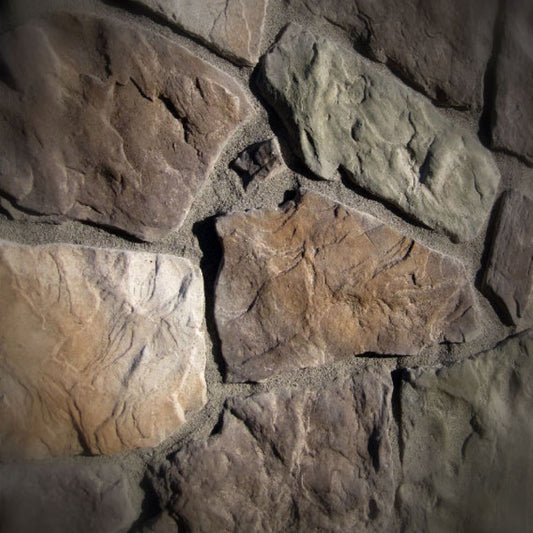
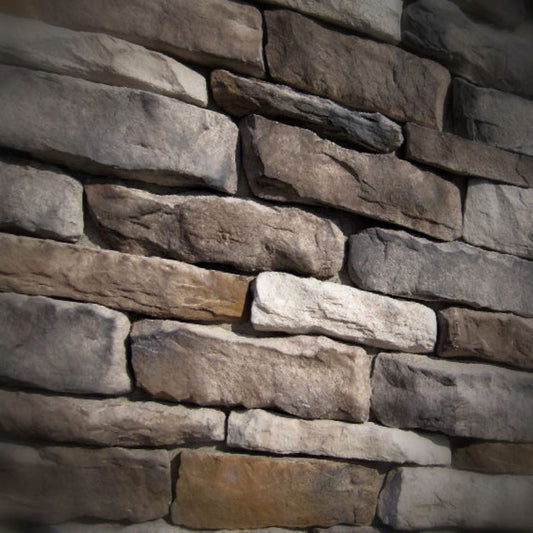
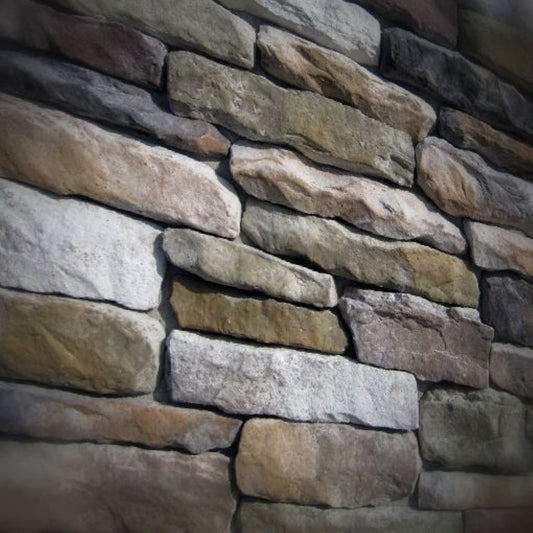
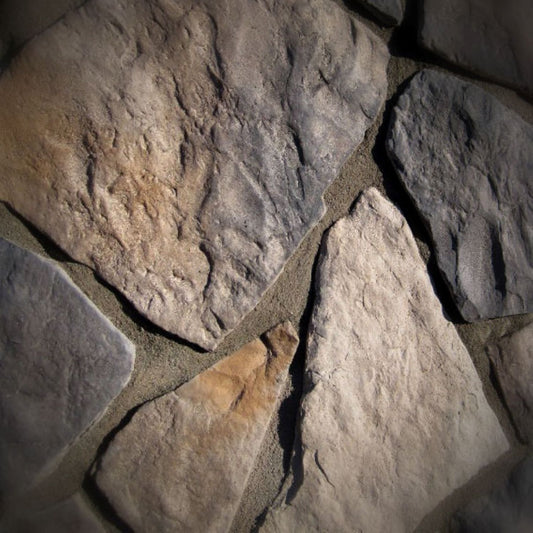
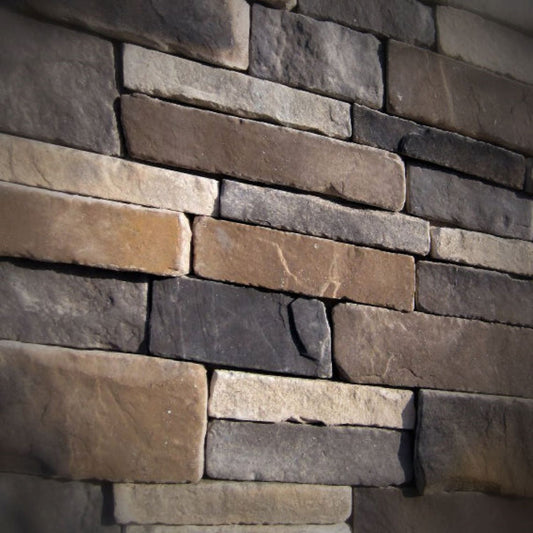
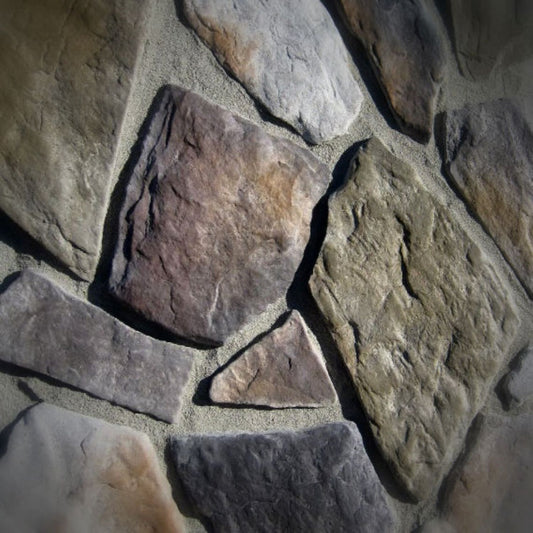
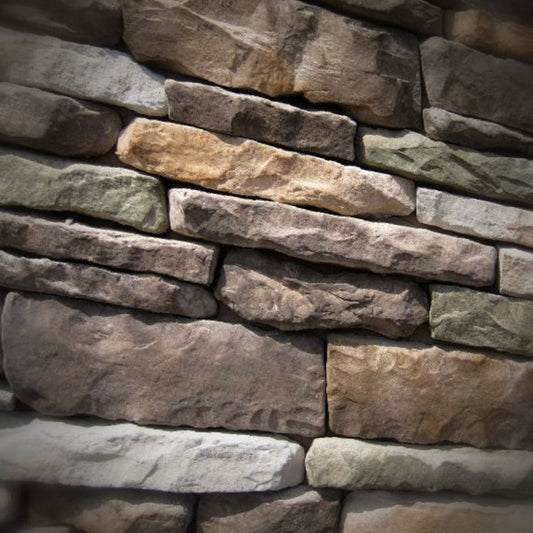
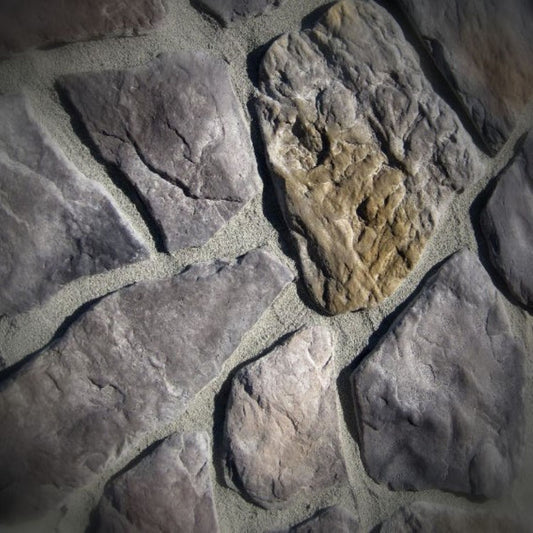
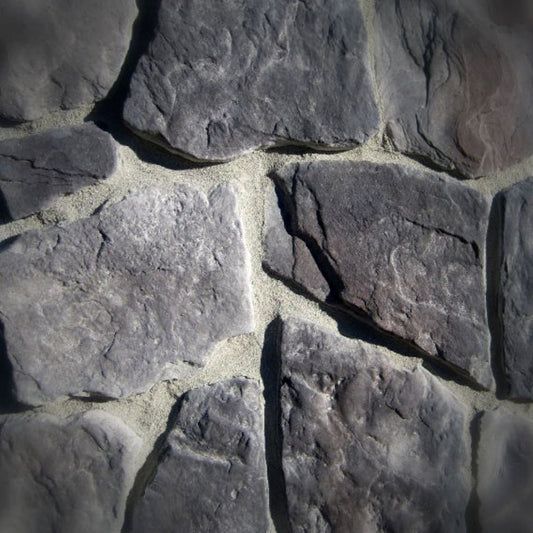
Pictured is field stone rustic.