
Manufactured Stone Veneer Cleaning and Maintenance
Share
Originally posted January 17 2025, updated May 25 2026.
Manufactured stone veneer is low maintenance, but proper care is essential for long-term performance and appearance. Regular cleaning with water and mild soap, avoiding harsh chemicals, managing moisture, addressing stains quickly, and performing seasonal inspections can help preserve manufactured stone veneer for decades in both interior and exterior applications.
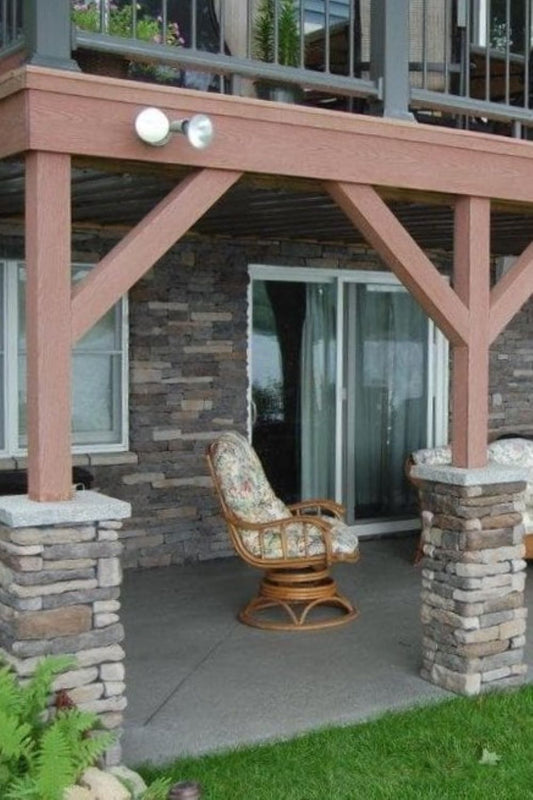
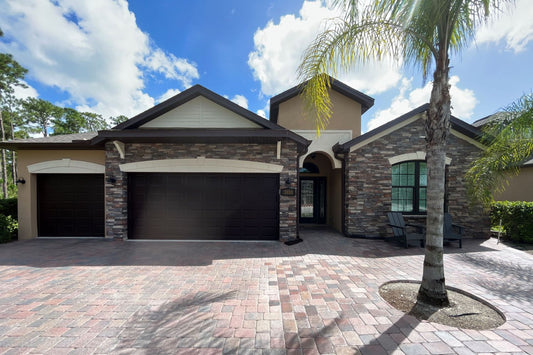
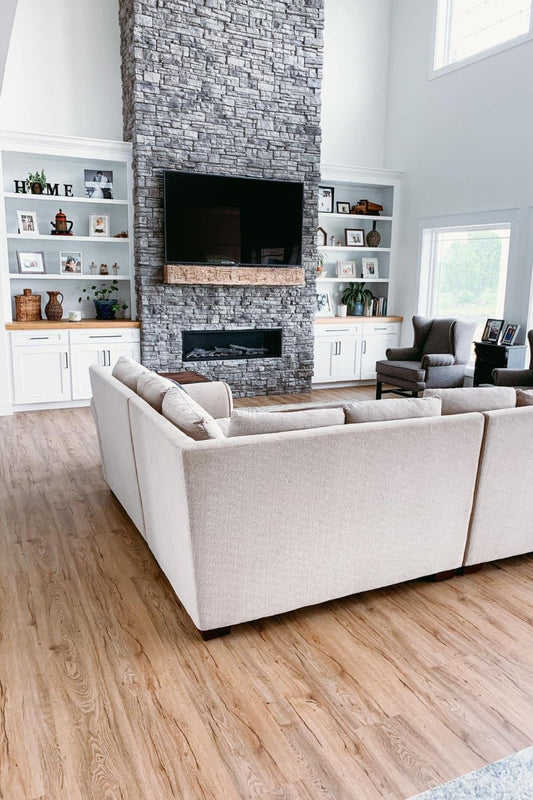
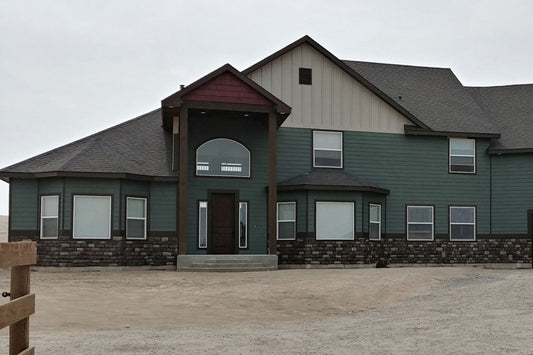
Manufactured stone veneer is designed to deliver the timeless look of natural stone while offering a lighter weight, more cost-effective, and easier-to-install alternative. Whether used on exterior facades, fireplaces, accent walls, columns, outdoor kitchens, or commercial projects, manufactured stone veneer adds texture, depth, and architectural appeal to virtually any space.
One of the reasons homeowners, builders, and designers choose manufactured stone veneer is because it is relatively low maintenance compared to many other exterior and interior cladding materials. However, low maintenance does not mean no maintenance. Dirt, moisture, organic growth, seasonal weather, and environmental exposure can all affect the appearance of stone veneer over time. With proper care, routine cleaning, and occasional inspections, manufactured stone veneer can maintain its beauty and durability for years.
Understanding how to clean manufactured stone veneer correctly, prevent damage, remove stains, and address minor maintenance issues early can help protect your investment and extend the life of your installation.
Why manufactured stone veneer maintenance matters
Manufactured stone veneer is engineered to withstand a wide range of environmental conditions, but like any exterior or interior finish, it performs best when properly maintained. Dirt, debris, moisture exposure, and neglect can gradually impact the appearance of the surface and, in some cases, contribute to preventable issues such as staining, discoloration, or mortar deterioration.
Routine maintenance helps preserve the texture and color variation that make manufactured stone veneer visually appealing. It also gives homeowners and property managers an opportunity to spot small issues before they become larger repair concerns.
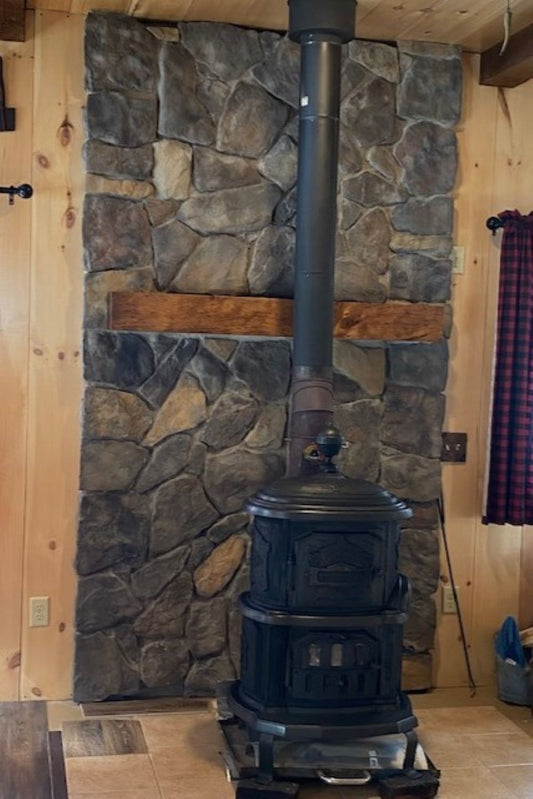
Exterior applications are especially exposed to rain, freeze-thaw cycles, dust, landscaping debris, and seasonal weather changes. Interior installations, while generally easier to maintain, can still collect dust, soot, grease, or spills depending on where the veneer is installed. Stone veneer around fireplaces, kitchens, bathrooms, and commercial spaces may require more targeted cleaning and care than decorative accent walls in low-traffic areas.
Regular upkeep is not complicated, but it does make a significant difference in how manufactured stone veneer looks and performs over time.
How to clean manufactured stone veneer properly
Routine cleaning is the foundation of stone veneer maintenance. In most cases, manufactured stone veneer does not require aggressive cleaning methods. A gentle approach is usually the safest and most effective way to remove dirt and surface buildup without damaging the stone or mortar joints.
Loose dust, dirt, and debris should first be removed using a soft brush, broom, or cloth. This prevents abrasive particles from being scrubbed into the surface during washing. For exterior installations, a garden hose is often sufficient to rinse away light dirt and environmental residue.
When deeper cleaning is needed, a mild soap solution mixed with water can help lift grime or surface stains. A soft-bristle brush should be used to gently scrub the affected area. Manufactured stone veneer should never be cleaned with wire brushes, steel wool, or abrasive scrubbing pads, as these can damage the texture or finish of the stone.
After cleaning, the surface should be rinsed thoroughly with clean water to remove any soap residue. Soap left behind can attract dirt or create a film that affects the appearance of the veneer.
In many cases, this simple cleaning process is all that is needed to keep manufactured stone veneer looking fresh and well maintained.
Cleaning products to avoid on stone veneer
Not all cleaners are safe for manufactured stone veneer. Harsh chemicals can damage the surface, affect pigmentation, or weaken mortar joints if used improperly.
Acidic cleaners, highly alkaline cleaners, bleach-heavy solutions, or aggressive degreasers should generally be avoided unless specifically approved for use on masonry veneer. Acid-based products in particular can etch or damage the surface and create discoloration that may be difficult to reverse.
A pH-neutral cleaner is typically the safest choice for routine maintenance. If a specialized cleaning product is required for stains or efflorescence, it is always best to test it on a small non-installed sample or inconspicuous area before applying it to the full installation.
Manufacturers often recommend using only non-etching masonry cleaners specifically formulated for decorative concrete or stone veneer products.
How to remove efflorescence from manufactured stone veneer
Efflorescence is one of the most common issues homeowners notice on masonry surfaces, including manufactured stone veneer. It appears as a white, chalky residue on the surface and is caused by water-soluble salts migrating through the material and depositing on the exterior as moisture evaporates.
While efflorescence can be alarming at first, it is usually a cosmetic issue rather than a structural problem.
In mild cases, efflorescence can often be removed with a dry brush or cloth once the surface is completely dry. For more persistent buildup, a non-etching masonry cleaner may be recommended. Products such as Prosoco Sure Klean Light Duty Concrete Cleaner are commonly considered safe when properly diluted and used according to instructions, but testing in advance is always recommended.
It is equally important to identify and correct the source of excess moisture. Efflorescence is often a sign that water is moving through the wall system, mortar joints, or surrounding materials. Addressing drainage issues, flashing concerns, or improper water management can help prevent recurring deposits.
How to deal with stains, algae, and mildew
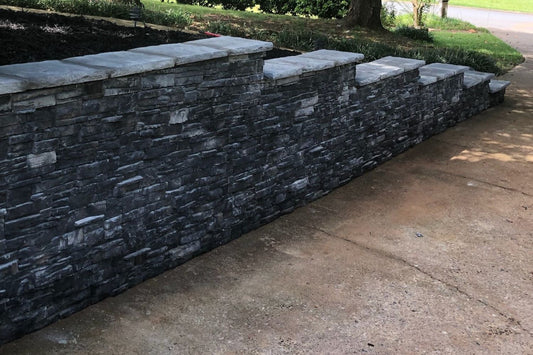
Manufactured stone veneer installed in damp or shaded environments may occasionally develop staining from algae, mildew, dirt, or organic debris. Outdoor kitchens, retaining walls, water features, and landscaping-adjacent installations can be especially susceptible.
The first step is gentle cleaning with water and a mild soap solution. Many organic stains can be removed with light scrubbing and rinsing. More stubborn stains may require a specialized masonry-safe cleaner.
Oil-based stains should be addressed as soon as possible to reduce absorption. Organic growth such as mildew or algae should also be cleaned promptly to prevent discoloration from worsening over time.
Using harsh pressure, abrasive scrubbing, or chemical shortcuts often causes more harm than good. Safe, gradual cleaning methods are usually the best long-term approach.
Pressure washing manufactured stone veneer
Many homeowners ask whether pressure washing is safe for manufactured stone veneer. The answer is that pressure washing may be appropriate in some situations, but it must be done cautiously.
High-pressure streams can damage mortar joints, force water behind the veneer, erode surface texture, or loosen vulnerable pieces if used improperly. Excessive pressure can also accelerate wear on older installations.
If pressure washing is used, it should be at a low pressure setting and with proper technique. The spray should not be concentrated directly into mortar joints or flashed areas.
In most cases, traditional rinsing and gentle scrubbing are safer and sufficient for routine maintenance.
Should manufactured stone veneer be sealed?
Manufactured stone veneer does not always require sealing, but there are situations where a breathable masonry sealant may be beneficial.
High-moisture environments, splash-prone areas, kitchens, bathrooms, and installations exposed to staining risks may benefit from added protection if the sealant is compatible with the veneer system.
A breathable sealant is important because it helps reduce moisture absorption while still allowing vapor to escape. Non-breathable coatings can trap moisture and create larger problems over time.
Sealing should never be used as a substitute for proper installation, flashing, drainage, or moisture management.
Before applying any sealant, homeowners should consult manufacturer guidelines to determine whether sealing is appropriate for their specific product and application.
Preventing damage to manufactured stone veneer
Preventative care is often more effective than repair. Keeping manufactured stone veneer clean and dry can help avoid many common maintenance issues.
Landscaping should be kept from pressing against veneer surfaces, especially vines, shrubs, mulch, and soil that can retain moisture against the wall. Sprinklers should not repeatedly saturate veneer installations, as constant moisture exposure can contribute to staining and efflorescence.
Nearby construction, impacts, ladders, outdoor furniture, and equipment should also be managed carefully to prevent chips or cracks.
Winter maintenance is especially important in colder climates. Deicing salts should not be used near stone veneer surfaces because salts can contribute to deterioration and staining.
Simple awareness and routine inspection can significantly reduce the likelihood of preventable damage.
Repairing minor stone veneer issues
Small issues should be addressed promptly before they become larger repair concerns.
Hairline mortar cracks may sometimes be repaired with fresh mortar using appropriate techniques. Loose or damaged stones may need to be removed, the substrate cleaned, and replacement pieces reinstalled correctly.
Cracks, shifting, water intrusion, or repeated stone movement may indicate a larger installation or substrate issue that requires professional evaluation.
Manufactured stone veneer repairs should always follow proper installation practices and local building requirements.
Seasonal stone veneer maintenance
Seasonal changes can affect stone veneer differently depending on climate and exposure.
Winter often brings freeze-thaw concerns, moisture exposure, and salt-related risks. Spring is a good time to inspect for water staining, mortar wear, or efflorescence after wet weather. Summer is ideal for routine cleaning and checking areas exposed to landscaping or irrigation systems. Fall maintenance often involves removing leaves, organic debris, and buildup that could trap moisture during colder months.
Seasonal inspections do not take long, but they can help identify maintenance issues before weather conditions make them worse.
Frequently asked questions
1. How do you clean manufactured stone veneer? Manufactured stone veneer can typically be cleaned with water, a soft brush, and mild dish soap. Loose debris should be removed first, followed by gentle scrubbing and a thorough rinse. Harsh chemicals and abrasive tools should be avoided.
2. Can you pressure wash manufactured stone veneer? Pressure washing may be possible in some situations, but high pressure can damage mortar joints or force water behind the veneer. Low-pressure cleaning and gentle washing methods are usually safer.
3. What causes white residue on manufactured stone veneer? White chalky residue is often efflorescence, which occurs when water-soluble salts migrate to the surface and dry. It can usually be brushed off or treated with a non-etching masonry cleaner.
4. Should manufactured stone veneer be sealed? Not all manufactured stone veneer requires sealing, but breathable masonry sealants may be beneficial in high-moisture or stain-prone environments if approved by the manufacturer.
5. Can manufactured stone veneer grow mold or algae? In damp, shaded, or moisture-prone areas, manufactured stone veneer can develop algae or mildew on the surface. Routine cleaning and moisture control can help prevent this.
6. How often should manufactured stone veneer be cleaned? Most manufactured stone veneer installations only need occasional cleaning, but annual inspections and seasonal maintenance are recommended to keep the surface looking its best and to catch minor issues early.
Manufactured stone veneer cleaning and maintenance
Manufactured stone veneer is designed to be durable, beautiful, and relatively easy to maintain. With routine cleaning, moisture management, occasional inspections, and prompt attention to stains or minor repairs, homeowners and commercial property owners can preserve the appearance and performance of their veneer for decades.
A little maintenance goes a long way. Gentle cleaning, avoiding harsh chemicals, monitoring moisture exposure, and addressing small issues early can help protect the investment and ensure that manufactured stone veneer continues to enhance both interior and exterior spaces for years to come.
What's next?
Upgrade your space with the beauty of stone veneer! Shop now to find the perfect style or order a sample to see the quality up close. Start your project today!
Have a question?
Please see our full terms of service or check out our frequently asked questions.
For general information and questions please call: (864) 882-8960 Mon. - Fri. 8am - 5pm (EST) or email: info@blackbearmountainstone.com we are more than happy to help you.
Or you can submit your questions via our contact us page.
We look forward to working with you on your upcoming project.
The Black Bear Mountain Stone Team
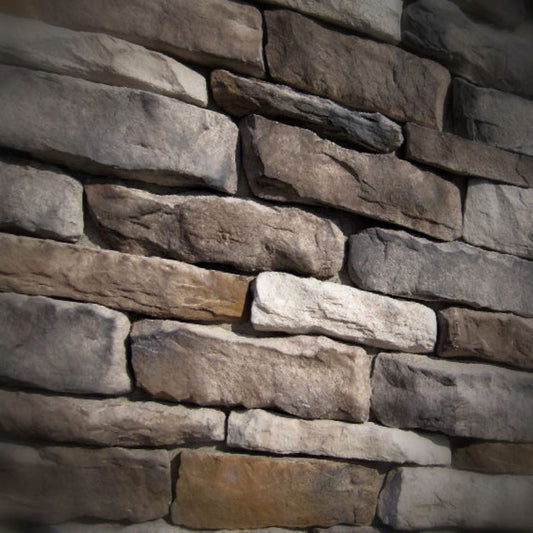
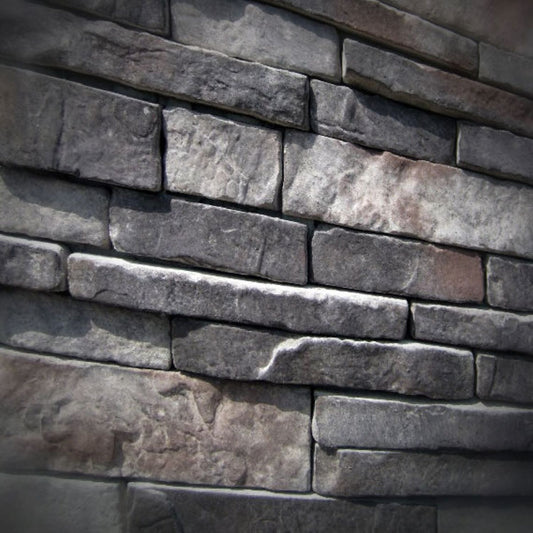
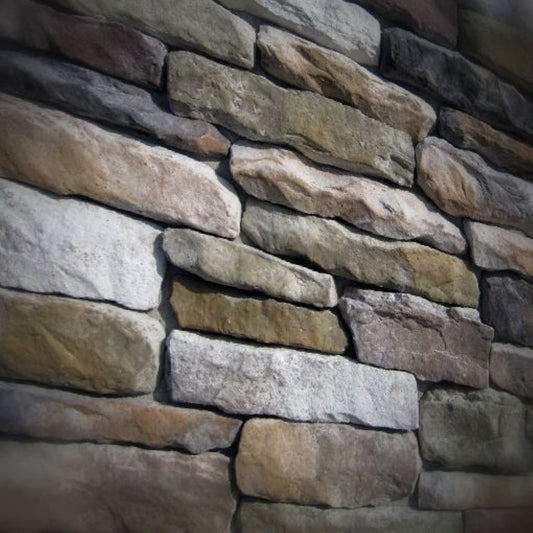
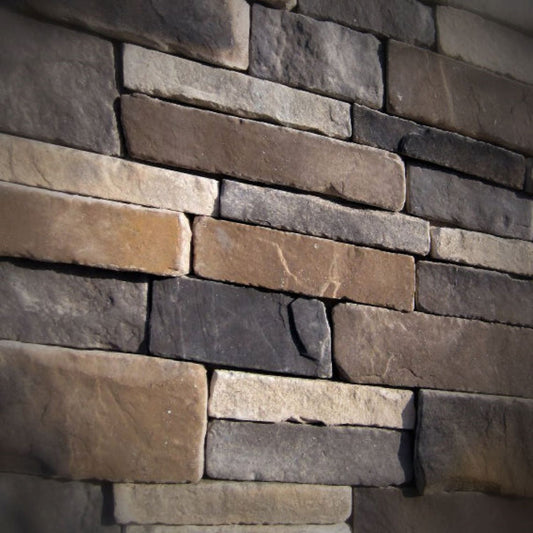
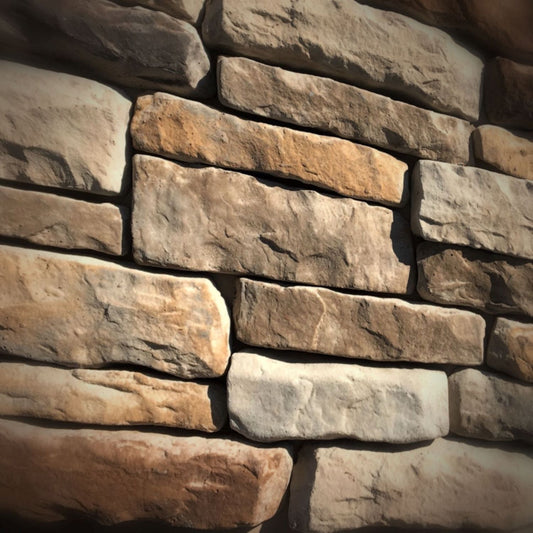
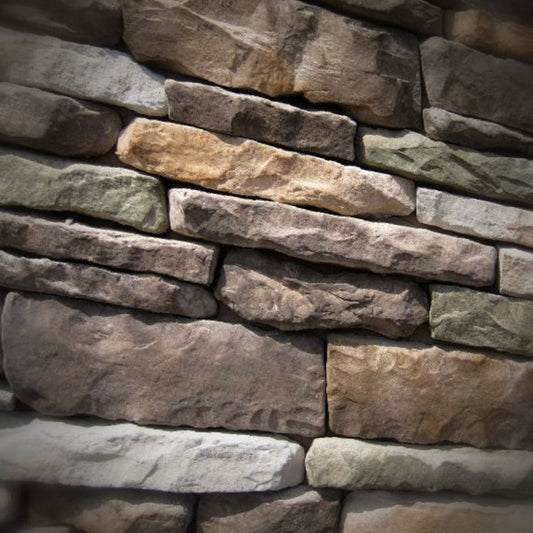
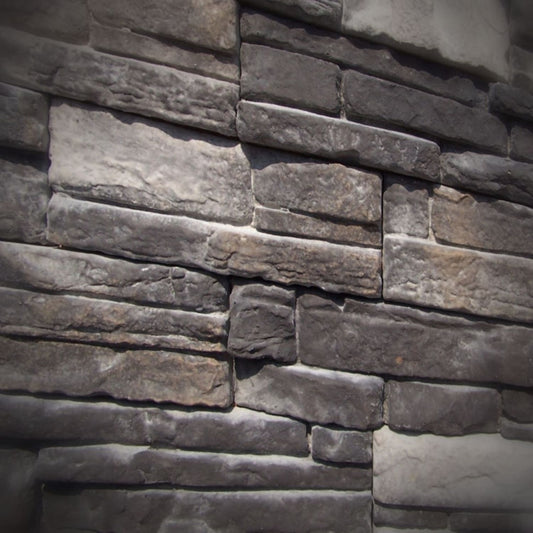
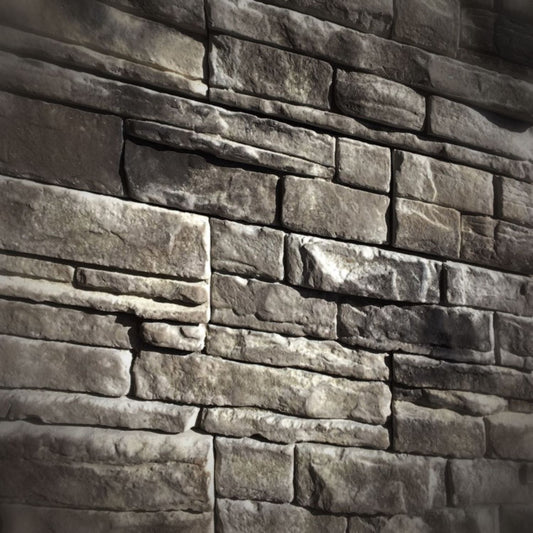
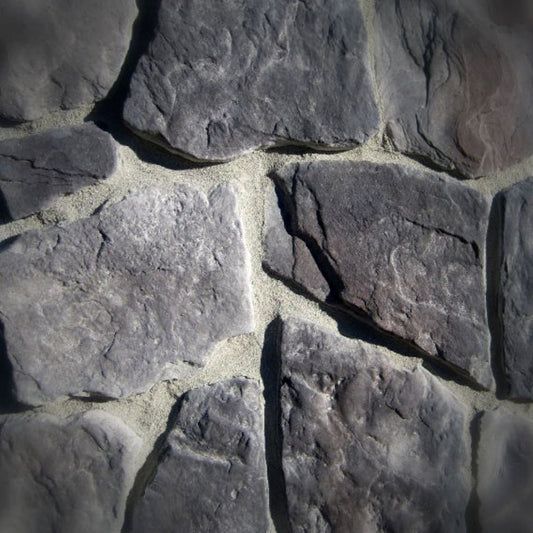
Pictured is stack stone ash.