
Manufactured Stone Veneer Retaining Walls
Share
Manufactured stone veneer can be installed on retaining walls that are structurally sound and designed to support the earth behind them. The veneer is a decorative finish, not a structural component, and must be installed over a suitable masonry or concrete retaining wall using proper drainage, waterproofing, and installation techniques to ensure long-term performance.
Retaining walls serve an important structural purpose by holding back soil, preventing erosion, and creating usable outdoor spaces. While functionality is the primary goal, appearance also plays a significant role in modern landscaping. Homeowners and contractors increasingly want retaining walls that not only perform well but also complement the home's architecture and surrounding hardscape.
Manufactured stone veneer has become one of the most popular ways to upgrade ordinary concrete retaining walls into attractive landscape features. With realistic textures, numerous color options, and significantly lower costs than full-depth natural stone, manufactured stone veneer delivers the appearance of traditional masonry without requiring an entirely stone-built retaining wall.
However, there is one important distinction that many homeowners misunderstand. Manufactured stone veneer should never be used as the structural retaining wall itself. Instead, it serves as a decorative cladding installed over an engineered retaining wall that provides the actual structural support.
Understanding this difference is essential for designing a retaining wall that is both beautiful and built to last.
Can manufactured stone veneer be used on retaining walls?
Yes, manufactured stone veneer is an excellent finish for many retaining walls when installed over an appropriate structural substrate.
The retaining wall itself must first be constructed from materials capable of resisting the pressure of the soil behind it. Common structural retaining wall materials include poured concrete, concrete masonry units (CMU), insulated concrete forms (ICF), or other engineered retaining wall systems.
Once the structural wall has been completed and proper drainage measures have been incorporated, manufactured stone veneer can be adhered to the exposed face to achieve the desired aesthetic.
The veneer adds visual appeal but contributes virtually no structural strength. It should always be viewed as an architectural finish rather than part of the wall's engineering.
The differences between structural stone walls and stone veneer
One of the most common misconceptions is that manufactured stone veneer can replace traditional retaining wall construction.
Natural stone retaining walls built from large stacked stones rely on their mass, geometry, and engineering to resist soil pressure. Manufactured stone veneer products are typically only about one to two inches thick and weigh a fraction of what structural stone weighs. Because of this, veneer products cannot retain soil on their own. They require a properly engineered wall behind them that bears all structural loads.
Think of manufactured stone veneer the same way you would think of siding on a home. The siding improves appearance but does not support the structure itself. The same concept applies to retaining walls.
Best retaining wall substrates for manufactured stone veneer
Concrete retaining walls are among the most common surfaces for manufactured stone veneer. Their strength, durability, and solid backing make them ideal for adhered veneer systems. Proper surface preparation is necessary to ensure a strong bond between the veneer and the wall.
Concrete masonry unit retaining walls are also excellent candidates. These walls provide a flat, stable surface that accepts scratch coats and mortar exceptionally well when installed according to manufacturer recommendations.
Insulated concrete form retaining walls have become increasingly popular for residential construction. After the proper preparation steps are completed, they also provide a suitable substrate for manufactured stone veneer.
Older retaining walls may also be veneered if they remain structurally sound. Before adding stone veneer, the wall should be inspected for movement, cracking, settlement, or drainage problems. Cosmetic improvements should never conceal structural deficiencies.
Why drainage matters more than the stone
Water is the single biggest threat to nearly every retaining wall. As water accumulates behind a retaining wall, hydrostatic pressure increases dramatically. Without adequate drainage, this pressure can eventually damage even well-built retaining walls.
Proper drainage systems typically include free-draining aggregate behind the wall, perforated drain pipe near the footing, filter fabric where appropriate, and outlets that allow water to escape. These drainage components protect both the retaining wall and the manufactured stone veneer installed on its face.
Moisture that becomes trapped behind the veneer may contribute to freeze-thaw damage in colder climates, mortar deterioration, or premature bond failure. Good drainage significantly reduces these risks while extending the life of the installation.
Design options for stone veneer retaining walls
Manufactured stone veneer offers remarkable design flexibility because it is available in numerous profiles, colors, and textures.
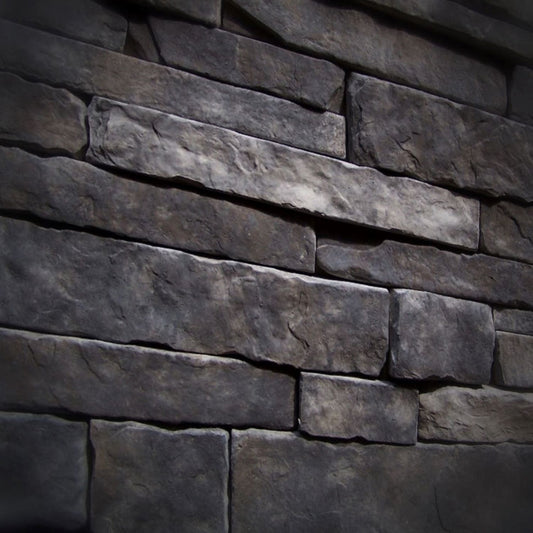
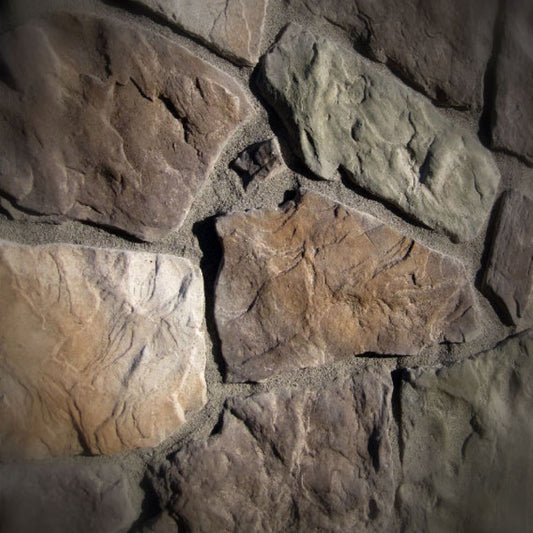
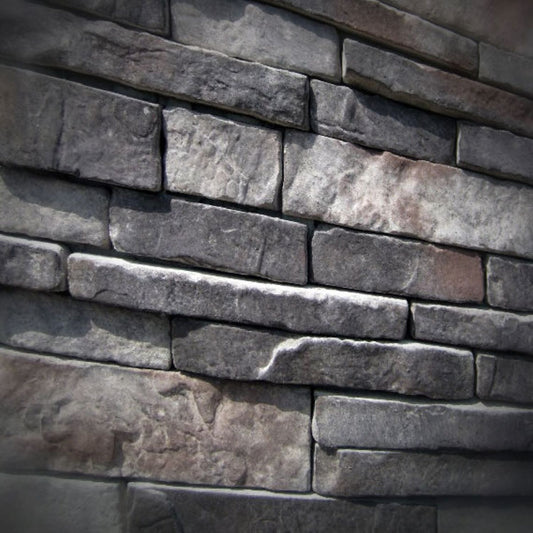
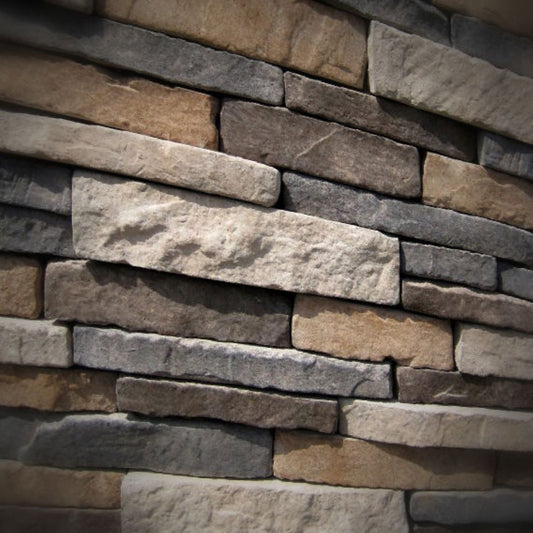
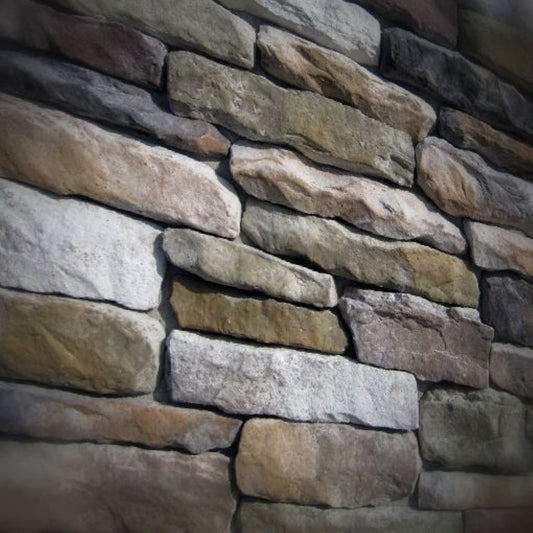
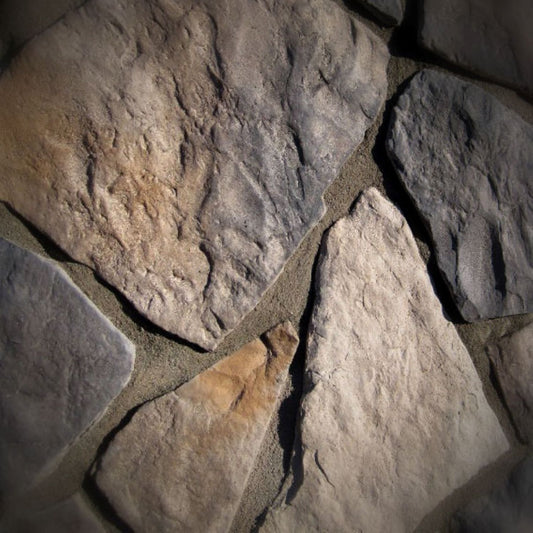
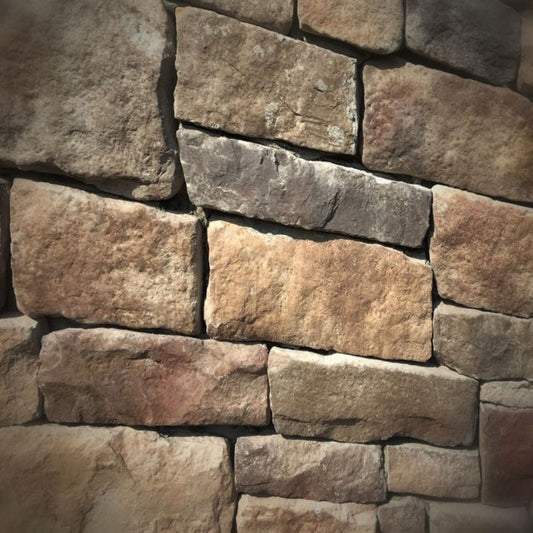
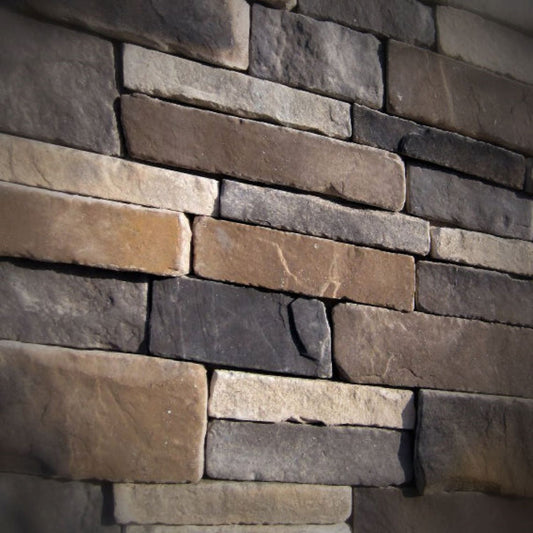
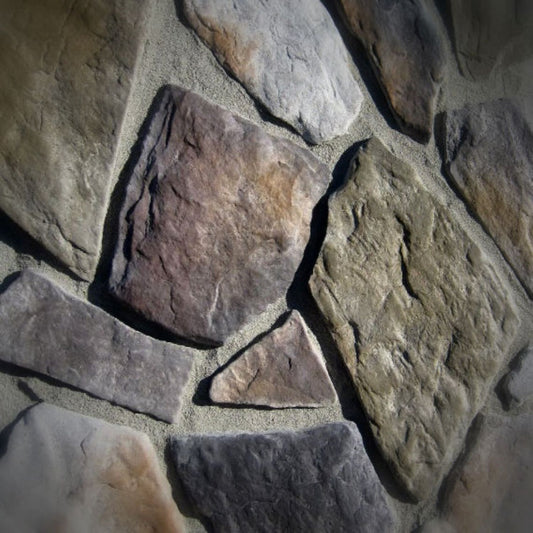
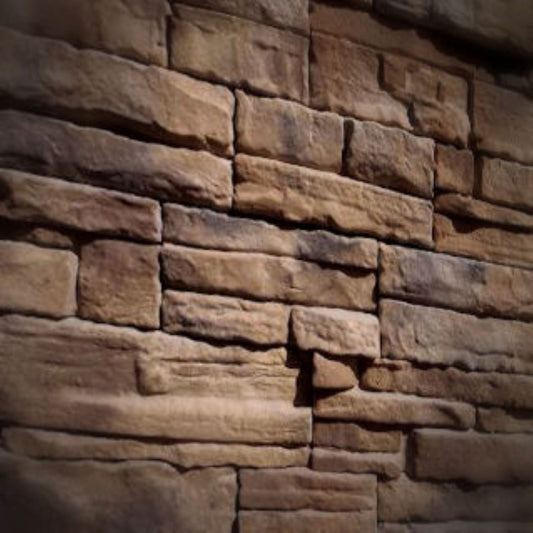
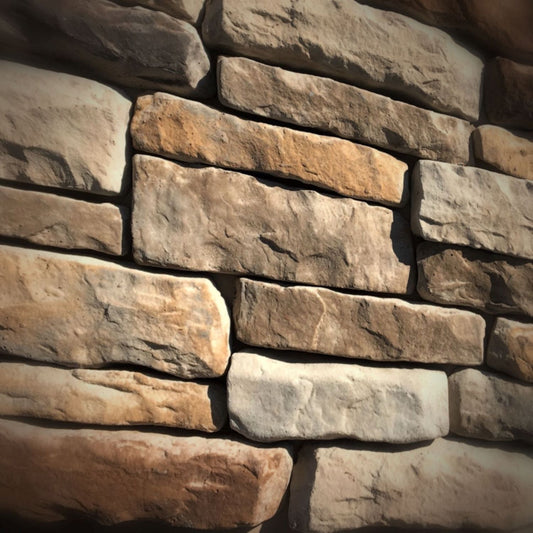
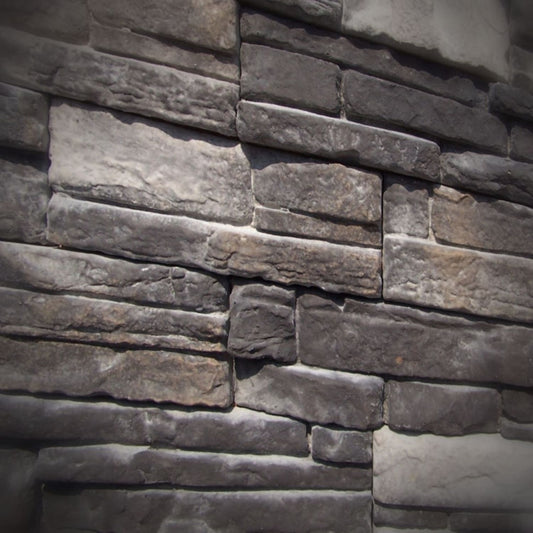
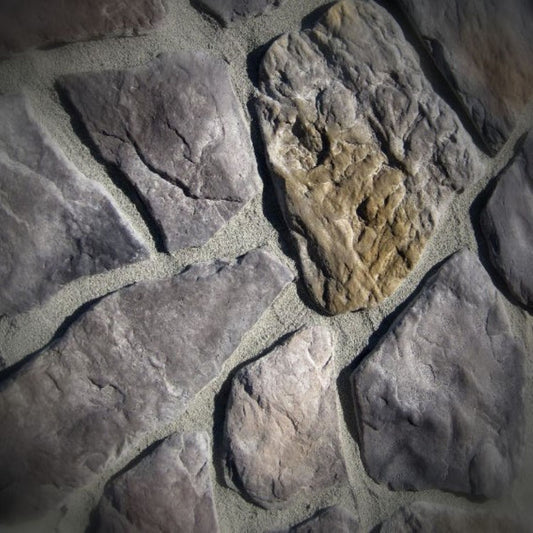
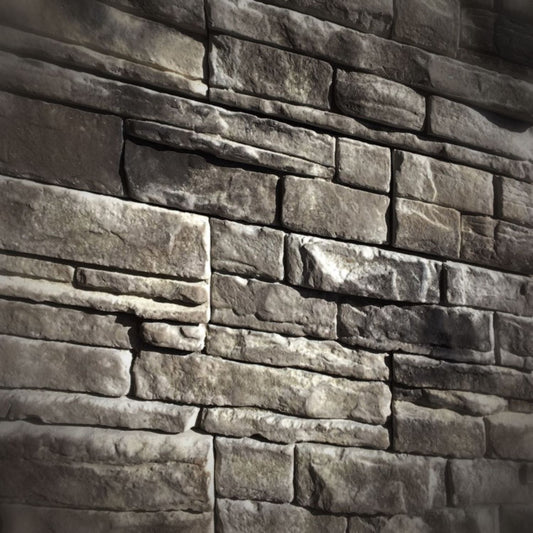
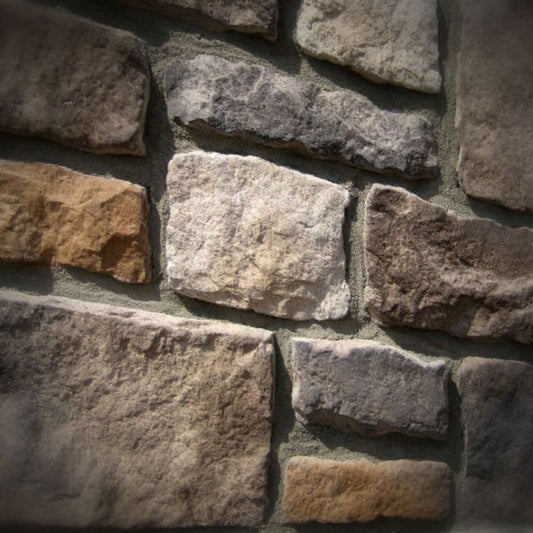
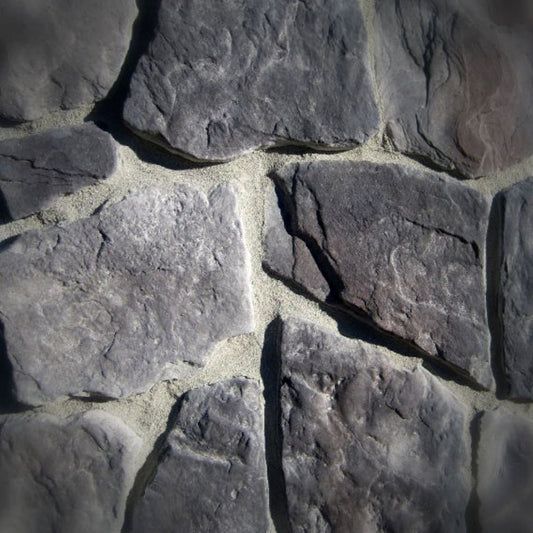
stacked stone profiles provide clean horizontal lines that complement contemporary architecture. Fieldstone styles create a more traditional appearance with irregular shapes and varied textures. Limestone-inspired veneers produce a refined look that pairs well with upscale homes, while rugged ledgestone profiles work beautifully in rustic landscapes.
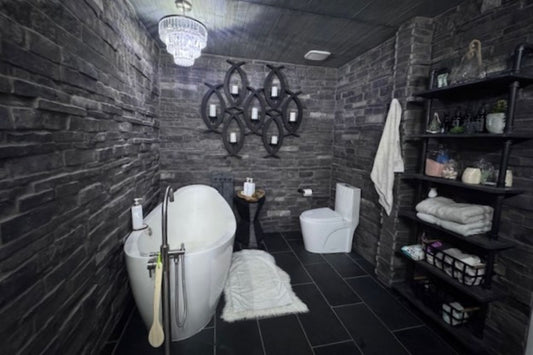
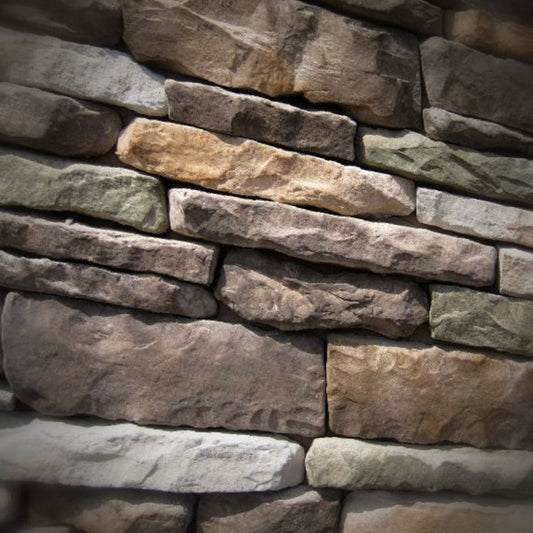
Color selection plays an equally important role. Earth tones blend naturally into landscaped environments, while gray and charcoal stones create a more modern aesthetic. Warm tan and buff colors complement traditional homes and often coordinate well with brick exteriors.
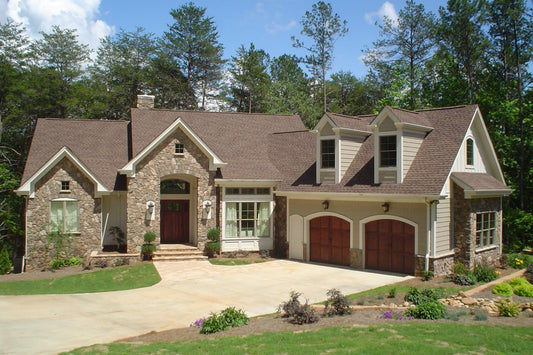
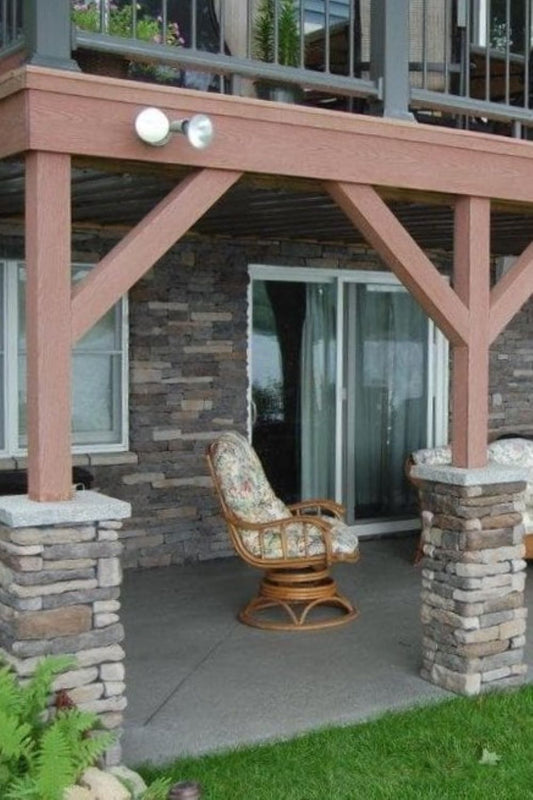
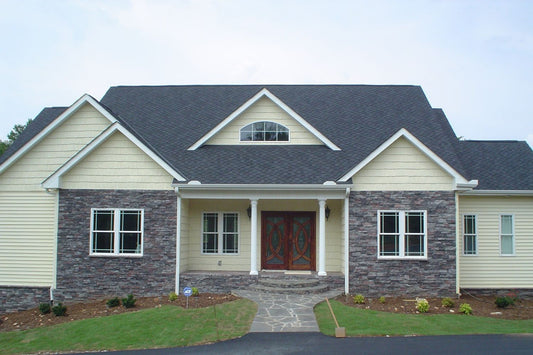
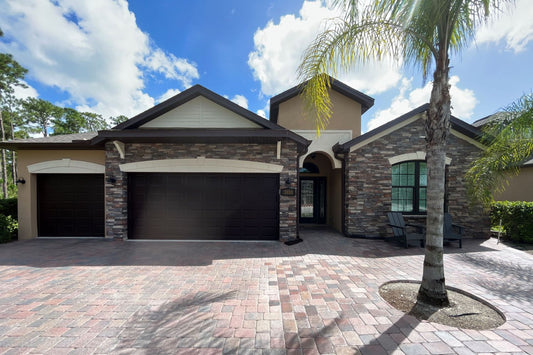
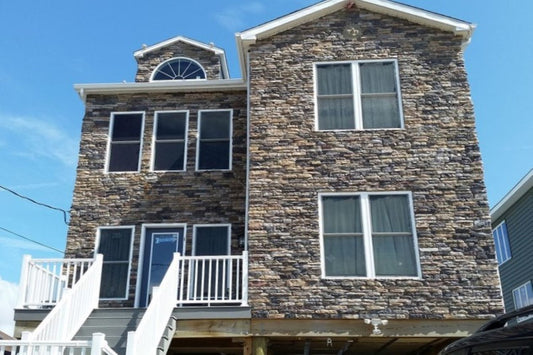
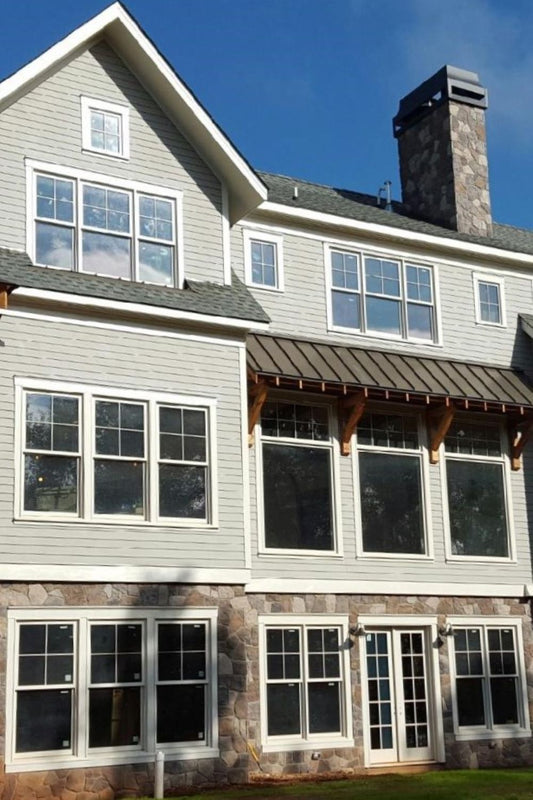
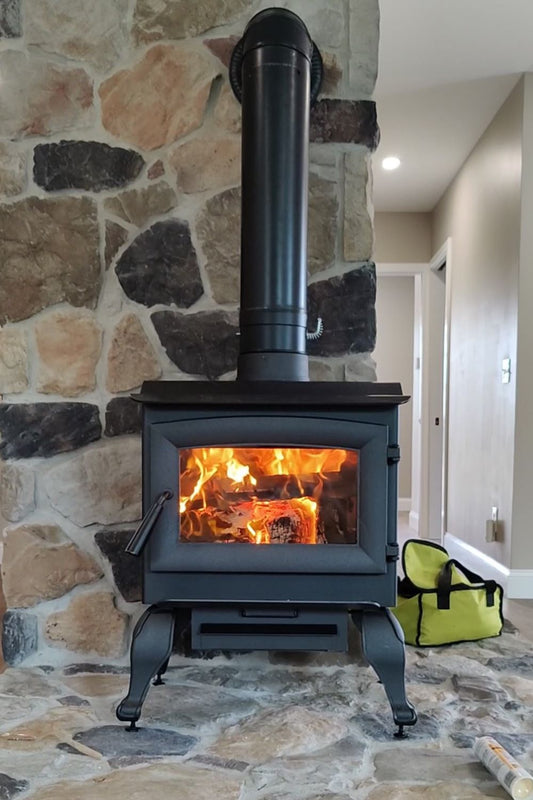
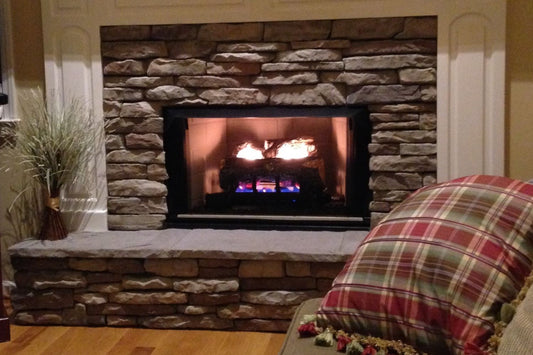
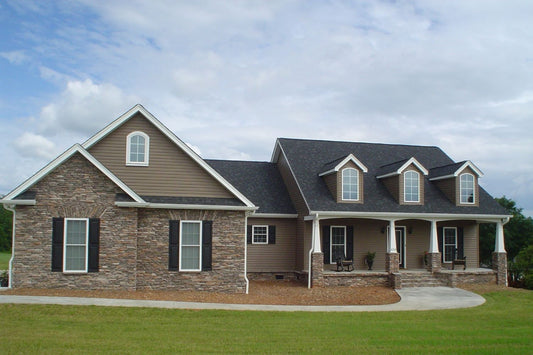
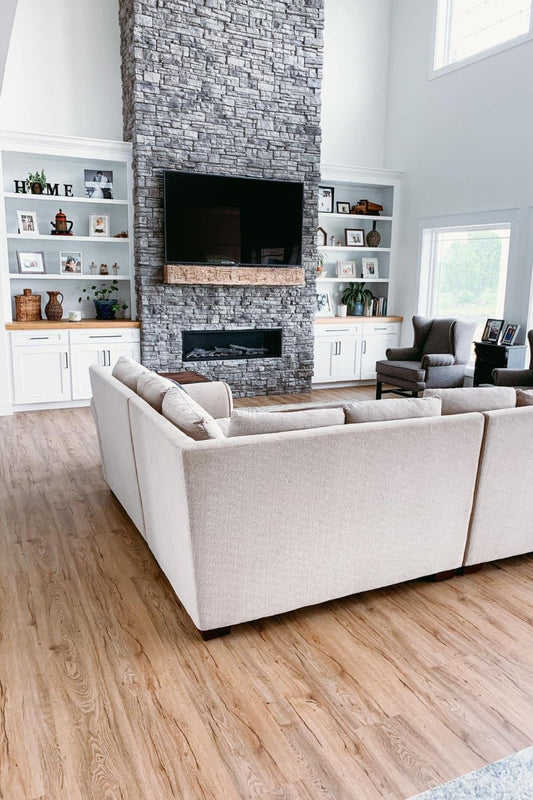
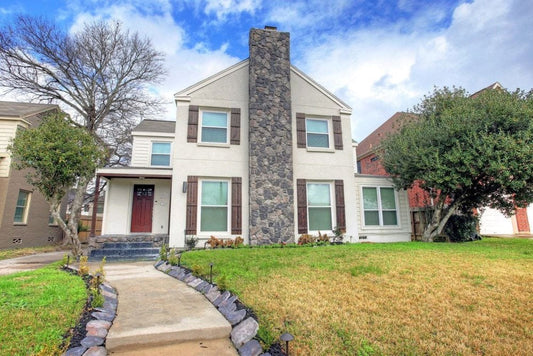
Many homeowners extend the same manufactured stone veneer from the home's exterior onto retaining walls, outdoor kitchens, fireplaces, columns, and landscape features. This continuity creates a cohesive outdoor design that appears professionally planned.
Installation considerations
Successful manufactured stone veneer installations begin with careful preparation.
The retaining wall should be fully cured, structurally stable, and free of contaminants that could interfere with mortar adhesion. Depending on the substrate, installers may apply a bonding agent, scratch coat, or other preparation materials before installing the veneer.
Mortar consistency, coverage, and stone placement all influence long-term durability. Each stone should achieve full mortar contact to maximize bond strength and reduce opportunities for moisture intrusion.
Proper joint finishing also contributes to both appearance and weather resistance. Depending on the selected style, installers may use tight-fit dry stack techniques or traditional mortar joints.
Throughout installation, manufacturer guidelines should always be followed regarding mortar selection, temperature limitations, curing conditions, and substrate preparation.
Coping and wall caps complete the project
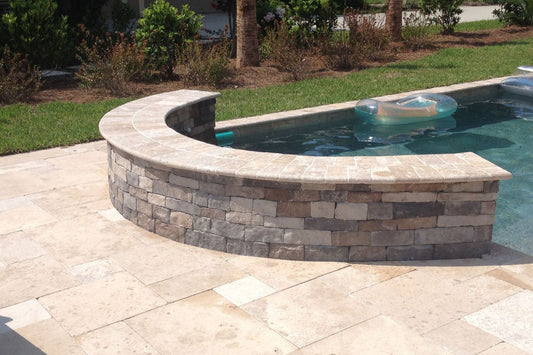
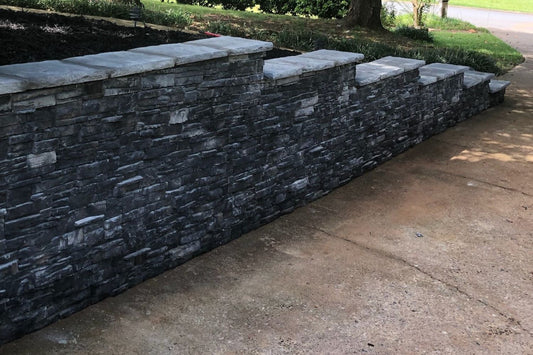
Retaining walls look most finished when topped with coordinating coping or wall caps. Caps protect the top of the retaining wall from excessive water penetration while providing a clean architectural transition. They also help shed rainwater away from the veneer below, reducing long-term moisture exposure.
Many manufactured stone collections include matching caps that coordinate with the veneer profile. Alternatively, precast concrete caps, natural stone coping, or cast stone products may be selected to complement the overall design.
The combination of stone veneer and matching wall caps often transforms an ordinary retaining wall into a landscape focal point.
Common mistakes to avoid
Many veneer failures can be traced back to installation shortcuts rather than the stone itself.
Attempting to install manufactured stone veneer over an unstable retaining wall will not solve existing structural problems. If the wall moves, the veneer will likely crack or separate.
Poor drainage is another frequent cause of failure. Water pressure behind retaining walls can eventually damage mortar joints, loosen veneer, and contribute to freeze-thaw deterioration.
Improper mortar coverage, inadequate surface preparation, or using incompatible installation materials can also shorten the lifespan of the project.
Another mistake involves confusing segmental retaining wall blocks with concrete retaining walls. Many modular retaining wall systems have specific manufacturer recommendations regarding whether adhered stone veneer is appropriate. Those guidelines should always be reviewed before beginning installation.
Durability and maintenance
Manufactured stone veneer requires relatively little maintenance when installed correctly.
Periodic inspections help identify small issues before they become major repairs. Mortar joints should remain intact, drainage outlets should stay unobstructed, and vegetation should be kept from trapping moisture against the veneer.
Cleaning usually requires only water and a soft brush. Harsh chemicals, pressure washing, or acidic cleaners should generally be avoided unless specifically approved by the veneer manufacturer.
In colder climates, maintaining proper drainage remains especially important because repeated freeze-thaw cycles place additional stress on retaining wall systems.
With quality installation and routine maintenance, manufactured stone veneer can provide decades of attractive performance.
Is stone veneer more affordable than natural stone?
For many retaining wall projects, manufactured stone veneer offers substantial cost savings compared to full-depth natural stone construction. Because the veneer is lightweight, transportation costs are often lower, and installation is generally faster than building an entire structural stone retaining wall. The engineered retaining wall provides the structural support, while the veneer delivers the appearance of natural masonry. This combination allows homeowners to achieve a high-end landscape design without the expense associated with traditional stone retaining wall construction.
Although installation costs vary depending on wall size, site access, drainage requirements, and local labor rates, manufactured stone veneer consistently provides excellent value for projects where aesthetics and structural performance are equally important.
Frequently asked questions
1. Can manufactured stone veneer be installed directly on a retaining wall? Yes, manufactured stone veneer can be installed directly onto structurally sound concrete or masonry retaining walls when the substrate is properly prepared and the manufacturer's installation instructions are followed. The retaining wall must already provide all structural support.
2. Can manufactured stone veneer be used to build a retaining wall? No. Manufactured stone veneer is not designed to retain soil or support structural loads. It is a decorative cladding that must be installed over an engineered retaining wall.
3. Does a retaining wall with stone veneer still need drainage? Yes. Proper drainage is essential for every retaining wall, regardless of its finish. Drainage systems reduce hydrostatic pressure and help protect both the retaining wall and the stone veneer from moisture-related damage.
4. How long does manufactured stone veneer last on a retaining wall? When installed correctly on a stable retaining wall with proper drainage, manufactured stone veneer can last for decades with minimal maintenance.
5. Can stone veneer be added to an existing concrete retaining wall? In many cases, yes. Existing retaining walls that are structurally sound and free from significant movement or deterioration can often be upgraded with manufactured stone veneer after appropriate surface preparation.
6. Is manufactured stone veneer less expensive than natural stone for retaining walls? Generally, yes. Manufactured stone veneer typically costs less than building a full-depth natural stone retaining wall while providing a similar appearance. Because the structural support comes from the concrete or masonry wall behind it, homeowners can achieve the look of natural stone at a more affordable price.
Manufactured stone veneer retaining walls
Manufactured stone veneer is an outstanding choice for enhancing the appearance of structurally engineered retaining walls. It combines the timeless beauty of natural stone with lower costs, lighter weight, and exceptional design flexibility.
The key to a successful installation is understanding that the veneer is decorative rather than structural. A properly engineered retaining wall, effective drainage system, careful substrate preparation, and professional installation work together to create a finished project that performs well for decades.
Whether you're upgrading an existing concrete retaining wall or planning a new landscape project, manufactured stone veneer offers a durable and visually impressive solution that enhances curb appeal while maintaining the structural integrity your property depends on.
What's next?
Bring your vision to life with our premium manufactured stone veneer. Shop now to find the perfect style or order a sample to experience the texture and see the colors in your own space before you buy. Start your project with confidence today.
Have a question?
Please see our full terms of service or check out our frequently asked questions.
For general information and questions please call: (864) 882-8960 Mon. - Fri. 8am - 5pm (EST) or email: info@blackbearmountainstone.com we are more than happy to help you.
Or you can submit your questions via our contact us page.
We look forward to working with you on your upcoming project.
The Black Bear Mountain Stone Team
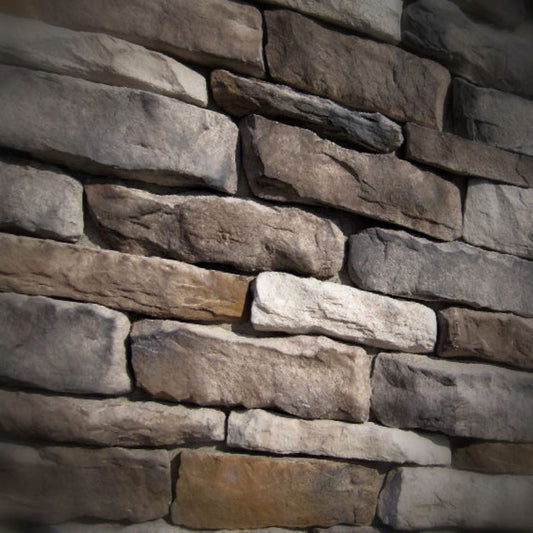
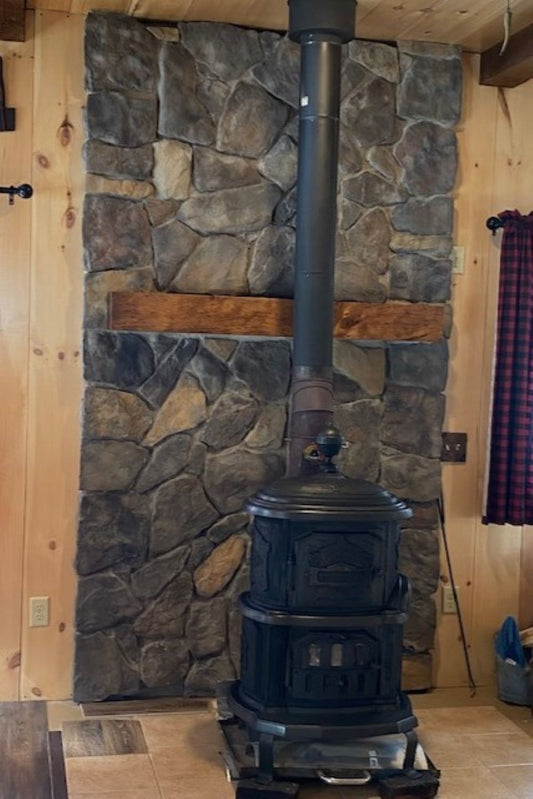
Pictured is hackett stone aspen.