
Stone Veneer Mortar vs. Adhesive
Share
Originally posted February 17 2025, updated June 23 2026.
Type S mortar is the preferred bonding material for manufactured stone veneer because it provides high compressive strength, superior moisture resistance, and long-term durability. Unlike most construction adhesives, it is designed to withstand exterior exposure, freeze-thaw cycles, and vertical load conditions, making it the most reliable option for both interior and exterior stone veneer installations.
When installing manufactured stone veneer, the bonding material you choose plays a major role in how well the finished surface performs over time. While some installers consider modern construction adhesives for convenience, Type S mortar continues to be the industry-standard choice for most applications. Its long-established performance, high compressive strength, and ability to withstand harsh environmental conditions make it a dependable solution for both residential and commercial projects.
Understanding the differences between Type S mortar and adhesive systems is essential before beginning any stone veneer installation. The wrong choice can lead to premature failure, moisture damage, or costly repairs. In contrast, the right bonding method ensures your veneer remains secure, stable, and visually consistent for decades.
Why Type S mortar remains the industry standard
Type S mortar is specifically engineered for structural masonry applications that require both strength and flexibility. With a minimum compressive strength of 1,800 psi, it is capable of supporting the weight and load distribution of manufactured stone veneer on vertical surfaces. This makes it especially suitable for exterior walls, chimneys, fireplaces, and other areas where long-term durability is critical.
Unlike adhesives that rely primarily on chemical bonding, Type S mortar forms a mechanical bond. It embeds into the texture of both the stone and the prepared substrate, creating a secure connection that resists shifting, cracking, or separation over time. This traditional bonding method has been used in masonry construction for generations, and its proven track record continues to make it the preferred option for professionals.
Strength and structural reliability in stone veneer installations
One of the most important considerations in any stone veneer installation is load-bearing capacity. Manufactured stone veneer may be lighter than natural stone, but it still requires a bonding material that can support its weight over time without degradation.
Type S mortar excels in this area due to its high compressive strength and rigid cured structure. Once set, it provides a stable foundation that resists slumping or weakening under vertical load. This is particularly important for taller installations, accent walls, and exterior facades where gravity continuously applies downward pressure.
Construction adhesives, while strong in controlled conditions, often do not provide the same level of structural consistency. Their performance can vary depending on surface preparation, temperature, and humidity at the time of application. Over time, this variability can lead to bond failure in demanding environments.
Moisture resistance and freeze-thaw durability
Exterior stone veneer installations are constantly exposed to environmental stressors such as rain, snow, and fluctuating temperatures. One of the most damaging cycles in colder climates is the freeze-thaw process, where trapped moisture expands as it freezes and contracts as it thaws.
Type S mortar is highly resistant to these conditions because it is cement-based and designed to maintain integrity even when exposed to moisture. When properly installed with correct drainage and substrate preparation, it helps prevent water infiltration behind the veneer system.
Many construction adhesives are more vulnerable to prolonged moisture exposure. Over time, repeated wetting and freezing cycles can break down the chemical structure of some adhesives, weakening the bond and increasing the risk of veneer displacement. This is especially important in climates like coastal or northern regions where seasonal moisture is constant.
For long-term exterior performance, Type S mortar provides a significantly more stable and predictable result.
Vertical surface performance and bond stability
Manufactured stone veneer is almost always installed on vertical surfaces, which introduces additional installation challenges. Gravity continuously pulls downward on each stone unit, meaning the bonding material must maintain immediate grip as well as long-term hold.
Type S mortar is specifically formulated to perform under these conditions. It allows installers to adjust and set stones while still achieving a strong mechanical bond as it cures. Its texture and workability help it grip both the stone and the substrate effectively, reducing the risk of slippage during installation.
Adhesives may offer initial tack strength, but they can be more sensitive to surface contamination, dust, or slight moisture on the substrate. Even small inconsistencies can affect adhesion strength, especially on larger or heavier veneer pieces. Over time, this can result in uneven load distribution or localized bond failure.
Fire resistance and high-heat applications
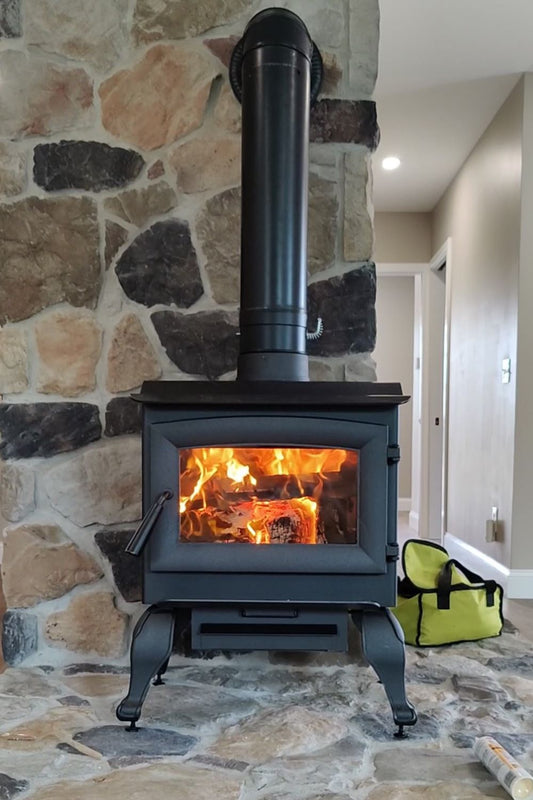
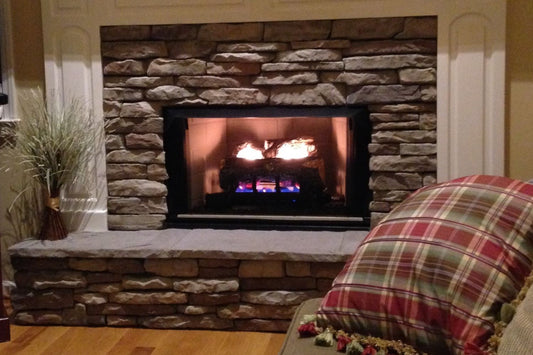
Fire safety is another important factor when selecting a bonding material for stone veneer installations. Type S mortar is inherently non-combustible due to its cement-based composition. This makes it an ideal choice for applications near fireplaces, wood-burning stoves, and outdoor cooking areas such as BBQ surrounds.
Because it does not contain organic compounds, it maintains its structural integrity even when exposed to high temperatures. This adds an extra layer of safety and reliability in both residential and commercial settings.
Some adhesives may include chemical compounds that are more sensitive to heat exposure. In high-temperature environments, these materials can degrade over time or lose bonding strength. For this reason, mortar-based systems are generally preferred in any installation where heat exposure is expected.
Compatibility with a wide range of substrates
A successful stone veneer installation depends heavily on proper substrate preparation and compatibility. Type S mortar performs well across a wide variety of approved surfaces, including concrete, masonry units, and properly prepared cement board systems. When used with the correct scratch coat and moisture barrier system, it forms a durable bond that integrates into the overall wall assembly.
This versatility makes it a reliable option for both new construction and renovation projects. It adapts well to different building systems and provides consistent performance across applications.
While some adhesives are marketed as multi-surface solutions, their performance can vary significantly depending on the substrate material and environmental exposure. Differences in surface porosity, cleanliness, and temperature can all influence how well an adhesive performs over time. Mortar systems, by contrast, are more forgiving and better understood in traditional masonry practice.
Long-term performance and time-tested reliability
One of the strongest arguments in favor of Type S mortar is its long history of use in masonry construction. For centuries, mortar has been used to bond stone, brick, and other masonry units in structures that still stand today. This track record provides a level of confidence that newer adhesive systems have not yet matched at scale or over time.
Manufactured stone veneer, while modern in appearance and production, benefits from these traditional installation methods. Mortar systems are well understood by installers, widely supported by building codes, and consistently tested in real-world conditions.
Adhesives, although innovative and convenient in some niche applications, have not yet demonstrated the same multi-decade durability in demanding exterior environments. For homeowners and builders focused on longevity, this distinction is critical.
Frequently asked questions
1. Why is Type S mortar better than adhesive for stone veneer? Type S mortar is stronger, more moisture-resistant, and better suited for exterior and vertical applications. It creates a mechanical bond that performs more reliably over time compared to most adhesives.
2. Is Type S mortar waterproof? Type S mortar is not fully waterproof, but it is highly resistant to moisture and performs well when paired with proper flashing, drainage, and substrate preparation systems.
3. Does stone veneer fall off if the wrong adhesive is used? If an unsuitable adhesive is used or installed incorrectly, bond failure can occur over time, especially in outdoor environments with temperature fluctuations and moisture exposure.
4. Can I install stone veneer near a fireplace using adhesive? It is not recommended. Type S mortar is the safer choice because it is non-combustible and designed to withstand high-heat environments such as fireplaces and wood stoves.
5. How long does Type S mortar last in stone veneer installations? When properly installed, Type S mortar can last for decades. Its long-term performance is one of the main reasons it remains the industry standard for masonry applications.
Stone veneer mortar vs. adhesive
When it comes to manufactured stone veneer installation, adhesives are generally not recommended for most applications. While they may offer convenience in limited interior situations, they do not provide the same level of structural reliability, moisture resistance, or long-term performance as Type S mortar.
Stone veneer systems rely on a secure, durable bond that can withstand vertical load, temperature changes, and exposure to moisture over many years. Adhesives tend to be more sensitive to environmental conditions and substrate preparation, which can increase the risk of bond failure over time, especially in exterior or high-heat installations.
For these reasons, Type S mortar remains the preferred and most dependable choice. It delivers a proven, time-tested bond that supports both the weight of the veneer and the demands of real-world conditions, making it the safer option for lasting performance and peace of mind.
What's next?
Bring your vision to life with our premium stone veneer! Shop now to find the perfect style or order a sample to see the quality up close. Start your project today!
Have a question?
Please see our full terms of service or check out our frequently asked questions.
For general information and questions please call: (864) 882-8960 Mon. - Fri. 8am - 5pm (EST) or email: info@blackbearmountainstone.com we are more than happy to help you.
Or you can submit your questions via our contact us page.
We look forward to working with you on your upcoming project.
The Black Bear Mountain Stone Team
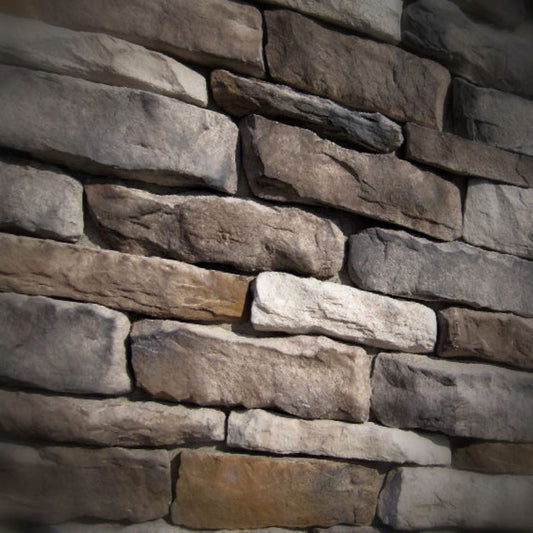
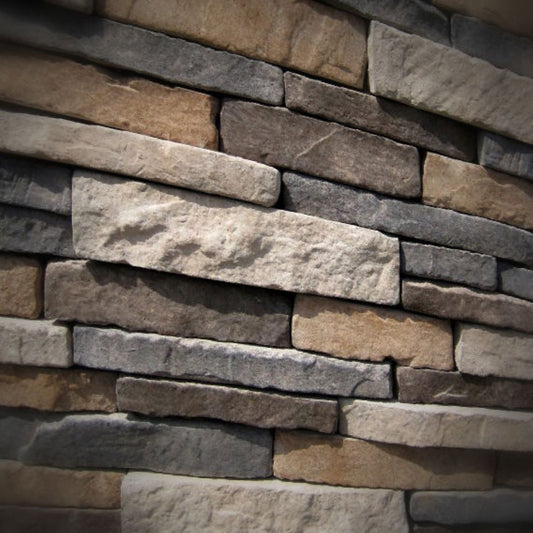
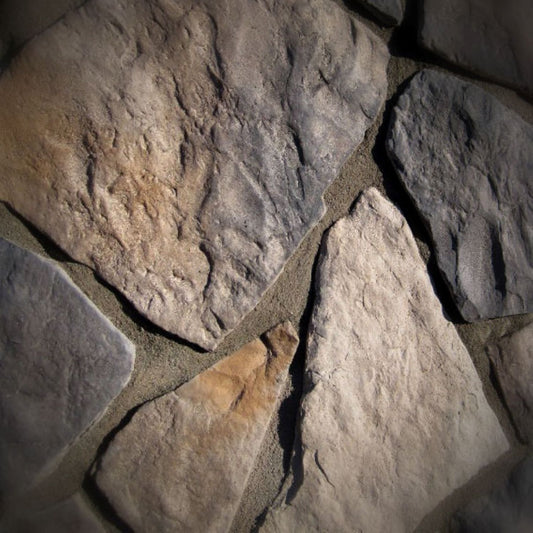
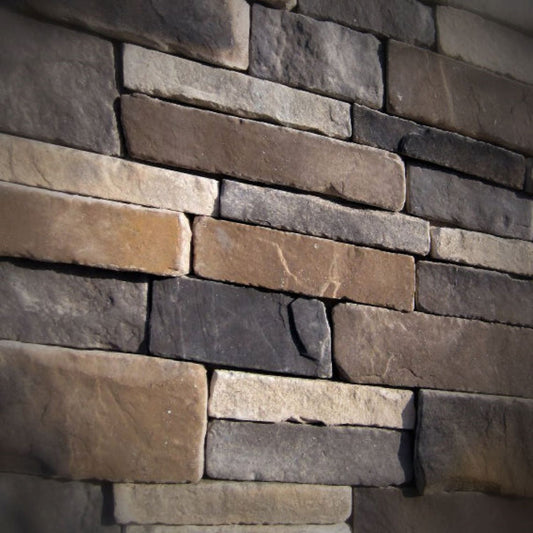
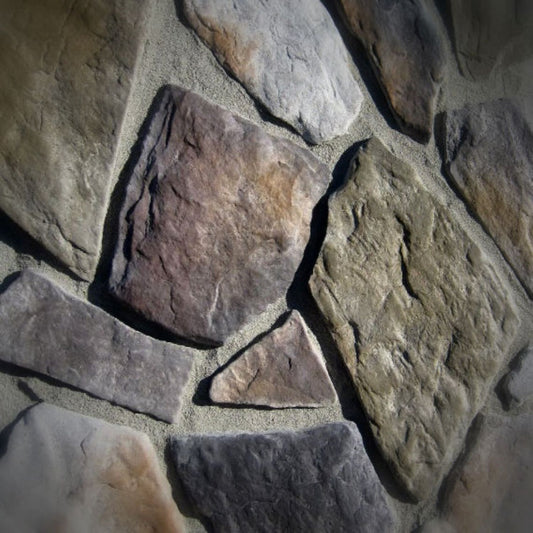
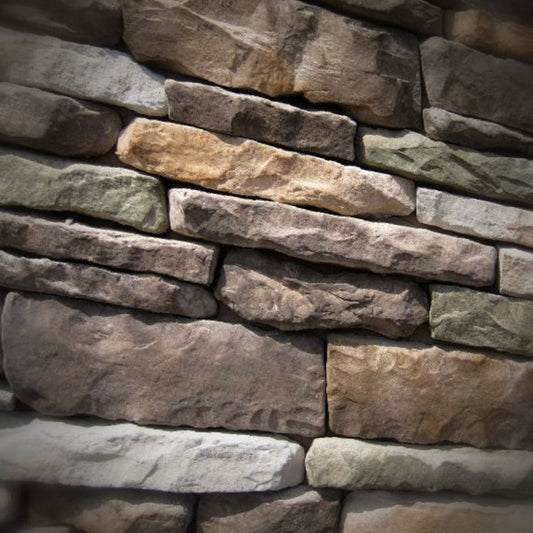
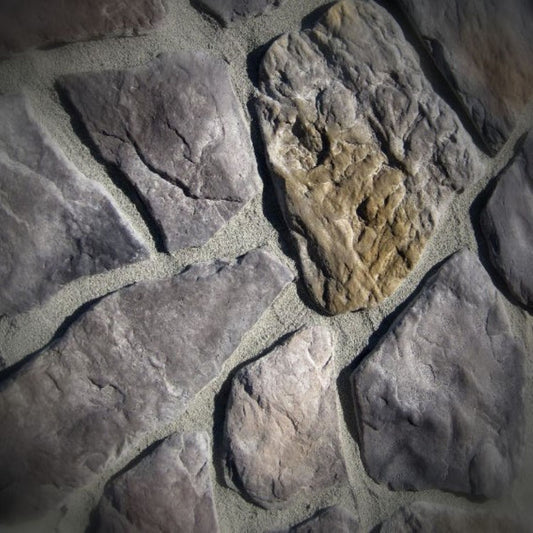
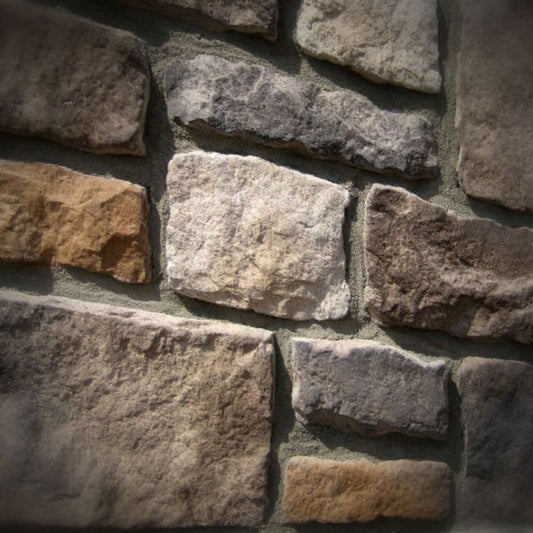
Pictured is lime stone adaline.