
What is Efflorescence on Manufactured Stone Veneer?
Share
Efflorescence on manufactured stone veneer is a white, powdery residue caused by water drawing salts to the surface. It is harmless but can be prevented with proper installation, drainage, and moisture control, and removed with appropriate cleaning methods.
Efflorescence is one of the most common concerns homeowners and builders encounter when working with manufactured stone veneer. Those chalky white deposits that sometimes appear on the surface can be surprising, especially after a fresh installation. While it may look like a defect or damage, efflorescence is actually a natural and temporary process that occurs in many cement-based materials.
Understanding what efflorescence is, why it happens, and how to manage it is essential for anyone planning or maintaining a stone veneer installation. When properly addressed, it does not impact the performance or durability of the material and can be minimized or eliminated with the right approach.
What is efflorescence?
Efflorescence is a white, powdery substance that can appear on the surface of manufactured stone veneer. It forms when water moves through the material or substrate, dissolving naturally occurring salts within the cement. As the water reaches the surface and evaporates, it leaves those salts behind, creating a visible residue.
This process is not unique to manufactured stone veneer. It can occur in concrete, brick, mortar, and other masonry products. Because manufactured stone veneer is made with Portland cement and aggregates, it contains the same soluble salts that contribute to efflorescence.
Although it may affect the appearance of the surface temporarily, efflorescence does not compromise the structural integrity or long-term performance of the veneer.
What causes efflorescence on manufactured stone veneer?
Efflorescence requires three key elements to occur: water, soluble salts, and a pathway for moisture movement. Manufactured stone veneer inherently contains salts due to its cement-based composition, so the primary factor becomes water intrusion and movement.
Moisture can enter a wall system in several ways. It may come from rain exposure, improper flashing, or inadequate sealing around openings. It can also originate from within the structure itself, especially if materials were not fully dry at the time of installation. As water travels through the wall assembly, it dissolves salts and carries them toward the surface.
Temperature fluctuations and drying conditions can also influence the formation of efflorescence. Rapid drying can accelerate the process, while repeated wetting and drying cycles may cause it to appear intermittently over time.
Is efflorescence a problem?
One of the most important things to understand about efflorescence is that it is primarily an aesthetic issue rather than a structural one. It does not indicate a failure of the manufactured stone veneer itself, nor does it mean the material is defective.
However, persistent or excessive efflorescence can signal underlying moisture management issues within the wall system. If water is consistently moving through the assembly, it may point to problems such as inadequate drainage, missing vapor barriers, or improper installation techniques.
Addressing the root cause of moisture intrusion is key to preventing ongoing efflorescence and ensuring the long-term performance of the installation.
How to prevent efflorescence
Preventing efflorescence begins with proper planning and installation. Moisture control is the most critical factor, as limiting water movement through the system reduces the likelihood of salt deposits forming on the surface.
A well-designed wall assembly should include a weather-resistant barrier and proper flashing to direct water away from the structure. Drainage systems, such as weep screeds, allow any trapped moisture to escape rather than moving through the veneer. Ensuring that all materials are dry before installation also helps reduce the amount of water present in the system from the start.
The use of high-quality mortars and adherence to manufacturer guidelines further contribute to a successful installation. Careful attention to detailing around windows, doors, and transitions helps prevent water from entering vulnerable areas.
While it may not always be possible to eliminate efflorescence entirely, these steps can significantly reduce its occurrence.
How to remove efflorescence from stone veneer
In many cases, efflorescence will diminish on its own over time as the source of moisture is reduced and the salts are no longer being transported to the surface. Natural weathering, including rain and normal environmental exposure, can gradually wash away the residue.
When cleaning is necessary, it is important to use appropriate methods that will not damage the stone veneer. Dry brushing with a soft or medium-bristle brush can remove loose deposits. For more stubborn cases, a mild cleaning solution specifically designed for masonry can be used.
Water-based cleaning should be approached carefully, as excessive moisture can contribute to further efflorescence if the underlying issue has not been resolved. Harsh acids or aggressive cleaning techniques should be avoided unless recommended by the manufacturer, as they can damage the surface or alter the color of the veneer.
Testing any cleaning method in a small, inconspicuous area is always a good practice before applying it to the entire surface.
The role of moisture management in long-term performance
Efflorescence highlights the importance of proper moisture management in any manufactured stone veneer installation. While the material itself is durable and designed to withstand environmental exposure, the performance of the entire system depends on how well it handles water.
A properly installed system allows moisture to drain and dry without becoming trapped behind the veneer. This not only reduces the risk of efflorescence but also helps prevent other issues such as mold, rot, or deterioration of underlying materials.
In climates with frequent rain or freeze-thaw cycles, effective moisture control becomes even more critical. Designing and installing the system with these conditions in mind ensures that the veneer performs as intended over time.
Efflorescence and new installations
It is not uncommon for efflorescence to appear shortly after a new manufactured stone veneer installation. During construction, materials often contain residual moisture, and the curing process can release additional water. As this moisture evaporates, it can carry salts to the surface.
This initial appearance of efflorescence is typically temporary and should diminish as the installation fully dries and stabilizes. In many cases, it resolves without the need for intervention.
Understanding that this is a normal part of the curing process can help set realistic expectations and prevent unnecessary concern.
When to seek professional advice
While most cases of efflorescence are minor and manageable, there are situations where professional evaluation may be necessary. If the residue continues to reappear after cleaning or becomes more pronounced over time, it may indicate an ongoing moisture issue that requires further investigation.
A qualified installer or building professional can assess the wall system, identify potential sources of water intrusion, and recommend appropriate solutions. Addressing these issues early can help prevent more significant problems down the line.
Frequently asked questions
1. What causes efflorescence on manufactured stone veneer? Efflorescence is caused by water moving through the material, dissolving salts, and leaving them behind as a white residue when the water evaporates.
2. Is efflorescence harmful to stone veneer? No, efflorescence is not harmful. It is a cosmetic issue and does not affect the structural integrity or durability of the stone veneer.
3. Will efflorescence go away on its own? In many cases, yes. Efflorescence often fades over time as moisture levels stabilize and salts are no longer transported to the surface.
4. Can efflorescence be prevented completely? It cannot always be completely prevented, but proper installation, moisture control, and drainage systems can significantly reduce its occurrence.
5. What is the best way to clean efflorescence? Dry brushing or using a mild masonry cleaner is typically effective. Avoid harsh chemicals and excessive water, and always follow manufacturer recommendations.
What is efflorescence on manufactured stone veneer?
Efflorescence on manufactured stone veneer is a common and largely cosmetic occurrence that results from natural processes within cement-based materials. While it can affect the appearance of a surface, it does not compromise the durability or structural integrity of the veneer.
By understanding the causes of efflorescence and focusing on proper installation and moisture management, it is possible to minimize its impact and maintain the clean, natural look of stone veneer. With the right approach, manufactured stone veneer continues to offer a reliable and attractive solution for both interior and exterior applications.
What's next?
Transform your space with our premium stone veneer. Shop now or order a sample today to experience the quality firsthand.
Have a question?
Please see our full terms of service or check out our frequently asked questions.
For general information and questions please call: (864) 882-8960 Mon. - Fri. 8am - 5pm (EST) or email: info@blackbearmountainstone.com we are more than happy to help you.
Or you can submit your questions via our contact us page.
We look forward to working with you on your upcoming project.
The Black Bear Mountain Stone Team
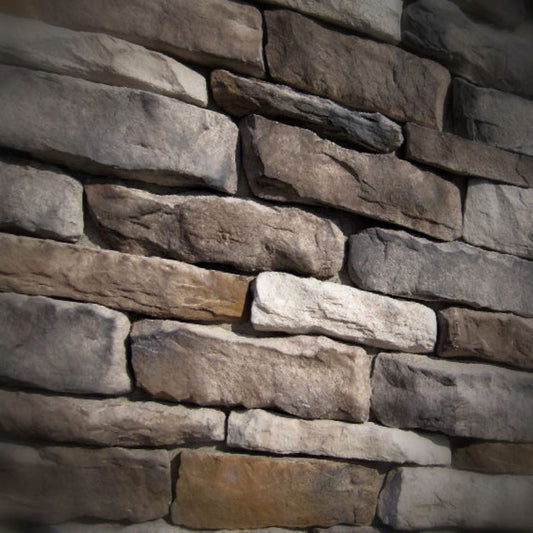
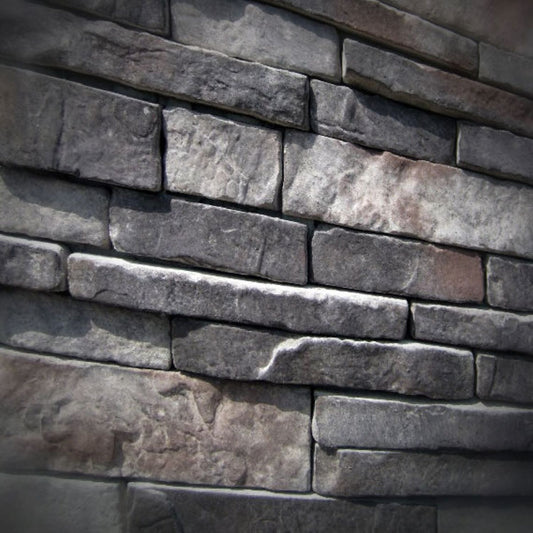
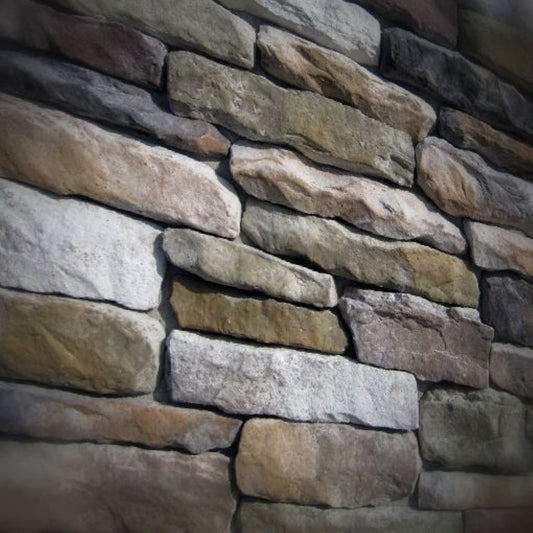
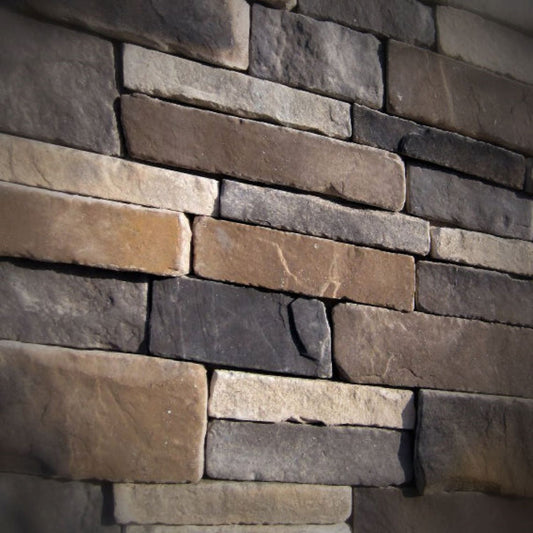
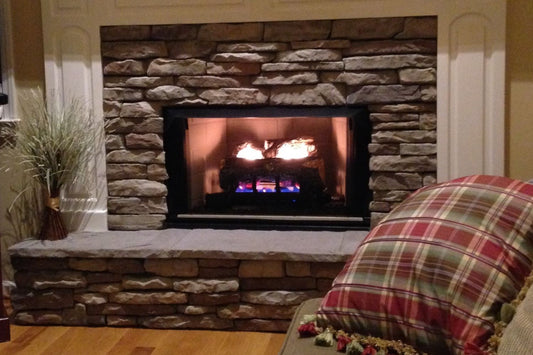
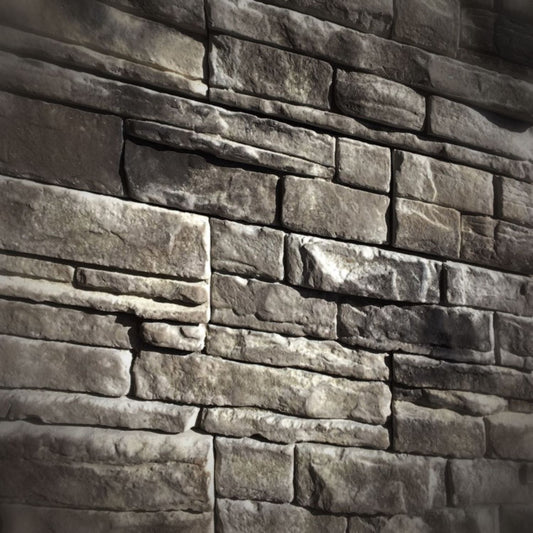
Pictured is stack stone buck mountain.