
Advantages of Brick Veneer
Share
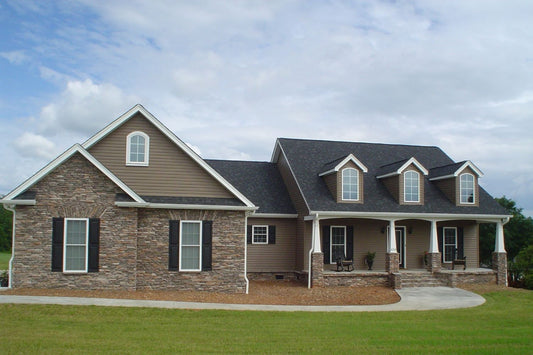
Brick veneer is a popular choice among homeowners looking to enhance both the interior and exterior of their homes. It offers the timeless appeal of traditional brick but with a more efficient, versatile, and budget-friendly approach. Whether you're planning an outdoor upgrade or adding character to an indoor feature wall or fireplace, here are some compelling reasons to consider brick veneer for your project.
Originally posted November 7 2024, updated March 11 2026.
Cost-effective alternative to full brick siding
One of the most significant advantages of brick veneer siding is its cost-effectiveness. Full brick walls require extensive masonry work and use more materials, which adds up in labor and material costs. Brick veneer, on the other hand, is applied as a single layer over a structural wall, meaning you get the appearance of solid brick at a fraction of the cost. This allows homeowners to achieve the aesthetic benefits of brick without breaking the bank.
Lightweight and easy to install
Brick veneer siding is considerably lighter than full brick, which makes it easier and faster to install. This lightweight quality means it doesn’t need the same kind of structural support as full brick, opening up the option to install it on a broader range of buildings without reinforcing the foundation. Because of the easier installation, homeowners can save on labor costs and enjoy faster project timelines.
Durable and low maintenance
Like full brick, brick veneer siding is incredibly durable. It can withstand various weather conditions, including heat, rain, and snow, without cracking or fading. Plus, it’s naturally resistant to fire, insects, and rot. Maintenance is minimal, usually, a simple annual wash will keep it looking its best. The durability of brick veneer siding means it can last for decades, making it a long-term investment for your home.
Versatile design options
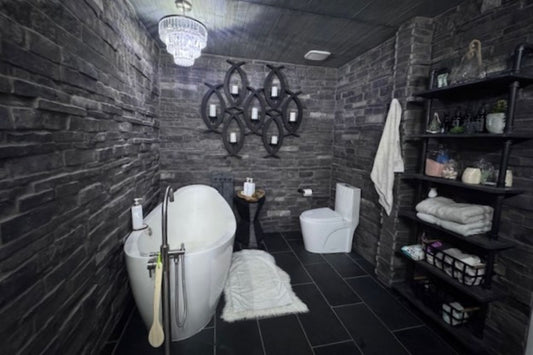
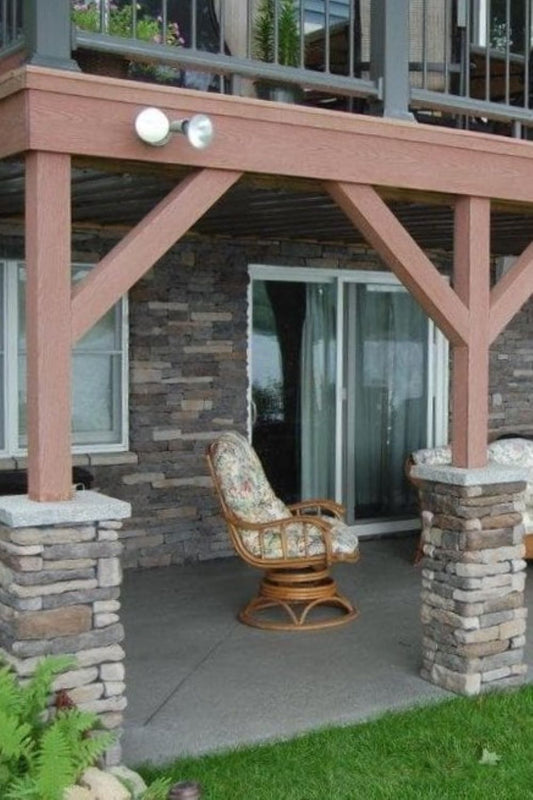
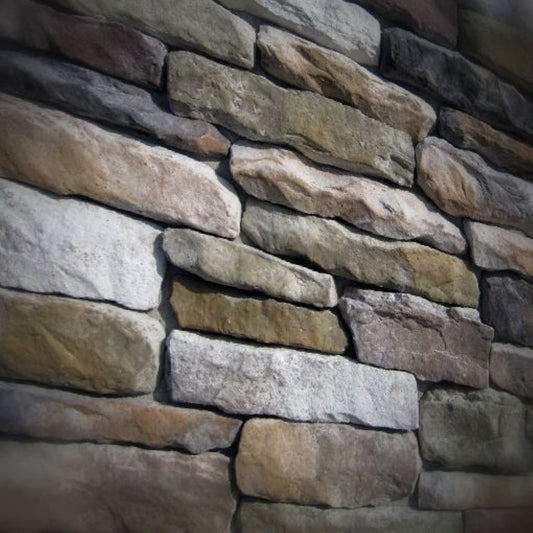
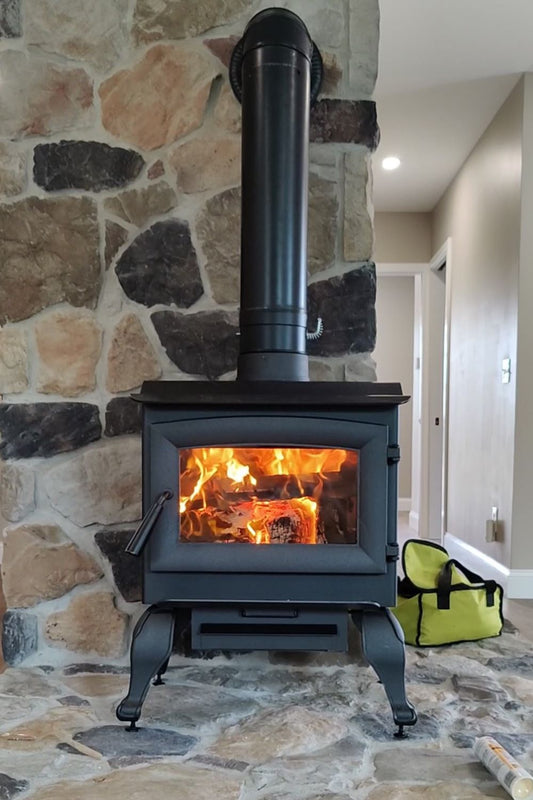
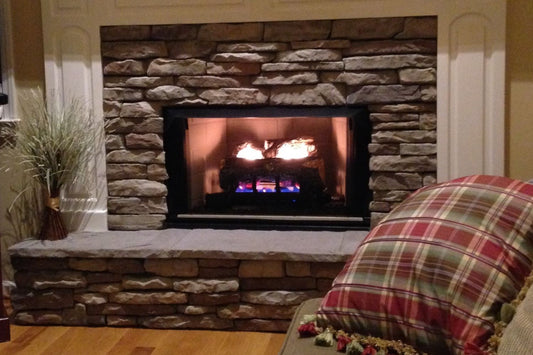
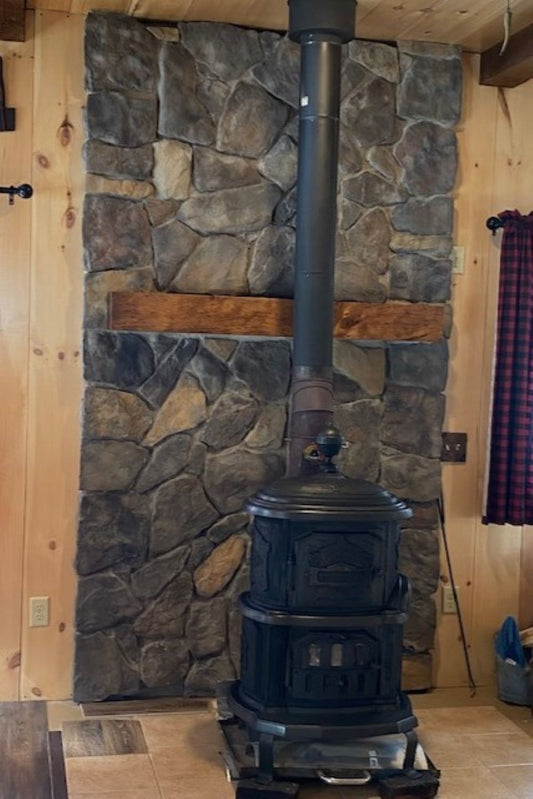
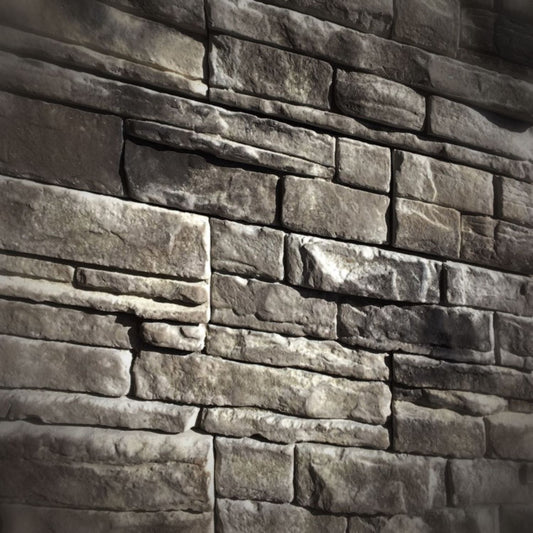
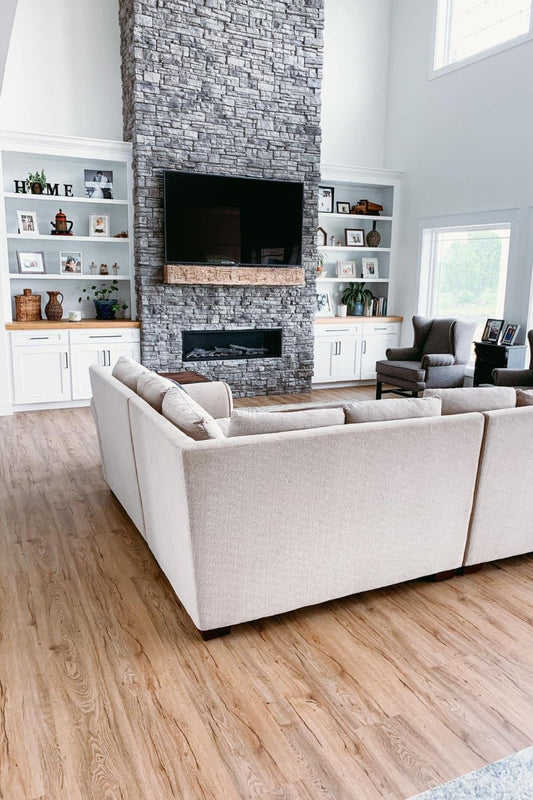
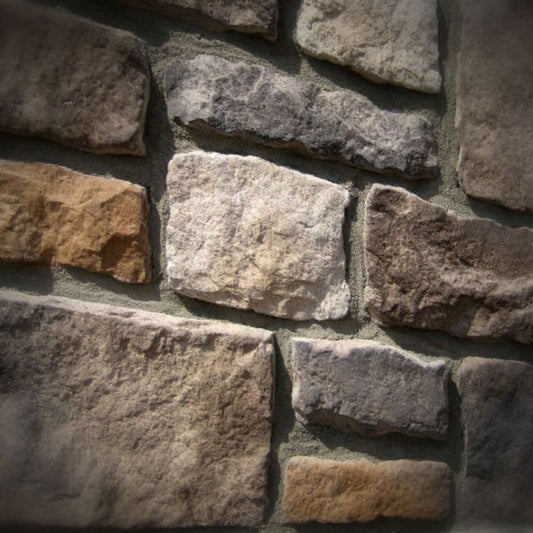
Brick veneer siding offers a wide range of design options to suit any architectural style. From traditional red brick to sleek and modern gray tones, homeowners can choose from various colors, textures, and finishes. This flexibility allows you to achieve different looks, from rustic farmhouse to contemporary urban, with the same ease of installation. Additionally, you can use brick veneer indoors to create stylish accent walls, adding a unique touch to your interior spaces.
Enhanced curb appeal and resale value
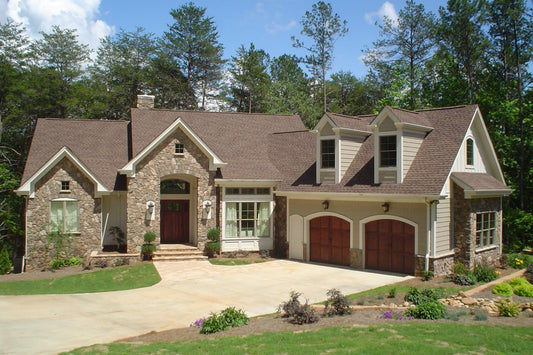
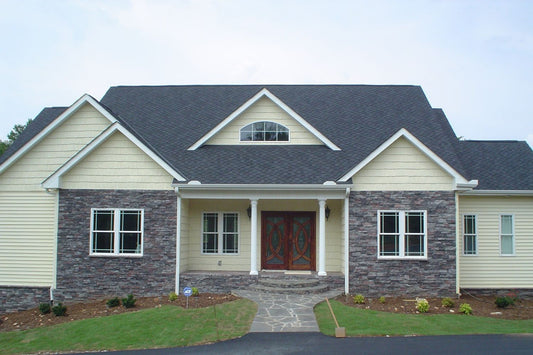
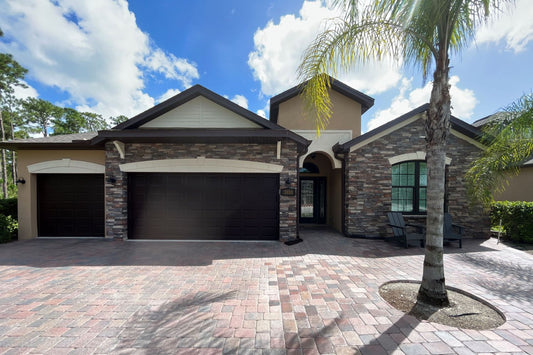
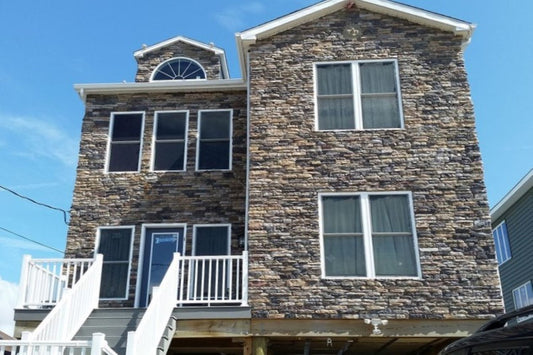
The classic, elegant look of brick can significantly boost your home's curb appeal and make it more attractive to prospective buyers. Brick exteriors are often associated with quality and durability, which can increase your property’s market value. In many cases, investing in brick veneer siding can yield a high return on investment, especially in neighborhoods where brick homes are in demand.
Frequently asked questions
1. What is brick veneer siding? Brick veneer siding is a single layer of brick installed on the exterior or interior of a wall for decorative purposes. Unlike full brick construction, it does not support the structure of the building but provides the classic look of real brick with less weight and lower installation costs.
2. Can brick veneer be used indoors? Yes, brick veneer is commonly used indoors for features such as accent walls, fireplaces, kitchen backsplashes, and entryways. It adds texture, warmth, and a timeless design element to interior spaces without the structural requirements of full brick.
3. Is brick veneer durable enough for exterior use? Brick veneer is highly durable and designed to withstand outdoor conditions including rain, heat, snow, and temperature changes. When installed correctly, it can last for decades while maintaining its appearance with minimal maintenance.
4. Is brick veneer cheaper than real brick? Yes, brick veneer is typically much more affordable than full brick construction. Because it uses fewer materials and requires less structural support, homeowners can achieve the look of traditional brick while reducing both material and labor costs.
5. Does brick veneer increase home value? Brick veneer can improve a home's curb appeal and overall aesthetic, which may increase resale value. Many buyers associate brick exteriors and features with durability, quality construction, and timeless design.
Advantages of brick veneer
Brick veneer siding provides homeowners with a perfect blend of durability, style, and affordability. It combines the charm of traditional brick with modern installation advantages, making it a top choice for both new constructions and renovations. Whether you’re looking to improve energy efficiency, boost curb appeal, or minimize maintenance, brick veneer siding offers a practical, stylish, and eco-friendly solution.
You may also like
Brick veneer vs. real brick: What’s the difference?
Red brick veneer: A classic look for interior and exterior walls.
Individual stone veneer vs. stone panels: Which is better?
What's next?
Bring your vision to life with our premium stone veneer! Shop now to explore our collection or order a sample today to experience the exceptional quality!
Have a question?
Please see our full terms of service or check out our frequently asked questions.
For general information and questions please call: (864) 882-8960 Mon. - Fri. 8am - 5pm (EST) or email: info@blackbearmountainstone.com we are more than happy to help you.
Or you can submit your questions via our contact us page.
We look forward to working with you on your upcoming project.
The Black Bear Mountain Stone Team
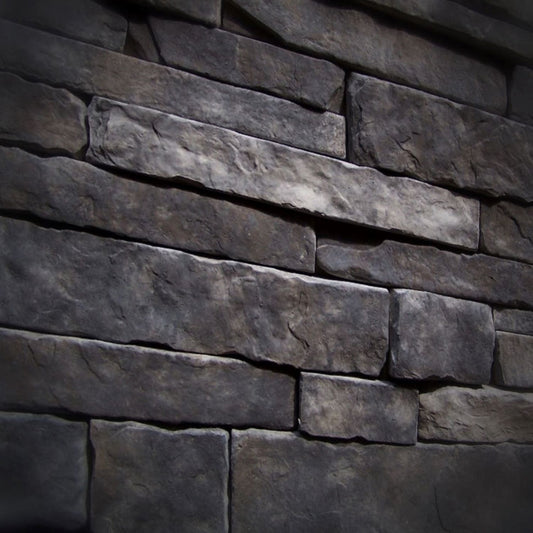
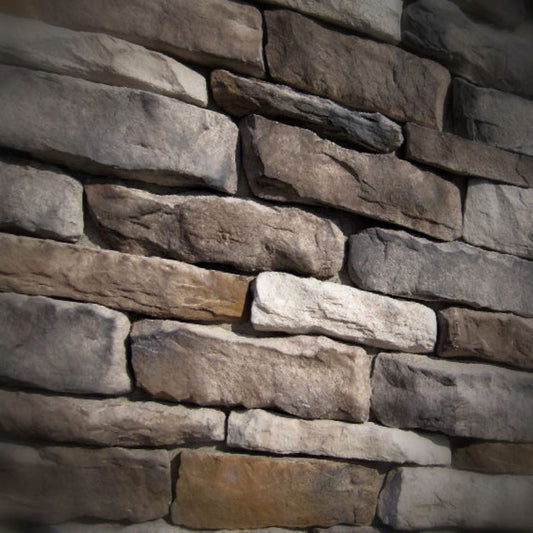
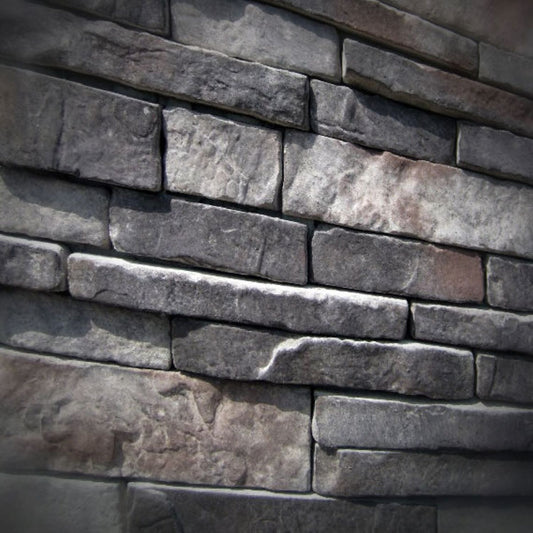
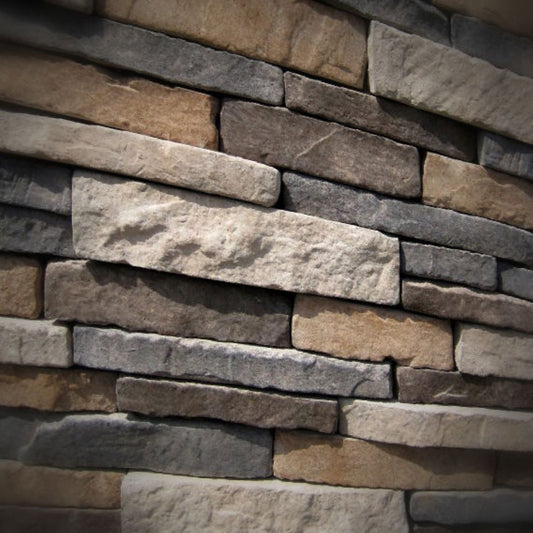
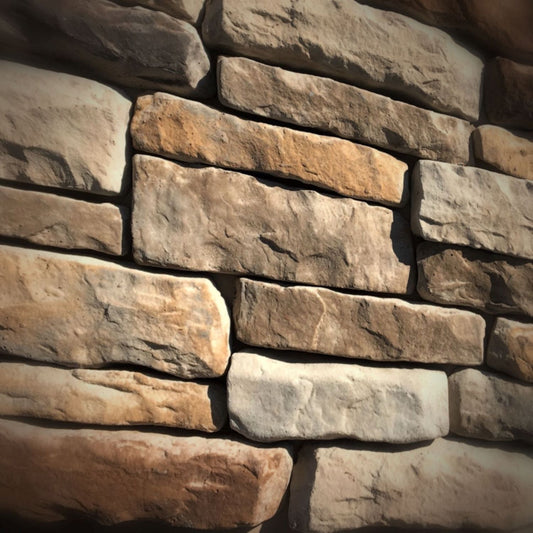
Pictured is brick veneer old towne.