
Individual Stones or Stone Panels?
Share
Originally posted April 28 2025, updated August 13 2026.
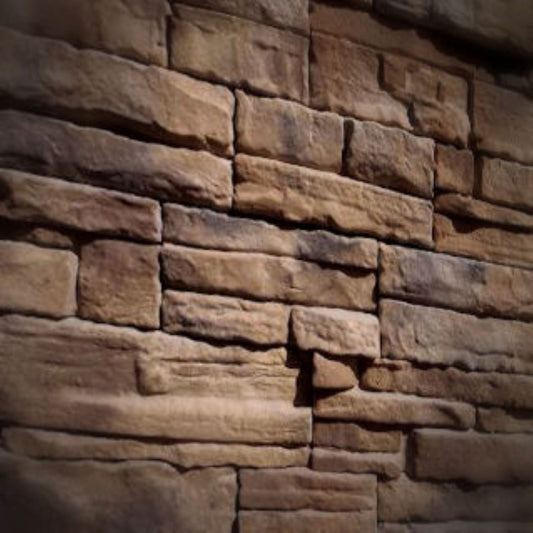
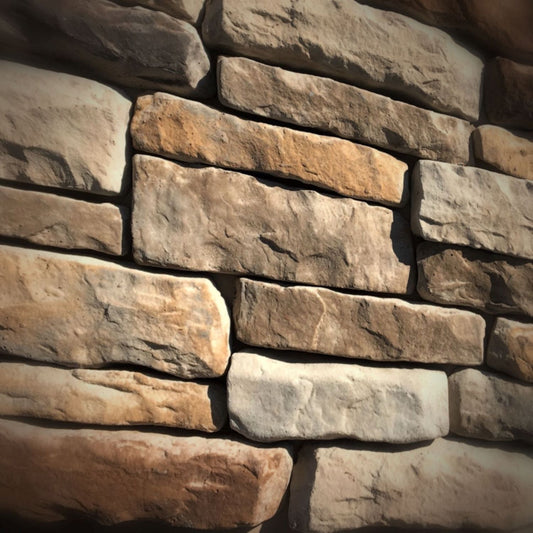
Individual manufactured stone veneer offers greater design flexibility, easier installation around obstacles, simpler repairs, and a more natural appearance than many stone panel systems. Because each stone is installed separately, installers can control the layout, vary colors and shapes, and create a custom finish that closely resembles traditional hand-laid stone.
When choosing manufactured stone veneer for a residential or commercial project, one of the first decisions is whether to use individual stone pieces or a pre-assembled stone panel system. Both formats have advantages, but individual manufactured stone veneer remains a popular choice for manufacturers, installers, architects, designers, and homeowners.
The reason is simple: individual stones provide significantly more control over the finished installation. Each piece can be positioned independently, allowing the installer to work around windows, doors, corners, architectural features, and unusual wall shapes while creating a more natural variation in the finished surface.
Stone panels can provide installation convenience in applications where speed and uniformity are priorities. However, individual stones offer a level of customization and flexibility that is difficult to achieve with a predetermined panel pattern.
Understanding the differences between these two formats can help you determine which option makes the most sense for your project.
What is Individual Manufactured Stone Veneer?
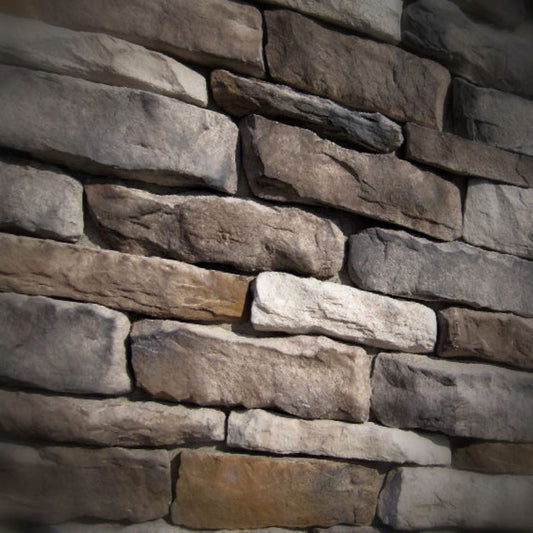
Individual manufactured stone veneer consists of separate stone pieces that are installed one at a time. Each piece is manufactured to replicate the appearance of natural stone using materials such as Portland cement, lightweight aggregates, and mineral-based pigments.
Because the stones are separate, the installer determines how they are arranged on the wall. Pieces can be selected and positioned based on their shape, size, color, and texture to create a balanced and natural-looking installation.
This is fundamentally different from a panel system, where multiple pieces are assembled together into a predetermined section before installation. Panel systems can reduce the amount of individual placement required, but they also limit how much the installer can change the arrangement of the stones.
For projects where appearance and flexibility are priorities, the ability to work with individual stones can be a major advantage.
A More Natural and Custom Appearance
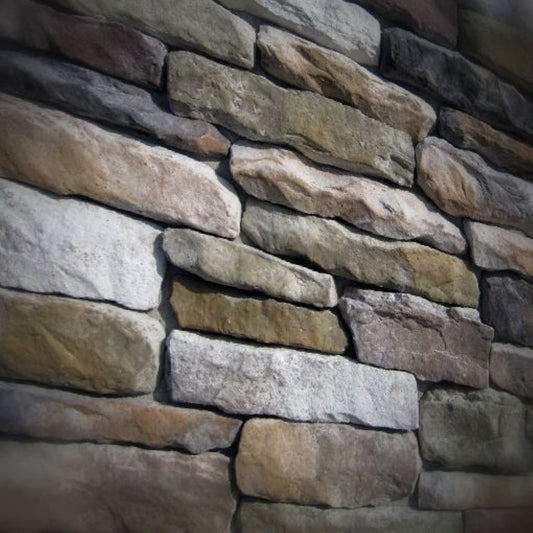
One of the biggest reasons to choose individual manufactured stone veneer is the appearance it creates. Natural stone rarely follows a perfectly repeating pattern. Individual stones vary in size, shape, color, texture, and orientation, and traditional masonry installations take advantage of that variation.
Individual manufactured stone allows installers to recreate this type of visual variation. Instead of repeating the exact same arrangement from one section of a wall to another, each stone can be positioned independently.
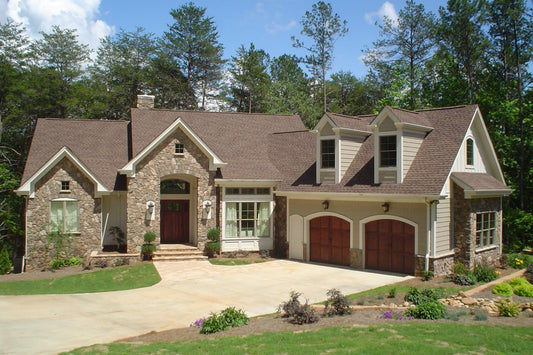
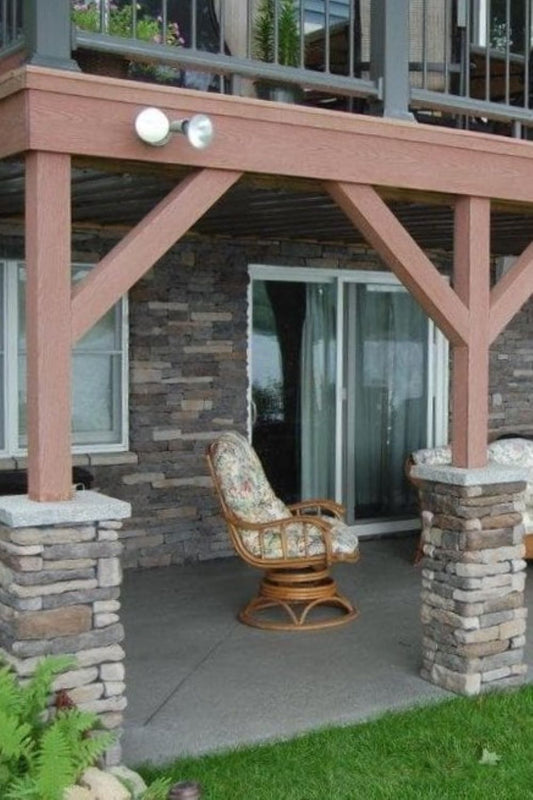
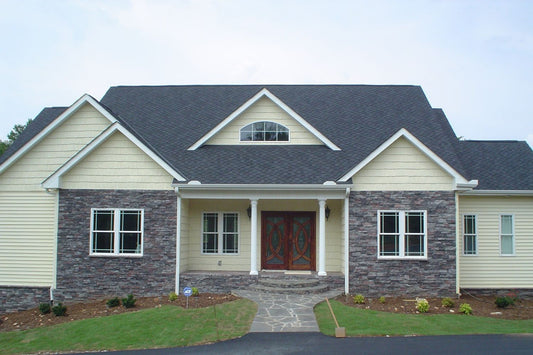
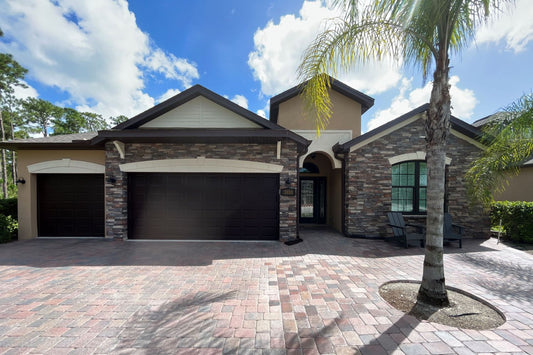
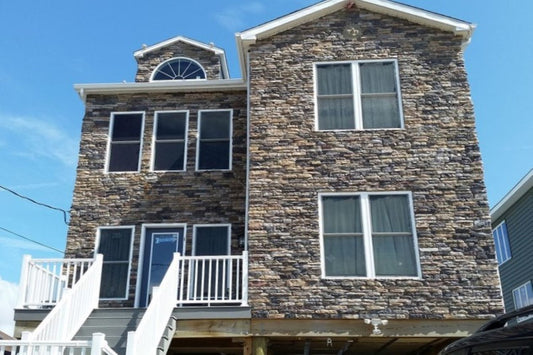
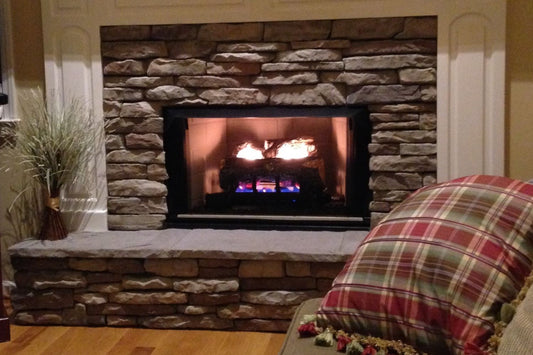
This is particularly valuable when creating larger feature walls, fireplaces, exterior facades, entryways, retaining walls, or other prominent architectural features. The installer can distribute larger and smaller pieces, vary colors, and adjust the orientation of individual stones to create a more organic appearance.
The result can feel less like a manufactured pattern and more like a traditional hand-laid stone installation.
Greater Control Over Color and Stone Placement
Manufactured stone veneer is typically produced using blends of complementary colors rather than a single uniform color. Individual stones can therefore have subtle differences in tone, creating the variation associated with natural stone.
With individual pieces, installers can control where those variations appear. Lighter and darker stones can be distributed throughout the installation instead of being locked into a predetermined arrangement.
This control becomes particularly useful when working on large walls. If one section contains too many stones of a particular color or size, the installer can make adjustments before the mortar has been applied.
With a panel system, much of the arrangement is already determined by the manufacturer. Although panels can still produce attractive results, the installer has less freedom to modify the internal stone layout.
Individual Stones Offer Greater Installation Flexibility
Walls rarely consist of perfectly uninterrupted, flat surfaces. Windows, doors, electrical outlets, corners, rooflines, columns, vents, and other architectural details can all affect how stone veneer needs to be installed.
Individual stones make it easier to accommodate these features. An installer can select pieces that fit a particular opening, trim stones when necessary, and adjust the layout as the installation progresses.
This flexibility is especially helpful around irregular architectural details. Rather than trying to fit an entire predetermined panel around an obstacle, the installer can work with individual pieces and build the stone pattern around the feature.
Curved or unusually shaped areas can also benefit from individual stone placement. The ability to make small adjustments from one piece to the next can produce a cleaner transition than forcing a rigid panel into an irregular space.
Individual Stone Veneer Can Reduce Material Waste
Installation flexibility can also affect material efficiency. When working with individual stones, an installer can often make decisions based on the exact area being covered.
A stone can be selected, positioned, or cut to accommodate a particular section of the wall. Smaller pieces may be useful around openings or at the edges of an installation, reducing the need to discard an entire pre-assembled section simply because it doesn't fit.
Some cutting and waste are normal with any manufactured stone veneer installation, and the amount depends on the project design, installer, and product. However, the adaptability of individual pieces can be particularly useful on projects with numerous openings, corners, or irregular dimensions.
Individual Stones are Easier to Handle
Manufactured stone veneer is made using cement-based materials, so weight is an important consideration during installation. Individual stones allow installers to handle one piece at a time rather than lifting and positioning a larger pre-assembled section.
This can make the installation process more manageable, particularly when working at heights or around detailed architectural features.
The exact weight difference between individual stone veneer and panel systems varies significantly by product. Not every panel is necessarily heavier than every individual stone, but larger assembled sections can be more cumbersome to maneuver because several stones must be handled together.
Individual pieces provide the installer with more control over handling and placement. Instead of managing a larger assembly, the installer can work with manageable pieces and build the installation progressively.
Easier Repairs and Individual Stone Replacement
Another significant advantage of individual manufactured stone veneer is the simplicity of repairing localized damage.
If one stone becomes cracked, chipped, or otherwise damaged, the affected piece can potentially be removed and replaced without disturbing the surrounding installation. This makes individual stone veneer particularly practical for long-term maintenance.
The ability to replace individual pieces can also be useful if a homeowner wants to modify a small section of an existing installation. A damaged stone does not necessarily mean that an entire wall section needs to be removed.
Panel systems can still be repaired, but the process may be more involved depending on how the panels are constructed and installed. If damage affects several pieces within one panel, replacing the entire section may be necessary.
Individual stone placement therefore provides a straightforward advantage when localized repairs are required.
Individual Stone Veneer Works Across More Design Styles
Because individual stones can be arranged in different patterns, the same basic format can support a wide range of architectural styles.
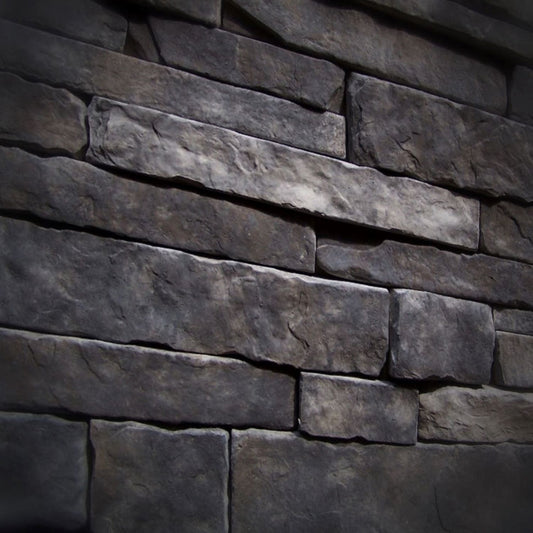
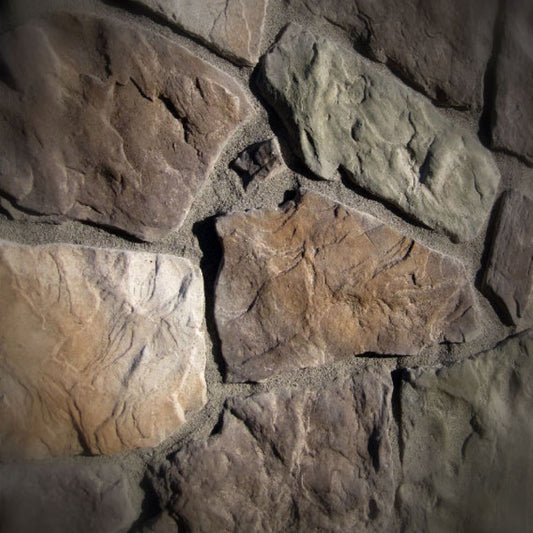
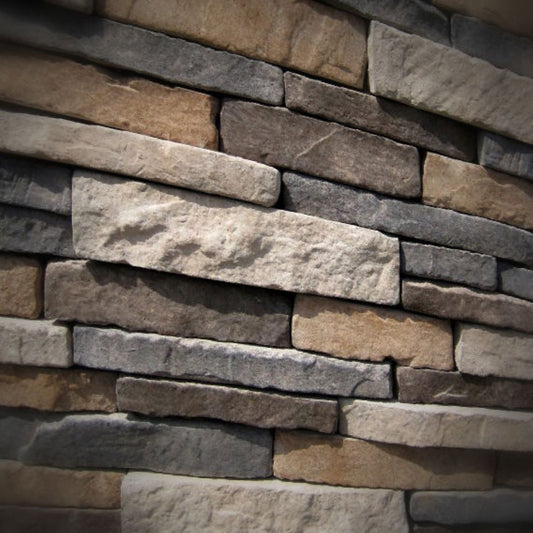
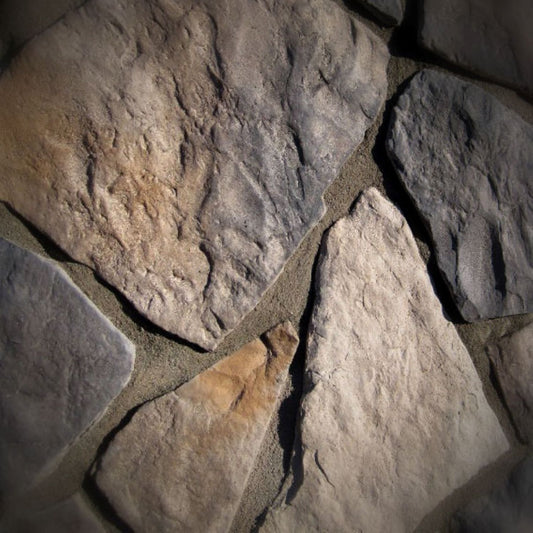
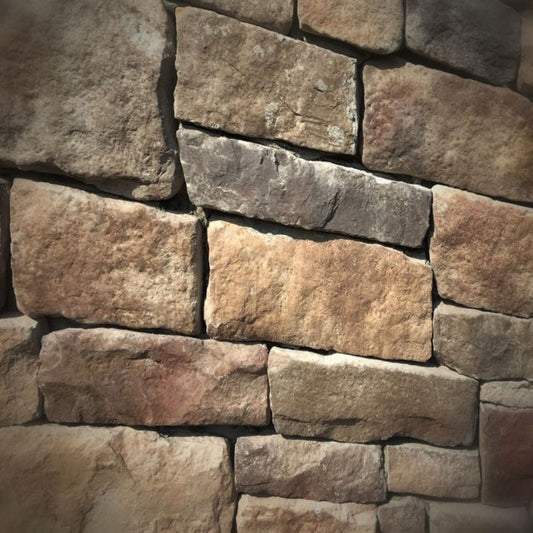
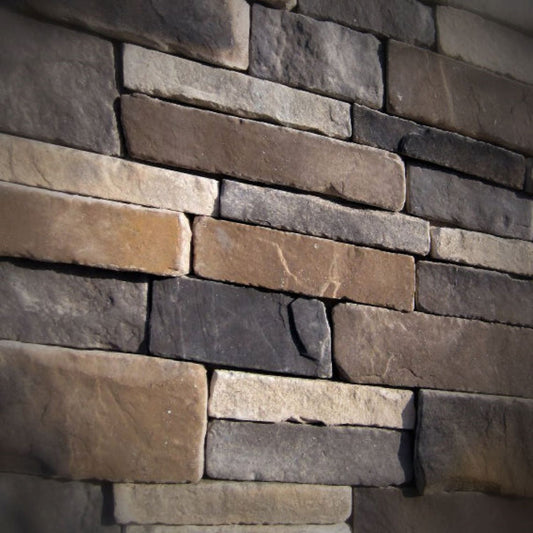
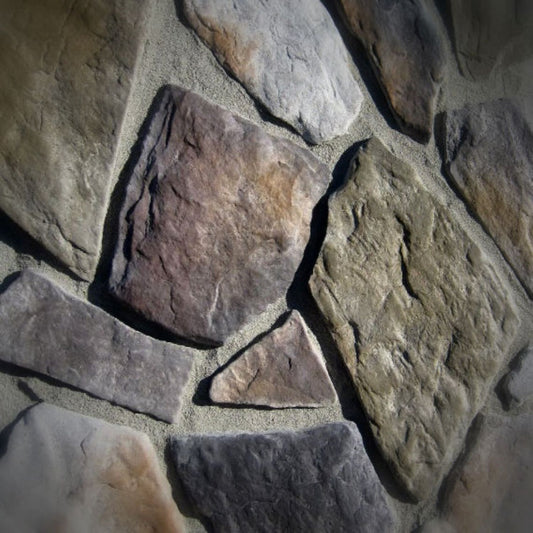
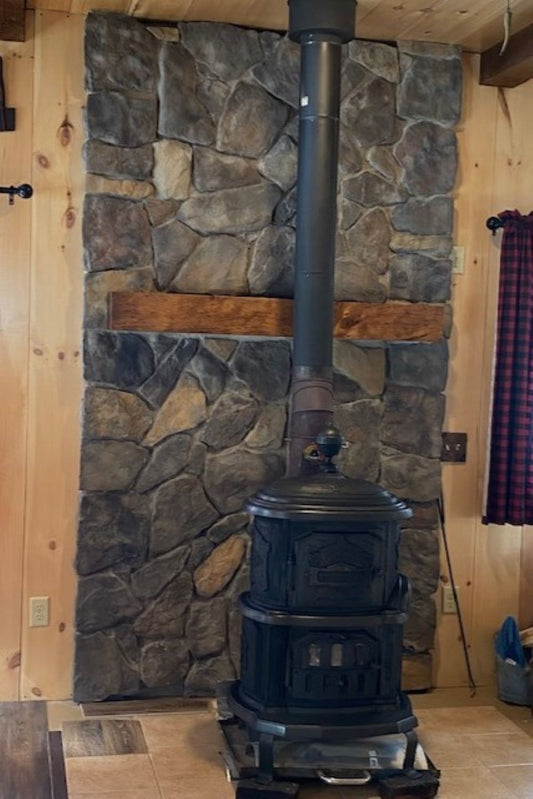
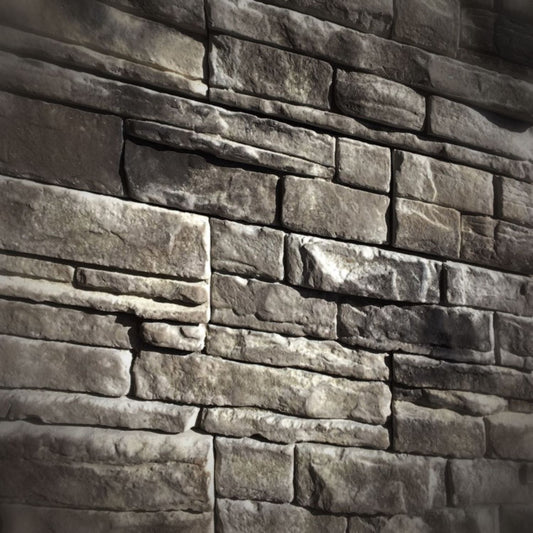
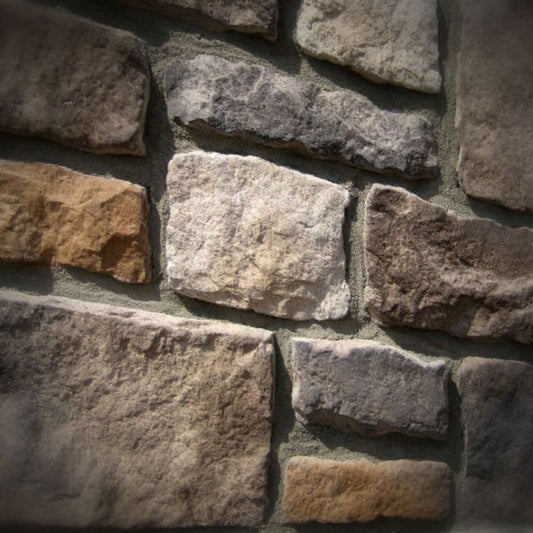
A rustic fieldstone installation can emphasize irregular shapes and significant variation. A more linear ledgestone installation can create an appearance with horizontal movement. Stacked stone can provide a clean, layered look, while rectangular limestone profiles can create a more structured architectural design.
The flexibility doesn't stop with the stone profile. The installer can influence the finished appearance through stone orientation, spacing, color distribution, and overall placement.
This makes individual stone veneer particularly useful when the goal is to create a customized design rather than reproduce a predetermined panel pattern.
What Are the Advantages of Stone Veneer Panels?
Stone panels aren't without their benefits. Pre-assembled panels can simplify certain installations because multiple stones are incorporated into a single section. This can reduce the amount of individual stone placement required and may allow some straightforward areas to be completed more quickly.
Panels can be particularly appealing when the project calls for a consistent, repeating appearance or when installation speed is a primary consideration.
However, the convenience comes with a trade-off. The more predetermined the panel pattern is, the less flexibility the installer has to change the placement of individual stones.
For a simple, flat wall with a suitable panel system, that may not be a significant concern. For a project with numerous architectural details or a strong emphasis on a natural, custom appearance, individual stones can offer greater advantages.
Why Manufacturers Continue to Produce Individual Stone Veneer
The preference for individual stone veneer is closely connected to what customers expect from manufactured stone. Homeowners and designers generally want the finished installation to look like authentic masonry rather than an obvious repeating pattern.
Individual stones make that possible by giving installers the ability to create variation within the installation. They also provide manufacturers with the flexibility to offer a broad range of profiles, shapes, sizes, and color blends.
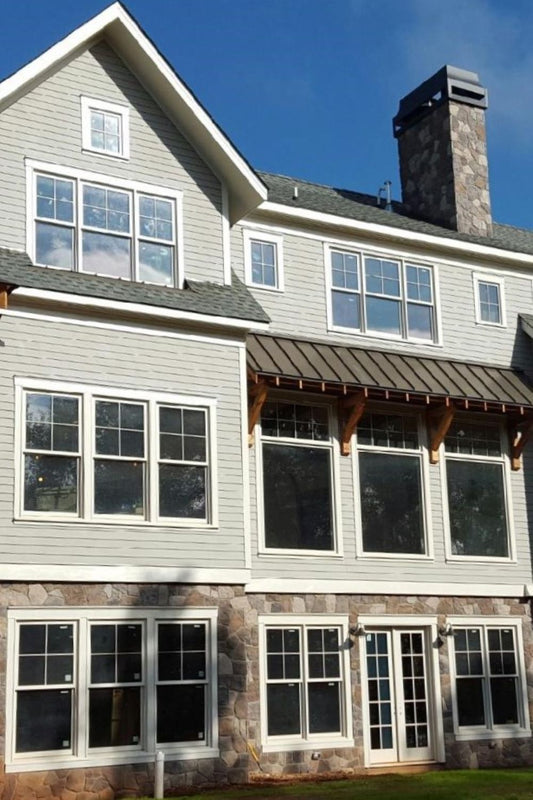
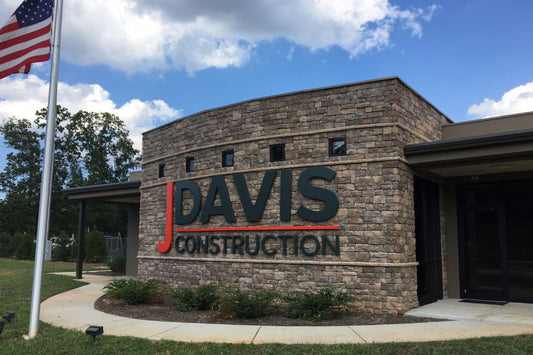
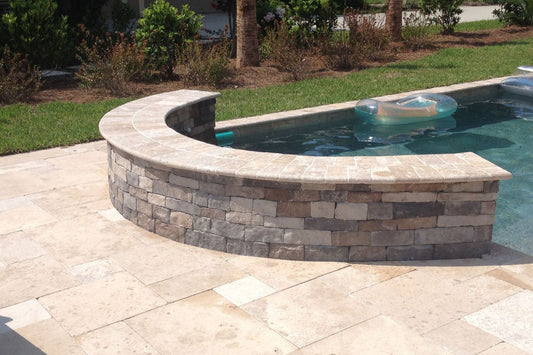
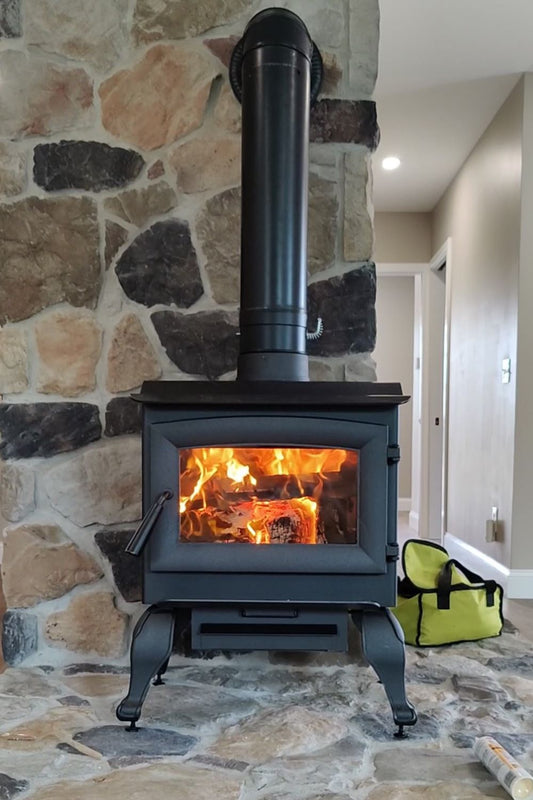
Individual stones can be used across many different applications, from residential exterior walls and fireplaces to commercial facades and interior accent walls. That broad versatility makes the format useful across a wide range of projects.
While panel systems have developed an important place in the manufactured stone market, individual stone veneer continues to provide the combination of appearance and flexibility that many projects require.
Why Individual Manufactured Stone Veneer Remains a Popular Choice
The appeal of individual manufactured stone veneer comes down to control. The installer controls the placement of every stone, the distribution of colors, the variation in shapes, and the way the veneer transitions around architectural features.
That control helps create a finished installation with greater visual variation and a more natural appearance. It also makes the material easier to adapt to complex surfaces and simplifies localized repairs when individual stones are damaged.
Stone panels can offer convenience and faster installation in appropriate applications, but they aren't always the best fit for projects that require customization or irregular layouts.
For homeowners, builders, architects, and designers looking to create a distinctive stone feature, individual manufactured stone veneer provides the flexibility to make the finished installation feel truly custom.
Frequently Asked Questions About Individual Stones or Stone Panels?
Is individual stone veneer better than stone panels?
Individual stone veneer can be a better choice when customization, natural variation, installation flexibility, and repairability are priorities. Stone panels can be advantageous when faster installation and a consistent predetermined pattern are more important.
Why is individual stone veneer more natural looking?
Individual manufactured stone veneer allows each piece to be positioned separately. Installers can vary the size, shape, orientation, and color of stones rather than repeating a fixed panel arrangement, creating a more organic appearance.
Is individual stone veneer harder to install than panels?
Individual stone veneer requires each piece to be placed separately, so it can involve more hands-on installation than some panel systems. However, the individual format also makes it easier to work around windows, doors, corners, curves, and other architectural features.
Can individual manufactured stone veneer be repaired?
Yes. One of the advantages of individual stone veneer is that damaged pieces can often be removed and replaced individually without replacing an entire wall section. The replacement stone should be selected to match the existing profile and color as closely as possible.
Are stone veneer panels lighter than individual stones?
The weight depends on the specific products being compared. Individual stones are handled one piece at a time, while panels contain multiple stones assembled together. Larger panels can be more cumbersome to lift and maneuver, even when their overall weight varies by product.
Do individual stone veneers come in different styles?
Yes. Manufactured stone veneer is available in many profiles, including ledgestone, stacked stone, fieldstone, limestone, and other architectural styles. Individual pieces can be arranged in different ways to create traditional, rustic, modern, or contemporary appearances.
Individual Stones or Stone Panels?
The choice between individual manufactured stone veneer and stone panels ultimately depends on the requirements of the project.
Individual stones are particularly well suited to projects where customization, natural variation, installation flexibility, and long-term repairability are important. They give installers control over every piece and allow the stone pattern to develop as the wall is built.
Stone panels may be appropriate when installation speed, predictable patterning, and straightforward coverage are the primary goals. A panel system can make sense for certain applications where the surface is relatively simple and the predetermined appearance fits the design.
Neither format is universally better for every project. However, individual stone veneer offers several advantages that explain why it remains a preferred format for many manufactured stone veneer applications.
What's Next?
Turn your vision into reality with our premium stone veneer! Shop now to find the perfect style or order a sample to experience the texture and color up close. Start your project today!
Have a Question?
Please see our full terms of service or check out our frequently asked questions.
For general information and questions please call: (864) 882-8960 Mon. - Fri. 8am - 5pm (EST) or email: info@blackbearmountainstone.com we are more than happy to help you.
Or you can submit your questions via our contact us page.
We look forward to working with you on your upcoming project.
The Black Bear Mountain Stone Team
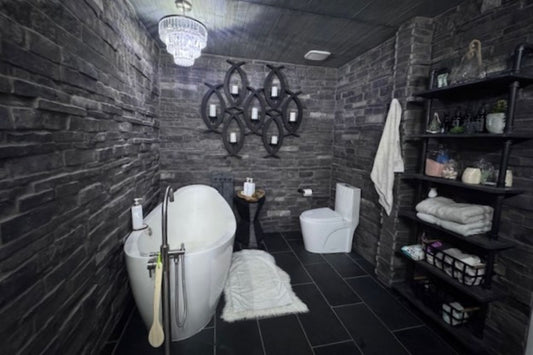
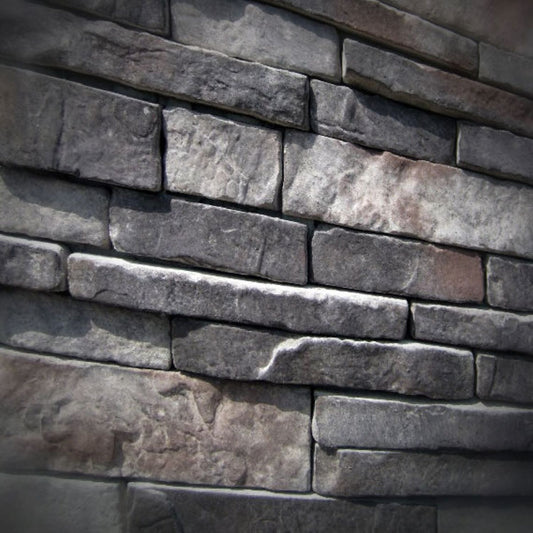
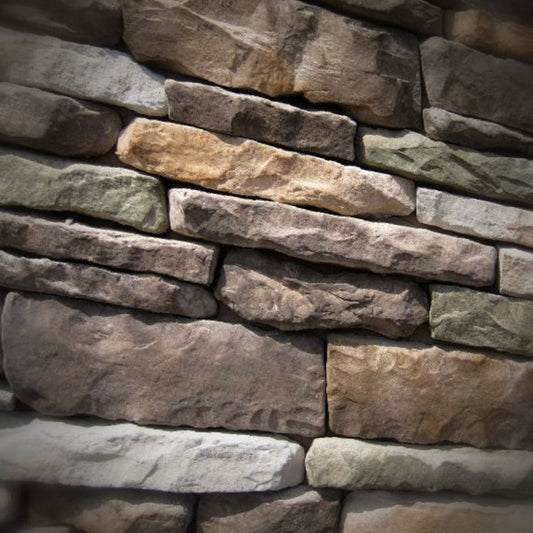
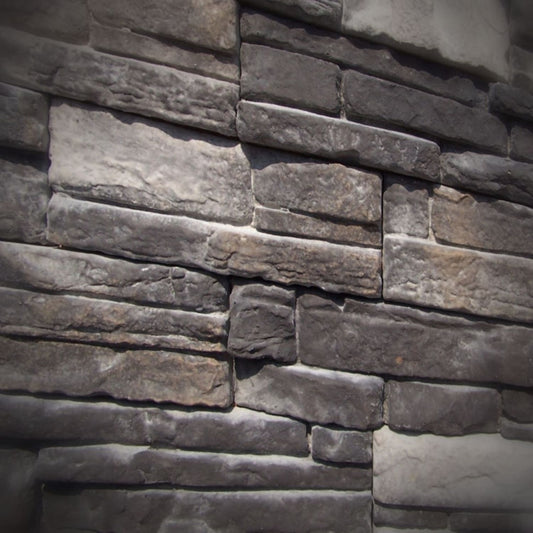
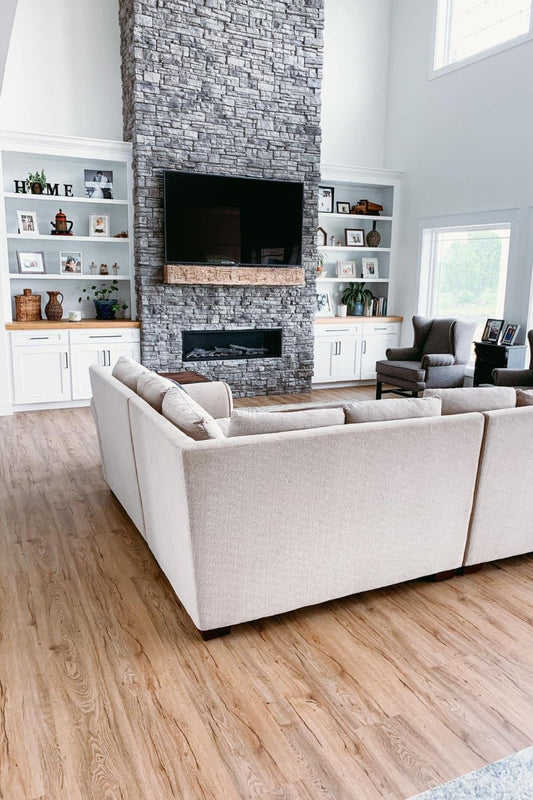
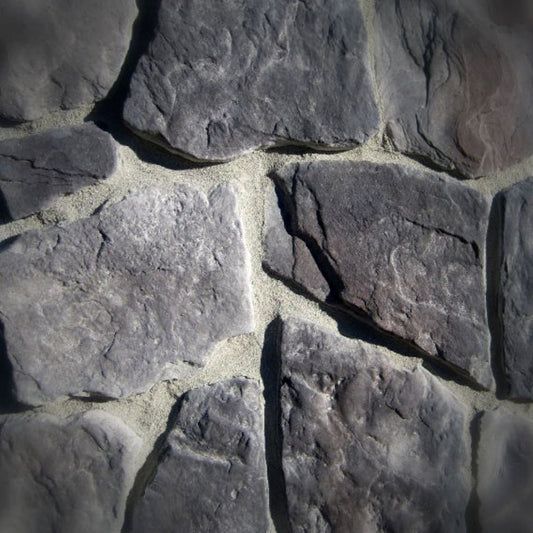
Pictured is ready stack cool gray.