

Does Manufactured Stone Need Sealing? Pros, Cons, and Best Practices
Share
Originally posted October 8, 2024, updated February 25, 2026.
Manufactured stone veneer does not always need sealing, but a breathable, penetrating sealer may help reduce moisture absorption and staining. Before sealing, check the stone manufacturer's installation guidelines and warranty to ensure the product is compatible.
Manufactured stone veneer adds the look of natural stone to home exteriors, fireplaces, accent walls, outdoor kitchens, and other architectural features. Although it is designed for durability, its cement-based composition means it can absorb some moisture and may be susceptible to staining under certain conditions. This leads many homeowners, contractors, and masons to ask whether manufactured stone needs to be sealed. The answer depends on the product, installation, and environment. Sealing is not always necessary, and applying the wrong product can change the stone's appearance or create maintenance problems. However, when the appropriate sealer is used correctly, it can provide additional protection against water absorption and surface contaminants.
Understanding when sealing makes sense, which products to consider, and how to avoid common mistakes can help you maintain your stone veneer without compromising its intended appearance or performance.
Sealing Manufactured Stone
Manufactured stone veneer does not automatically require sealing. It is a cement-based building material designed for use in specified interior or exterior applications, and properly installed veneer can perform well without an additional sealer. Whether sealing is appropriate depends on the manufacturer's recommendations, the installation environment, and the type of protection you want.
Manufactured stone veneer is generally made using Portland cement, lightweight aggregates, and iron oxide mineral pigments. Like other cement-based masonry products, it has a degree of porosity that allows it to absorb moisture. A suitable sealer can reduce that absorption or help prevent certain contaminants from penetrating the surface.
However, sealing does not make a stone veneer installation waterproof. Water can enter through mortar joints, surrounding building materials, or improperly detailed areas, and a sealer cannot compensate for inadequate drainage, flashing, or installation practices.
Before applying any sealer, review the stone manufacturer's installation instructions and warranty. Some products may be compatible with a breathable penetrating sealer, while others may have restrictions.
Benefits of Sealing Manufactured Stone Veneer
One of the primary reasons to seal manufactured stone veneer is to reduce moisture absorption. On exterior walls and other exposed surfaces, rain and changing weather conditions can introduce moisture into porous masonry. In climates with freezing temperatures, absorbed water may contribute to deterioration when repeated freeze-thaw cycles occur. A compatible sealer may reduce the amount of water absorbed by the stone, although it cannot eliminate the need for proper installation and moisture management.
Sealing may also help reduce efflorescence, the white, powdery deposits that sometimes appear on masonry surfaces. Efflorescence occurs when water moves through cement-based materials, dissolves soluble salts, and carries them to the surface as it evaporates. Because moisture movement and salts can originate within the wall assembly or mortar, sealing alone will not necessarily prevent efflorescence. Addressing the source of moisture is essential.
Stain resistance is another potential benefit. Stone veneer installed near outdoor grills, kitchen areas, walkways, or frequently used entertaining spaces may encounter grease, food spills, dirt, and other contaminants. A suitable sealer can make some stains less likely to penetrate and make routine cleaning easier. However, protection varies by sealer type, and spills should still be cleaned promptly.
Some sealers also enhance the appearance of manufactured stone. Depending on the formula, an application may deepen the color, emphasize surface texture, or add a subtle sheen. Other products are designed to preserve a more natural, matte appearance. Because sealers can change how a stone looks, testing a small, inconspicuous area before treating the entire installation is important.
When Should You Seal Manufactured Stone?
Exterior applications are one situation in which additional protection may be worth considering. Stone veneer exposed to frequent rain, heavy moisture, or harsh weather may benefit from a compatible penetrating sealer. The decision should account for the local climate, wall assembly, drainage details, and the manufacturer's guidance rather than assuming every outdoor installation needs sealing.
Areas exposed to spills or contaminants can also be good candidates. An outdoor kitchen backsplash, a stone accent around a food preparation area, or a feature wall near a grill may be more vulnerable to grease and staining than a decorative interior wall in a dry room. In these locations, sealing may make maintenance easier, provided the chosen product is suitable for the intended exposure.
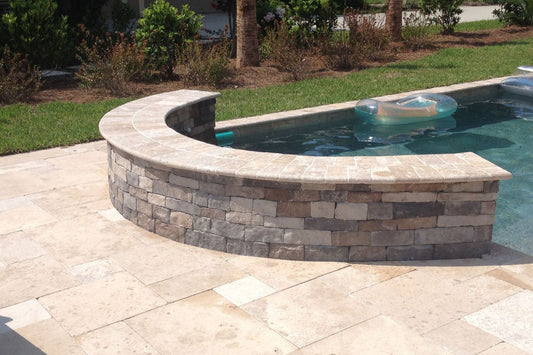
Wet environments require additional care. Stone veneer near fountains, pools, or bathroom fixtures may encounter repeated splashing and elevated moisture levels. Before sealing these installations, confirm that the veneer is approved for the application and that the complete assembly is designed to manage water appropriately. A sealer should never be treated as a substitute for a required waterproofing system.
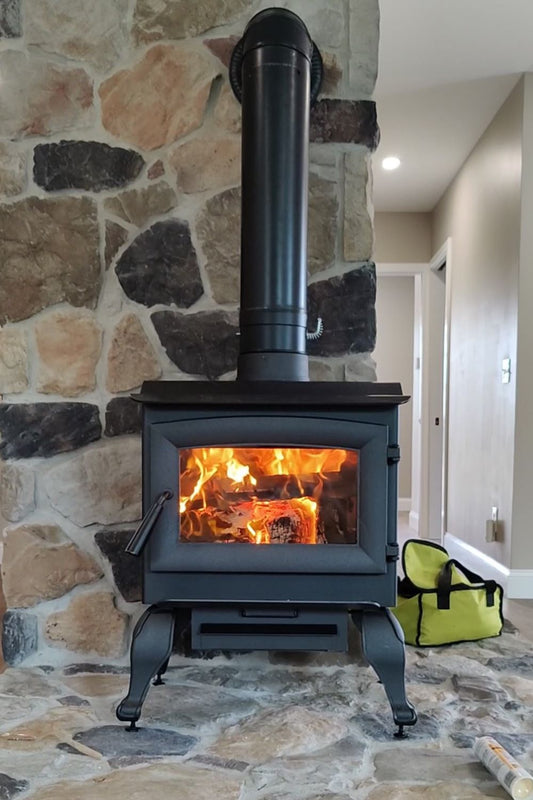
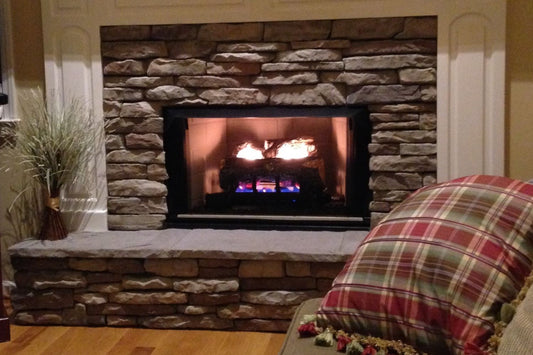
Interior accent walls and fireplace surrounds in dry locations may have little need for sealing. If the surface is unlikely to encounter significant moisture or staining, leaving the stone unsealed may be the simplest option. The same principle applies to other decorative installations: consider the actual conditions and maintenance needs instead of sealing automatically.
What Type of Sealer is Best for Manufactured Stone?
There is no single best sealer for every manufactured stone veneer product. The appropriate choice depends on the stone's composition and surface, the installation environment, the desired appearance, and the manufacturer's warranty requirements.
A breathable, penetrating sealer is often worth considering when the goal is to reduce water absorption while retaining the stone's natural texture. These products penetrate the surface and are designed to provide protection without forming a prominent film. Breathability is important because the wall assembly may need to release water vapor, and an incompatible coating could interfere with that process.
Topical or film-forming sealers work differently. They create a layer over the surface and may produce a glossy, satin, or other finish. Depending on the product and installation, this layer may alter the stone's appearance, wear unevenly, or interfere with moisture movement. For that reason, film-forming products should not be used unless they are specifically approved for the veneer and its application.
Water-based and solvent-based formulations are also available, but neither category is automatically better for every project. Performance depends on the specific formulation, the intended use, and the manufacturer's technical instructions. Instead of selecting a product based solely on its base or marketing claims, look for documented compatibility with cement-based manufactured stone veneer.
UV protection may be relevant for some exposed installations, but it should not be assumed that every sealer prevents fading. Manufactured stone color stability depends on the product's pigments, surface characteristics, and exposure conditions. Choose a sealer for its demonstrated suitability and protective properties rather than expecting it to solve every potential maintenance issue.
Why We Don’t Recommend a Specific Stone Sealer
Choosing a sealer for manufactured stone veneer depends on the product, the installation environment, and the finish you want to achieve. A sealer that works well for one application may not be suitable for another, so recommending a single brand would not be appropriate for every project.
The most important considerations are whether the sealer is compatible with cement-based manufactured stone veneer, allows moisture vapor to escape when needed, and provides the level of protection your installation requires. Some sealers can also darken the stone, add unwanted sheen, or alter its natural appearance.
Before selecting a product, check your stone veneer’s warranty and installation requirements, then review the sealer manufacturer’s specifications to confirm compatibility. We also recommend testing the sealer on a spare sample or inconspicuous area before applying it to the entire installation. This helps you evaluate the finished appearance and avoid unexpected results.
How to Seal Manufactured Stone Without Changing Its Appearance
Proper preparation is essential for a successful application. The stone should be clean and sufficiently dry according to the sealer manufacturer's instructions. Applying a sealer over dirt, efflorescence, or trapped moisture can lead to uneven results or prevent the product from performing as intended. Any underlying moisture problem should be addressed before sealing begins.
Always test the selected sealer on an inconspicuous section or spare sample of the same veneer. Allow it to dry or cure for the period specified by the manufacturer, then evaluate the color, sheen, texture, and overall appearance. Some products that are marketed as clear can still darken the stone or make color variations more noticeable.
Follow the application instructions carefully, including the recommended coverage rate, temperature range, number of coats, and drying time. Applying more sealer than directed does not necessarily provide better protection. Excess product can leave residue, create an uneven finish, or produce unwanted gloss.
Avoid using a sealer simply because it is labeled for concrete, brick, or natural stone. Those materials may have different surface characteristics and requirements. Confirm that the exact product is suitable for manufactured stone veneer and the conditions in which it will be installed.
How Often Should Manufactured Stone Be Resealed?
There is no universal resealing schedule for manufactured stone veneer. The interval depends on the specific product, exposure to moisture and sunlight, the sealer formulation, and the manufacturer's maintenance recommendations. Some sealers may need periodic reapplication, while others are designed to last longer under suitable conditions.
Rather than automatically resealing every two or three years, inspect the surface periodically and follow the sealer manufacturer's guidance. Signs that protection may have diminished can include changes in water repellency or increased susceptibility to staining, although these observations do not replace the manufacturer's recommended evaluation methods.
Before applying another coat, make sure the surface is clean, dry, and suitable for reapplication. Confirm that the existing sealer is compatible with the new product. Applying additional layers without checking compatibility can cause appearance problems or interfere with the performance of the original treatment.
Routine care remains important whether the stone is sealed or unsealed. Use appropriate cleaning methods, address moisture issues promptly, and avoid harsh chemicals or aggressive cleaning techniques unless the product manufacturer specifically permits them.
Does Manufactured Stone Need Sealing?
Manufactured stone veneer does not always need sealing, but a suitable sealer may offer useful protection in applications exposed to moisture, stains, or demanding environmental conditions. The best decision depends on the product, installation details, and the results you want to achieve.
If you decide to seal your stone veneer, choose a compatible product that meets the manufacturer's requirements, test it before applying it across the entire surface, and follow the application and maintenance instructions carefully. Remember that sealing is an optional layer of protection, not a replacement for proper installation, drainage, or moisture management.
Frequently Asked Questions About Does Manufactured Stone Need Sealing?
Does manufactured stone veneer need to be sealed?
No, manufactured stone veneer does not always need to be sealed. A compatible sealer may help reduce moisture absorption and staining in certain applications, but the decision should be based on the product manufacturer's recommendations, installation conditions, and warranty requirements.
What happens if you do not seal manufactured stone?
Properly installed manufactured stone veneer can perform well without a sealer when used in an approved application. Depending on exposure, an unsealed surface may be more susceptible to water absorption or staining, while efflorescence and freeze-thaw damage can also depend on moisture conditions and installation details.
What is the best sealer for manufactured stone veneer?
The best sealer depends on the veneer product, the installation environment, and the desired finish. A breathable, penetrating sealer may be appropriate for some applications, but you should confirm compatibility with the stone manufacturer and review the warranty before applying any product.
Can sealing manufactured stone change its color?
Yes, some sealers can darken manufactured stone, enhance color variations, or add a noticeable sheen. Test the product on an inconspicuous area or matching sample before applying it to the entire installation.
How often should manufactured stone veneer be resealed?
Resealing frequency varies by product, sealer type, weather exposure, and maintenance conditions. Follow the sealer manufacturer's recommendations and periodically inspect the surface rather than relying on a fixed schedule for every installation.
What's Next?
Enhance your home with our premium stone veneer! Shop now to find your perfect style or order a sample today to experience the quality firsthand!
Have a Question?
Please see our full terms of service or check out our frequently asked questions.
For general information and questions please call: (864) 882-8960 Mon. - Fri. 8am - 5pm (EST) or email: info@blackbearmountainstone.com we are more than happy to help you.
Or you can submit your questions via our contact us page.
We look forward to working with you on your upcoming project.
The Black Bear Mountain Stone Team
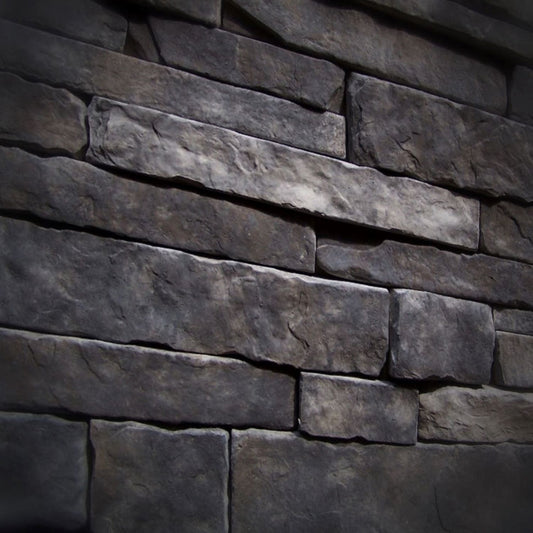
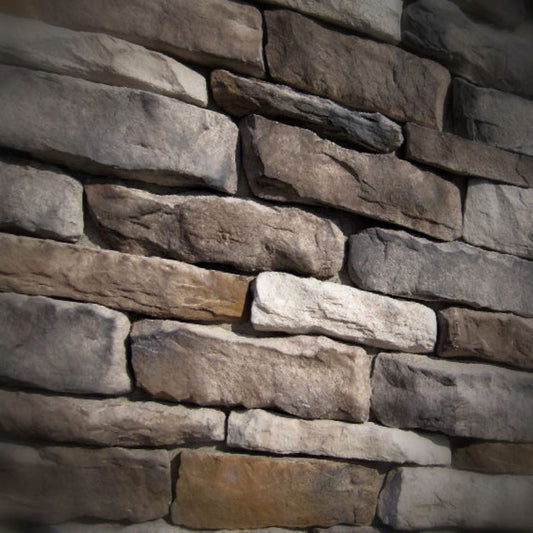
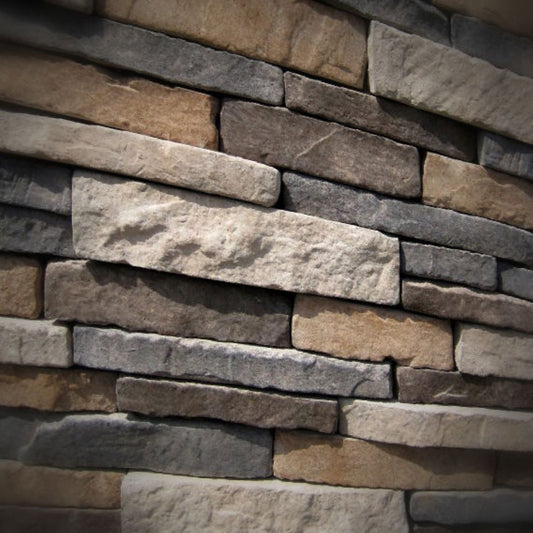
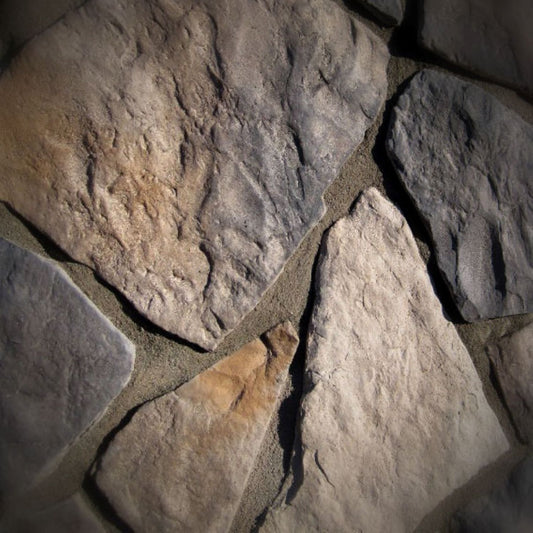
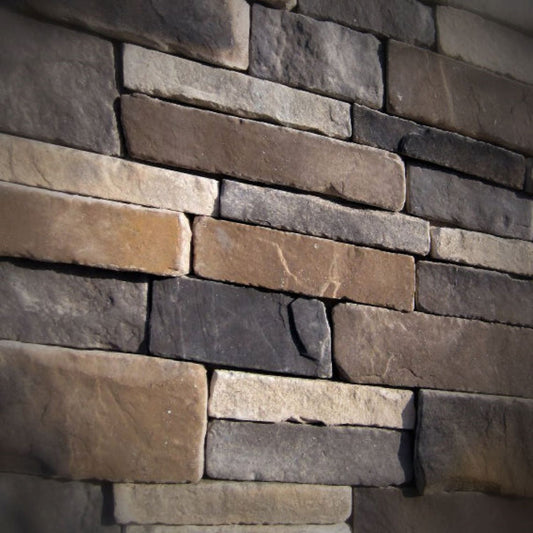
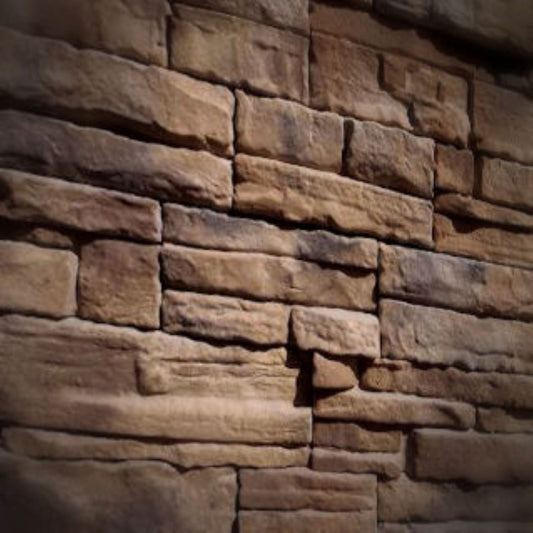
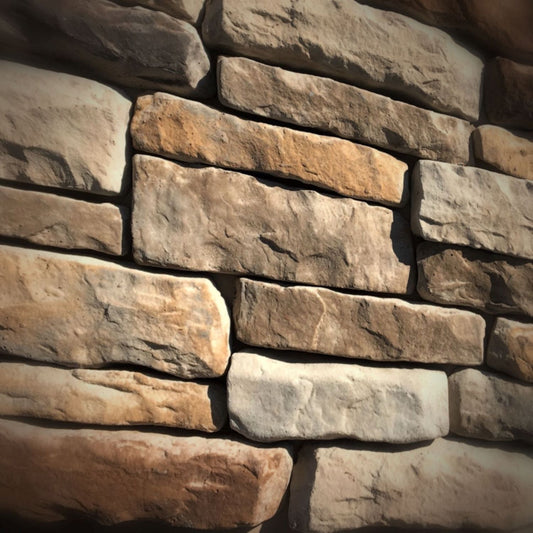
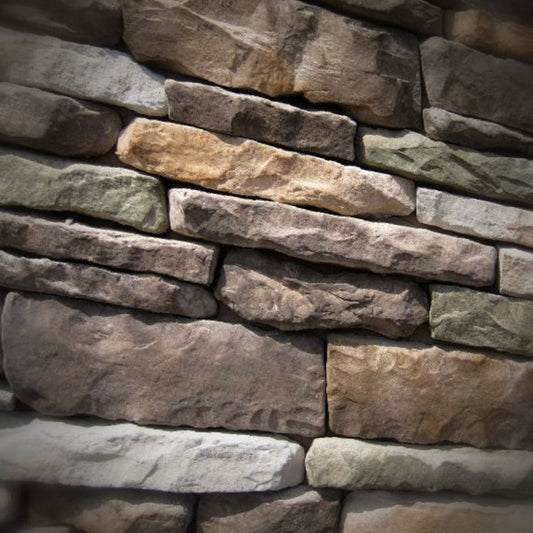
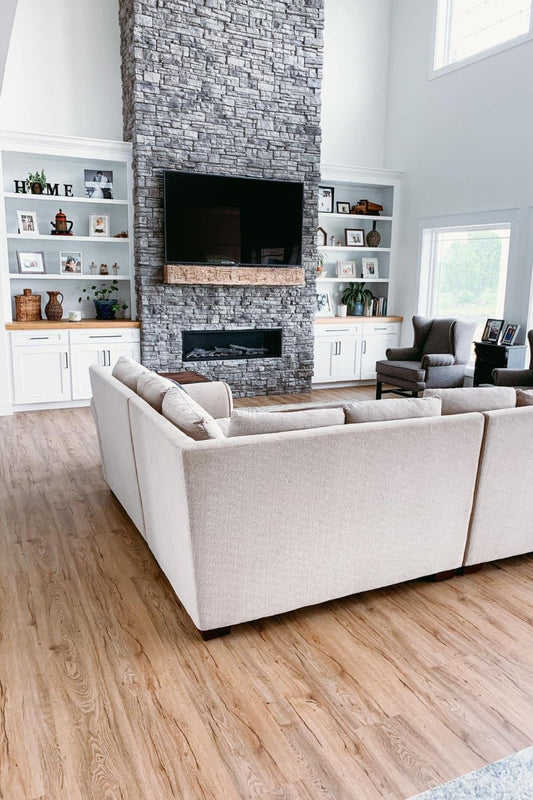
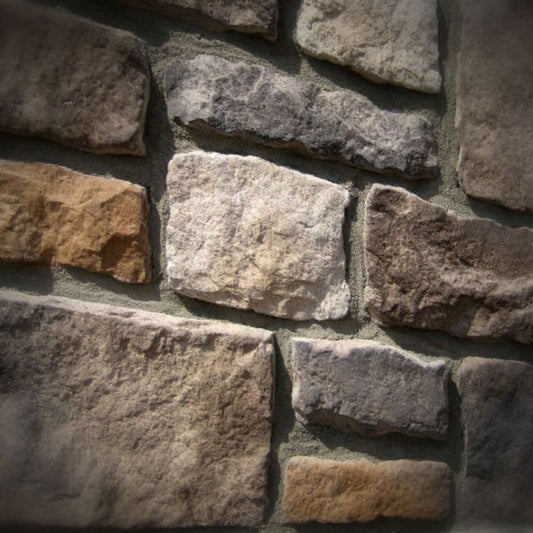
Pictured is lime stone aspen.


2 comments
Thanks John! Please let us know if you have any more questions!
BEST INFO ON THE MARKET—THANKS! JER