
Stone Veneer Care and Maintenance: Cleaning, Sealing, and Long-Term Protection
Share
Originally posted September 23, 2024, updated February 18, 2026.
Manufactured stone veneer is relatively low maintenance, requiring occasional cleaning, moisture management, and routine inspections to preserve its appearance. Use water, mild soap, and a soft brush to remove dirt, avoid harsh chemicals and abrasive tools, and consult the manufacturer before pressure washing or applying a sealer.
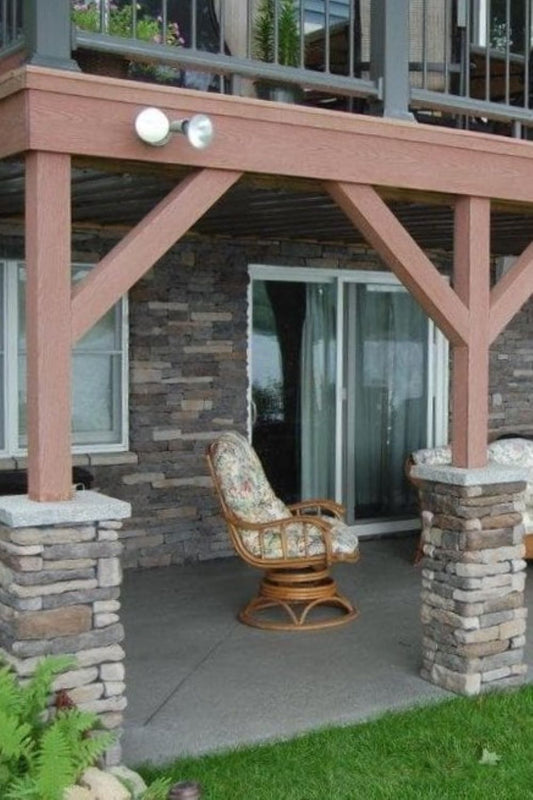
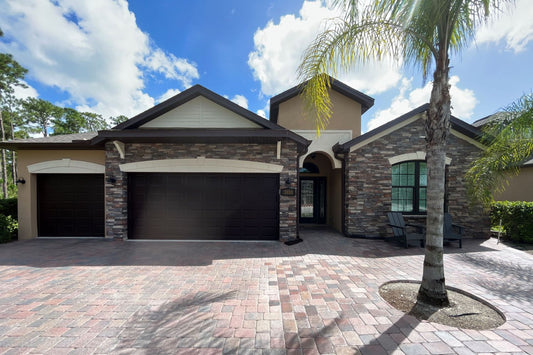
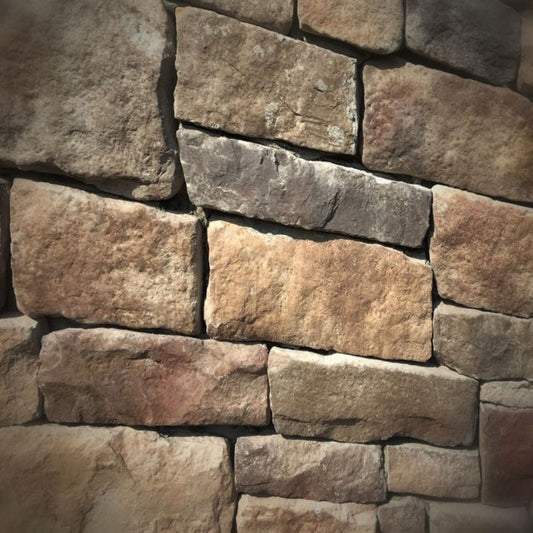
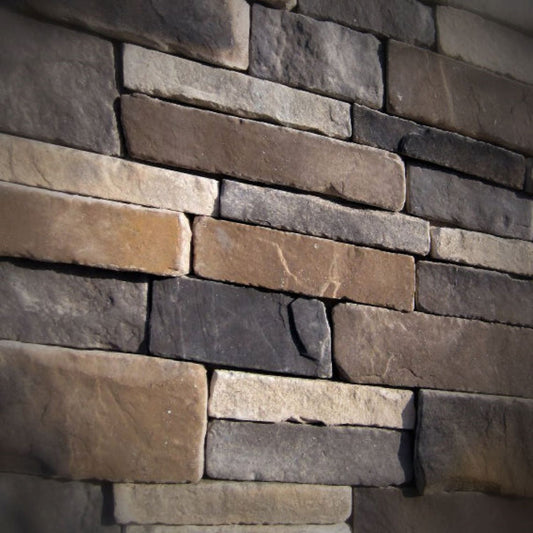
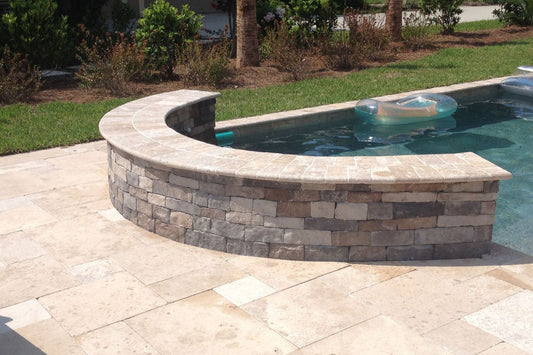
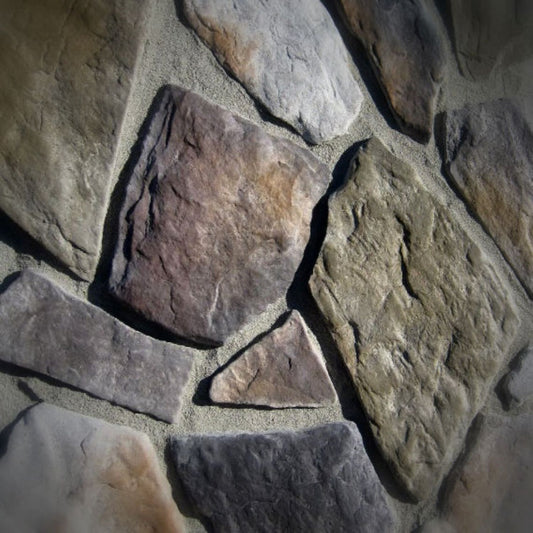
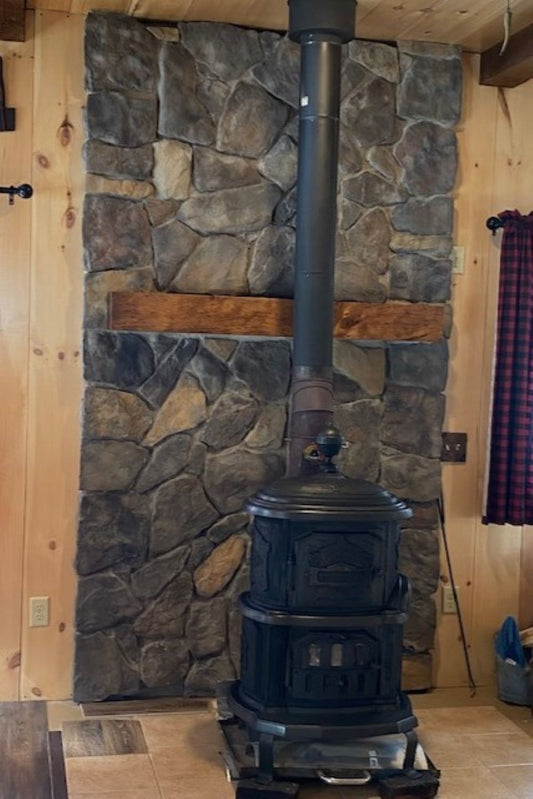
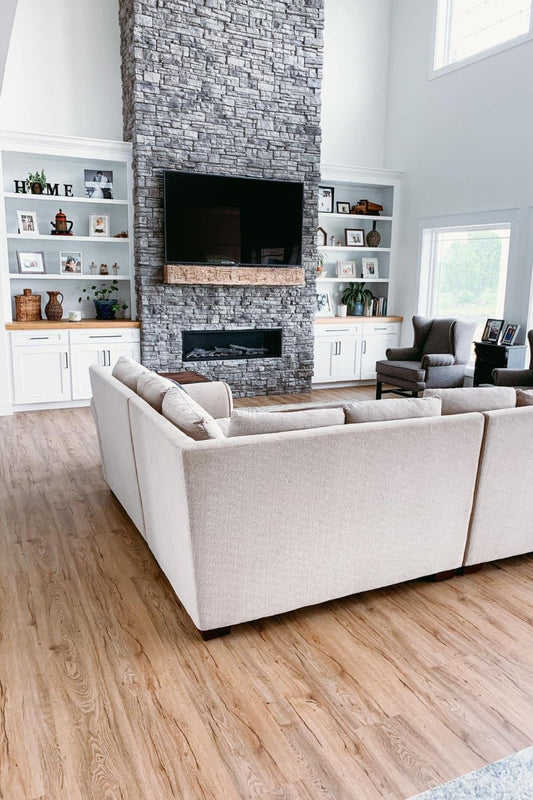
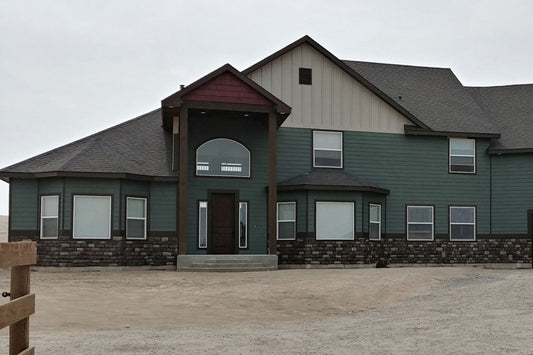
Manufactured stone veneer offers the timeless appearance of natural stone without the weight and expense of full-thickness stone masonry. From exterior facades and entryways to fireplaces, accent walls, columns, and outdoor kitchens, it adds texture and character to residential and commercial spaces. With its realistic shapes, varied colors, and distinctive profiles, manufactured stone veneer can complement a wide range of architectural styles.
Although manufactured stone veneer is designed for durability, it still benefits from proper care and maintenance. Exposure to rain, sunlight, wind, landscaping debris, and seasonal temperature changes can affect exterior installations, while interior veneer may accumulate dust, soot, grease, and other household residues. Fortunately, maintaining manufactured stone veneer generally requires straightforward cleaning and occasional inspections rather than extensive upkeep.
Understanding how to clean stone veneer safely, manage moisture, remove stains, and recognize early signs of damage can help preserve its appearance for years. Whether your installation is indoors or outdoors, the right maintenance practices can protect your investment while helping your stone veneer remain an attractive feature of your property.
Why Manufactured Stone Veneer Maintenance Matters
Manufactured stone veneer is typically made from Portland cement, lightweight aggregates, and iron oxide mineral pigments, with textures and shapes designed to replicate natural stone. Although these cement-based products are durable, their surface and mortar joints can be affected by environmental exposure, moisture, staining, and physical impacts.
Routine maintenance helps prevent dirt and organic debris from accumulating and makes it easier to identify potential problems before they become more serious. Exterior installations face additional challenges from driving rain, freeze-thaw cycles, irrigation systems, and nearby landscaping. Interior applications may require more frequent attention when installed near fireplaces, cooking areas, or other locations exposed to soot and grease.
Maintenance requirements vary depending on the product, installation method, location, and surrounding conditions. A sheltered interior accent wall may need little more than occasional dusting, while an exterior wall exposed to frequent rain may require periodic cleaning and closer inspection. Following the manufacturer's care instructions is the best way to maintain the appearance and performance of your specific stone veneer.
How to Clean Manufactured Stone Veneer
Gentle cleaning is usually sufficient to remove everyday dirt and debris from manufactured stone veneer. Begin by removing loose dust, leaves, cobwebs, and other surface buildup with a soft-bristle brush, broom, or cloth. Avoid wire brushes, steel wool, and abrasive pads, which can damage the stone's texture or finish.
For exterior installations, a gentle rinse with a garden hose can remove loose dirt and environmental residue. If additional cleaning is needed, mix a small amount of mild dish soap with water and use a soft brush or sponge to clean the affected areas. Work carefully around mortar joints and textured surfaces to avoid unnecessary abrasion.
After washing, rinse the surface thoroughly with clean water to remove any remaining soap. Residue left behind can create a film or attract additional dirt. Allow the veneer to dry naturally and inspect the cleaned area for any remaining stains or signs of damage.
For interior stone veneer, regular dusting may be sufficient in most areas. Fireplace surrounds, kitchen backsplashes, and other surfaces exposed to smoke, grease, or spills may require more targeted cleaning. Always consider the location and intended use of the installation when choosing a cleaning method.
Cleaning Products to Avoid
Choosing the right cleaning product is just as important as using the right technique. Harsh chemicals can cause discoloration, damage surface finishes, or affect the mortar joints between stones.
Avoid acidic cleaners such as vinegar and acid, along with bleach-heavy solutions, aggressive degreasers, and other products not approved for your particular veneer. Acidic cleaners can etch cement-based surfaces, while other chemicals may affect pigments or surrounding materials. Abrasive cleaning tools can also alter the stone's texture and appearance.
For routine cleaning, mild soap and water are generally the safest starting point. When a specialized cleaner is necessary, choose a product specifically approved for manufactured stone veneer or compatible masonry surfaces. Test it on an inconspicuous area or an uninstalled sample first, and follow both the cleaner's directions and the stone manufacturer's recommendations.
How to Remove Efflorescence From Stone Veneer
Efflorescence is a white, chalky or powdery deposit that sometimes appears on manufactured stone veneer and other masonry surfaces. It develops when moisture moves through cement-based materials or mortar, dissolves water-soluble salts, and carries them to the surface. As the water evaporates, the salts remain behind as a visible residue.
Although efflorescence can affect the appearance of a stone installation, it is often a cosmetic issue rather than a sign of structural damage. However, recurring deposits can indicate that moisture is moving through the wall system or surrounding materials and deserves further investigation.
For light deposits, allow the surface to dry completely and gently brush away the residue with a soft, dry brush. More persistent deposits may require a compatible, non-etching masonry cleaner approved for the product. Test any cleaner before treating the entire installation, and never assume that a product suitable for one masonry surface is automatically appropriate for another.
Most importantly, address the source of excess moisture. Check gutters, downspouts, flashing, drainage, irrigation systems, and other areas where water may be entering or repeatedly saturating the installation. Removing the visible residue without correcting the underlying moisture problem may allow efflorescence to return.
Removing Stains, Algae, and Mildew
Manufactured stone veneer exposed to damp conditions, shade, or organic debris may develop stains from algae, mildew, soil, or other contaminants. Walls near gardens, outdoor kitchens, sprinklers, and heavily shaded areas can be particularly susceptible to surface buildup.
Start by removing loose debris and gently washing the affected area with water and mild soap. Use a soft-bristle brush to loosen dirt without scratching the stone or disturbing the mortar joints. Rinse thoroughly and inspect the surface after it dries.
Oil-based stains and spills should be addressed promptly because prolonged contact can make removal more difficult. Avoid aggressive scrubbing or applying unapproved chemical treatments in an attempt to remove a stubborn stain quickly. If mild cleaning does not work, consult the manufacturer about a suitable masonry cleaner for the specific stain and veneer.
Moisture control is an important part of prevention. Redirect sprinklers away from stone walls, remove leaves and organic debris, and keep nearby vegetation from trapping moisture against the surface. These simple measures can reduce recurring buildup and help maintain the appearance of exterior stone veneer.
Can You Pressure Wash Manufactured Stone Veneer?
Pressure washing requires caution because excessive water pressure can erode surface textures, damage mortar joints, loosen vulnerable stones, or force water behind the veneer. Water intrusion may create additional problems even when the visible surface appears undamaged.
For routine maintenance, a garden hose and gentle scrubbing are generally preferable to pressure washing. If pressure washing is being considered, check the manufacturer's instructions first to determine whether it is permitted and what equipment settings and techniques are appropriate for the specific product and installation.
Never direct a concentrated spray into mortar joints, flashing transitions, or other vulnerable areas. Older installations, damaged mortar, and walls with existing moisture problems may be particularly unsuitable for pressure washing. When the manufacturer's guidance is unclear, choose a gentler cleaning method rather than risking damage.
Should Manufactured Stone Veneer Be Sealed?
Manufactured stone veneer does not always need a sealer. Whether sealing is appropriate depends on the product, installation, exposure conditions, and the type of protection desired. In some moisture-prone or stain-prone applications, a compatible sealer may provide additional surface protection.
If you decide to seal your veneer, choose a breathable masonry sealer specifically approved for the product. Breathable sealers allow water vapor to escape while helping reduce liquid water absorption. Avoid glossy coatings unless the manufacturer explicitly approves them and the resulting appearance is appropriate for your project.
Before application, verify that sealing will not alter the stone's color, texture, or finish. Test the sealer on an inconspicuous area or an uninstalled sample and follow the application instructions carefully. Some treatments can darken the surface or change its natural-looking appearance.
Sealing should never replace proper installation, flashing, drainage, or moisture management. A sealer cannot correct water intrusion caused by faulty detailing or other underlying construction problems. If your stone veneer is covered by a manufacturer's warranty, confirm the applicable requirements before applying any treatment.
Preventing Damage and Maintaining Stone Veneer
Preventive care can reduce the likelihood of staining, chipping, and other avoidable problems. Keep soil, mulch, and vegetation from accumulating against stone veneer, and maintain appropriate clearances around the installation. Check irrigation systems to ensure that sprinklers are not repeatedly saturating the wall.
Protect the surface from impacts caused by lawn equipment, ladders, tools, outdoor furniture, and other objects. Although manufactured stone veneer is durable, individual stones and mortar joints can chip or become damaged when struck. In winter, avoid using deicing salts near stone veneer, as salts can contribute to staining and deterioration.
Proper water management is especially important for exterior installations. Keep gutters and downspouts clear, direct roof runoff away from the wall, and address drainage problems that allow water to collect near the structure. Pay attention to recurring water stains, damp areas, or efflorescence, since these may indicate a problem that routine cleaning alone will not resolve.
Seasonal inspections are a practical way to monitor the condition of your veneer. After periods of heavy rain or freezing weather, check for new stains, visible cracks, deteriorating mortar, or loose stones. In warmer months, remove accumulated dirt and inspect areas exposed to landscaping or irrigation. Regular checks make it easier to identify changes before they require more extensive attention.
Repairing Chips, Cracks, and Loose Stones
Minor surface damage should be evaluated promptly to determine whether a simple repair is appropriate. Small chips may sometimes be addressed with a compatible repair material, while damaged mortar joints may require careful repointing. The repair method should match the original product and installation rather than relying on a generic patching compound.
Loose stones require particular attention. Simply applying new mortar over a loose piece may not provide a durable repair. The affected area may need to be removed and prepared before the stone can be properly reset. Matching the original stone's color, shape, texture, and mortar appearance can also be important for a visually consistent result.
Cracks that continue to grow, repeated stone movement, widespread mortar deterioration, or signs of water intrusion may indicate a more significant installation or substrate problem. These conditions should be evaluated by a qualified professional who can identify the underlying cause and recommend an appropriate repair.
Always follow the manufacturer's repair guidance and applicable building requirements. Correcting the cause of the damage is just as important as restoring the visible surface.
Stone Veneer Care and Maintenance
Manufactured stone veneer is designed to deliver lasting beauty with relatively little maintenance. Regular cleaning, proper moisture management, and periodic inspections can help preserve its appearance and identify potential problems before they become more serious. By using gentle cleaning methods, avoiding harsh chemicals, and following the manufacturer's recommendations for sealing and repairs, you can protect your investment and enjoy the timeless appeal of stone veneer for years to come. A little preventative care goes a long way toward maintaining the character, color, and texture that make manufactured stone veneer a beautiful addition to any home or commercial property.
Frequently Asked Questions About Stone Veneer Care and Maintenance
How often should manufactured stone veneer be cleaned?
Most manufactured stone veneer requires only occasional cleaning, depending on its location and exposure to dirt, moisture, and other contaminants. Exterior installations may benefit from an annual inspection and cleaning as needed, while interior veneer in low-traffic areas may require little more than periodic dusting.
What is the safest way to clean manufactured stone veneer?
Start with a soft brush or cloth to remove loose debris, then use water and mild soap if additional cleaning is needed. Rinse thoroughly and avoid abrasive tools, harsh chemicals, and any cleaning method that the product manufacturer does not approve.
Can you pressure wash manufactured stone veneer?
Pressure washing can damage surface textures, mortar joints, and the wall system if performed improperly. A garden hose and gentle scrubbing are generally safer for routine cleaning; consult the manufacturer before using a pressure washer.
Does manufactured stone veneer need to be sealed?
Not necessarily. Some installations may benefit from a compatible, breathable masonry sealer, particularly in moisture-prone or stain-prone locations. Always confirm that sealing is suitable for your specific veneer and test the product before applying it to the entire surface.
What causes white stains on manufactured stone veneer?
White, powdery deposits are often efflorescence, which occurs when moisture carries soluble salts to the surface and evaporates. The residue may be removable with dry brushing or an approved masonry cleaner, but recurring efflorescence should prompt an investigation into the source of moisture.
Can damaged manufactured stone veneer be repaired?
Minor chips and mortar damage may be repairable with compatible materials, while loose stones may need to be removed and properly reset. Widespread cracking, repeated movement, or signs of water intrusion should be evaluated by a qualified professional.
What's Next?
Bring your vision to life with our stunning stone veneer! Shop now to find the perfect style for your space or order a sample today to experience the quality firsthand!
Have a Question?
Please see our full terms of service or check out our frequently asked questions.
For general information and questions please call: (864) 882-8960 Mon. - Fri. 8am - 5pm (EST) or email: info@blackbearmountainstone.com we are more than happy to help you.
Or you can submit your questions via our contact us page.
We look forward to working with you on your upcoming project.
The Black Bear Mountain Stone Team
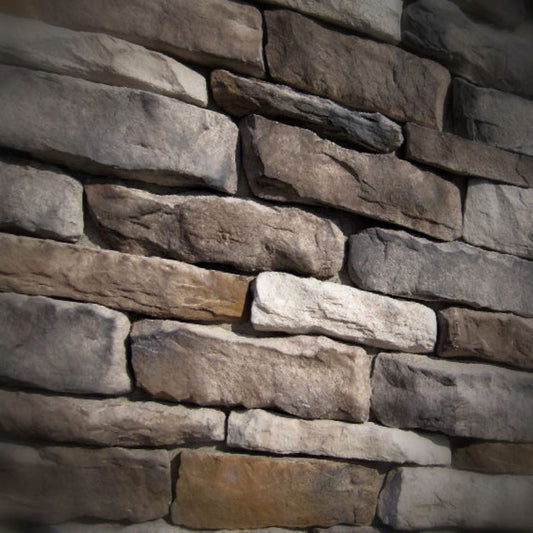
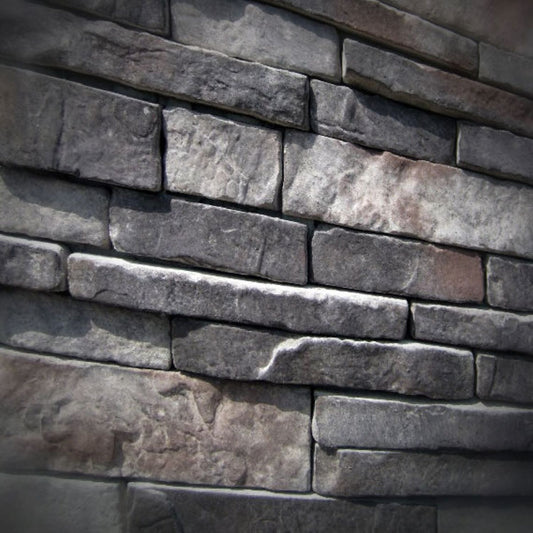
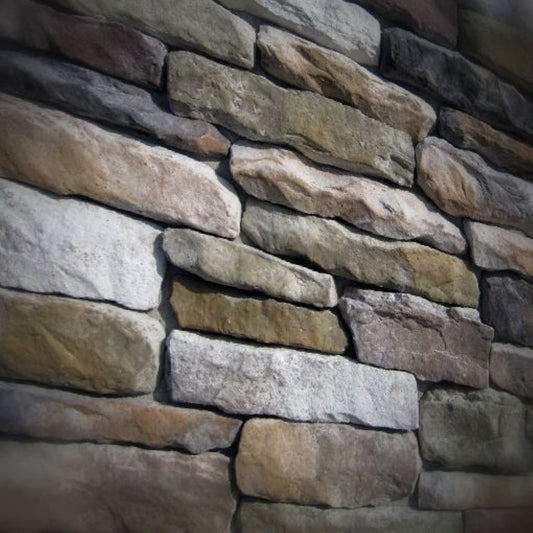
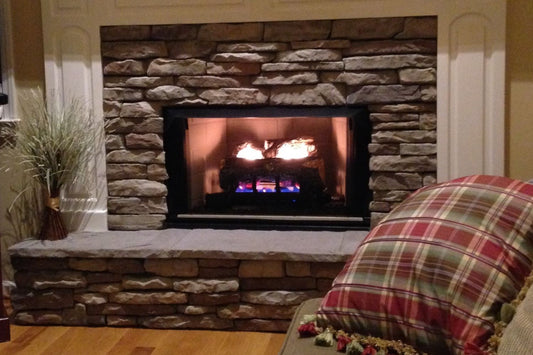
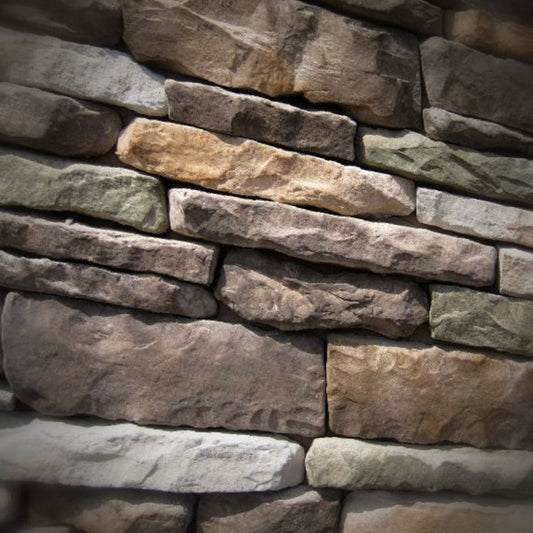
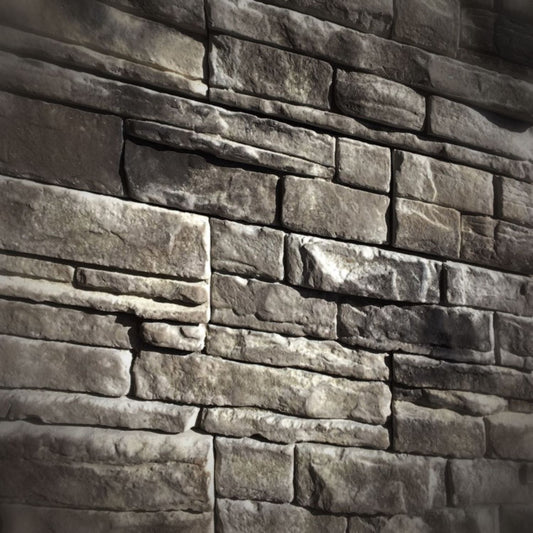
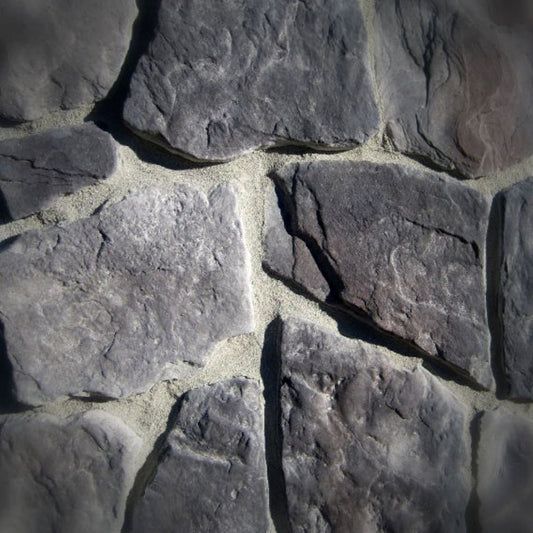
Pictured is ledge stone mountain mist.