
Stone Veneer for Underpinning Mobile Homes
Share
Originally posted August 4 2025, updated October 2nd 2026.
Manufactured stone veneer is an attractive, durable option for mobile home underpinning. Proper clearance, moisture protection, Type S mortar, and protection from landscaping equipment help create a long-lasting installation.
Manufactured stone veneer can give a mobile home a more finished, permanent appearance while adding texture and architectural character around the foundation. For homeowners looking to improve the appearance of mobile home skirting or underpinning, manufactured stone veneer offers the look of natural stone without the weight and expense associated with full-bed masonry.
Because mobile home underpinning is close to the ground and exposed to moisture, landscaping equipment, temperature changes, and other environmental conditions, installation details matter. The stone itself may be durable, but the performance of the finished installation depends on using the appropriate materials, preparing the substrate correctly, and protecting the lower edge of the veneer.
Whether you are updating existing mobile home skirting or planning a new underpinning system, understanding where manufactured stone veneer works well and what common installation mistakes to avoid can help you achieve a more attractive and durable result.
Why Use Manufactured Stone Veneer for Mobile Home Underpinning?
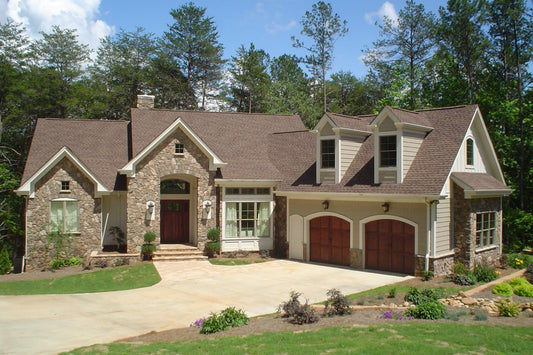
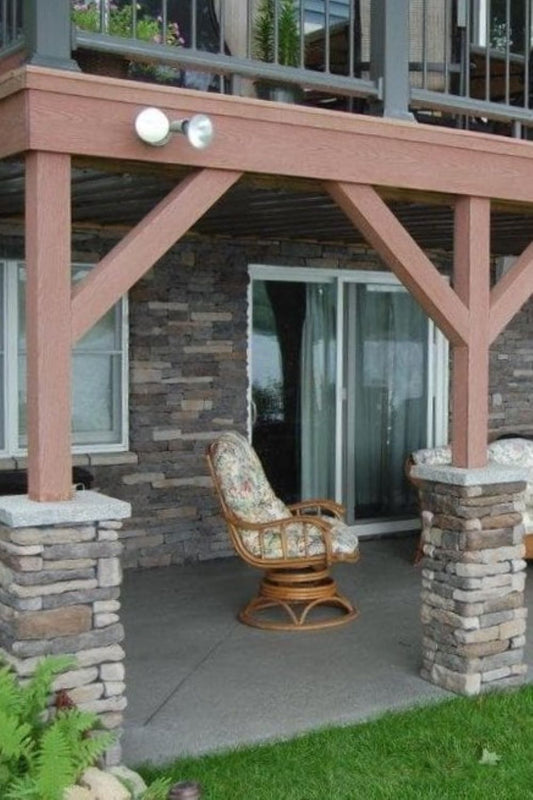
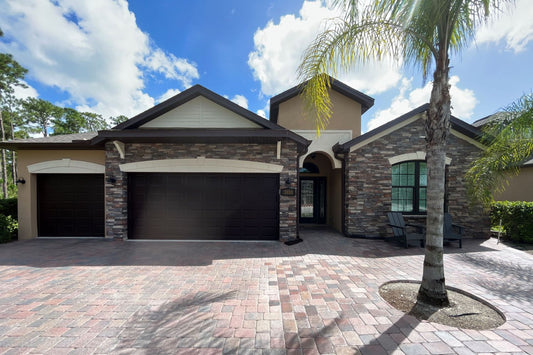
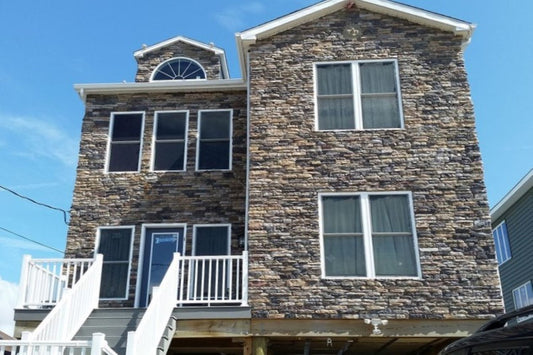
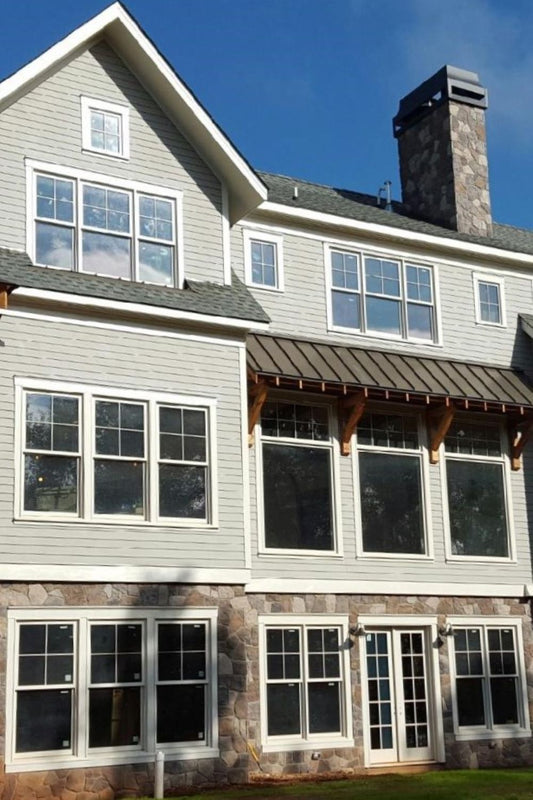
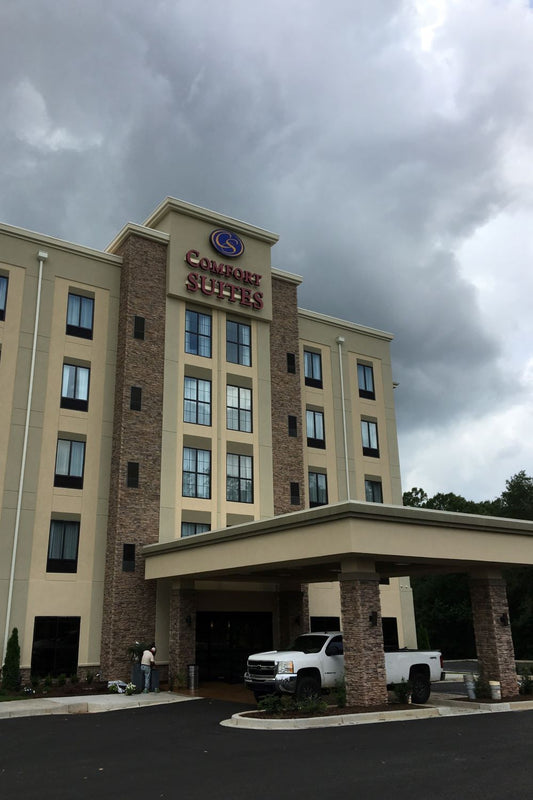
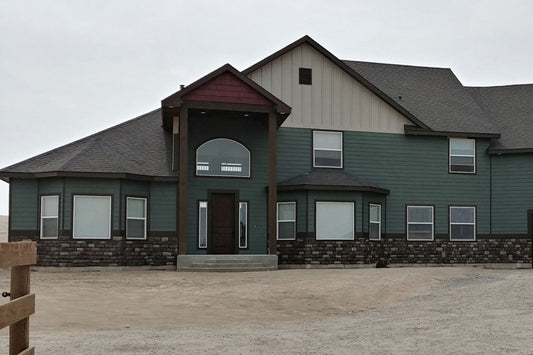
Mobile homes and manufactured homes can sometimes have a utilitarian appearance around the lower portion of the structure. Manufactured stone veneer can transform that area by creating the visual appearance of a masonry foundation while adding color, texture, and architectural detail.
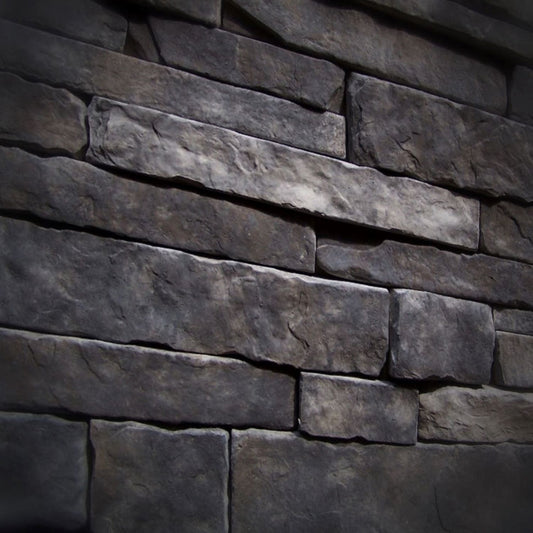
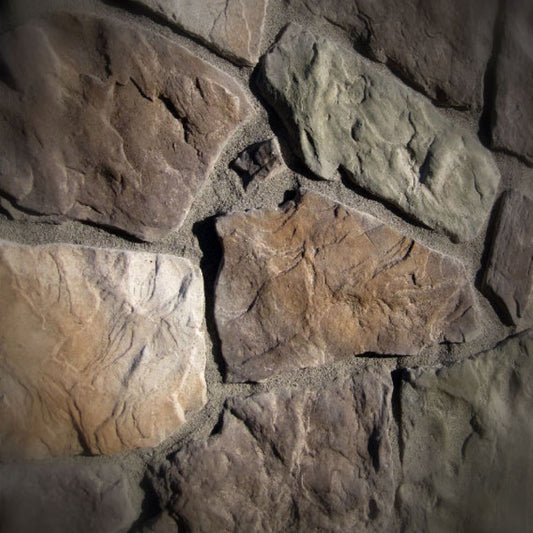
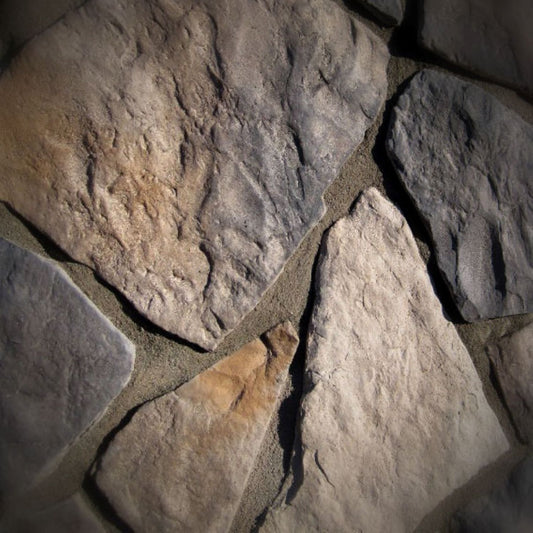
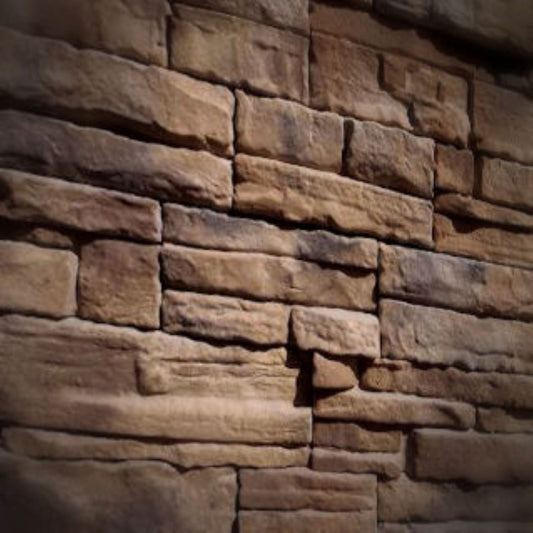
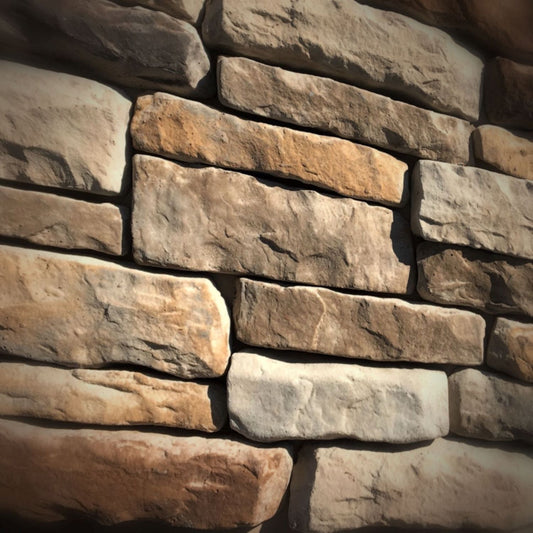
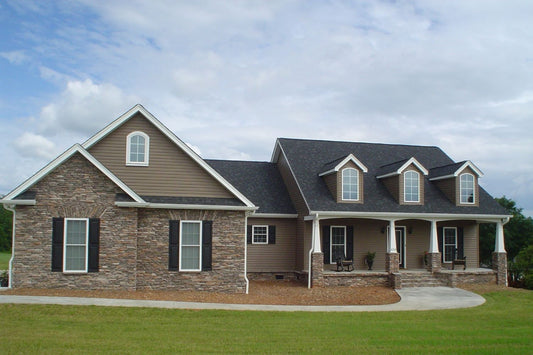
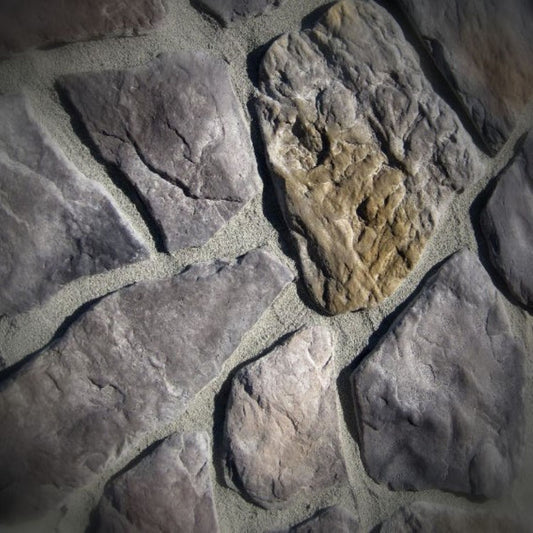
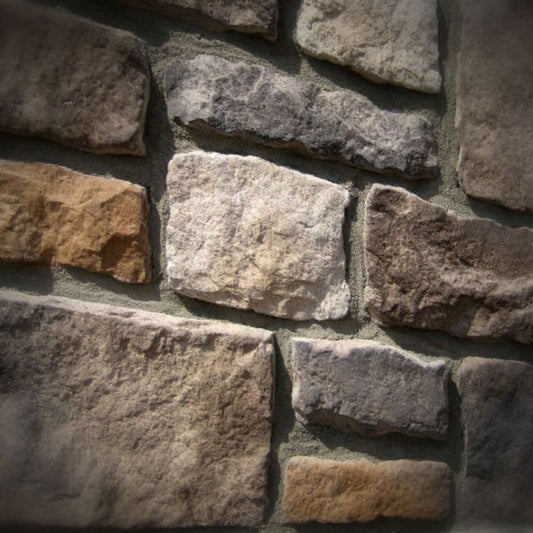
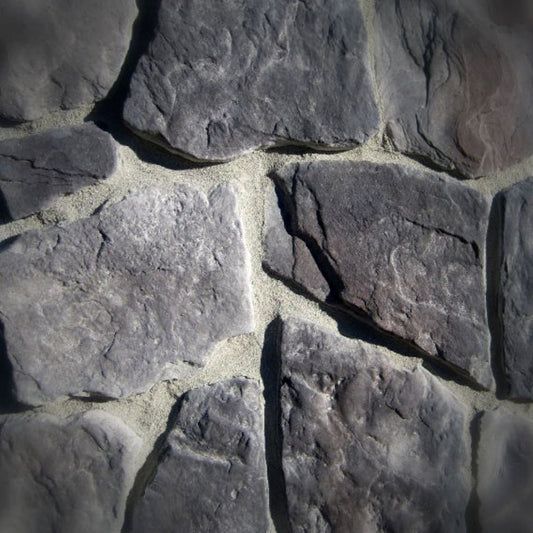
One of the biggest advantages of manufactured stone veneer for mobile home underpinning is its realistic appearance. Modern manufactured stone is designed to replicate the shapes, textures, and color variation found in natural stone while remaining lighter and generally more economical. This makes it a practical option when the goal is to create the appearance of a substantial stone foundation without installing full-bed natural stone.
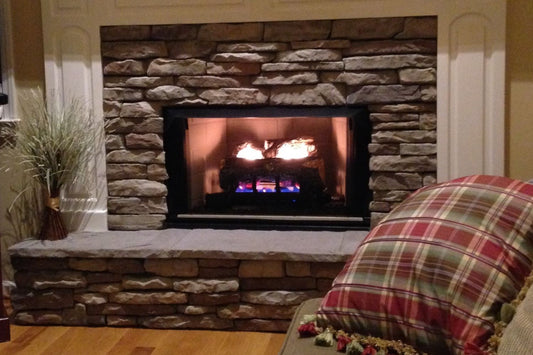
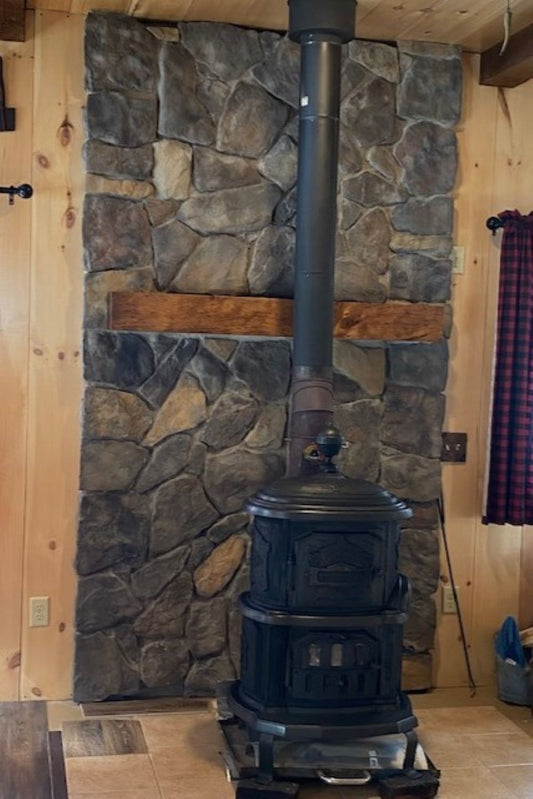
Stone veneer can also complement a wide range of home styles. Depending on the profile and color selected, it can create anything from a traditional masonry foundation to a more rustic or contemporary appearance. Coordinating the veneer with other exterior materials can make the mobile home feel more visually integrated with its site and surrounding landscape.
Beyond appearance, properly installed veneer provides a durable finished surface around the lower portion of the home. However, manufactured stone veneer should be considered a finish material rather than structural support for the home. The underlying skirting or underpinning system still needs to be properly designed and installed for the specific structure and local requirements.
Can You Install Stone Veneer Over Mobile Home Skirting?
Manufactured stone veneer can be installed over an appropriate masonry or framed substrate, but the substrate and installation method are important. Stone veneer should not simply be attached directly to any existing skirting material without determining whether that surface is suitable for a masonry veneer installation.
When the underpinning or skirting is framed with wood or covered with exterior sheathing, the assembly generally requires appropriate weather protection and a mechanically attached metal lath system before the scratch coat and veneer are installed. A code-compliant weather-resistant barrier can help protect moisture-sensitive materials behind the veneer.
The exact substrate requirements can vary depending on the construction of the underpinning, the local building code, and the particular installation. Before beginning a project, verify that the existing skirting can support the veneer assembly and that the planned installation complies with applicable local requirements.
Maintain Proper Clearance Above the Ground
One of the most important considerations when installing manufactured stone veneer around mobile home underpinning is keeping the veneer away from direct ground contact. Soil, mulch, and other landscaping materials can hold moisture against the bottom of the veneer and mortar assembly, increasing the potential for moisture-related problems and freeze-thaw damage.
The finished installation should maintain the appropriate clearance between the bottom of the veneer and surrounding grade. As a general installation consideration, manufactured stone veneer should be kept at least 4 inches above soil or mulch and at least 2 inches above hard surfaces, unless applicable building codes or the veneer manufacturer's installation instructions require something different.
This clearance is particularly important around mobile homes because the veneer is often installed close to landscaping. It can be tempting to bring mulch, soil, or decorative stone directly against the bottom edge to create a seamless appearance, but doing so can leave the veneer exposed to unnecessary moisture.
Planning the landscaping around the finished clearance can make a significant difference. A properly designed transition between the stone veneer and surrounding ground or hardscape can protect the installation while still creating a finished appearance.
Protect Stone Veneer From Weed Trimmers
The bottom edge of mobile home underpinning can be especially vulnerable to accidental damage from string trimmers and other landscaping equipment. Repeated contact from a weed trimmer can chip the face of manufactured stone, damage mortar joints, or loosen material over time.
This type of damage is avoidable with some planning. Keeping landscaping equipment away from the veneer and creating a defined separation between the stone and areas that require frequent trimming can help protect the installation.
A landscape border or other physical separation can also provide a visual transition between the underpinning and the surrounding yard. The goal is to prevent repeated mechanical impact against the stone rather than expecting the veneer to withstand direct contact with landscaping equipment.
Use Proper Moisture Protection Behind the Veneer
Moisture management is particularly important when manufactured stone veneer is installed over framed mobile home underpinning. If the substrate contains wood framing or exterior sheathing, water that gets behind the veneer can potentially cause problems within the wall assembly.
A proper veneer installation over a moisture-sensitive substrate typically includes a weather-resistant barrier and appropriately installed metal lath before the scratch coat and stone veneer. This creates an assembly designed to manage moisture rather than relying on the veneer itself to act as the home's primary weather barrier.
Skipping the moisture-management components in an attempt to simplify the installation can create problems later. The veneer may look excellent when first installed, but protecting the materials behind it is an important part of achieving long-term performance.
Because mobile home construction can vary considerably, the appropriate assembly should be determined based on the existing substrate, local requirements, and the manufacturer's installation instructions.
Use Type S Mortar for Manufactured Stone Veneer
Using the appropriate mortar is another important part of a successful manufactured stone veneer installation. Manufactured stone veneer should be installed using Type S mortar rather than construction adhesive or general-purpose glue.
Type S mortar provides the bond and workability needed for typical manufactured stone veneer applications and is appropriate for both the scratch coat and setting the veneer when used according to the applicable installation requirements.
Construction adhesives are not a substitute for a proper mortar installation. Using an inappropriate bonding material can compromise the installation and may also create warranty concerns. Mixing, application, curing, and joint finishing should follow the manufacturer's instructions and applicable requirements for the project.
Plan the Stone Layout Before Installation
Mobile home underpinning can have a relatively large, uninterrupted surface, which makes the stone layout especially noticeable. Taking time to arrange the stones before installation can help create a more natural distribution of sizes, shapes, and colors.
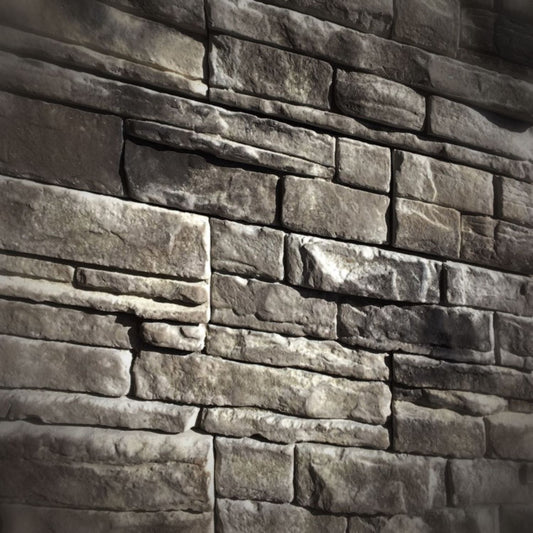
Rather than concentrating similar stones in one area, work with the available pieces to create variation throughout the installation. This is particularly important with profiles that contain multiple stone shapes and sizes. A thoughtful layout can make the finished underpinning look more like a natural masonry installation rather than a repeated pattern.
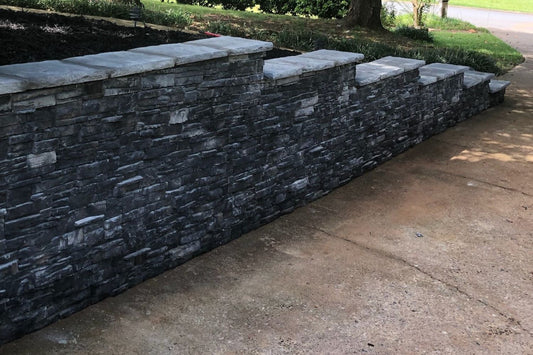
Corners also deserve special attention. Using manufactured corner pieces where available can create a finished transition around outside corners and help the veneer look more substantial. Capstones can similarly provide a finished top edge where the design calls for them.
Consider Sealing Manufactured Stone Veneer
Sealing is not automatically required for every manufactured stone veneer installation. Depending on the product, location, exposure, and desired appearance, a breathable penetrating sealer may provide additional protection.
If a sealer is used, select a product appropriate for manufactured concrete-based stone veneer and follow the manufacturer's recommendations. A breathable, non-glossy penetrating sealer is generally preferable to a coating that creates a film over the surface. Always test the sealer in an inconspicuous area first because sealers can affect the appearance of the stone.
Areas exposed to frequent moisture may require more consideration than sheltered installations. However, sealing should be viewed as part of an overall maintenance approach rather than a substitute for proper drainage, clearance, and installation.
Check Local Requirements for Mobile Home Underpinning
Mobile home underpinning can be subject to requirements that differ from those for conventional residential foundations. Local building departments, manufactured-home regulations, or other applicable authorities may have requirements concerning skirting, ventilation, access, clearances, anchoring, or other aspects of the installation.
For that reason, it is important to check applicable local requirements before installing stone veneer over existing mobile home underpinning. The veneer itself does not replace any required skirting, access panels, ventilation, or other components of the underlying system.
A qualified installer can also help determine whether the existing underpinning is an appropriate substrate for the planned veneer assembly.
How to Create a Durable Stone Veneer Underpinning
Manufactured stone veneer can dramatically improve the appearance of a mobile home by replacing ordinary-looking skirting with the visual character of a masonry foundation. The key to a successful project, however, is not simply choosing an attractive stone profile.
The installation needs to be designed around moisture management, proper substrate preparation, appropriate mortar, ground clearance, and protection from landscaping equipment. Keeping the veneer above soil and mulch, preventing weed trimmer contact, using a suitable moisture barrier over framed substrates, and installing the veneer with Type S mortar can all contribute to a longer-lasting finished installation.
With the right preparation, manufactured stone veneer can provide an attractive and durable finish for mobile home underpinning while helping the home feel more integrated with its surroundings.
Frequently Asked Questions About Stone Veneer for Underpinning Mobile Homes
Can you put manufactured stone veneer on mobile home skirting?
Manufactured stone veneer can be installed over suitable masonry or properly prepared framed skirting, but the existing substrate must be appropriate for the veneer assembly. Framed substrates generally require proper weather protection, metal lath, a scratch coat, and Type S mortar before the stone is installed.
How far should stone veneer be from the ground?
Manufactured stone veneer should not be installed directly against soil or mulch. A general consideration is to maintain at least 4 inches of clearance above soil or mulch and at least 2 inches above hard surfaces, while following applicable local requirements and the manufacturer's installation instructions.
What mortar should be used for manufactured stone veneer?
Type S mortar should be used for manufactured stone veneer installations. It can be used for the scratch coat and for setting the stone when installed according to the applicable manufacturer's instructions. Construction adhesive or general-purpose glue should not be substituted for mortar.
Can manufactured stone veneer be installed directly on mobile home skirting?
Not necessarily. The suitability of existing skirting depends on its construction and condition. Masonry and properly prepared framed substrates can be appropriate, while some existing skirting materials may require modification or replacement before veneer can be installed.
How do you protect mobile home stone veneer from lawn equipment?
Keep string trimmers and other landscaping equipment away from the veneer. A defined landscape border or separation around the underpinning can help prevent repeated impacts that may chip or loosen the stone and mortar.
Stone Veneer for Underpinning Mobile Homes
Manufactured stone veneer offers a practical way to give mobile home underpinning a more finished, substantial appearance. With realistic stone texture, a wide range of colors and profiles, and a properly prepared installation, it can create an attractive foundation detail that complements the rest of the home.
Before beginning your project, take time to evaluate the existing substrate, plan for proper moisture management, maintain the required ground clearance, and choose the appropriate mortar and installation materials. Those details can make the difference between a veneer installation that simply looks good at first and one that continues to perform well over time.
What's Next?
Elevate your space with our high-quality manufactured stone veneer. Shop now to begin your project and bring your design vision to life with confidence or order a sample to see the realistic texture and vibrant colors up close!
Have a Question?
Please see our full terms of service or check out our frequently asked questions.
For general information and questions please call: (864) 882-8960 Mon. - Fri. 8am - 5pm (EST) or email: info@blackbearmountainstone.com we are more than happy to help you.
Or you can submit your questions via our contact us page.
We look forward to working with you on your upcoming project.
The Black Bear Mountain Stone Team
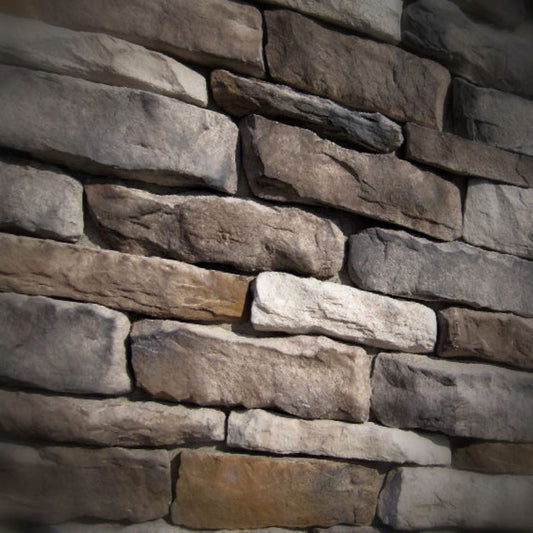
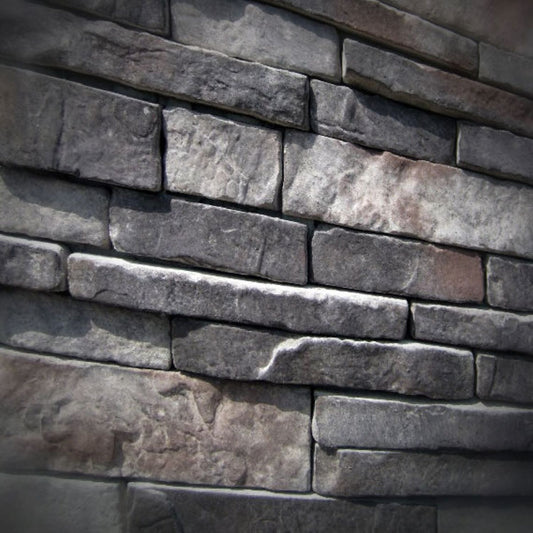
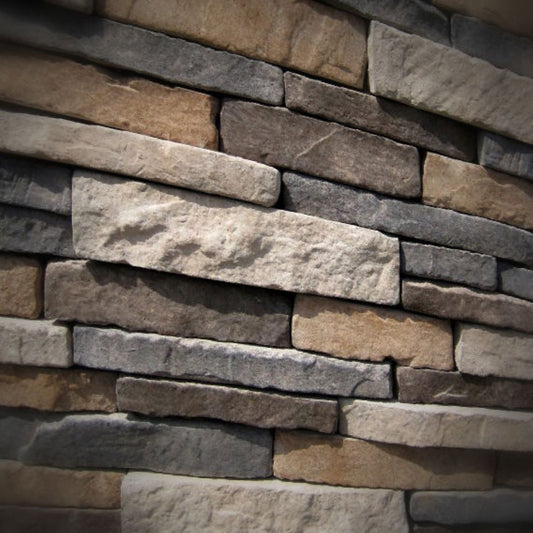
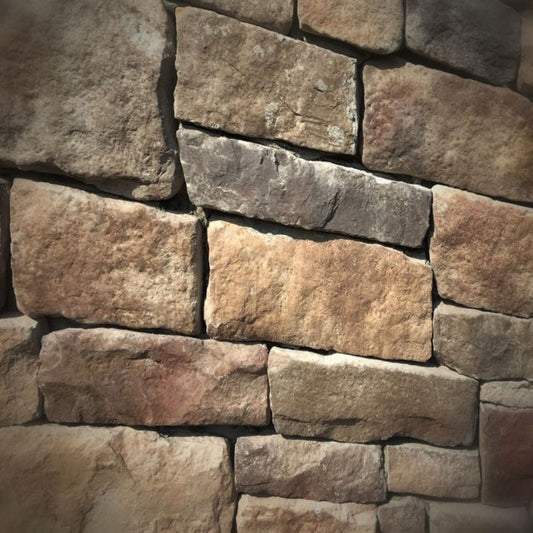
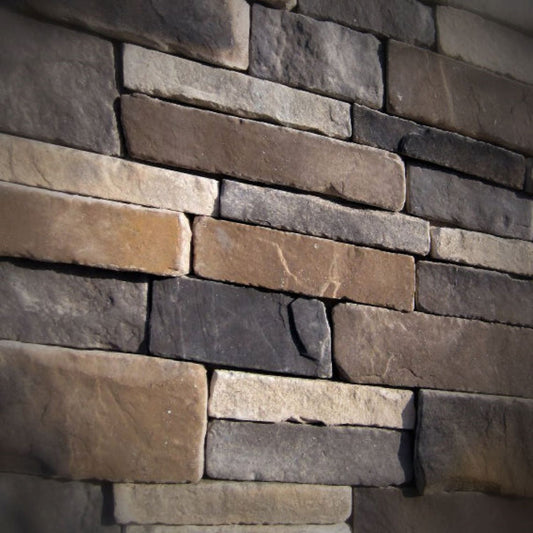
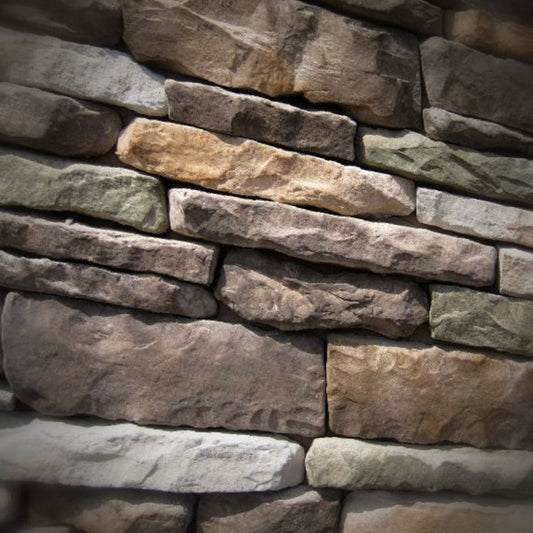
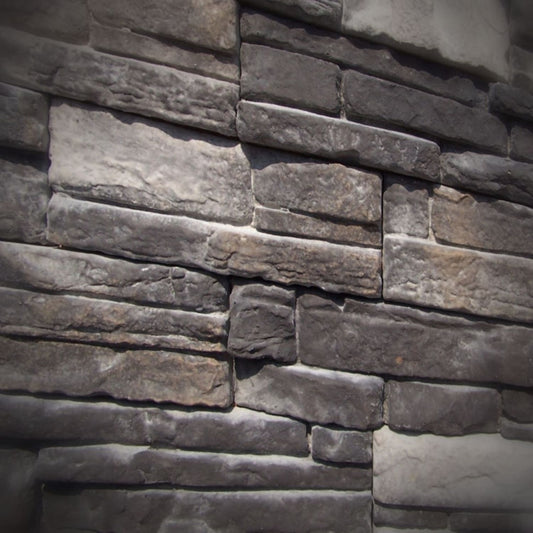
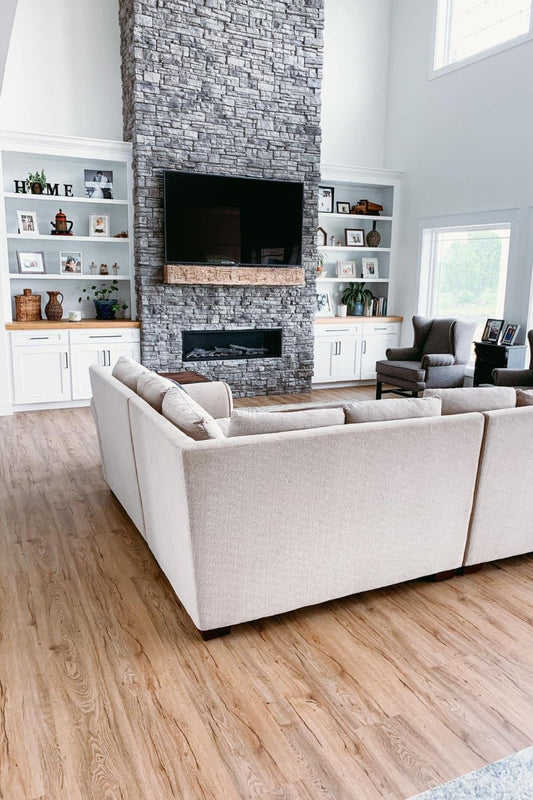
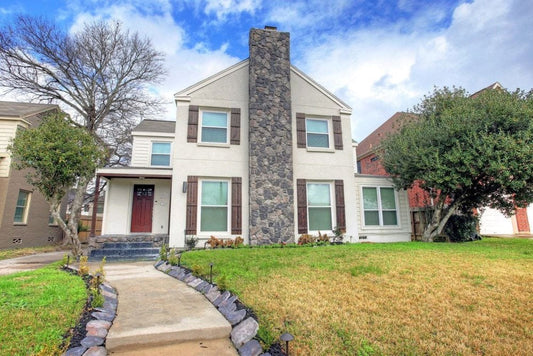
Pictured is ready stack alabama.