
Stone Veneer on Curved Walls: Installation Tips and Design Ideas
Share
Originally posted September 10, 2025, updated October 9, 2026.
Stone veneer can create a natural, custom finish on curved walls, columns, arches, fireplaces, and other rounded architectural features. Successful curved installations depend on choosing an appropriate stone profile, preparing the surface correctly, carefully planning the layout, and fitting individual pieces to follow the curve.
Stone veneer is a versatile way to add texture, depth, and architectural character to both interior and exterior spaces. While it is commonly installed on flat walls, fireplaces, foundations, and exterior facades, manufactured stone veneer can also be used on curved surfaces. Rounded columns, curved walls, arches, and other architectural features can all provide opportunities for a distinctive stone veneer installation.
Installing stone veneer on a curve requires more planning than working on a flat surface, but the basic principles remain the same. The shape of the surface, the stone profile, the size and shape of the individual pieces, and the installation method all affect how easily the veneer can follow the curve.
With the right combination of stone selection, surface preparation, layout, and installation techniques, manufactured stone veneer can create a natural-looking finish that follows the contours of a curved feature.
Why Does Stone Veneer Work on Curved Surfaces?
Manufactured stone veneer is well suited to many curved applications because it is made from individual pieces rather than a single rigid sheet. Each piece can be positioned independently, allowing the installer to work around gradual changes in the surface.
The individual pieces also vary in size, shape, and appearance depending on the stone profile. This variation can make it easier to create a natural transition around a curved surface without producing an overly uniform pattern.
The degree of curvature still matters. A gentle curve is generally easier to work with than a very tight radius. As the curve becomes tighter, the individual stones may need to be smaller or require additional cutting to maintain appropriate joints and coverage.
This is one reason stone selection should be considered before beginning a curved stone veneer installation. A profile that works well on a broad, gently curved wall may not be the easiest choice for a narrow round column.
Choosing Stone Veneer for a Curved Surface
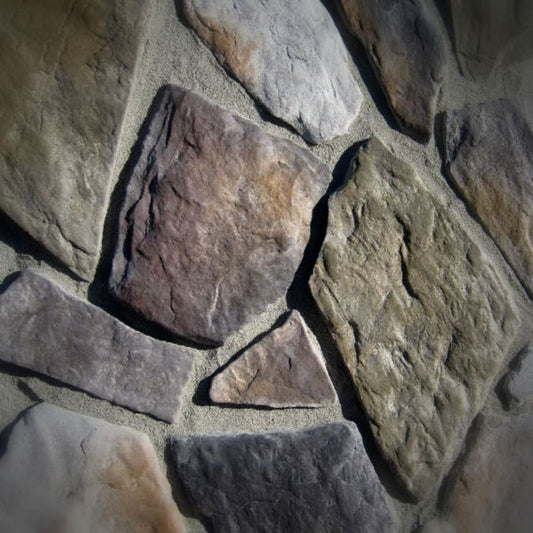
The stone profile can have a significant effect on how easily manufactured stone veneer follows a curve. Smaller individual stones and profiles with more variation in size and shape generally provide more opportunities to gradually follow the contour of a rounded surface.
Larger, more rectangular pieces can be more challenging on tighter curves because their longer dimensions may not conform to the radius as easily. This does not necessarily mean that large-format stone cannot be used on a curved surface, but it may require more careful layout and cutting.
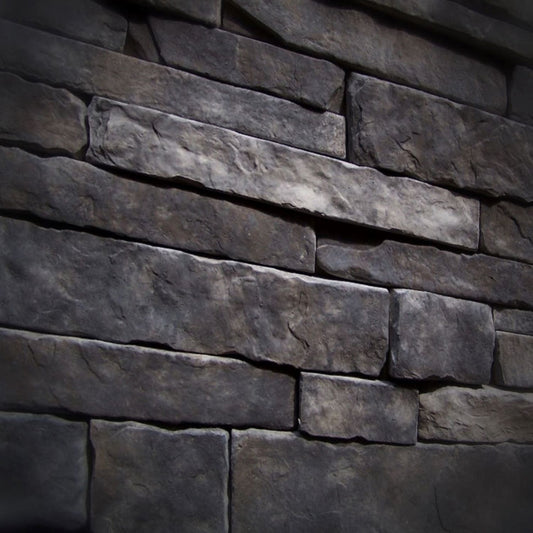
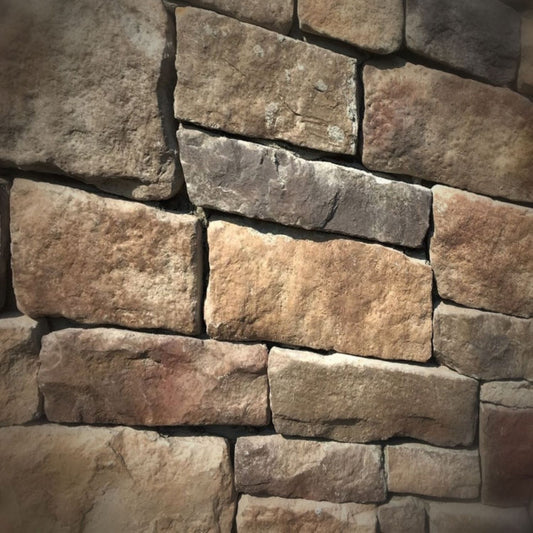
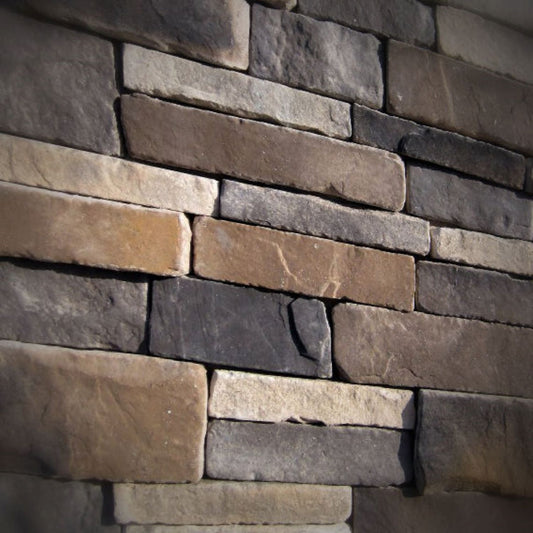
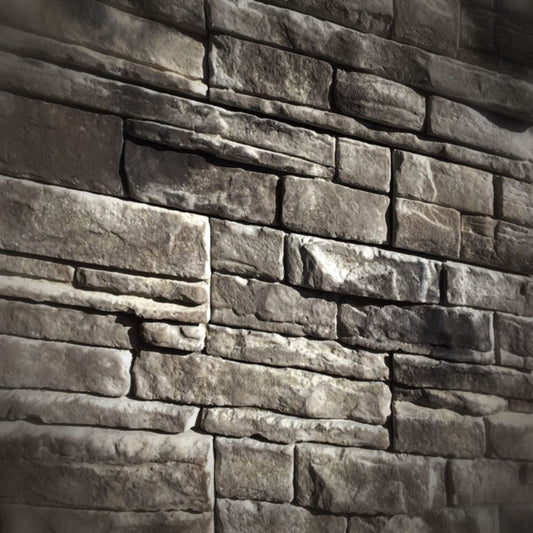
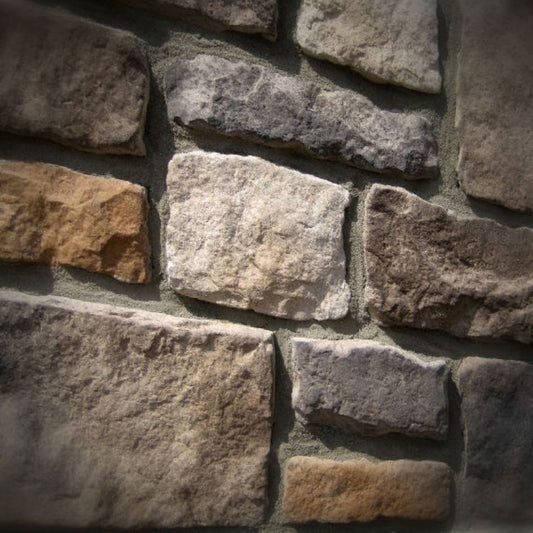
Ledgestone profiles, for example, can work well in many curved applications because the individual pieces are relatively narrow and can be arranged to gradually follow the shape. However, the specific profile and radius of the curve should always be considered together.
The goal is not to force the stone to bend. Manufactured stone veneer does not flex around a curve like a sheet material. Instead, individual pieces are positioned and, when necessary, trimmed so that the completed installation follows the shape of the underlying surface.
Preparing a Curved Surface for Stone Veneer
Proper surface preparation is just as important on a curved surface as it is on a flat wall. The veneer needs a properly prepared substrate capable of supporting the installation over time.
For exterior applications and other moisture-sensitive assemblies, the appropriate weather-resistant barrier, metal lath, scratch coat, and mortar installation system should be used according to applicable building requirements and the installation specifications for the project.
The curved shape of the substrate does not eliminate the need for proper drainage and moisture management. In fact, careful preparation can be particularly important when working around exterior columns, curved walls, and other architectural features where water management may be more complicated.
The surface should also be structurally sound, clean, and suitable for the intended installation. Any existing damage, movement, or moisture problems should be addressed before installing the veneer.
A properly prepared surface provides a stable foundation and gives the installer a consistent plane to work from as the individual stone pieces are positioned around the curve.
Dry-Fitting Stone Veneer Around a Curve
Dry-fitting is especially useful when installing manufactured stone veneer on a curved surface. Before applying mortar, laying out the individual pieces allows the installer to see how the stones will interact with the shape of the wall or column.
A curved installation can change the way joints appear as the stones move around the radius. Planning the placement beforehand helps avoid awkward gaps, excessive repetition, or joints that become noticeably wider or narrower as they follow the curve.
The installer can also determine where individual pieces may need to be trimmed. Rather than discovering these challenges after mortar has been applied, the layout can be adjusted while the stones are still movable.
For highly visible architectural features, taking the time to plan the layout can make a substantial difference in the finished appearance.
Cutting Stone Veneer for Curved Applications
Some curved installations require cutting to achieve a close fit. The amount of cutting depends on the radius of the curve, the selected stone profile, the size of the individual pieces, and the desired joint width.
When a curve is relatively broad, individual stones may require little or no modification beyond normal installation adjustments. Tighter curves can require more trimming to maintain a consistent and natural-looking arrangement.
Masonry cutting tools such as an appropriate wet saw or angle grinder equipped for cutting masonry can be used when pieces need to be shaped. Cutting should be performed carefully so the finished edges are positioned where they will be least noticeable whenever possible.
The objective is not necessarily to make every stone conform perfectly to the mathematical shape of the curve. Natural-looking stone veneer installations depend on variation. The stones should follow the overall contour while maintaining believable joints and a visually balanced pattern.
Installing Stone Veneer on Round Columns
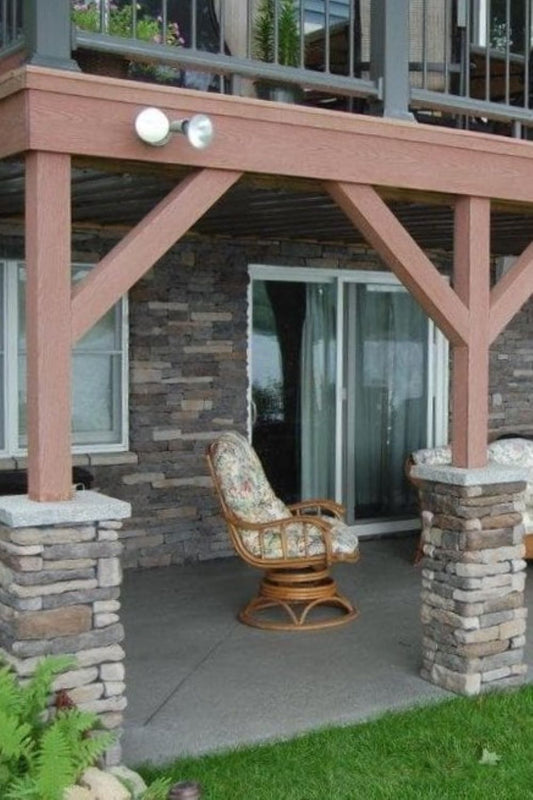
Round and oval columns are among the most recognizable applications for curved stone veneer. A stone-covered column can add substantial architectural interest to an entryway, porch, outdoor living space, fireplace, or other feature.
Because a round column has a continuous curve, the stone pieces must transition around the entire circumference. Smaller stones can make this process easier because the installer can make more gradual changes in direction from one piece to the next.
The diameter of the column also matters. A large-diameter column has a more gradual curve than a narrow column, which can make the installation easier. A narrow column may require more cutting and more careful stone selection.
Corners and transitions should also be planned in advance, particularly where the column meets a wall, ceiling, floor, or another material. These details can have a significant impact on the finished appearance.
Installing Stone Veneer on Curved Walls and Arches
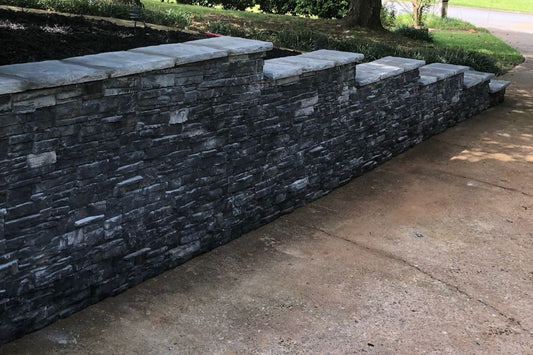
Curved walls and arched openings offer another opportunity to use manufactured stone veneer as an architectural design element. A gently curved wall can often accommodate individual veneer pieces without extensive modification, while tighter arches may require more careful cutting and fitting.
Arches deserve particular attention because the curve changes continuously as the stone moves around the opening. The installer must consider the direction of the joints and how the stones transition from the vertical sides into the curved portion of the arch.
The stone should follow the overall shape of the opening without creating distracting joint patterns. Careful layout before installation can help determine how the pieces should be positioned and where cuts will be necessary.
Is Curved Stone Veneer Harder to Install?
Installing stone veneer on a curved surface is generally more involved than installing it on a flat wall. The additional difficulty comes primarily from layout and fitting rather than from the stone itself.
On a flat wall, individual pieces can typically be positioned along relatively consistent horizontal and vertical planes. A curved surface introduces another dimension that must be accounted for as the stones move around the radius.
That can mean additional dry-fitting, more cutting, and greater attention to mortar joints. The tighter the curve, the more important these considerations become.
Experienced installers are generally better equipped to handle challenging curves, particularly when the project involves a tight radius, a highly visible architectural feature, or a complex transition between curved and flat surfaces.
The Benefits of Stone Veneer on Curved Surfaces
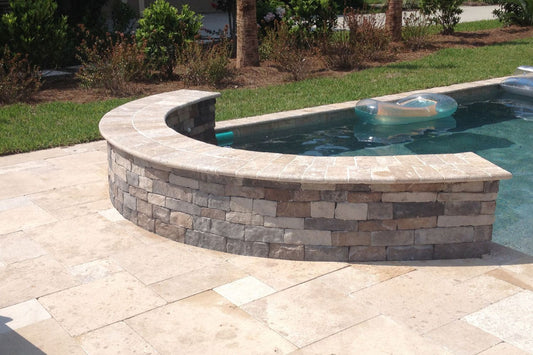
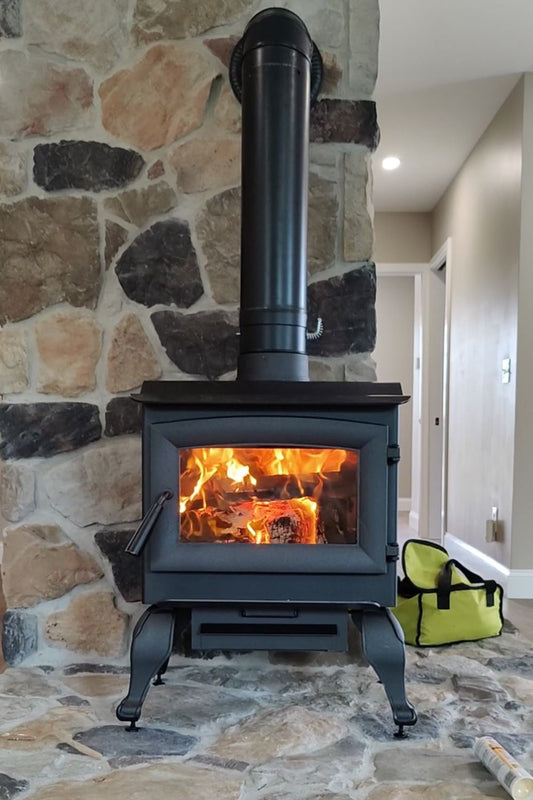
Curved stone veneer can create an architectural appearance that would be difficult to achieve with conventional flat-wall applications. A rounded column covered in stone can make an entryway more substantial, while a curved fireplace or arched opening can become a distinctive focal point.
Curved stone veneer also allows the material to complement the existing architecture rather than being limited to straight walls and rectangular features. This can be particularly effective when stone is used to emphasize the shape of an arch, column, alcove, or other custom architectural detail.
The combination of natural-looking variation and a curved form can produce a finished installation that feels integrated with the structure rather than simply applied to it.
Can Stone Veneer Be Installed on Curved Outdoor Surfaces?
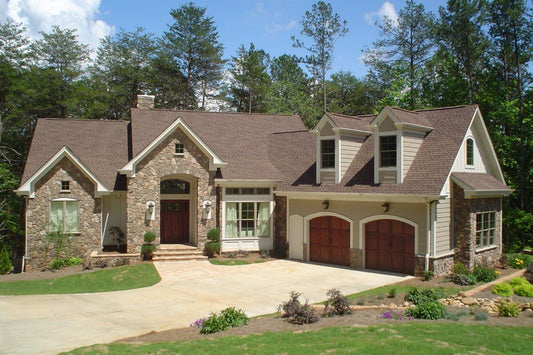
Manufactured stone veneer can be installed on many curved exterior surfaces when the substrate and installation system are properly prepared for exterior use. This can include rounded columns, curved exterior walls, outdoor fireplaces, entry features, and other architectural elements.
Exterior installations require appropriate attention to moisture management, substrate preparation, drainage, and weather exposure. The curved shape does not change the need for a properly prepared installation assembly.
Before beginning an exterior project, the installer should also account for the specific conditions of the structure and applicable local building requirements.
Frequently Asked Questions About Stone Veneer on Curved Walls
Can stone veneer be installed on a round column?
Yes. Manufactured stone veneer can be installed on round and oval columns. Smaller individual stone pieces and profiles that offer more flexibility in placement are often easier to work with on tighter curves.
Is stone veneer harder to install on a curved wall?
Curved installations generally require more planning and fitting than flat-wall installations. Depending on the radius, the installer may need to perform additional dry-fitting and cutting to achieve consistent joints and a natural appearance.
What type of stone veneer is best for curved surfaces?
There is not one specific stone veneer profile that is required for every curved application. Smaller individual pieces are generally easier to arrange around tighter curves, while larger pieces may require more cutting. The radius of the curve should be considered when selecting the profile.
Can manufactured stone veneer be installed around an arch?
Yes. Manufactured stone veneer can be installed around arched openings. Because the direction of the curve changes around the arch, careful layout and fitting are particularly important for achieving a balanced appearance.
Can stone veneer be installed on a curved exterior wall?
Yes. Manufactured stone veneer can be installed on many curved exterior walls when the substrate, weather protection, lath, scratch coat, and mortar installation are properly prepared for the application.
Does stone veneer need to be cut to fit a curve?
Sometimes. Gentle curves may require little cutting, while tighter curves can require individual pieces to be trimmed for a closer fit. The amount of cutting depends on the stone profile and the radius of the surface.
Stone Veneer on Curved Walls
Stone veneer does not have to be limited to flat walls. With proper planning, manufactured stone veneer can follow curved walls, rounded columns, arches, fireplaces, and other architectural features to create a distinctive, custom appearance.
The most important considerations are the radius of the curve, the stone profile, proper substrate preparation, careful dry-fitting, and precise installation. Smaller individual pieces can often make tighter curves easier to navigate, while broader curves provide more flexibility with stone selection.
Whether the project is indoors or outdoors, a curved stone veneer installation can add texture, depth, and architectural character while maintaining the natural appearance of individual stone pieces. For more complicated curves or highly visible features, working with an experienced installer can help ensure the finished installation looks intentional, balanced, and built to last.
If you are considering manufactured stone veneer for a curved surface, exploring actual stone samples can also help you evaluate the size, shape, texture, and color variation of the profile before making a final selection.
What's Next?
Elevate your space with premium stone veneer. Shop now to bring your design vision to life with lasting style and confidence or order a sample to experience the authentic texture and vibrant colors firsthand.
Have a Question?
Please see our full terms of service or check out our frequently asked questions.
For general information and questions please call: (864) 882-8960 Mon. - Fri. 8am - 5pm (EST) or email: info@blackbearmountainstone.com we are more than happy to help you.
Or you can submit your questions via our contact us page.
We look forward to working with you on your upcoming project.
The Black Bear Mountain Stone Team
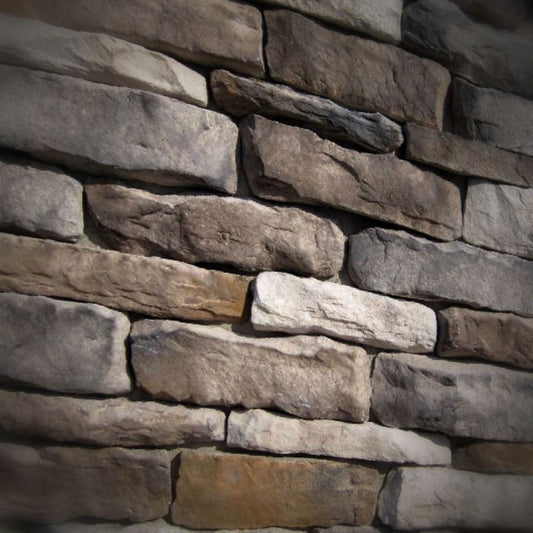
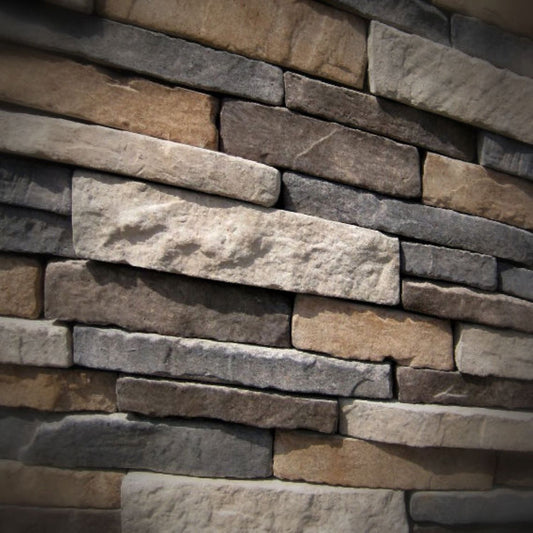
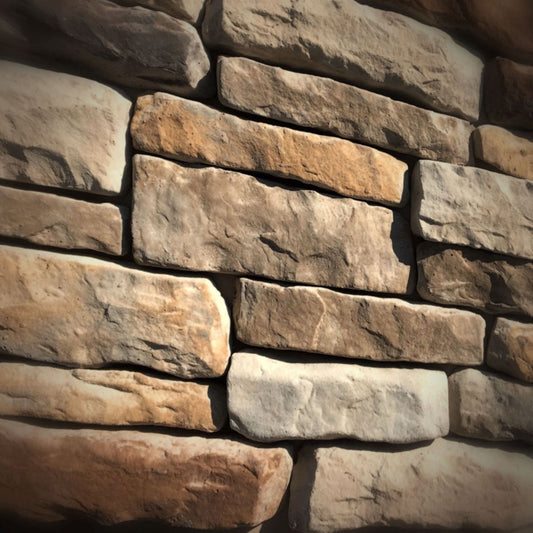
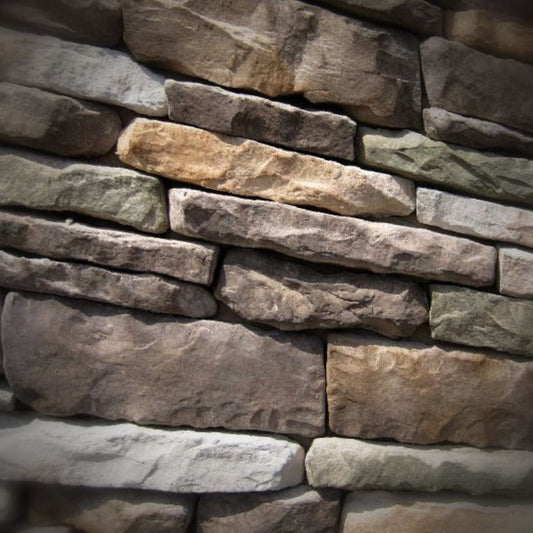
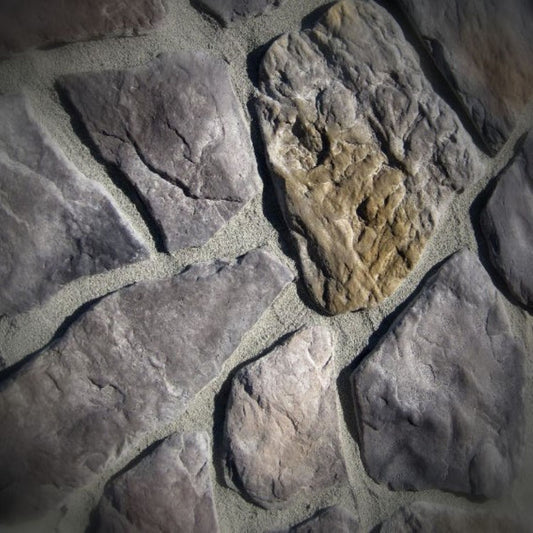
Pictured is ready stack chardonnay.