
Will Stone Veneer Fade?
Share
Originally posted August 7 2025, updated October 5th 2026.
High-quality manufactured stone veneer is designed to resist fading, but its long-term color retention depends on the pigments, manufacturing process, installation, cleaning, and exposure to the elements. Quality manufactured stone veneer with durable surface-color technology can maintain its appearance for many years when properly installed and maintained.
Manufactured stone veneer is popular for its realistic appearance, versatility, and ability to bring the look of natural stone to both interior and exterior spaces. But before investing in a stone veneer project, many homeowners have an important question: will manufactured stone veneer fade over time?
The short answer is that high-quality manufactured stone veneer is designed to resist fading, but color retention can vary depending on the quality of the product and how it is manufactured, installed, cleaned, and maintained. Like any exterior building material, manufactured stone veneer is exposed to sunlight, rain, temperature changes, and other environmental conditions over the years.
Understanding what causes manufactured stone veneer to change in appearance and how modern color technology helps protect against fading can make it easier to choose a product that will continue looking beautiful long after installation.
Why Does Manufactured Stone Veneer Fade?
Manufactured stone veneer is made from Portland cement, lightweight aggregates, and iron oxide mineral pigments. The coloring process and quality of the pigments play an important role in how well the finished stone retains its appearance over time.
Because stone veneer is commonly installed on exterior walls, it is continually exposed to environmental conditions. Direct sunlight can affect surface pigments over long periods, while rain, snow, moisture, and repeated freeze-thaw cycles can gradually weather the surface.
This does not necessarily mean that quality manufactured stone veneer will suddenly lose its color. Rather, the appearance of any masonry material can gradually change as it ages and is exposed to its surroundings. Choosing a manufacturer that uses durable pigments and a proven color-retention process can help minimize unwanted color changes.
Does Sunlight Cause Stone Veneer to Fade?
UV exposure is one of the primary environmental factors that can affect the appearance of exterior building materials. Over many years, continuous exposure to direct sunlight can contribute to gradual changes in surface color.
The degree to which sunlight affects manufactured stone veneer depends heavily on the pigments and coloring process used during manufacturing. Lower-quality products may be more susceptible to noticeable color changes because their surface color is less resistant to UV exposure and weathering.
High-quality manufactured stone veneer is specifically engineered with long-term exterior use in mind. Durable mineral pigments and color-bonding technology can help the stone maintain its intended appearance despite years of exposure to sunlight and changing weather conditions.
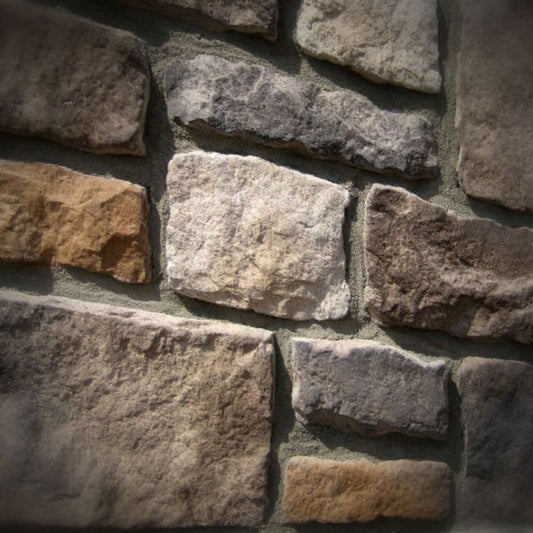
It is also worth remembering that manufactured stone veneer is intended to have natural-looking variation. Slight differences in color and tone between individual stones are part of what gives the material its realistic appearance. Natural-looking variation should not be confused with fading.
Can Rain, Snow, and Weather Cause Stone Veneer to Fade?
Exterior stone veneer is exposed to much more than sunlight. Rain, snow, humidity, temperature fluctuations, and freeze-thaw cycles can all affect masonry surfaces over time.
Proper installation is an important part of protecting the long-term appearance of manufactured stone veneer. A correctly installed veneer system helps manage moisture and provides the appropriate drainage and weather-resistance measures for the wall assembly.
The quality of the manufactured stone itself also matters. A durable product should be designed to withstand normal outdoor exposure without the surface color quickly deteriorating.
Over time, environmental exposure may produce a subtle change in appearance, much as it does with many exterior materials. However, a properly manufactured and installed stone veneer should not be expected to lose its color after only a few seasons.
Can Cleaning Cause Manufactured Stone Veneer to Fade?
Cleaning methods can have a significant effect on the appearance of manufactured stone veneer. Harsh chemicals, acidic cleaners, abrasive tools, and improper pressure-washing techniques can damage the surface or affect its appearance.
For routine cleaning, mild cleaning methods are generally preferable. Manufactured stone veneer should be cleaned according to the manufacturer's care and maintenance instructions rather than treated like a conventional painted surface.
Pressure washing can be used in appropriate circumstances, but it should be done within recommended limitations. Excessive pressure or an improper spray pattern can damage the surface even when the underlying color technology is designed for durability.
For this reason, homeowners should always consult the manufacturer's care and maintenance instructions before cleaning their stone veneer. Avoid assuming that stronger chemicals or higher pressure will produce better results.
How Color Lock Technology Helps Prevent Fading
At Black Bear Mountain Stone, our manufactured stone veneer uses Color Lock Technology to help maintain durable, attractive surface color.
Color Lock Technology uses bonding agents to create a mechanically bonded surface color designed to provide better durability than simply applying a temporary coating to the finished stone. The process helps the mineral pigments remain securely bonded to the stone surface through normal exposure to sunlight and weather.
This distinction is important because manufactured stone veneer is not simply painted concrete. The surface color is created as part of the manufacturing process using mineral pigments and a specialized bonding process.
When a manufactured stone veneer sample is cut, the interior can look different from the colored exterior surface. That is normal for this type of product and does not mean the stone has been painted. The goal of Color Lock Technology is to provide a durable, natural-looking surface color that stands up to the conditions the stone is designed to encounter.
No manufactured material should be expected to remain completely unchanged forever, but using a proven color-retention process helps reduce the likelihood of premature or excessive fading.
Does Manufactured Stone Veneer Need to Be Sealed to Prevent Fading?
Sealing manufactured stone veneer is not necessarily required simply to prevent fading. In some applications, a breathable, penetrating masonry sealer may be used to provide additional protection, but choosing the right product is important.
A sealer should not create a glossy film or trap moisture within the veneer system. Breathability is particularly important for masonry because moisture needs an appropriate path to move through the wall assembly.
If you are considering sealing your manufactured stone veneer, always select a product appropriate for masonry and follow the manufacturer's recommendations. It is also a good idea to test a sealer in an inconspicuous area first because sealers can alter the appearance of the stone.
Proper installation, routine maintenance, and appropriate cleaning are more important to the long-term performance of the veneer than simply adding a sealer.
How Long Does Manufactured Stone Veneer Color Last?
There is no single number of years that applies to every manufactured stone veneer product. Color retention depends on the materials, pigments, manufacturing process, installation, environmental exposure, and maintenance.
A quality manufactured stone veneer should be designed for long-term use rather than short-term appearance. Products manufactured with durable mineral pigments and color-retention technology can maintain their intended appearance for many years when properly installed and maintained.
The specific environment also matters. A wall receiving intense direct sunlight throughout the day will experience different conditions from a shaded wall beneath a covered porch. Coastal environments, severe weather, pollution, and other local conditions can also affect exterior materials differently.
The important consideration is not whether any manufactured material can remain completely unchanged forever, but whether the product is manufactured and tested with long-term exterior performance in mind.
How to Keep Manufactured Stone Veneer Looking Its Best
The best way to maintain the appearance of manufactured stone veneer is to start with a quality product and follow the manufacturer's installation and maintenance requirements.
Proper installation helps protect the veneer from moisture-related problems, while appropriate cleaning prevents unnecessary wear to the surface. Mild cleaning methods are preferable to harsh chemicals or abrasive techniques, and any pressure washing should remain within the manufacturer's recommended limits.
It is also important to avoid painting, limewashing, or otherwise coating manufactured stone veneer unless specifically approved by the manufacturer. Altering the surface can change its appearance and may affect warranty coverage.
With the right product, proper installation, and appropriate maintenance, manufactured stone veneer can continue providing the realistic appearance of natural stone for many years.
Frequently Asked Questions About Will Stone Veneer Fade?
Does manufactured stone veneer fade in the sun?
High-quality manufactured stone veneer is designed to resist fading from normal sunlight exposure. The degree of color retention depends on the pigments and manufacturing process, as well as the amount and intensity of UV exposure over time.
How can I prevent manufactured stone veneer from fading?
Choose a quality manufactured stone veneer with durable mineral pigments and a proven color-retention process. Proper installation, appropriate cleaning methods, and avoiding harsh chemicals or abrasive cleaning can also help preserve the appearance of the stone.
Does pressure washing fade manufactured stone veneer?
Pressure washing does not automatically cause manufactured stone veneer to fade, but excessive pressure or improper cleaning techniques can damage the surface. Always follow the manufacturer's pressure-washing recommendations and use the appropriate equipment and technique.
Does manufactured stone veneer need to be sealed?
Manufactured stone veneer does not necessarily need to be sealed simply to prevent fading. A breathable, penetrating masonry sealer may be appropriate for some applications, but the product should be compatible with manufactured stone veneer and used according to the manufacturer's recommendations.
Is manufactured stone veneer painted?
Manufactured stone veneer is not simply painted concrete. It is made using Portland cement, lightweight aggregates, and iron oxide mineral pigments, with the surface color created during manufacturing. Our Color Lock Technology uses bonding agents to mechanically bond the surface color for improved durability.
How long will manufactured stone veneer keep its color?
The lifespan of the color varies depending on the product, installation, exposure, and maintenance. High-quality manufactured stone veneer is designed for long-term exterior use and can maintain its intended appearance for many years when properly installed and cared for.
Will Stone Veneer Fade?
Like any exterior material, manufactured stone veneer can experience gradual changes from years of sunlight and weather exposure. However, high-quality products are designed to resist premature fading and maintain their intended appearance over the long term.
The manufacturing process makes a significant difference. Durable mineral pigments, quality materials, and a proven surface-color bonding process can provide substantially better color retention than inferior coloring methods.
At Black Bear Mountain Stone, Color Lock Technology is designed to help protect the surface color of our manufactured stone veneer from normal environmental exposure. Combined with proper installation and care, it helps your stone veneer maintain the rich, natural appearance you selected for your project.
If you are comparing manufactured stone veneer products, don't look only at the color you see in a showroom or product photograph. Ask how the stone is manufactured, what type of pigments are used, how the color is bonded to the surface, and what maintenance the manufacturer recommends. Those details can make a significant difference in how your stone looks years after installation.
What's Next?
Transform your space with our premium manufactured stone veneer. Shop now to get started and turn your design vision into reality with confidence or order a sample to experience the authentic texture and rich, vibrant colors firsthand.
Have a Question?
Please see our full terms of service or check out our frequently asked questions.
For general information and questions please call: (864) 882-8960 Mon. - Fri. 8am - 5pm (EST) or email: info@blackbearmountainstone.com we are more than happy to help you.
Or you can submit your questions via our contact us page.
We look forward to working with you on your upcoming project.
The Black Bear Mountain Stone Team
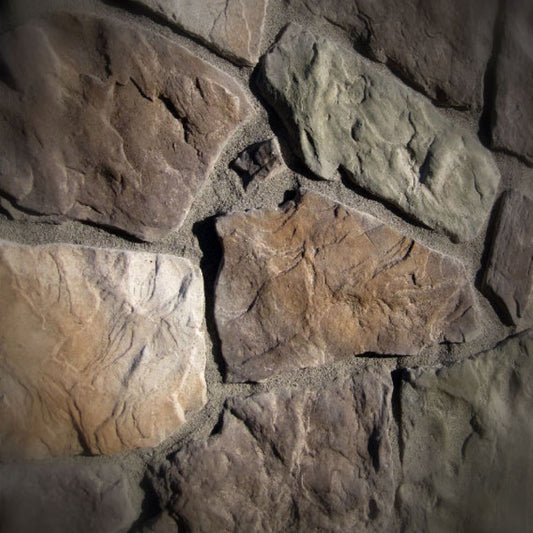
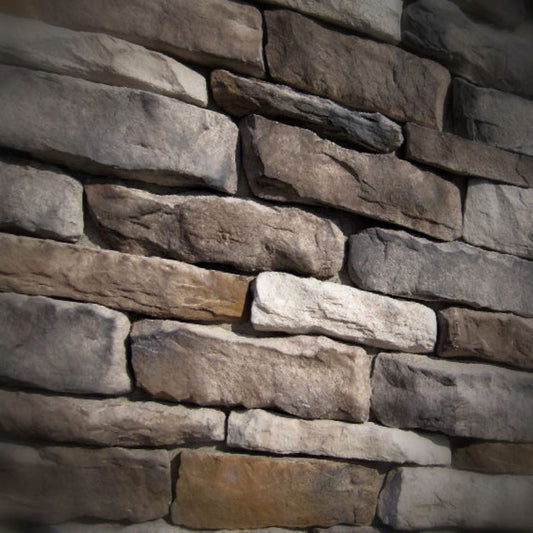
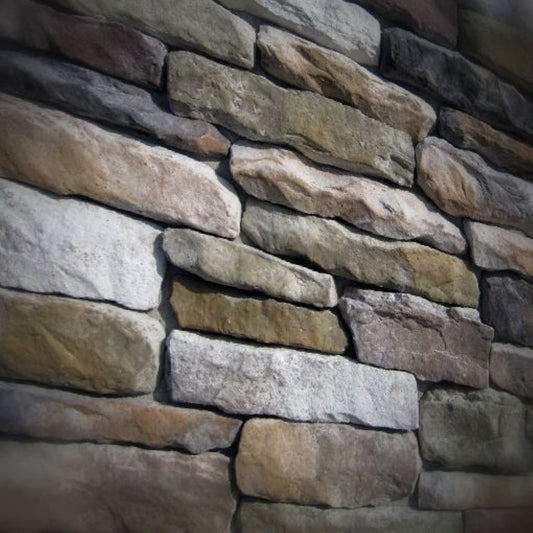
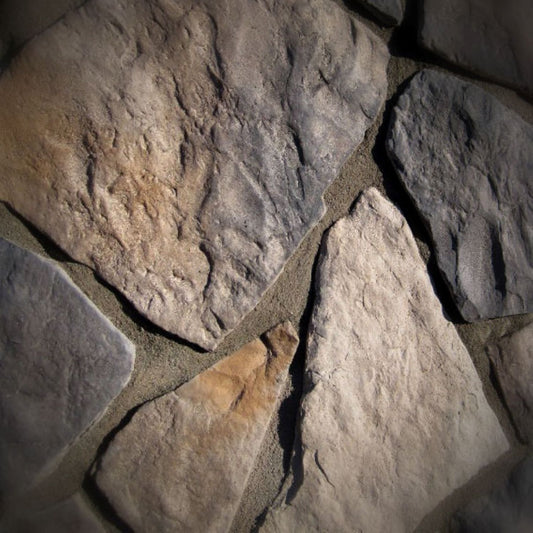
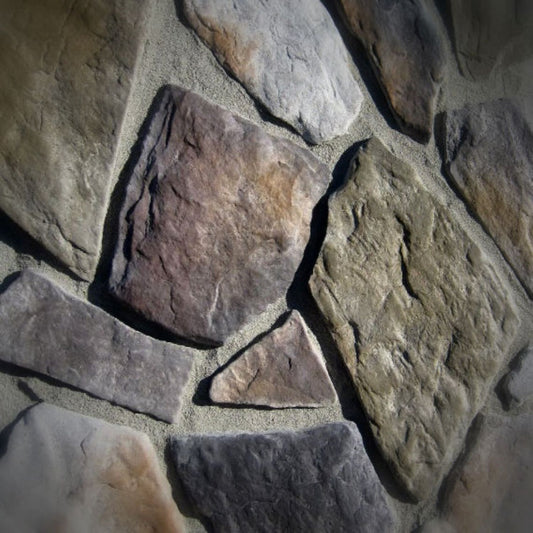
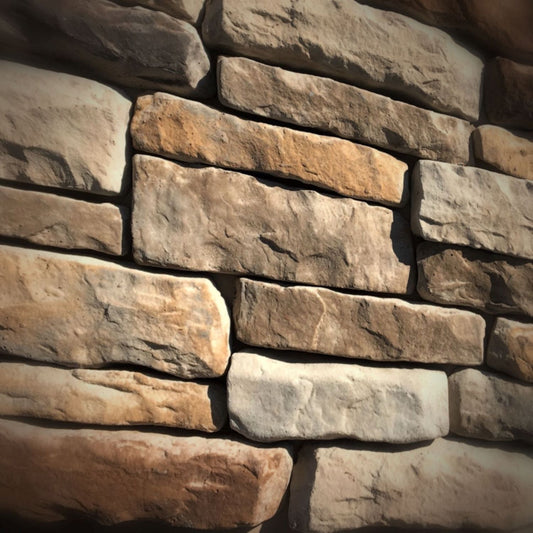
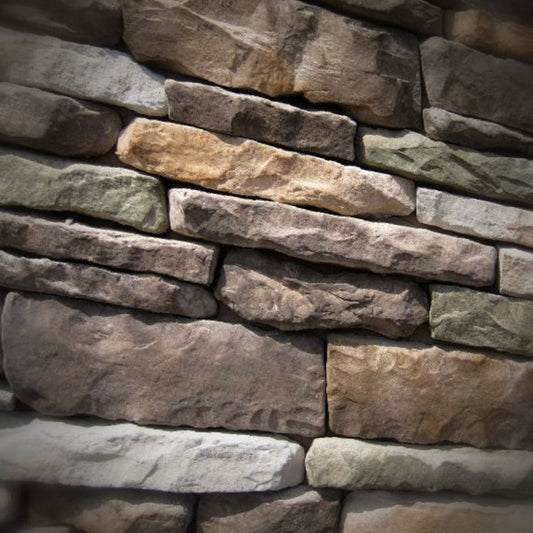
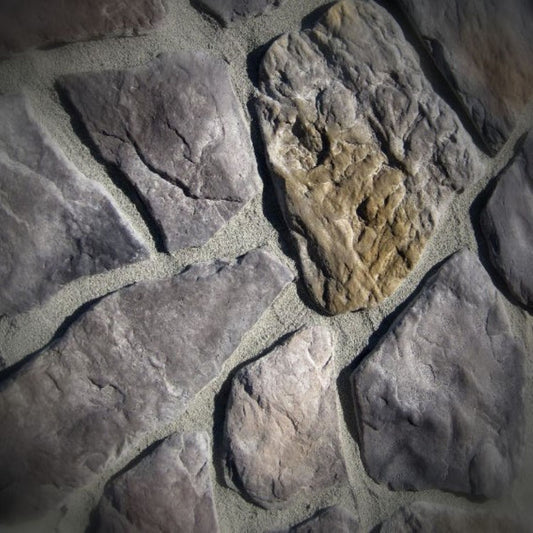
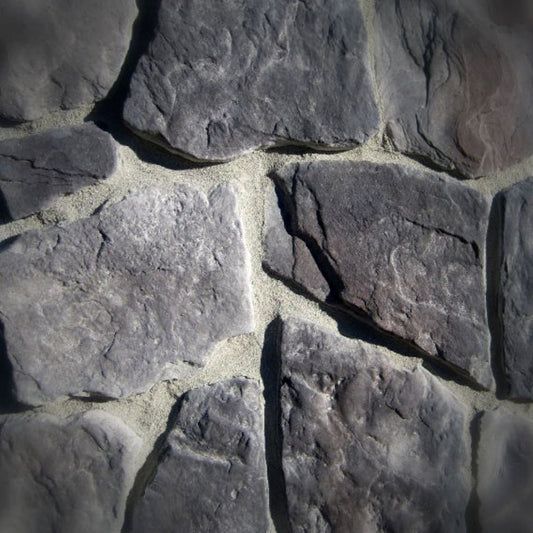
Pictured is field stone kona.