
Is Stone Veneer Cheaper Than Real Stone? A Cost Comparison
Share
Originally posted August 19, 2024, updated February 5, 2026.
Manufactured stone veneer is generally cheaper than natural stone because it typically costs less per square foot, weighs less, and can be faster and less expensive to install. Total project costs depend on material prices, labor, shipping, site preparation, and the stone style you choose.
Natural stone has a timeless appeal that makes it a popular choice for home exteriors, fireplaces, accent walls, outdoor kitchens, and other architectural features. Its unique textures, natural color variations, and enduring character can transform an ordinary space into something distinctive. However, the cost of natural stone can make it challenging to fit into some project budgets.
Manufactured stone veneer offers another way to achieve the appearance of stone without using quarried stone. Designed to replicate the textures, shapes, and colors of natural stone, it provides an attractive alternative for homeowners, contractors, and designers looking to balance aesthetics with affordability.
But is stone veneer actually cheaper than real stone? In many cases, yes. Manufactured stone veneer typically offers lower material costs, more manageable shipping expenses, and potentially lower installation costs. However, the final price depends on the specific products, installation requirements, and scope of the project.
Understanding the differences between natural stone and manufactured stone veneer can help you compare the true cost of each option and determine which offers the best value for your investment.
What is the Difference Between Natural Stone and Manufactured Stone Veneer?
Before comparing costs, it helps to understand how these materials are made and how they are used.
Natural stone, also called real stone or quarried stone, is extracted from the earth and processed into pieces suitable for construction. Depending on the type of stone and its intended application, it may be cut, split, shaped, or otherwise finished before installation. Granite, limestone, sandstone, and slate are examples of natural stones used in architectural projects.
Each piece of natural stone has its own geological characteristics, including variations in color, texture, and mineral composition. These differences create an authentic appearance that many homeowners appreciate.
Manufactured stone veneer is a cement-based building material designed to replicate the appearance of natural stone. It is generally made using Portland cement, lightweight aggregates, and iron oxide mineral pigments. Manufacturers use molds and coloring techniques to reproduce the shapes, surface textures, and color variations associated with different types of natural stone.
Unlike full-depth natural stone masonry, manufactured stone veneer is designed as a facing material rather than a structural building component. It can be installed over properly prepared substrates on a variety of interior and exterior surfaces, provided the application meets the manufacturer's requirements and applicable building codes.
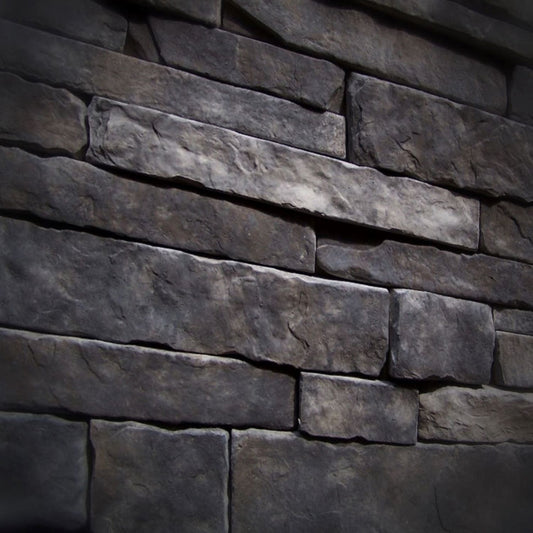
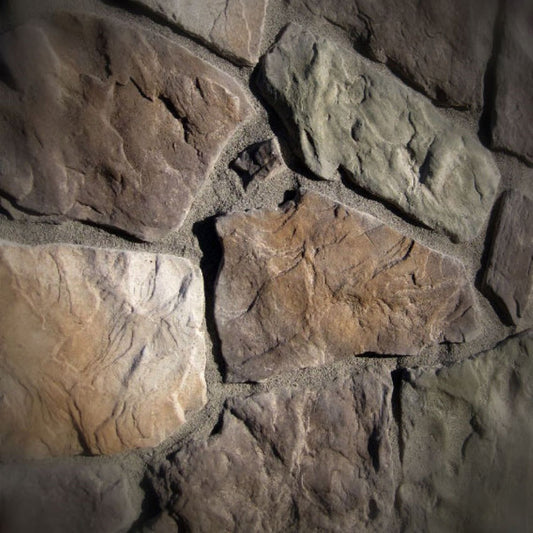
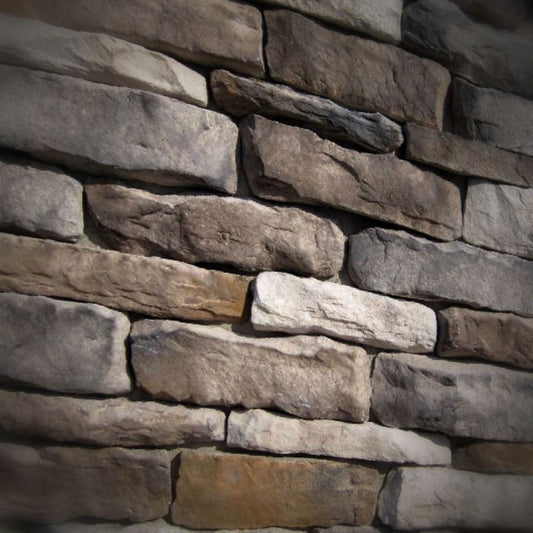
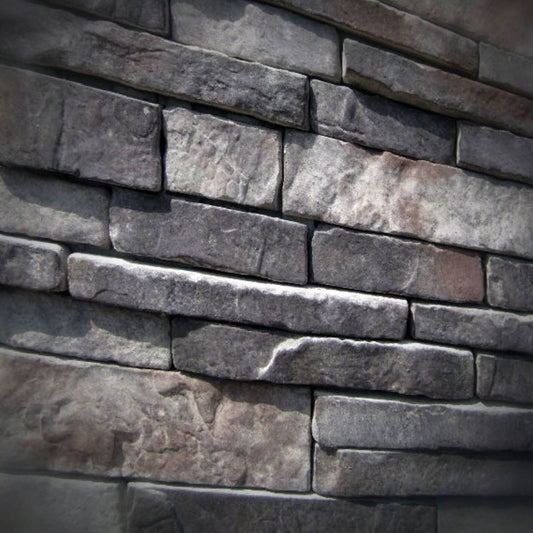
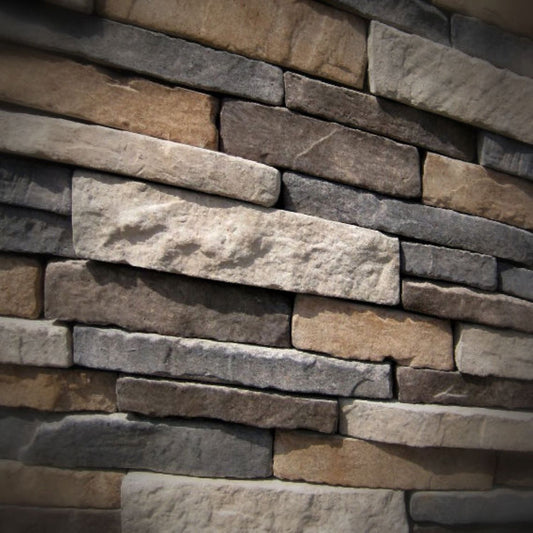
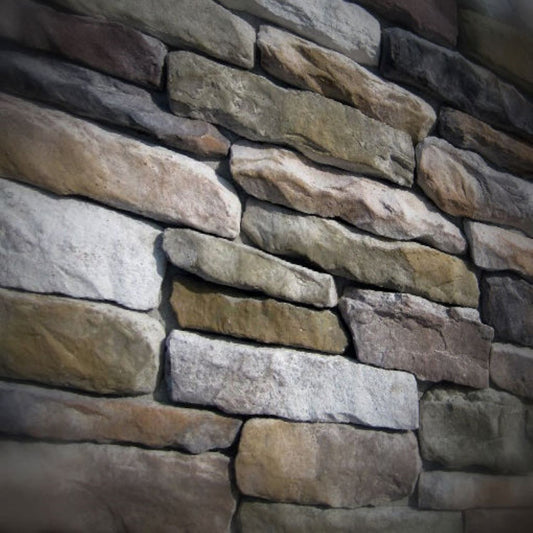
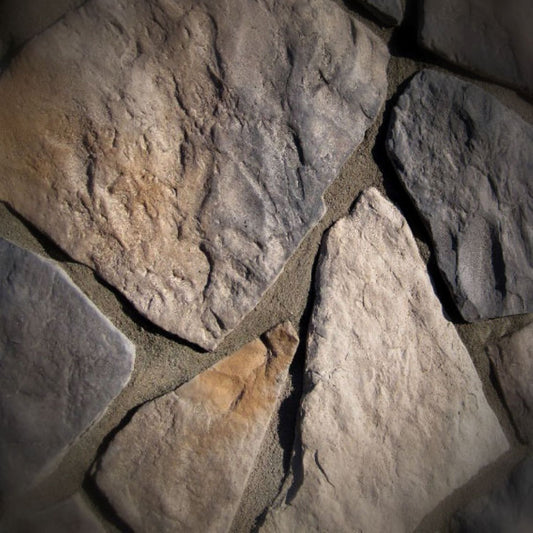
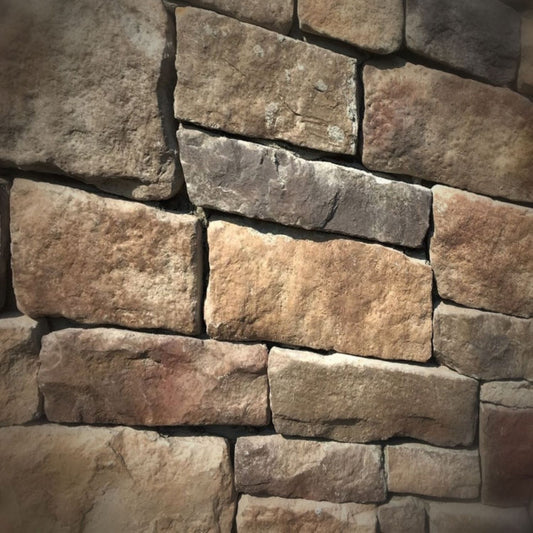
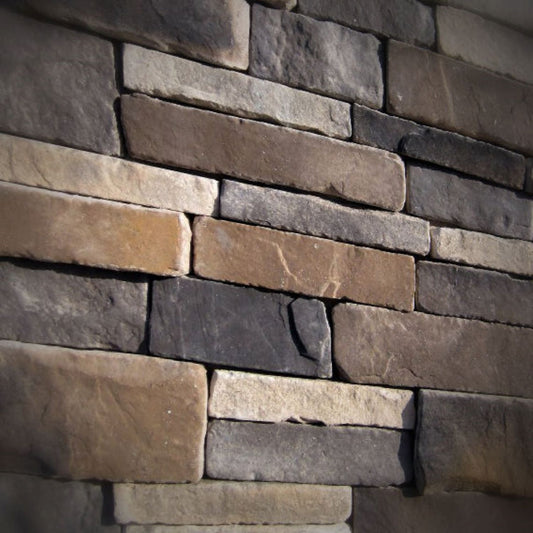
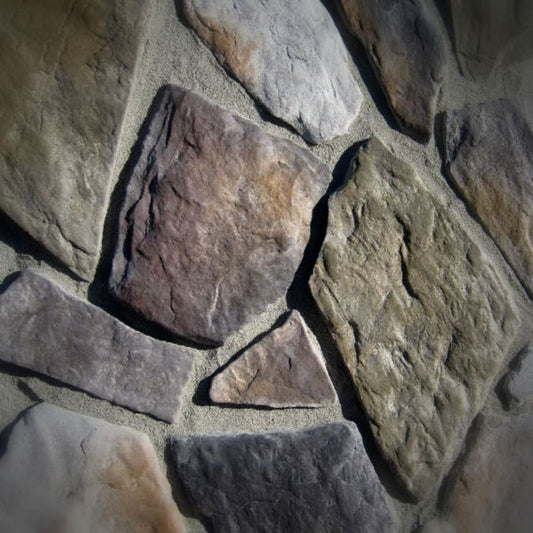
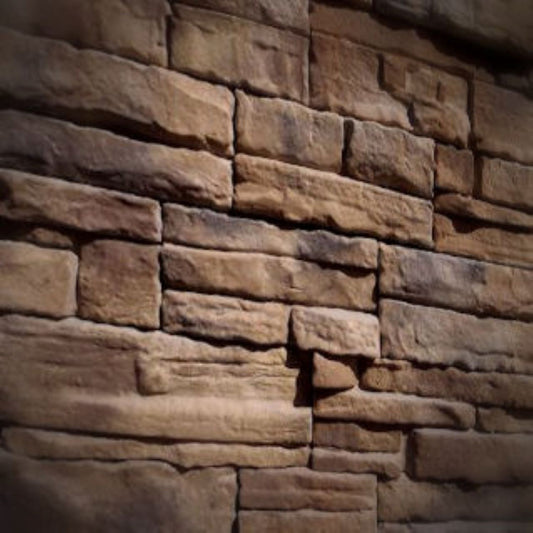
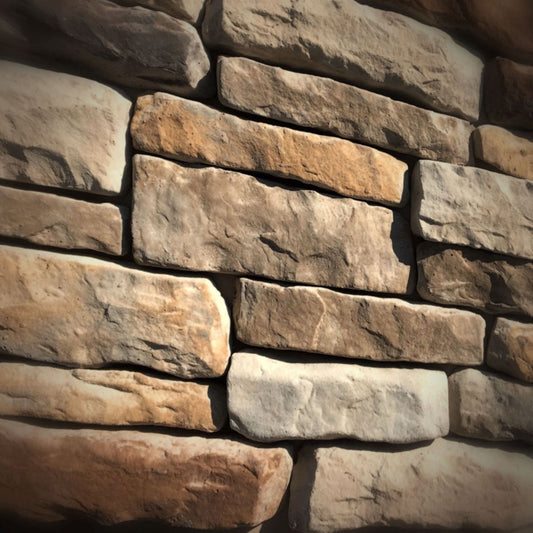
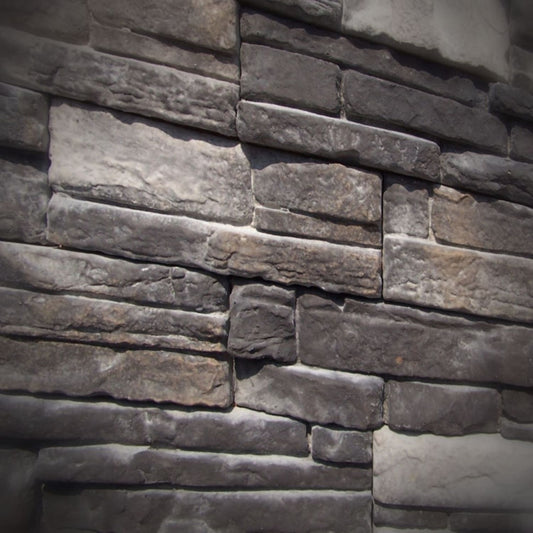
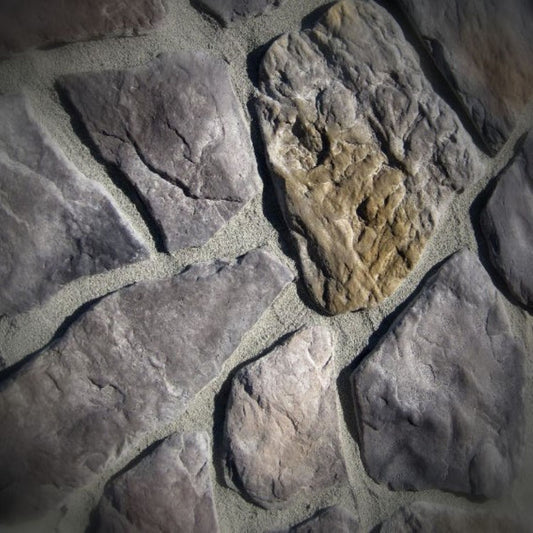
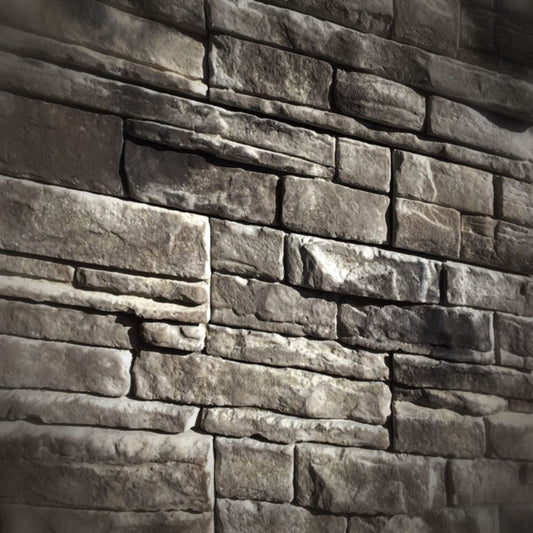
Manufactured stone veneer is also available in numerous profiles, from rugged fieldstone and irregular ledgestone to more uniform stacked stone designs. This variety makes it possible to achieve different architectural styles without the expense or weight associated with many natural stone products.
Is Manufactured Stone Veneer Cheaper Than Natural Stone?
In general, manufactured stone veneer costs less than natural stone when comparing material prices and overall installed project costs. However, the savings vary depending on the products being compared and the complexity of the installation.
One reason manufactured stone veneer is often more affordable is its production process. Rather than extracting stone from a quarry and processing each piece, manufacturers produce stone veneer using cement-based mixtures and reusable molds. This controlled process can make production more economical while offering consistent availability in selected profiles and colors.
Natural stone pricing varies considerably depending on the stone type, quarry location, rarity, finish, thickness, and availability. Commonly available natural stone may be competitively priced, while premium varieties or specialty cuts can be significantly more expensive.
Manufactured stone veneer also weighs less than many natural stone products. This can reduce transportation expenses and make materials easier to handle on the job site. Depending on the application, its lower weight may also simplify certain installation requirements.
However, a lower material price does not automatically guarantee the lowest total project cost. Mortar, substrate preparation, weather-resistant barriers, metal lath where required, labor, corner pieces, and delivery charges can all affect the final budget. Comparing the complete installed cost is more useful than looking at the price per square foot alone.
Comparing Material Costs
Material costs are often the first consideration when deciding between natural stone and manufactured stone veneer.
Natural stone pricing reflects the work involved in extracting, processing, sorting, and transporting a geological material. Some varieties are readily available, while others require specialized quarrying or processing. Natural variations can also affect the amount of sorting and fitting required to achieve a consistent appearance.
Manufactured stone veneer is produced from more readily available raw materials, including cement and lightweight aggregates. Molds allow manufacturers to create repeatable shapes and textures, helping control production costs. A broad selection of profiles and colors also gives buyers more flexibility when working within a specific budget.
Even so, manufactured stone veneer products vary in price. Profile complexity, color options, manufacturing methods, product dimensions, and availability can all influence the cost. A premium manufactured stone veneer may cost more than an inexpensive natural stone product, so comparisons should always involve similar styles and applications.
When requesting quotes, compare the price per square foot of usable coverage and confirm what is included. Some products are sold as individual stones, while others use panelized systems. Corner pieces may be priced separately, and waste allowances can affect how much material you need to purchase.
Installation Costs: Labor and Preparation Matter
Installation is another major factor in determining whether stone veneer is cheaper than natural stone.
Manufactured stone veneer is generally lighter and easier to handle than full-depth stone masonry. Individual pieces are designed to function as a veneer, and many products can be cut and fitted using standard stone installation tools. Depending on the profile, installer experience, and layout, these characteristics may reduce handling time and labor costs.
Natural stone can require more time to move, position, shape, and fit. Irregular pieces may need additional adjustment to achieve the desired appearance, and heavier materials can require specialized handling. Full-depth natural stone masonry may also involve structural support or foundation considerations that are not required in the same way for a properly designed veneer installation.
It is important to distinguish between full-depth natural stone and natural thin stone veneer. Thin natural stone veneer is lighter than full-depth masonry and may be installed using methods similar to those used for manufactured stone veneer. As a result, the labor difference between these two veneer products may be smaller than the difference between manufactured veneer and full-depth natural stone.
Neither material should be assumed to have a universally lower installation cost. Surface preparation, wall height, access, corners, intricate cuts, and local labor rates all influence the final price. A qualified installer can provide a project-specific estimate based on the selected material and installation requirements.
Shipping and Transportation Costs
Transportation can make a noticeable difference in the overall cost of a stone project.
Natural stone is often heavier than manufactured stone veneer, which can increase freight costs, especially when materials travel long distances. Weight, pallet configuration, shipping distance, delivery access, and carrier requirements all influence the final transportation expense.
Manufactured stone veneer generally offers a weight advantage, making it easier to transport and handle. This can contribute to lower freight costs, although the actual savings depend on the product and delivery location.
It is also important to understand how suppliers present shipping charges. Some include shipping in the product price, while others calculate freight separately at checkout. A product advertised with free shipping is not necessarily less expensive overall if its base price is higher.
For an accurate comparison, consider the delivered cost of the complete order rather than the advertised material price. If you are ordering stone veneer online, check the shipping estimate, minimum order requirements, and delivery arrangements before making a decision.
Does Manufactured Stone Veneer Look as Good as Real Stone?
Appearance is one of the most important considerations when comparing the two materials. After all, the goal is often to achieve the character and texture of stone while staying within budget.
Natural stone offers genuine geological variation. Its colors, mineral patterns, and surface characteristics develop naturally, meaning no two pieces are exactly alike. For homeowners who value the authenticity of quarried materials, these differences are a major part of natural stone's appeal.
Manufactured stone veneer is designed to reproduce these characteristics through molded textures, carefully developed profiles, and mineral pigments. Modern manufacturing techniques can create convincing representations of many natural stone styles, including limestone, fieldstone, ledgestone, and stacked stone.
Quality manufactured stone veneer also incorporates variations in individual stone shapes, surface relief, and color. When the material is installed thoughtfully, with attention to placement and blending, the finished result can provide the visual depth and character associated with natural stone.
There are differences worth considering. Natural stone has geological characteristics that manufactured products are designed to imitate rather than duplicate exactly. Manufactured stone veneer also varies by manufacturer, and the realism of the finished installation depends on the product's design and the quality of the installation.
Ordering samples can help you evaluate color, texture, and scale before committing to a larger purchase. Viewing samples in your actual lighting conditions and alongside your other exterior or interior finishes can make it easier to choose a style that suits your project.
Durability, Maintenance, and Long-Term Value
Initial cost is only one part of a material's overall value. Durability and maintenance also influence the long-term investment.
Natural stone is known for its durability, and many natural stone installations can last for generations when properly selected, installed, and maintained. Its performance depends on the stone type, environmental conditions, installation method, and exposure to moisture, freezing temperatures, and other potential sources of damage.
Manufactured stone veneer is also designed to provide long-lasting performance when installed according to the manufacturer's instructions. Its lifespan depends on product quality, proper substrate preparation, moisture management, installation practices, and ongoing care. Water intrusion and improper installation can affect performance, so following the appropriate installation system is essential.
Neither material is completely maintenance-free. Both may require occasional cleaning, and some applications may benefit from an appropriate breathable sealer. Whether sealing is advisable depends on the product, location, and manufacturer's instructions. Routine inspections can help identify drainage problems, damaged mortar joints, or other issues before they become more serious.
It would be misleading to say that one material always lasts longer or costs less to maintain. Natural stone varies by geological composition, just as manufactured stone veneer varies by manufacturer and product design. The most useful comparison considers the expected service life and maintenance requirements of the specific materials being evaluated.
Manufactured stone veneer can offer excellent long-term value because it combines a stone-inspired appearance with potentially lower upfront material, freight, and installation costs. Natural stone may be worth the additional investment for buyers who specifically prioritize authentic quarried material or the characteristics of a particular stone.
Which is More Affordable for Your Project?
The most economical choice depends on where the stone will be installed and what you want to achieve.
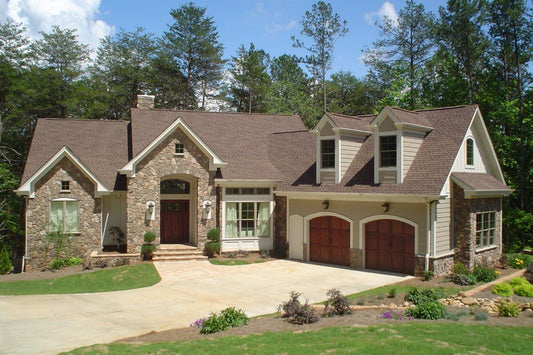
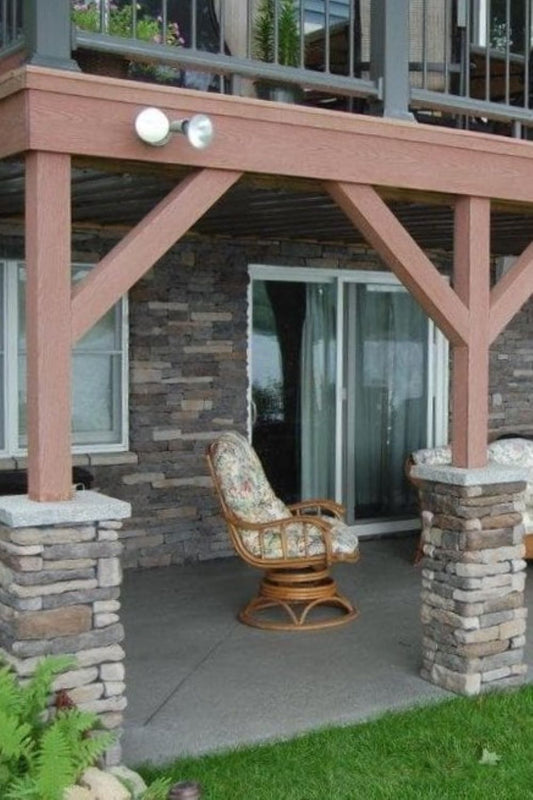
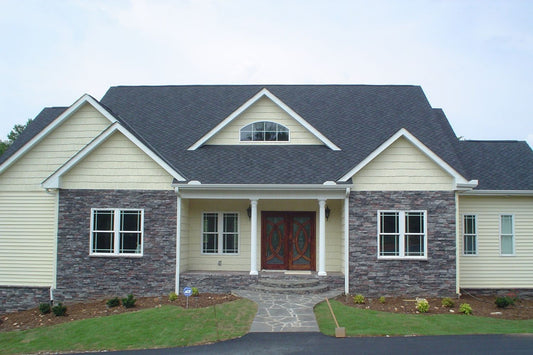
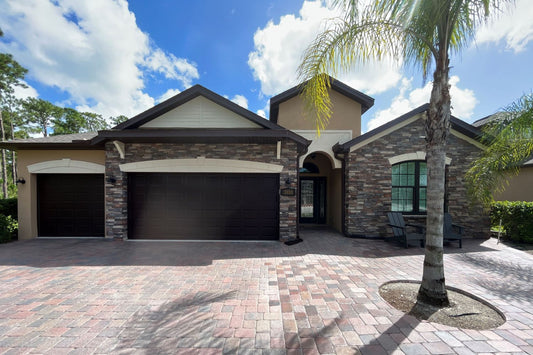
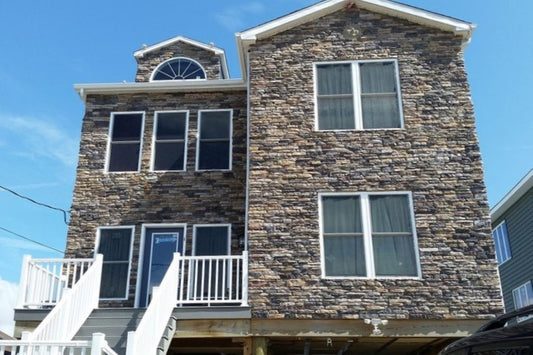
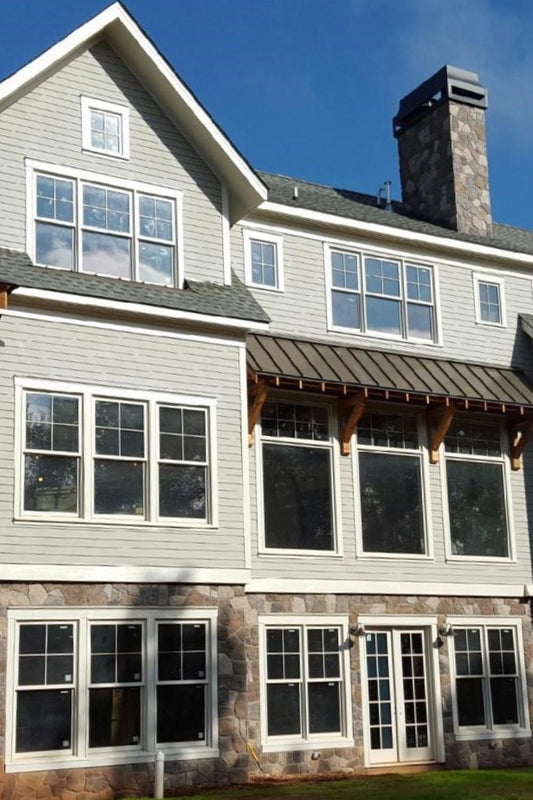
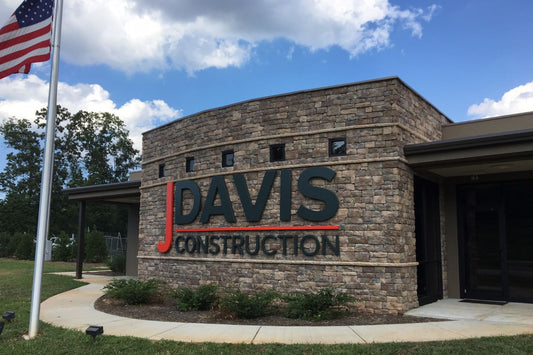
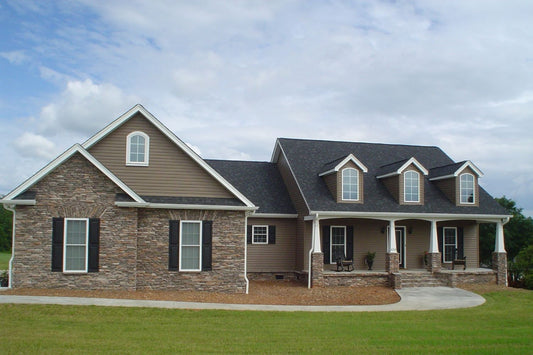
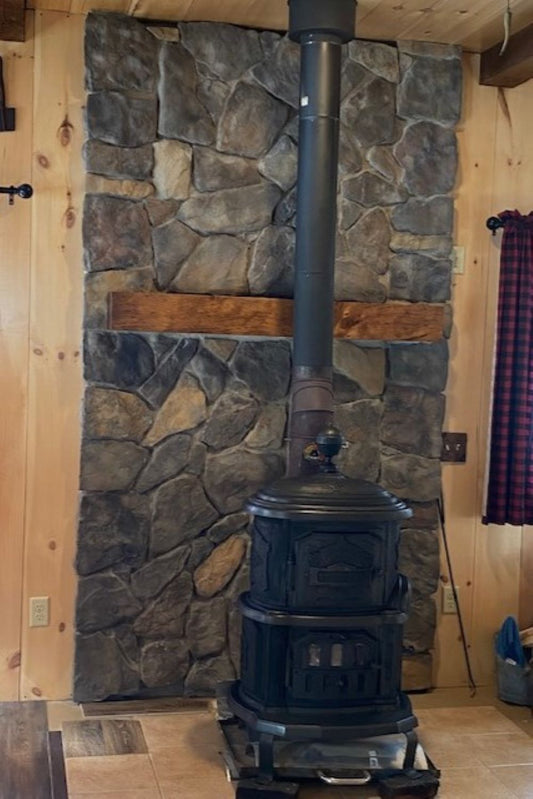
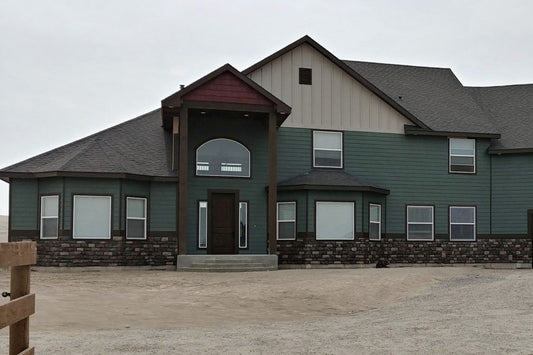
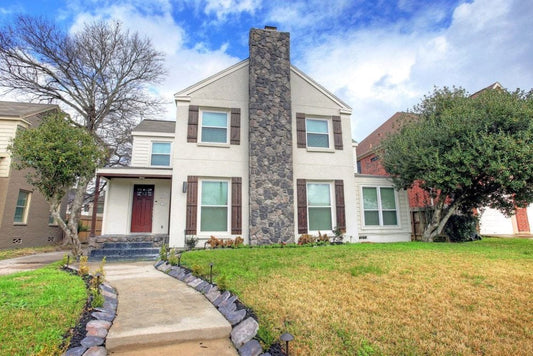
For exterior facades, manufactured stone veneer can provide a cost-effective way to add architectural interest without using full-depth stone masonry. It is also popular for entryways, foundation accents, columns, and other areas where the appearance of stone can enhance curb appeal.
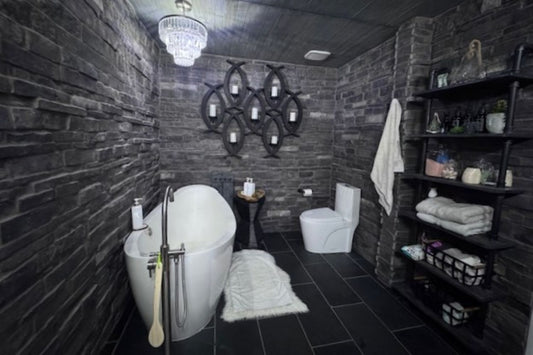
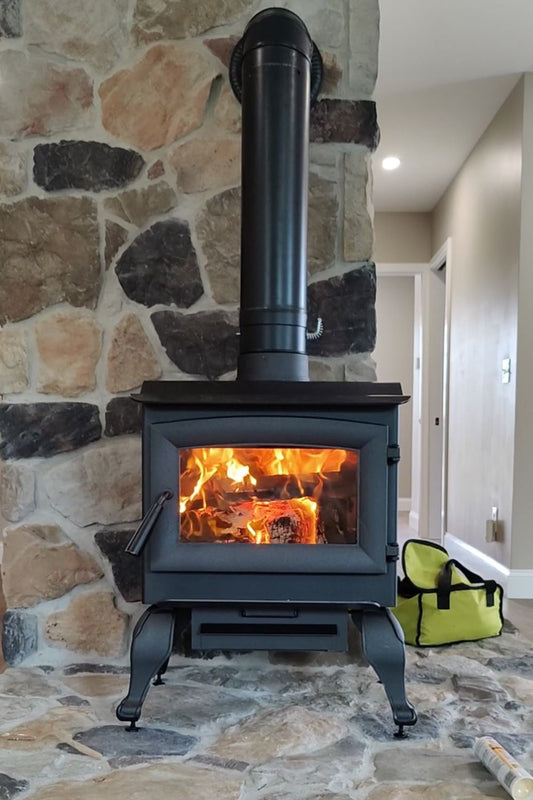
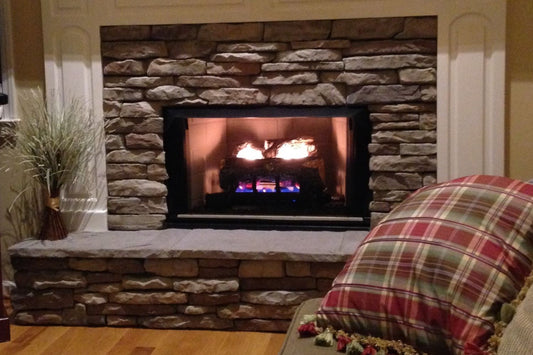
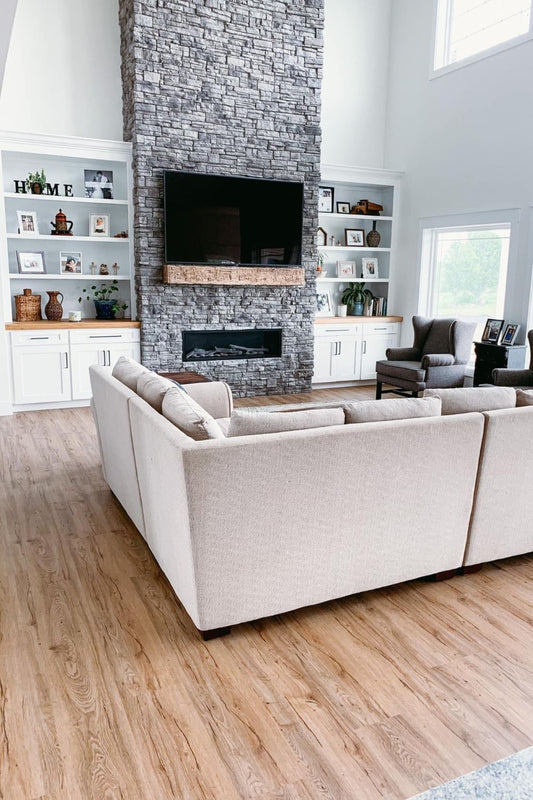
Inside the home, manufactured stone veneer can create a striking fireplace surround, accent wall, kitchen feature, or entryway. Its lighter weight may be advantageous for certain applications, although the suitability of the substrate and installation system must still be verified.
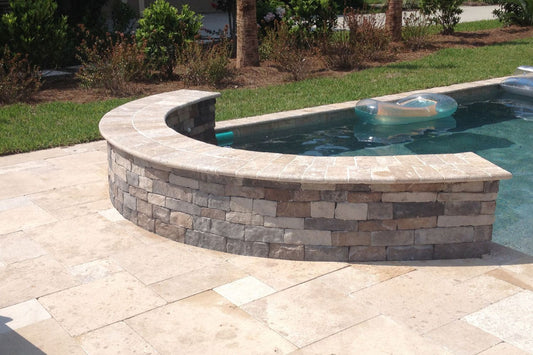
For outdoor kitchens, covered patios, and other landscape features, either material may be appropriate depending on the design, exposure, and project requirements. The selected product must be suitable for the intended application, and all applicable clearances and building requirements must be followed.
When comparing estimates, request itemized pricing for materials, installation labor, surface preparation, finishing pieces, and delivery. Make sure the quotes cover the same square footage and comparable stone styles. Include a reasonable allowance for cuts and waste, particularly when the project involves numerous corners, openings, or irregular wall dimensions.
A lower-cost material may not produce the lowest total price if it requires extensive preparation or specialized installation. Likewise, a more expensive product may be worthwhile if it better satisfies your aesthetic preferences or project requirements.
Is Stone Veneer Cheaper Than Real Stone?
For many homeowners, manufactured stone veneer offers an appealing balance of appearance, affordability, and practical installation. It can deliver the visual impact of stone while avoiding some of the material, transportation, and labor expenses associated with heavier natural stone products.
That does not mean natural stone is the wrong choice. Its authentic geological character, distinctive variations, and established durability make it an attractive material for projects where those qualities justify the added expense.
The best decision comes down to your budget, design goals, installation conditions, and expectations for long-term performance. By comparing the total installed cost rather than the material price alone, you can make a more informed choice and avoid unexpected expenses.
If manufactured stone veneer fits your project, reviewing actual samples and comparing available profiles can help you find a style that delivers the appearance you want without exceeding your budget.
Frequently Asked Questions About is Stone Veneer Cheaper Than Real Stone?
Is stone veneer cheaper than real stone?
Manufactured stone veneer is generally less expensive than natural stone because its production, transportation, and installation can cost less. However, actual savings depend on the specific products, labor rates, shipping charges, and preparation required for the project.
How much cheaper is manufactured stone veneer than natural stone?
There is no single percentage that applies to every project. Material prices vary by stone type, profile, manufacturer, and region. Installation labor, shipping, corner pieces, and substrate preparation also affect the total cost. Comparing itemized estimates for equivalent coverage is the best way to determine the savings.
Is manufactured stone veneer cheaper to install?
Manufactured stone veneer can be less expensive to install because it is generally lighter and easier to handle than full-depth natural stone. However, natural thin stone veneer may have similar installation requirements, and actual labor costs depend on the product, layout, site conditions, and installer experience.
Does manufactured stone veneer last as long as natural stone?
Natural stone can last for generations, depending on the stone type and installation conditions. Manufactured stone veneer can also provide decades of service when properly installed and maintained. Longevity depends on product quality, moisture management, exposure, and adherence to manufacturer instructions.
Does manufactured stone veneer look like real stone?
Manufactured stone veneer is designed to replicate the colors, shapes, and textures of natural stone. High-quality products can achieve a realistic appearance, although natural stone has geological variations that manufactured materials cannot reproduce exactly. Samples are a useful way to compare appearance before purchasing.
Is manufactured stone veneer a good investment?
Manufactured stone veneer can be a good investment for homeowners who want the appearance of stone at a potentially lower overall project cost. Its value depends on the quality of the product, proper installation, maintenance requirements, and how well the chosen style complements the property.
What's Next?
Elevate your home with our premium stone veneer! Shop now to explore our wide selection or order a sample today to experience the quality up close!
Have a Question?
Please see our full terms of service or check out our frequently asked questions.
For general information and questions please call: (864) 882-8960 Mon. - Fri. 8am - 5pm (EST) or email: info@blackbearmountainstone.com we are more than happy to help you.
Or you can submit your questions via our contact us page.
We look forward to working with you on your upcoming project.
The Black Bear Mountain Stone Team
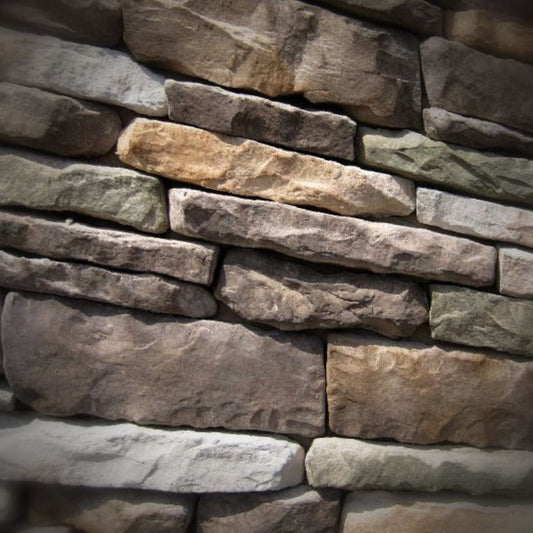
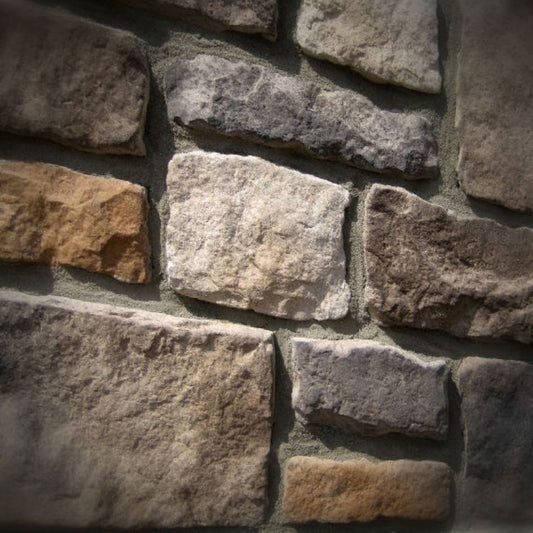
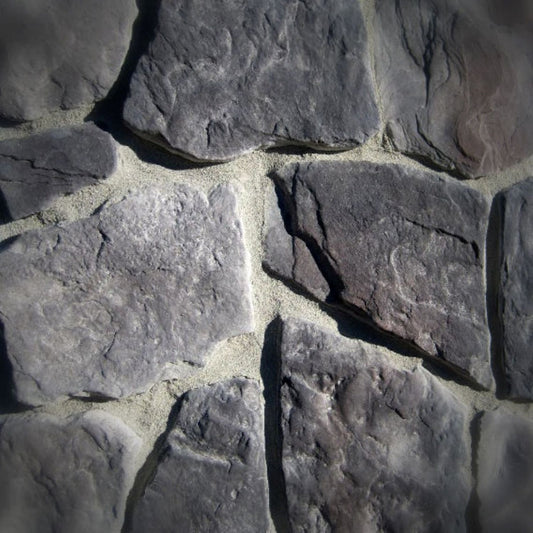
Pictured is lime stone tuscany.