
Stone Veneer Blending
Share
Originally posted February 10 2025, updated June 18 2026.
To successfully mix and match manufactured stone veneer, combine complementary stone profiles, choose a cohesive color palette, create natural variation during installation, and balance textures across the design. Blending stone veneer styles and colors allows homeowners and designers to create unique fireplaces, accent walls, exterior facades, columns, and entryways that reflect their personal aesthetic while enhancing architectural character.
Manufactured stone veneer offers incredible design flexibility, making it possible to create architectural features that are both timeless and uniquely personal. While many projects use a single stone profile and color throughout, combining multiple stone veneer styles and color blends can produce a more customized and visually interesting result.
Whether you're designing a dramatic fireplace, enhancing a home's exterior, creating an eye-catching entryway, or building a commercial feature wall, thoughtfully blending stone veneer profiles and colors can add depth, texture, and character that a single style may not achieve on its own.
The key to a successful blend is understanding how different profiles, colors, textures, and installation techniques work together. When properly planned, mixed stone veneer designs can look natural, intentional, and architecturally sophisticated rather than busy or mismatched.
In this post, we'll explore how to combine manufactured stone veneer profiles and colors to create a custom look that enhances your home or commercial property.
Why blend stone veneer profiles and colors?
Natural stone formations rarely consist of a single shape, size, or color. Instead, they contain subtle variations that create visual interest and authenticity. Manufactured stone veneer can replicate this effect while providing greater design control.
Blending profiles and colors allows homeowners and designers to create distinctive spaces that stand apart from standard installations. Rather than relying on one texture throughout an entire project, combining complementary stone styles introduces contrast and dimension.
A carefully planned blend can also help tie together different architectural elements. For example, a home's exterior may feature one stone profile as the primary material while incorporating another profile as an accent around entryways, columns, or outdoor living spaces.
Color blending serves a similar purpose. Combining tones can help coordinate stone veneer with siding, roofing, landscaping, wood finishes, and other building materials. The result is a cohesive design that feels balanced and intentional.
Start with a clear design vision
Before selecting stone veneer profiles or colors, it is important to establish a clear design direction.
Every successful project begins with a vision. Some homeowners are drawn to rustic mountain lodge aesthetics featuring rugged textures and warm earth tones. Others prefer a clean contemporary appearance with linear stone profiles and subtle color variation. Traditional homes may benefit from more classic stone combinations that evoke old-world craftsmanship and timeless elegance.
Taking time to define the overall style of the project makes profile and color selection much easier. Inspiration can come from architectural magazines, online galleries, local neighborhoods, resort properties, or even historic buildings.
Once you understand the atmosphere you want to create, you can begin selecting stone veneer profiles and colors that support that vision.
Combining different stone veneer profiles
One of the most effective ways to create visual interest is by combining complementary stone veneer profiles.
Each manufactured stone profile has its own texture, shape, scale, and architectural personality. When paired thoughtfully, these differences can create a layered and sophisticated appearance.
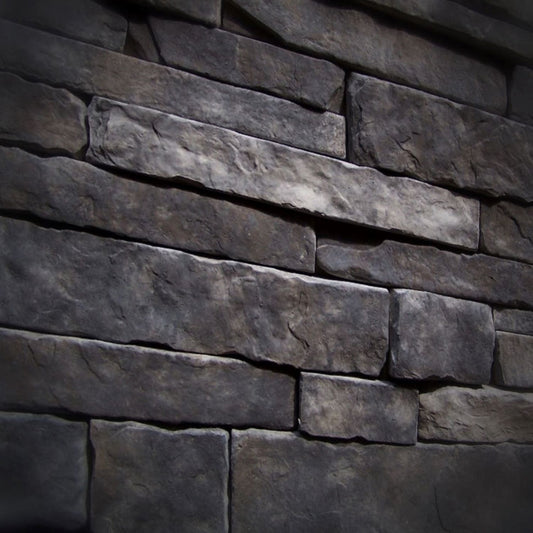
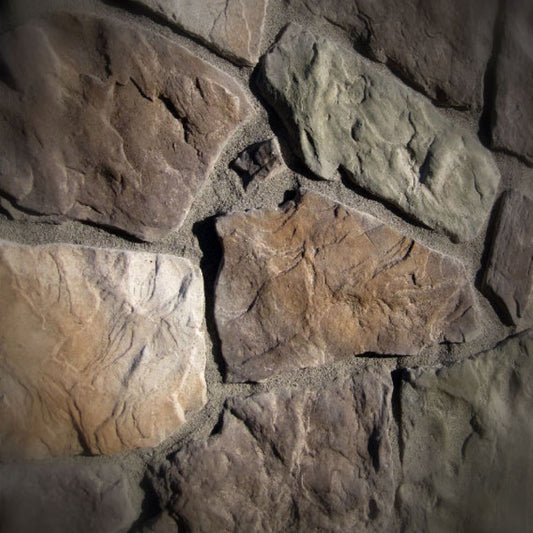
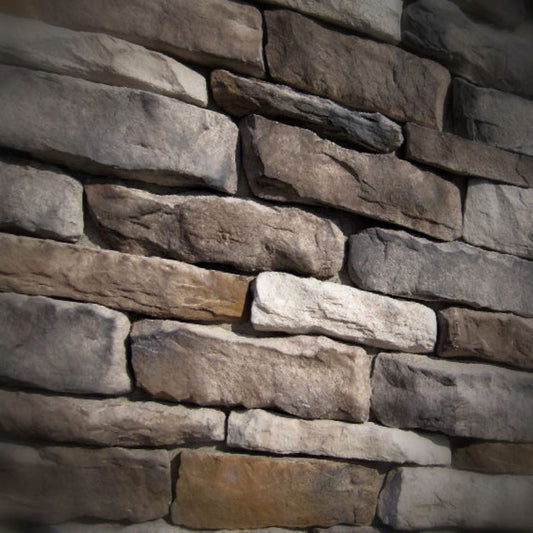
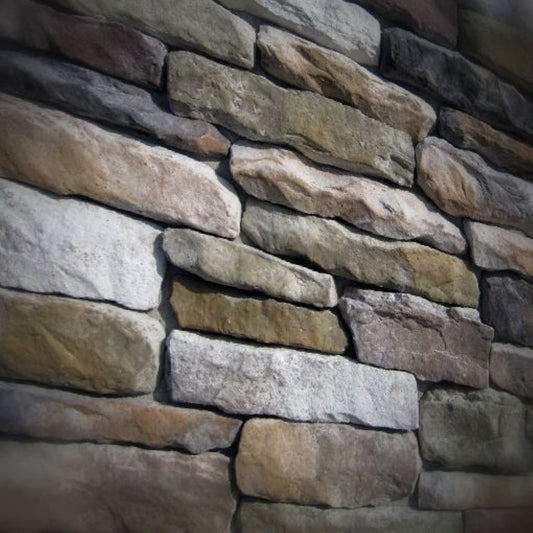
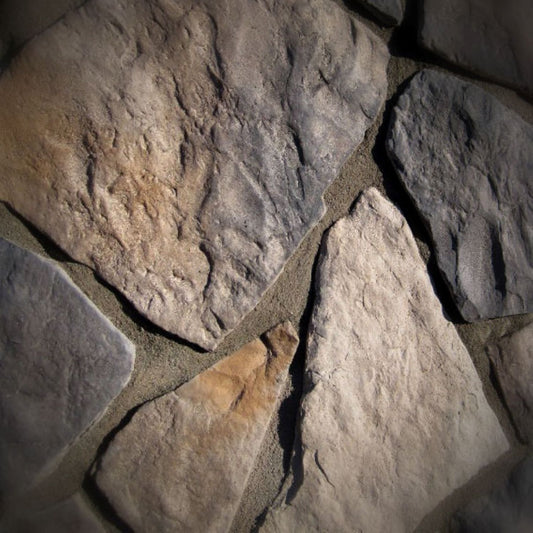
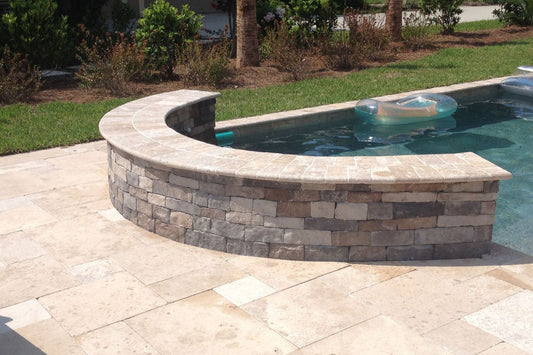
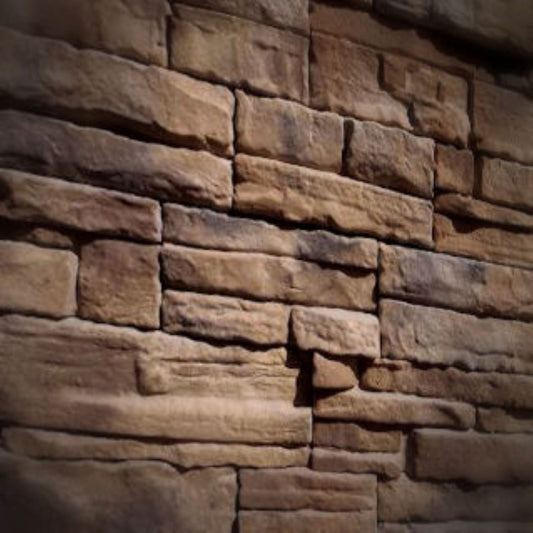
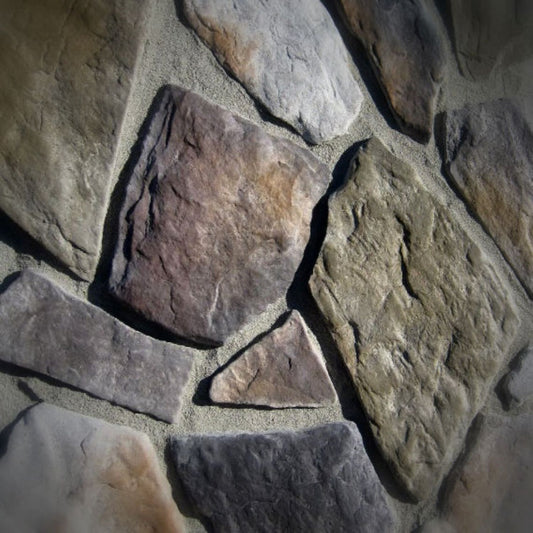
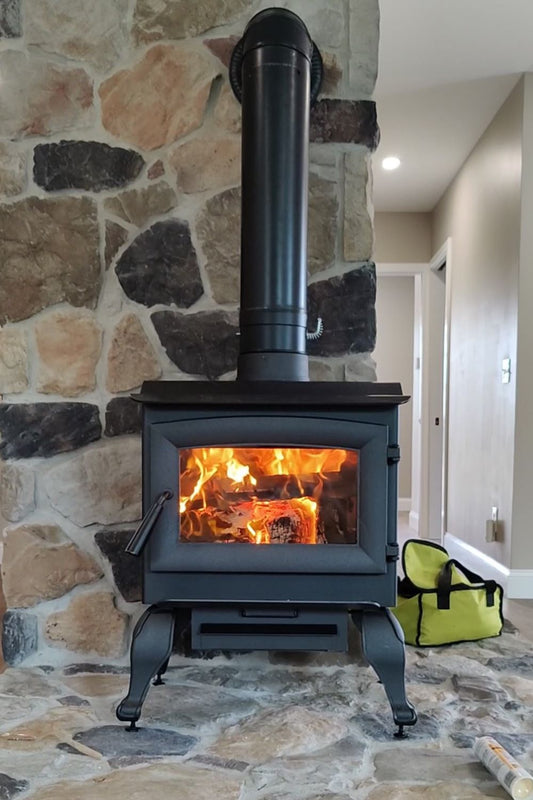
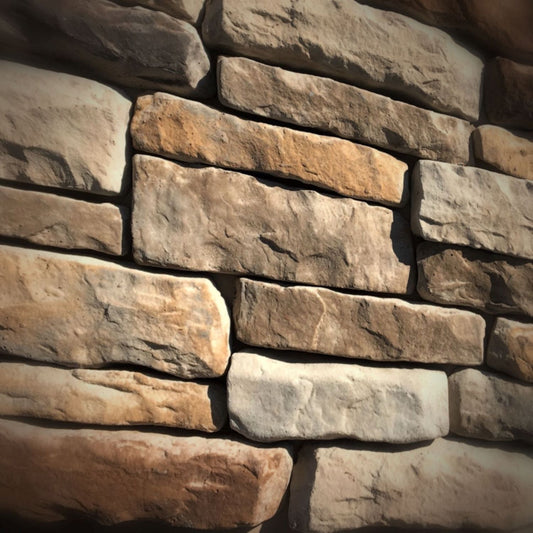
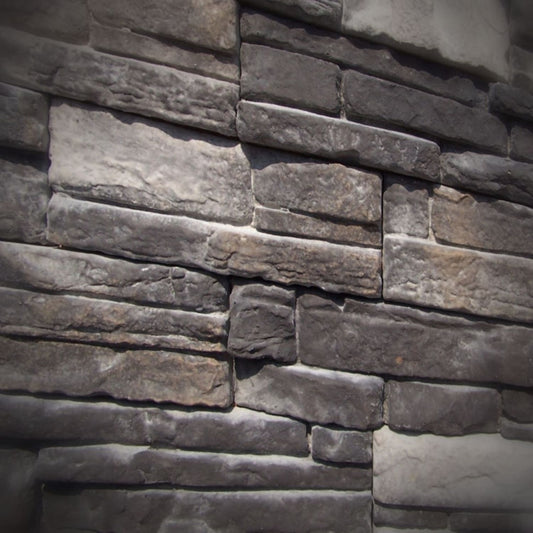
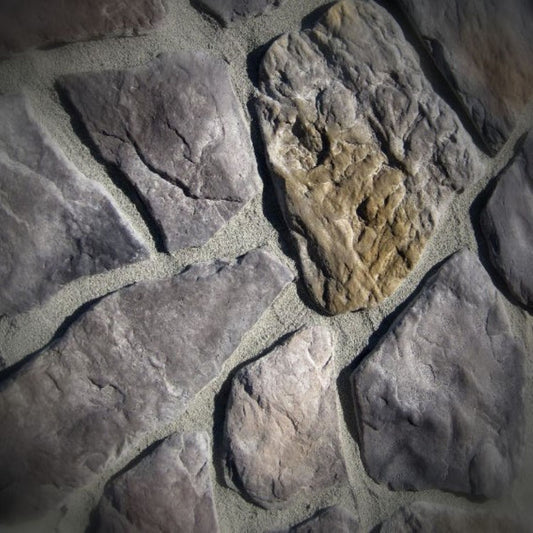
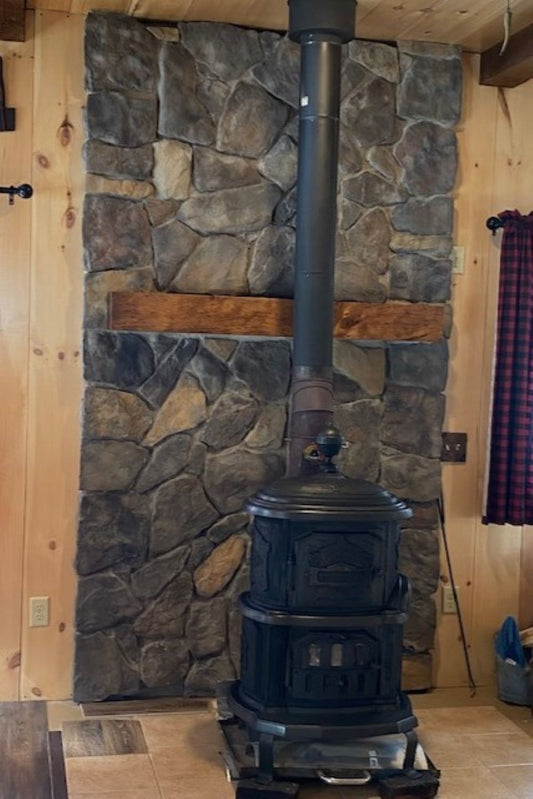
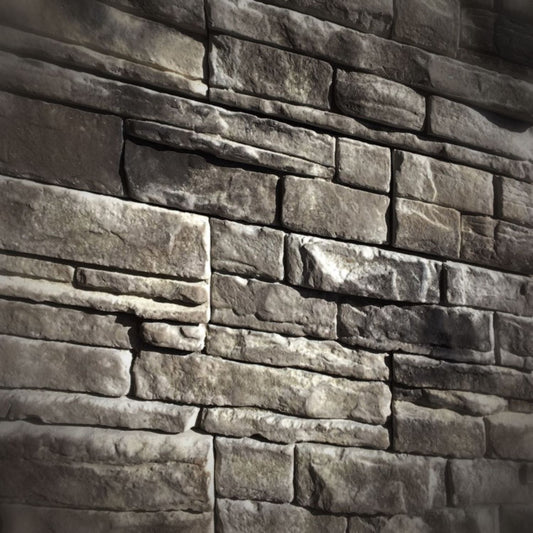
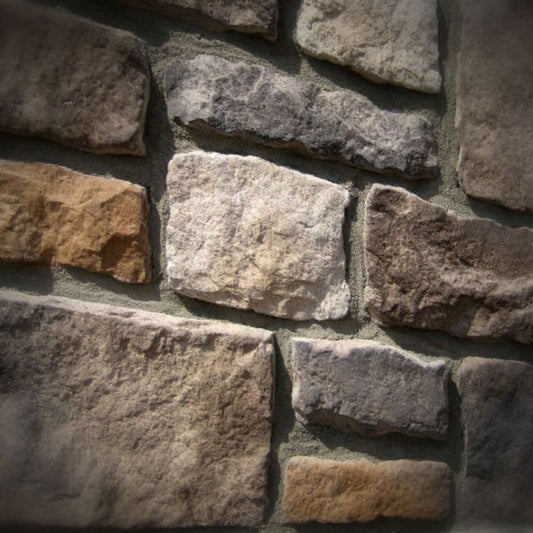
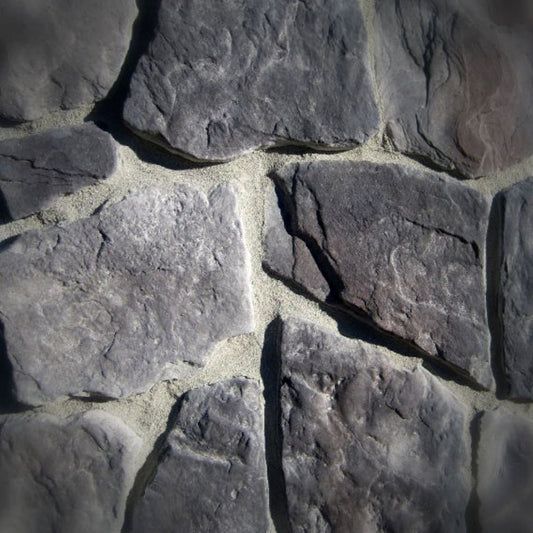
Fieldstone and ledgestone are a popular combination because they provide a balance between rugged and refined textures. Fieldstone's irregular shapes and varied sizes create a natural appearance, while ledgestone introduces linear elements that add structure and definition. This combination works particularly well for mountain homes, cabins, lodges, and rustic-inspired architecture.
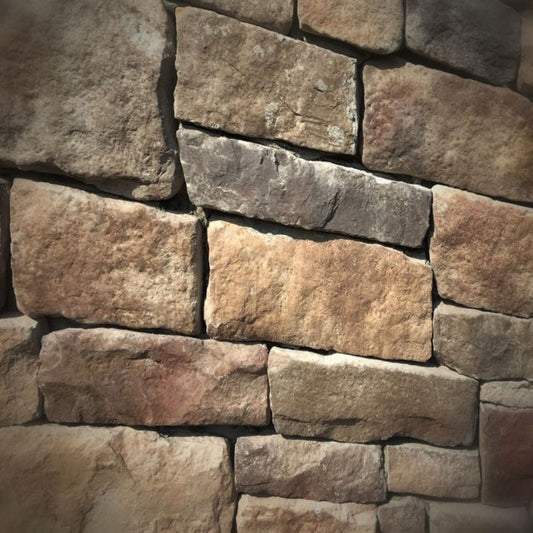
Limestone and stacked stone can create an entirely different effect. Limestone's larger, more uniform shapes establish a strong architectural foundation, while stacked stone adds texture and movement. This pairing often complements traditional homes, European-inspired designs, and upscale exterior facades.
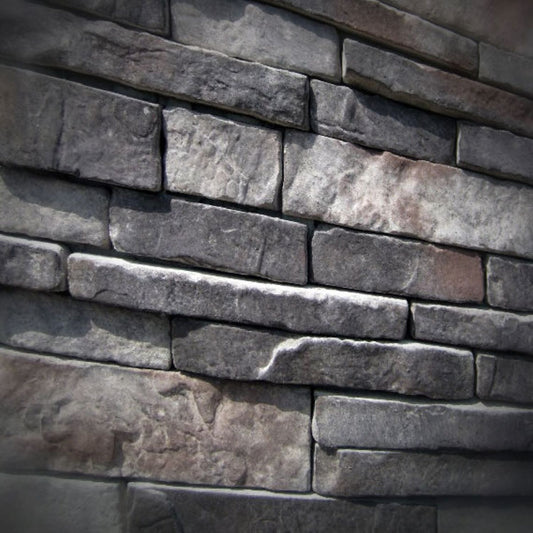
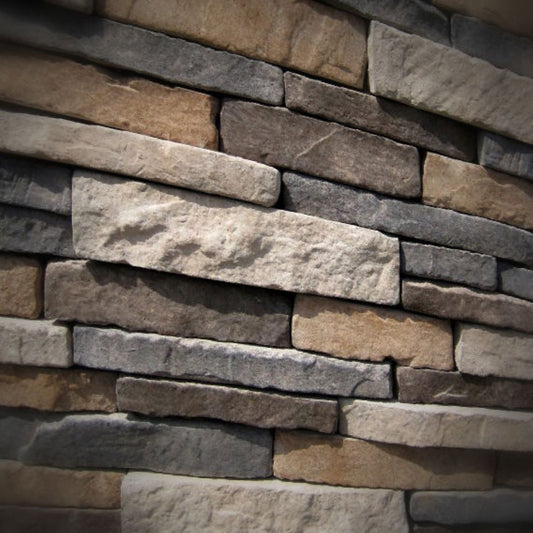
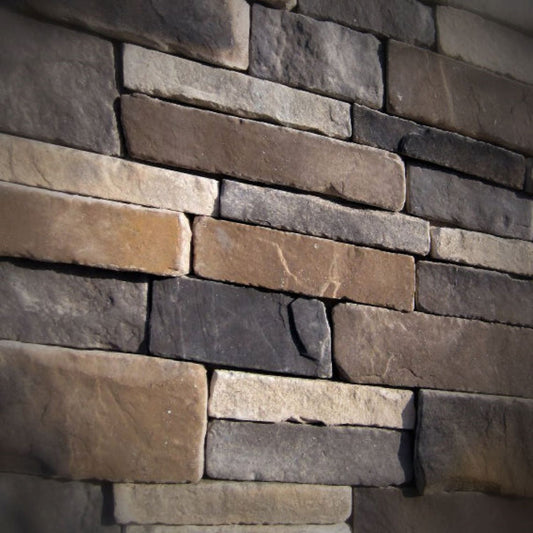
Stacked stone and ledgestone can also work together beautifully. Although both profiles feature linear characteristics, stacked stone tends to appear tighter and more contemporary, while ledgestone introduces additional texture and depth. The result is a sophisticated blend that works especially well in modern and transitional architecture.
Fieldstone and limestone provide another appealing contrast. The organic appearance of fieldstone softens the more structured nature of limestone, creating a balanced design that feels both welcoming and elegant.
The most successful profile combinations generally rely on one dominant profile supported by a secondary accent profile. This creates contrast without overwhelming the overall design.
Choosing the right color palette
Color selection is just as important as profile selection when creating a custom stone veneer blend.
A well-planned color palette helps unify different stone styles while ensuring the finished project complements the surrounding architecture.
The best place to begin is by evaluating existing materials. Roofing, siding, trim, brick, landscaping, and hardscape elements all influence how stone veneer colors will appear once installed.
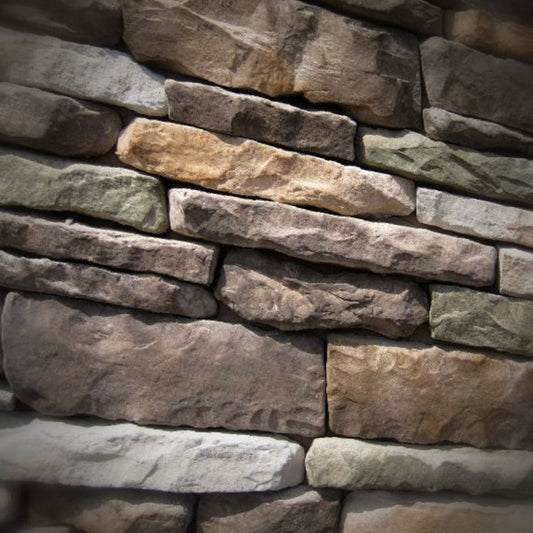
Many successful stone veneer projects use gradual color transitions. Warm browns, tans, creams, and soft grays often blend naturally together, creating a subtle and timeless appearance. These combinations tend to work well across a wide range of architectural styles.
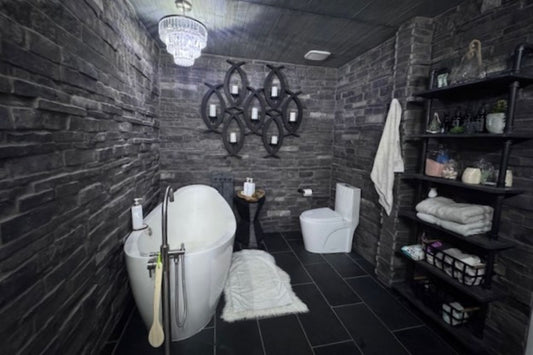
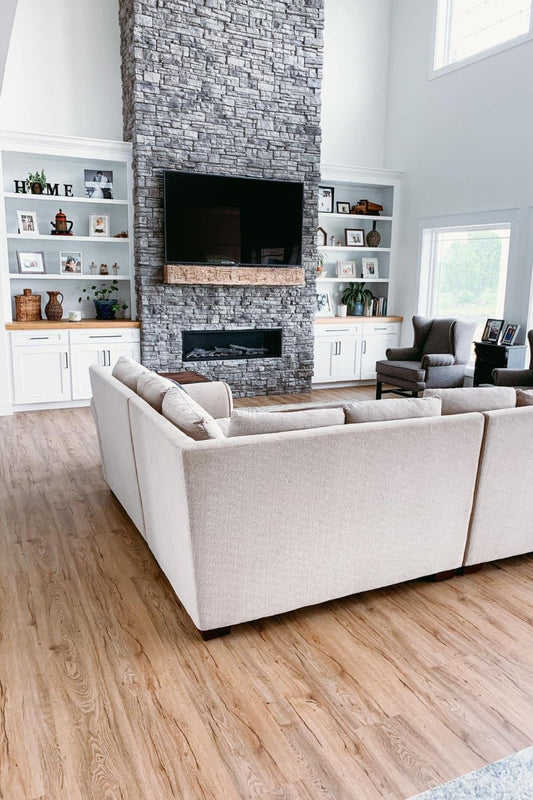
For homeowners seeking a more dramatic effect, higher-contrast color combinations can create striking visual impact. Pairing lighter stones with charcoal, gray, or darker accent tones can emphasize architectural features and draw attention to focal points such as fireplaces or entryways.
Accent colors can also be used strategically. Introducing a secondary or tertiary color in limited areas helps create visual interest while maintaining overall cohesion.
The goal is to create harmony rather than competition between colors. Even bold combinations should feel connected to the broader design of the home or building.
Creating natural variation for an authentic appearance
One of the defining characteristics of natural stone is its variation.
No two stones are exactly alike, and this randomness contributes significantly to the beauty of stone architecture. Manufactured stone veneer can achieve a similar effect when installed thoughtfully.
During installation, stones should be selected from multiple boxes and blended together. This helps distribute colors, shapes, and textures evenly throughout the project.
Careful placement is equally important. Repeating identical colors or stone shapes in close proximity can create visible patterns that appear artificial. By rotating pieces and varying placement, installers can achieve a more organic appearance.
Taking time to dry-lay sections before installation often helps identify potential issues and allows adjustments before mortar is applied.
The most realistic stone veneer installations appear effortless, but that natural appearance is usually the result of careful planning and attention to detail.
Balancing stone veneer across different architectural features
When blending profiles and colors, it is important to consider how the stone veneer will be distributed throughout the project.
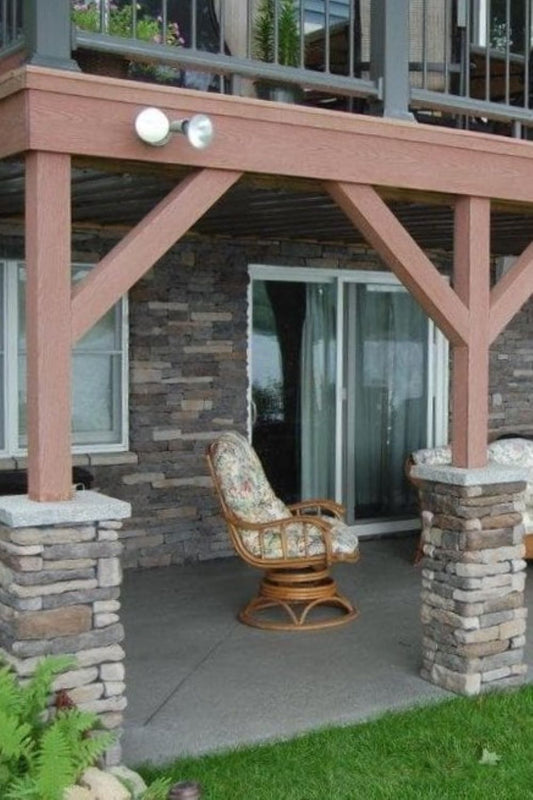
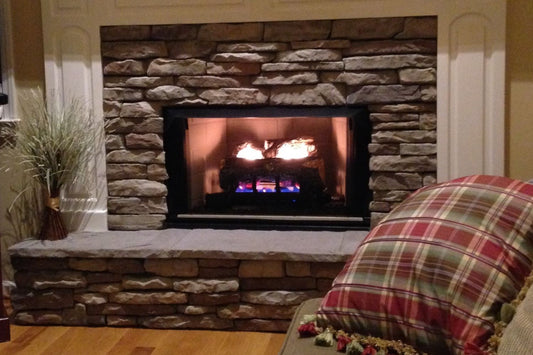
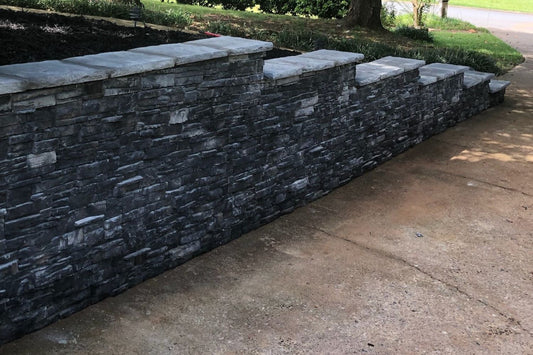
Certain architectural features naturally lend themselves to accent treatments. Fireplaces, entryways, columns, retaining walls, outdoor kitchens, and feature walls often benefit from contrasting stone profiles or color blends.
A common approach is to use one profile as the primary cladding material and reserve a secondary profile for focal points. This creates visual hierarchy while maintaining consistency throughout the design.
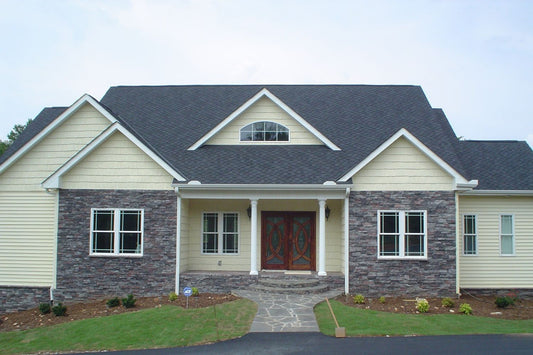
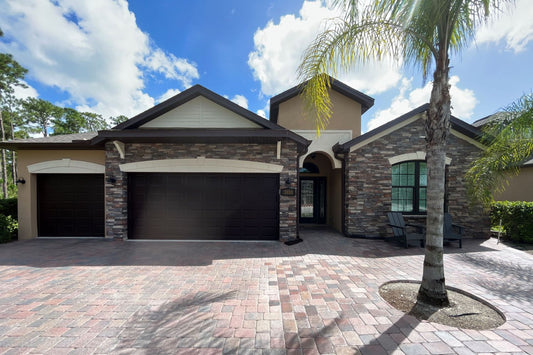
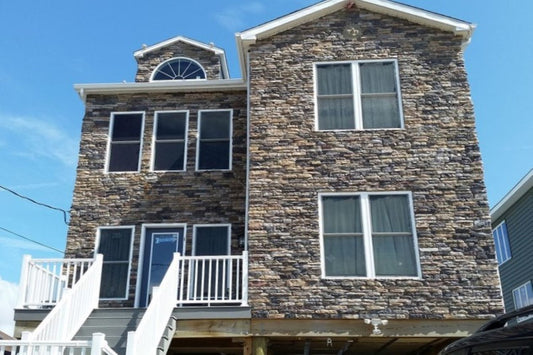
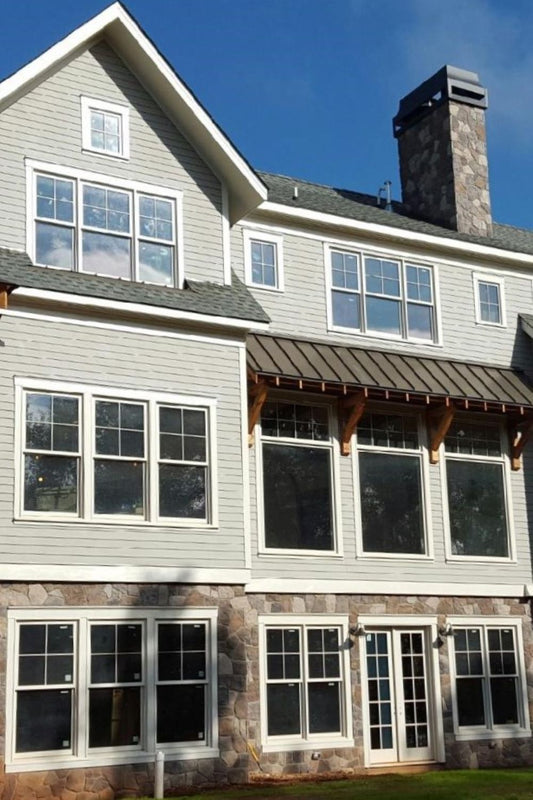
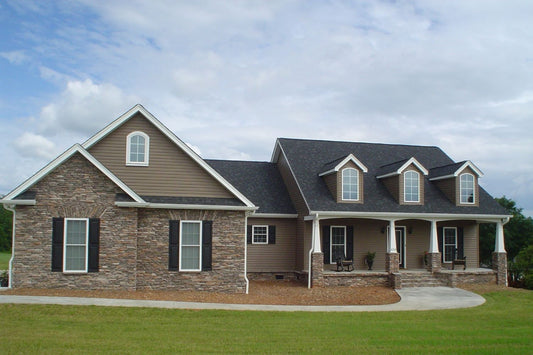
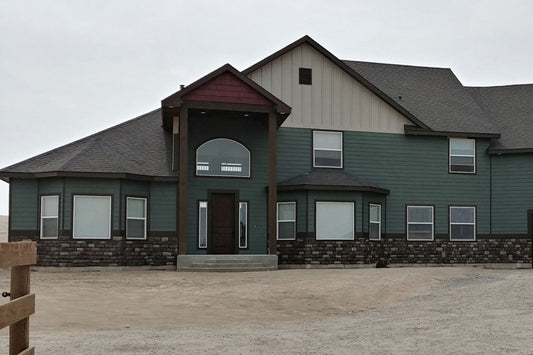
Exterior projects can also benefit from strategic stone placement. For example, a home may feature one stone style along lower wall sections while incorporating a complementary profile around the front entrance.
The objective is to create visual flow rather than abrupt transitions. When different stone profiles and colors are repeated thoughtfully throughout a property, the design feels cohesive and professionally executed.
The impact of mortar and joint finishes
Mortar selection plays a surprisingly important role in the final appearance of mixed stone veneer installations.
The same stone blend can look dramatically different depending on the mortar color and joint treatment used.
Dry-stacked installations create a clean, contemporary appearance with minimal visible mortar. This approach often highlights the textures and shapes of individual stones, making it particularly effective for modern designs.
Traditional mortar joints create a more classic masonry appearance and can soften transitions between different stone profiles. Over-grouted applications may emphasize rustic charm and old-world character.
Mortar color also influences the overall visual impact. Lighter mortar can create contrast and highlight individual stones, while darker mortar tends to blend elements together and create a more unified appearance.
Considering mortar choices early in the design process helps ensure that all components work together harmoniously.
Why mockups and samples matter
Even experienced designers often benefit from seeing stone combinations in person before making final decisions.
Photographs and digital renderings can provide inspiration, but actual stone samples reveal details that are difficult to appreciate online. Texture, depth, shadowing, and color variation become much easier to evaluate when viewed under real-world lighting conditions.
Creating a small mockup panel is one of the best ways to test profile combinations and color blends. This allows homeowners and designers to assess how materials interact before committing to a larger installation.
Mockups can also reveal opportunities for refinement, helping ensure the final design aligns with the original vision.
Frequently asked questions
1. Can you mix different manufactured stone veneer profiles? Yes. Mixing profiles such as ledgestone, fieldstone, limestone, and stacked stone can create additional texture, depth, and visual interest when done thoughtfully.
2. What stone veneer colors work best together? The best combinations depend on the home's architecture and surrounding materials. Warm earth tones, grays, creams, and blended neutrals are among the most versatile choices.
3. Is mixing stone veneer styles a popular design trend? Yes. Many homeowners and designers are moving beyond single-profile installations and using multiple stone veneer styles to create more customized and distinctive designs.
4. How do I make blended stone veneer look natural? Use stones from multiple boxes, distribute colors evenly, avoid repetitive patterns, and create balanced variation throughout the installation.
5. Should I use one stone profile as the main material? In most cases, yes. A dominant profile supported by one or two complementary accent profiles typically creates the most balanced and visually appealing design.
6. Can blended stone veneer be used indoors and outdoors? Absolutely. Mixed stone veneer profiles and colors work well for fireplaces, accent walls, entryways, exterior facades, outdoor kitchens, retaining walls, and commercial applications.
Stone veneer blending
One of the greatest advantages of manufactured stone veneer is its ability to support custom design solutions.
By blending profiles, colors, textures, and installation techniques, homeowners can create architectural features that feel unique and tailored to their specific property. Whether the goal is rustic charm, contemporary sophistication, traditional elegance, or something entirely original, thoughtful stone veneer blending opens countless design possibilities.
The most successful projects balance contrast with cohesion. Different profiles and colors should complement one another rather than compete for attention. When every element works together, the finished result feels natural, timeless, and visually compelling.
What's next?
Bring the beauty of stone to your space! Shop now or order a sample to see the quality for yourself. Start your project today!
Have a question?
Please see our full terms of service or check out our frequently asked questions.
For general information and questions please call: (864) 882-8960 Mon. - Fri. 8am - 5pm (EST) or email: info@blackbearmountainstone.com we are more than happy to help you.
Or you can submit your questions via our contact us page.
We look forward to working with you on your upcoming project.
The Black Bear Mountain Stone Team
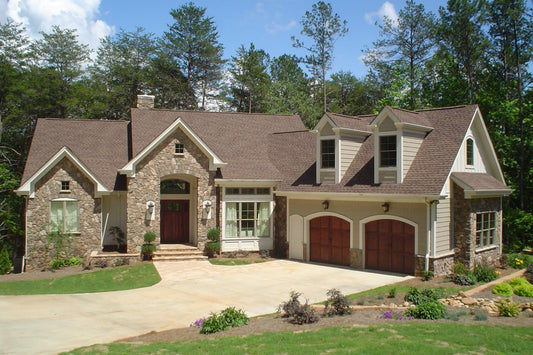
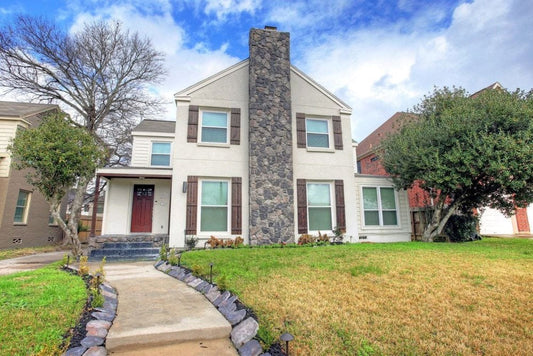
Pictured is field stone mossy creek blended with ledge stone tuscany.