
Estimating How Much Stone Veneer You'll Need
Share
Originally posted February 6 2025, updated June 17 2026.
To calculate how much manufactured stone veneer you need, measure the length and height of each wall, multiply to determine square footage, subtract windows and doors, calculate outside corner requirements separately, and add approximately 10% extra for waste, cuts, and fitting. Accurate stone veneer estimates help prevent project delays, material shortages, and unnecessary costs.
Whether you're creating an exterior accent wall, upgrading a fireplace, wrapping columns, or installing a full building facade, ordering the correct amount of manufactured stone veneer is essential. An accurate estimate helps keep your project on schedule, reduces waste, and ensures you have enough material to complete the installation without interruption.
While stone veneer estimation may seem straightforward, several factors can affect the final quantity required. Wall dimensions, windows, doors, outside corners, and installation waste all play an important role in determining how much material to order.
This post explains how to estimate manufactured stone veneer accurately and highlights the key considerations that can help you avoid costly mistakes.
Why accurate stone veneer estimates matter
Proper planning is one of the most important steps in any stone veneer project. Ordering the correct amount of material helps ensure a smooth installation process and can save both time and money.
If you order too little stone veneer, you may encounter delays while waiting for additional material to arrive. Depending on product availability and production schedules, this can extend project timelines and create scheduling challenges for installers.
Ordering too much material can also create problems. Excess stone increases project costs and may leave you with unused material that serves little purpose after installation is complete.
Because manufactured stone veneer is often installed across large, highly visible surfaces, maintaining consistency throughout the project is important. Having the right amount of material available from the beginning helps create a more efficient installation process and contributes to a professional-looking finished result.
How manufactured stone veneer is measured
Manufactured stone veneer is typically sold by the square foot for flat pieces and by the lineal foot for outside corner pieces.
Flat stone veneer covers the main wall surfaces and is calculated based on total square footage. Corner pieces are designed to wrap around outside corners, creating the appearance of full-depth stone construction. These pieces are measured differently because they cover vertical corner lengths rather than wall area.
Understanding the difference between square footage and lineal footage is essential when preparing your estimate.
Before placing an order, you'll want to determine both the total square footage of your wall surfaces and the total lineal footage of any outside corners where corner pieces will be used.
Measuring wall area for stone veneer
The first step in estimating stone veneer is determining the total wall area that will receive stone. Begin by measuring the width and height of each surface. Multiply the width by the height to calculate the square footage of each section. For example, if a wall is 20 feet wide and 10 feet high, the total area equals 200 square feet.
If your project includes multiple walls, repeat the process for each section and add the totals together. Taking accurate measurements at this stage helps establish a solid foundation for the rest of the estimate.
For irregular wall shapes, divide the area into smaller rectangles and calculate each section separately before combining the totals.
Many homeowners find it helpful to sketch the project and label dimensions to ensure nothing is overlooked during the estimating process.
Subtracting windows, doors, and other openings
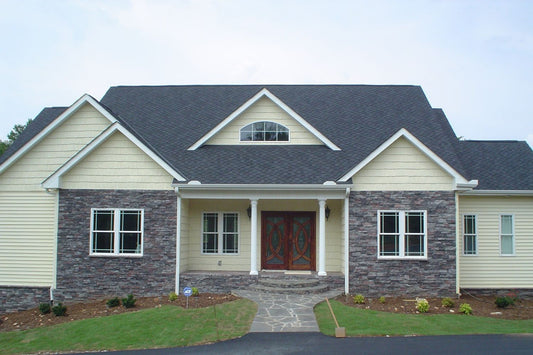
Once you've determined the total wall area, the next step is accounting for openings. Windows, doors, garage doors, vents, and other large openings reduce the amount of stone veneer required. To calculate these areas, measure the width and height of each opening and multiply them together to determine square footage.
After calculating the size of each opening, subtract the combined total from your overall wall area. For example, if your wall measures 200 square feet and the combined area of all windows and doors equals 30 square feet, your net stone veneer coverage area would be 170 square feet.
This adjustment helps ensure you're ordering material based on the actual surface area that will receive stone veneer.
Calculating stone veneer corners
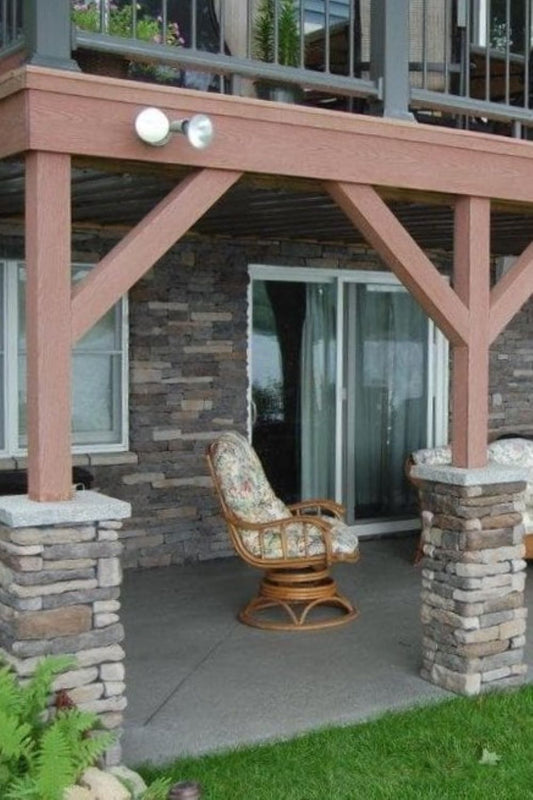
Outside corners are often one of the most misunderstood aspects of stone veneer estimation. While corner pieces are not required for every installation, they are commonly used to create a realistic finished appearance. Corner stones wrap around outside corners, allowing the veneer to look like full-thickness masonry rather than a surface-applied product.
To determine how many corner pieces you'll need, measure the height of every outside corner where corner units will be installed. Add all corner heights together to calculate the total lineal footage required. For example, if a project includes four outside corners that are each 8 feet high, the total corner requirement would be 32 lineal feet.
It's important to remember that outside corners and inside corners are handled differently. Manufactured stone veneer corner pieces are designed specifically for outside corners. Inside corners are typically completed using standard flat pieces that are cut and fitted where adjacent walls meet.
Because corner pieces replace some of the flat stone coverage, experienced estimators often account for this relationship when finalizing material quantities.
Understanding the importance of waste allowances
No stone veneer project is completely free of waste. During installation, stones often require trimming to fit around windows, doors, corners, electrical fixtures, and other architectural features. Some material may also be lost due to breakage or unusable off cuts. For this reason, it is standard practice to include a waste allowance when estimating stone veneer.
In most cases, adding approximately 10 percent extra material provides sufficient coverage for cutting, fitting, and installation adjustments. Projects with simple rectangular layouts may generate less waste, while highly detailed designs with numerous corners, arches, and openings may require additional material. Including a reasonable waste factor helps prevent shortages and gives installers flexibility during the installation process.
Factors that can affect your stone veneer estimate
Although square footage calculations provide a good starting point, several project-specific variables can influence the final amount of stone veneer required.
Complex architectural designs often create more waste than simple wall layouts. Features such as arches, columns, curved walls, and decorative details typically require additional cuts and adjustments.
The style of manufactured stone veneer can also impact material usage. Some profiles contain larger individual pieces, while others incorporate smaller stones that may require more fitting and trimming.
Installation patterns can affect material consumption as well. Certain layouts create more off cuts than others, particularly when installers are working to achieve a natural appearance and balanced distribution of colors and textures.
Because every project is unique, professional estimating assistance can help ensure the most accurate material calculations.
Why professional estimating assistance can save time and money
While many homeowners are comfortable taking measurements, translating those measurements into an accurate stone veneer order can sometimes be challenging.
Experienced stone veneer specialists understand how different product styles, corner requirements, waste factors, and installation methods affect material quantities. Their expertise can help identify potential issues before they become costly problems.
Whether you're planning a small fireplace renovation or a large commercial project, professional estimating assistance can provide confidence that you're ordering the appropriate amount of material.
In many cases, rough dimensions are enough to generate an initial estimate. For more complex projects, detailed drawings, elevations, or construction plans can help produce even greater accuracy.
Working with knowledgeable stone veneer professionals can simplify the planning process and reduce uncertainty before installation begins.
Frequently asked questions
1. How do I calculate square footage for stone veneer? Measure the width and height of each wall section and multiply them together to determine square footage. Add all wall sections together and then subtract the area of windows, doors, and other openings.
2. How much extra stone veneer should I order? Most projects should include approximately 10 percent additional material to account for cuts, fitting, breakage, and installation waste. Complex projects may require slightly more.
3. Are corner pieces required for manufactured stone veneer? No, corner pieces are optional. However, they are highly recommended for outside corners because they create the appearance of full-depth stone construction and provide a more realistic finished look.
4. How are stone veneer corners measured? Manufactured stone veneer corners are typically measured and sold by the lineal foot. Measure the height of all outside corners where corner pieces will be installed and add them together.
5. Do I subtract windows and doors when calculating stone veneer coverage? Yes. The square footage of windows, doors, garage doors, and other large openings should be subtracted from the total wall area to determine the actual amount of stone veneer required.
Estimating how much stone veneer you'll need
Accurately estimating manufactured stone veneer is one of the most important steps in achieving a successful installation. By measuring wall surfaces carefully, accounting for windows and doors, calculating outside corners, and including an appropriate waste factor, you can develop a reliable estimate that helps keep your project on track.
What's next?
Enhance your space with the beauty of stone veneer! Shop now to find the perfect style or order a sample to see the quality up close. Start your project today!
Have a question?
Please see our full terms of service or check out our frequently asked questions.
For general information and questions please call: (864) 882-8960 Mon. - Fri. 8am - 5pm (EST) or email: info@blackbearmountainstone.com we are more than happy to help you.
Or you can submit your questions via our contact us page.
We look forward to working with you on your upcoming project.
The Black Bear Mountain Stone Team
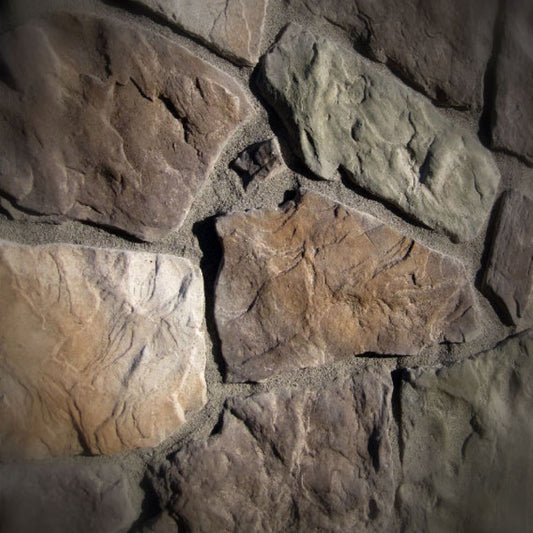
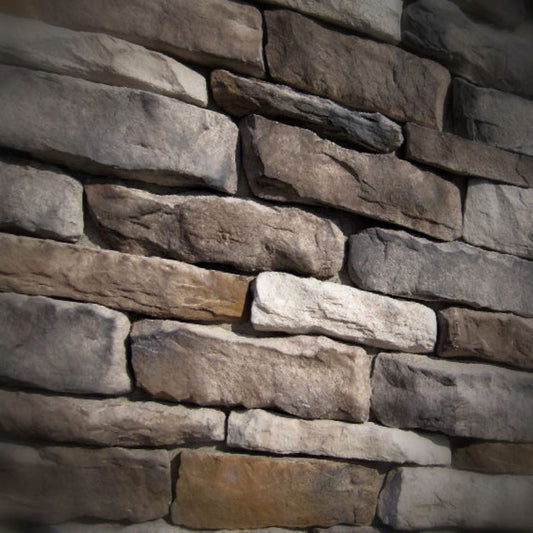
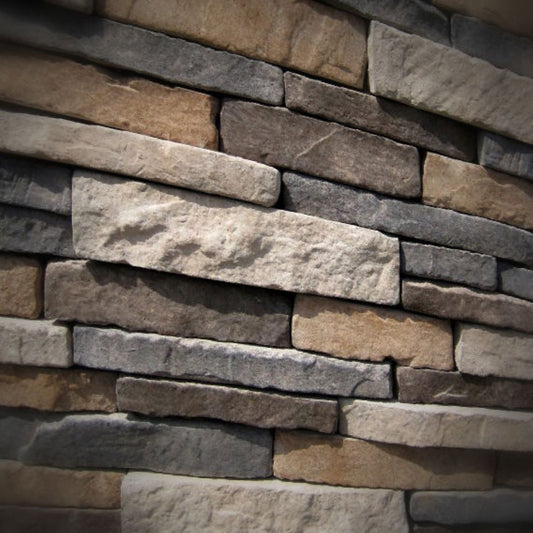
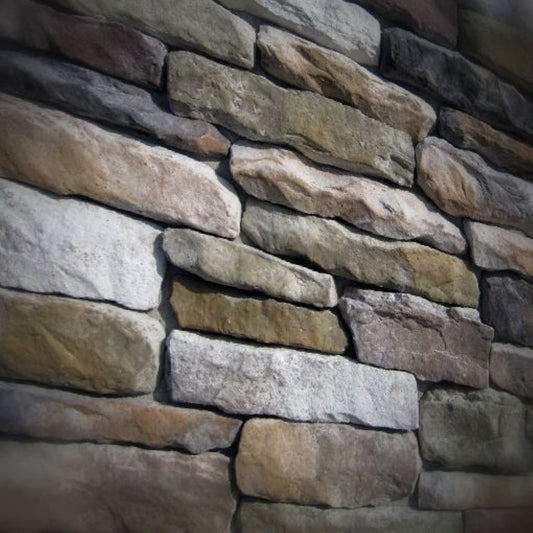
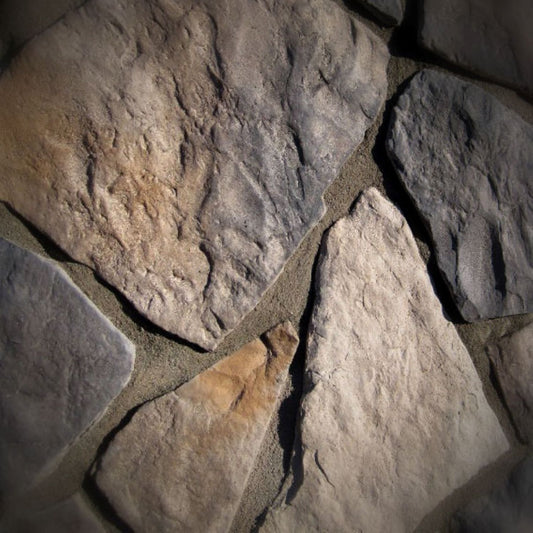
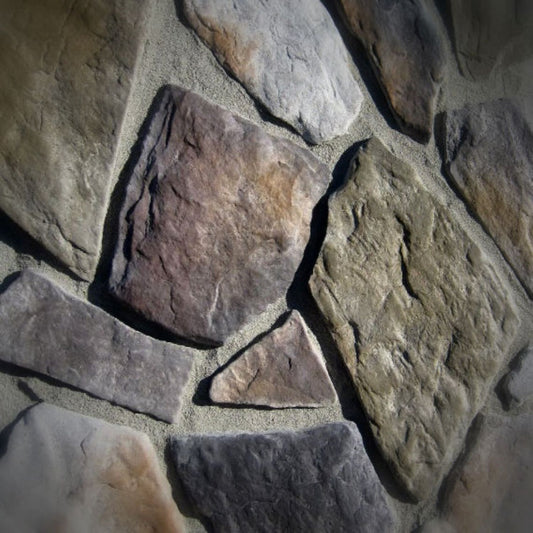
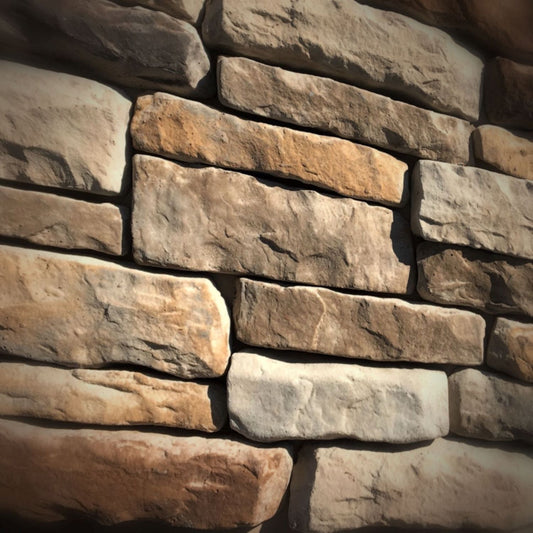
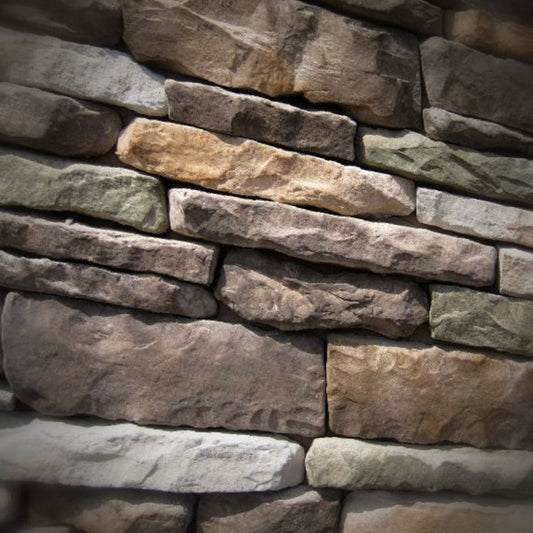
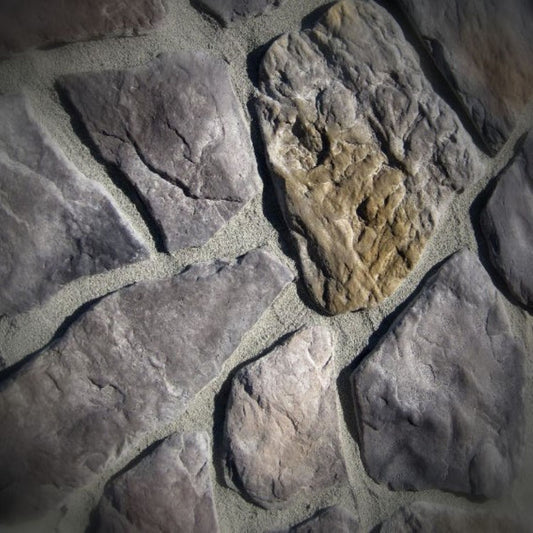
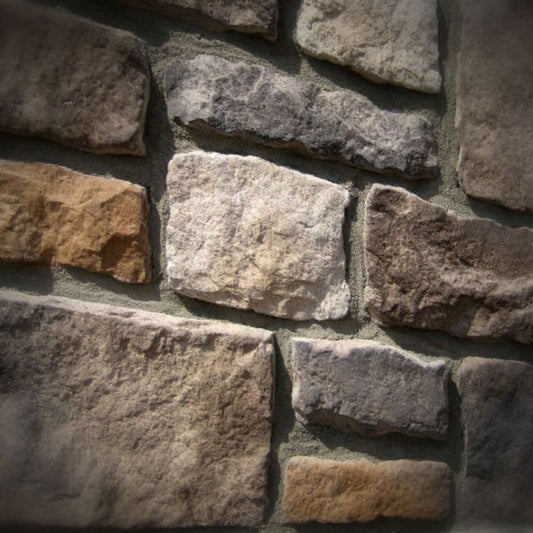
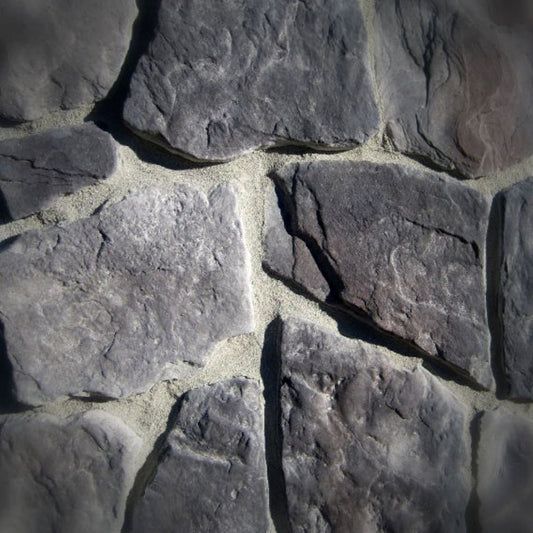
Pictured is field stone ozark.