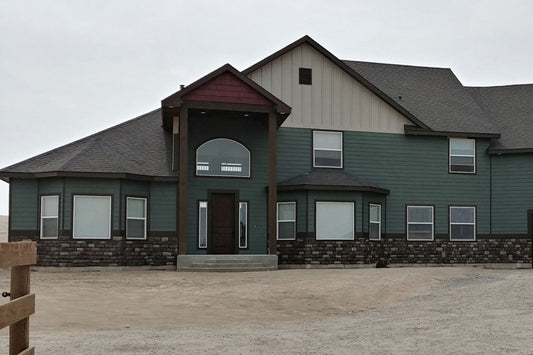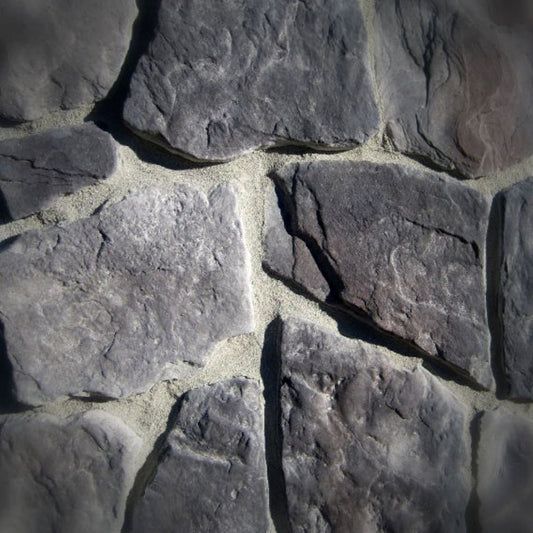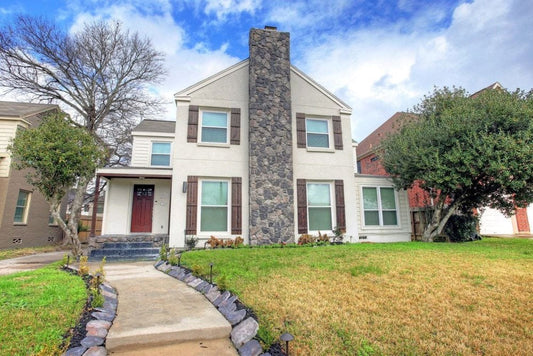

What is the Life Expectancy of Stone Veneer?
Share
Manufactured stone veneer, also known as faux stone, has become a popular choice for homeowners and builders alike due to its aesthetic appeal, affordability, and versatility. It mimics the look of natural stone without the weight or cost, making it a go-to option for both exterior and interior applications. However, one of the most common questions surrounding this material is: what is its life expectancy? In this blog post, we will explore the factors that influence the lifespan of manufactured stone veneer and how to ensure it lasts as long as possible.
Originally posted October 1 2024, updated February 20 2026.
Material durability
Manufactured stone veneer is made from a combination of lightweight aggregates, cement, and iron oxides for coloring. These materials are engineered to be durable and resistant to wear and tear. Generally, the life expectancy of manufactured stone veneer ranges from 20 to 50 years, but it can last even longer when properly installed and maintained.
Proper installation is key
The installation process is critical to the longevity of manufactured stone veneer. When not installed correctly, the veneer can be prone to moisture infiltration, which can lead to mold, mildew, and even structural damage. The use of proper mortar, flashing, and drainage techniques ensures the veneer adheres well and prevents water from getting trapped behind it. Consider hiring a professional with experience in stone veneer installation to ensure that best practices are followed.
Care and maintenance
Manufactured stone veneer requires minimal maintenance, but regular inspections are recommended. Checking for cracks, chips, or signs of water damage can help address minor issues before they escalate. Cleaning the surface with a soft brush and mild detergent once or twice a year helps preserve its appearance.
Climate considerations
The lifespan of manufactured stone veneer can be influenced by the local climate. In regions with heavy rain, snow, or freezing cycles, the expansion and contraction of water can cause wear over time. Proper sealing and using weather-appropriate installation materials can help protect the veneer from the elements, ensuring it reaches its full lifespan.
Warranties and guarantees
Many manufacturers offer warranties for their products, ranging from 20 to 50 years. This is a good indicator of the expected lifespan of the product, but it’s important to note that warranties often come with conditions, such as proper installation and regular maintenance. Always check the warranty details to understand what is covered.
Comparing to natural stone
While natural stone is renowned for its durability and can last for centuries, manufactured stone veneer offers a comparable lifespan at a fraction of the cost. When properly cared for, it can maintain its beauty and integrity for several decades, making it an excellent investment for homeowners who want the look of stone without the hefty price tag.
Frequently asked questions
1. How long does manufactured stone veneer last? When properly installed and maintained, manufactured stone veneer typically lasts 20 to 50 years, with some well-cared-for installations lasting even longer. Regular inspections and maintenance help maximize its lifespan.
2. What factors affect the lifespan of manufactured stone veneer? The longevity of stone veneer depends on proper installation, local climate, quality of materials, and routine maintenance. Exposure to heavy rain, snow, or freeze-thaw cycles can impact durability if not properly protected.
3. Does manufactured stone veneer require maintenance to last longer? Yes. While maintenance is minimal, regular cleaning, inspections for cracks or chips, and sealing in high-moisture areas can help extend the life of your veneer and preserve its appearance.
4. How does manufactured stone veneer compare to natural stone? Natural stone can last for centuries, but manufactured stone veneer offers a comparable aesthetic lifespan of several decades at a lower cost and lighter weight, making it a practical alternative for many projects.
5. Does a manufacturer’s warranty guarantee lifespan? Many manufacturers offer warranties ranging from 20 to 50 years, which reflects the expected lifespan of the product when installed and maintained according to their guidelines. Always review warranty terms to understand coverage and requirements.
What is the life expectancy of stone veneer?
The life expectancy of manufactured stone veneer is typically between 20 and 50 years, with some well-maintained installations lasting even longer. To maximize the lifespan of your stone veneer, ensure proper installation, conduct regular inspections, and consider the impact of your local climate. For those considering manufactured stone veneer, the combination of long-lasting durability, cost savings, and aesthetic appeal makes it a smart choice for both interior and exterior applications.
You may also like
Stone veneer care and maintenance: A complete guide for homeowners.
Does manufactured stone need sealing? Everything you should know.
What stone sealer is best for your stone veneer? Which one should you use?
What's next?
Ready to upgrade your space? Shop now to see our stunning stone veneer or order a sample today to see the quality for yourself!
Have a question?
Please see our full terms of service or check out our frequently asked questions.
For general information and questions please call: (864) 882-8960 Mon. - Fri. 8am - 5pm (EST) or email: info@blackbearmountainstone.com we are more than happy to help you.
Or you can submit your questions via our contact us page.
We look forward to working with you on your upcoming project.
The Black Bear Mountain Stone Team
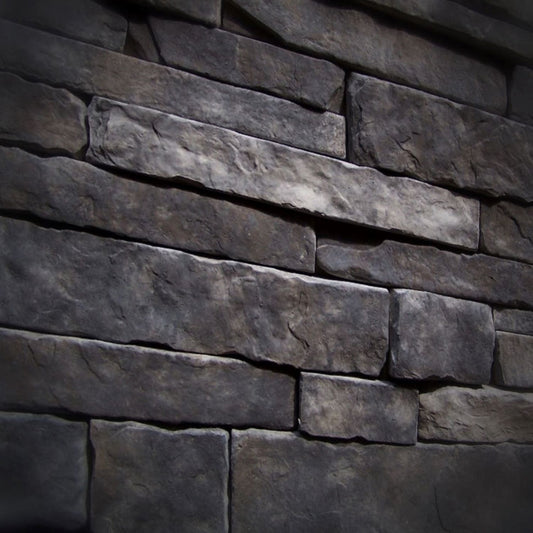
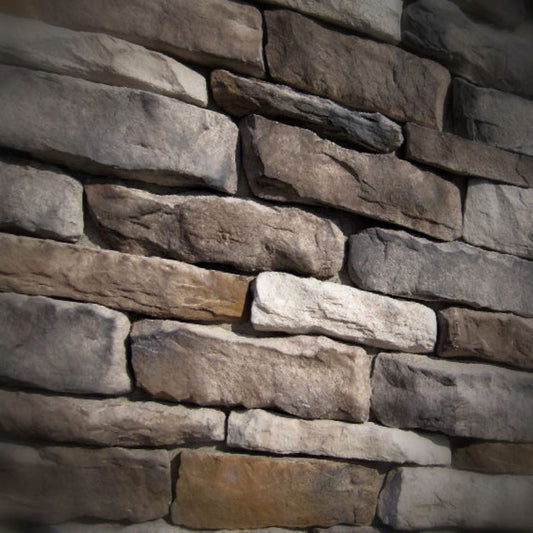
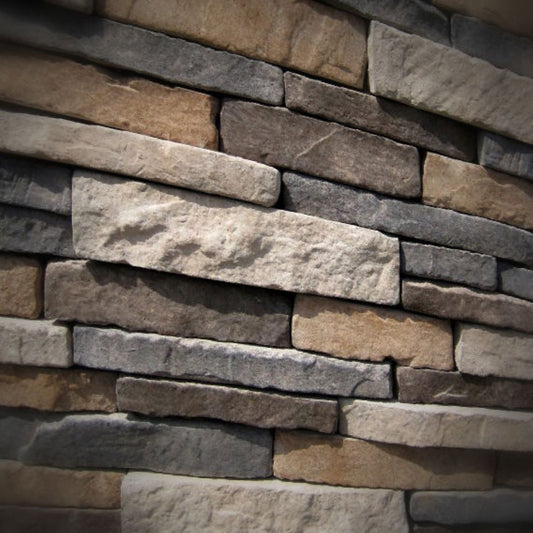
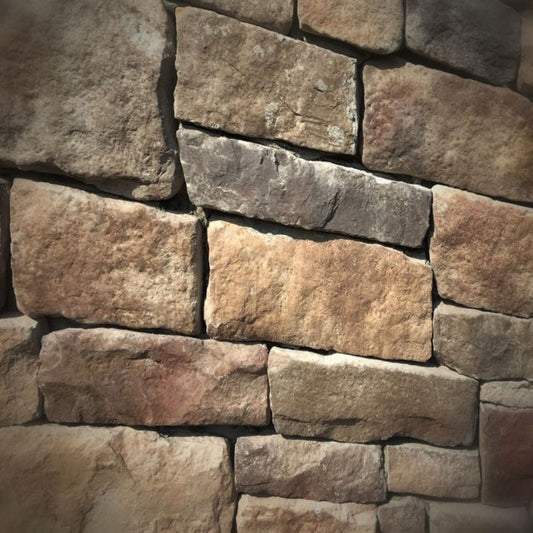
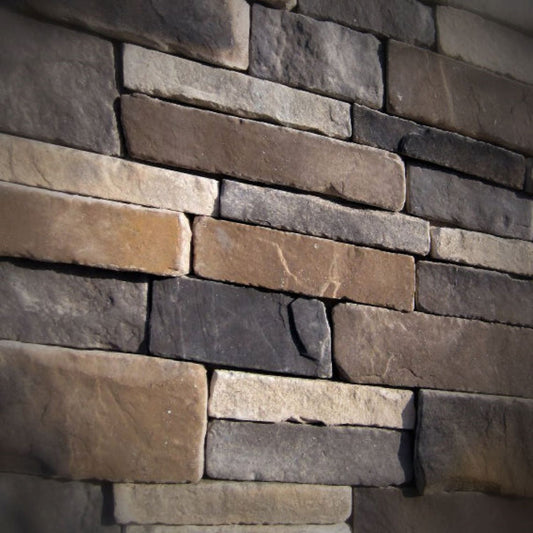
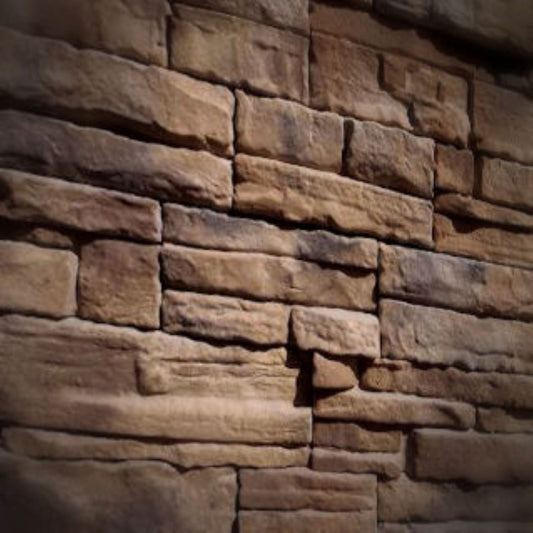
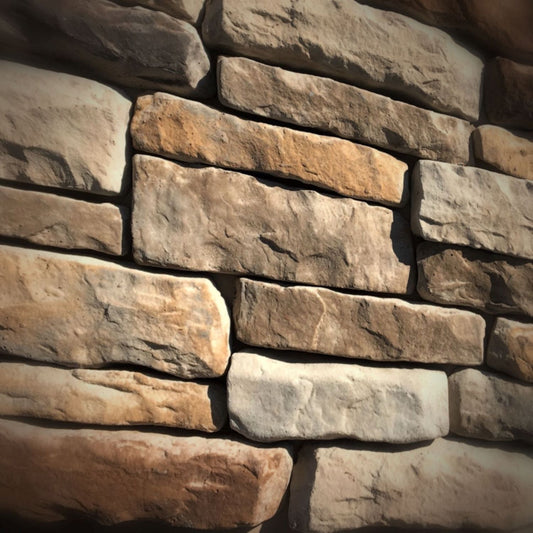
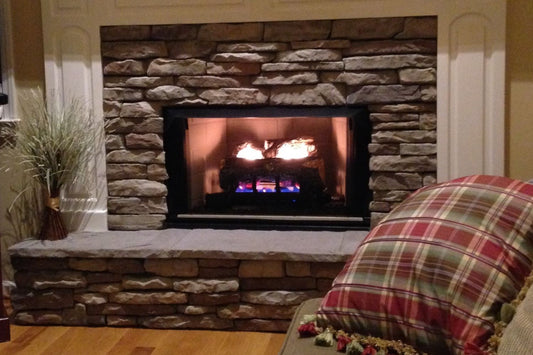
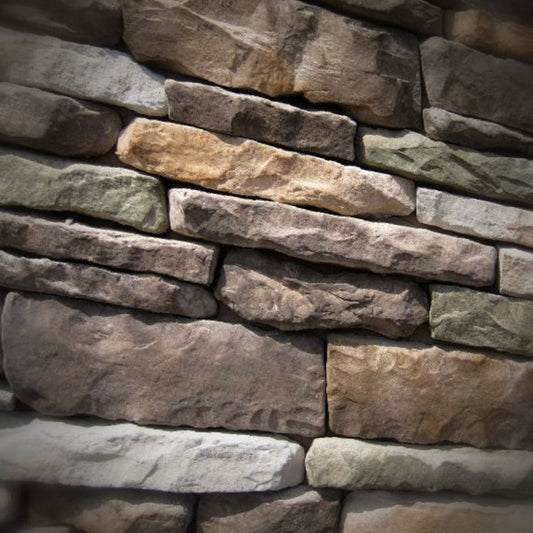
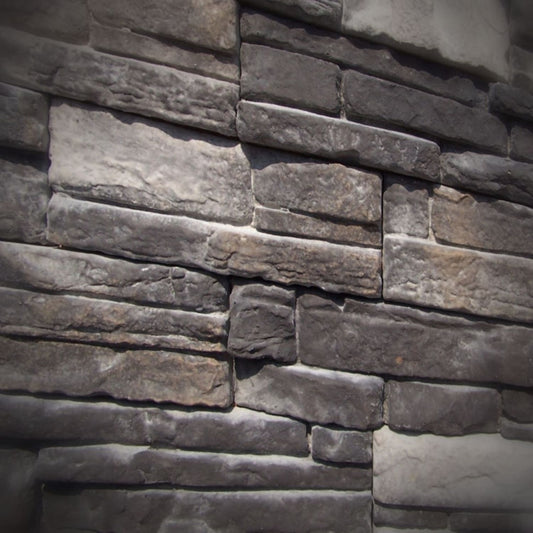
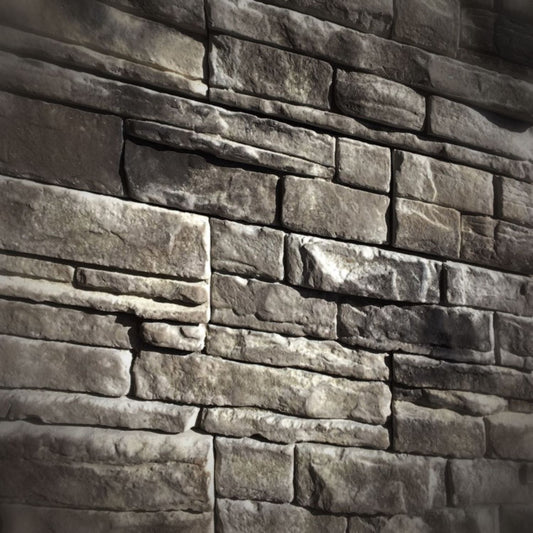
Pictured is ledge stone rustic.