
Brick Veneer vs. Real Brick
Share
Originally posted January 14 2025, updated May 18 2026.
Manufactured brick veneer is a lightweight, cost-effective decorative cladding designed to replicate the look of real brick, while full brick is a structural masonry material known for exceptional durability and longevity. Brick veneer is easier and less expensive to install, making it ideal for interior accents and exterior facades, while real brick offers superior strength, sound insulation, and long-term value for structural construction projects.
When planning a residential or commercial construction project, choosing the right exterior or interior wall material can significantly impact the appearance, performance, installation process, and overall cost of the build. One of the most common comparisons homeowners, builders, architects, and designers make is manufactured brick veneer versus real brick.
At first glance, the two materials can appear very similar. Modern manufactured brick veneer products are designed to closely replicate the texture, color variation, and visual depth of traditional clay brick. However, despite their similar appearance, these materials serve very different purposes and come with unique advantages and limitations.
Understanding the differences between manufactured brick veneer and full brick is essential before starting a renovation, new construction project, fireplace upgrade, feature wall installation, or commercial development. Factors such as structural requirements, installation complexity, maintenance expectations, project budget, and long-term performance all play a role in determining which material is the better choice.
This post explores the key differences between manufactured brick veneer and real brick, including durability, cost, installation, maintenance, energy efficiency, design flexibility, and ideal applications.
What is manufactured brick veneer?
Manufactured brick veneer is a non-structural cladding product designed to imitate the appearance of traditional brick masonry. It is commonly produced using a mixture of cement, lightweight aggregates, sand, and iron oxide pigments that create realistic textures and colors. The result is a lightweight brick alternative that captures the look of authentic brick without the weight and structural requirements of full masonry construction.
Unlike traditional brick, manufactured brick veneer is typically much thinner, often measuring around one inch thick. Because it is lightweight, it can be installed over properly prepared surfaces such as cement board, concrete, wood framing, drywall, and existing masonry.
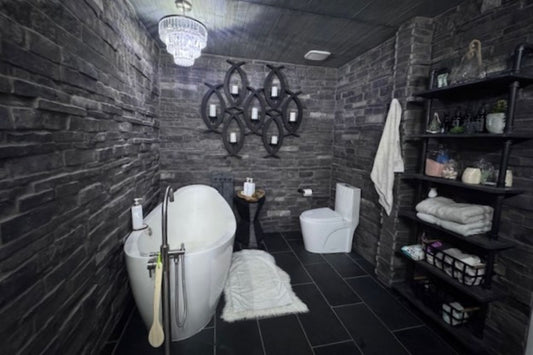
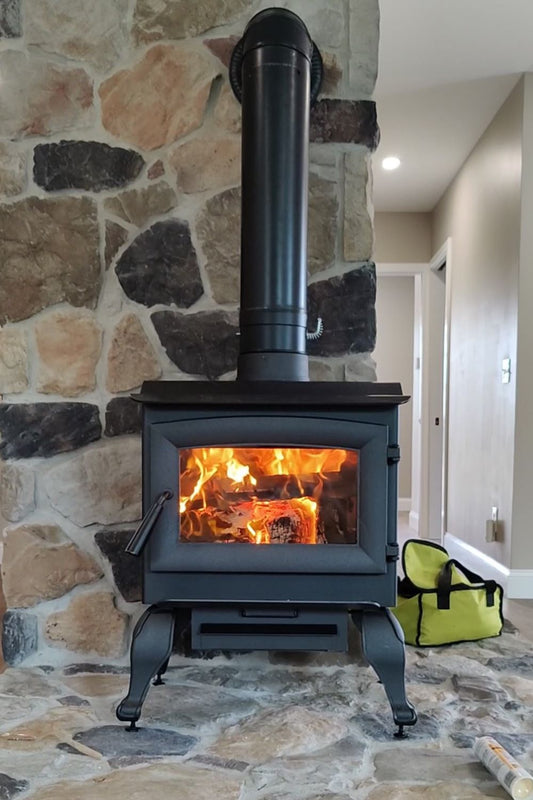
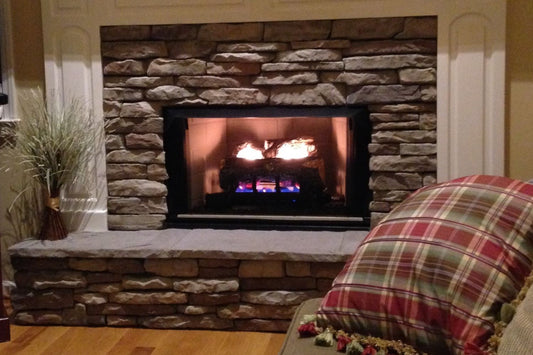
Manufactured brick veneer is widely used in both interior and exterior applications. Popular uses include fireplaces, accent walls, kitchen backsplashes, commercial feature walls, exterior facades, entryways, columns, and restaurant interiors. Its versatility and reduced installation demands make it a popular choice for remodels and decorative upgrades.
Modern manufacturing techniques have dramatically improved the realism of brick veneer products. Many manufactured veneers now include natural color variation, distressed textures, molded edges, and surface irregularities that closely resemble aged or reclaimed brick.
What is real brick?
Real brick, also called full brick, solid brick, or traditional brick masonry, is a structural building material made from natural clay that is shaped and fired in a kiln at extremely high temperatures. This firing process creates a dense, durable masonry unit capable of withstanding decades or even centuries of exposure to weather and environmental conditions.
Unlike manufactured veneer, full brick is much thicker and heavier. Traditional bricks are commonly used in load-bearing walls, structural systems, chimneys, foundations, and commercial masonry construction. Real brick has been used in architecture for thousands of years because of its exceptional durability, fire resistance, and timeless appearance.
Full brick construction often requires additional structural support, including foundations or ledges designed to handle the weight of the masonry. Installation is also more labor intensive, requiring skilled masons, mortar joints, and detailed structural planning.
One of the defining characteristics of real brick is its longevity. Many historic brick buildings remain structurally sound after more than a century of use, making full brick one of the most durable construction materials available.
Installation differences between brick veneer and full brick
One of the biggest differences between manufactured brick veneer and real brick is the installation process.
Manufactured brick veneer is significantly easier and faster to install because of its lightweight design. Since it is non-structural, it functions as a decorative surface rather than a load-bearing wall system. This allows it to be applied to a wide variety of substrates without requiring major structural modifications.
For interior applications, manufactured brick veneer can often be installed directly over prepared walls using mortar. Exterior installations typically involve the addition of moisture barriers, and proper drainage systems, but the overall process is still less complex than traditional masonry construction.
The lighter weight of veneer also reduces transportation costs, structural demands, and installation labor. This can make a major difference for renovation projects where adding the weight of full brick may not be practical.
Full brick installation is considerably more labor intensive. Because the material is heavy and structural, it requires specialized masonry skills, substantial foundations, support systems, and longer installation times. Full brick walls are built one course at a time using mortar joints and detailed alignment techniques.
As a result, labor costs for full brick projects are generally much higher than manufactured brick veneer installations.
Cost comparison
Cost is often one of the deciding factors when choosing between manufactured brick veneer and real brick.
Manufactured brick veneer is generally more affordable in terms of material costs, shipping expenses, and labor. Because it is lightweight and easier to install, projects can often be completed more quickly with fewer workers and reduced structural requirements.
For homeowners looking to upgrade fireplaces, feature walls, entryways, or exterior facades without exceeding their renovation budget, manufactured brick veneer offers a practical and visually appealing solution.
Full brick typically comes with higher upfront costs. The material itself is more expensive, and the labor involved in traditional masonry construction can substantially increase overall project expenses. Structural reinforcement, foundations, and longer construction timelines also contribute to the higher cost of real brick construction.
However, many property owners view full brick as a long-term investment because of its exceptional lifespan and structural performance.
Durability and longevity
Real brick is widely recognized for its outstanding durability. Properly installed brick structures can last for generations with minimal deterioration. Full brick performs exceptionally well against harsh weather conditions, fire exposure, pests, and impact damage.
Because it is a dense masonry product, full brick is highly resistant to fading, warping, and structural wear. Many historic buildings constructed with brick continue to stand after decades or centuries of exposure.
Manufactured brick veneer is also durable, but its longevity depends heavily on proper installation, moisture management, and product quality. High-quality manufactured veneer products are engineered to resist freeze-thaw cycles, UV exposure, and weathering, making them suitable for many climates.
However, because veneer is thinner and non-structural, it may not provide the same level of impact resistance or lifespan as full brick. Proper flashing, drainage, and installation practices are essential to maximize long-term performance.
Appearance and design flexibility
Both materials offer strong visual appeal, but manufactured brick veneer provides greater flexibility in many modern design applications.
Manufactured veneer is available in a wide variety of colors, textures, shapes, and finishes. Homeowners and designers can choose from styles ranging from clean contemporary brick to distressed reclaimed brick aesthetics. Because it is lightweight, veneer can also be installed in areas where full brick would be difficult or impractical.
Interior feature walls are one of the biggest advantages of brick veneer. Adding real brick indoors may require structural reinforcement due to its weight, while manufactured veneer can often be installed with minimal modifications.
Full brick offers an authentic appearance that many homeowners and architects value for its natural aging process and timeless character. Real brick develops a patina over time that can add depth and historical charm to a building.
For some projects, especially historic restorations or traditional masonry homes, the authenticity of full brick remains unmatched.
Energy efficiency and insulation
Brick veneer and full brick both contribute to building performance, but they do so differently.
Manufactured brick veneer is commonly installed over insulated wall systems, which can help improve energy efficiency by reducing thermal bridging and supporting modern insulated assemblies.
Full brick offers thermal mass benefits due to its density. Masonry walls can absorb heat during the day and slowly release it over time, helping regulate indoor temperatures. This characteristic can improve comfort and reduce heating and cooling fluctuations.
Additionally, full brick provides excellent sound insulation because of its density and thickness, making it particularly beneficial in urban environments or commercial construction.
Maintenance requirements
Both materials are relatively low maintenance compared to many siding options, but there are some differences.
Manufactured brick veneer generally requires minimal upkeep when properly installed. Occasional cleaning and routine inspections for moisture intrusion are typically sufficient. High-quality veneer products are designed to resist fading and weather damage for many years.
Full brick is also low maintenance and highly weather resistant. However, mortar joints may eventually require repointing over time, especially in older structures exposed to severe weather conditions.
Because full brick is structural, repairs can sometimes be more complex and costly than veneer maintenance.
Which option is best for your project?
The best choice ultimately depends on your project goals, budget, design preferences, and structural requirements.
Manufactured brick veneer is often the better choice for decorative applications, remodeling projects, interior feature walls, fireplaces, and exterior upgrades where lightweight installation and cost savings are priorities. It provides the visual appeal of brick without the weight and expense associated with traditional masonry construction.
Full brick is ideal for projects requiring structural masonry, maximum durability, superior longevity, and timeless architectural value. While the upfront investment is higher, real brick offers unmatched strength and long-term performance.
For many homeowners and commercial property owners, manufactured brick veneer provides an excellent balance between appearance, affordability, and installation flexibility.
Frequently asked questions
1. Is manufactured brick veneer cheaper than real brick? Yes. Manufactured brick veneer is typically more affordable than full brick because it uses less material, weighs less, and requires less labor and structural support during installation.
2. Does manufactured brick veneer look like real brick? Modern manufactured brick veneer products are designed to closely replicate the appearance of authentic brick, including realistic textures, color variation, and aged finishes.
3. Can manufactured brick veneer be used outdoors? Yes. High-quality manufactured brick veneer is designed for both interior and exterior applications when installed correctly with proper moisture management systems.
4. How long does manufactured brick veneer last? When properly installed and maintained, manufactured brick veneer can last for decades. Longevity depends on product quality, climate conditions, and installation practices.
5. Is real brick stronger than brick veneer? Yes. Full brick is a structural masonry material capable of supporting loads, while manufactured brick veneer is non-structural and intended primarily for decorative cladding applications.
6. Which is better for fireplaces: brick veneer or real brick? Both can work well for fireplaces. Manufactured brick veneer is often preferred for remodels because it is lighter and easier to install, while full brick offers traditional masonry durability and authenticity.
Brick veneer vs. real brick
Manufactured brick veneer and real brick each offer unique advantages that make them valuable building materials for different types of projects. While full brick remains one of the most durable and time-tested construction materials available, manufactured brick veneer delivers impressive visual realism with easier installation and lower costs.
Choosing between the two comes down to understanding your project’s priorities. If you want structural performance and long-term masonry durability, full brick may be the right fit. If you are looking for a lightweight, cost-effective decorative solution with flexible design options, manufactured brick veneer is an excellent alternative.
By carefully evaluating your budget, installation requirements, design goals, and long-term expectations, you can confidently select the material that best supports your vision.
What's next?
Elevate your project with our beautiful stone veneer! Shop now to find the perfect style for your space or order a sample to experience the quality and craftsmanship firsthand. Start creating your dream look today!
Have a question?
Please see our full terms of service or check out our frequently asked questions.
For general information and questions please call: (864) 882-8960 Mon. - Fri. 8am - 5pm (EST) or email: info@blackbearmountainstone.com we are more than happy to help you.
Or you can submit your questions via our contact us page.
We look forward to working with you on your upcoming project.
The Black Bear Mountain Stone Team
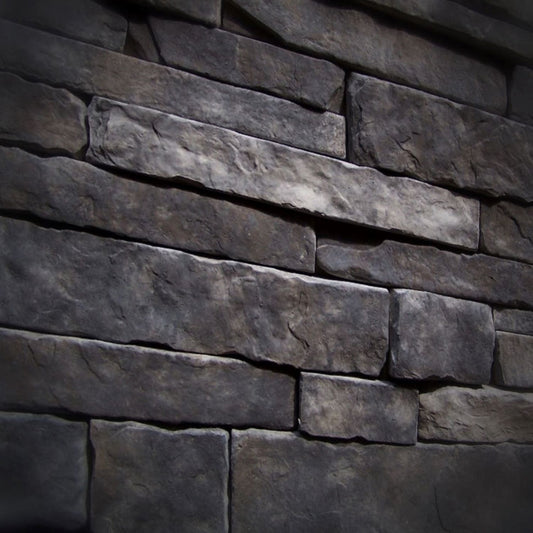
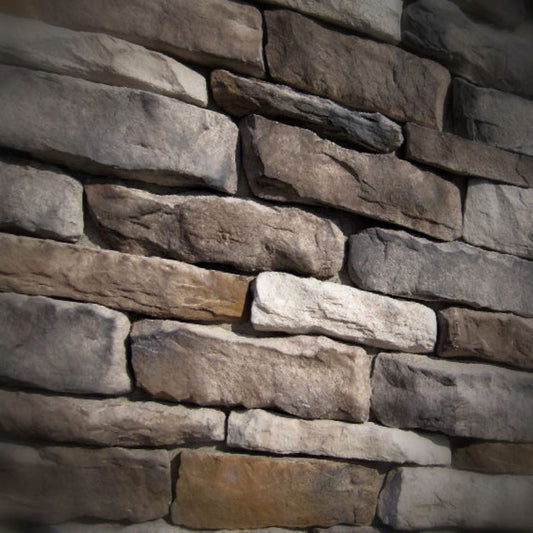
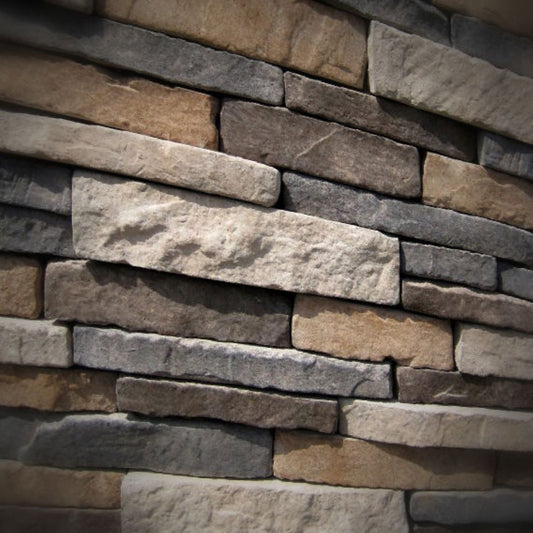
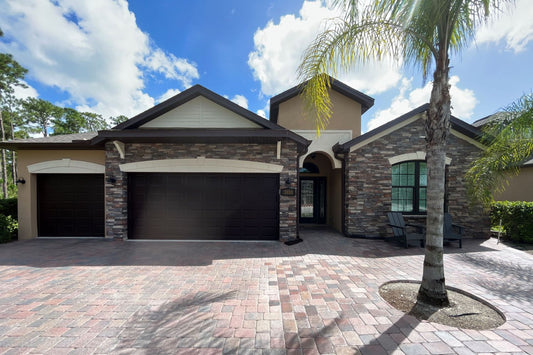
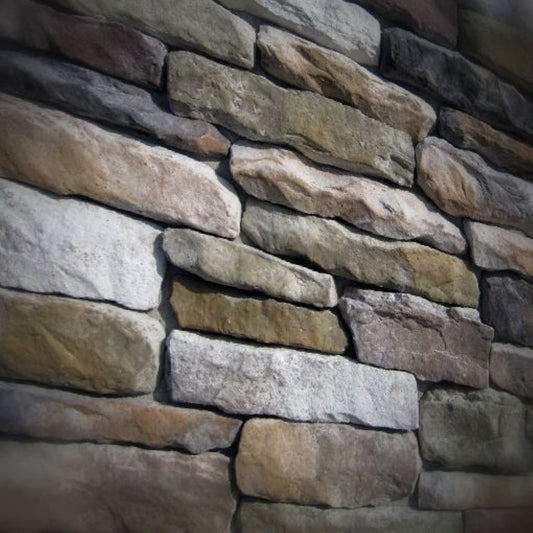
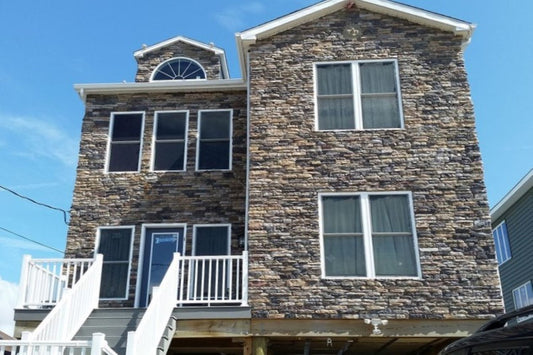
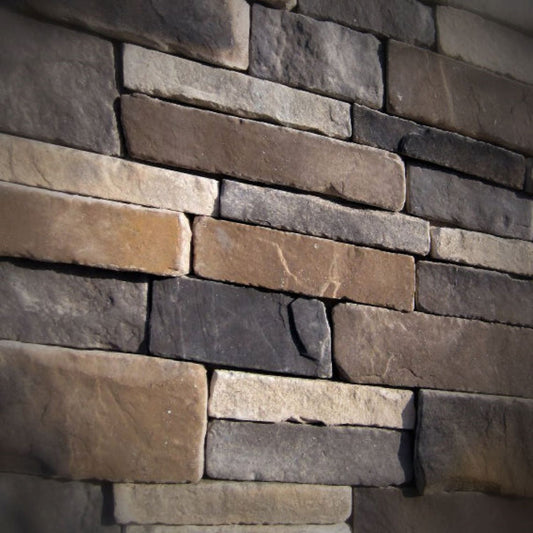
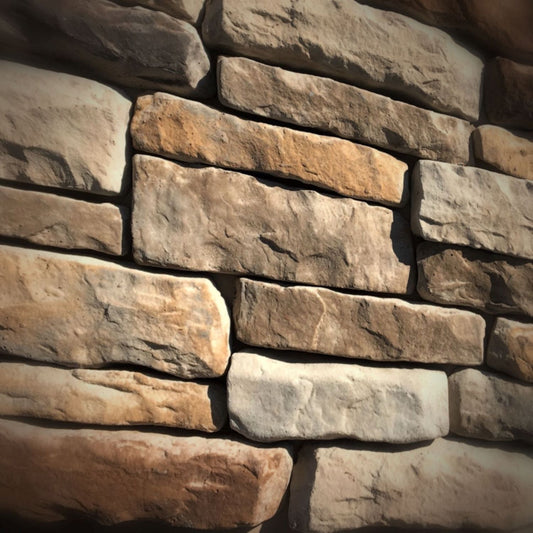
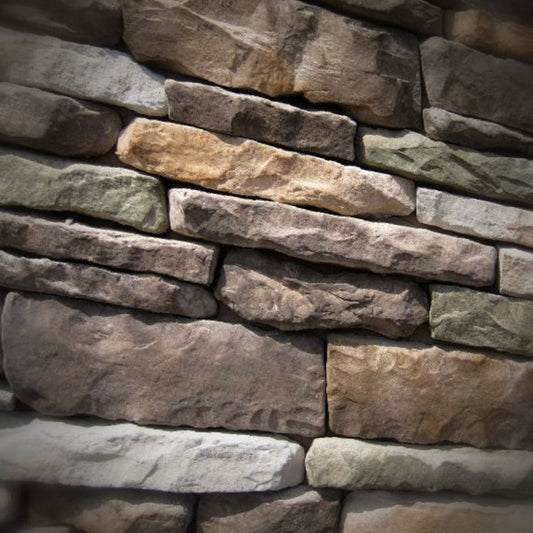
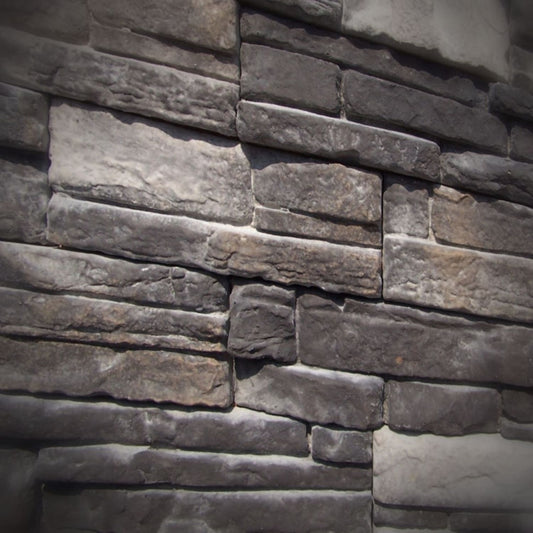
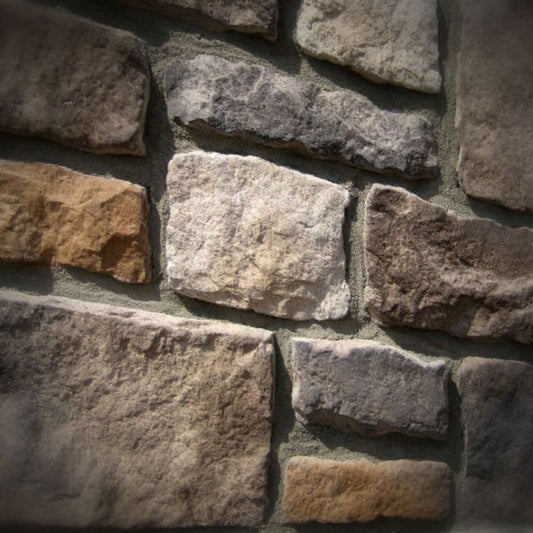
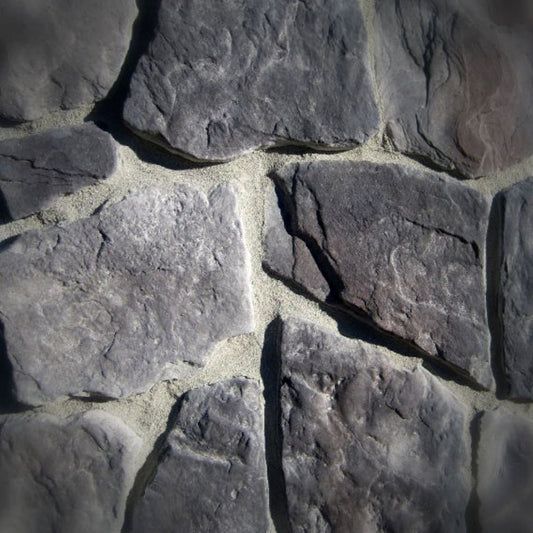
Pictured is brick veneer old towne.