
Manufactured Stone Veneer for Arches and Doorways
Share
Manufactured stone veneer is an excellent choice for arches and doorways because it creates the timeless look of natural stone while being lighter, easier to install, and adaptable to curved architectural features. It can be used around entryways, interior passages, fireplaces, and outdoor openings to add depth, texture, and visual character to both traditional and modern designs.
Arches and doorways are some of the most visually important architectural features in a home or commercial space. They naturally draw the eye, frame transitions between rooms or outdoor spaces, and create opportunities for design details that add depth and character. While a standard doorway can simply serve a functional purpose, a thoughtfully designed stone-clad arch or entryway transforms it into a true architectural focal point.
Manufactured stone veneer is especially well suited for these applications because it delivers the timeless beauty of natural stone without the structural weight, installation complexity, or cost often associated with full-bed masonry. Whether used to highlight a grand front entrance, frame an interior archway, accent a wine cellar doorway, or create a rustic outdoor courtyard opening, manufactured stone veneer adds texture, dimension, and visual impact in a way few materials can match.
Because arches and doorways involve curves, corners, transitions, and finishing details, they also require careful design and installation planning. The right stone profile, color, layout, and trim approach can make the difference between an average result and a stunning architectural statement.
Why stone veneer works so well for arches and doorways
Arches and doorways naturally create focal points because they frame movement and guide sightlines. Adding stone veneer to these architectural elements enhances that effect by introducing texture, shadow lines, and visual depth that elevate the surrounding design.
Manufactured stone veneer works particularly well in these spaces because it offers design flexibility that can adapt to both straight and curved surfaces. Unlike heavier natural stone installations that may require additional structural considerations, manufactured stone veneer is lightweight and easier to integrate into many residential and commercial projects.
Doorways benefit from stone because the material creates a sense of permanence and craftsmanship. A front entry wrapped in stone veneer immediately communicates architectural detail and curb appeal, while interior doorways gain warmth and character that painted drywall simply cannot provide.
Arches become even more striking when clad in stone because the natural variation in texture works with the curve to create dynamic shadows and movement. This combination often gives the impression of old-world masonry, Mediterranean design, European-inspired architecture, or rustic mountain-style craftsmanship.
Because manufactured stone veneer comes in a variety of profiles, colors, and shapes, designers can create everything from traditional stone archways to sleek contemporary framed openings.
Popular applications for stone veneer around arches and doorways
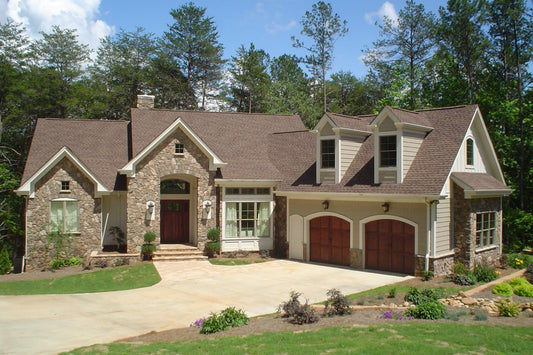
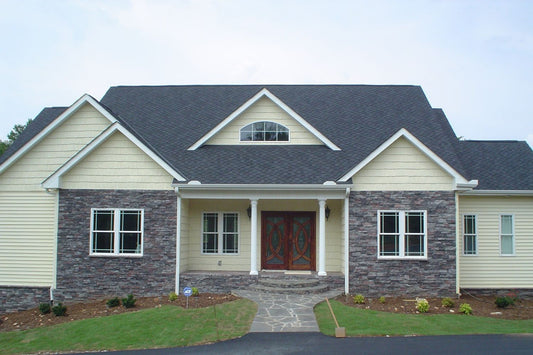
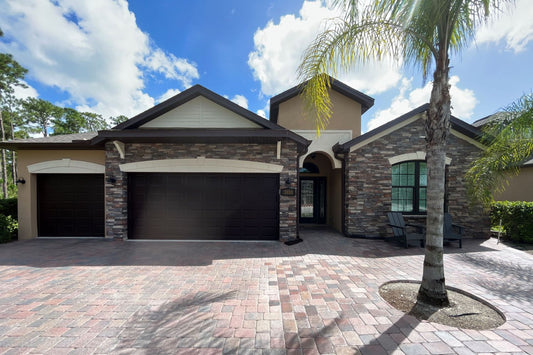
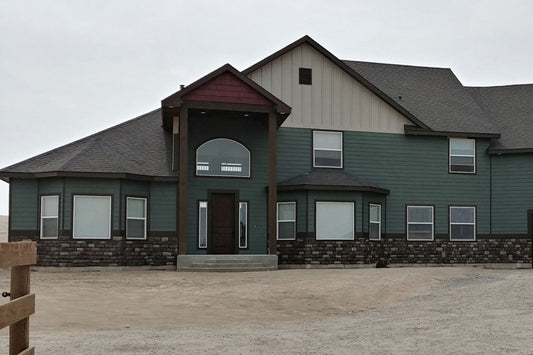
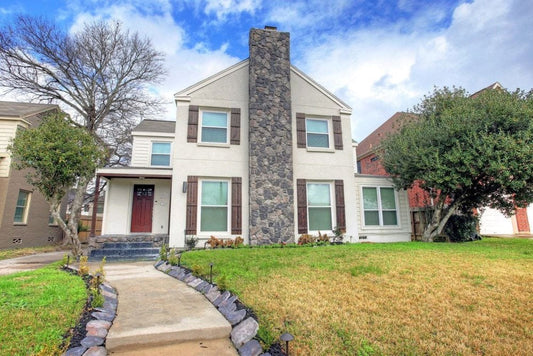
Front entrances are among the most common places to use manufactured stone veneer around doorways. A stone-clad entry creates a welcoming architectural statement while visually anchoring the home’s facade. Stone around doors can be used as a full surround, extended across entry columns, or incorporated into larger wall sections to create a cohesive exterior look.
Interior archways are another highly popular application. In open-concept homes, stone veneer can transform a simple arched opening into a design centerpiece that separates spaces while maintaining visual flow. This works especially well in Mediterranean, Tuscan, farmhouse, rustic, and mountain-inspired interiors.
Wine cellars and specialty rooms frequently use stone veneer around arched doors to create a timeless masonry aesthetic. The texture of stone naturally complements wood doors, wrought iron details, and warm lighting, helping create an atmosphere of craftsmanship and architectural richness.
Outdoor living spaces also benefit from stone-clad arches and doorways. Courtyard entrances, covered patios, outdoor kitchens, and garden passageways often use stone veneer to create elegant transitions that connect architecture with landscaping.
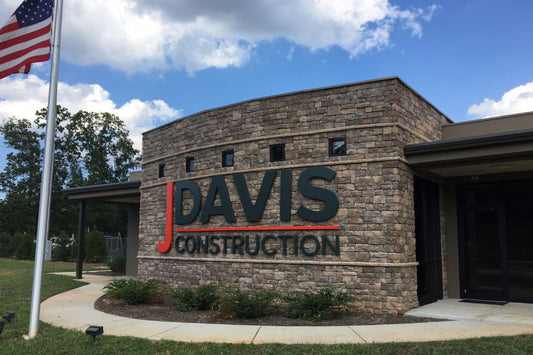
Commercial spaces can use stone veneer around entryways to create a memorable first impression. Restaurants, boutique hotels, wineries, retail spaces, and hospitality environments often use arched stone openings to create warmth, authenticity, and upscale visual appeal.
Choosing the right stone profile for arches and doorways
Not every stone profile creates the same visual effect, especially around curved openings and architectural transitions. The shape, size, and texture of the stone play a major role in the final look.
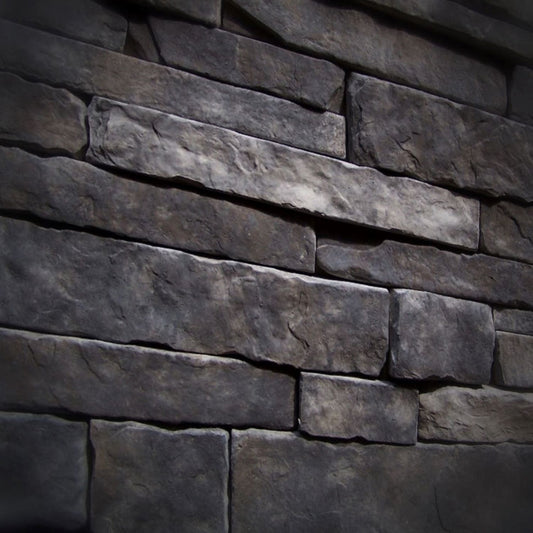
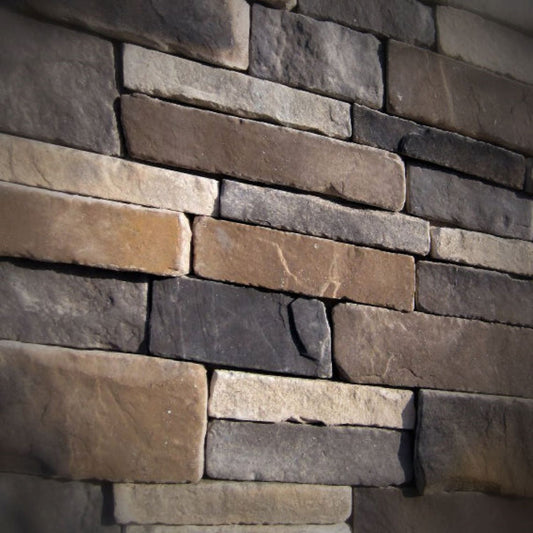
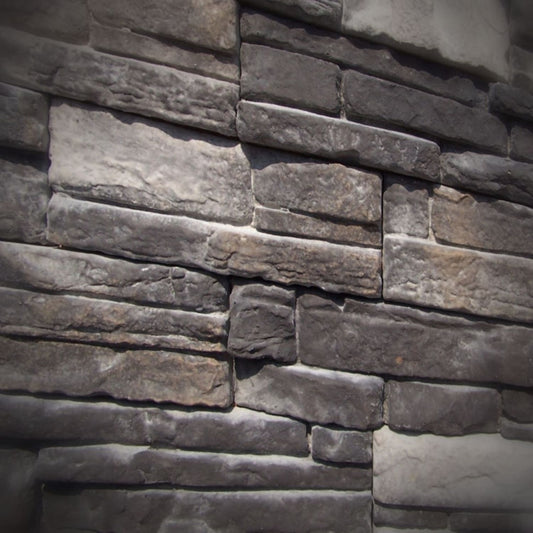
Stacked stone profiles create a more linear and contemporary appearance. Their stacked arrangement can create striking texture around rectangular doors or modern openings, though tighter curves may require careful layout planning depending on the stone dimensions.
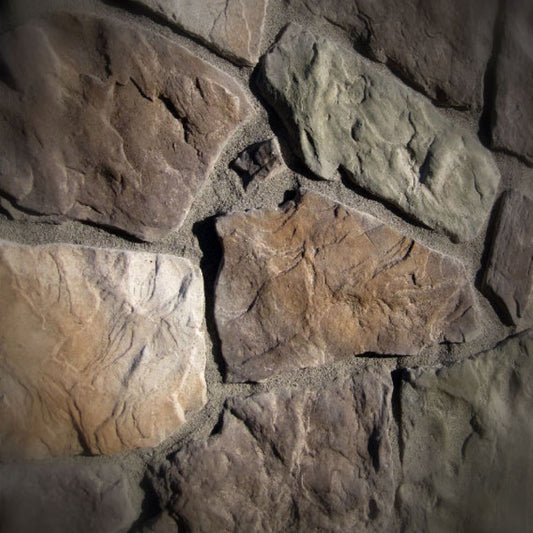
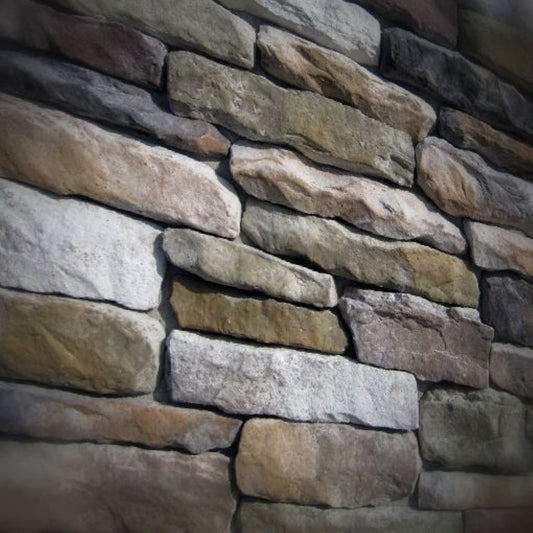
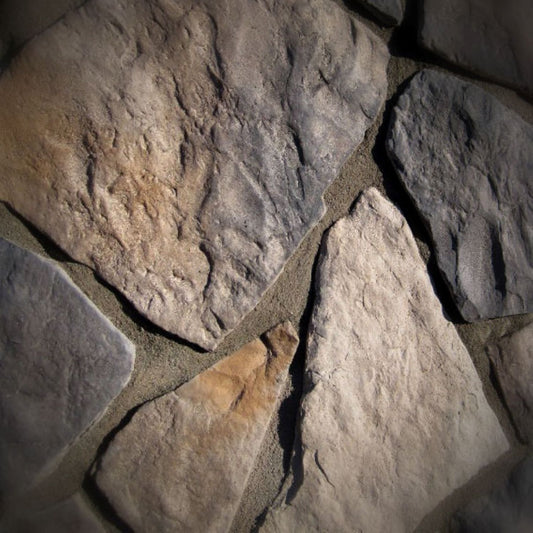
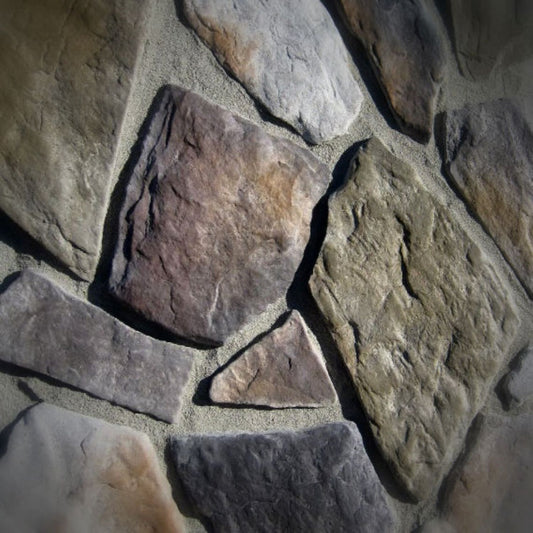
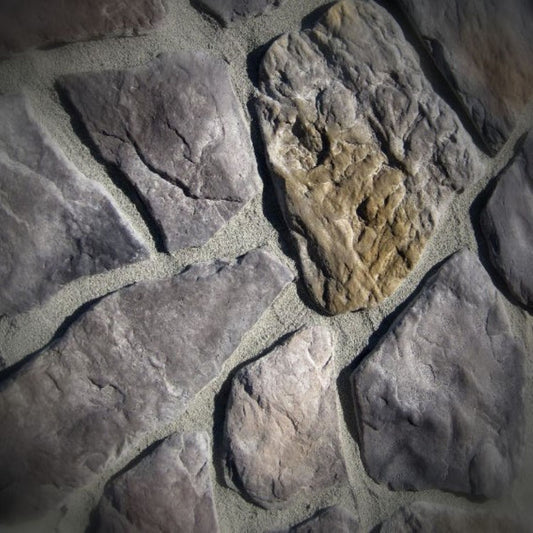
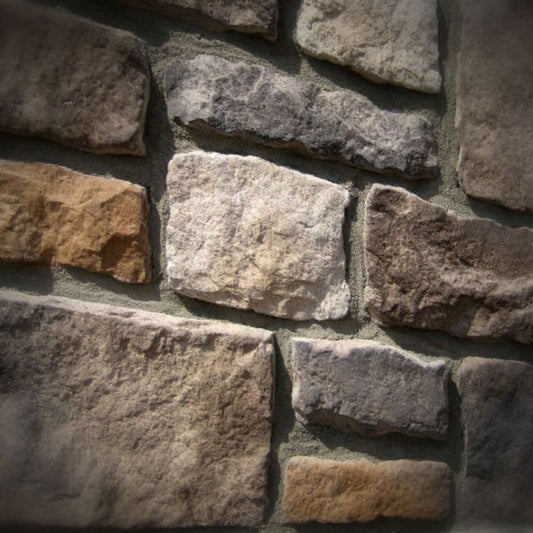
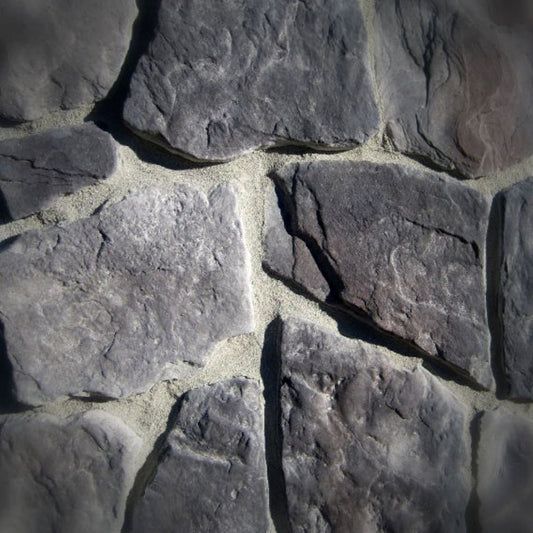
Fieldstone and rounded stone profiles often work beautifully around arches because their more irregular shapes can create a natural masonry look that complements curved architecture. This style often feels rustic, traditional, or old-world in character.
Limestone-inspired profiles can create a refined and elegant appearance for entryways and formal architectural settings. Their more structured shapes often suit transitional or upscale residential designs.
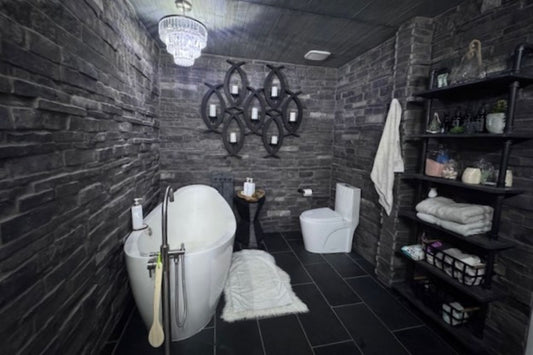
Color also matters. Warm tones can create inviting entryways with a Mediterranean or rustic feel, while gray and cooler tones often suit modern or transitional architecture. Darker stone can create dramatic contrast around light-colored walls, while lighter stone can brighten entry spaces and create a softer architectural statement.
Design considerations for stone veneer arches
Arches require thoughtful design because curves create visual movement that changes how stone is perceived compared to flat walls.
One of the most important considerations is scale. A large stone profile on a small arch can feel visually heavy, while very small stones on a grand opening may lose architectural impact. Proportion should always be considered in relation to the size of the opening and surrounding wall.
The transition at the apex of the arch is another critical design detail. Depending on the style of stone and installation approach, this area may become a visual focal point. Symmetry, stone cutting, and alignment often determine whether the arch feels intentional and balanced.
Depth and reveal are also important. Some doorways benefit from wrapping the stone fully into the opening to create dimensional thickness, while others use stone primarily on the face of the wall for a cleaner framed effect.
Lighting should not be overlooked. Stone texture creates natural shadow lines, and properly placed exterior sconces or interior accent lighting can dramatically enhance the look of an arched stone doorway.
Surrounding materials also influence design success. Stone veneer often works best when coordinated with complementary trim, wood accents, stucco, siding, brick, or landscaping elements.
Installation challenges and best practices
Installing manufactured stone veneer around arches and doorways requires more precision than installing on large flat wall surfaces.
Curved openings often require additional cutting and careful layout planning so the stone follows the arch naturally. Depending on the profile selected, installers may need to shape pieces to create a smooth and balanced curve without awkward gaps or unnatural transitions.
Corners and returns around doorways also require attention because these areas create visible edges that need a finished appearance. Proper corner units or trim details help maintain the illusion of full-depth stone.
Moisture management is especially important for exterior doorways and entry arches. Proper flashing, drainage details, moisture barriers, and installation methods must be followed to protect the wall assembly behind the stone veneer.
Mortar joints, alignment, and visual consistency become even more noticeable around openings because the human eye naturally focuses on doors and arches. Professional layout and planning can significantly improve the final appearance.
Because arches are often focal points, installers frequently dry-fit sections before final installation to ensure balance and proportion.
Stone veneer for modern and traditional doorway designs
One of the greatest strengths of manufactured stone veneer is its ability to work across a wide range of architectural styles.
Traditional homes often use stone veneer around arched front entries to create European-inspired character, old-world craftsmanship, or rustic warmth. Rich earth tones, irregular profiles, and textured finishes work particularly well in these settings.
Mediterranean and Tuscan-inspired homes frequently use stone-clad arches to reinforce curved architectural themes and create dramatic entry statements.
Farmhouse and transitional homes often use lighter-toned stone around doorways to create warmth while maintaining a clean and updated appearance.
Modern homes may use more linear stone profiles around rectangular openings or simplified arches to create contrast and texture without excessive ornamentation.
Commercial designs often use stone veneer to create memorable entrance experiences, helping businesses communicate quality, permanence, and architectural sophistication.
Creating a lasting first impression with stone-clad entryways
Few architectural details have as much impact as a beautifully framed doorway or arch. These are the spaces people notice first when approaching a home, entering a courtyard, or moving through an interior.
Manufactured stone veneer enhances these openings by adding texture, visual weight, and timeless design appeal. A simple doorway becomes a framed architectural feature. An arch gains depth and old-world character. An outdoor opening feels more integrated with the surrounding landscape.
Because manufactured stone veneer is lighter and more versatile than natural full-bed stone, it allows designers and homeowners to achieve these looks with greater flexibility and efficiency.
When properly designed and installed, stone veneer around arches and doorways can become one of the most memorable features of a property, combining beauty, craftsmanship, and architectural presence in a way that feels both timeless and welcoming.
Frequently asked questions
1. Can manufactured stone veneer be installed on curved arches? Yes, manufactured stone veneer can be installed on curved arches, but it often requires careful layout, cutting, and fitting to ensure the stone follows the curve naturally and maintains a balanced appearance.
2. Is manufactured stone veneer suitable for front door entryways? Manufactured stone veneer is a popular choice for front entrances because it adds curb appeal, architectural detail, and the timeless appearance of natural stone without the weight of full masonry.
3. What stone profile works best for arched doorways? The best profile depends on the design style, but fieldstone, limestone, and certain smaller-format stone veneers often work well on arches because they can adapt visually to curved openings.
4. Can stone veneer wrap inside a doorway opening? Yes, stone veneer can be wrapped into doorway returns depending on the wall depth and design goals, creating a more dimensional and finished architectural look.
5. Does stone veneer around exterior doors require moisture protection? Yes, exterior installations require proper moisture barriers, flashing, drainage details, and code-compliant installation practices to protect the wall assembly.
6. Is manufactured stone veneer good for interior arches? Yes, manufactured stone veneer is frequently used on interior arches to create warmth, texture, and architectural character in living spaces, wine rooms, hallways, and feature openings.
Manufactured stone veneer for arches and doorways
Manufactured stone veneer for arches and doorways is a powerful way to elevate architectural details and create openings that feel more refined, welcoming, and visually memorable. Whether used around a grand front entrance, an interior archway, or an outdoor passage, stone veneer adds texture, depth, and timeless character that can transform an ordinary opening into a true design feature. With the right stone profile, thoughtful layout, and proper installation, arches and doorways clad in manufactured stone veneer can enhance both curb appeal and interior aesthetics while delivering the beauty of natural stone in a lighter, more versatile format.
What's next?
Bring your project to life with our premium stone veneer. Shop now to explore our range of styles to find the perfect match for your space or order a sample to see the quality and craftsmanship up close. Start designing your ideal look today.
Have a question?
Please see our full terms of service or check out our frequently asked questions.
For general information and questions please call: (864) 882-8960 Mon. - Fri. 8am - 5pm (EST) or email: info@blackbearmountainstone.com we are more than happy to help you.
Or you can submit your questions via our contact us page.
We look forward to working with you on your upcoming project.
The Black Bear Mountain Stone Team
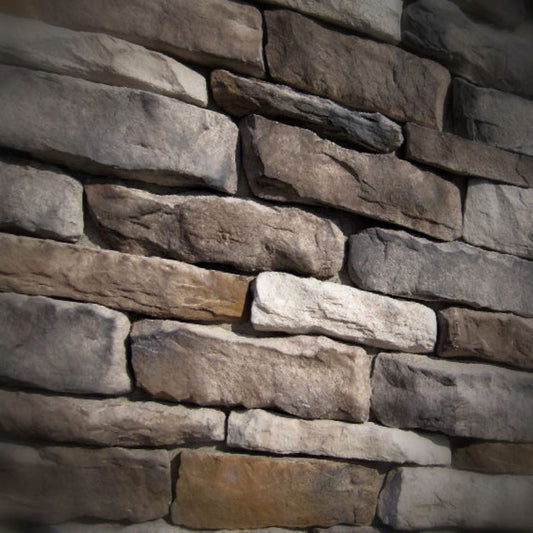
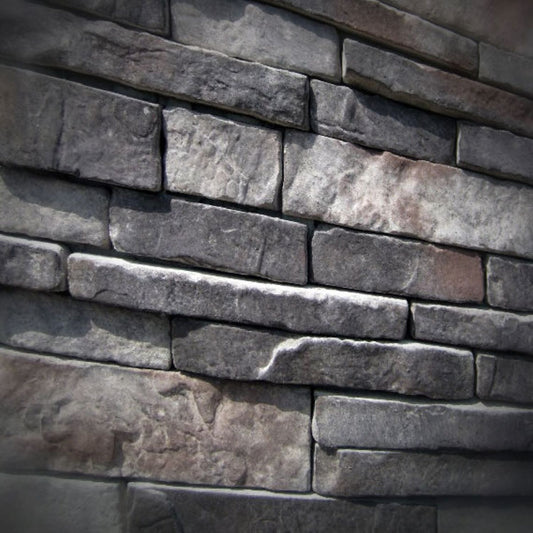
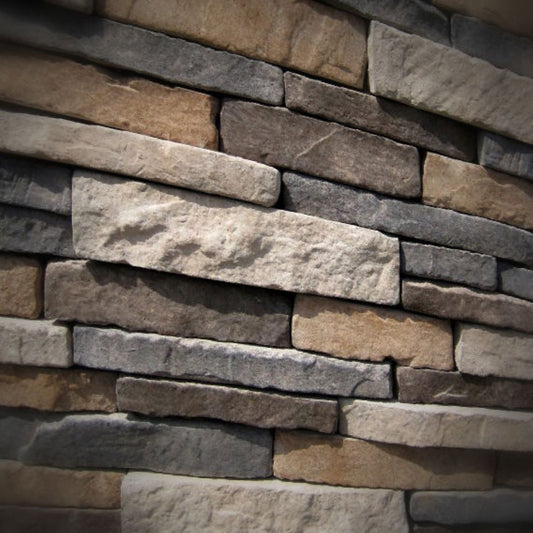
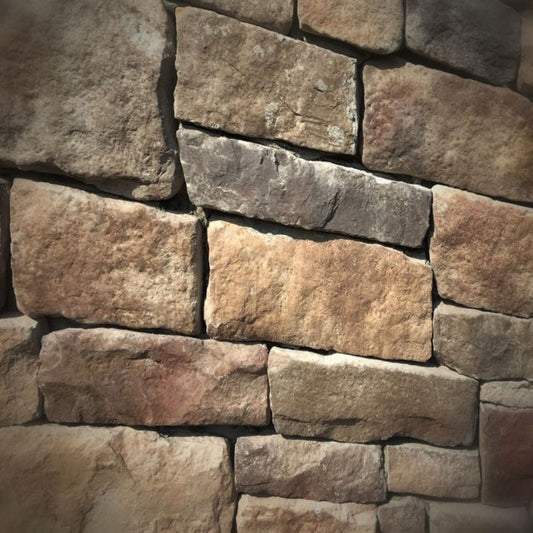
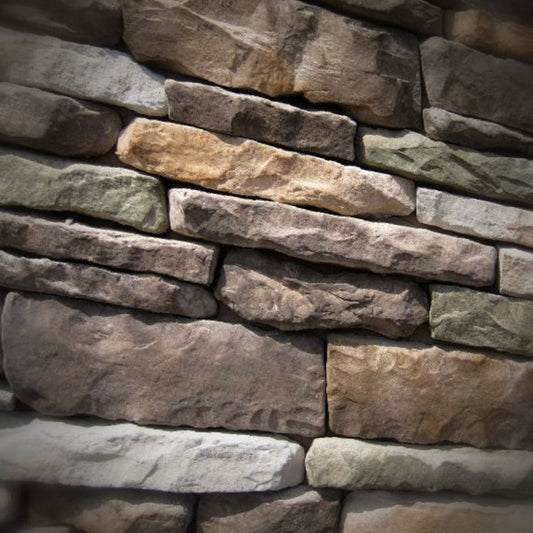
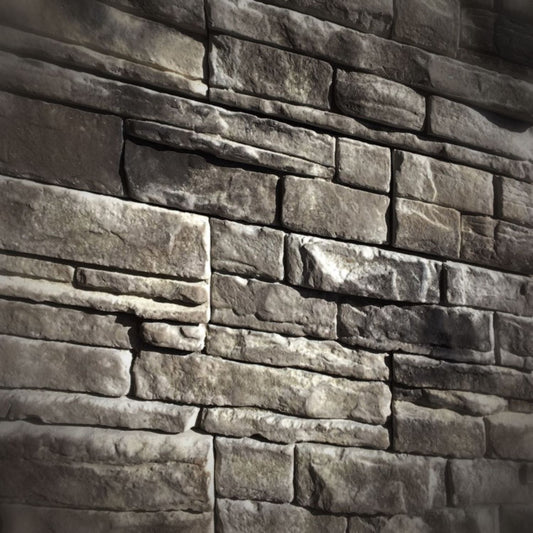
Pictured is ready stack chardonnay.