
Can You Put Stone Veneer on Stairs?
Share
Originally posted August 1 2025, updated September 30 2026.
Manufactured stone veneer should not be installed on stair treads, landings, or other horizontal walking surfaces. It is designed for vertical applications, where it can add the appearance of natural stone to stair risers, sidewalls, columns, entryway walls, and other architectural features. For the actual walking surface, use a material specifically designed and rated for stair treads and foot traffic.
If you are planning to upgrade your front steps, porch, or entryway, you may be wondering whether manufactured stone veneer can be installed directly on your stairs. Stone veneer is an attractive way to add texture, color, and architectural character to a home, so it is understandable that homeowners want to extend the look to every part of an entryway.
The important distinction is which part of the stairs you want to cover. Manufactured stone veneer is intended for vertical applications. It should not be installed on stair treads, landings, or other horizontal surfaces that are designed for foot traffic. However, stone veneer can be an excellent choice for the vertical portions of a staircase and for walls, columns, and other architectural features surrounding the stairs.
Understanding this distinction before starting your project can help you create the stone look you want while using the material in an appropriate application.
Can You Put Stone Veneer on Stair Treads?
Manufactured stone veneer should not be installed on stair treads or other walking surfaces. Although manufactured stone veneer is designed for durability and exterior exposure, it is a non-structural veneer material intended primarily for vertical surfaces. Stair treads have different performance requirements because they are continually subjected to foot traffic, impact, abrasion, and other forces that vertical veneer does not experience in the same way.
A stair tread also needs to provide an appropriate walking surface with suitable traction and predictable performance. Manufactured stone veneer is not designed or tested as a flooring or stair-tread material.
For these reasons, installing manufactured stone veneer directly on the portion of a step where people walk is not an appropriate application. It can also create warranty concerns because using the product outside its intended application may void the manufacturer's warranty.
If you want the appearance of stone on your stairs, the better approach is to use a material specifically designed for stair treads while incorporating manufactured stone veneer on the vertical and surrounding surfaces.
Where Can You Use Stone Veneer Around Stairs?
Although stone veneer should not cover the walking surface of a stair, there are many ways to incorporate it into a staircase design. The vertical surfaces around the stairs can provide an ideal opportunity to add the texture and character of manufactured stone.
One of the most common applications is the stair riser. Risers are the vertical sections between the treads, so they are not walking surfaces. Adding manufactured stone veneer to risers can give an otherwise ordinary staircase a substantial architectural appearance and create a visual connection between the steps and the rest of the home's exterior.
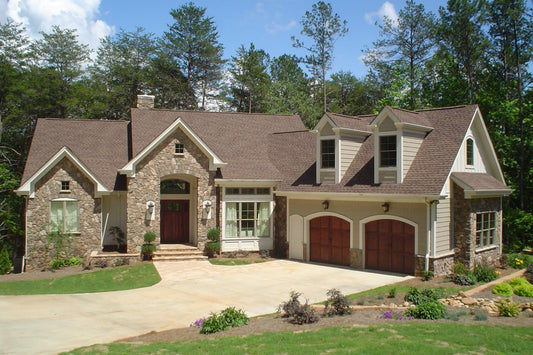
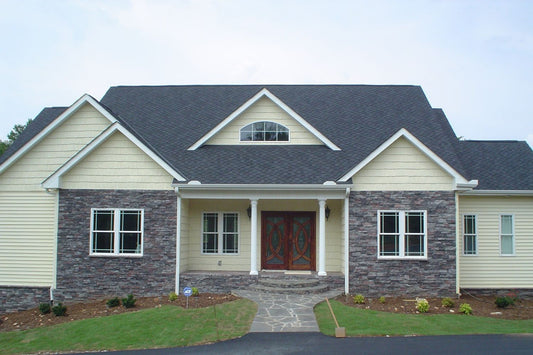
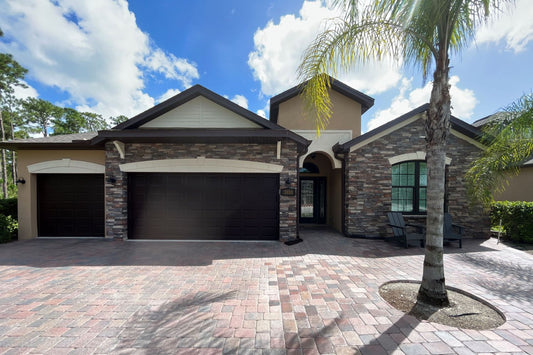
Stone veneer can also be installed on stair sidewalls and surrounding walls. This can be especially effective on a front entry where the staircase connects to a porch, foundation, or exterior wall. Carrying the same stone profile and color onto these vertical surfaces can make the entire entrance feel more cohesive.
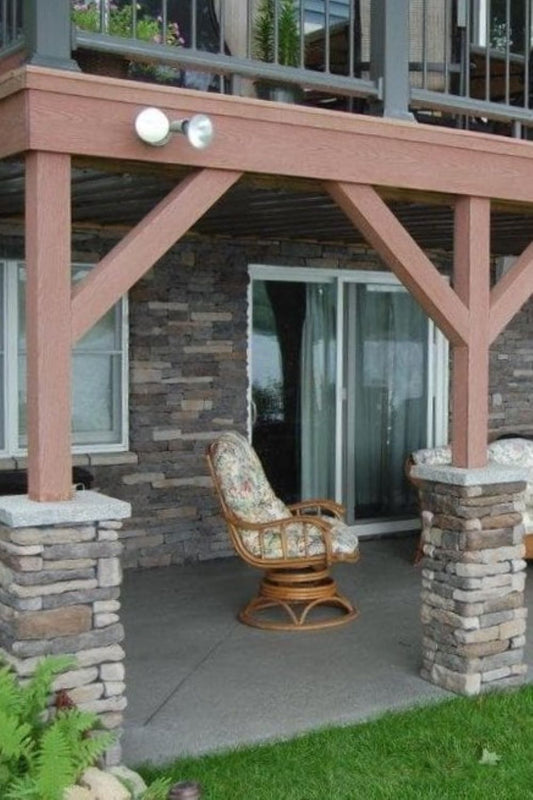
Another option is using stone veneer on columns, posts, or architectural features adjacent to the stairs. Stone-clad columns can frame an entryway and provide a strong visual transition from the landscaping or driveway to the front door.
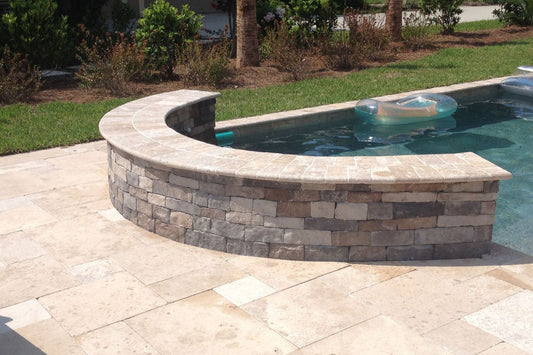
Manufactured stone veneer can also be used on the vertical faces surrounding an exterior staircase, depending on the construction and substrate. This can help integrate a staircase into the home's overall exterior design without putting veneer on the surfaces where people walk.
Stone Veneer Can Transform an Entryway
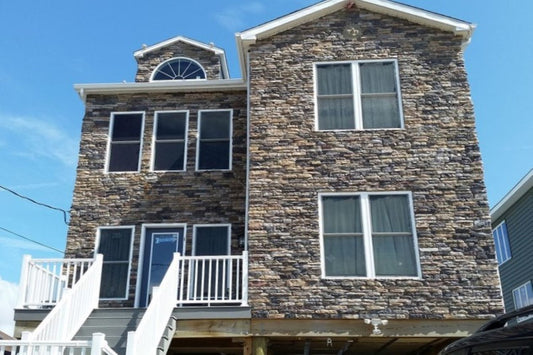
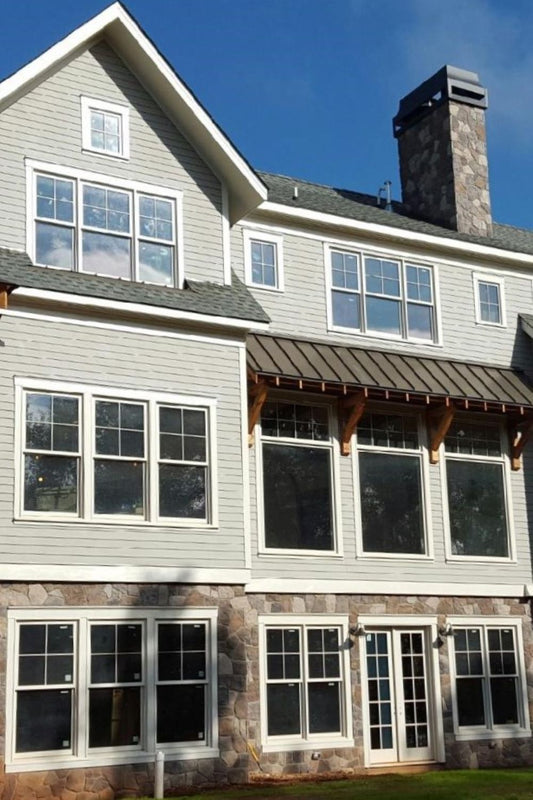
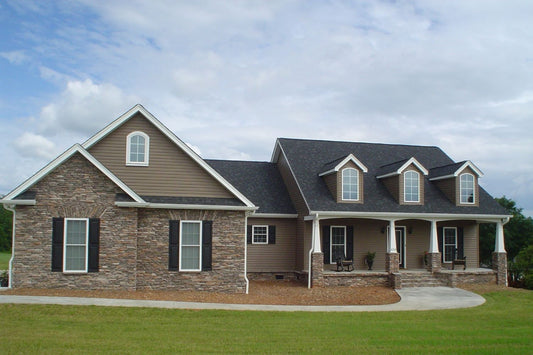
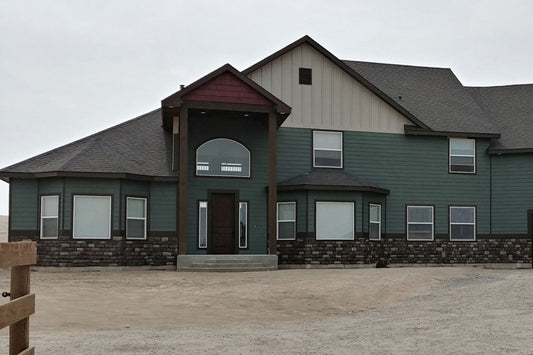
Stairs are often one of the first things people notice when approaching a home. Even when the stair treads themselves are made from another appropriate material, manufactured stone veneer can dramatically change the appearance of the surrounding entryway.
For example, stone veneer risers can be paired with concrete, natural stone, brick, or other suitable tread materials. The combination creates the appearance of a substantial masonry staircase while allowing each material to perform the function it was designed for.
The same approach works particularly well around front porches. Stone veneer can continue from the stair risers onto adjacent walls, porch columns, or the foundation, creating a consistent architectural element from the ground level to the entry.
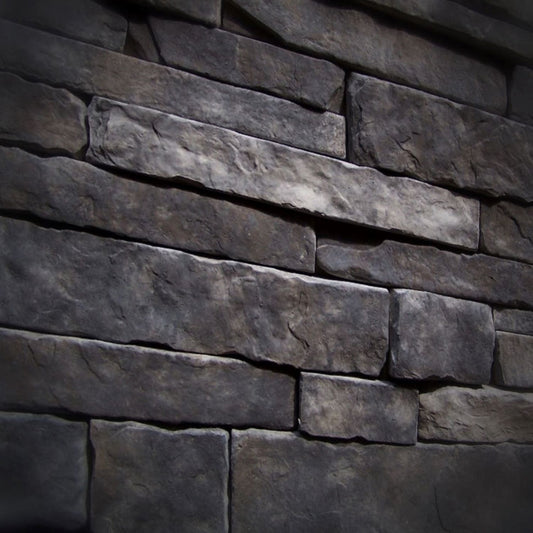
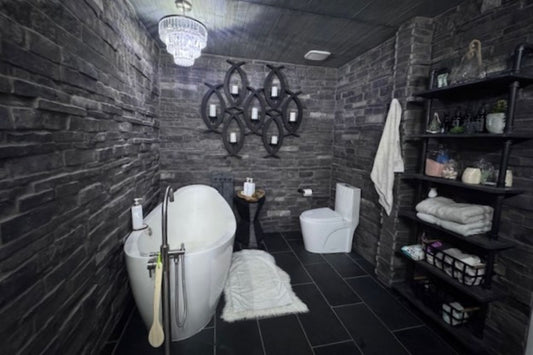
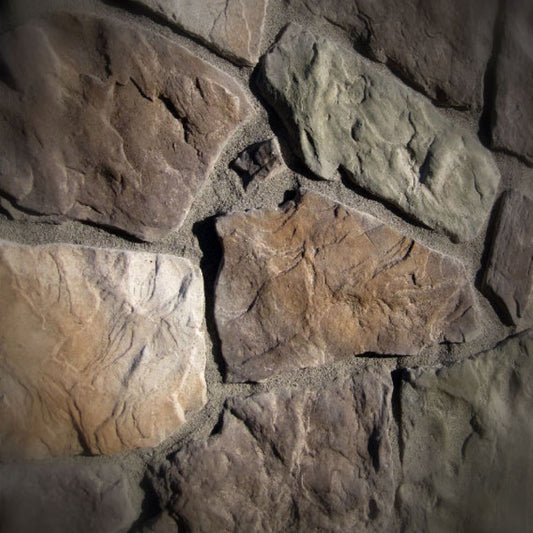
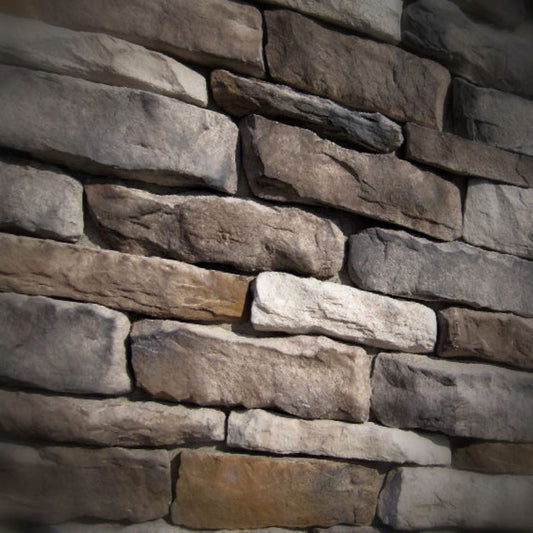
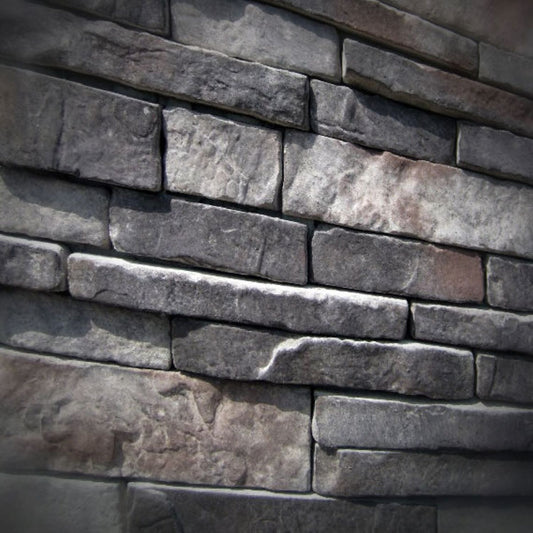
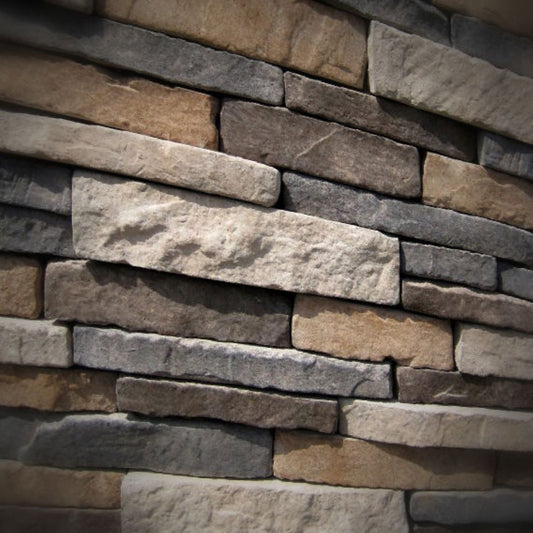
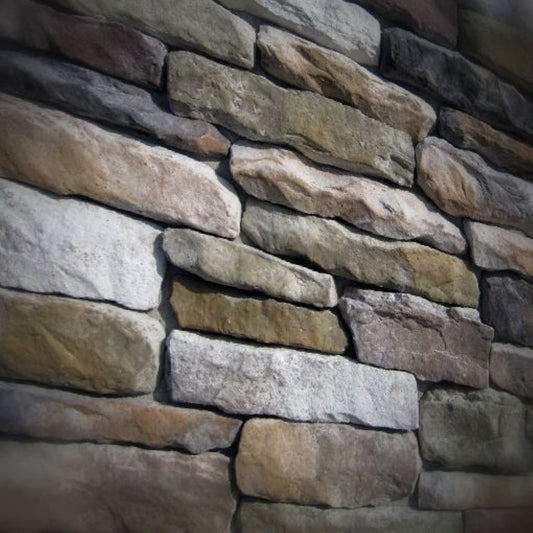
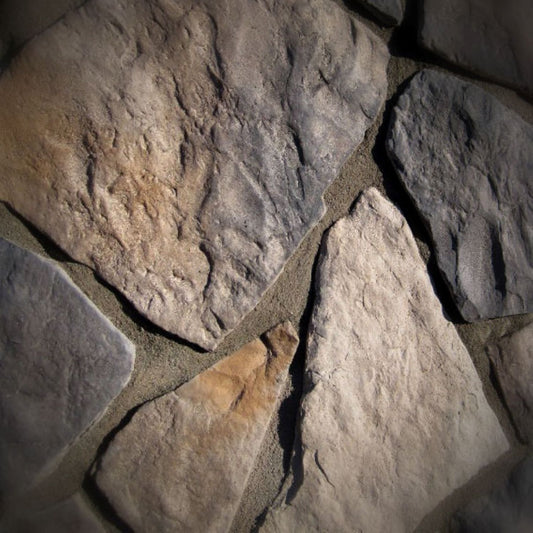
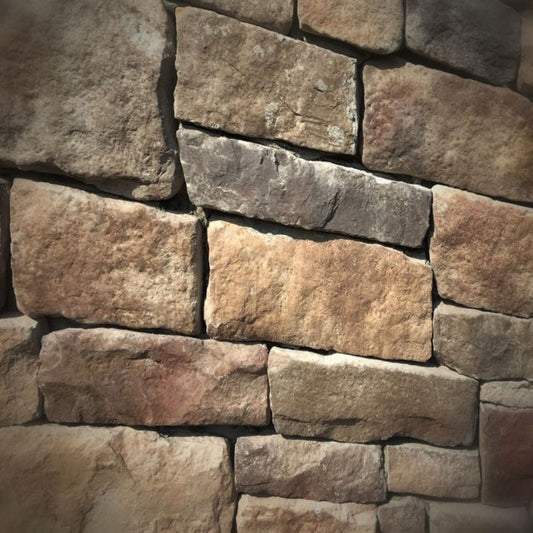
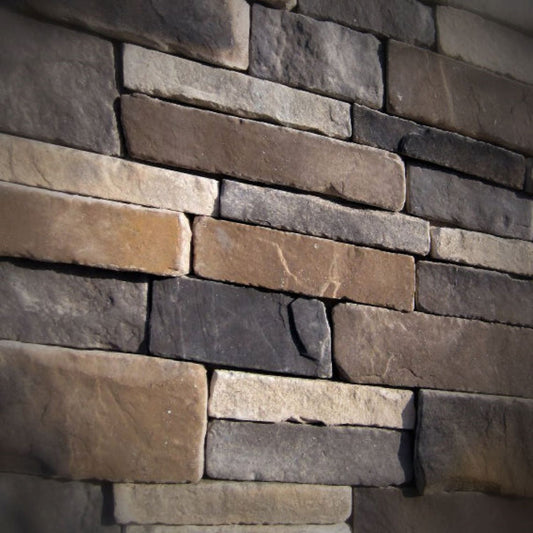
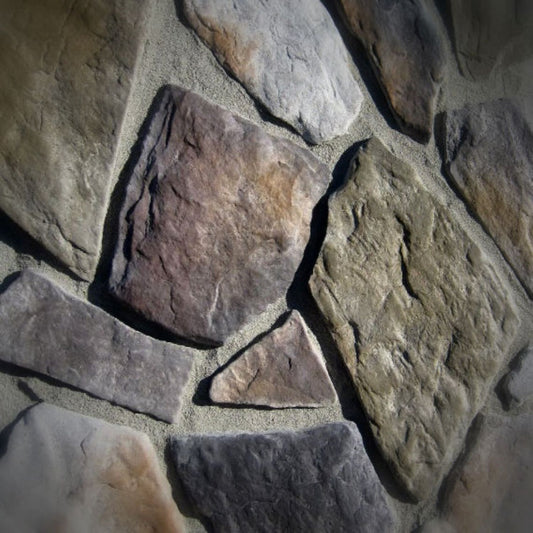
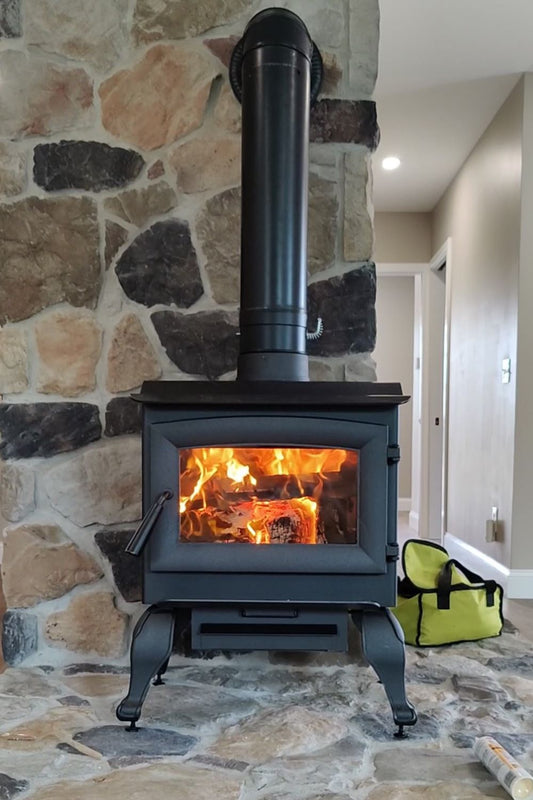
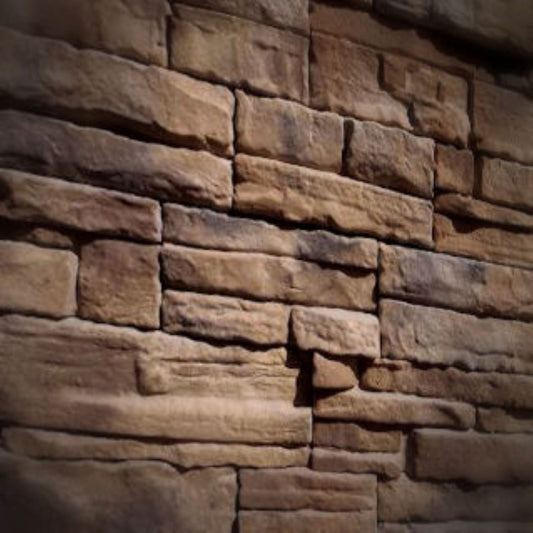
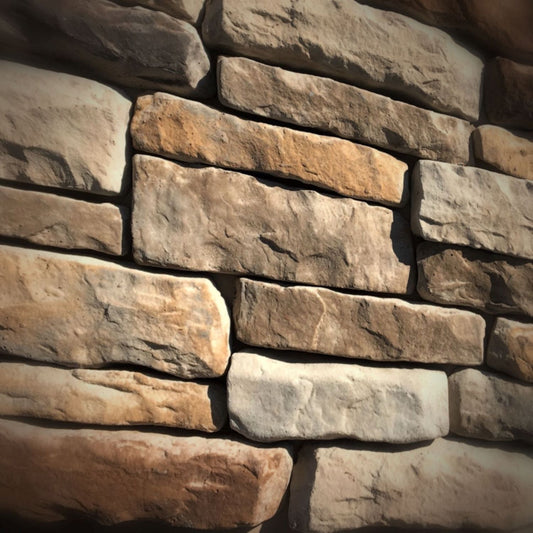
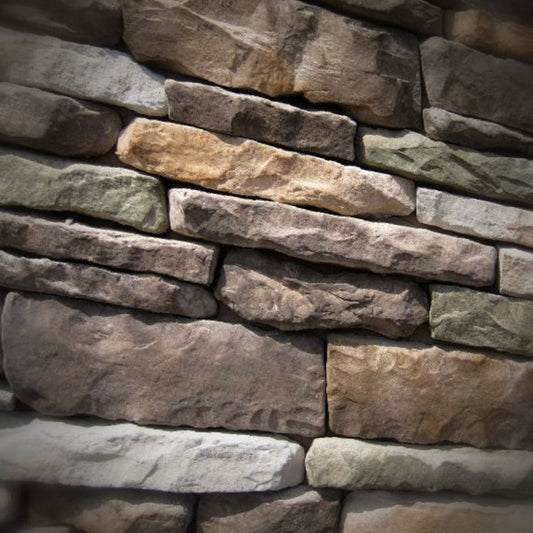
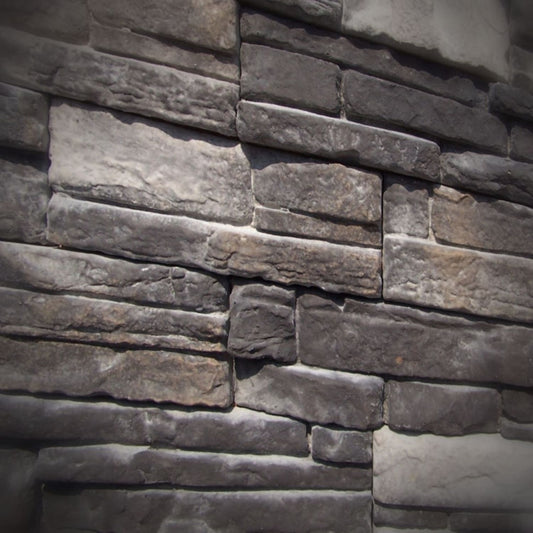
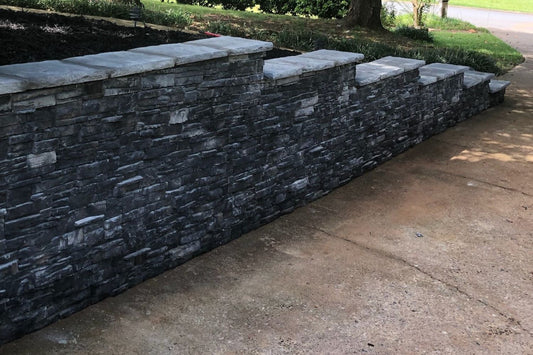
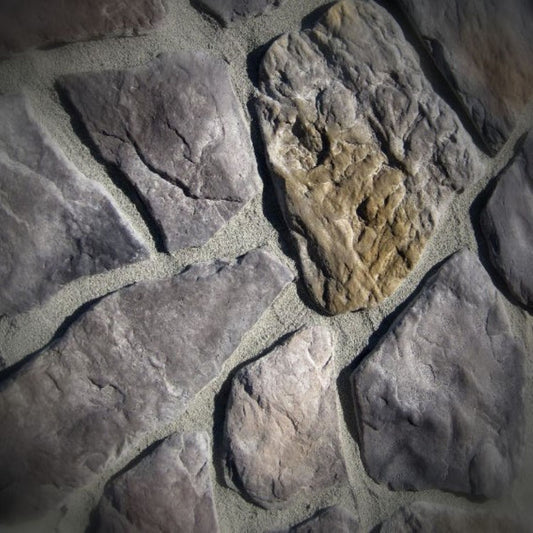
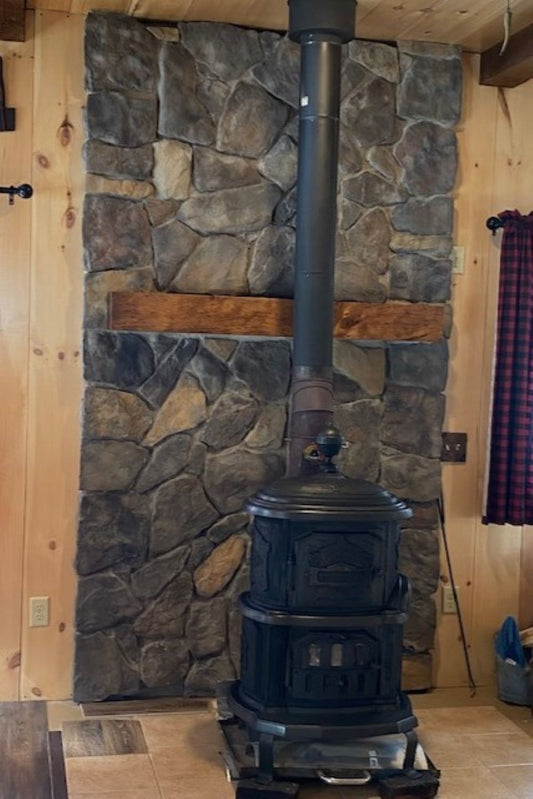
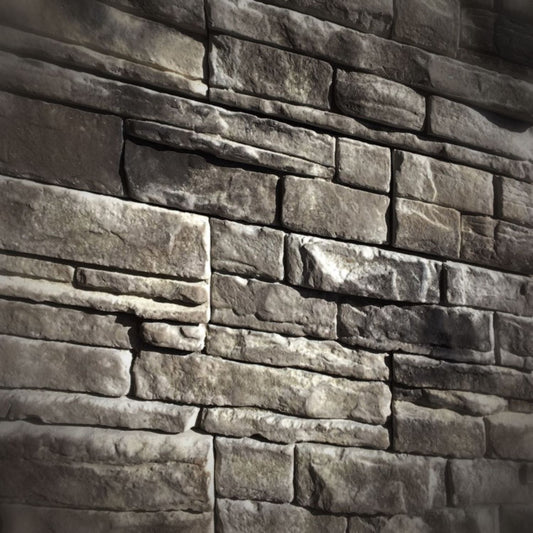
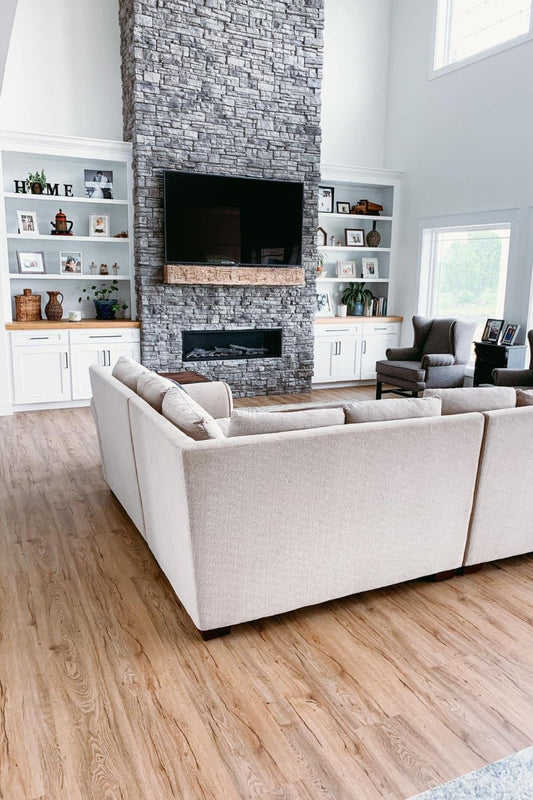
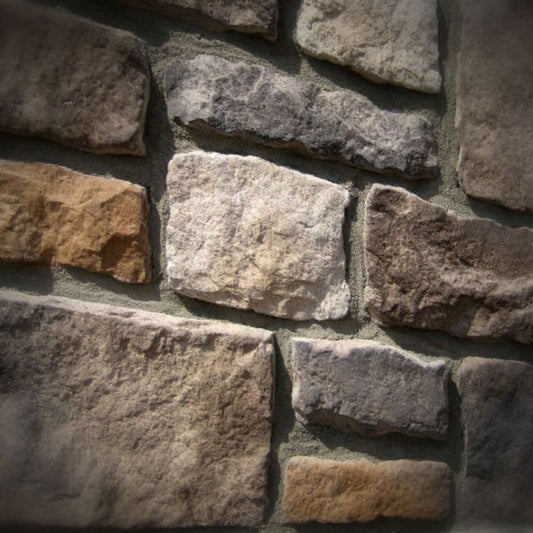
The style of manufactured stone veneer can also influence the overall appearance. A ledgestone profile can create a more horizontal, textured appearance, while a stacked stone profile uses tightly fitted individual stones with narrow mortar joints and varied stone faces. Fieldstone can provide a more traditional, irregular appearance.
The key is to choose a profile and color that complement the architecture rather than trying to make the stone veneer itself function as the stair tread.
What Should You Use for Stone-Look Stair Treads?
If your goal is to create a stone appearance on the actual walking surface, choose a material specifically manufactured and rated for stair or flooring applications.
Natural stone stair treads and pavers are one option when the project calls for genuine stone. Depending on the material and application, textured porcelain or other exterior-rated tile products may also provide a stone appearance while being specifically designed for walking surfaces.
Concrete is another option, particularly for exterior stairs. A properly designed and finished concrete stair can provide the structural and surface characteristics required for foot traffic while allowing manufactured stone veneer to be incorporated on the risers and surrounding vertical surfaces.
The important consideration is that the tread material and veneer material do different jobs. The tread needs to function as a safe, durable walking surface. The manufactured stone veneer provides the decorative masonry appearance on vertical surfaces.
Installation Considerations for Stone Veneer Around Stairs
Proper installation is important whenever manufactured stone veneer is used around an exterior staircase. The substrate, moisture management, mortar, clearances, and overall wall assembly all need to be appropriate for the application.
Manufactured stone veneer should be installed using Type S mortar. On moisture-sensitive exterior substrates such as wood framing, plywood, OSB, drywall, cement board, or ICF construction, the appropriate wall assembly generally includes a water-resistive barrier, metal lath, and a properly applied mortar scratch coat before the veneer is installed.
Cement board should not be treated as a direct-bond substrate for manufactured stone veneer. The required installation assembly still needs to be followed.
Exterior stairs also require careful attention to water management. Water can collect around steps, landings, walls, and other transitions, so drainage and flashing details need to be addressed as part of the overall construction. The veneer itself is not a waterproofing system.
Because every staircase is different, the person responsible for the installation should evaluate the existing construction and determine the appropriate installation method for the specific project.
Can Stone Veneer Be Used on Exterior Stairs?
Manufactured stone veneer can be used around exterior stairs, but the distinction between stairs and stair treads is important. The fact that veneer can be used on a vertical stair riser does not mean it should be installed on the horizontal surface where someone walks.
Exterior exposure alone does not make a surface appropriate for manufactured stone veneer. The product is designed to withstand outdoor conditions when installed correctly, but that does not make it a substitute for a flooring or stair-tread product.
If you are remodeling an existing outdoor staircase, consider using an appropriate tread material and then adding manufactured stone veneer to the risers and surrounding vertical surfaces. This approach can provide the stone aesthetic without using the veneer in an application for which it was not designed.
Maintaining Stone Veneer Around Stairs and Entryways
Manufactured stone veneer installed on vertical surfaces around stairs can be maintained much like other exterior veneer installations. Dirt and ordinary surface debris can generally be removed with appropriate cleaning methods, while harsh chemicals and aggressive cleaning techniques should be avoided.
Pressure washing should be approached cautiously. If pressure washing is necessary, use a wide fan spray at a maximum pressure of 3,000 psi and maintain an appropriate distance from the veneer. A yellow, wide-angle fan nozzle is recommended rather than a concentrated spray.
A breathable, non-glossy penetrating masonry sealer can be used when appropriate, but sealing is optional. Any sealer should first be tested in an inconspicuous area, and the product should be suitable for manufactured stone veneer. Sealing does not make the veneer waterproof.
Keeping the surrounding drainage and moisture-management details in good condition is also important. Problems with gutters, downspouts, flashing, grading, or drainage can expose the veneer installation to unnecessary moisture.
Create a Stone Entryway Without Putting Veneer on the Treads
The most effective way to use manufactured stone veneer around stairs is to think of it as an architectural finish rather than a stair-tread material. The treads provide the walking surface, while the veneer adds the stone appearance to the vertical and surrounding areas.
This approach opens up a wide range of design possibilities. Stone veneer can frame an entryway, cover stair risers, wrap columns, accent exterior walls, and coordinate with other masonry elements throughout the property.
Whether the desired style is rustic, traditional, contemporary, or somewhere in between, manufactured stone veneer can add substantial visual impact to an entry without being installed where foot traffic occurs.
When planning your project, determine which surfaces are walking surfaces and which are vertical architectural surfaces before selecting materials. That simple distinction can help ensure that every material is being used for the application it was designed to handle.
Frequently Asked Questions About Can You Put Stone Veneer on Stairs?
Can you put manufactured stone veneer on stair treads?
No. Manufactured stone veneer should not be installed on stair treads, landings, or other horizontal walking surfaces. These areas require materials specifically designed for foot traffic, traction, and the performance requirements of stair applications.
Can you put stone veneer on stair risers?
Yes. Stair risers are vertical surfaces, making them an appropriate location for manufactured stone veneer when the substrate and installation assembly are suitable. Stone veneer on risers can create the appearance of a masonry staircase without covering the walking surface.
Can manufactured stone veneer be used around outdoor stairs?
Yes. Manufactured stone veneer can be used on vertical walls, risers, columns, sidewalls, and other architectural surfaces around exterior stairs when properly installed. It should not be used on the horizontal surfaces where people walk.
What can I use instead of stone veneer on stair treads?
Stair treads should be made from materials specifically designed for walking surfaces. Depending on the project, options can include natural stone, exterior-rated porcelain or other appropriate tile, or properly designed and finished concrete. Local building requirements and the specific material manufacturer's requirements should be followed.
Can stone veneer be installed on the sides of stairs?
Yes, provided the side surfaces are suitable vertical substrates for manufactured stone veneer. Stair sidewalls, surrounding walls, columns, and other vertical architectural elements can be good applications for stone veneer.
Does putting stone veneer on stair treads affect the warranty?
Using manufactured stone veneer on stair treads or other walking surfaces may fall outside the product's intended application and can affect warranty coverage. Always use the product according to the manufacturer's application and installation requirements.
Can You Put Stone Veneer on Stairs?
Manufactured stone veneer should not be installed on stair treads or other surfaces intended for foot traffic. It can, however, be used effectively on stair risers, sidewalls, surrounding walls, columns, and other vertical architectural features.
By pairing manufactured stone veneer with a suitable stair-tread material, you can achieve the substantial, natural-stone appearance you want while using each material where it is best suited. For a front entry, porch, or exterior staircase, this can be an especially effective way to add texture, character, and curb appeal without compromising the intended function of the steps.
What's Next?
Enhance your space with premium stone veneer. Shop now to start your project and achieve timeless style with confidence and durability or order a sample to feel the authentic texture and see the vibrant colors up close.
Have a Question?
Please see our full terms of service or check out our frequently asked questions.
For general information and questions please call: (864) 882-8960 Mon. - Fri. 8am - 5pm (EST) or email: info@blackbearmountainstone.com we are more than happy to help you.
Or you can submit your questions via our contact us page.
We look forward to working with you on your upcoming project.
The Black Bear Mountain Stone Team
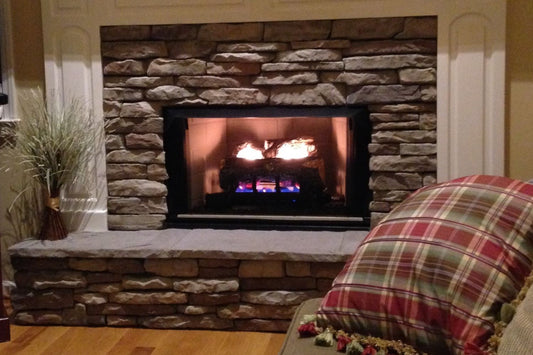
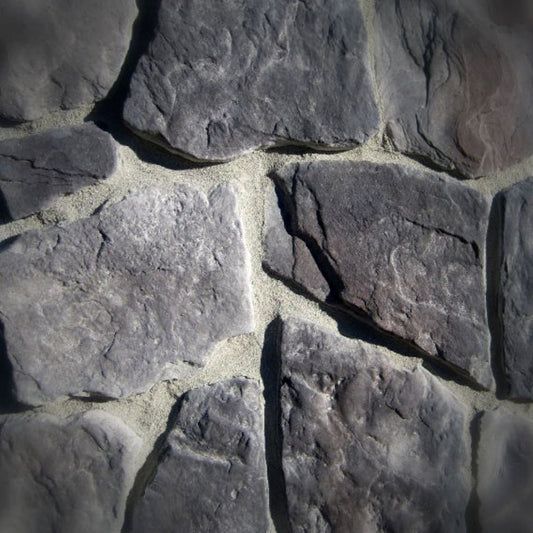
Pictured is ledge stone aspen.