
Light Colored Stone Veneer
Share
Originally posted July 8 2025, updated September 24 2026.
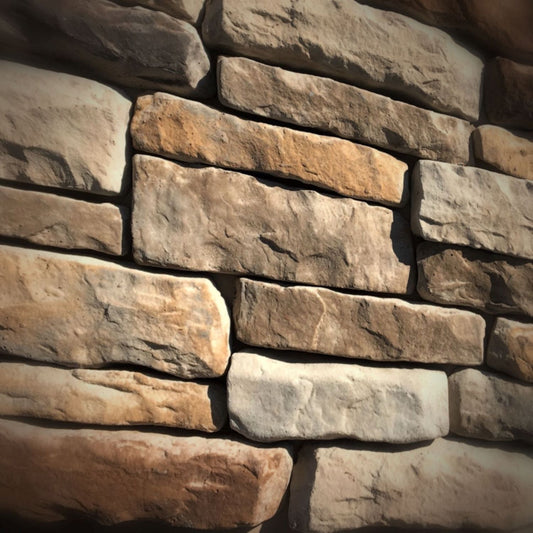
Light-colored manufactured stone veneer is trending because white, cream, and soft gray stone creates a bright, timeless look while adding natural texture and architectural character. These versatile colors work beautifully with modern farmhouse, contemporary, coastal, Scandinavian, craftsman, and transitional home designs, making light stone veneer a popular choice for fireplaces, accent walls, exterior facades, and other architectural features.
Stone veneer has long been popular for the texture, depth, and natural character it brings to a home. While darker stone colors continue to have their place in residential design, light and bright manufactured stone veneer has become increasingly popular for both interior and exterior applications.
White, cream, beige, and soft gray stone tones are showing up across a wide range of home styles, from modern farmhouse fireplaces and bright contemporary interiors to craftsman exteriors and transitional homes. The appeal is easy to understand. Light-colored stone can make a space feel brighter and more open while still providing the texture and visual interest that homeowners want from a stone finish.
Manufactured stone veneer also gives homeowners more control over the appearance of a project. With a variety of profiles, stone shapes, textures, and color combinations available, light-colored stone can be used to create anything from a subtle neutral backdrop to a dramatic architectural focal point.
If you are considering manufactured stone veneer for your next project, lighter colors are worth exploring. Here is why white, cream, and gray stone veneer continues to be such a popular design choice.
Why Light Colored Stone Veneer is So Popular
One of the biggest reasons for the popularity of light stone veneer is its ability to create a clean and welcoming appearance without looking plain. White, cream, and gray tones provide a neutral foundation, while the natural-looking variations in the stone add texture and dimension.
Unlike a flat painted wall, manufactured stone veneer introduces variations in shape, surface texture, shadow, and color. These details can make a significant difference in the overall appearance of a room or exterior.
Light stone colors are particularly effective when a design calls for an open, airy feeling. They can work with existing neutral finishes rather than competing with them, making them easier to incorporate into an overall color palette.
This versatility is one reason light-colored manufactured stone veneer works across so many architectural styles. The same general color family can look completely different depending on the stone profile, installation pattern, mortar joint, surrounding materials, and lighting.
White Manufactured Stone Veneer Creates a Bright, Timeless Look
White stone veneer can give a home a fresh and sophisticated appearance while maintaining the character of a traditional masonry finish. It is particularly popular for fireplace surrounds, exterior accents, entryways, and feature walls.
Pure white is not the only option. Many homeowners prefer white stone with subtle gray, beige, or cream variation because the additional color creates depth and helps the stone look more natural.
White manufactured stone veneer can also provide an effective contrast against darker architectural elements. Black-framed windows, dark doors, charcoal roofing, and black metal accents can stand out dramatically against a lighter stone exterior.
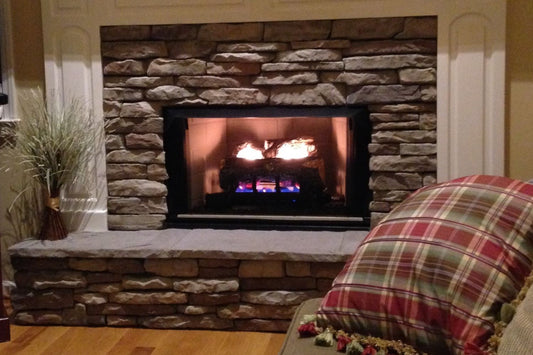
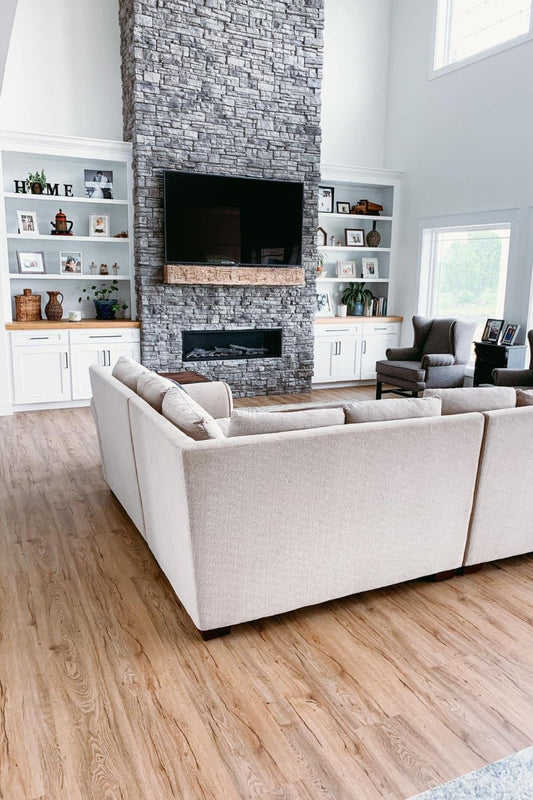
Inside the home, white stone can help a fireplace or feature wall become a focal point without making the room feel visually heavy. This makes it especially useful in spaces where the goal is to combine architectural texture with a light, modern color palette.
Cream and Warm Neutral Stone Adds Softness
For homeowners who want the brightness of a light stone without the cooler appearance that some white and gray colors can create, cream and warm neutral tones can be an excellent choice.
Cream-colored manufactured stone veneer works particularly well with natural wood, warm flooring, beige furnishings, and other earthy materials. It can create a softer appearance while still providing the texture and character associated with masonry.
Warm stone colors are also a natural fit for modern farmhouse and transitional designs. When paired with wood beams, wood siding, natural flooring, or other organic materials, cream stone can help create a balanced combination of texture and color.
Because cream is a relatively neutral color, it can also remain appealing as other design elements change over time. This is particularly useful for homeowners who want an architectural finish that will work with more than one decorating style.
Soft Gray Stone Veneer Fits Modern Design
Gray manufactured stone veneer has become another popular option for contemporary and transitional homes. Gray tones can provide a slightly cooler, more modern appearance while still maintaining the dimensional quality of stone.
Soft gray stone works especially well with white siding, black windows, dark metal, concrete-inspired finishes, and natural wood. Depending on the exact stone color and profile, gray veneer can create anything from a subtle neutral accent to a strong architectural statement.
Gray is also useful when a homeowner wants contrast without using an extremely dark stone. A soft gray stone wall or fireplace can provide definition within a room while maintaining a relatively light overall appearance.
The combination of gray stone and natural wood is particularly effective because the cool and warm tones balance each other. Add black accents or greenery, and the result can feel distinctly modern without becoming overly stark.
Light Stone Veneer Works Indoors and Outdoors
One of the biggest advantages of light-colored manufactured stone veneer is its versatility. It can be used to add architectural interest to both interior and exterior spaces.
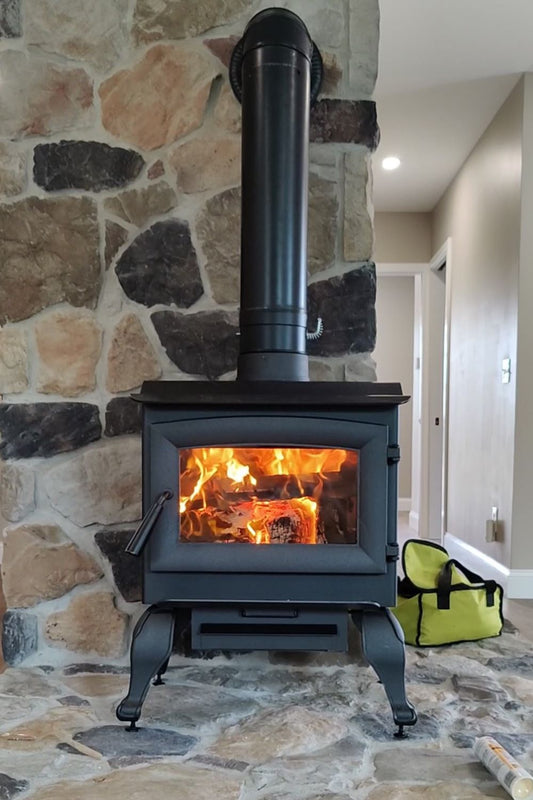
Inside the home, light stone veneer can transform a fireplace surround, accent wall, entryway, kitchen feature, or other architectural element. The stone adds texture and dimension without requiring a dark or dramatic color scheme.
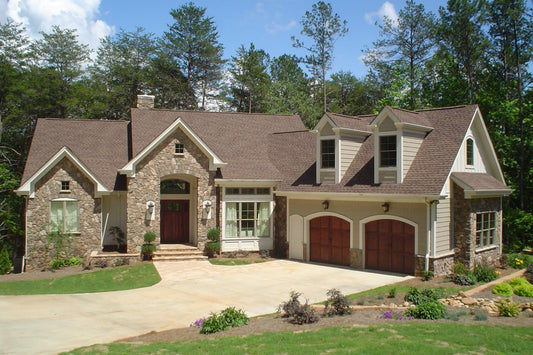
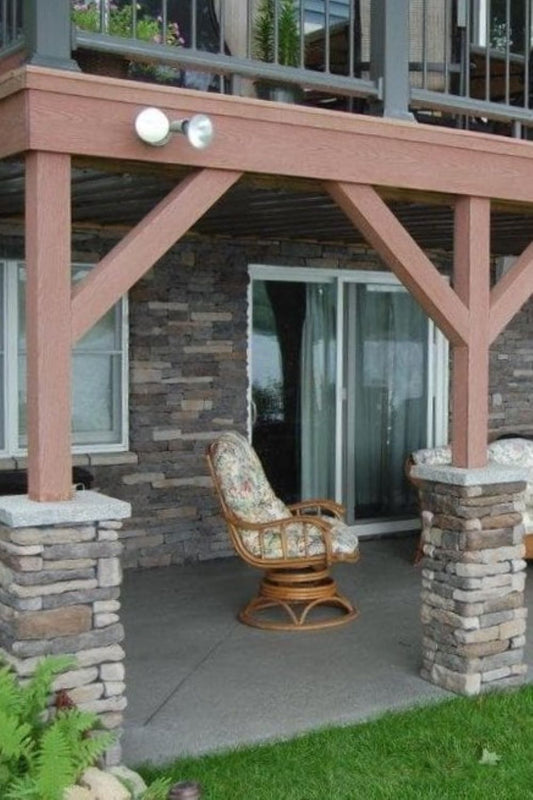
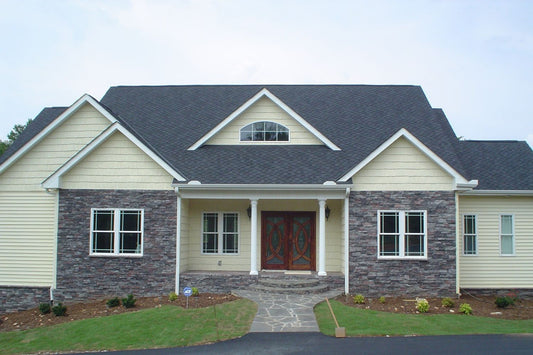
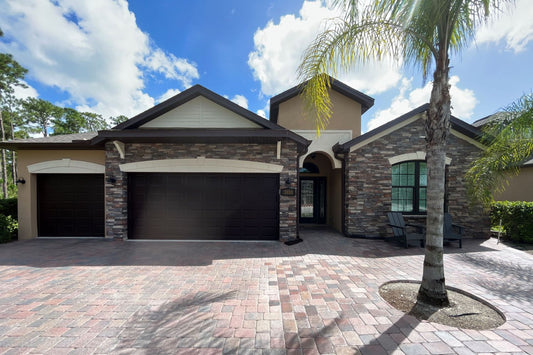
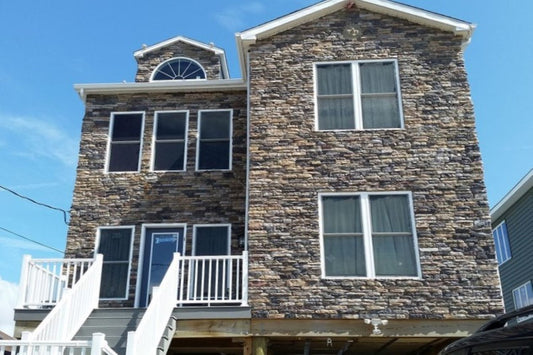
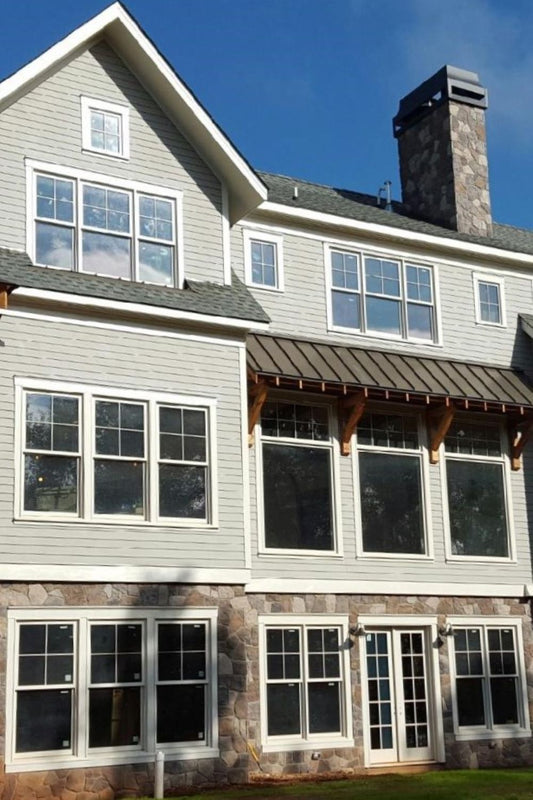
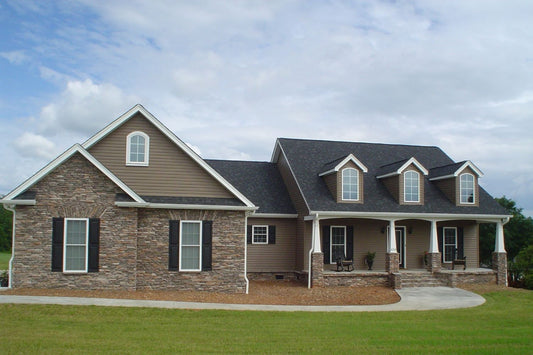
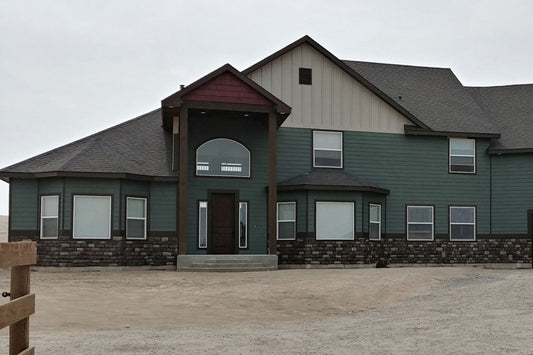
On the exterior, light stone can be used around entryways, on portions of a facade, around garage doors, or as an architectural accent. It can also be combined with siding, brick, wood, or other exterior materials to create visual contrast.
The same stone color can therefore support different design applications throughout a property. A homeowner might use a light stone around an exterior entry and carry a related stone color into an interior fireplace or feature wall for a cohesive look.
Light Stone Complements Today's Popular Design Styles
The popularity of light-colored stone veneer is closely connected to the continued popularity of neutral and natural design palettes. Modern farmhouse, Scandinavian, coastal, contemporary, craftsman, and transitional interiors and exteriors often rely on a combination of light colors, natural materials, and understated textures.
Light stone fits naturally into these palettes because it provides architectural texture without introducing a strong competing color.
Modern farmhouse designs often combine light stone with white siding, natural wood, and dark accents. Scandinavian-inspired spaces can use pale stone to add texture while maintaining a simple, bright appearance. Coastal-inspired homes can pair cream or light gray stone with soft neutral colors and natural materials.
For contemporary designs, light stone can soften an otherwise minimalist exterior or interior. Rather than relying entirely on smooth surfaces, glass, metal, or painted walls, the addition of stone introduces a tactile element and creates shadows that change throughout the day.
The Stone Profile Matters as Much as the Color
Choosing a light-colored stone is only part of the design decision. The profile and shape of the manufactured stone veneer can have just as much impact on the finished appearance.
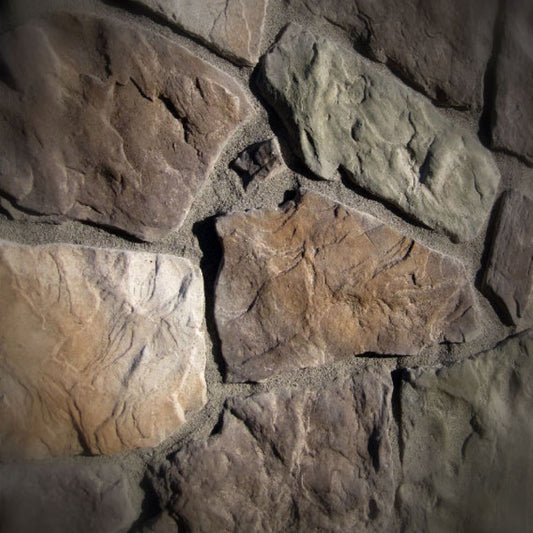
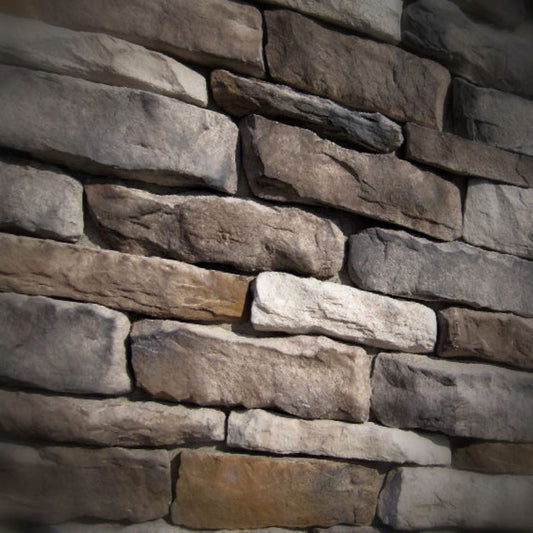
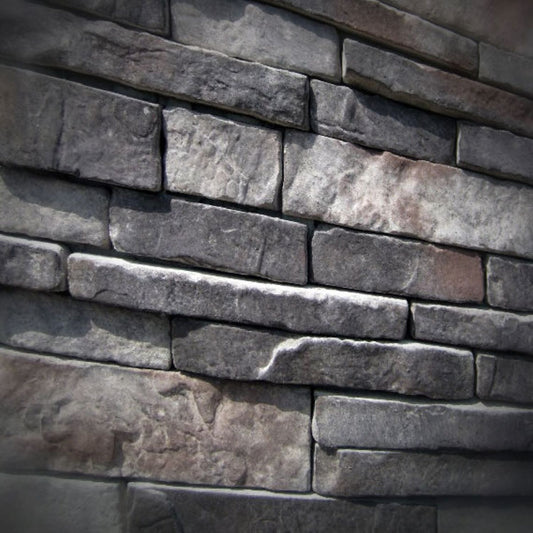
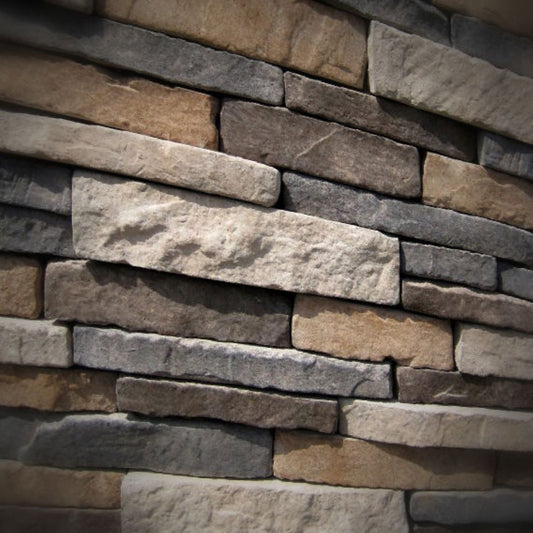
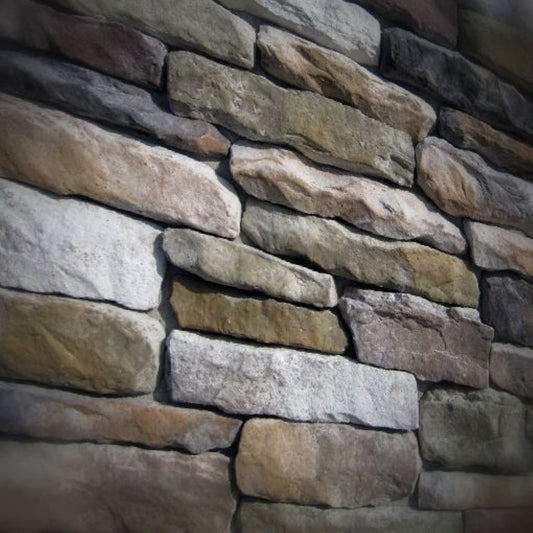
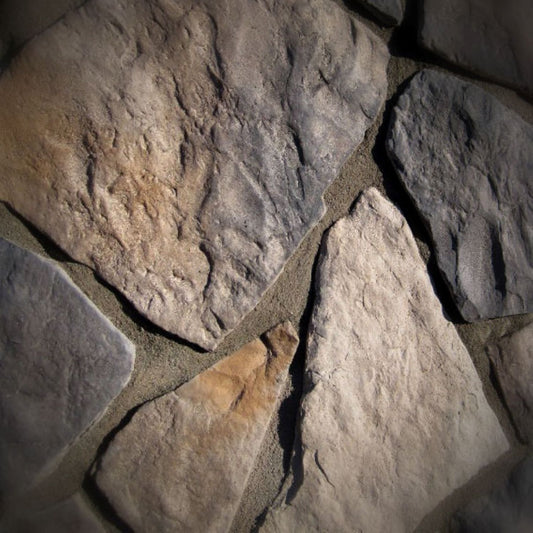
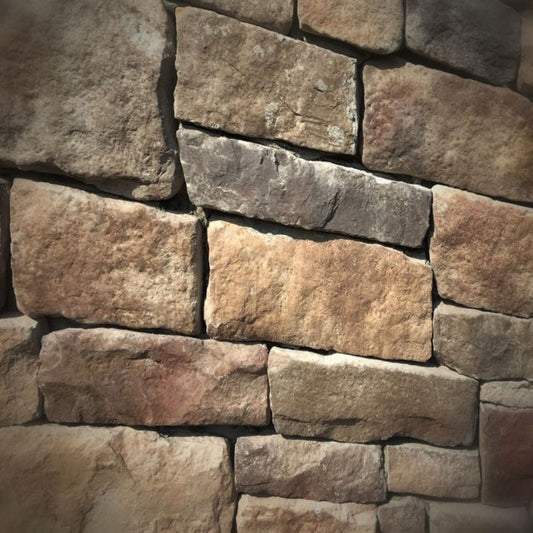
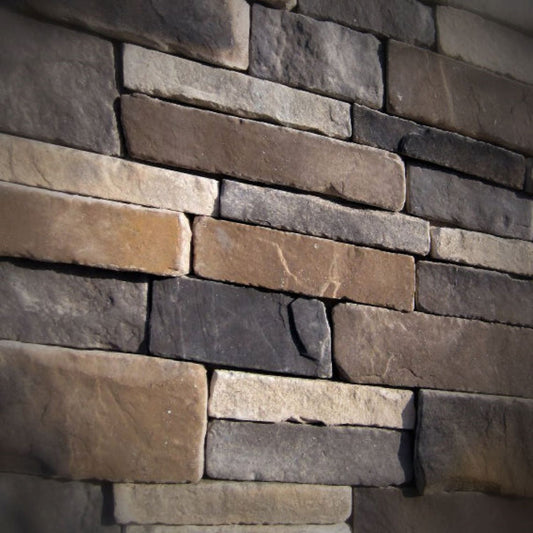
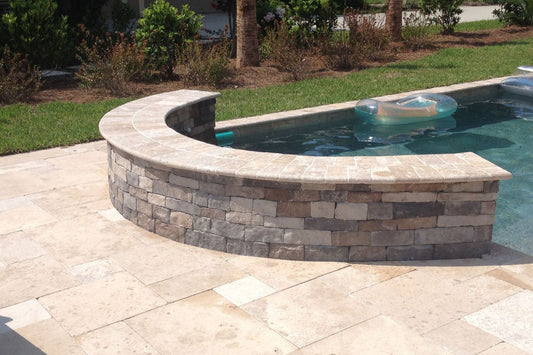
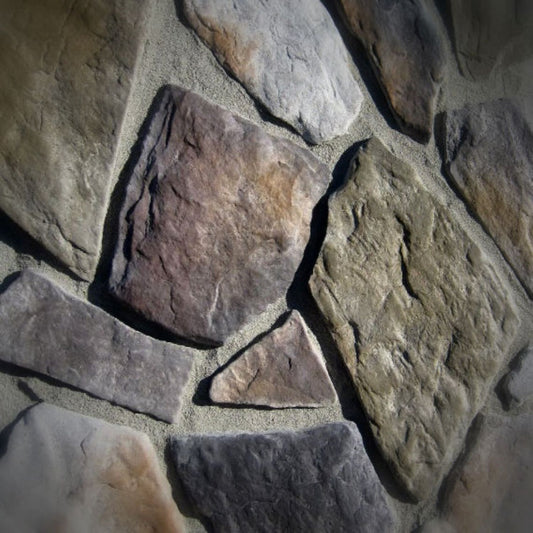
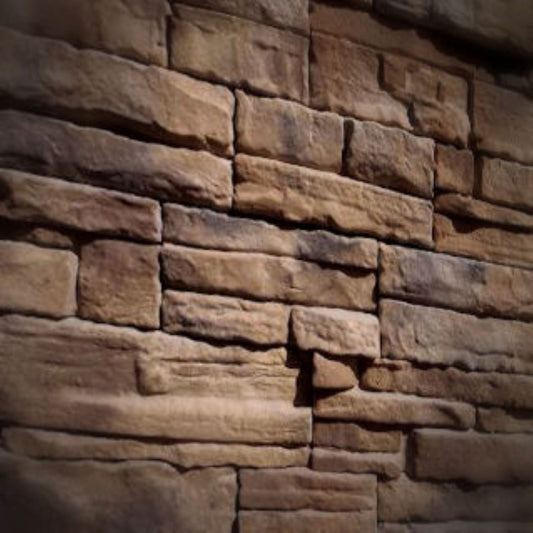
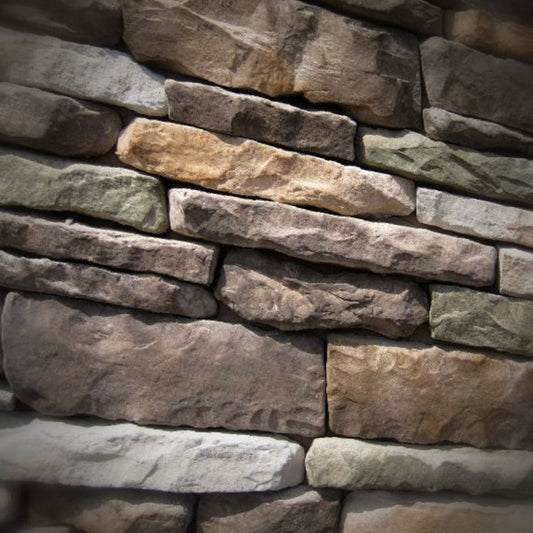
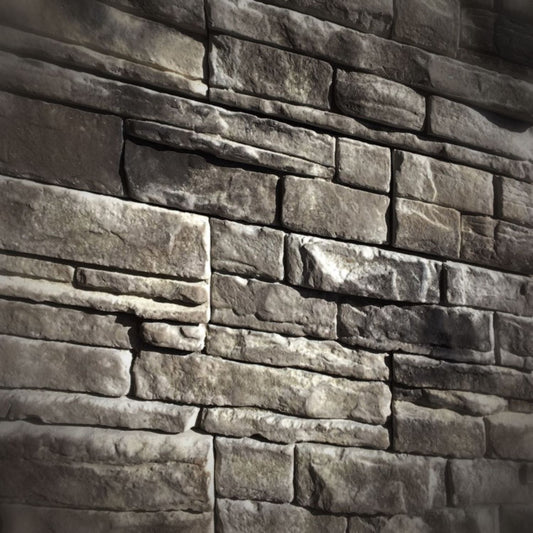
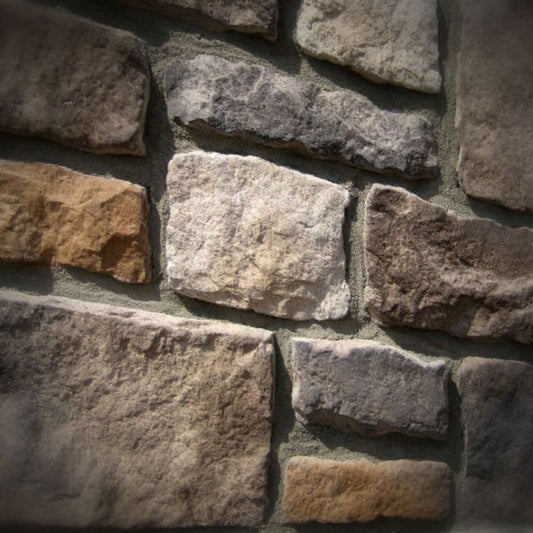
A tightly fitted stacked stone profile can create a more structured appearance with individual stones and narrow mortar joints. Ledgestone has a different visual character, with longer, thinner stones and pronounced horizontal coursing. Fieldstone can provide a more irregular appearance with varied shapes and sizes, while ashlar-style profiles can create a more formal architectural look. The same general color family can therefore produce very different results depending on the profile selected.
This is one reason looking at the actual stone before ordering is valuable. Online photographs can give you a general idea of color and texture, but a physical sample allows you to see how the stone looks in your own lighting and alongside your existing materials.
Do Light Stone Colors Require More Maintenance?
A common concern with white, cream, and other light-colored stone is that dirt or staining will be more noticeable. Like any exterior building material, manufactured stone veneer should be properly maintained, but light-colored stone does not have to be difficult to care for.
Routine cleaning can generally be handled with water and appropriate gentle cleaning methods. For exterior installations, natural weather and environmental exposure can affect the appearance of any masonry product over time, making proper installation and reasonable maintenance important regardless of color.
It is also important to avoid harsh cleaning methods that can damage the stone surface or affect its appearance. When cleaning manufactured stone veneer, follow the appropriate care and cleaning recommendations for the product rather than treating it like a surface that can simply be pressure-washed or scrubbed aggressively.
How to Choose the Right Light Stone for Your Project
When comparing white, cream, and gray manufactured stone veneer, consider the colors already present in the space. Look at siding, roofing, flooring, cabinetry, countertops, trim, windows, doors, and other permanent materials.
Lighting also matters. A stone that looks warm in natural sunlight may appear different under interior lighting. Similarly, a light gray stone can appear warmer or cooler depending on the surrounding colors.
The stone profile should also complement the architecture. A heavily textured, irregular profile can create a very different result from a more linear profile, even when both use similar colors.
For these reasons, ordering a physical manufactured stone veneer sample before making a final decision can be especially helpful. You can see the actual texture, color variation, and surface appearance instead of relying entirely on a photograph.
Frequently Asked Questions About Light Colored Stone Veneer
Is white manufactured stone veneer a popular choice for modern homes?
Yes. White manufactured stone veneer is frequently used in modern farmhouse, contemporary, transitional, coastal, and other home designs where homeowners want a bright neutral color combined with the texture and dimension of stone.
What colors go well with light stone veneer?
Light manufactured stone veneer works well with natural wood, white siding, black window frames, dark metal, neutral paint colors, greenery, and a variety of warm or cool finishes. The best combination depends on the specific stone color and the surrounding materials.
Is cream or gray stone veneer better for a home?
Cream and gray create different design effects rather than one being universally preferable. Cream and warm neutral tones can create a softer, warmer appearance, while gray can provide a cooler and more contemporary look. Comparing physical samples with your existing materials can help you determine which works with your design.
Can light-colored manufactured stone veneer be used indoors?
Yes. Manufactured stone veneer can be used for appropriate interior applications such as fireplace surrounds, accent walls, and other architectural features when installed according to the applicable installation requirements.
Does white stone veneer get dirty easily?
Light-colored stone can make some types of dirt more visible, but properly installed manufactured stone veneer can be maintained with appropriate cleaning methods. Harsh chemicals and aggressive cleaning techniques should be avoided because they can damage the stone or affect its appearance.
Should I order a sample before choosing my stone veneer color?
Ordering a physical sample is a useful way to compare the actual stone color, texture, and variation with your home's lighting and surrounding materials. This can be particularly helpful when choosing among white, cream, beige, or gray stone veneer.
Light Colored Stone Veneer
Light and bright manufactured stone veneer offers a versatile way to add architectural character without making a space feel dark or visually heavy. White, cream, and soft gray tones can complement a wide range of materials and architectural styles, making them practical choices for both interior and exterior projects.
The right combination of stone color, profile, surrounding materials, and installation details can create a finished design that feels current while remaining timeless. If you are not sure which light stone color will work best for your project, start by comparing physical samples in the space where the stone will be installed.
What's Next?
Transform your space with our high-quality manufactured stone veneer! Shop now or order a sample to experience the authentic texture and stunning colors firsthand. Bring your design vision to life and start your project with confidence!
Have a Question?
Please see our full terms of service or check out our frequently asked questions.
For general information and questions please call: (864) 882-8960 Mon. - Fri. 8am - 5pm (EST) or email: info@blackbearmountainstone.com we are more than happy to help you.
Or you can submit your questions via our contact us page.
We look forward to working with you on your upcoming project.
The Black Bear Mountain Stone Team
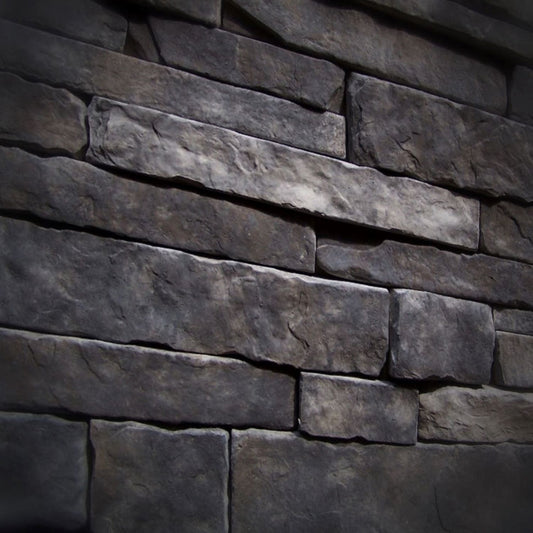
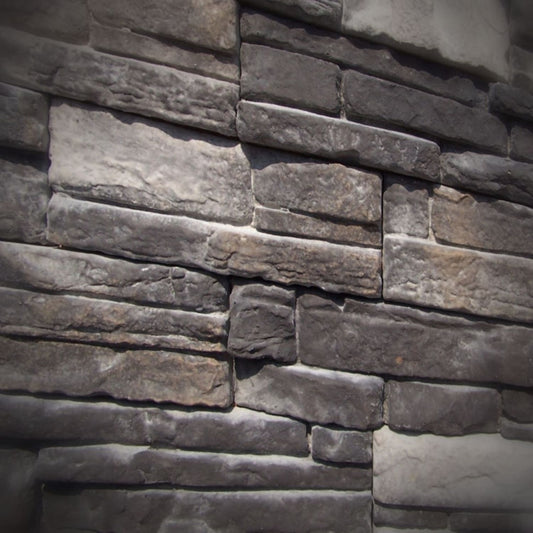
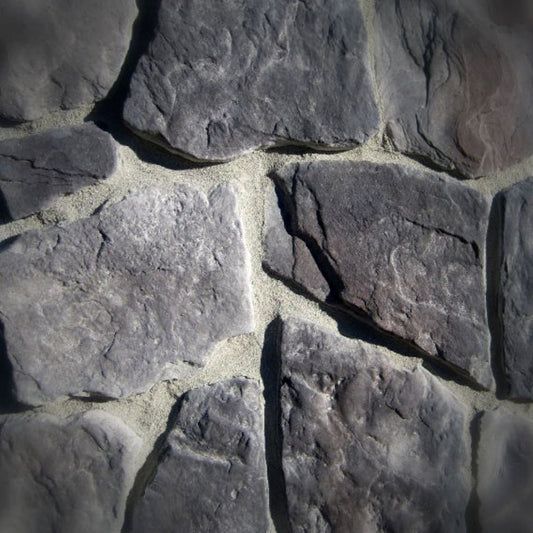
Pictured is ledge stone ash.