
Manufactured Stone Veneer vs. Natural Stone
Share
Originally posted June 18 2025, updated September 16 2026.
Manufactured stone veneer is lighter, more affordable, and easier to install than natural stone while providing a realistic stone appearance. Natural stone offers unmatched authenticity and natural variation but typically weighs more and can require more structural support, labor, and expense. For most residential and commercial projects, manufactured stone veneer provides an excellent balance of appearance, performance, cost, and installation flexibility.
Choosing the right stone material can have a major impact on the appearance, cost, installation, and long-term performance of a renovation or construction project. One of the most common questions homeowners, contractors, architects, and designers ask is: what is the difference between manufactured stone veneer and natural stone, and which one is better?
Both materials can create beautiful architectural finishes, but they have important differences. Natural stone is quarried directly from the earth, while manufactured stone veneer is a cement-based material specifically designed to replicate the appearance and texture of natural stone. The two materials also differ significantly in weight, installation requirements, cost, consistency, and design options.
For many residential and commercial applications, manufactured stone veneer offers the practical advantages of a lighter material, easier handling, lower installation costs, and extensive design flexibility without giving up the realistic appearance people want from stone.
What is Manufactured Stone Veneer?
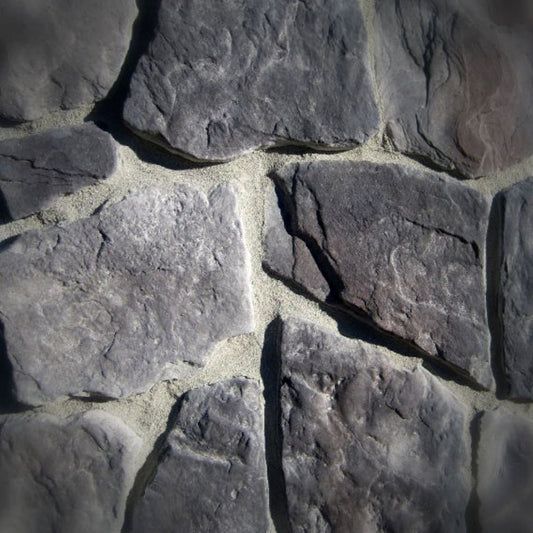
Manufactured stone veneer is a cement-based architectural material designed to replicate the appearance of natural stone. It is produced using Portland cement, lightweight aggregates, and iron oxide mineral pigments. Molds created from real stone help reproduce natural-looking shapes, textures, and surface details.
Unlike natural stone, manufactured stone veneer is produced in a controlled manufacturing environment. This allows manufacturers to develop specific profiles, colors, sizes, and textures while maintaining consistency from one production run to another.
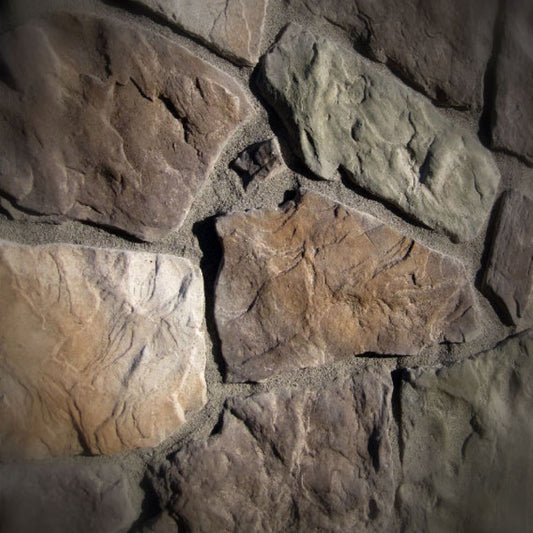
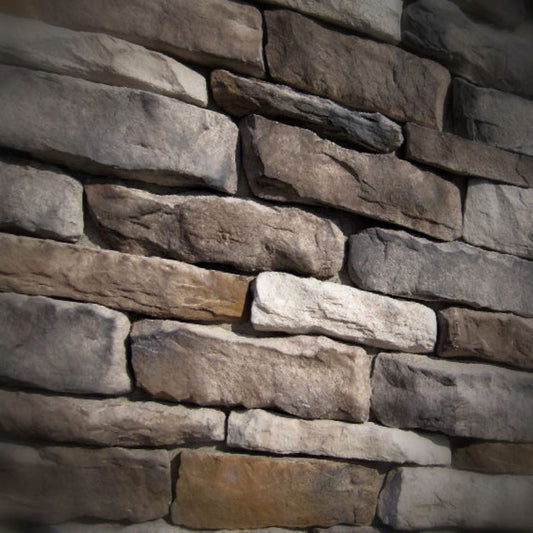
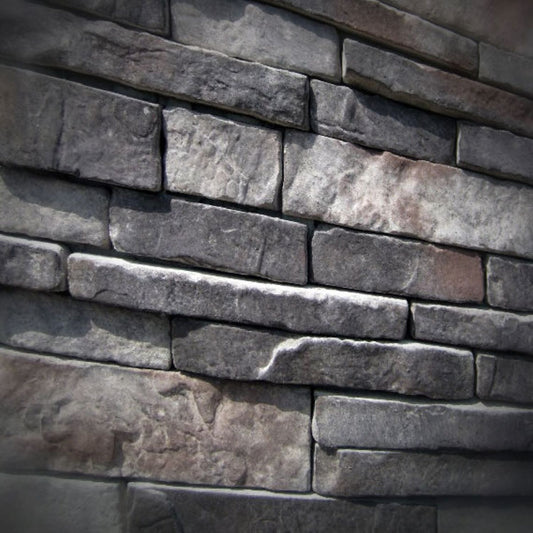
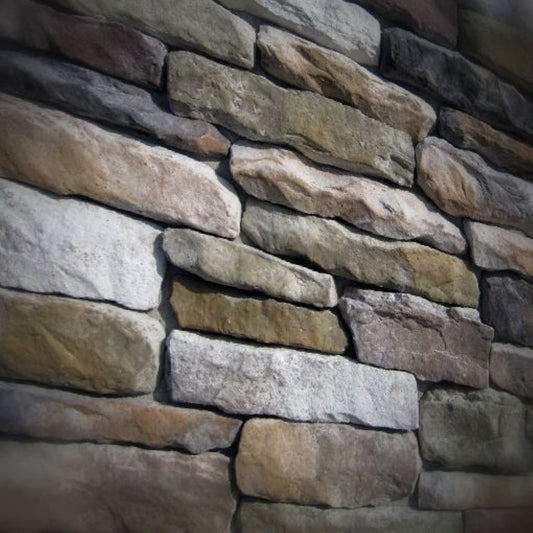
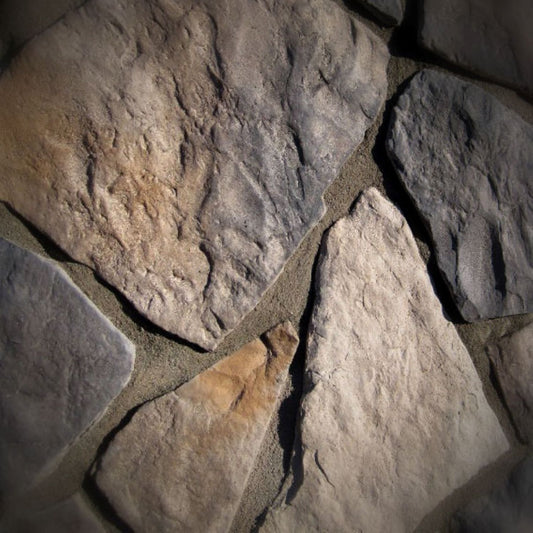
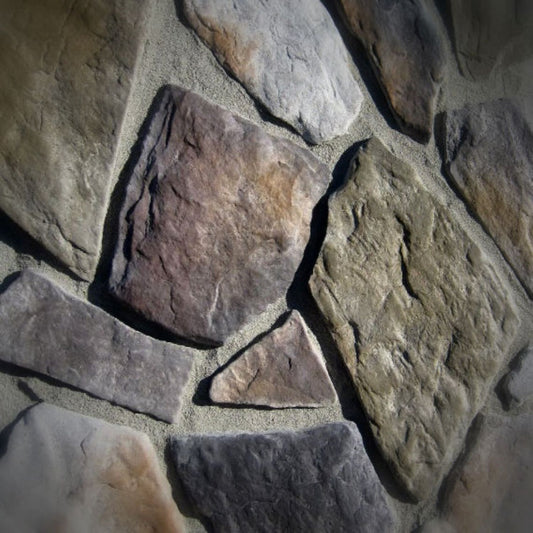
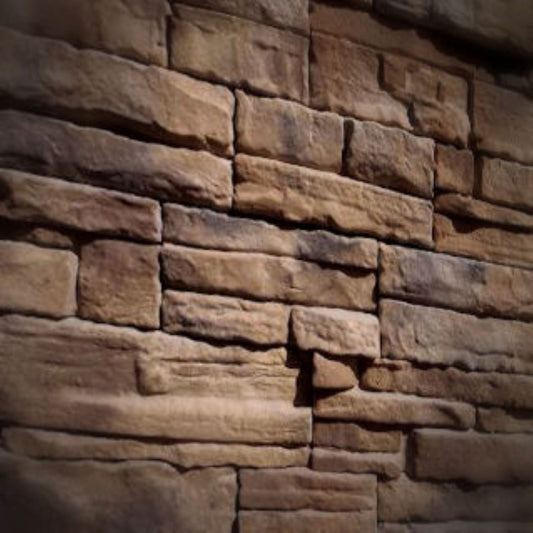
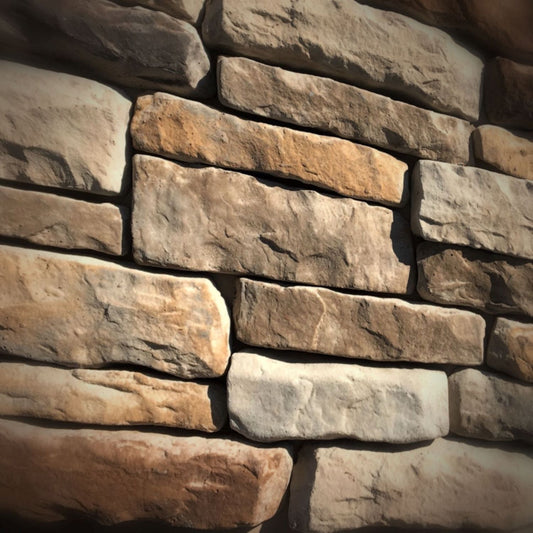
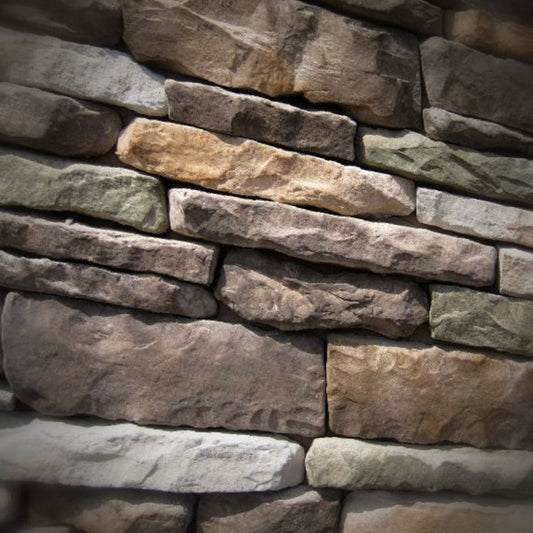
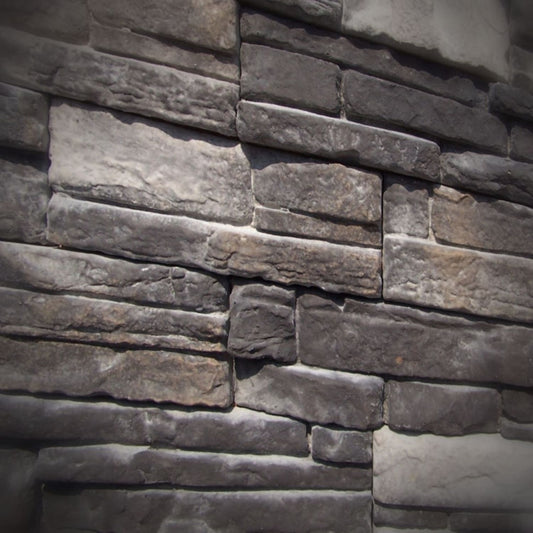
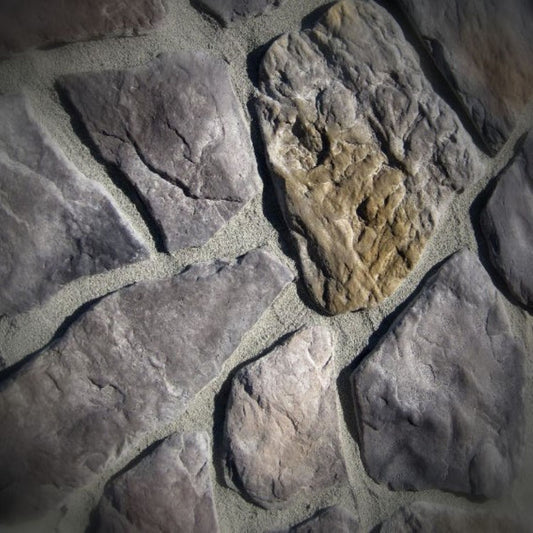
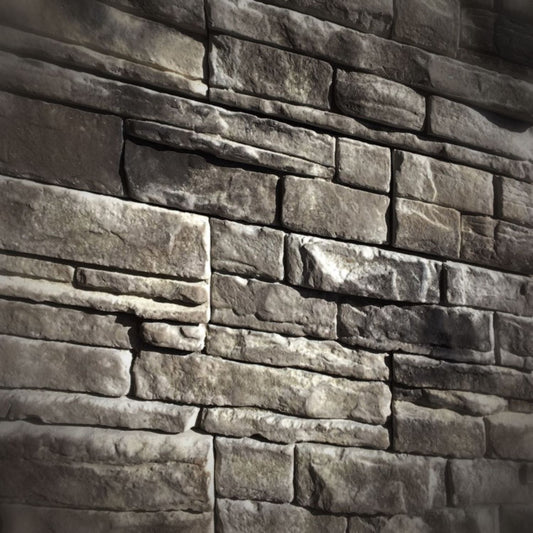
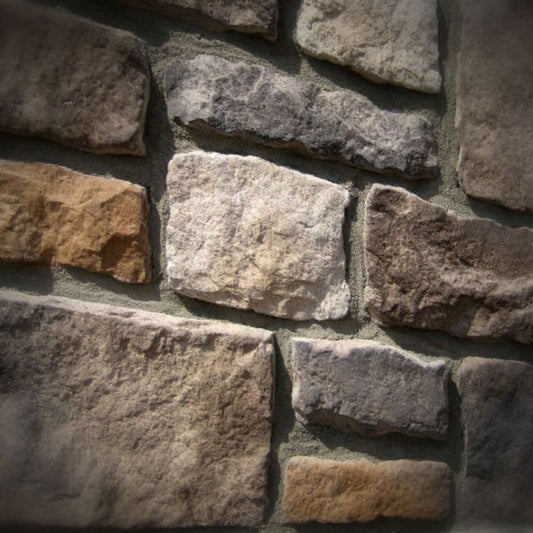
Modern manufactured stone veneer is designed to look like real stone rather than a flat imitation. Individual stones can have substantial variation in size, shape, texture, and color, helping create a natural appearance when properly installed.
What is Natural Stone?
Natural stone is quarried directly from the earth and includes materials such as limestone, granite, sandstone, slate, and various other geological formations. Each quarry and type of stone can produce its own distinctive combination of colors, textures, patterns, and mineral characteristics.
One of the biggest advantages of natural stone is its authenticity. Because it formed naturally over thousands or millions of years, no two pieces are exactly alike. This organic variation is one of the primary reasons people choose natural stone for certain architectural projects.
However, that authenticity can also make natural stone more difficult to source, transport, cut, handle, and install. Depending on the stone selected, its weight and installation requirements can also have a significant impact on the overall project.
Manufactured Stone Veneer vs. Natural Stone Weight
Weight is one of the most important differences between manufactured stone veneer and natural stone. Manufactured stone veneer is specifically engineered to provide the appearance of stone without the weight associated with a solid piece of quarried rock.
The actual weight of manufactured stone veneer varies by profile and thickness, but it is generally substantially lighter than comparable natural stone. Natural stone can vary considerably as well, depending on the type of stone, thickness, and installation method.
This weight difference matters because stone does not exist in isolation. The wall, framing, substrate, foundation, transportation, and installation process all have to accommodate the material being installed.
A lighter manufactured stone veneer can make handling and installation easier and can expand the range of applications where a stone finish is practical. It can also reduce the amount of labor involved in moving individual pieces around a job site.
That does not mean every manufactured stone veneer installation can simply be installed on any existing surface. Proper substrate preparation and installation procedures are still essential. Exterior installations and moisture-sensitive substrates typically require a weather-resistant barrier, metal lath, and a Type S mortar scratch coat before the veneer is installed.
Why Does Stone Weight Matter?
The weight of stone can influence several aspects of a construction or renovation project. Heavier natural stone may require additional planning for structural support, transportation, material handling, and installation.
Weight can also affect labor. Moving and positioning heavier pieces generally requires more effort, particularly when working on walls, columns, fireplaces, or elevated exterior surfaces. Larger natural stone pieces may require additional equipment or specialized handling depending on the project.
Manufactured stone veneer helps simplify many of these challenges because individual pieces are easier to handle. This can be especially valuable during remodeling projects where the existing structure was not originally designed to accommodate a heavy stone installation.
Shipping is another consideration. Stone is inherently a heavy construction material, so reducing material weight can help make transportation and job-site handling more manageable. The exact shipping cost will still depend on order size, destination, carrier, and other freight factors.
Cost of Manufactured Stone Veneer vs. Natural Stone
Cost is another major consideration when comparing manufactured stone veneer and natural stone. The total cost of a stone project is not simply the price of the material. It can also include shipping, substrate preparation, structural considerations, labor, cutting, installation, and job-site handling.
Manufactured stone veneer can offer savings in several of these areas. Its lighter weight makes the material easier to handle, while its manufacturing process allows a wide range of stone styles to be produced without quarrying and processing every piece from a natural rock formation.
Natural stone can have higher material and installation costs depending on the type selected, where it is quarried, how far it must be transported, and how it needs to be cut and installed. Particularly heavy or irregular stone can also increase labor requirements.
For homeowners and builders comparing the overall value of manufactured stone veneer vs. natural stone, it is important to consider the installed cost, not just the price per square foot of the material.
Appearance and Design Flexibility
Natural stone has an obvious advantage when absolute geological authenticity is the priority. Every piece comes directly from nature, with naturally occurring variations that cannot be precisely reproduced.
Manufactured stone veneer, however, has made significant advances in realism. Quality manufactured stone is molded from natural stone forms and incorporates detailed textures, irregular shapes, and natural-looking color variation.
Manufactured stone also provides considerable design flexibility. It is available in numerous profiles and colors, making it possible to create everything from a rustic traditional appearance to a more contemporary architectural finish.
The controlled manufacturing process also provides an important advantage, greater predictability. You can select a specific profile and color combination for a project rather than relying entirely on whatever variation happens to occur in a particular quarry lot.
Ordering a physical sample is still the best way to evaluate a stone veneer color and texture before committing to a larger project. Digital images can vary depending on lighting, screen settings, and photography.
Installation: Manufactured Stone Veneer vs. Natural Stone
Installation requirements are another area where manufactured stone veneer can provide an advantage. Individual manufactured stone veneer pieces are generally easier to transport, lift, cut, position, and mortar than heavier natural stone.
Manufactured stone veneer is also versatile enough for many interior and exterior applications. Depending on the project and substrate, it can be used on wood-framed walls, masonry, fireplaces, columns, accent walls, exterior facades, and outdoor living spaces.
Proper installation is critical, however. Manufactured stone veneer is not simply glued to a wall. For exterior and moisture-sensitive applications, appropriate weather protection, metal lath, scratch coat, and Type S mortar are important parts of the installation system. Following the manufacturer's installation requirements helps ensure the finished project performs as intended.
Natural stone installations can require additional structural planning because of the material's weight. The exact requirements depend on the stone, application, substrate, and building design.
Where Can Manufactured Stone Veneer Be Used?
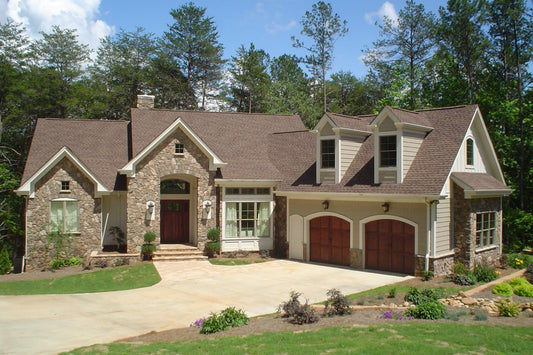
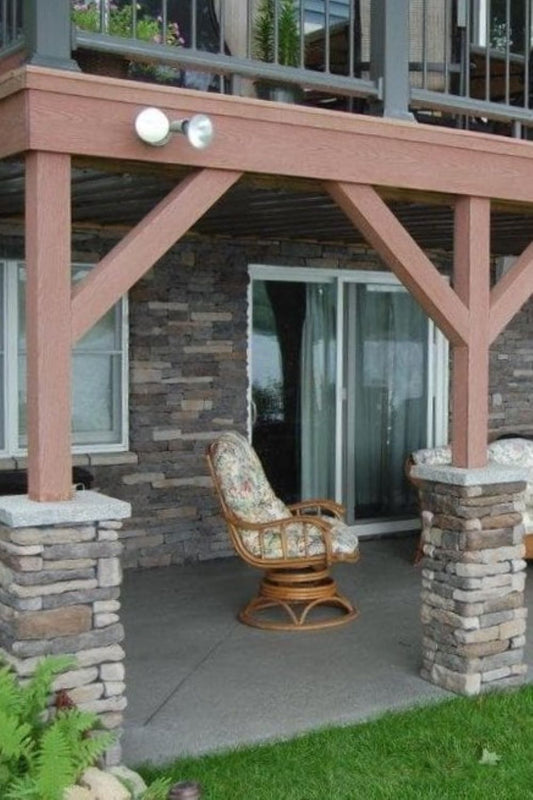
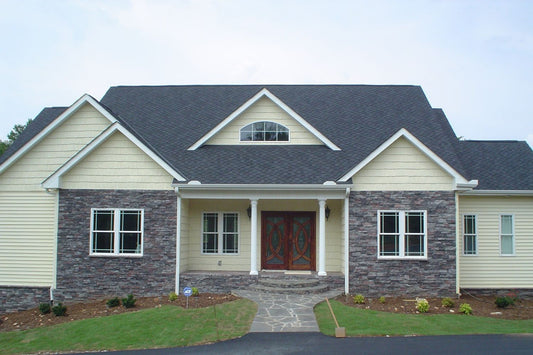
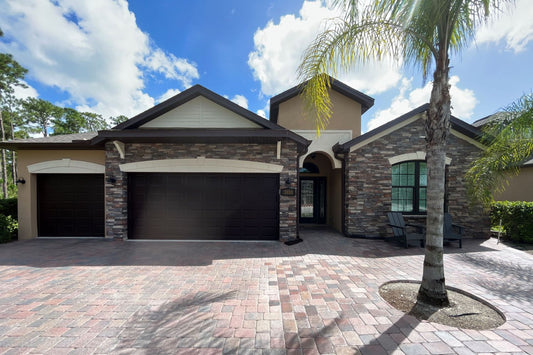
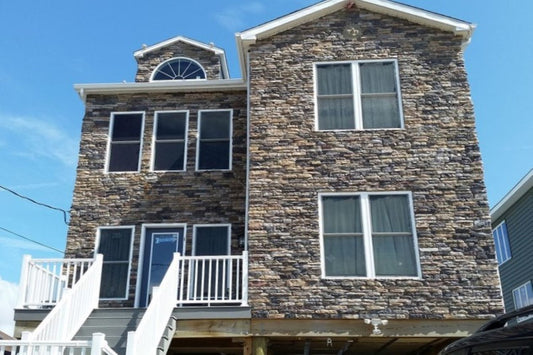
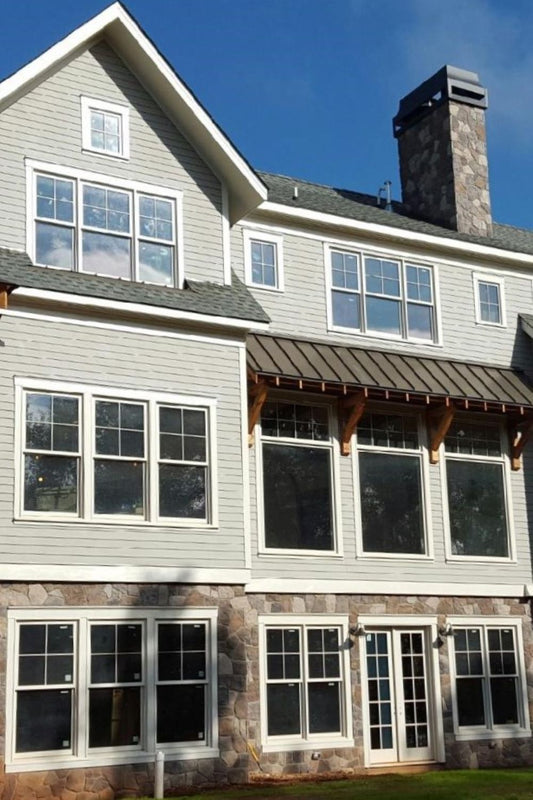
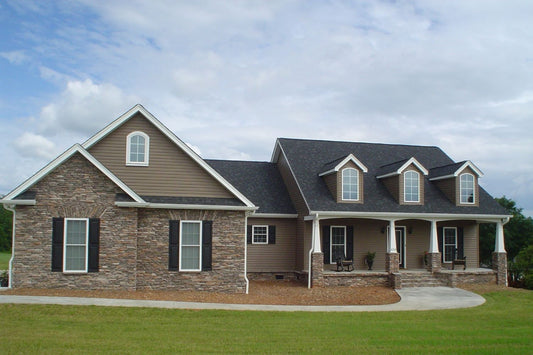
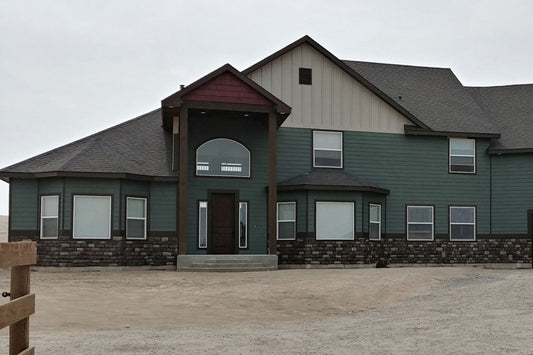
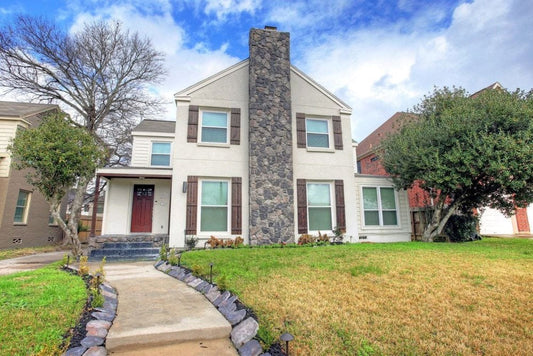
Manufactured stone veneer is suitable for a wide range of architectural applications. On home exteriors, it can be used as an accent around entryways, garages, gables, columns, and other architectural features. It can also cover larger exterior wall areas to create a substantial stone appearance.
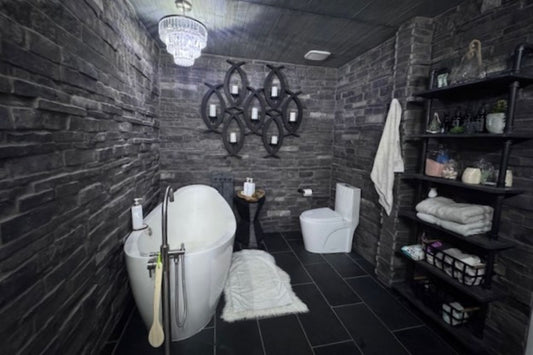
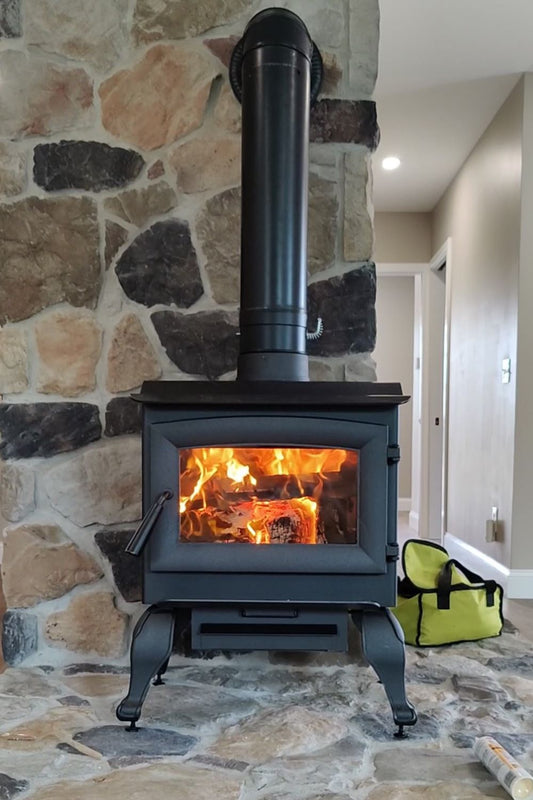
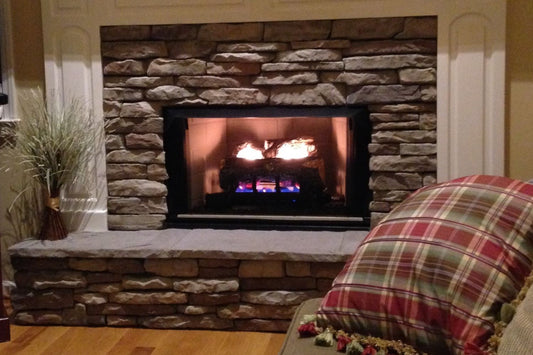
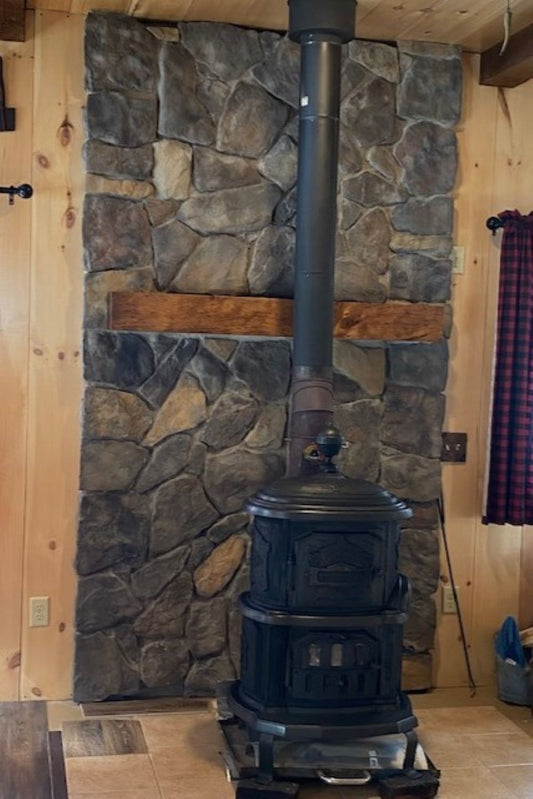
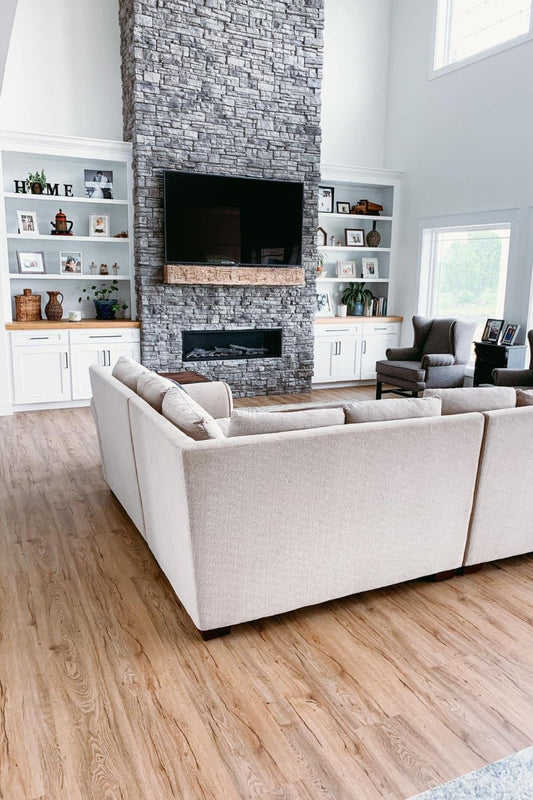
Inside the home, manufactured stone veneer can transform fireplace surrounds, feature walls, accent areas, and architectural columns. Its realistic texture can add visual depth and character without the weight associated with solid natural stone.
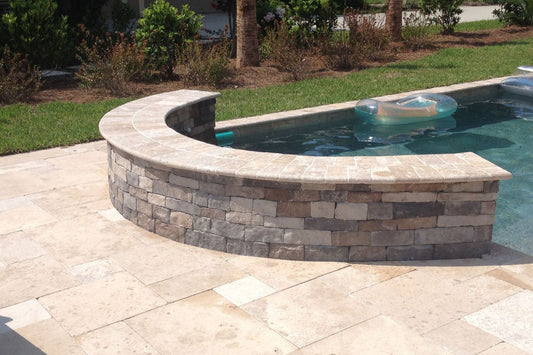
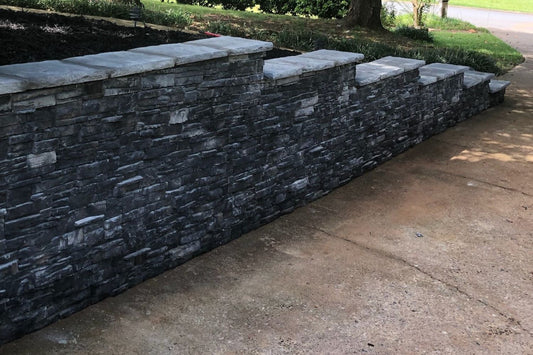
Outdoor living spaces are another popular application. Manufactured stone veneer can be incorporated into outdoor kitchens, BBQ islands, fireplaces, and other features where a durable architectural finish is desired.
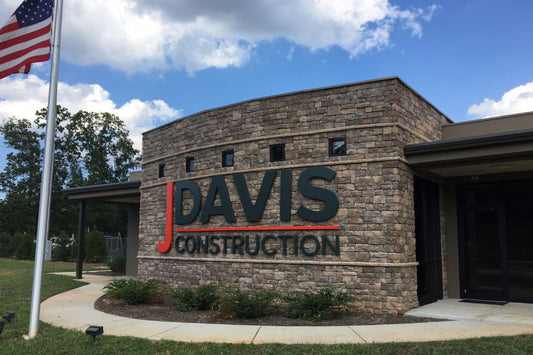
Commercial projects can also benefit from manufactured stone veneer. Storefronts, hospitality spaces, offices, restaurants, multifamily developments, and other commercial buildings can use stone veneer to create a distinctive architectural appearance while maintaining practical installation and material considerations.
When is Natural Stone the Better Choice?
Manufactured stone veneer is an excellent choice for many projects, but natural stone still has applications where it may be preferred.
Historic restoration projects may require authentic quarried materials to preserve the character of an existing structure. Certain high-end custom projects may also call specifically for the unique geological characteristics of natural stone.
Natural stone can be particularly appealing when the designer or property owner wants the exact variation, mineral composition, and irregularity that only a naturally quarried material can provide.
The decision ultimately depends on the priorities of the project. If absolute natural authenticity is the primary consideration, natural stone may be worth the additional weight, cost, and installation requirements. If appearance, versatility, installation efficiency, and overall value are more important, manufactured stone veneer deserves serious consideration.
Frequently Asked Questions About Manufactured Stone Veneer vs. Natural Stone
Is manufactured stone veneer lighter than natural stone?
Yes. Manufactured stone veneer is engineered using lightweight aggregates and is generally much lighter than comparable natural stone. The exact weight varies by profile and thickness, but the reduced weight can make handling, transportation, and installation easier.
Is manufactured stone veneer as durable as natural stone?
Quality manufactured stone veneer is designed for long-term architectural use when properly installed and maintained. Like natural stone, its performance depends on proper installation, substrate preparation, environmental conditions, and appropriate use. Manufactured stone veneer is not intended for every application, including flooring, direct soil contact, or firebox interiors.
Does manufactured stone veneer look like real stone?
Yes. High-quality manufactured stone veneer is molded to reproduce the textures, shapes, and surface characteristics of natural stone. Individual pieces can vary in size, shape, texture, and color, creating a realistic finished appearance.
Is manufactured stone veneer cheaper than natural stone?
Manufactured stone veneer can be less expensive overall because its lighter weight and manufacturing process can reduce material handling and installation costs. However, the final project cost depends on the selected product, project size, shipping, substrate preparation, labor, and installation requirements.
Can manufactured stone veneer be installed on wood-framed walls?
Yes, manufactured stone veneer can be installed on many wood-framed wall assemblies when the substrate is properly prepared. Exterior and moisture-sensitive applications generally require a weather-resistant barrier, metal lath, scratch coat, and Type S mortar rather than direct application to the framing or sheathing.
Should I choose manufactured stone veneer or natural stone?
For most homeowners, builders, and commercial projects, manufactured stone veneer offers an excellent combination of realistic appearance, lighter weight, design flexibility, and installation efficiency. Natural stone may be preferable when authentic quarried material and natural geological variation are the highest priorities.
Manufactured Stone Veneer vs. Natural Stone
There is no single material that is right for every project, but manufactured stone veneer offers a compelling combination of benefits for most residential and commercial applications.
Compared with natural stone, manufactured stone veneer is generally lighter and easier to handle, while offering a broad selection of profiles, colors, and textures. It can also provide a more predictable material cost and installation process.
Natural stone remains an excellent choice when the unique characteristics and authenticity of quarried stone are essential to the project. Manufactured stone veneer, however, provides the realistic appearance of stone while addressing many of the practical challenges associated with heavier natural materials.
If you're comparing manufactured stone veneer vs. natural stone for your next project, start by considering the material's appearance, weight, installation requirements, overall cost, and the specific needs of your structure. For many projects, manufactured stone veneer provides the right balance of beauty, performance, and practicality.
What's Next?
Bring your vision to life with our high-quality stone veneer! Shop now to discover the perfect style or order a sample to experience the rich texture and vibrant color up close. Start your project with confidence today!
Have a Question?
Please see our full terms of service or check out our frequently asked questions.
For general information and questions please call: (864) 882-8960 Mon. - Fri. 8am - 5pm (EST) or email: info@blackbearmountainstone.com we are more than happy to help you.
Or you can submit your questions via our contact us page.
We look forward to working with you on your upcoming project.
The Black Bear Mountain Stone Team
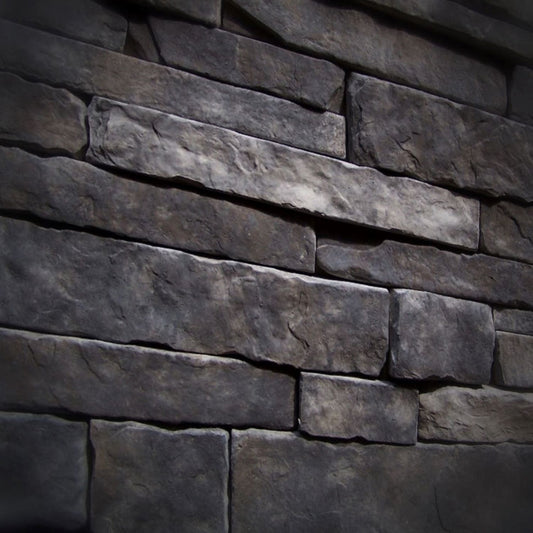
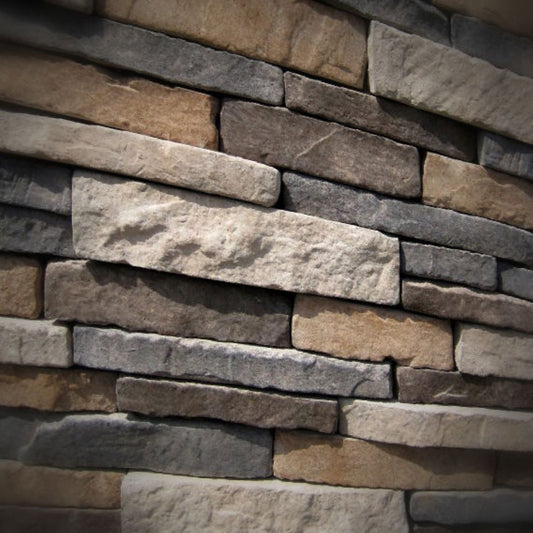
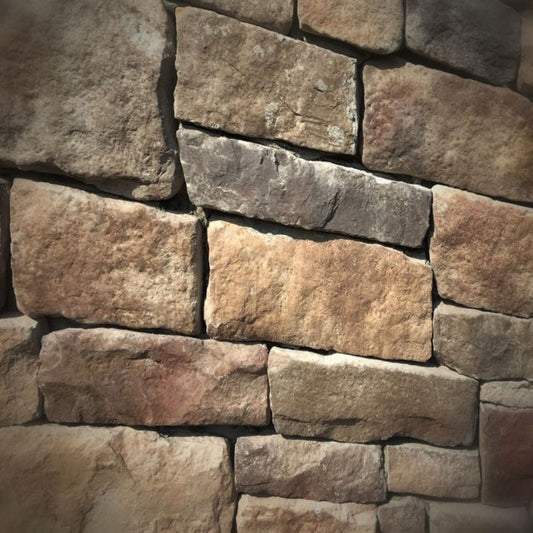
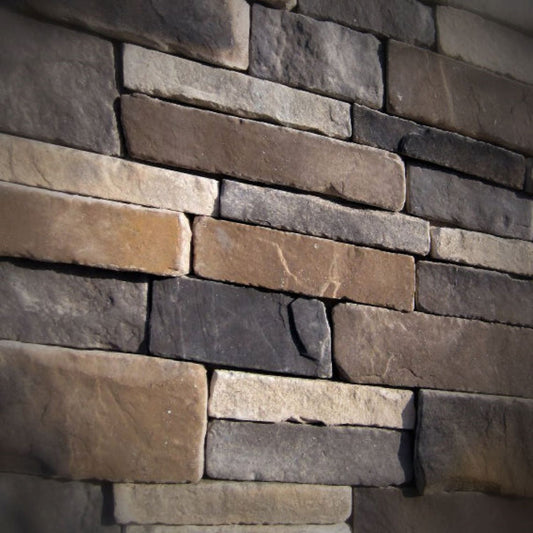
Pictured is stack stone ozark.