
Painting Manufactured Stone Veneer
Share
Originally posted June 30 2024, updated September 18 2026.
You can paint manufactured stone veneer, but painting is generally not recommended. It can alter the intended finish, may void the manufacturer’s warranty, and can create moisture-related concerns. If you want a different color, replacing the veneer or selecting a different color before installation is usually a better long-term solution.
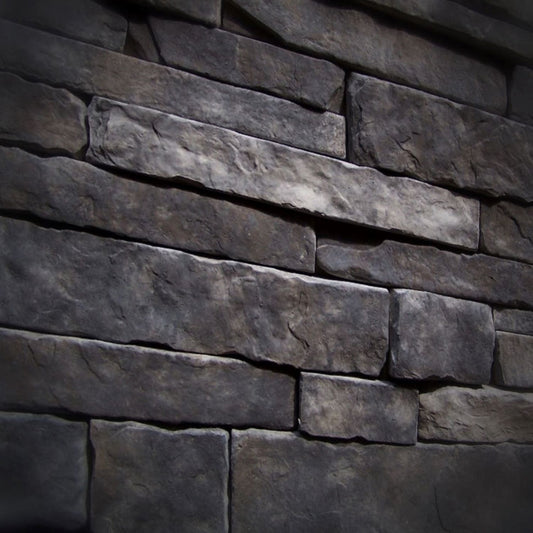
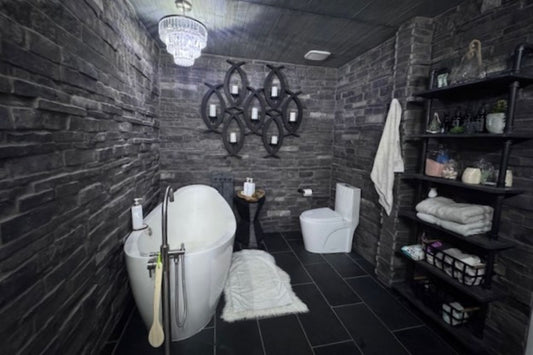
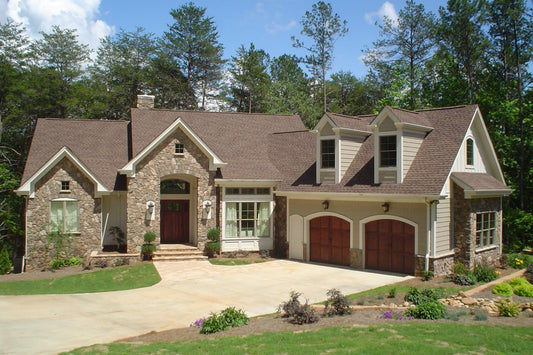
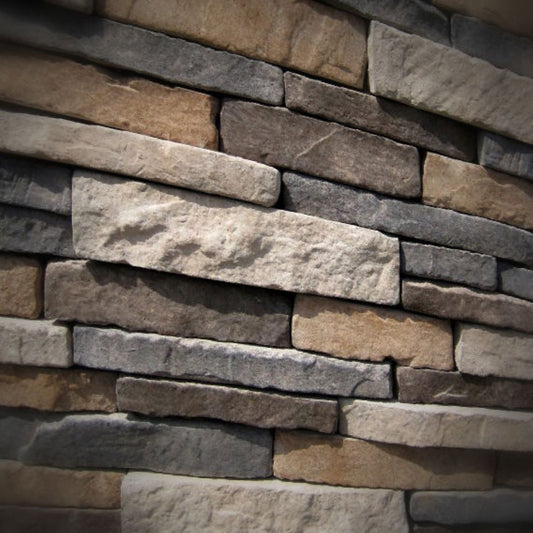
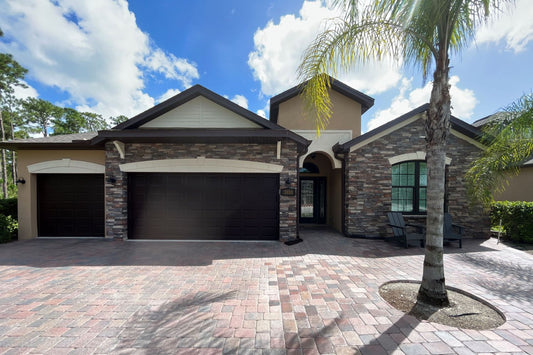
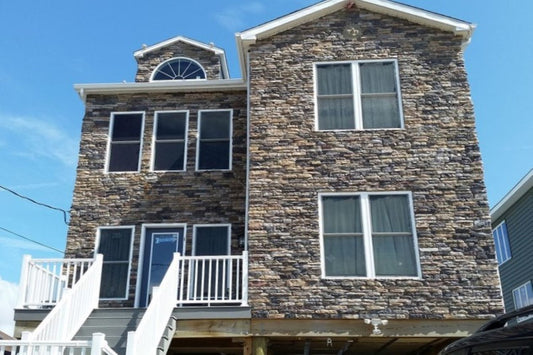
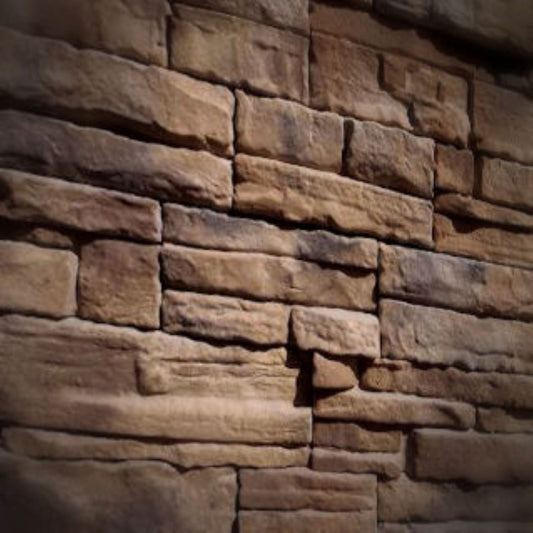
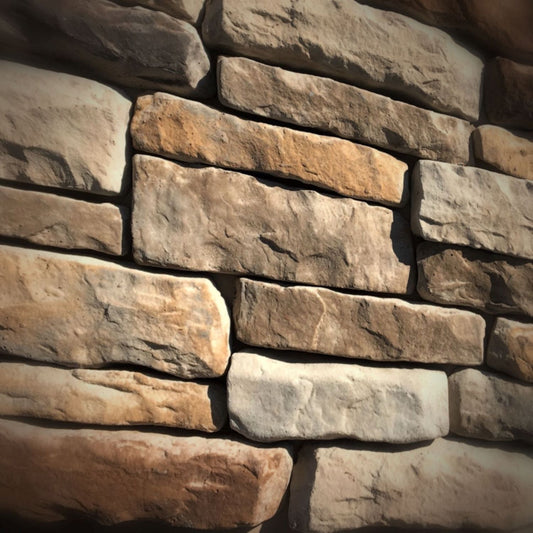
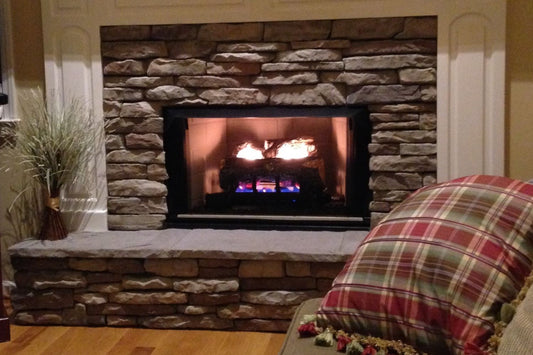
Manufactured stone veneer adds texture, dimension, color, and architectural character to fireplaces, accent walls, exterior walls, outdoor living spaces, and other areas of the home. With a wide range of stone profiles and colors available, it provides the appearance of natural stone while offering a practical option for many residential and commercial applications.
But what happens if you install manufactured stone veneer and later decide you want a different color? Can you paint manufactured stone veneer? The short answer is yes, manufactured stone veneer can technically be painted. However, painting is generally not recommended. Before changing the surface of your stone veneer, it is important to consider the manufacturer's warranty, moisture movement, long-term durability, and the effect paint can have on the texture and appearance of the stone.
If you are considering changing the color of existing manufactured stone veneer, understanding these factors can help you make a more informed decision and avoid potentially expensive problems later.
Can You Paint Manufactured Stone Veneer?
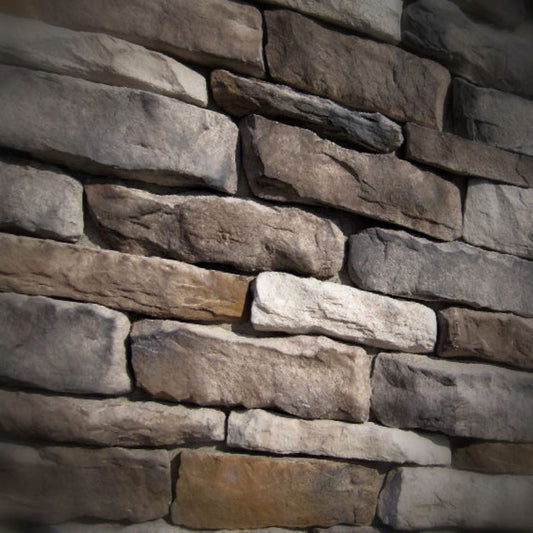
Yes, manufactured stone veneer can technically be painted, but that does not mean it is a recommended finishing method. Manufactured stone veneer is manufactured with its color and surface appearance in mind, and applying paint changes the original finish of the product.
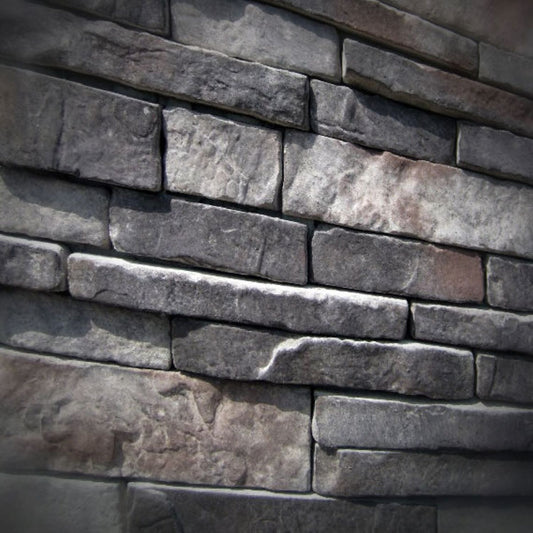
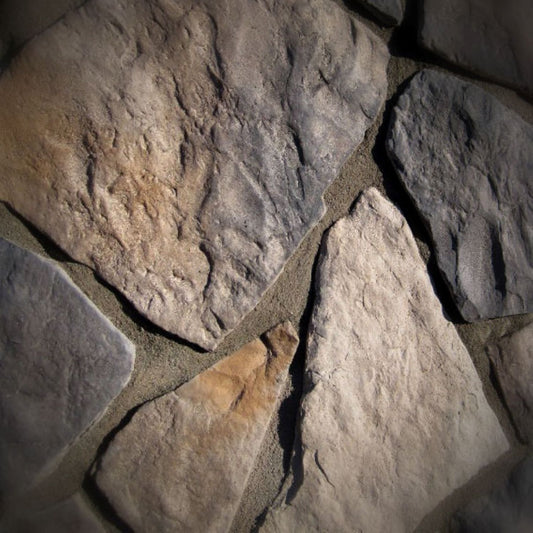
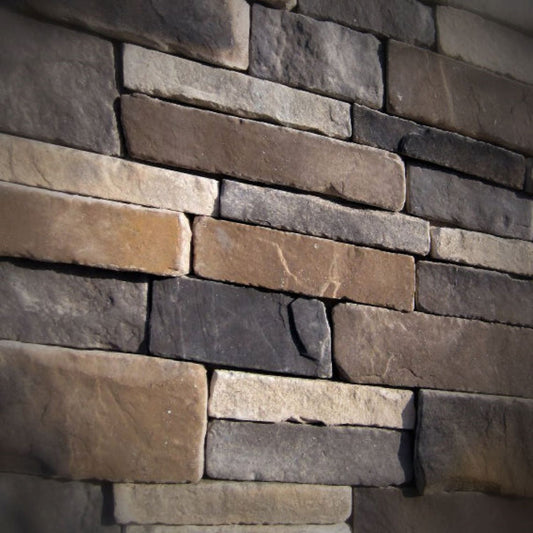
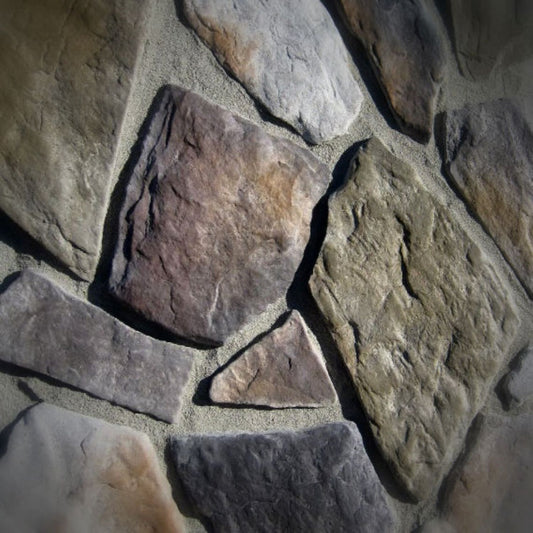
Paint can also behave differently on a textured cement-based surface than it does on a typical smooth wall. The many faces, recesses, joints, and irregular surfaces of stone veneer make achieving an even finish more difficult. Heavy application can also reduce the variation and depth that give manufactured stone veneer its realistic appearance.
For these reasons, homeowners should carefully consider whether painting is worth the potential disadvantages before proceeding. This is particularly important for exterior installations that are exposed to rain, snow, temperature changes, sunlight, and repeated freeze-thaw cycles.
Does Painting Manufactured Stone Veneer Void the Warranty?
One of the most important considerations is the manufacturer's warranty. Altering the original surface of manufactured stone veneer through painting, limewashing, German smear, or other decorative treatments can void the manufacturer's warranty.
Warranty terms vary by manufacturer, so homeowners should always review the warranty for their specific product before applying any coating or finish. If the stone is still covered by a manufacturer's warranty, changing its original finish may eliminate coverage for future product-related issues.
This is one reason it is generally better to choose the desired stone profile and color before purchasing and installing manufactured stone veneer. If a different appearance is wanted later, replacing the material rather than modifying its surface may be the more appropriate approach, depending on the project.
Why Painting Stone Veneer Can Be a Problem
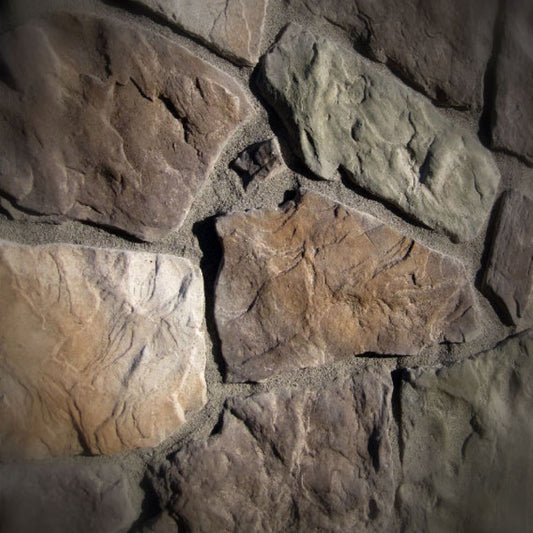
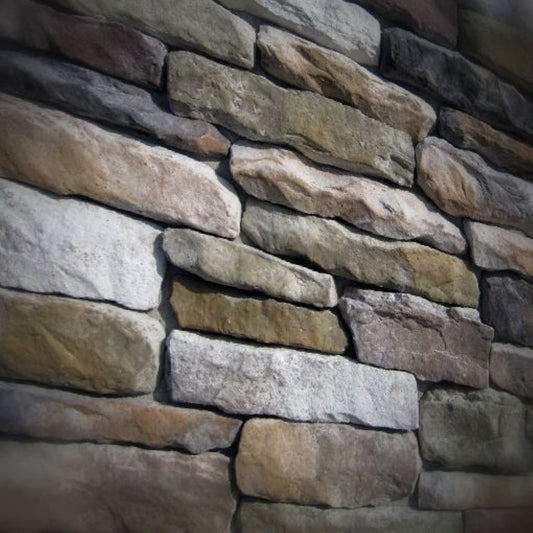
Manufactured stone veneer is a cement-based product with a textured surface designed to create variation in color and appearance. Applying paint creates a new surface coating over that finish. While this may initially provide the desired color change, the coating can change how the stone looks and performs over time.
Exterior stone veneer is particularly exposed to environmental conditions. Sunlight can cause some coatings to fade, while rain and moisture can affect the finish. Temperature changes can also cause materials to expand and contract at different rates. Over time, a painted surface may become uneven, peel, flake, or require additional maintenance.
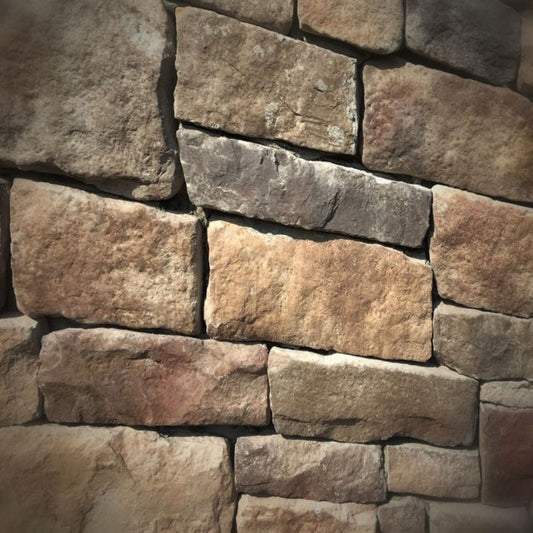
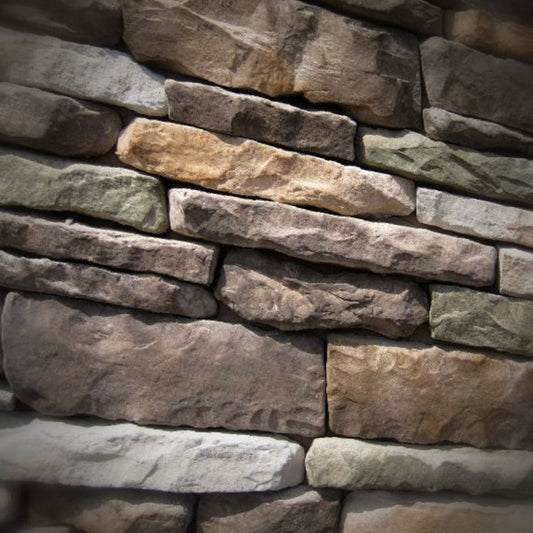
Painting can also visually flatten the stone. One of the advantages of manufactured stone veneer is the combination of texture, color variation, shadows, and individual stone characteristics. A uniform paint coating can cover some of that variation and make the installation look less like individual pieces of stone.
Can Paint Trap Moisture in Manufactured Stone Veneer?
Moisture is another important consideration when painting manufactured stone veneer. Exterior wall assemblies are designed to manage water and moisture, and coatings should not interfere with the way the assembly is intended to dry.
Some paints and coatings can restrict moisture vapor movement. If moisture becomes trapped behind or within an improperly finished assembly, it can contribute to problems such as efflorescence or deterioration under certain conditions. In climates where temperatures fall below freezing, moisture-related issues can be especially important because repeated freeze-thaw cycles can put additional stress on masonry materials and assemblies.
Not every paint will create the same level of moisture concern, and the suitability of a particular coating depends on the product, substrate, location, and wall assembly. That is why simply choosing a paint labeled for masonry does not automatically make it appropriate for every manufactured stone veneer installation.
How to Paint Manufactured Stone Veneer
If you decide to paint manufactured stone veneer despite these considerations, the surface should be prepared carefully and the coating should be appropriate for masonry. The manufacturer's recommendations for the stone and the coating manufacturer's instructions should both be followed.
Start with a clean, sound surface. Dirt, dust, efflorescence, grease, loose material, and other contaminants can interfere with adhesion. Cleaning methods should be appropriate for the particular stone veneer and installation. Avoid aggressive cleaning methods that could damage the surface or mortar joints.
The selected coating should be specifically formulated for masonry and suitable for the conditions where the stone is installed. Exterior applications require products designed to withstand outdoor exposure, while interior applications have different environmental considerations.
A masonry-compatible primer may be appropriate for some coating systems, but it should only be used when recommended by the coating manufacturer. Applying unnecessary layers can add to moisture and adhesion concerns.
When applying the coating, work carefully around the texture, joints, and individual stone faces. Heavy coats can fill recesses and reduce the dimensional appearance of the veneer. The goal should be an even application without creating excessive buildup in the natural texture of the stone.
If a protective topcoat is being considered, it should also be compatible with the coating and masonry substrate. A breathable, penetrating sealer may be appropriate for some manufactured stone veneer applications, but sealing and painting are different processes. A sealer should not automatically be applied over paint unless the coating manufacturer specifically approves the combination.
Pros and Cons of Painting Manufactured Stone Veneer
The primary advantage of painting manufactured stone veneer is the ability to change its appearance without completely replacing the installation. For someone updating a room or exterior, changing the color may seem like a relatively quick and affordable way to coordinate the stone with a new design.
However, the potential disadvantages are significant. Painting can void the manufacturer's warranty, change the intended appearance of the stone, and create long-term maintenance concerns. Exterior paint may fade or weather over time, and coatings can wear differently across the various surfaces of the veneer.
Paint can also reduce the natural-looking color variation that makes manufactured stone veneer attractive. Instead of seeing individual stones with their own tonal differences and surface characteristics, a painted installation may have a more uniform appearance.
Moisture management is another consideration. An inappropriate coating or improperly prepared installation can contribute to moisture-related problems. Because the consequences can be more serious on exterior walls, homeowners should be particularly cautious before painting outdoor manufactured stone veneer.
Can You Change the Color Without Painting Stone Veneer?
If you are still selecting your manufactured stone veneer, the best way to achieve a particular color is to choose the desired color before installation. Reviewing actual samples can help you see how the color, texture, and profile work together in your space.
Samples are particularly useful because manufactured stone veneer can look different depending on lighting, surrounding materials, and the size of the installation. A color that looks one way on a computer screen may appear different in natural daylight or next to your home's siding, roofing, flooring, cabinetry, or other finishes.
If your existing stone veneer is already installed and you want a completely different appearance, replacement may be worth considering rather than applying paint. The right solution depends on the condition of the existing installation, the desired design, the location, and the cost of removing and replacing the material.
What About Limewashing or German Smear?
Painting is not the only way homeowners attempt to change the appearance of manufactured stone veneer. Limewashing, German smear, whitewashing, and other decorative treatments can also be used to alter the appearance of masonry.
Although these techniques can create distinctive design styles, they still modify the original surface of the manufactured stone veneer. As with painting, homeowners should check the manufacturer's warranty before applying any decorative treatment. Depending on the product and warranty terms, these alterations may void warranty coverage.
It is also important to understand that decorative treatments can change the texture, color variation, and overall appearance of the original stone. If maintaining the manufacturer's intended finish and warranty is important, modifying the surface may not be the best approach.
Frequently Asked Questions About Painting Manufactured Stone Veneer
Can you paint manufactured stone veneer?
Yes, manufactured stone veneer can technically be painted, but painting is generally not recommended. It can alter the original finish, may void the manufacturer's warranty, and can create durability and moisture-management concerns depending on the coating and installation.
What kind of paint can be used on manufactured stone veneer?
If you choose to paint manufactured stone veneer, use a coating specifically designed and approved for masonry and for the conditions where the stone is installed. Follow both the stone manufacturer's recommendations and the coating manufacturer's instructions. A masonry-compatible product is important, but not every masonry coating is appropriate for every stone veneer installation.
Does painting stone veneer void the warranty?
Painting, limewashing, German smear, and other alterations to the original finish may void the manufacturer's warranty. Always check the specific warranty terms for your manufactured stone veneer before applying a coating or decorative finish.
Can painting manufactured stone veneer cause moisture problems?
It can, depending on the coating and the wall assembly. Some coatings can restrict moisture vapor movement, which may contribute to moisture-related problems if the assembly cannot dry properly. Exterior installations require particular attention to moisture management and local climate conditions.
Is it better to replace manufactured stone veneer than paint it?
If you want a substantially different color or appearance, replacing the veneer may be a better option than painting, particularly when maintaining the original warranty and appearance is important. The best approach depends on the condition and location of the existing installation and the desired result.
Can you limewash or German smear manufactured stone veneer?
These treatments can be applied to some masonry surfaces, but they alter the original finish of manufactured stone veneer and may affect the manufacturer's warranty. Check the warranty and product recommendations before applying any decorative treatment.
Painting Manufactured Stone Veneer
Painting manufactured stone veneer is technically possible, but it is generally not the best way to change the color of an existing installation. Paint can alter the appearance and texture of the stone, create potential moisture-management concerns, and may void the manufacturer's warranty. These considerations are especially important for exterior stone veneer exposed to changing weather conditions.
If you are planning a new project, selecting the right manufactured stone veneer color from the beginning is the best way to achieve the look you want. Ordering actual samples allows you to see the color, texture, and variation before committing to a larger order. For existing installations, carefully consider the potential consequences before applying paint, limewash, German smear, or another decorative finish.
Manufactured stone veneer is designed to provide lasting color, texture, and character without requiring a painted finish. Choosing the right profile and color from the start can help preserve the appearance of the stone and avoid unnecessary modifications later.
What's Next?
Transform your space with our premium manufactured stone veneer! Shop now or order a sample to experience the rich texture and vibrant colors firsthand. Start your project with confidence today!
Have a Question?
Please see our full terms of service or check out our frequently asked questions.
For general information and questions please call: (864) 882-8960 Mon. - Fri. 8am - 5pm (EST) or email: info@blackbearmountainstone.com we are more than happy to help you.
Or you can submit your questions via our contact us page.
We look forward to working with you on your upcoming project.
The Black Bear Mountain Stone Team
Pictured is field stone death valley painted white.