
Stone Veneer for Foundation Walls
Share
Originally posted June 12 2025, updated September 14 2026.
Manufactured stone veneer is an attractive, durable option for finishing foundation walls. When properly installed over a suitable substrate with appropriate moisture management and drainage, stone veneer can provide long-lasting curb appeal while complementing concrete, block, and other foundation surfaces.
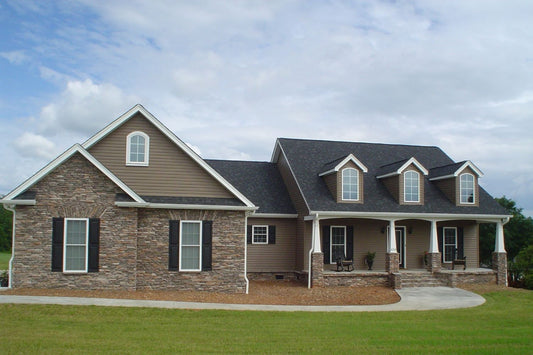
Foundation walls are an important part of your home's exterior, but they are not always the most attractive. Exposed concrete, concrete block, or other foundation materials can leave the lower portion of a home looking unfinished, especially when the foundation is visible above grade. Stone veneer for foundation walls offers a practical way to transform that exposed area while adding architectural character and improving curb appeal.
Manufactured stone veneer provides the appearance of natural stone in a lighter, more versatile format. It can be installed on properly prepared foundation surfaces and is available in a wide range of stone profiles, colors, textures, and sizes. This makes it possible to coordinate the foundation with siding, brick, landscaping, porches, garages, and other architectural features.
However, a successful foundation veneer installation involves more than choosing a stone style. Because foundation walls can be exposed to rain, snow, soil moisture, and freeze-thaw cycles, proper substrate preparation and moisture management are essential. Understanding how manufactured stone veneer works on foundation walls can help you plan a project that looks great and performs well for years.
What is Manufactured Stone Veneer?
Manufactured stone veneer is a cement-based building material designed to replicate the appearance of natural stone. It is molded into individual pieces with realistic shapes, textures, and surface characteristics and is available in a variety of architectural styles.
Unlike full-thickness natural stone, manufactured stone veneer is relatively lightweight. This can simplify handling and installation while allowing homeowners to achieve the appearance of a traditional masonry foundation without the additional weight associated with full-depth stone.
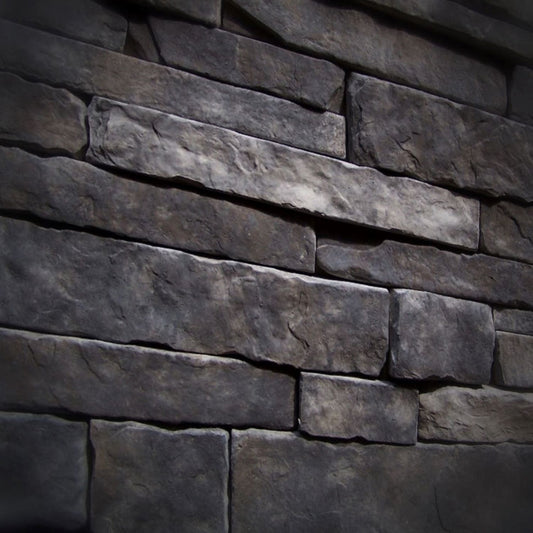
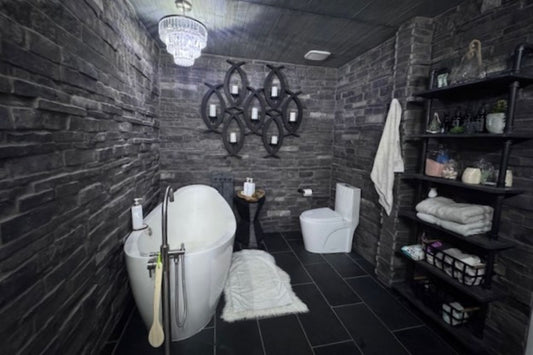
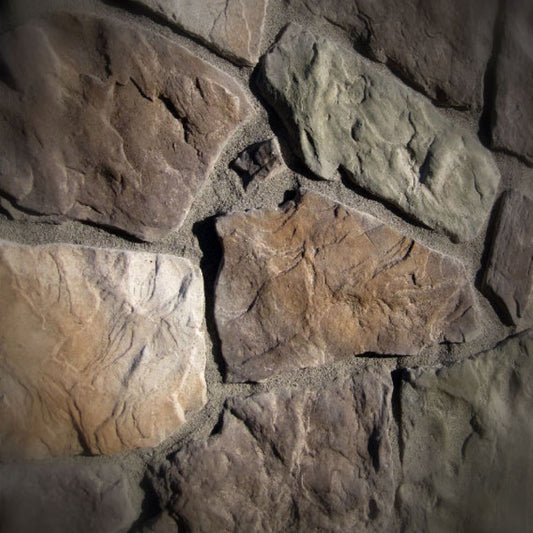
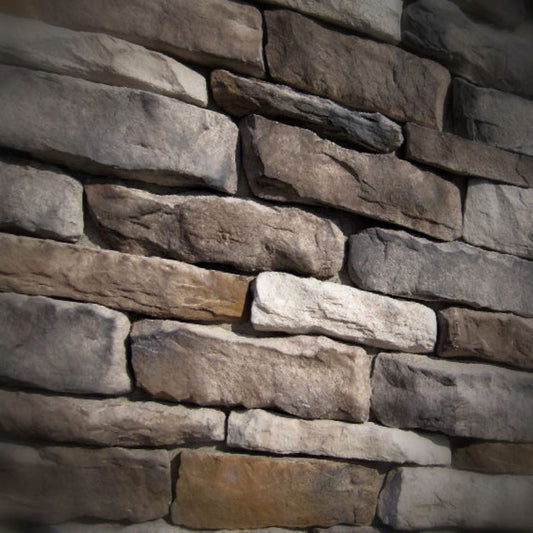
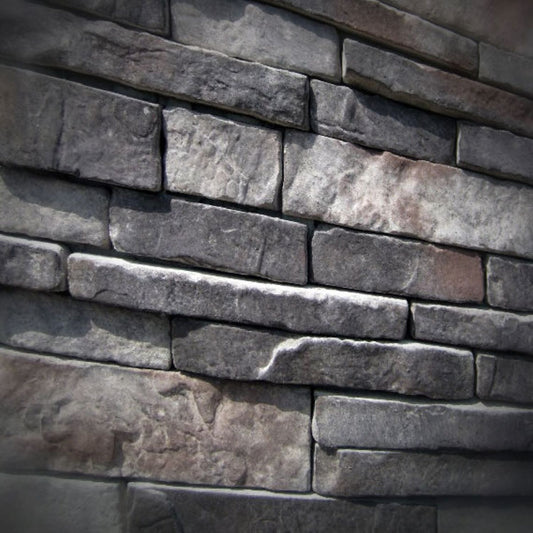
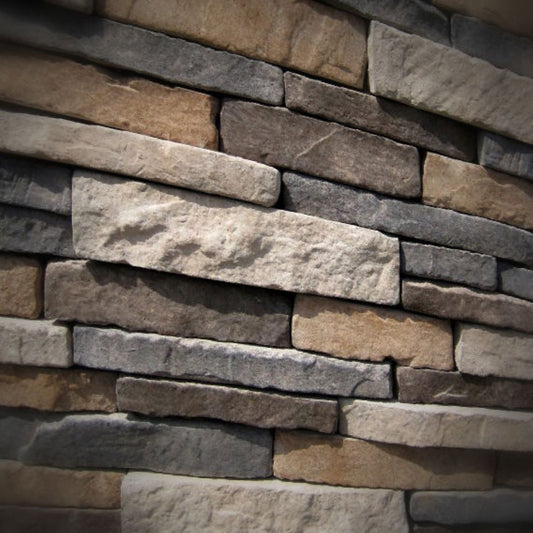
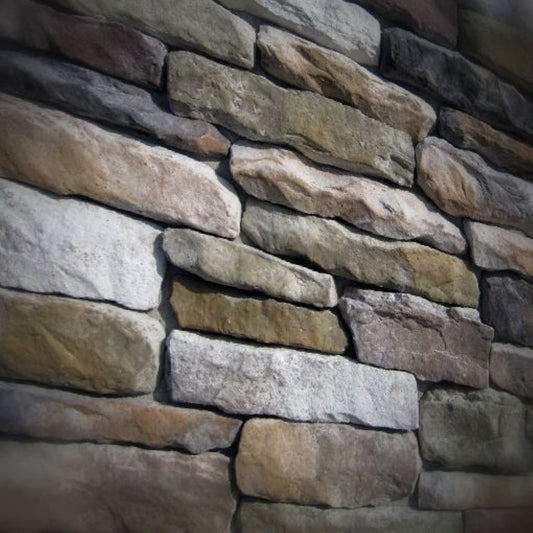
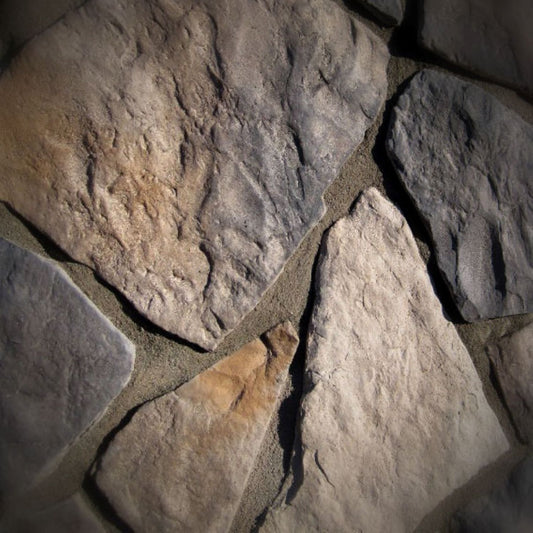
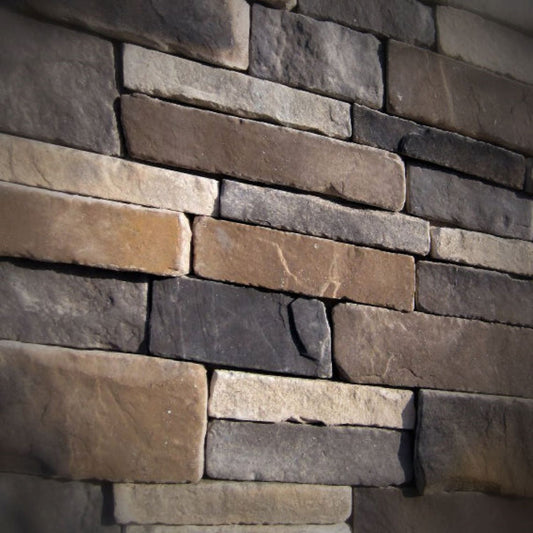
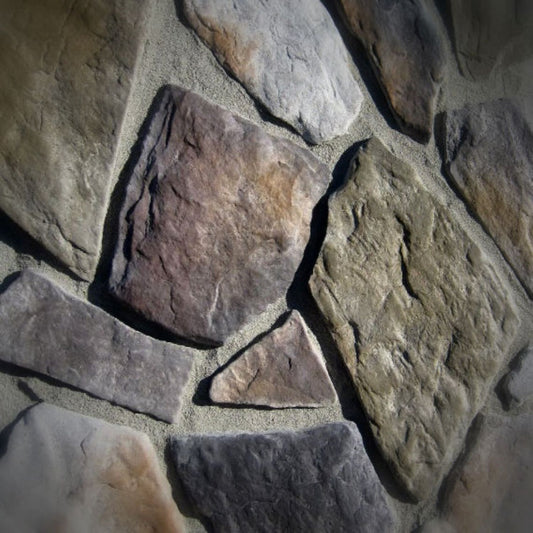
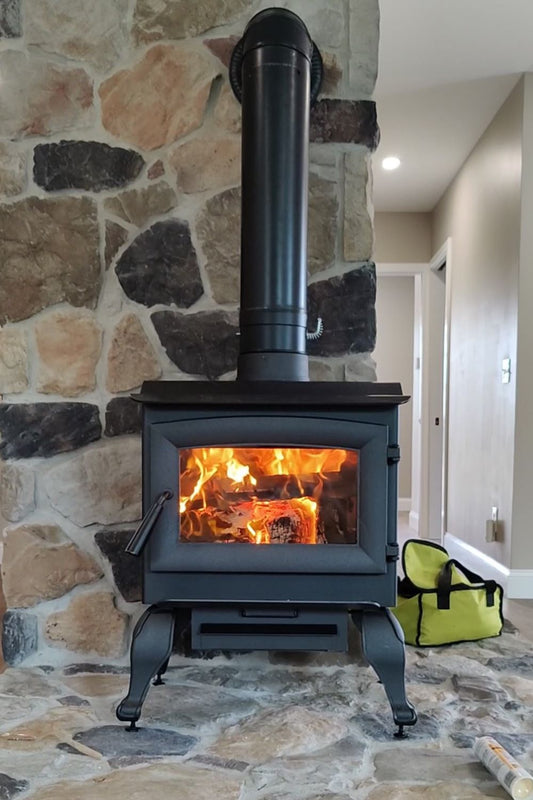
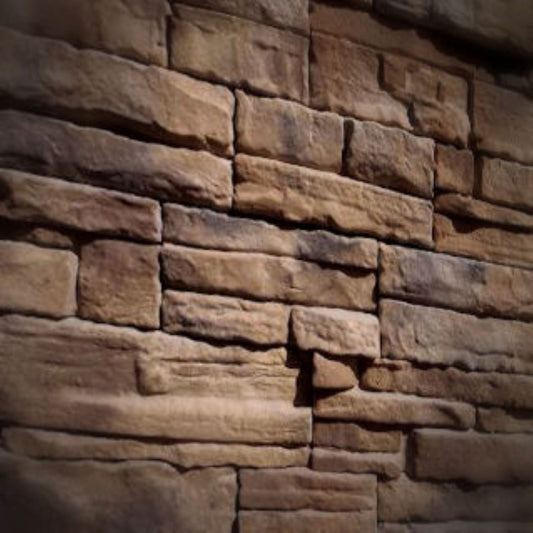
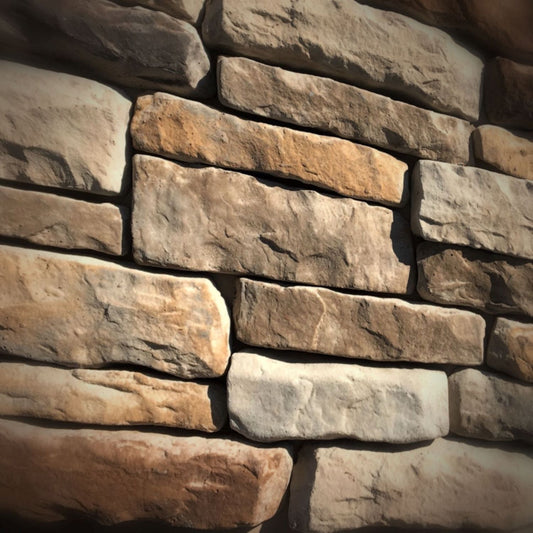
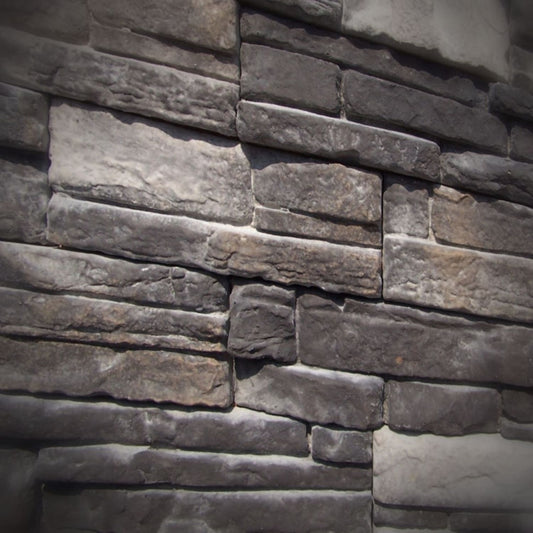
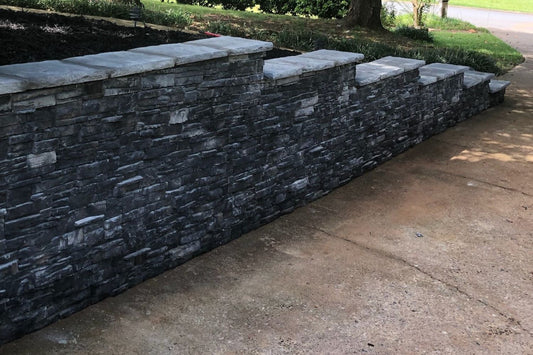
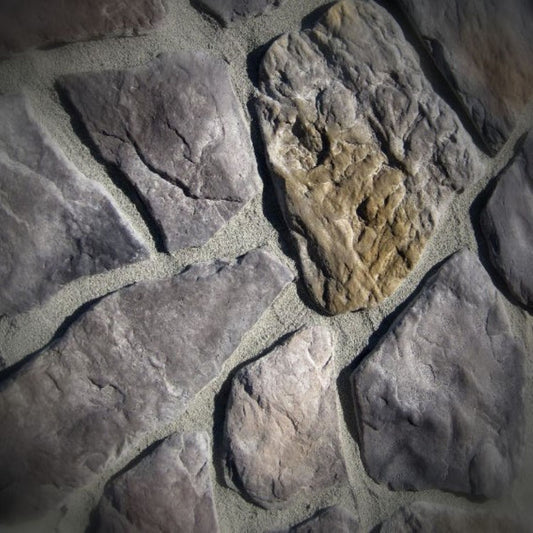
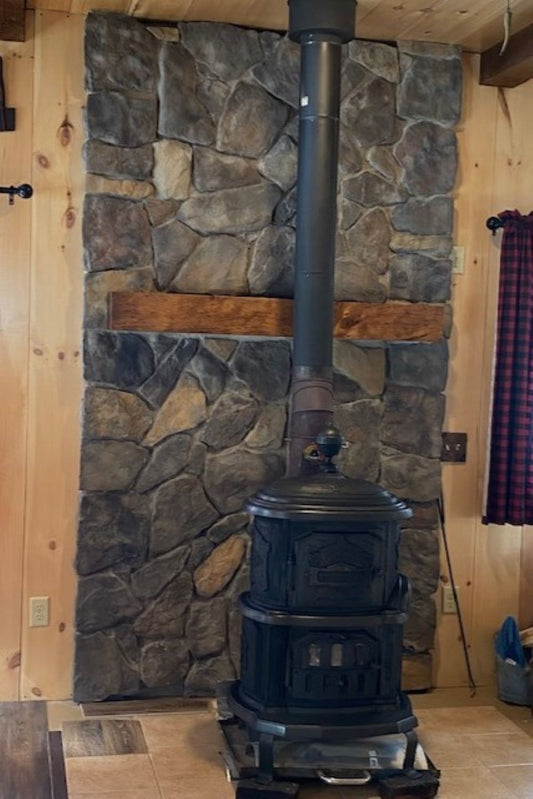
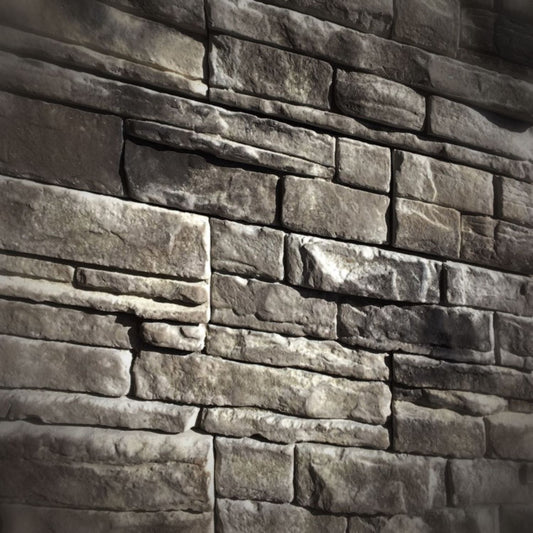
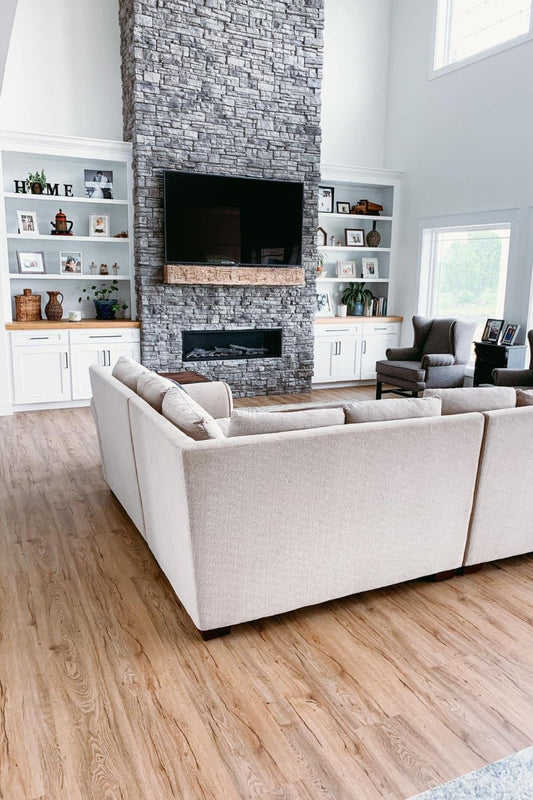
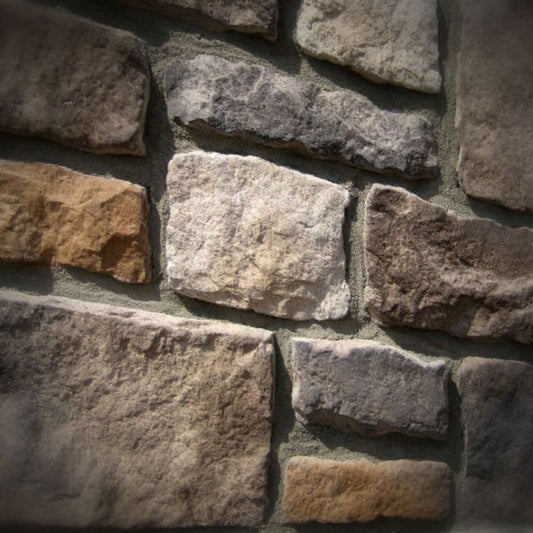
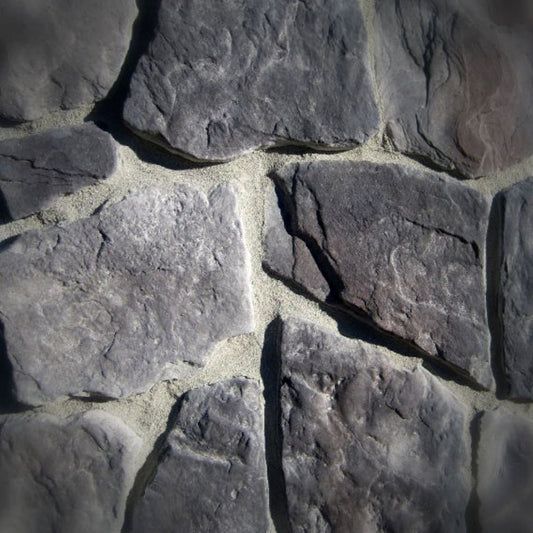
Manufactured stone veneer is also available in numerous profiles. Fieldstone provides an irregular, natural appearance, while ledgestone uses longer, thinner stones to create pronounced horizontal lines. Stacked stone uses tightly fitted individual stones with minimal visible mortar joints, while hackett stone offers a more substantial, old-world appearance. Because of this variety, stone veneer can work with both traditional and contemporary home designs.
Why Use Stone Veneer on Foundation Walls?
One of the biggest reasons homeowners choose manufactured stone veneer for foundation walls is appearance. Exposed foundation materials can create a stark transition between the finished exterior of the home and the ground. Stone veneer creates a more intentional architectural connection between the house and its surroundings.
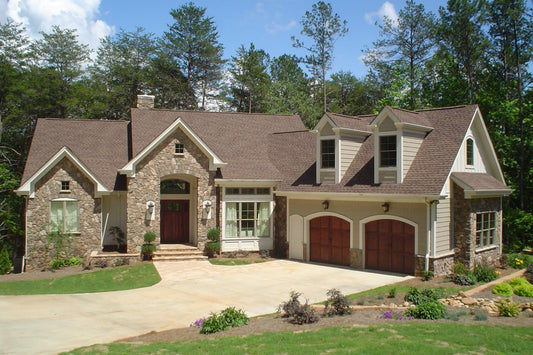
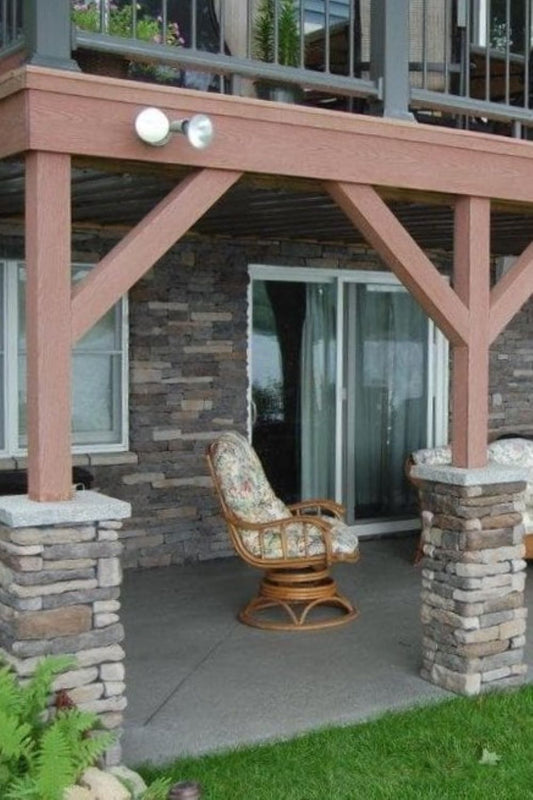
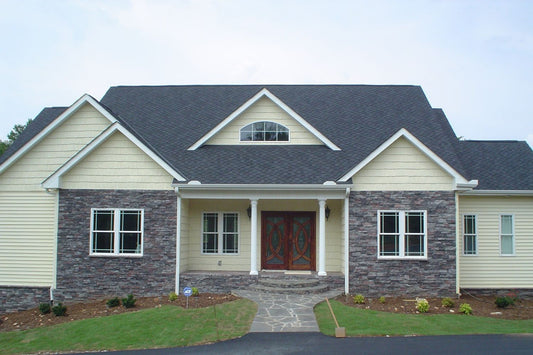
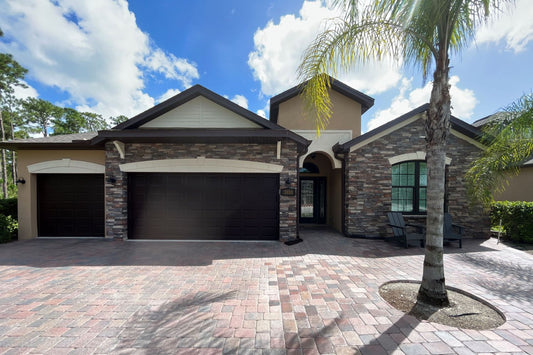
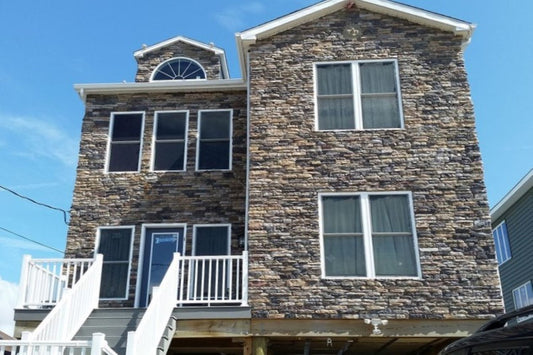
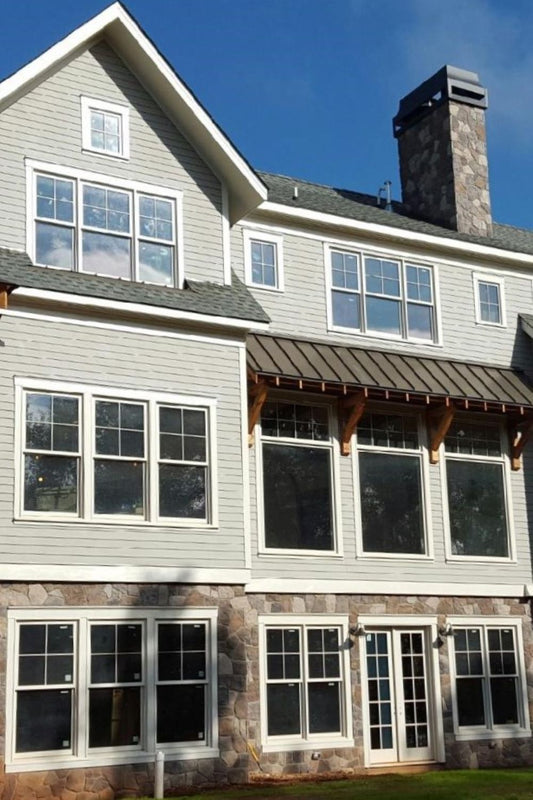
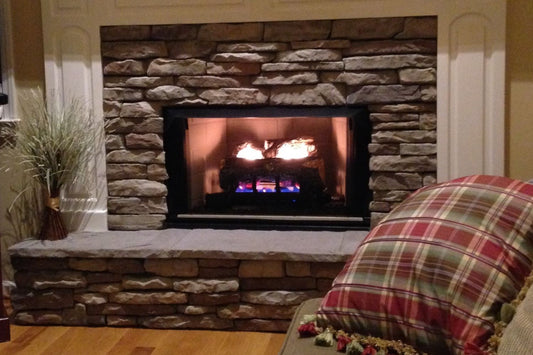
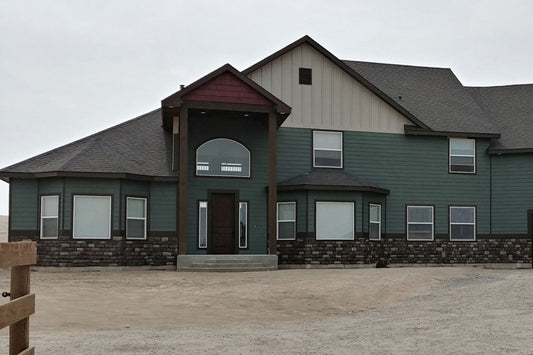
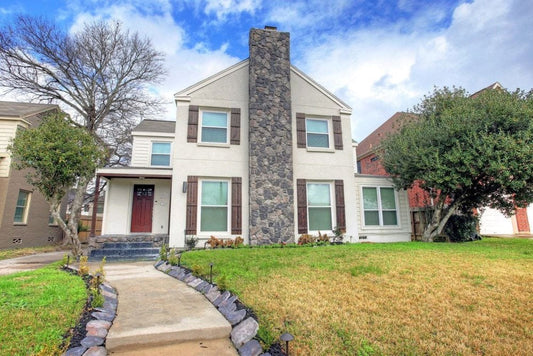
A stone veneer foundation can also complement other exterior materials. For example, stone can be installed below siding to create a visual base for the home, used around garage walls, or continued onto porch columns and other architectural features.
Manufactured stone veneer is also considerably lighter than full-thickness natural stone, which makes it easier to handle during installation. Its relatively lightweight construction can make it a practical option for projects where homeowners want the appearance of masonry without adding the weight of a traditional stone wall.
Another advantage is design flexibility. With different profiles and colors available, stone veneer can be selected to complement the home's existing siding, roof, trim, windows, doors, and landscaping.
Can You Install Stone Veneer on a Concrete Foundation?
Yes, manufactured stone veneer can be installed over properly prepared concrete foundation walls. Concrete and concrete block are common substrates for stone veneer applications, but the appropriate preparation depends on the condition and characteristics of the existing surface.
A foundation wall should be sound, clean, and suitable for receiving the veneer installation. Any loose material, dirt, paint, coatings, or other substances that could interfere with proper bonding should be addressed before installation.
Depending on the substrate and specific installation, metal lath and a mortar scratch coat may be required to create the appropriate surface for the veneer. The installation should always follow the stone veneer manufacturer's requirements for the particular substrate.
It is also important to understand that stone veneer is a finish material rather than a waterproofing system. If a foundation has existing water intrusion, cracks, drainage problems, or other moisture issues, those problems should be addressed before installing the veneer. Covering a moisture problem with stone does not eliminate the underlying problem.
Moisture Management for Foundation Stone Veneer
Moisture management is one of the most important considerations when installing stone veneer on an exterior foundation.
Foundation walls can experience moisture from rain, melting snow, groundwater, irrigation, and soil conditions. Properly managing that moisture helps protect the overall wall assembly and reduces the potential for problems associated with water becoming trapped behind the veneer.
Exterior manufactured stone veneer installations commonly incorporate appropriate moisture-management components, such as a weather-resistant barrier where required, drainage provisions, and properly installed flashing. The exact assembly depends on the substrate and construction of the wall.
A drainage plane or weep screed can provide a pathway for moisture to escape rather than allowing it to accumulate behind the veneer. Flashing is also important where the stone meets other building components, such as windows, doors, roofs, decks, or horizontal surfaces.
These details are particularly important in regions that experience heavy rainfall, snow, or repeated freeze-thaw cycles.
Stone Veneer and Freeze-Thaw Conditions
Foundation walls are often exposed to some of the harshest conditions around a home. During winter, water can freeze and thaw repeatedly, placing additional stress on exterior materials and wall assemblies.
Manufactured stone veneer can perform well in cold climates when properly installed. However, freeze-thaw durability depends on more than the veneer itself. Proper drainage, substrate preparation, mortar installation, flashing, and moisture control all contribute to the long-term performance of the finished wall.
If water becomes trapped behind an improperly installed veneer system, repeated freezing and thawing can contribute to deterioration. This is why moisture management should be considered an essential part of a foundation stone veneer project rather than an optional upgrade.
Cold-weather installation also requires additional care. Mortar needs suitable temperatures and adequate time to cure properly. If temperatures are too low, temporary protection or heating may be necessary to maintain appropriate curing conditions.
How is Stone Veneer Installed on a Foundation?
The installation process varies depending on the foundation material and project conditions, but proper surface preparation is always important.
For concrete, concrete block, wood framing, and other substrates, the installation must follow the requirements appropriate to that particular surface. Some applications require a weather-resistant barrier, metal lath, and scratch coat before the veneer is installed.
Once the substrate has been properly prepared, the manufactured stone veneer is installed using the specified mortar. The type of mortar should be selected according to the veneer manufacturer's installation instructions. Type S mortar is commonly specified for manufactured stone veneer installations because of its strength and suitability for masonry applications.
The stone pieces are then arranged to create the desired pattern, with attention given to color variation, joint spacing, corners, transitions, and overall appearance. Taking time to blend stones from different boxes during installation can help create a more natural-looking finished surface.
The mortar joints are finished after the stones have been set, creating the final appearance of the foundation veneer.
Because foundation walls can involve complex transitions and moisture-management details, homeowners should carefully follow the manufacturer's installation instructions or work with an experienced stone veneer installer.
Where Can Foundation Stone Veneer Be Used?
Manufactured stone veneer is suitable for a variety of foundation-related applications.
One common use is an exposed basement foundation. Homes built into sloped terrain or homes with walkout basements often have large areas of foundation wall visible above grade. Stone veneer can transform those exposed surfaces into an intentional architectural feature.
Stone veneer can also be used around garages where concrete or masonry foundation surfaces are visible. Continuing the same stone onto nearby columns, entryways, or other exterior features can create a cohesive design.
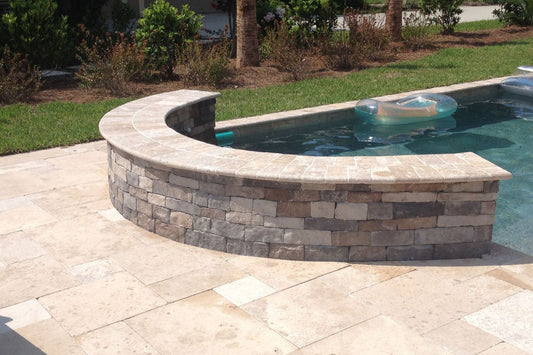
Porch and patio foundations are another popular application. Stone veneer can visually anchor the structure and coordinate the foundation with steps, walkways, landscaping, and other outdoor elements.
The specific suitability of any application depends on the substrate, exposure, drainage, and installation requirements.
Choosing the Right Stone Veneer Style
The best stone veneer profile for a foundation depends largely on the architectural style of the home and the look you want to achieve.
Fieldstone is a popular option for rustic homes and traditional exteriors because its varied shapes create an organic appearance. Ledgestone provides a more linear look with longer, thinner stones and pronounced horizontal coursing.
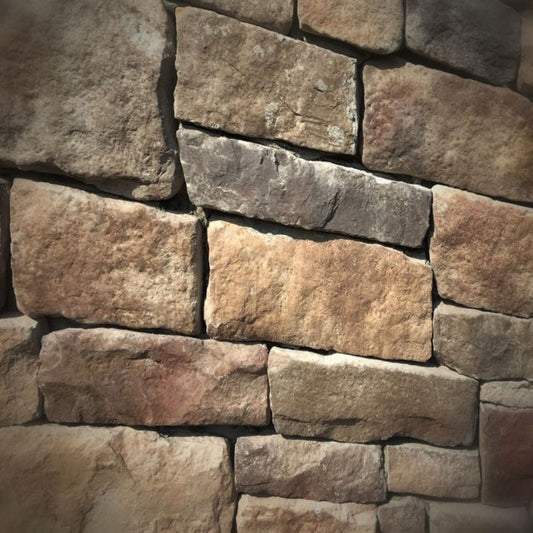
Stacked stone creates a tighter appearance with minimal visible mortar joints, allowing the individual stone faces and color variation to stand out. Hackett stone can provide a more substantial appearance that works particularly well with traditional, craftsman, farmhouse, and old-world architectural styles.
Color is equally important. A foundation veneer does not necessarily have to match the home's siding exactly. Contrasting stone can create visual interest, while complementary tones can produce a more seamless transition between the foundation and upper portions of the house.
Ordering a physical sample before purchasing can be particularly helpful because stone color and texture can look different depending on lighting and surrounding materials.
Does Stone Veneer Protect a Foundation?
Manufactured stone veneer can provide a durable exterior finish for a foundation, but it should not be considered a waterproofing or structural protection system.
The foundation itself should already have the appropriate structural design and moisture protection required for the building. If there are foundation cracks, leaks, drainage problems, or waterproofing concerns, those issues should be resolved before the veneer is installed.
The role of the stone veneer is primarily aesthetic and protective as an exterior finish. A properly installed veneer system can help create a durable surface that withstands normal exterior exposure, but it works together with the underlying wall assembly rather than replacing it.
This distinction is particularly important for below-grade applications. Manufactured stone veneer should not be used to cover portions of a foundation that are intended to remain below grade unless the specific installation has been designed for that condition.
How Long Does Foundation Stone Veneer Last?
A properly installed manufactured stone veneer installation can provide decades of service. Its lifespan depends on product quality, installation, exposure, substrate conditions, moisture management, and ongoing maintenance.
Because foundation walls are exposed to weather, it is important to periodically inspect the installation for signs of damage or moisture-related problems. Cracked mortar, loose stones, damaged flashing, or changes around windows and other transitions should be addressed rather than ignored.
Proper installation is ultimately one of the most important factors in determining how long a stone veneer foundation will remain attractive and functional.
Maintaining Stone Veneer on Foundation Walls
Manufactured stone veneer is relatively low maintenance, making it a practical exterior finish for foundation walls.
Routine cleaning can generally be accomplished using appropriate mild cleaning methods and a soft brush. Avoid harsh chemicals, abrasive cleaning, or pressure-washing techniques that could damage the surface or mortar unless specifically permitted by the product manufacturer.
Foundation veneer should also be inspected periodically, particularly after severe weather. Look for loose stones, damaged mortar joints, cracks, or areas where water appears to be entering the wall assembly.
If the installation includes a sealer, maintenance requirements will depend on the type of sealer and the manufacturer's recommendations. Not every stone veneer application requires sealing, so homeowners should select products and maintenance procedures appropriate for their specific veneer.
Frequently Asked Questions About Stone Veneer for Foundation Walls
Can you put stone veneer over a concrete foundation?
Yes, manufactured stone veneer can be installed over properly prepared concrete foundation walls. The concrete must be suitable for the installation, and the appropriate preparation method should be used based on the substrate and manufacturer's requirements.
Does stone veneer waterproof a foundation?
No. Stone veneer is an exterior finish and should not be considered a waterproofing system. Existing foundation leaks, cracks, drainage issues, or waterproofing problems should be addressed before installing stone veneer.
Can stone veneer be installed over concrete block?
Yes, manufactured stone veneer can be installed over concrete block when the surface is properly prepared. Depending on the specific installation, metal lath, a scratch coat, and other components may be required.
Is stone veneer good for foundation walls in cold climates?
Yes. Properly installed manufactured stone veneer can perform well in cold climates and withstand freezing temperatures and freeze-thaw cycles. Proper moisture management and drainage are especially important in areas with harsh winters.
Does foundation stone veneer require maintenance?
Manufactured stone veneer is generally low maintenance. Periodic cleaning and inspections can help keep the veneer looking its best. Damaged mortar, loose stones, or moisture-related issues should be addressed promptly.
How long does manufactured stone veneer last on a foundation?
A properly manufactured and installed stone veneer system can last for decades. Actual service life depends on the product, installation quality, substrate, moisture exposure, climate, and maintenance.
Stone Veneer for Foundation Walls
Manufactured stone veneer offers homeowners an attractive way to transform exposed foundation walls while complementing the architectural style of the entire home. Its realistic appearance, lightweight construction, design flexibility, and durability make it a popular alternative to full-thickness natural stone.
The key to a successful foundation stone veneer project is proper installation. The foundation should be structurally sound and free of unresolved moisture problems, and the veneer system should incorporate the appropriate substrate preparation, moisture management, drainage, flashing, and mortar for the application.
When those details are addressed, stone veneer can turn an ordinary exposed foundation into an attractive architectural feature that adds character and curb appeal for years to come.
What's next?
Bring your vision to life with our premium stone veneer! Shop now to find the ideal style or order a sample to see and feel the rich texture and color firsthand. Begin your project confidently today!
Have a Question?
Please see our full terms of service or check out our frequently asked questions.
For general information and questions please call: (864) 882-8960 Mon. - Fri. 8am - 5pm (EST) or email: info@blackbearmountainstone.com we are more than happy to help you.
Or you can submit your questions via our contact us page.
We look forward to working with you on your upcoming project.
The Black Bear Mountain Stone Team
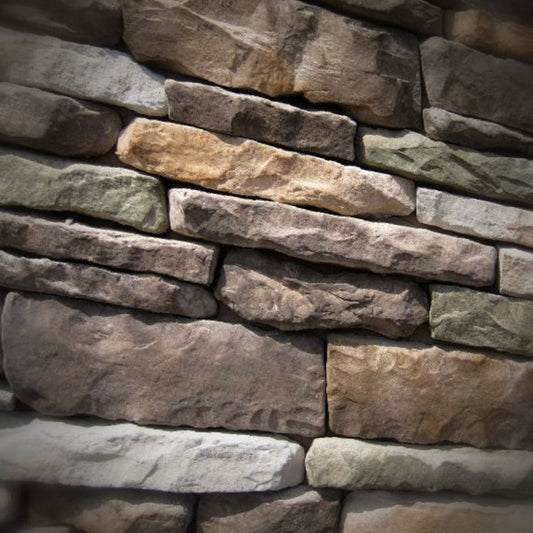
Pictured is hackett stone kona.