
Combining Stone Veneer and Other Siding Types: Design Ideas and Tips
Share
Originally posted June 4, 2025, updated September 7, 2026.
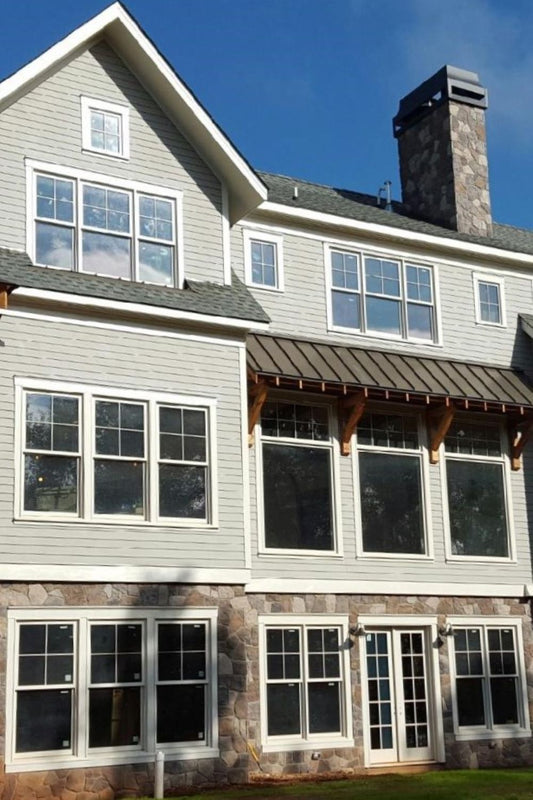
Manufactured stone veneer pairs well with vinyl, fiber cement, wood, and stucco siding. The best combination depends on your home's architectural style and desired appearance. Vinyl and fiber cement create a clean, modern contrast, wood provides a warm natural look, and stucco creates a smooth backdrop for textured stone veneer.
If you're looking for a way to give your home's exterior more character, combining manufactured stone veneer with other siding materials can create a dramatic transformation. Rather than covering an entire home in one material, mixed-material exteriors use stone veneer alongside vinyl, fiber cement, wood, stucco, or other siding to create contrast, define architectural features, and add visual depth.
This approach has become increasingly popular across a variety of home styles, including craftsman, modern farmhouse, contemporary, rustic, and traditional designs. Stone veneer can provide the texture and natural appearance of stone while siding creates clean, consistent surfaces across the rest of the exterior.
The key to a successful mixed-material exterior is thoughtful planning. Stone veneer and siding have different appearances, installation requirements, and methods of managing water and movement. Choosing complementary materials is important, but so is making sure the transition between them is properly designed and installed.
Why Combine Stone Veneer With Other Siding?
Using multiple exterior materials allows homeowners to create more visual interest without making the entire exterior feel overly busy. Stone veneer has a naturally textured appearance, while siding materials such as vinyl and fiber cement typically provide larger, smoother surfaces. The contrast between those surfaces can help architectural features stand out.
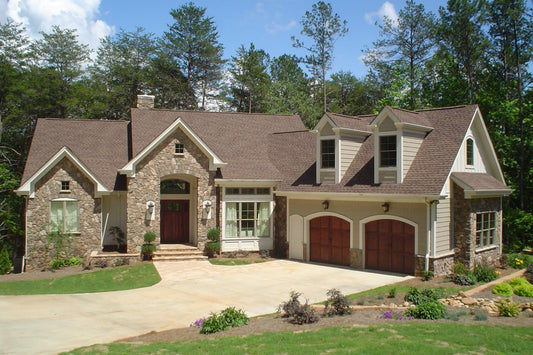
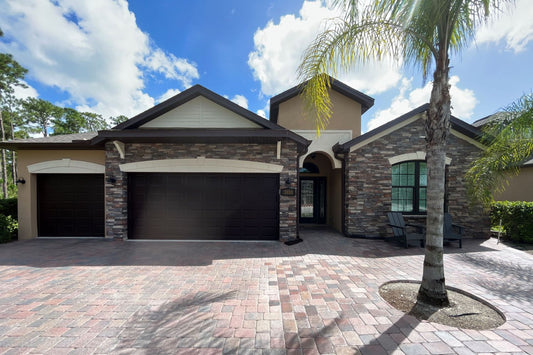
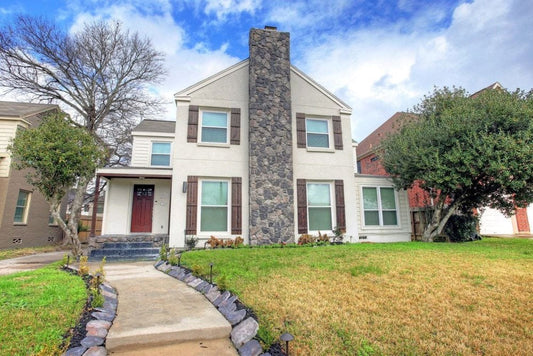
Stone veneer is particularly effective as an accent material. Instead of using it across every exterior wall, homeowners can concentrate it around an entryway, garage, chimney, porch columns, or the lower portion of the exterior. The siding then provides a complementary background that allows the stone to become a focal point.
Manufactured stone veneer also provides a practical alternative to full-bed natural stone for many applications. Its lighter weight and manufactured construction make it suitable for a wide range of residential design projects while providing the visual character associated with natural stone.
When properly installed, combining stone veneer and siding can also create an exterior with a strong sense of permanence. The result can range from warm and rustic to clean and contemporary depending on the stone profile, color, siding material, and architectural style.
Where to Use Stone Veneer With Siding
One of the biggest advantages of combining stone veneer with siding is the flexibility it provides. Stone does not have to be installed across the entire exterior to have a significant impact. Strategic placement can emphasize specific architectural elements and break up large expanses of siding.
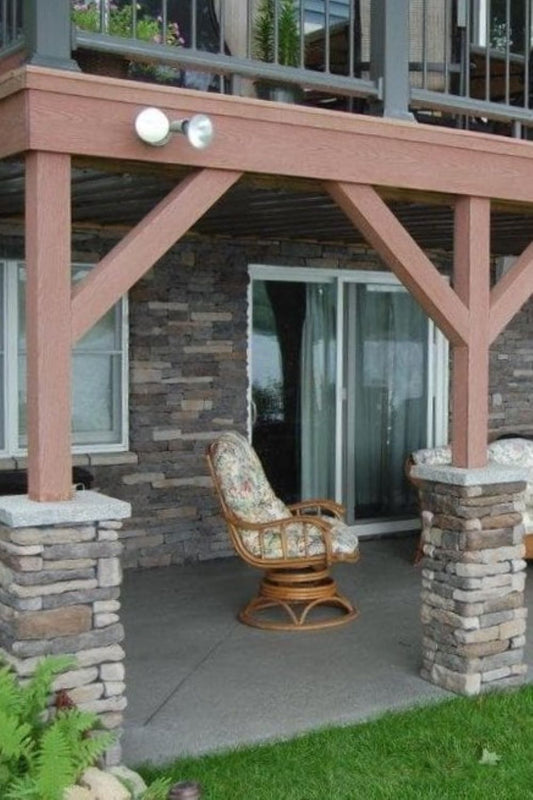
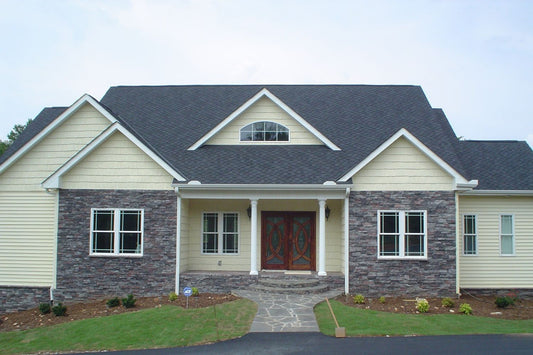
Front entrances are one of the most popular locations for stone veneer accents. Stone can be used around the front door, on porch columns, or across portions of the entry facade to create a welcoming focal point. This approach can make the entrance feel more substantial while adding texture to an otherwise smooth exterior.
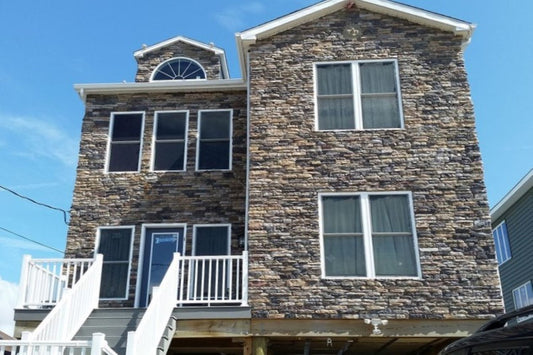
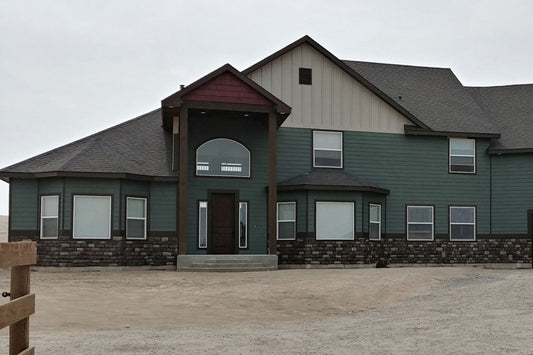
Another common application is stone veneer wainscoting, where the stone covers the lower portion of an exterior wall and siding is installed above it. This creates a clear visual division between the two materials and works particularly well on craftsman, farmhouse, cottage, and traditional-style homes.
Stone veneer can also be used around garage doors to frame the opening and break up the large, uninterrupted surface created by siding. Chimneys, bump-outs, exterior columns, and other architectural projections are additional areas where stone can naturally complement the structure.
The most effective placement generally follows the architecture of the home rather than appearing as an arbitrary decorative strip. When stone is used to emphasize an existing architectural feature, the transition tends to look more intentional.
Stone Veneer and Vinyl Siding
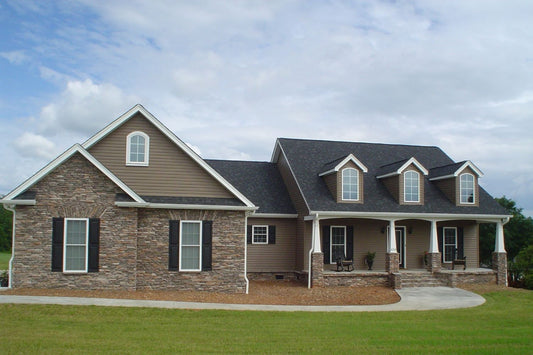
Vinyl siding and manufactured stone veneer are a popular combination because the materials provide a strong contrast in both texture and appearance. Vinyl offers a clean, consistent surface, while stone introduces depth, variation, and a more natural visual element.
This pairing can work across many architectural styles. Light-colored vinyl siding combined with a darker stone veneer can create contrast, while neutral siding and similarly toned stone can produce a more understated appearance.
Because vinyl siding expands and contracts with temperature changes, the transition between vinyl and stone requires careful planning. The materials should not simply be pressed tightly against one another without accounting for their different installation requirements.
Proper flashing, trim, clearances, and drainage details are important wherever the two materials meet. Following the installation requirements for both products helps reduce the risk of moisture intrusion and allows each material to perform as intended.
Stone Veneer and Fiber Cement Siding
Fiber cement siding is another excellent partner for manufactured stone veneer. Its clean lines and relatively smooth appearance provide a natural contrast to the texture of stone, making the combination particularly effective on contemporary, craftsman, and modern farmhouse homes.
Fiber cement siding can be used across the majority of the exterior while stone veneer highlights selected areas such as the entryway, foundation, porch columns, or garage surround. The result is a balanced exterior that combines the visual warmth of stone with the structured appearance of fiber cement.
Color can play a major role in this combination. A light fiber cement siding paired with medium or dark stone can create a strong contemporary contrast, while similar neutral tones can produce a more subtle and cohesive appearance.
When installing the two materials together, it is important to follow the manufacturer's requirements for both the fiber cement siding and stone veneer. Proper flashing and water-management details should be incorporated at transitions rather than relying on the stone or siding itself to prevent moisture from entering the wall assembly.
Stone Veneer and Wood Siding
Wood siding and manufactured stone veneer create a warm, natural combination that works particularly well with rustic, cottage, cabin, craftsman, and modern farmhouse architecture.
The contrast between wood grain and stone texture gives the exterior a layered appearance. Wood can add warmth and visual softness, while stone provides a sense of permanence and substantial texture.
This combination can also work beautifully on contemporary homes when the materials are used in simple, well-defined sections. For example, horizontal wood siding can be paired with a clean stone profile around an entryway or on a prominent exterior wall.
Moisture management is especially important when combining stone veneer with wood. Proper water-resistive barriers, flashing, drainage provisions, and installation clearances help protect the wall assembly and the wood components from prolonged exposure to moisture.
Stone Veneer and Stucco
The smooth appearance of stucco creates an especially strong contrast with textured manufactured stone veneer. This combination is frequently associated with Southwestern, Mediterranean, Spanish, and Tuscan-inspired architecture, but it can also be adapted for contemporary homes.
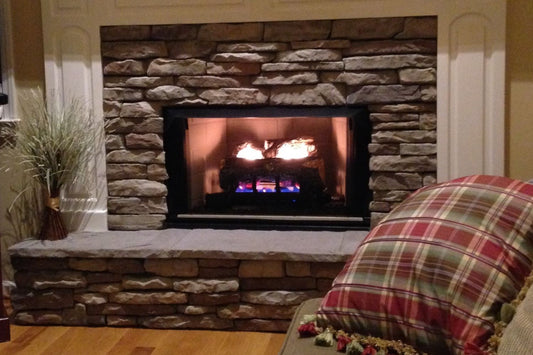
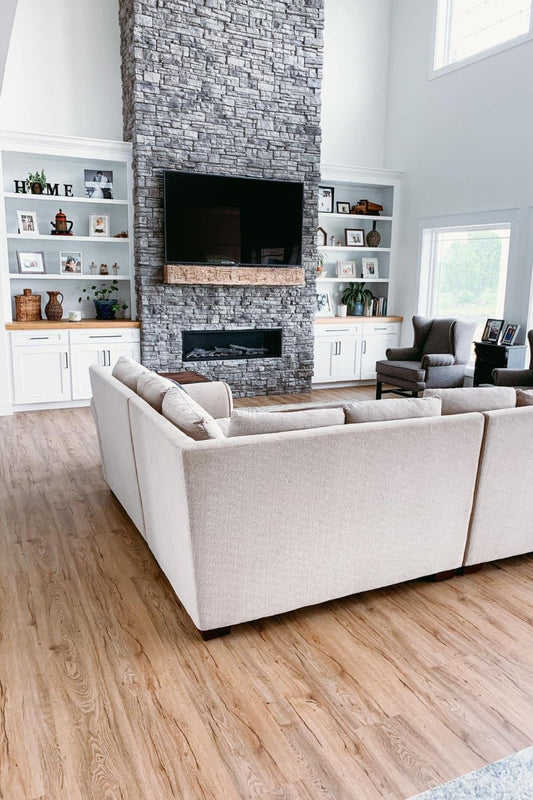
Stone can be used to emphasize lower walls, entryways, columns, fireplaces, or other architectural features while stucco provides a smooth backdrop across the remaining exterior.
Because both the stone and stucco systems have specific installation requirements, their transition should be carefully planned. Improperly handled transitions can contribute to cracking or moisture-related problems, so the wall assembly should incorporate appropriate flashing and drainage details.
The colors of the two materials should also be considered together. A neutral stucco color can provide a versatile background for a wide range of stone colors, while darker stone can create a more dramatic architectural focal point.
Choosing Colors and Textures That Work Together
Combining stone veneer with siding is most successful when the materials feel like part of the same design. That does not necessarily mean they need to match exactly. In many cases, contrast is what makes the exterior visually interesting.
Instead of trying to find an identical color between the stone and siding, look for complementary undertones. Warm-toned stone generally pairs naturally with warm siding colors, while cooler gray or charcoal stone can work well with cool neutrals and modern color palettes.
Texture should also be considered. If the siding is very smooth, a textured stone veneer can provide useful visual contrast. If the home already contains several highly textured materials, a more restrained stone profile may create better balance.
The roof, trim, doors, windows, and landscaping should also be considered as part of the overall palette. Stone and siding are only two components of the home's exterior, and coordinating the entire material palette can help prevent the finished design from feeling disconnected.
Installation Considerations for Stone and Siding Transitions
Combining different exterior materials requires more than simply deciding where one material ends and another begins. Each material has its own installation requirements, and the wall assembly needs to be designed to manage water properly.
Flashing and drainage provisions are particularly important at material transitions. Water should have a controlled path to drain from the wall assembly rather than becoming trapped behind the stone veneer or siding.
The installation should also account for the movement of materials. Vinyl siding, for example, expands and contracts as temperatures change. Appropriate clearances and installation details allow the siding to move without buckling or putting pressure on adjacent materials.
Manufactured stone veneer should be installed according to the manufacturer's requirements, including the appropriate substrate preparation, weather-resistive barrier, metal lath, scratch coat, and mortar system where required. For manufactured stone veneer, Type S mortar is the recommended mortar for installation.
Transitions should also be planned around windows, doors, electrical fixtures, hose connections, and other penetrations. Properly designed trim pieces and accessories can provide a finished appearance while helping accommodate these details.
Finishing Details Make a Difference
Small finishing details can have a major impact on the appearance of a mixed-material exterior. Stone veneer sills, capstones, and other trim pieces can help create clean transitions and give the installation a more finished architectural appearance.
For example, a stone veneer wainscot can be finished with a suitable cap or sill that visually separates the stone from the siding above it. Similarly, stone around windows can be finished with appropriate sills to create a deliberate transition between the masonry appearance and surrounding siding.
These details are particularly important on modern and contemporary homes, where clean transitions and defined lines are central to the overall design.
Maintaining a Mixed-Material Exterior
One benefit of combining siding and stone veneer is that each material can be maintained according to its specific requirements. Vinyl siding generally requires relatively little maintenance, while fiber cement and wood siding have their own cleaning and maintenance considerations.
Manufactured stone veneer can typically be cleaned using appropriate gentle cleaning methods when necessary. Avoid harsh cleaning products and aggressive pressure washing unless specifically permitted by the stone manufacturer's care instructions. Cleaning and sealing requirements can vary between products, so always follow the manufacturer's recommendations.
Regularly inspecting transitions, flashing, caulking, and other exterior details is also a good practice. Keeping an eye on areas where different materials meet can help identify maintenance issues before they become larger problems.
Frequently Asked Questions About Stone Veneer and Siding
Can you combine stone veneer with vinyl siding?
Yes, manufactured stone veneer can be combined with vinyl siding to create contrast between the textured appearance of stone and the smooth, consistent appearance of vinyl. Proper flashing, drainage, clearances, and transition details are important because the two materials have different installation requirements.
Can you put stone veneer and fiber cement siding on the same house?
Yes. Fiber cement siding and manufactured stone veneer are commonly combined on residential exteriors. The clean lines of fiber cement provide a strong contrast to the texture of stone, making the combination suitable for craftsman, modern farmhouse, and contemporary homes.
What siding looks best with stone veneer?
Stone veneer can work with vinyl, fiber cement, wood, and stucco siding. The best pairing depends on the architectural style and desired appearance. Smooth siding provides strong textural contrast, while wood can create a warmer and more natural exterior.
Where should stone veneer meet siding?
Stone veneer can transition to siding around entryways, porch columns, garage doors, chimneys, bump-outs, foundation areas, and other architectural features. The transition should follow the architecture of the home and include appropriate flashing and drainage details.
Do you need flashing between stone veneer and siding?
Proper flashing and moisture-management details are important wherever different exterior materials meet. The exact flashing and drainage requirements depend on the wall assembly and materials being installed, so the installation should follow applicable building codes and the manufacturers' requirements.
How do you make stone veneer and siding look cohesive?
Choose materials that complement one another in color, texture, and scale. The stone does not have to match the siding exactly. Instead, consider coordinating undertones and using the stone to emphasize architectural features while allowing the siding to provide a consistent background.
Combining Stone Veneer and Other Siding Types
Combining manufactured stone veneer with other siding types is an effective way to create a distinctive exterior without relying on a single material across the entire home. Stone can provide texture, depth, and architectural character, while vinyl, fiber cement, wood, and stucco offer complementary surfaces and colors.
The best results come from using stone intentionally. Rather than treating it as an afterthought, consider how the stone can reinforce the home's architecture and work with the siding, roof, windows, trim, and landscaping.
Whether you're designing a new home or updating an existing exterior, a carefully planned combination of stone veneer and siding can create an exterior that feels more dimensional, cohesive, and visually appealing.
What's Next?
Bring your vision to life with our premium stone veneer! Shop now to discover the perfect style or order a sample to experience the texture and color up close. Let’s start your project today!
Have a Question?
Please see our full terms of service or check out our frequently asked questions.
For general information and questions please call: (864) 882-8960 Mon. - Fri. 8am - 5pm (EST) or email: info@blackbearmountainstone.com we are more than happy to help you.
Or you can submit your questions via our contact us page.
We look forward to working with you on your upcoming project.
The Black Bear Mountain Stone Team
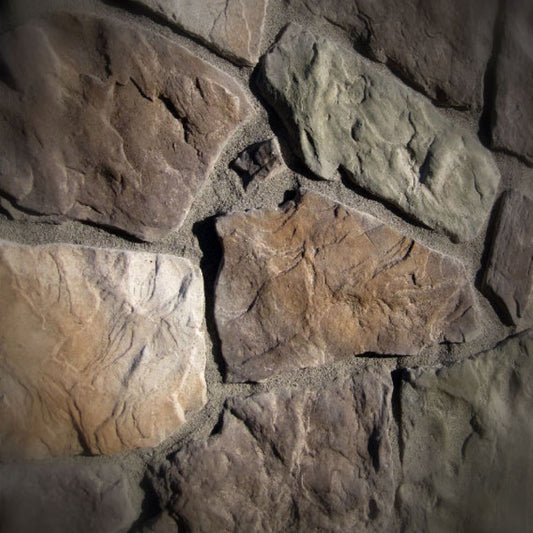
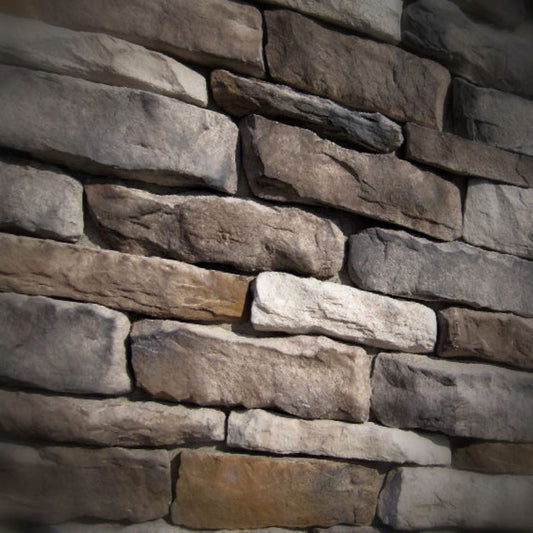
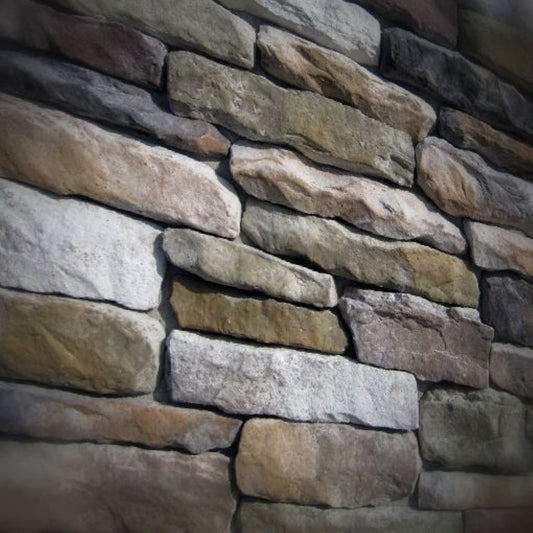
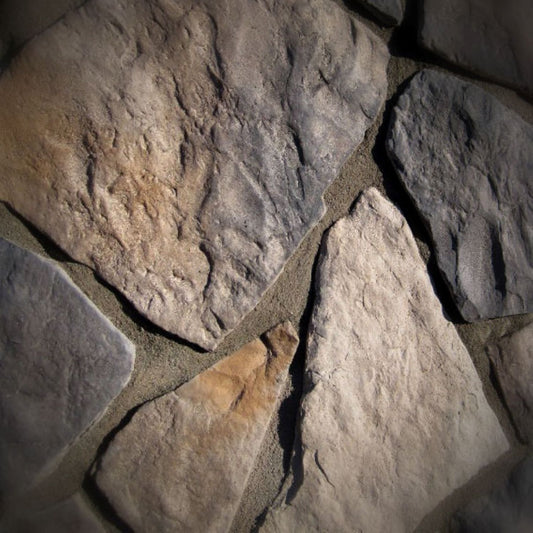
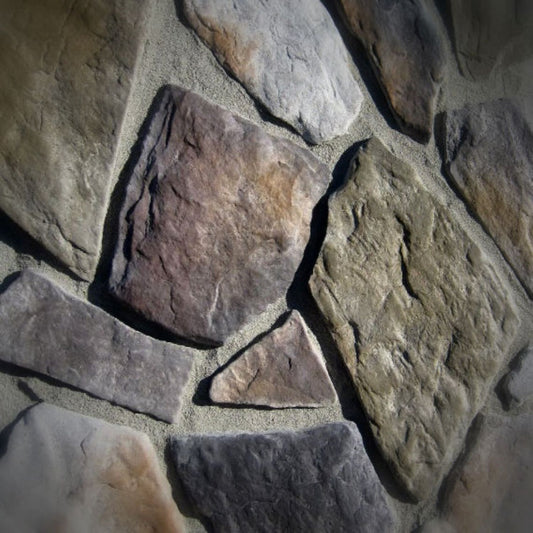
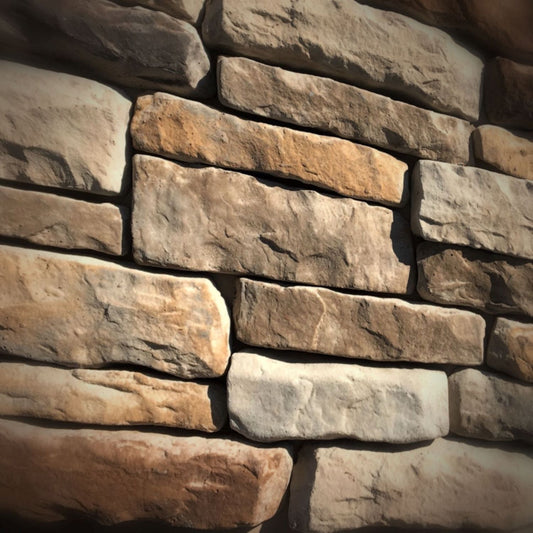
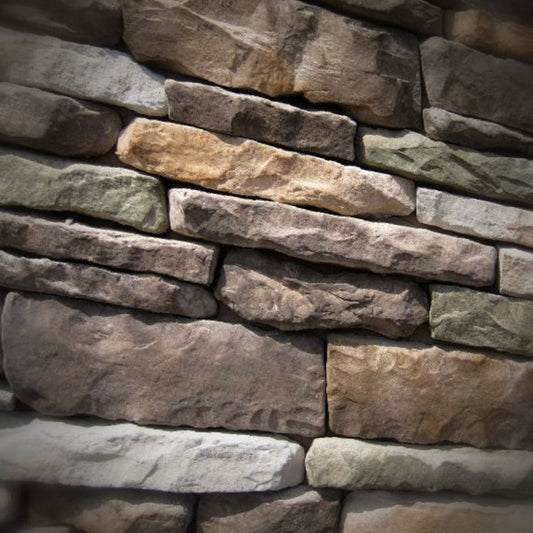
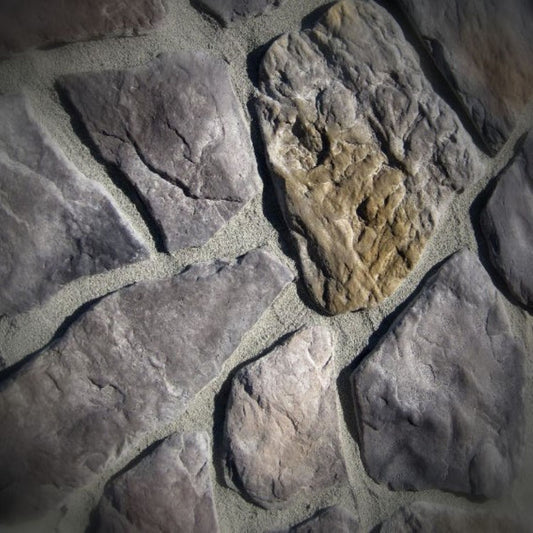
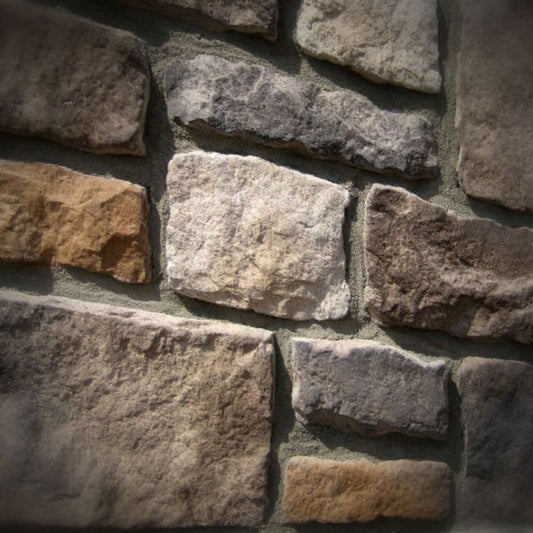
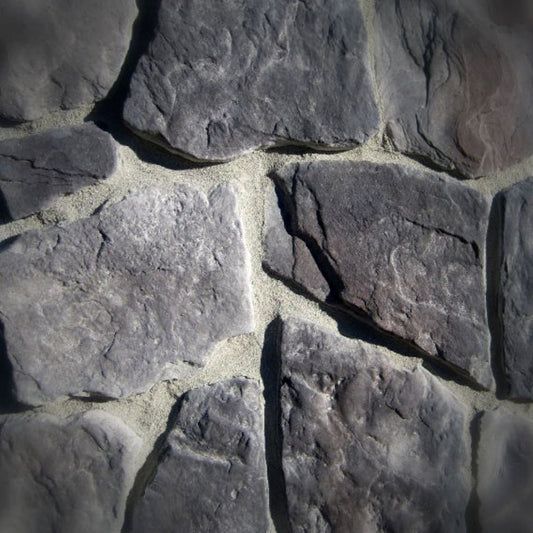
Pictured is field stone rustic.