
Stone Veneer Sills
Share
Originally posted July 18 2025, updated September 28 2026.
Manufactured stone veneer sills are horizontal ledges used to finish areas such as windows, doors, walls, fireplaces, and other stone veneer features. They provide a defined transition between surfaces while adding architectural detail and helping direct water away from the wall where properly installed.
The finishing details can have a major impact on the appearance of a manufactured stone veneer project. While the stone itself creates the primary visual impact, architectural accessories such as stone veneer sills can help give the installation a more complete, intentional appearance.
Manufactured stone veneer sills are commonly used beneath windows, along wall transitions, around entryways, and on other areas where a horizontal ledge or finished edge is needed. They can provide a visual break between materials while creating a more substantial architectural detail than simply ending the veneer at a window or wall opening.
For homeowners, contractors, masons, architects, and designers, choosing the right sill is an important part of planning a stone veneer installation. The goal is to select a sill that works with the stone profile, color, and overall design while also being appropriate for the location and installation conditions.
What Are Manufactured Stone Veneer Sills?
Manufactured stone veneer sills are precast concrete architectural accessories designed to create a horizontal ledge or finished edge within a stone veneer installation. Depending on the project, they may be installed beneath windows, at transitions between materials, along the top or bottom of certain wall features, or as part of an architectural detail.
Unlike the individual pieces of manufactured stone veneer used to cover a wall, a sill has a more defined shape and purpose. Its horizontal surface creates a visual transition while its projection from the wall can help move water away from the veneer and surrounding wall assembly.
Stone veneer sills can also add depth to a design. A window surrounded by flat veneer can have a relatively simple appearance, while adding a sill creates a stronger horizontal line and gives the opening more architectural definition.
Because sills are part of the overall stone veneer system, coordinating their appearance with the surrounding veneer is important. Matching or complementary colors, textures, and finishes can help the sill look like an intentional part of the design rather than an unrelated accessory.
Where Are Stone Veneer Sills Used?
One of the most common applications for manufactured stone veneer sills is beneath windows. A sill can provide a finished transition between the window opening and the surrounding stone veneer while adding visual weight to the bottom of the opening.
Stone veneer sills can also be used around exterior doors and entryways. When combined with manufactured stone veneer around an entrance, a sill or similar architectural accessory can help define the opening and create a more finished appearance.
Interior applications are another possibility. Stone veneer is frequently used on fireplaces, accent walls, columns, built-ins, and other architectural features. Depending on the design, a manufactured stone sill can provide a horizontal transition or finished edge within these installations.
The appropriate application depends on the specific project, substrate, dimensions, and installation conditions. A sill should not simply be treated as a decorative piece that can be installed anywhere. Its location and method of installation need to be considered as part of the complete veneer assembly.
Why Use a Manufactured Stone Veneer Sill?
One of the biggest advantages of a manufactured stone veneer sill is the way it adds architectural detail to an otherwise flat surface. The projecting horizontal profile creates additional depth and shadow, which can make windows, walls, and other features more visually defined.
A sill can also help tie different materials together. For example, a window may have a wood, vinyl, or metal frame surrounded by manufactured stone veneer. The sill provides a transitional element between the opening and the stone, helping the different materials work together visually.
On exterior applications, the projection of a properly installed sill can also help direct water away from the wall below. The exact performance depends on the sill design, installation, drainage, and surrounding wall assembly, so proper detailing remains important.
Manufactured stone veneer sills also provide design consistency. Because they are manufactured rather than individually cut from natural stone at the job site, their dimensions and appearance can be more predictable. This can make it easier to plan a cohesive design around windows, doors, and other architectural features.
Matching Stone Veneer Sills to Your Veneer
Choosing a sill is about more than selecting a horizontal piece that fits beneath a window. The sill should work with the manufactured stone veneer profile and color surrounding it.
A sill that closely complements the veneer can create a cohesive appearance across the entire installation. The texture and color should work naturally with the surrounding stone rather than competing with it.
The relationship between the sill and the stone profile is particularly important. A rustic, heavily textured stone installation may call for a sill with a complementary texture and character, while a more refined veneer design may benefit from a simpler architectural treatment.
Color is equally important. Manufactured stone veneer is designed to replicate the natural variation found in stone, so coordinating the sill with the overall color palette helps maintain that visual continuity.
When planning a project, it is helpful to look at the actual veneer and accessory samples together whenever possible. Colors and textures can appear different depending on lighting, surrounding materials, and screen settings, making physical samples useful when making final design decisions.
Manufactured Stone Sills vs. Natural Stone Sills
Manufactured stone veneer sills and natural stone sills can both provide an attractive architectural finish, but they are different products with different characteristics.
Natural stone is quarried and cut from natural formations, so each piece can have variations in color, texture, grain, and composition. Manufactured stone veneer accessories are produced using a controlled manufacturing process designed to provide a consistent architectural product that coordinates with manufactured stone veneer.
For projects using manufactured stone veneer throughout the exterior or interior, manufactured stone sills can provide a more coordinated appearance because the accessory is designed to work with the veneer system.
The choice between manufactured and natural stone ultimately depends on the design, application, dimensions, availability, and preferences of the project. For a manufactured stone veneer installation, using compatible manufactured accessories can make it easier to create a unified finished appearance.
Installing Manufactured Stone Veneer Sills
Like the veneer itself, stone veneer sills need to be installed as part of an appropriate installation system. The correct approach depends on whether the sill is being installed indoors or outdoors, the substrate, the location, and the surrounding construction.
Manufactured stone veneer should be installed using Type S mortar. Exterior and other moisture-sensitive wall assemblies generally require the appropriate weather-resistant barrier, metal lath, and mortar scratch coat before the veneer is installed. A sill should be properly supported and integrated into the surrounding veneer installation rather than relying on construction adhesive as a substitute for the appropriate mortar installation.
The sill also needs to be positioned and detailed correctly for its intended purpose. On exterior applications, the design should account for water management so that water is directed away from the wall rather than allowed to collect behind or around the accessory.
Because every project has different construction details, installers should follow the applicable installation requirements and account for the specific substrate and conditions of the project.
Creating a Finished Look Around Windows
Windows are one of the areas where architectural accessories can make a particularly noticeable difference. Manufactured stone veneer can frame the sides and top of a window, while a sill creates a defined horizontal base.
This approach can work with a variety of architectural styles. A substantial sill can emphasize a traditional design, while a simpler profile can complement a more contemporary stone veneer installation.
The surrounding veneer can also be arranged to emphasize the window itself. Using appropriately sized pieces around the opening and coordinating the sill with the rest of the installation can create a deliberate transition between the window and stone.
The result is more than simply covering the wall around the opening. It creates an architectural feature that makes the window feel integrated into the overall design.
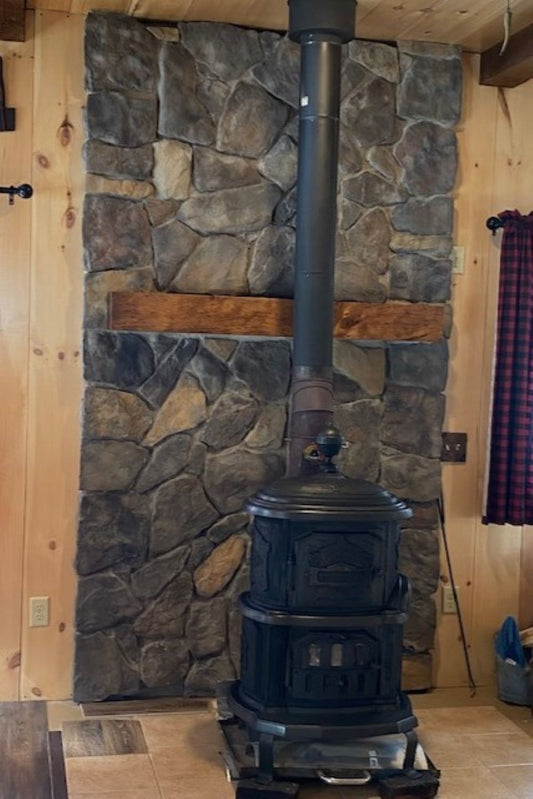
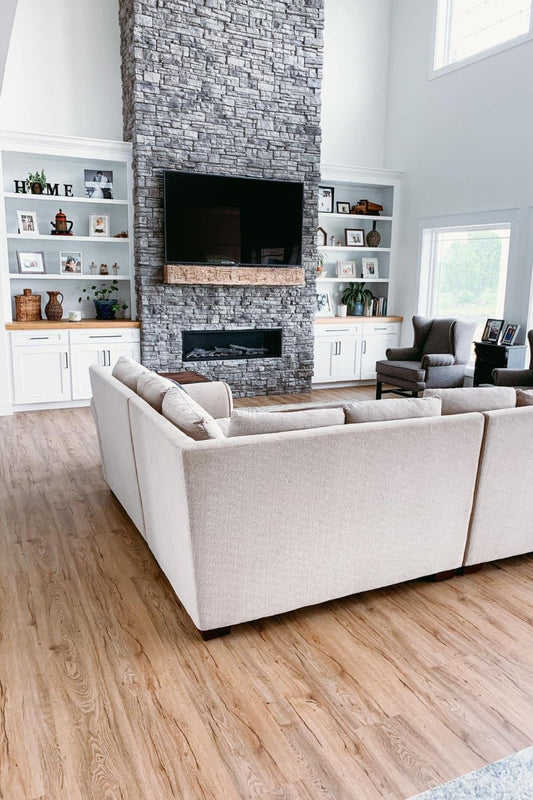
Stone Veneer Sills for Fireplaces and Interior Features
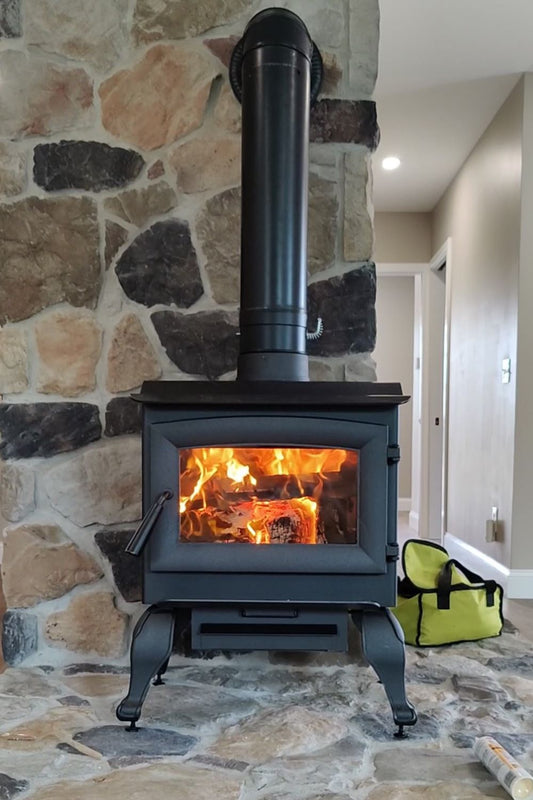
Stone veneer sills are not limited to exterior walls. Manufactured stone veneer is also commonly used for interior architectural features, including fireplaces, accent walls, columns, and built-ins.
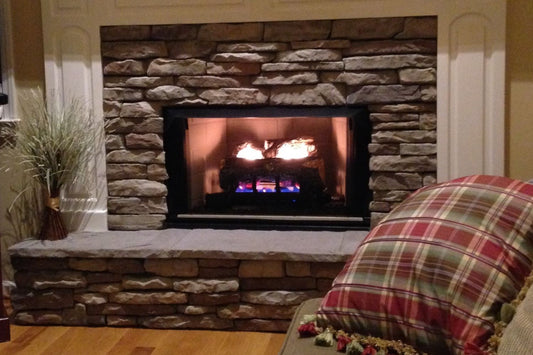
On a fireplace, a horizontal stone accessory can provide a defined transition between different portions of the design. It can also be used to create visual separation or add architectural depth where appropriate.
Interior stone veneer projects often provide more flexibility in design because they are not exposed to the same exterior weather conditions. However, the accessory still needs to be appropriate for its intended application and installed correctly.
For fireplace projects, it is especially important to distinguish between decorative veneer applications and areas exposed to direct flame or firebox conditions. Manufactured stone veneer and its accessories should not automatically be assumed to be suitable for every part of a fireplace simply because the material is non-combustible.
Frequently Asked Questions About Stone Veneer Sills
What is a stone veneer sill?
A stone veneer sill is a manufactured architectural accessory that creates a horizontal ledge or finished edge within a manufactured stone veneer installation. Sills are commonly used beneath windows, around doors, and on other interior or exterior architectural features.
Are manufactured stone veneer sills used outdoors?
Yes, manufactured stone veneer sills can be used for appropriate exterior applications when installed as part of a properly detailed veneer system. Exterior installations need to account for the substrate, moisture management, drainage, and proper installation methods.
Can I use a stone veneer sill under a window?
Yes. A window sill is one of the most common applications for a manufactured stone veneer sill. The sill creates a defined transition beneath the window and can add architectural depth to the surrounding stone veneer.
Can manufactured stone veneer sills be used on fireplaces?
Manufactured stone veneer sills can be used as architectural accessories on appropriate fireplace applications, but they should not be assumed to be suitable for areas exposed to direct flame or firebox conditions. The specific fireplace design and location need to be considered before installation.
Do stone veneer sills need to match the stone veneer?
They do not necessarily have to be an exact match, but coordinating the sill with the surrounding manufactured stone veneer can create a more cohesive appearance. Consider the color, texture, profile, and architectural style of the entire installation when selecting an accessory.
How are manufactured stone veneer sills installed?
Manufactured stone veneer should be installed using Type S mortar, with the complete installation method determined by the substrate and application. Exterior and moisture-sensitive assemblies require appropriate preparation and moisture-management details. The sill should be properly integrated into the surrounding veneer installation rather than attached with construction adhesive.
Stone Veneer Sills
The right architectural accessories can take a manufactured stone veneer installation from a basic wall covering to a more finished architectural design. Stone veneer sills provide a practical and visual transition around windows, doors, fireplaces, and other features while adding depth and definition to the installation.
When selecting a sill, consider the location, dimensions, surrounding materials, veneer profile, and color. Coordinating these elements from the beginning of the project can help create a more cohesive finished appearance.
If you're planning a manufactured stone veneer project, explore the available stone profiles and accessories to determine which options fit your design. Ordering physical samples can also help you compare colors and textures before making a final decision.
What's Next?
Elevate your space with our premium manufactured stone veneer! Shop now or order a sample to experience the authentic texture and vibrant colors firsthand. Turn your design vision into reality and start your project with confidence today!
Have a Question?
Please see our full terms of service or check out our frequently asked questions.
For general information and questions please call: (864) 882-8960 Mon. - Fri. 8am - 5pm (EST) or email: info@blackbearmountainstone.com we are more than happy to help you.
Or you can submit your questions via our contact us page.
We look forward to working with you on your upcoming project.
The Black Bear Mountain Stone Team
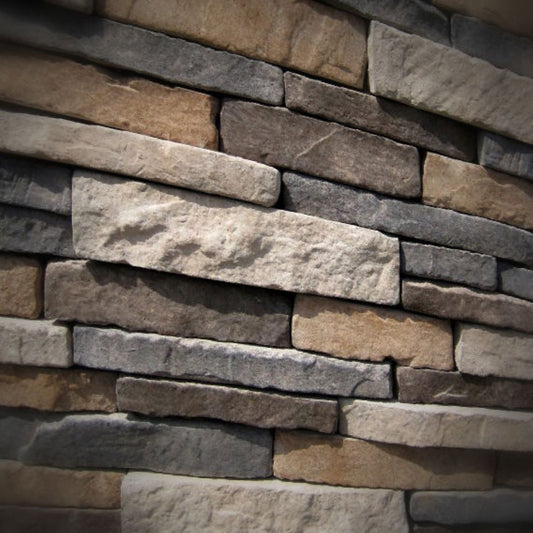
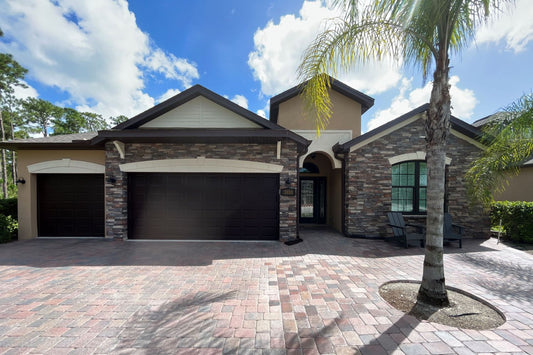
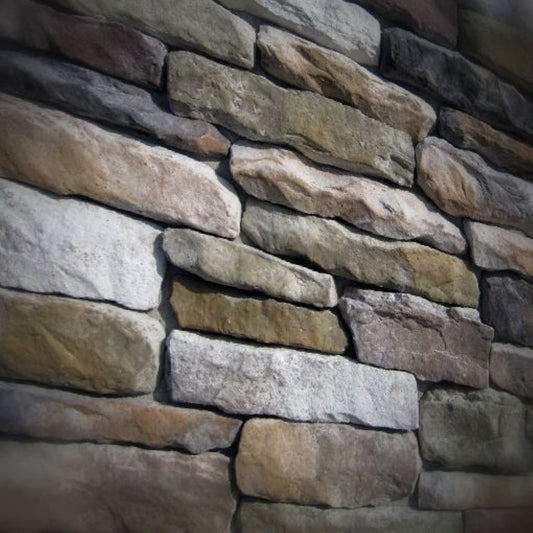
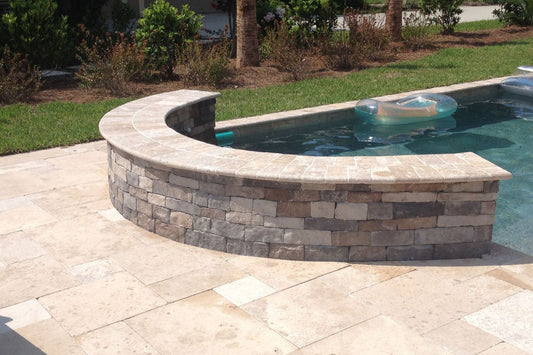
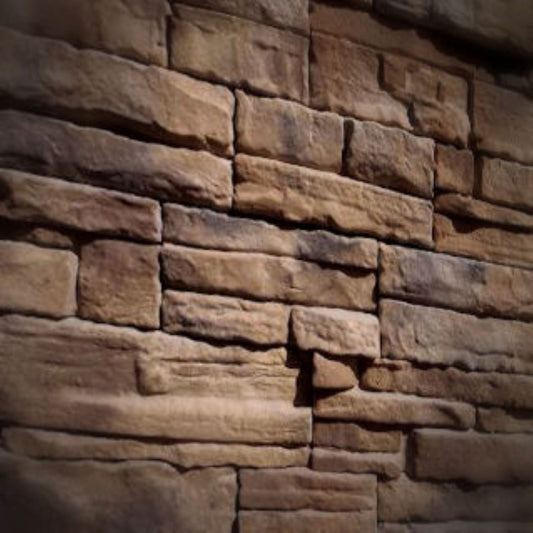
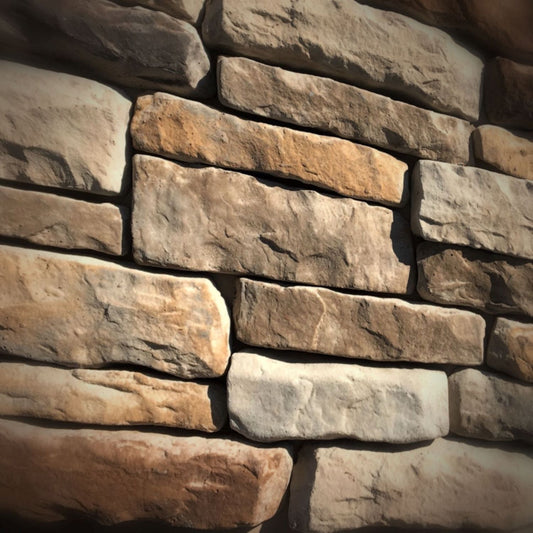
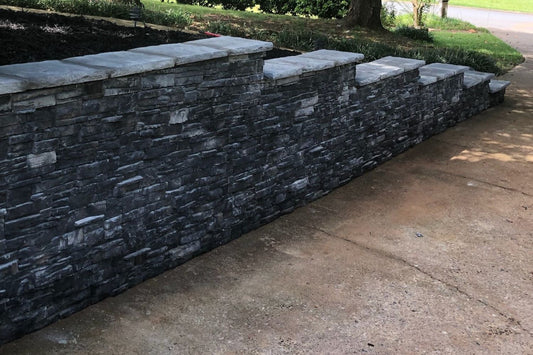
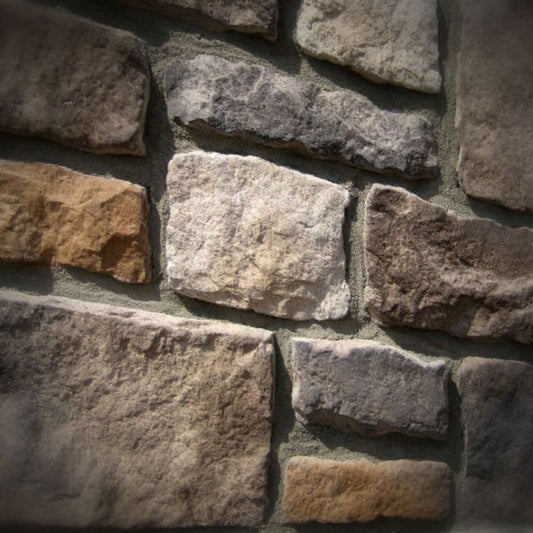
Pictured is sill buff.