
Stone Veneer for Chimneys
Share
Originally posted January 10 2025, updated May 15 2026.
Manufactured stone veneer can be used on chimneys when installed correctly. It offers the appearance of natural stone at a lower cost and lighter weight while providing durability and weather resistance. Proper substrate preparation, moisture management, flashing, and heat clearance are essential for a safe and long-lasting manufactured stone veneer chimney installation.
Manufactured stone veneer has become one of the most popular exterior and interior cladding materials for modern homes. Known for its realistic appearance, lightweight construction, and affordability, it is widely used for fireplaces, feature walls, foundations, outdoor kitchens, and chimneys. Homeowners often ask whether manufactured stone veneer is suitable for chimney applications, especially considering the exposure to heat, moisture, and harsh weather conditions.
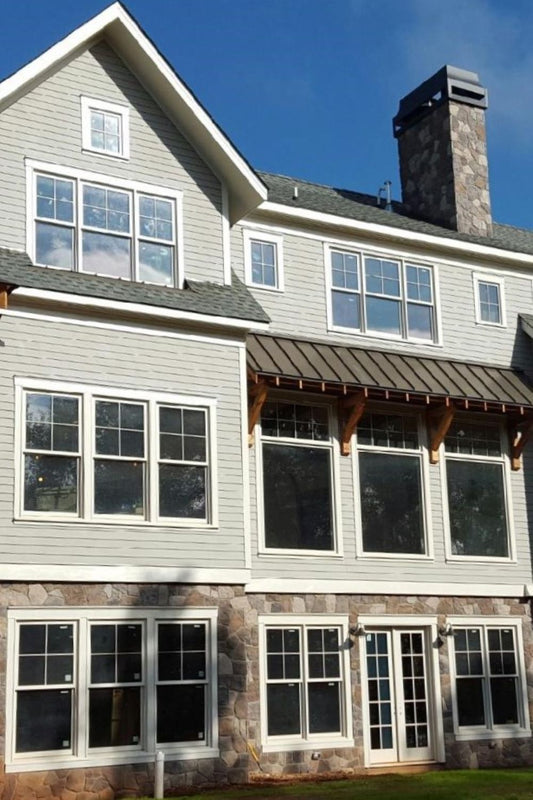
The good news is that manufactured stone veneer can absolutely be used on chimneys when proper installation methods are followed. In fact, many residential and commercial chimney projects rely on manufactured stone veneer to achieve the timeless appearance of natural masonry without the added weight and expense of full-thickness stone.
Whether you are building a new chimney or upgrading an outdated exterior, understanding how manufactured stone veneer performs on chimneys is essential for achieving a durable and visually appealing result.
Why manufactured stone veneer works well for chimneys
Chimneys are often one of the most visible architectural features on a home. Because they extend above the roofline and are exposed to the elements year-round, choosing the right cladding material is important for both appearance and durability.
Manufactured stone veneer is particularly well-suited for chimney applications because it combines aesthetic flexibility with practical performance. Unlike natural stone, which can be extremely heavy and labor-intensive to install, manufactured stone veneer is significantly lighter. This reduced weight lowers structural load requirements and makes installation easier on both masonry and framed chimney structures.
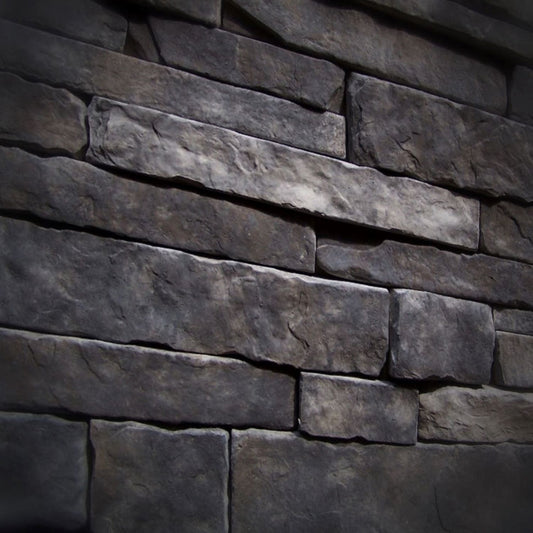
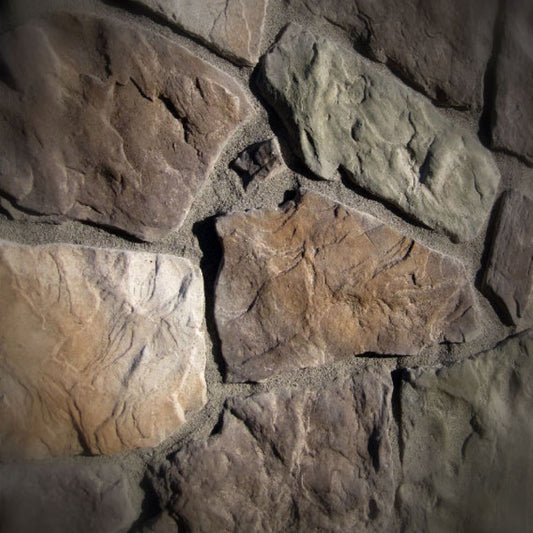
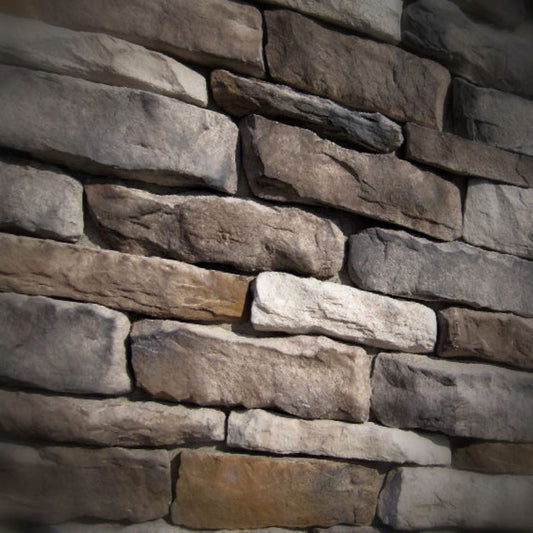
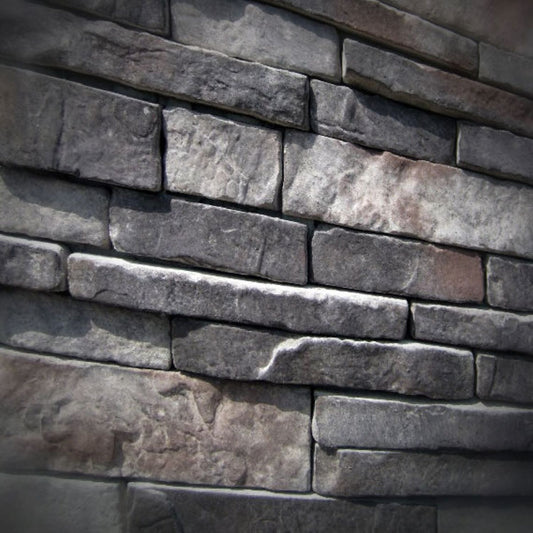
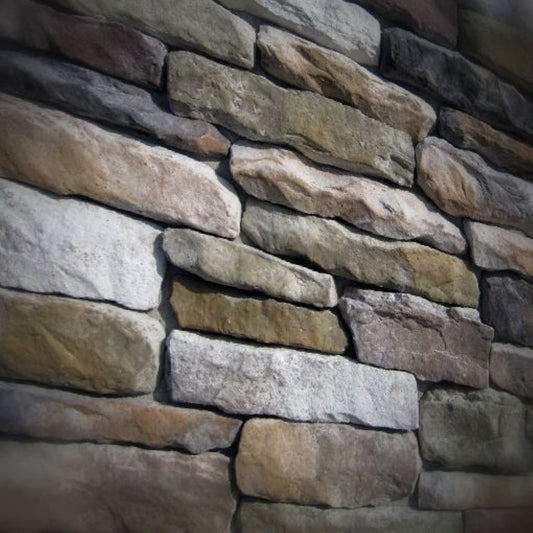
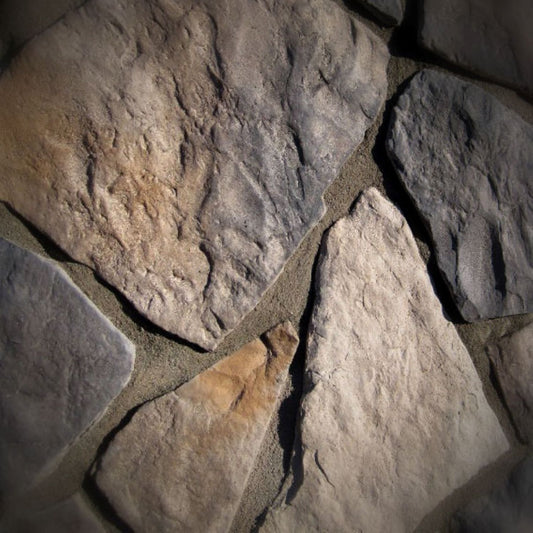
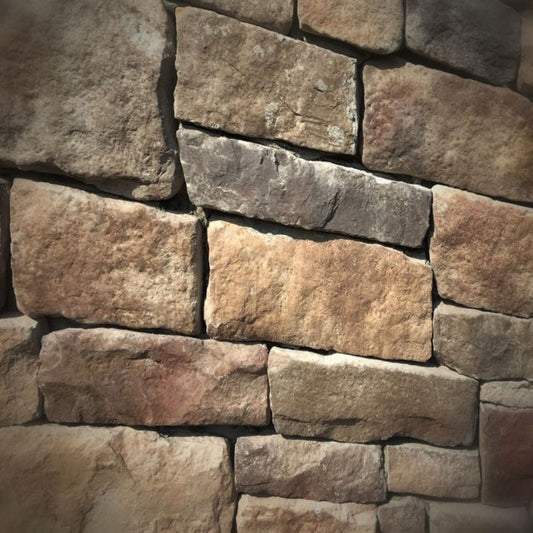
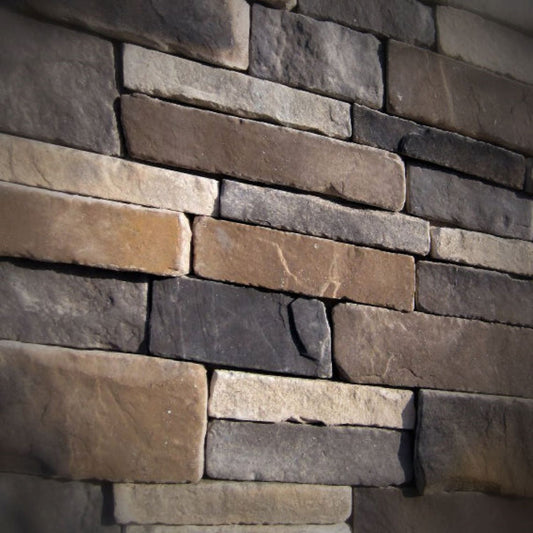
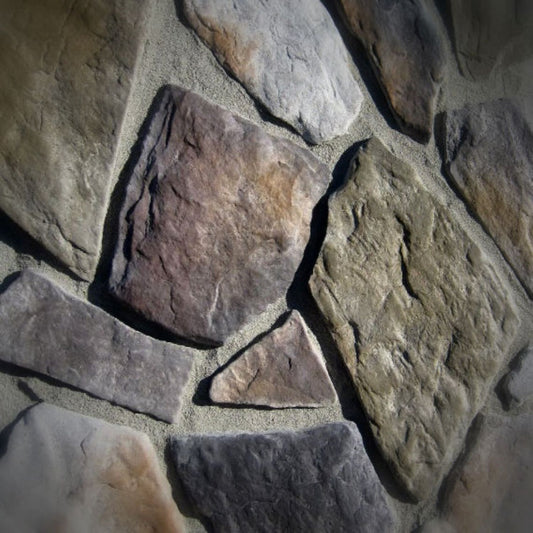
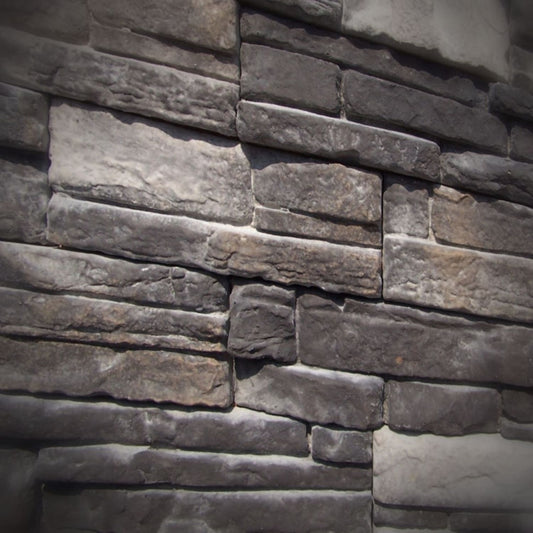
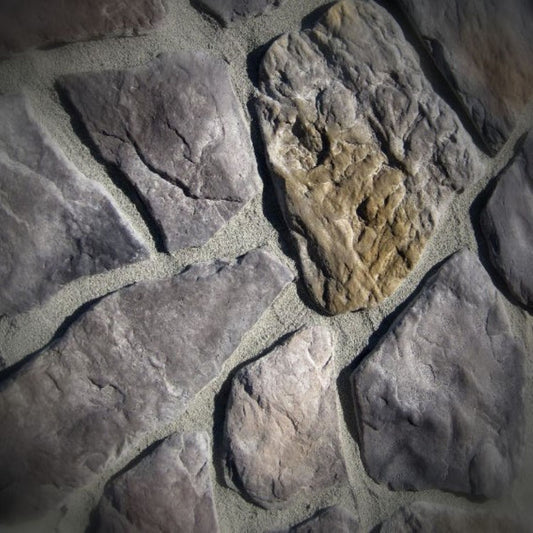
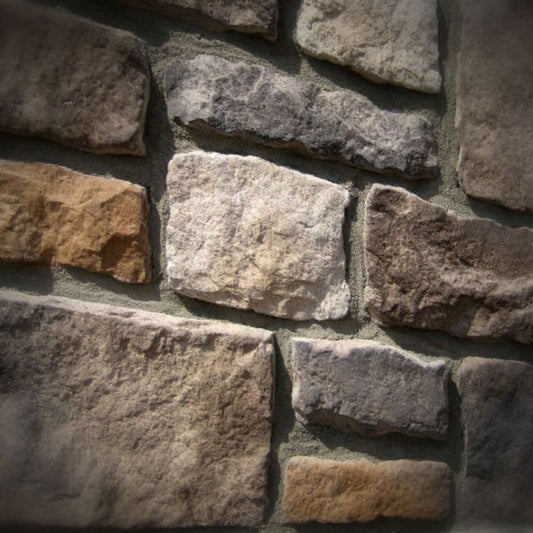
Another major advantage is the realistic appearance. Modern manufactured stone veneer products are designed using molds taken from real stone, allowing them to closely replicate the textures, shapes, and color variation found in natural masonry. Homeowners can choose from a wide range of profiles, including ledgestone, fieldstone, limestone, river rock, and castle rock styles to complement virtually any architectural design.
Cost savings are another reason why manufactured stone veneer is commonly selected for chimney projects. Natural stone installations often involve higher material costs, additional structural reinforcement, and increased labor expenses. Manufactured stone veneer delivers a similar visual effect at a fraction of the overall cost, making it an attractive option for budget-conscious renovations and new builds.
Heat resistance and chimney safety
One of the biggest concerns homeowners have is whether manufactured stone veneer can safely withstand the heat generated by a chimney. In most cases, the answer is yes, provided the product is installed according to manufacturer specifications and local building codes.
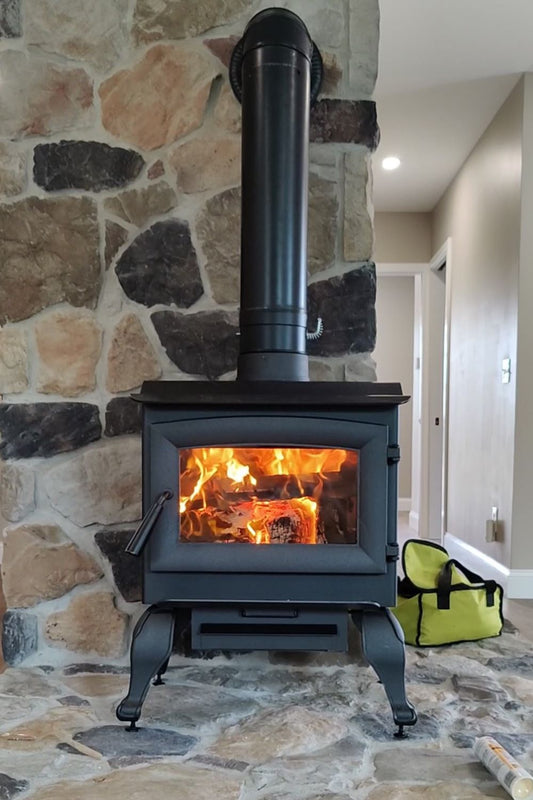
Manufactured stone veneer is designed to handle normal exterior chimney temperatures. However, it is important to understand that stone veneer itself is not intended for direct flame contact. Proper clearances must always be maintained between the veneer and heat-producing components such as chimney flues, fireboxes, and vents.
Most chimney exteriors remain relatively cool during normal fireplace operation because the heat is contained within the flue system. This makes manufactured stone veneer an excellent decorative finish for the outside of the chimney structure. Problems typically arise only when improper installation methods are used or when the veneer is exposed to excessive heat beyond its intended application.
For wood-burning fireplaces, gas fireplaces, and outdoor chimney systems, professional installation is highly recommended to ensure compliance with fire safety standards and ventilation requirements.
Moisture protection is critical
Moisture management is one of the most important aspects of any manufactured stone veneer installation, especially on chimneys. Because chimneys are exposed to rain, snow, freeze-thaw cycles, and wind-driven moisture, proper waterproofing techniques are essential for long-term durability.
Manufactured stone veneer itself is not waterproof. While it is highly durable and weather resistant, water can still penetrate behind the veneer if flashing and drainage systems are not properly installed. Over time, trapped moisture may lead to issues such as efflorescence, cracking, mold growth, or substrate deterioration.
A weather-resistant barrier should always be installed beneath the veneer system to protect the chimney structure. Proper flashing around roof intersections, chimney caps, and transitions is equally important to direct water away from vulnerable areas.
In colder climates where freeze-thaw cycles are common, moisture management becomes even more critical. Water that enters the system and freezes can expand, potentially causing mortar joints or veneer pieces to loosen over time. Using manufacturer-approved installation methods helps minimize these risks and improves the longevity of the chimney finish.
Can stone veneer be applied to existing chimneys?
Manufactured stone veneer is highly versatile and can often be installed over existing chimney surfaces, depending on the condition and composition of the original structure. Many homeowners choose to update outdated brick chimneys with stone veneer to create a more modern or rustic appearance without completely rebuilding the chimney.
Existing masonry chimneys may be suitable substrates if they are structurally sound and properly prepared. In some cases, cleaning and surface preparation may be sufficient before applying a bonding agent, metal lath, and scratch coat. Damaged or deteriorating masonry should always be repaired prior to installation.
Framed chimney structures can also support manufactured stone veneer when built according to code and properly waterproofed. Because manufactured stone veneer is lightweight compared to natural stone, it is compatible with many framed wall systems that would not otherwise support full masonry construction.
Before starting any chimney renovation project, it is important to have the structure inspected to ensure there are no underlying issues related to moisture intrusion, cracking, or ventilation.
Proper installation methods matter
The performance and longevity of a manufactured stone veneer chimney largely depend on proper installation techniques. Even high-quality veneer products can fail prematurely if shortcuts are taken during the installation process.
The first step typically involves preparing the substrate with a weather-resistant barrier and metal lath. A scratch coat of mortar is then applied to create a stable bonding surface for the veneer pieces. Once cured, the stone veneer can be installed using the appropriate mortar system recommended by the manufacturer.
Attention to detail is especially important around corners, rooflines, flashing transitions, and chimney caps. These areas are more vulnerable to water penetration and require careful sealing and drainage planning.
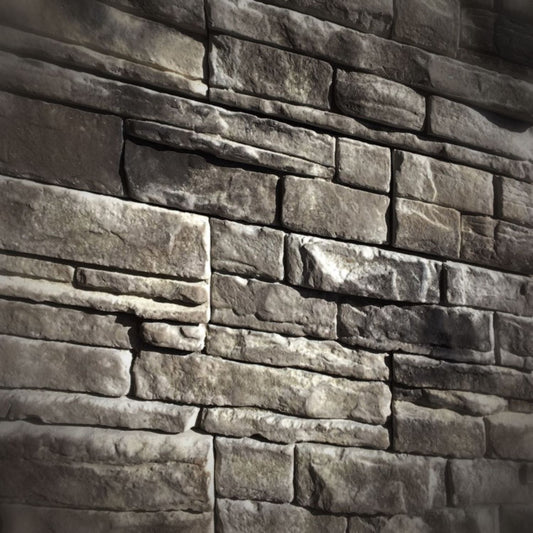
Mortar joints should be properly finished to prevent water intrusion while maintaining the desired visual style. Some homeowners prefer a dry-stack appearance with minimal visible joints, while others choose traditional grouted finishes for a more classic masonry look.
Professional installers understand how to accommodate movement, thermal expansion, and drainage requirements to help prevent future cracking or detachment.
Design options for stone veneer chimneys
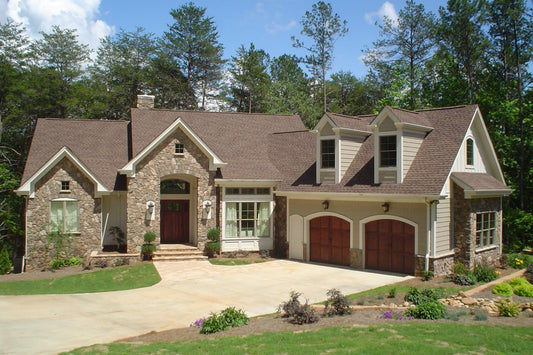
One of the biggest advantages of manufactured stone veneer is the wide range of available design styles. Chimneys can serve as dramatic focal points that enhance curb appeal and architectural character.
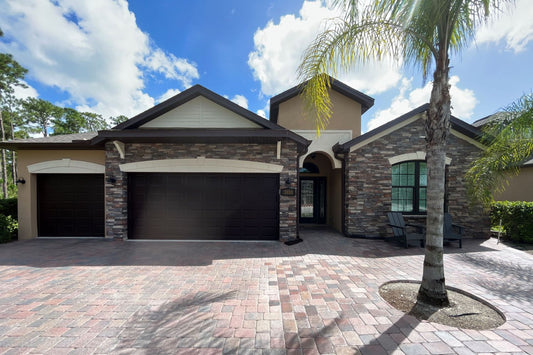
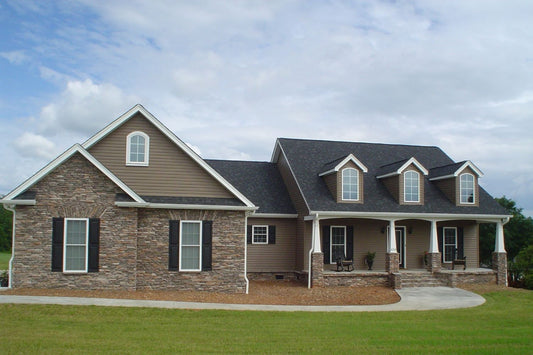
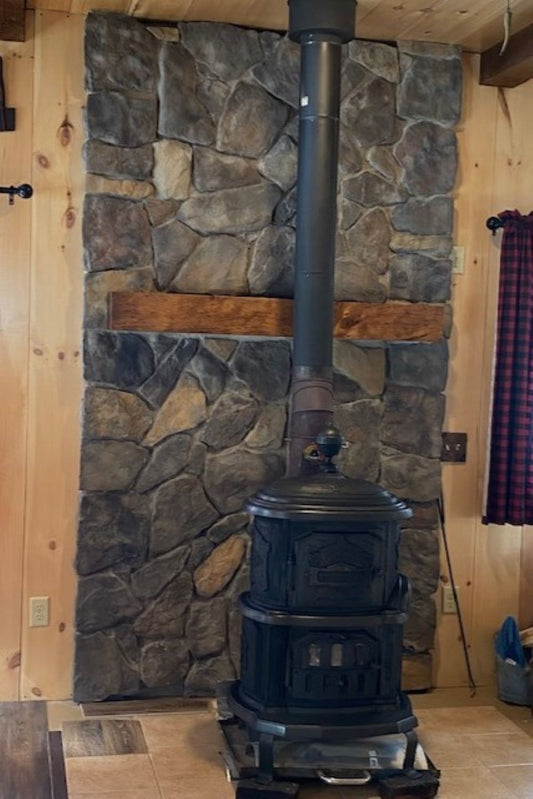
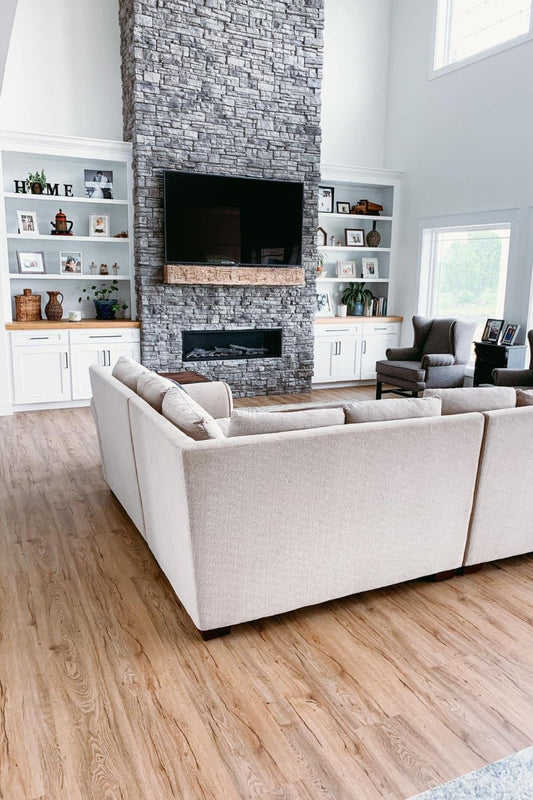
Rustic homes often feature rugged fieldstone or river rock profiles that create a natural lodge-inspired appearance. Contemporary homes may incorporate sleek stacked stone designs with clean horizontal lines. Traditional homes frequently pair limestone-inspired veneer with brick or siding to create timeless visual balance.
Color selection also plays an important role in the overall design. Neutral gray, beige, brown, and charcoal tones remain popular because they complement a wide range of roofing, siding, and landscaping materials.
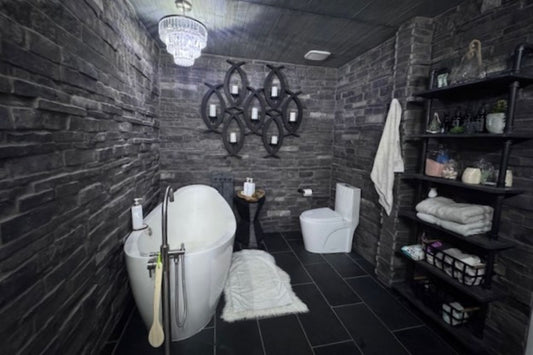
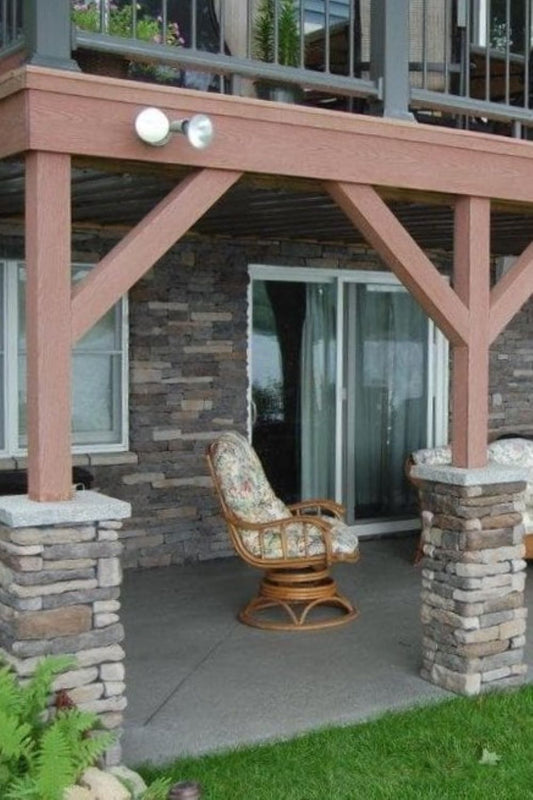
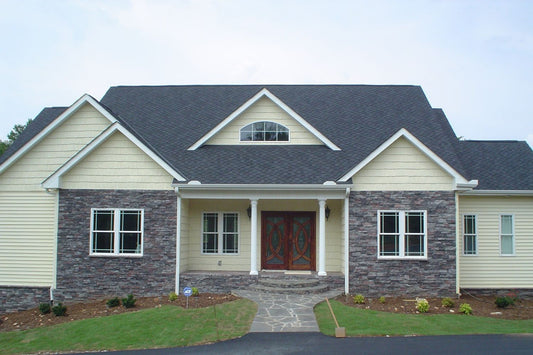
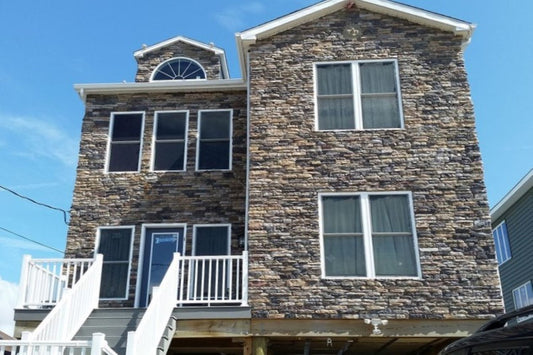
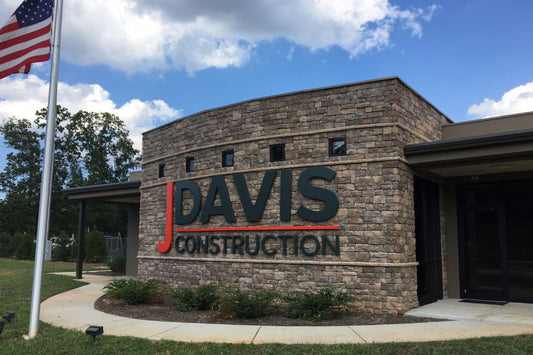
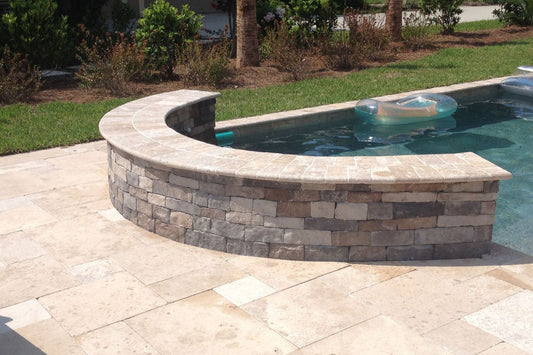
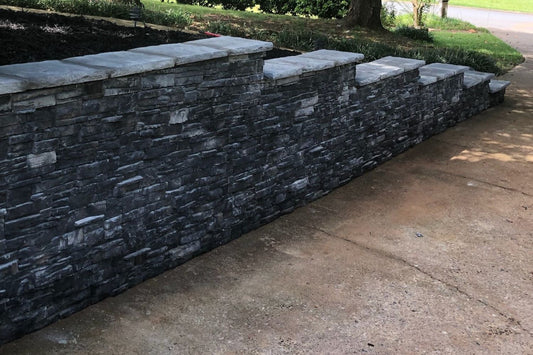
Manufactured stone veneer can also be extended beyond the chimney to create cohesive exterior designs that tie together entryways, foundation walls, columns, fireplaces, or outdoor living spaces.
Maintenance and long-term durability
When installed correctly, manufactured stone veneer chimneys require relatively little maintenance. Routine inspections can help identify small issues before they become larger problems.
It is important to periodically check flashing, mortar joints, and chimney caps for signs of wear or water intrusion. Keeping gutters and roof drainage systems functioning properly also helps protect the chimney from excessive moisture exposure.
Cleaning should generally be done using mild detergents and soft brushes. Harsh chemicals or pressure washing can potentially damage mortar joints or surface finishes. If staining or efflorescence appears, manufacturer-recommended cleaning methods should be followed carefully.
High-quality manufactured stone veneer products are designed to resist fading, cracking, and weather-related deterioration for many years. With proper installation and maintenance, a stone veneer chimney can maintain its appearance and structural performance for decades.
Frequently asked questions
1. Can manufactured stone veneer handle chimney heat? Yes, manufactured stone veneer can handle normal chimney exterior temperatures when installed correctly. It should not be exposed directly to open flames or excessive heat sources.
2. Does manufactured stone veneer need sealing on a chimney? Some manufactured stone veneer products may benefit from breathable sealers in certain climates, but sealing requirements depend on the manufacturer and installation conditions.
3. Can stone veneer be installed over an existing brick chimney? Yes, manufactured stone veneer can often be installed over existing brick chimneys if the masonry is structurally sound and properly prepared before installation.
4. How long does manufactured stone veneer last on a chimney? When properly installed and maintained, manufactured stone veneer can last for decades while maintaining its appearance and durability.
5. Is manufactured stone veneer waterproof? No, manufactured stone veneer is not completely waterproof. Proper weather-resistant barriers, flashing, and drainage systems are necessary to protect the chimney structure from moisture intrusion.
Stone veneer for chimneys
Manufactured stone veneer is an excellent option for homeowners looking to improve the appearance of their chimney while controlling costs and simplifying installation. Its lightweight construction, realistic texture, design versatility, and durability make it one of the most practical chimney cladding materials available today.
However, successful chimney installations require careful attention to moisture protection, flashing, ventilation, and proper substrate preparation. Working with experienced installers and following manufacturer guidelines are essential for ensuring long-term performance.
Whether you are renovating an older brick chimney or designing a new outdoor fireplace feature, manufactured stone veneer can provide the timeless beauty of natural stone with greater affordability and flexibility.
What's next?
Transform your space today with our premium stone veneer! Shop now to explore our stunning collection or order a sample to see and feel the quality up close. Bring your vision to life, start now!
Have a question?
Please see our full terms of service or check out our frequently asked questions.
For general information and questions please call: (864) 882-8960 Mon. - Fri. 8am - 5pm (EST) or email: info@blackbearmountainstone.com we are more than happy to help you.
Or you can submit your questions via our contact us page.
We look forward to working with you on your upcoming project.
The Black Bear Mountain Stone Team
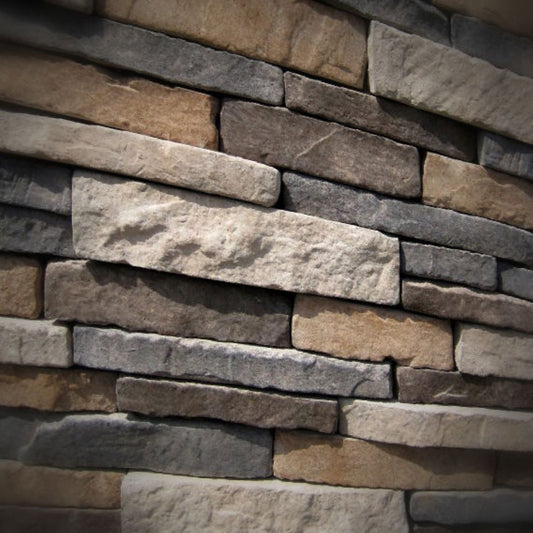
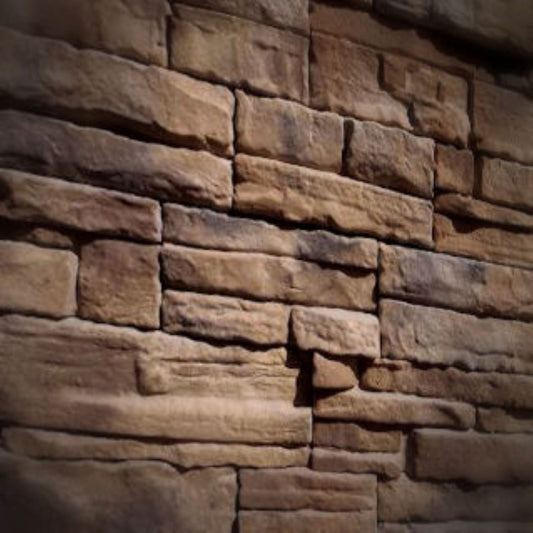
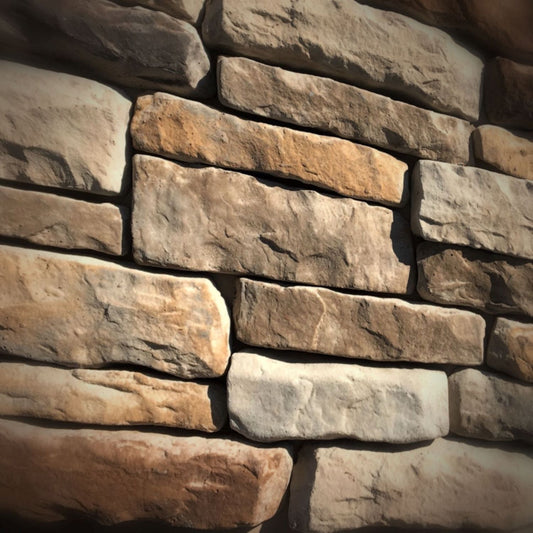
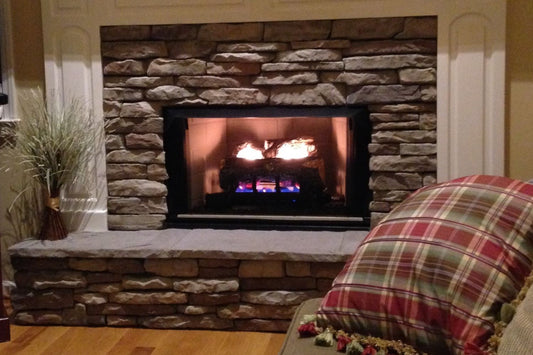
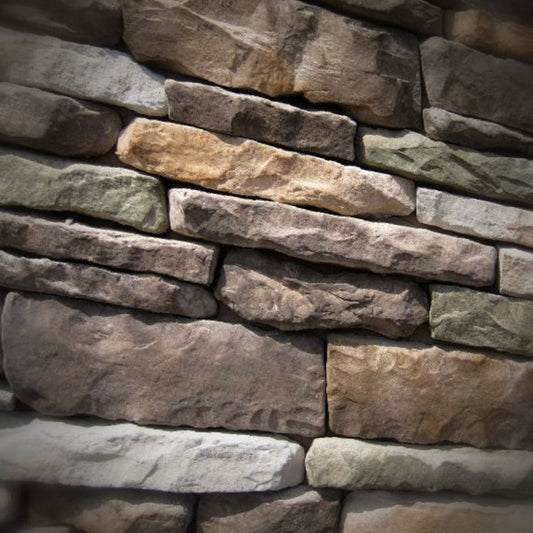
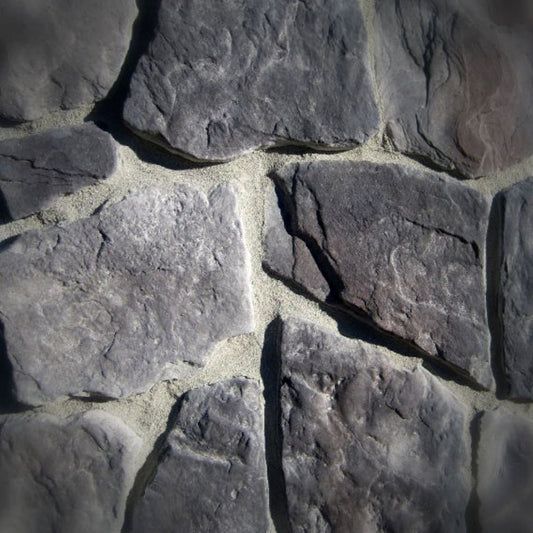
Pictured is ready stack chardonnay.