
Stone Veneer Mortar vs. Adhesive: Which Should You Use?
Share
Originally posted February 17, 2025, updated June 23, 2026.
Type S mortar is a commonly used bonding material for manufactured stone veneer because of its strength, durability, and suitability for masonry applications. Construction adhesive is not a substitute for Type S mortar unless the stone veneer manufacturer specifically approves that adhesive for the intended installation system.
Choosing the right bonding material is an important part of any manufactured stone veneer installation. Whether you're upgrading an interior accent wall, building an exterior stone facade, or adding stone around a fireplace, the material used to secure the veneer affects the installation's durability and long-term performance. Type S mortar is widely used in masonry applications, while construction adhesive is designed for different bonding purposes. Understanding the differences can help you avoid installation problems and select the appropriate materials for your project.
Construction adhesive may appear convenient because it comes ready to apply and does not require mixing. Type S mortar requires preparation and proper application, but it is formulated for masonry work and can provide a durable bond when used with a compatible substrate and approved installation method.
What is the Difference Between Type S Mortar and Construction Adhesive?
Type S mortar is a cement-based mixture commonly used in masonry construction. Once mixed and cured, it forms a durable, rigid material that bonds masonry products to properly prepared surfaces. Its strength and established performance make it a common choice for manufactured stone veneer installations when specified by the manufacturer.
Construction adhesive bonds materials through chemical adhesion. Depending on its formulation, it may be intended for wood, drywall, concrete, masonry, or other building materials. Some adhesives offer strong initial grab or flexibility after curing, but those characteristics do not automatically make them suitable for manufactured stone veneer.
The important difference is how each material performs within the intended installation system. The bonding material must support the veneer over time while accommodating its weight, substrate characteristics, moisture exposure, and temperature conditions. A heavy-duty construction adhesive is not necessarily approved to support cement-based stone veneer on a vertical surface.
Why Type S Mortar is Commonly Used for Manufactured Stone Veneer
Manufactured stone veneer consists of cement-based cast stone pieces designed to replicate the appearance of natural stone. Although manufactured stone veneer is generally lighter than full-depth natural stone, each piece still requires reliable support when installed on a wall.
Type S mortar is commonly used in masonry applications because it offers a combination of compressive strength and durability. When correctly mixed and applied to an appropriate substrate, it can create a dependable bond between individual stone veneer pieces and the prepared wall assembly.
Proper installation also allows individual stones to be positioned and adjusted to achieve the desired pattern. This is especially useful when working with irregular shapes, varied dimensions, and stone profiles that require careful placement for a natural appearance.
However, the correct mortar specification depends on the veneer manufacturer's installation instructions. Type S mortar should not automatically be assumed suitable for every manufactured stone veneer product or substrate. Always confirm the required bonding material and installation method before beginning your project.
Can You use Construction Adhesive Instead of Type S Mortar?
For conventional manufactured stone veneer installations that specify Type S mortar, construction adhesive should not be used as a replacement. Unless the veneer manufacturer expressly approves a particular adhesive for the product and installation system, substituting it can introduce unnecessary risks.
One concern is the weight of the stone. Adhesives vary in their ability to support materials on vertical surfaces, and their performance depends on formulation, bond thickness, surface compatibility, and curing conditions. An adhesive that successfully bonds lightweight trim or panels may not provide the required support for individual cement-based stone veneer pieces.
Moisture and temperature exposure are additional considerations. Exterior walls experience rain, changing temperatures, and potentially repeated freeze-thaw cycles. Although some adhesives are formulated for outdoor applications, general exterior-use labelling does not establish suitability for manufactured stone veneer.
Improper bonding can result in loose or detached stones, damage to the wall assembly, and costly repairs. Detached veneer can also create a safety hazard. Selecting Type S mortar when required by the installation instructions helps ensure that the bonding material is appropriate for the intended masonry application.
Interior installations require the same attention to compatibility. An accent wall inside a heated living room experiences different conditions from an exterior facade, but the weight of the stone and the condition of the substrate remain important. Indoor use alone does not make an unapproved adhesive suitable.
How Does Type S Mortar Perform in Wet and Freezing Conditions?
Type S mortar is widely used in masonry applications because of its strength and durability, but it is not waterproof. The long-term performance of an exterior manufactured stone veneer installation depends on the entire wall assembly, including appropriate moisture management.
Depending on the building construction, an exterior wall may require a weather-resistant barrier, flashing, drainage provisions, a suitable lath and scratch-coat assembly, and other components specified by the installation instructions and applicable building codes.
These components work together to help manage water and protect the structure behind the veneer. Even when Type S mortar is used correctly, missing flashing, inadequate drainage, or improper substrate preparation can lead to moisture-related problems.
Freeze-thaw conditions also require attention. Water that enters a wall assembly can cause damage as temperatures fluctuate, particularly when moisture becomes trapped behind the veneer. Proper wall preparation and moisture management help reduce these risks.
Construction adhesives vary considerably in their resistance to water and temperature changes. Some are designed for exterior exposure, while others are intended for indoor use. The important consideration is whether the bonding material is specifically approved for the stone veneer product and the conditions in which it will be installed.
Is Type S Mortar Suitable for Fireplaces and High-Heat Areas?
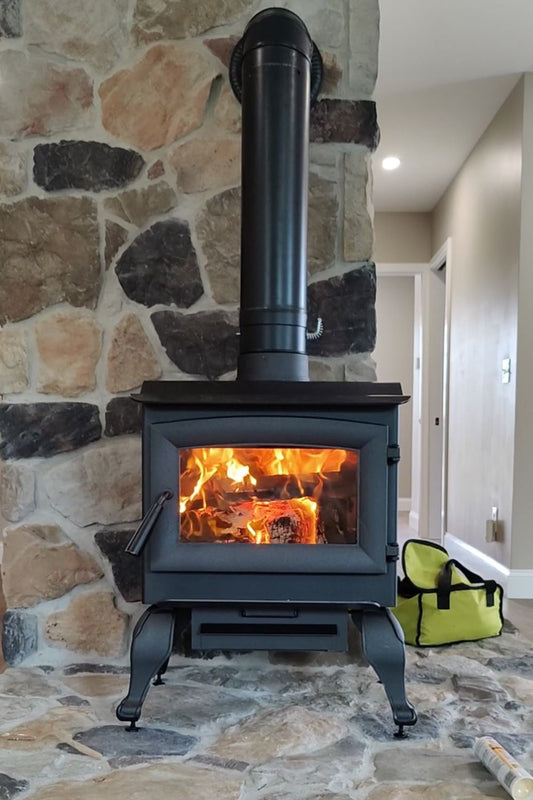
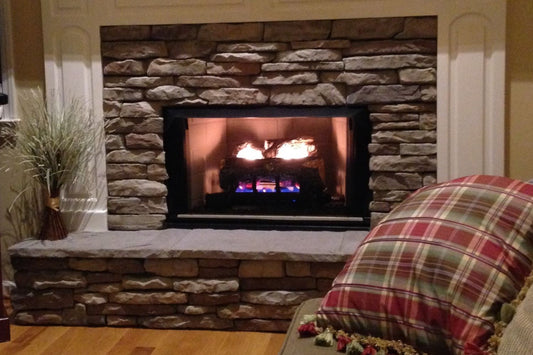
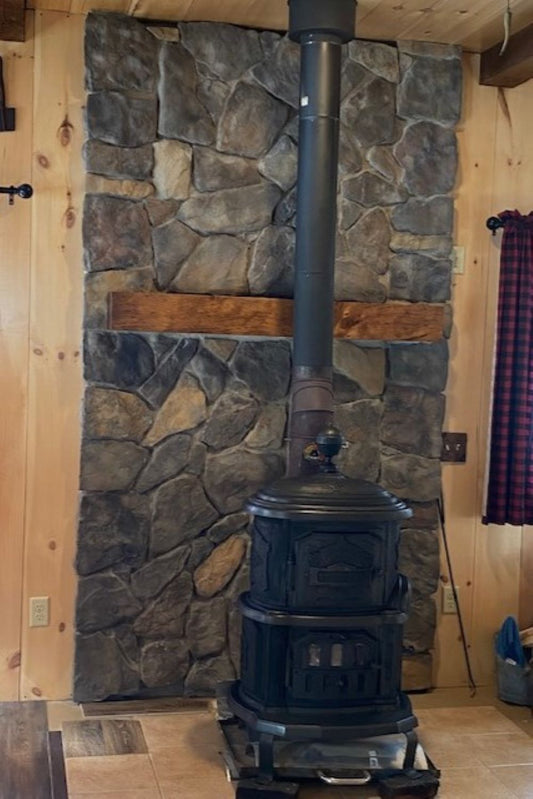
Manufactured stone veneer is frequently installed around fireplaces, wood stoves, and outdoor cooking areas. Type S mortar is noncombustible and commonly used in masonry work, but the appropriate installation method depends on the temperature exposure, appliance clearances, substrate, and product requirements.
The presence of noncombustible stone veneer and mortar does not automatically make an entire assembly fire-rated or suitable for direct flame exposure. Construction adhesives may contain components that are unsuitable for elevated temperatures, and products designed for ordinary wall applications should not be assumed appropriate near a fireplace or stove.
Before beginning a fireplace project, review the stone veneer manufacturer's instructions alongside the appliance manufacturer's requirements. Maintain the specified clearances and use an approved assembly for the intended application. Manufactured stone veneer should not be installed inside a firebox or in direct flame exposure unless the specific product is expressly rated and approved for that use.
Why Proper Substrate Preparation Matters When Using Type S Mortar
Even the appropriate Type S mortar can fail when applied to an unsuitable or poorly prepared surface. Substrate preparation is therefore just as important as selecting the bonding material.
Concrete and existing masonry may provide suitable bonding surfaces when they are sound, clean, and prepared according to the installation requirements. Other wall assemblies may require additional components before the veneer can be installed. For example, installations over wood framing generally require an appropriate weather-resistant barrier, lath, scratch coat, and other specified materials.
Cement board is not automatically suitable for direct bonding simply because it contains cement. Its compatibility depends on the specific board, the installation system, and the manufacturer's instructions. Similarly, painted, dusty, damaged, or contaminated surfaces may require additional preparation or may be unsuitable altogether.
Correct Type S mortar mixing, application, and curing are also essential. Follow the product instructions for water proportions, working time, coverage, temperature, and curing conditions. Avoid assuming that adding more water or applying a thicker layer will improve the bond.
Taking the time to prepare the wall correctly helps create a more dependable installation and reduces the likelihood of problems that can be expensive to correct after the stone is in place.
Common Mistakes When Installing Stone Veneer With Type S Mortar
One common mistake is substituting construction adhesive for Type S mortar when the installation instructions specify a mortar-based system. Although adhesive may appear faster or easier to apply, convenience should never take priority over compatibility and long-term performance.
Another mistake is overlooking the required wall assembly. Applying Type S mortar directly to an unapproved surface or skipping required lath, scratch coat, or moisture-management components can compromise the installation even when the mortar itself is appropriate.
Incorrect mixing and inadequate mortar coverage can also weaken the bond. Each stone must be installed using the coverage and application method specified for the product. Rushing the process, working outside the permitted temperature range, or failing to allow the installation to cure properly can affect the final result.
Finally, avoid assuming that every manufactured stone veneer product follows identical instructions. Installation methods can vary by manufacturer, product design, substrate, and location. Reviewing the requirements before purchasing materials can help prevent unnecessary delays and costly corrections.
Stone Veneer Mortar vs. Adhesive
When comparing Type S mortar vs. construction adhesive for manufactured stone veneer, begin with the installation instructions for your specific product. Confirm the approved bonding material, substrate requirements, and any additional moisture-management components needed for the wall assembly.
Type S mortar is a well-established choice for masonry applications and is commonly used for manufactured stone veneer when specified by the manufacturer. Construction adhesive should only be considered when the manufacturer specifically approves the product and method for the intended application.
The best installation is not simply the one that goes up fastest. It is the one in which the stone, bonding material, substrate, and wall assembly work together as intended. Following the manufacturer's instructions and applicable building codes helps protect your investment and supports long-term performance.
Frequently Asked Questions About Stone Veneer Mortar vs. Adhesive
Can you use construction adhesive instead of Type S mortar for stone veneer?
Construction adhesive should not replace Type S mortar when the stone veneer manufacturer's instructions specify a mortar-based installation. Use an adhesive only when the manufacturer explicitly approves the particular product and method for the intended application.
Why is Type S mortar used for manufactured stone veneer?
Type S mortar is commonly used in masonry applications because it provides strength and durability. When properly mixed and applied to an appropriate substrate, it can create a dependable bond for manufactured stone veneer installations that specify its use.
Is Type S mortar waterproof?
No. Type S mortar is not a complete waterproofing system. Exterior stone veneer installations require appropriate moisture management, which may include weather-resistant barriers, flashing, drainage provisions, and other components based on the wall assembly and applicable installation requirements.
Can Type S mortar be used around a fireplace?
Type S mortar is noncombustible and commonly used in masonry applications, but the complete installation must meet the stone veneer manufacturer's requirements and the fireplace appliance's clearance and temperature specifications. Noncombustible materials alone do not make an assembly fire-rated.
How long does Type S mortar last under stone veneer?
Type S mortar can provide long-lasting performance when properly selected, mixed, applied, and cured as part of an approved installation system. Actual service life depends on the materials, substrate, workmanship, environmental exposure, and moisture management.
Why is my manufactured stone veneer coming loose?
Loose veneer can result from an unsuitable bonding material, inadequate substrate preparation, insufficient mortar coverage, improper curing, moisture intrusion, or movement within the wall assembly. A qualified professional should evaluate the installation to identify the underlying cause before repairs begin.
What's Next?
Bring your vision to life with Mountain View Stone's manufactured stone veneer. Explore our collection to find a style that complements your home, or order a sample to see the colors and textures up close before choosing your material.
Have a Question?
For questions about Mountain View Stone products, call (864) 882-8960, Monday through Friday, 8 a.m. to 5 p.m. Eastern Time, or email info@mountainviewstone.net. You can also visit our website to learn more about our products and installation considerations.
The information shared in this blog is for general informational purposes and reflects general considerations for manufactured stone veneer installations. Every product, substrate, project site, and installation system is unique, and outcomes may vary depending on materials, site conditions, installation methods, and local building codes. This content is not a substitute for professional advice, manufacturer instructions, or applicable building regulations. Always consult the product manufacturer, a qualified installer, and local authorities before starting a stone veneer project.
What's Next?
Bring your vision to life with our premium stone veneer! Shop now to find the perfect style or order a sample to see the quality up close. Start your project today!
Have a Question?
Please see our full terms of service or check out our frequently asked questions.
For general information and questions please call: (864) 882-8960 Mon. - Fri. 8am - 5pm (EST) or email: info@blackbearmountainstone.com we are more than happy to help you.
Or you can submit your questions via our contact us page.
We look forward to working with you on your upcoming project.
The Black Bear Mountain Stone Team
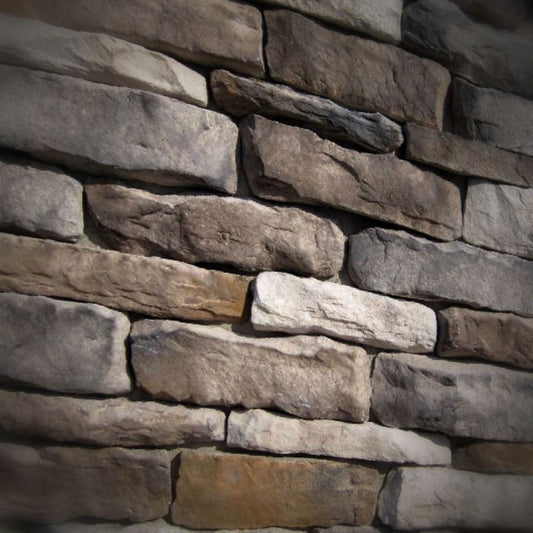
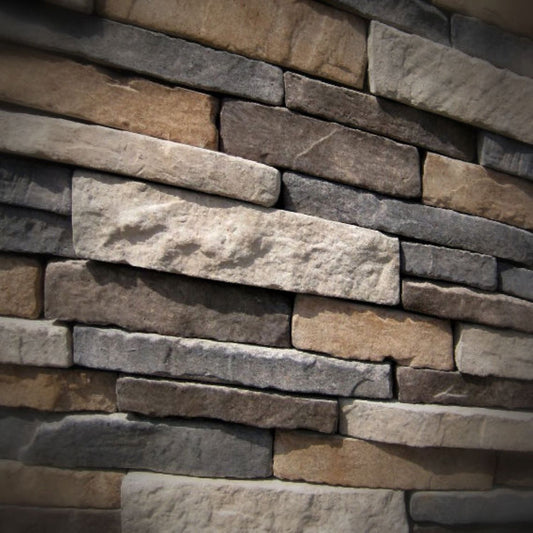
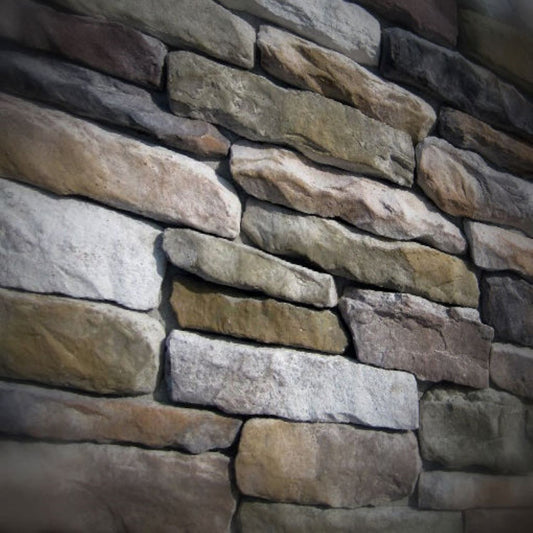
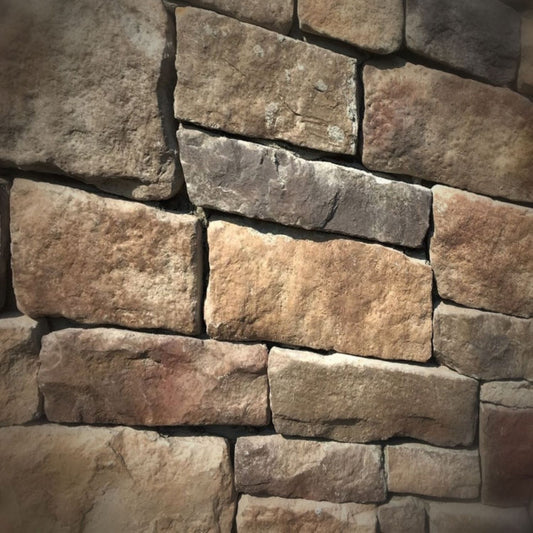
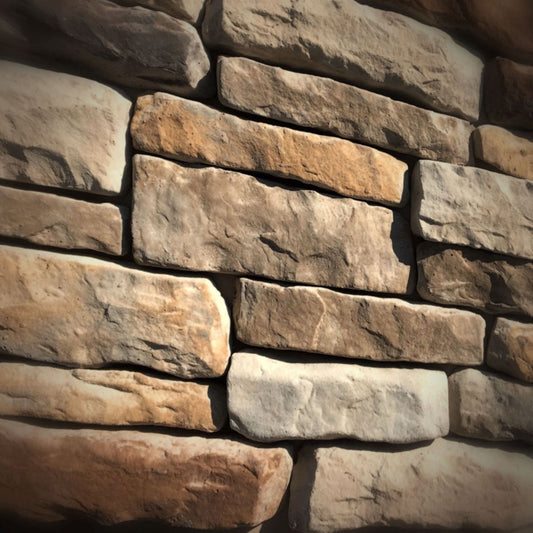
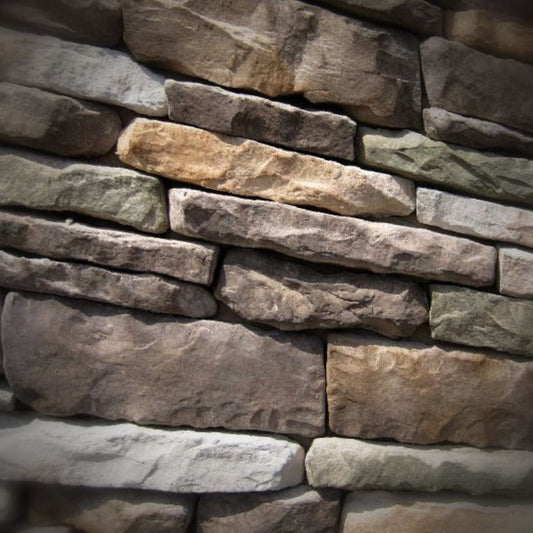
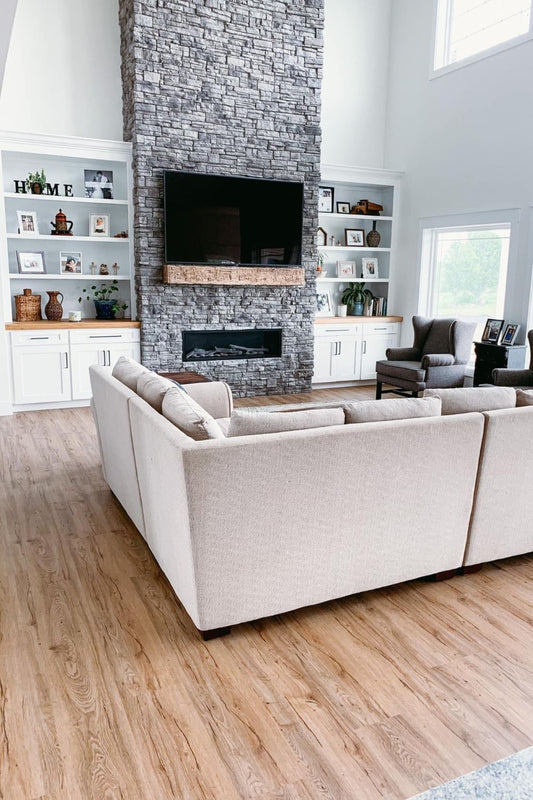
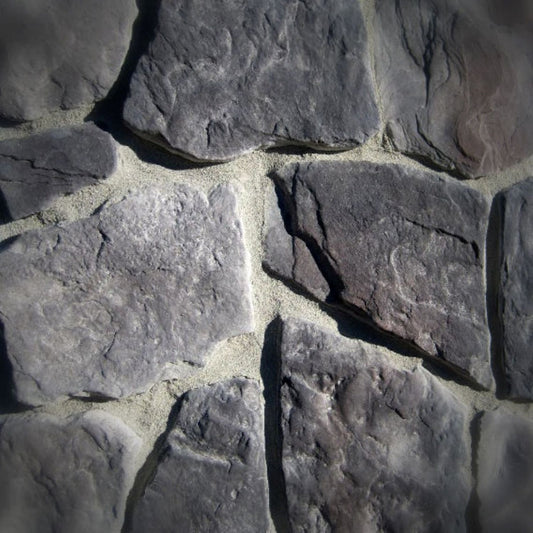
Pictured is lime stone adaline.