
Stone Veneer Panels vs. Individual Stones: What’s the Difference?
Share
Originally posted September 3, 2024, updated February 11, 2026.
Stone veneer panels are preassembled sections designed to speed up installation, while individual manufactured stone veneer consists of separate pieces installed one at a time. Panels can simplify installation and create a more consistent pattern, while individual stones offer greater design flexibility, natural variation, and easier customization around corners, windows, and other architectural details. The right choice depends on your project's design, installation requirements, budget, and desired appearance.
Manufactured stone veneer offers a practical way to achieve the appearance of natural stone without using full-thickness quarried stone. Available in a wide range of profiles, textures, shapes, and colors, it can enhance exterior facades, fireplaces, accent walls, columns, and other architectural features. However, before selecting a style, it is important to understand how the stone is supplied and installed.
One of the most common decisions is whether to choose individual manufactured stone veneer or a panel-style system. Both options can create attractive stone surfaces, but they differ in installation methods, design flexibility, and the amount of control you have over the finished appearance.
Individual stones are installed separately, allowing the installer to arrange each piece as the wall takes shape. Stone veneer panels combine multiple stones into a preassembled section, reducing the amount of individual placement required. Understanding these differences can help homeowners, contractors, and designers select the format that best suits their project.
What is Individual Manufactured Stone Veneer?
Individual manufactured stone veneer consists of separate pieces designed to replicate the appearance and texture of natural stone. Cement-based manufactured stone veneer is typically produced using Portland cement, lightweight aggregates, and iron oxide mineral pigments. Molds and coloring techniques help create the varied textures, shapes, and colors associated with natural stone.
Unlike a panel system, individual stone veneer is installed one piece at a time. The installer selects and positions each stone, adjusting the layout to create an appropriate balance of shapes, sizes, colors, and textures. This approach allows the finished wall to develop a distinctive pattern rather than following a predetermined arrangement.
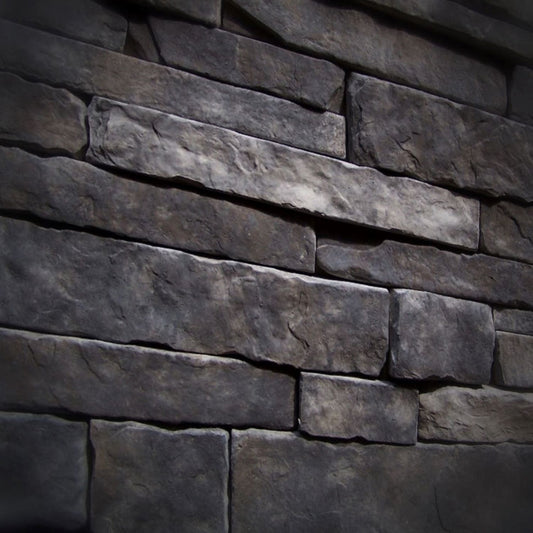
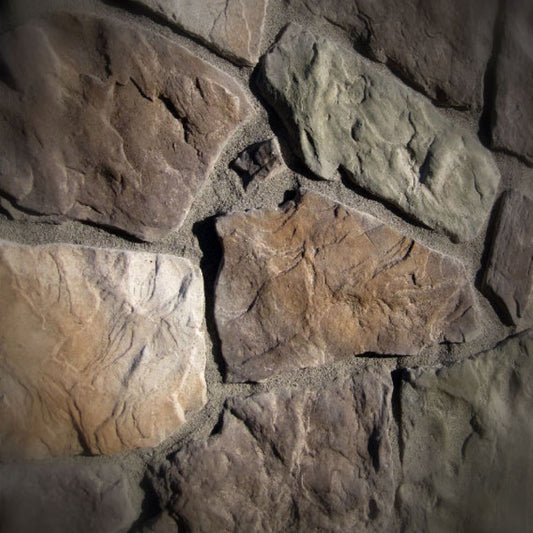
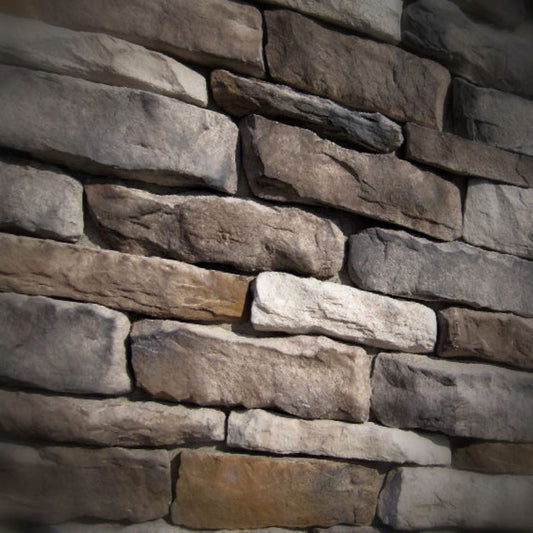
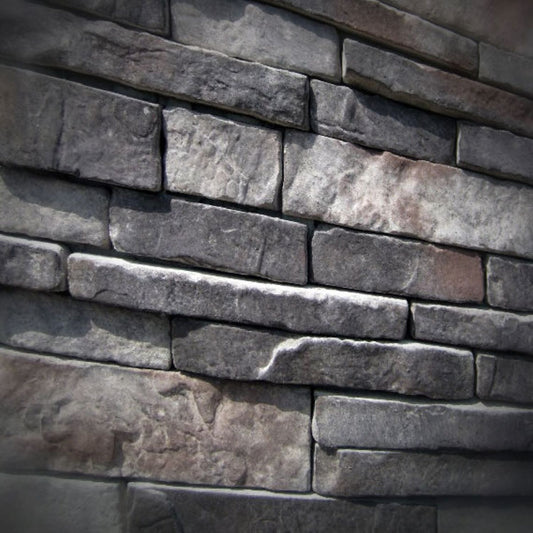
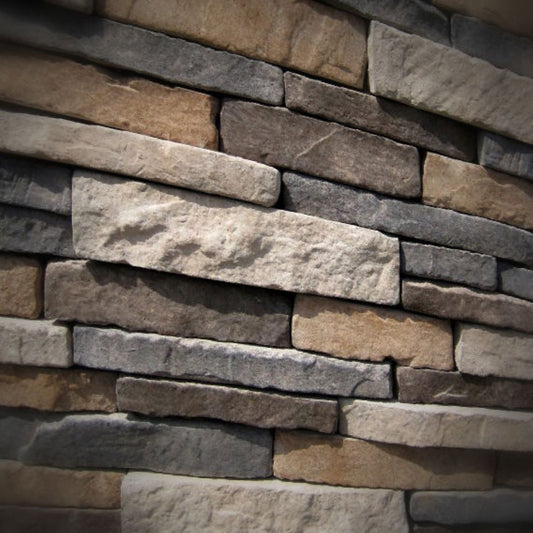
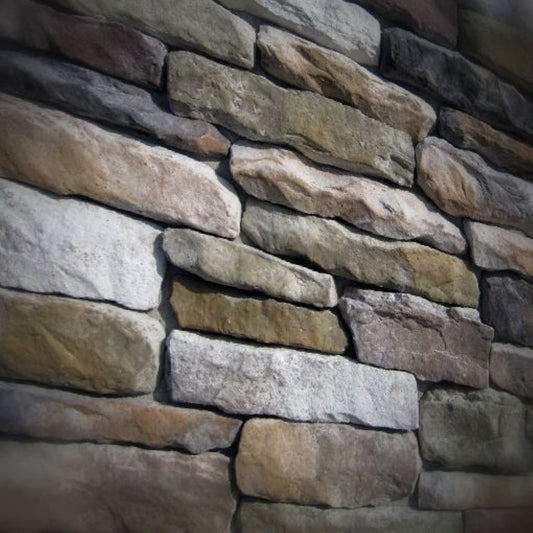
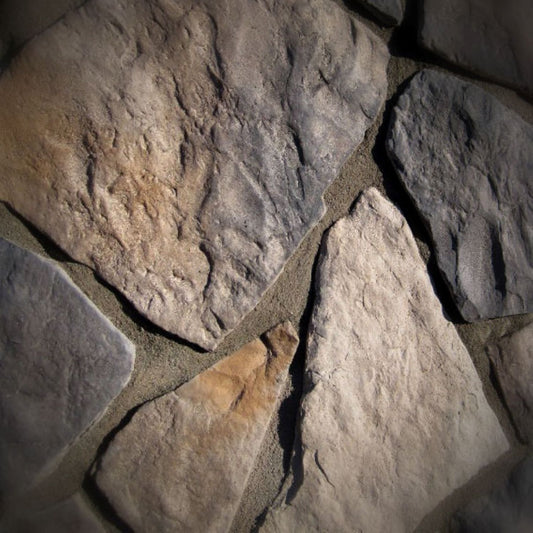
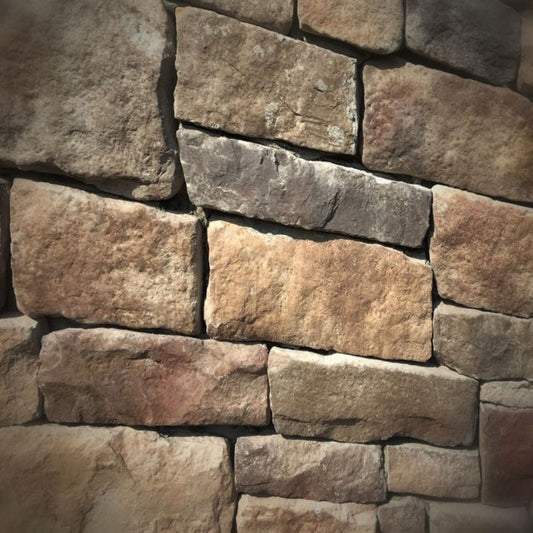
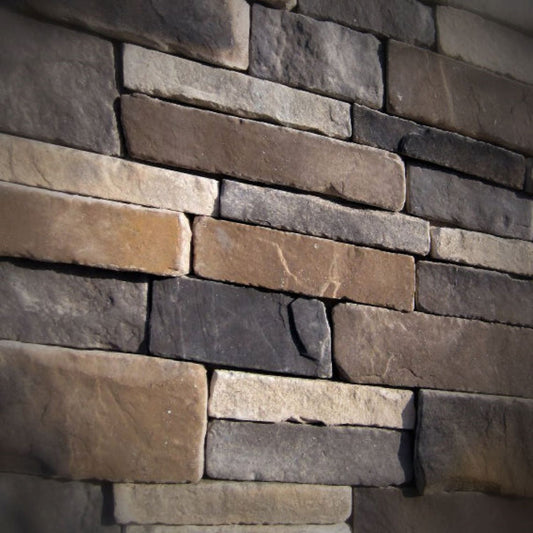
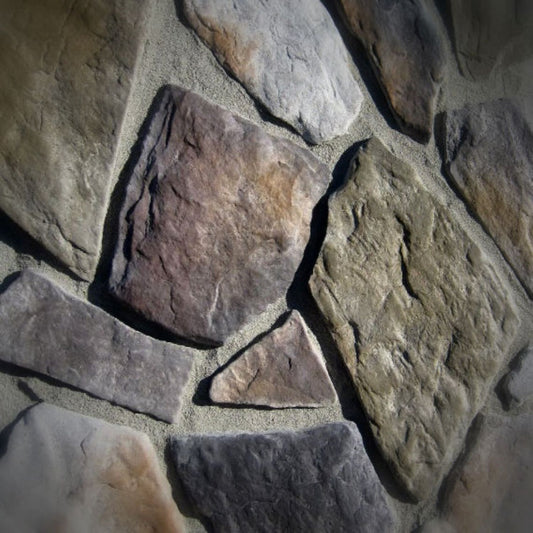
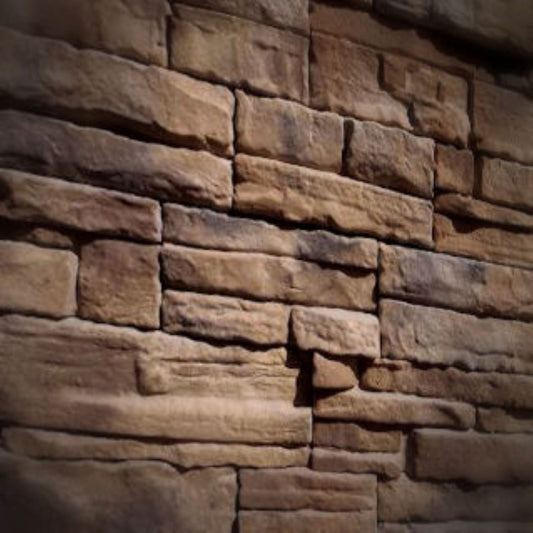
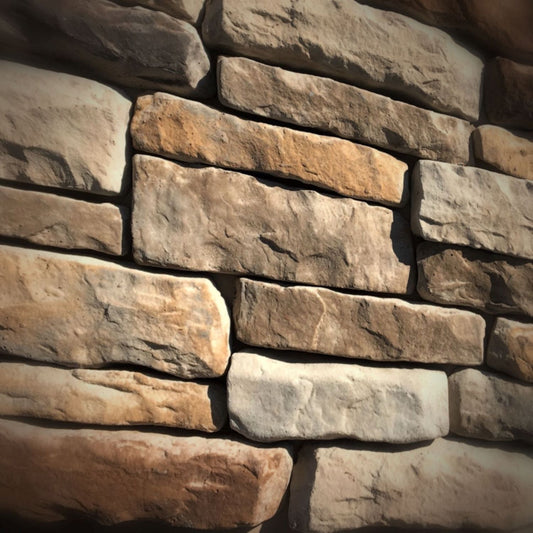
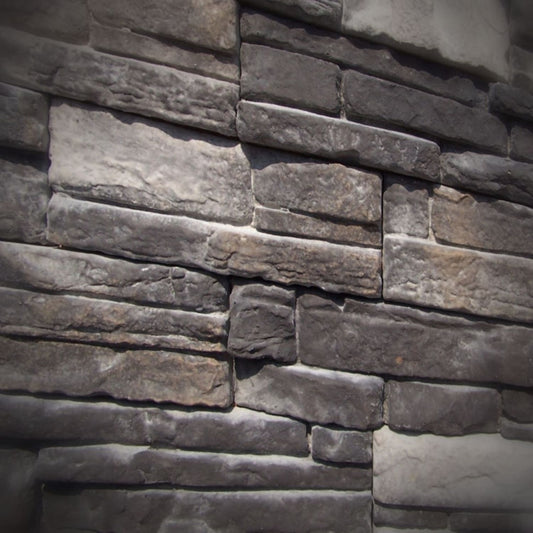
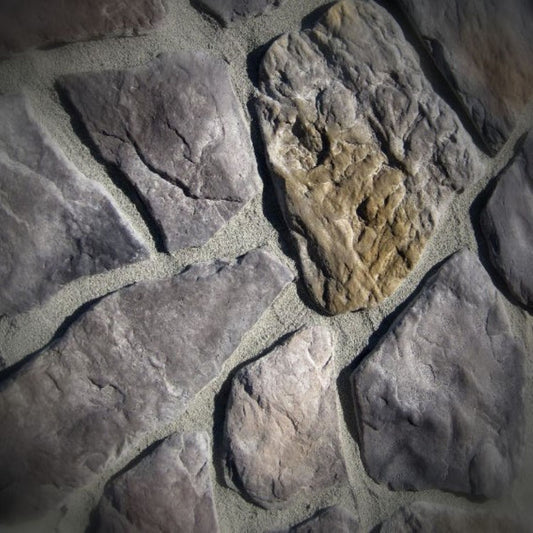
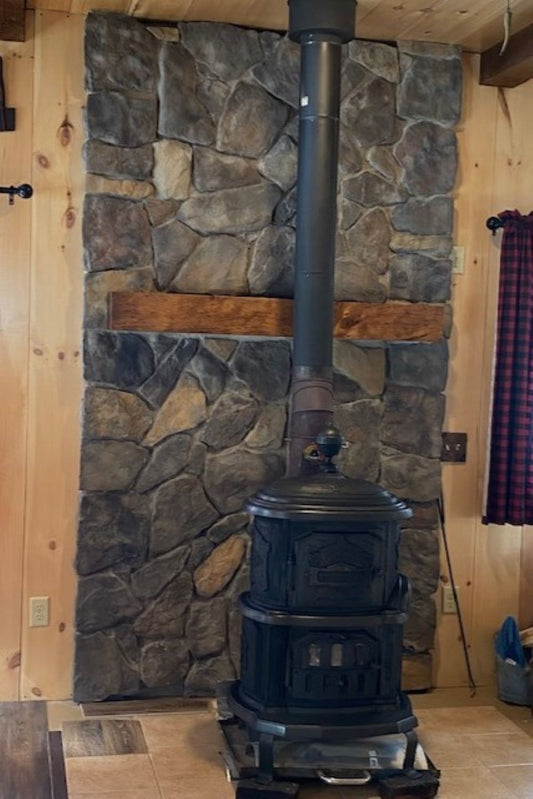
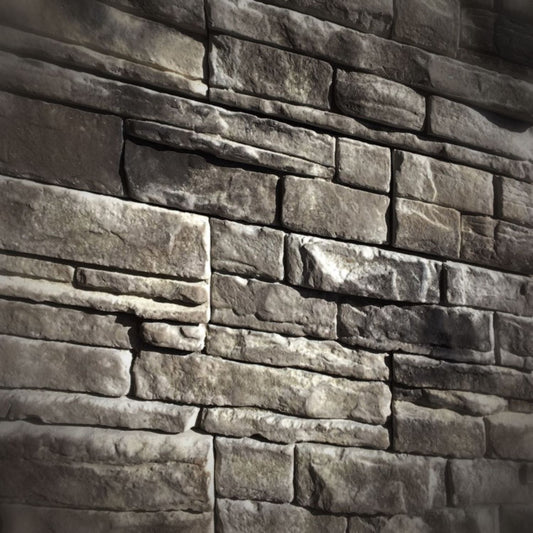
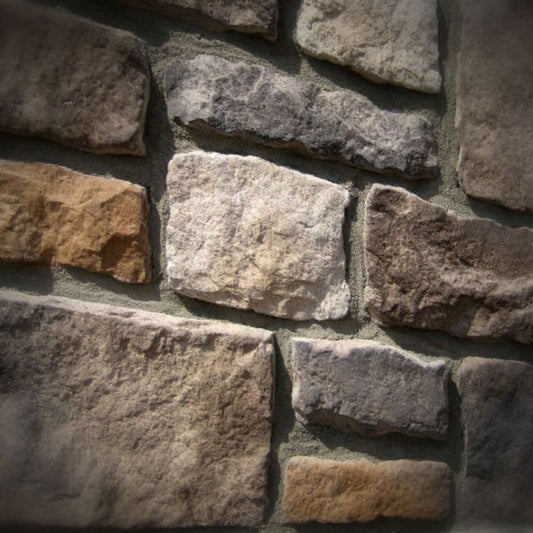
Individual stones are available in numerous profiles, including stacked stone, ledgestone, fieldstone, and limestone styles. Each profile creates a different architectural effect, from tightly fitted horizontal courses to more irregular, rustic arrangements.
Because each piece can be positioned independently, individual manufactured stone veneer is especially useful when appearance, customization, and flexibility are priorities. It also allows installers to adjust the layout around windows, doors, corners, columns, and other architectural features.
What are Stone Veneer Panels?
Stone veneer panels are preassembled sections designed to make installation more efficient. Depending on the product, a panel may contain multiple manufactured stones attached to a backing or connected in a configuration that allows adjoining sections to fit together.
Rather than positioning every stone separately, the installer places larger sections across the prepared surface. This can simplify layout and reduce the amount of individual stone placement required, particularly on straightforward walls.
Panel systems are often selected for projects where installation speed and a relatively consistent pattern are important. Their predetermined arrangement can make it easier to maintain a uniform appearance across a surface, although the finished result depends on the panel design and installation quality.
However, not all products marketed as stone panels are the same. Some are made from cement-based manufactured stone veneer, while others use polyurethane, foam, or different materials. These products can differ substantially in appearance, weight, durability, installation requirements, and maintenance. Comparing the actual materials and construction is important when evaluating panel systems.
The Advantages of Individual Manufactured Stone Veneer
One of the primary advantages of individual manufactured stone veneer is the ability to create a more customized appearance. Because each stone is placed separately, installers can vary the orientation, size, shape, and color distribution throughout the installation. This flexibility helps recreate the visual variation found in traditional hand-laid masonry.
Individual stones also offer greater control over the finished layout. If a section contains too many stones of a particular size or color, the installer can make adjustments as the work progresses. This is especially useful on prominent feature walls, exterior facades, and fireplace surrounds, where repeating patterns may be more noticeable.
Installation flexibility is another important benefit. Walls often include windows, doors, electrical boxes, rooflines, corners, and other details that require careful fitting. Individual stones can be selected and cut to accommodate these features without having to fit an entire predetermined panel around each obstacle. They can also be more adaptable to curved or irregular surfaces, although the suitability of a particular profile depends on its shape and the geometry of the project.
Individual stone veneer can also simplify localized repairs. If one stone becomes chipped or damaged, it may be possible to remove and replace that piece without disturbing a large section of the surrounding wall. Matching the original stone's profile, texture, and color is important for making the repair less noticeable.
The main trade-off is installation time. Because every stone must be positioned separately, the process can require more planning, labor, and masonry experience than installing certain panel systems. Labor costs may therefore be higher, depending on the installer, project complexity, and amount of detail involved.
The Advantages of Stone Veneer Panels
The biggest advantage of stone veneer panels is installation efficiency. Since multiple stones are incorporated into a single section, panels can reduce the number of individual placements needed to cover a wall. This may shorten installation time and lower labor costs on suitable projects.
Panels can also make layout more straightforward. Their predetermined arrangement reduces some of the decisions involved in placing individual stones, which can be appealing to homeowners undertaking a manageable DIY project or contractors working on large, relatively uncomplicated surfaces.
A consistent pattern can be another advantage. Some contemporary designs benefit from a more uniform appearance, and panels can help maintain that look across a wall. For straightforward applications, this predictability may be more important than having complete control over every stone.
However, panels also have limitations. The stone arrangement is largely established before installation, leaving less opportunity to adjust individual shapes and colors. Repeated panel patterns or visible transitions between sections may affect the natural appearance, particularly across large surfaces. Careful placement and an appropriate panel design can help reduce these concerns, but results vary by product.
Panels may also require additional cutting and fitting around corners, curves, openings, and other architectural details. Depending on the system, adapting a preassembled section to an irregular surface can be more challenging than working with individual stones.
Stone Veneer Panels vs. Individual Stones: Cost and Installation
The overall cost of manufactured stone veneer depends on more than whether the material comes in panels or individual pieces. Product pricing, installation labor, project dimensions, cutting requirements, substrate preparation, and the complexity of the finished design all influence the final budget.
Panels may reduce labor expenses because they can cover larger areas with fewer placement steps. However, that does not automatically mean the material itself costs less. The price difference between individual stones and panels varies by manufacturer and product, so comparing material costs alongside estimated installation expenses provides a more accurate picture.
Individual stones may require more installation time, but their flexibility can be valuable on projects with numerous openings, irregular dimensions, or detailed architectural features. Working with separate pieces may also help installers use suitable cutoffs in smaller areas, although waste varies with the stone profile and project layout.
Weight is another consideration, but neither format is universally lighter than the other. Individual stones are handled separately, while panels combine multiple pieces into larger sections. Actual product weights and handling requirements should be checked before making a decision.
For either option, proper substrate preparation, suitable installation materials, drainage and moisture-management details where required, and adherence to the product manufacturer's instructions are essential. A faster installation method does not eliminate the need for correct preparation and workmanship.
Where Can You Use Stone Veneer Panels and Individual Stones?
Both formats can be used in a variety of architectural applications when the selected product is suitable for the intended location and installed according to its requirements.
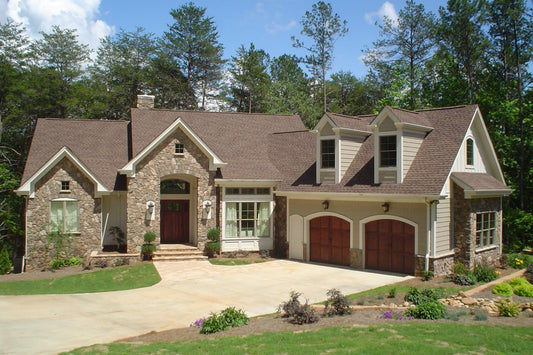
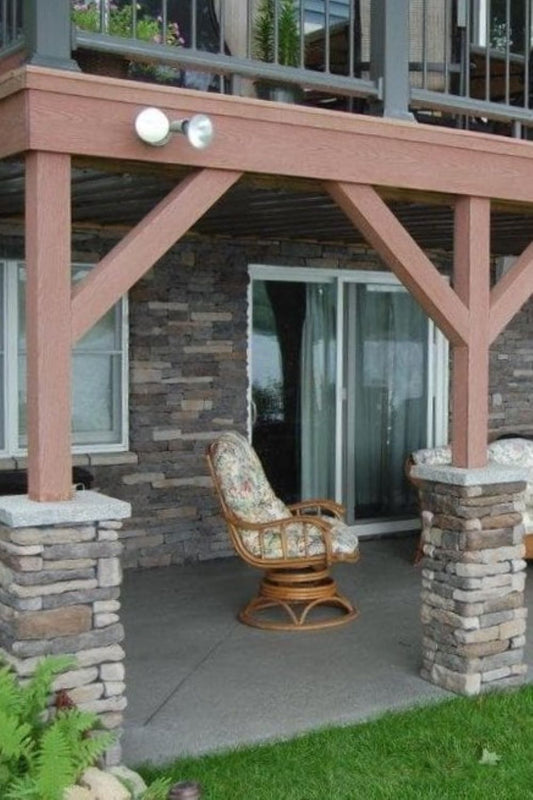
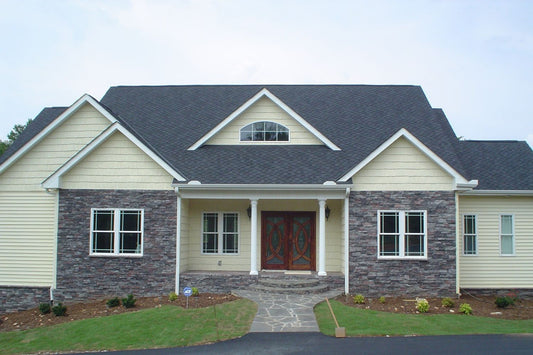
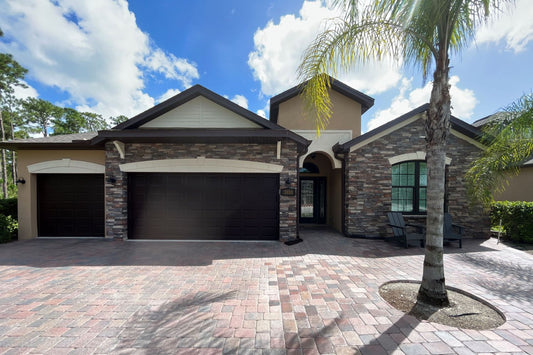
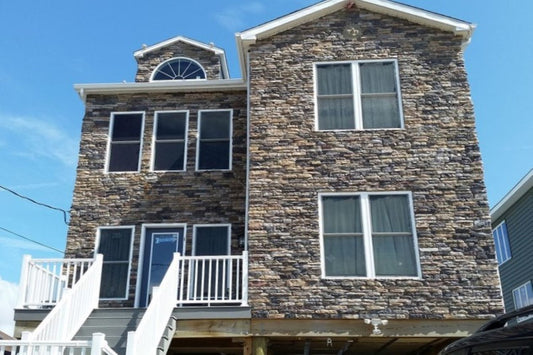
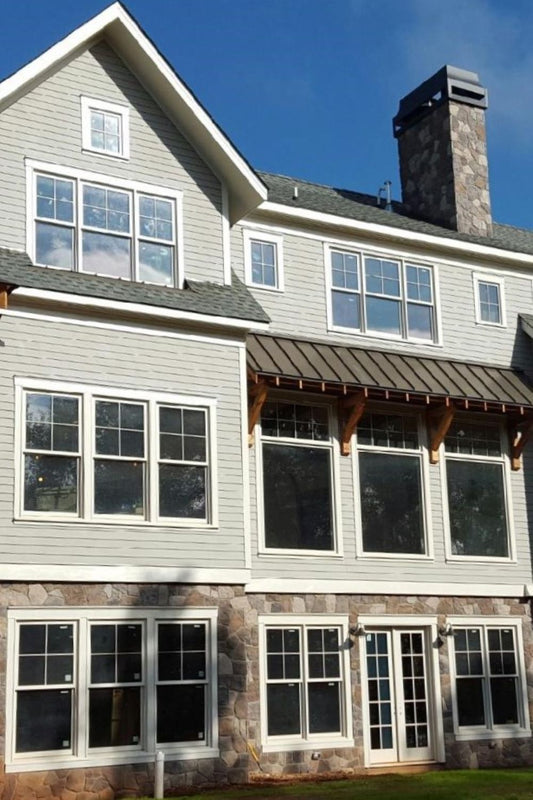
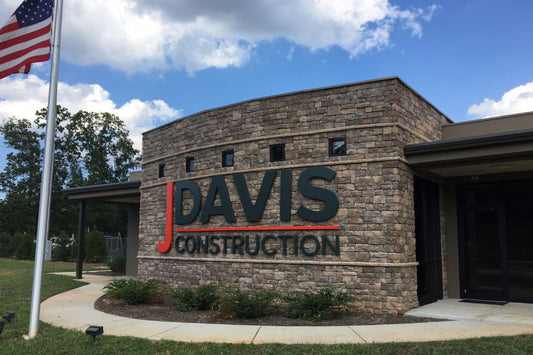
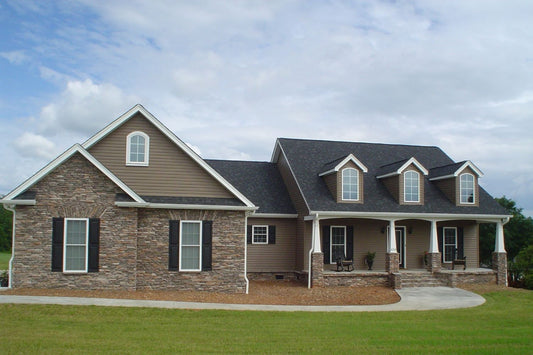
Exterior facades and entryways are popular applications for manufactured stone veneer. Individual stones allow installers to create a customized layout around windows, doors, and corners, while suitable panel systems can streamline coverage on broad, relatively flat surfaces.
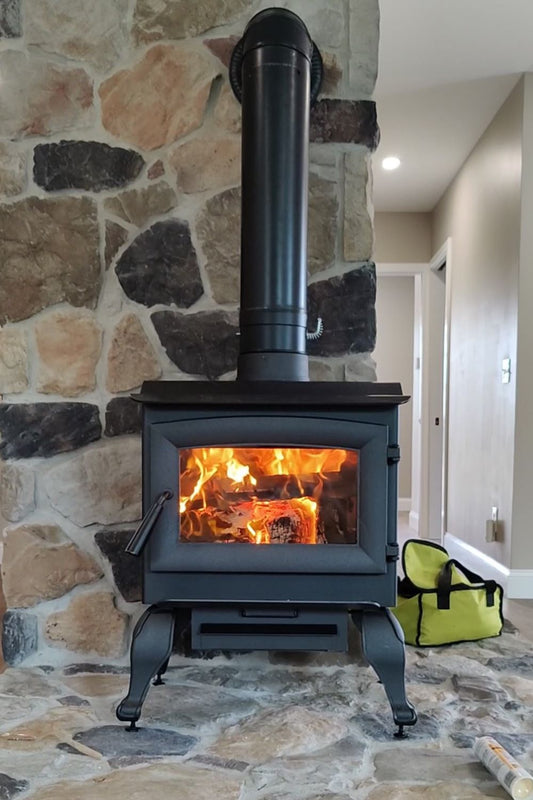
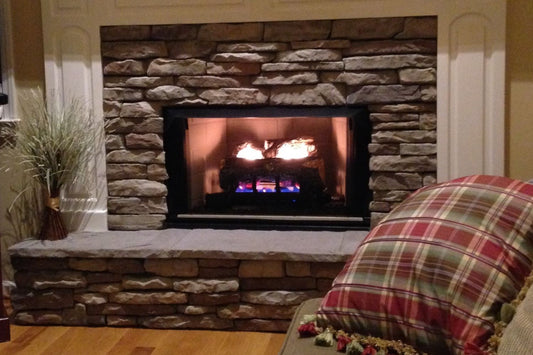
Fireplaces and interior accent walls can also benefit from either format. Individual stones provide flexibility when designing a distinctive focal point, while panels may simplify installation on straightforward wall sections. Fireplace applications require particular attention to the product's approved use and the applicable clearances and fire-safety requirements.
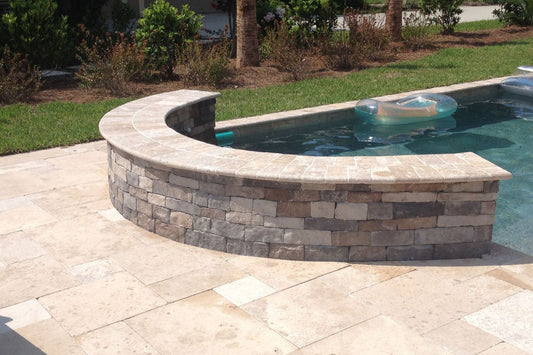
Columns, outdoor kitchens, and other architectural features may involve additional corners, transitions, and irregular surfaces. Individual stones can provide greater control in these situations, although the best choice depends on the shape of the structure and the manufacturer's installation requirements.
Before choosing a product, verify that it is approved for the intended interior or exterior application. Not every manufactured stone product is suitable for every environment, and the substrate, moisture exposure, and local building requirements must be considered.
Does Black Bear Mountain Stone Manufacture Stone Veneer Panels?
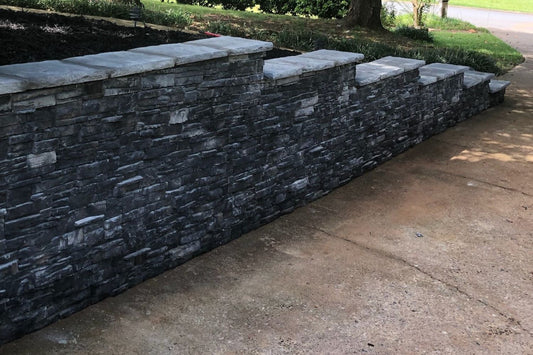
Black Bear Mountain Stone offers both individual manufactured stone veneer and a panel-style option through its ready stack mini panel system. Most of the company's manufactured stone veneer is supplied as individual pieces, giving installers the flexibility to create custom layouts and control the placement of each stone.
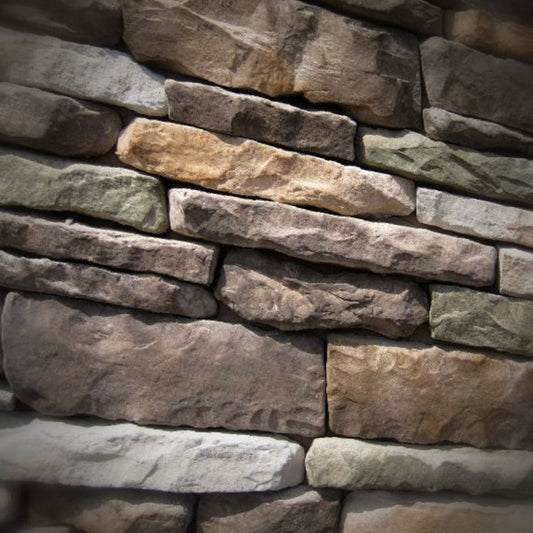
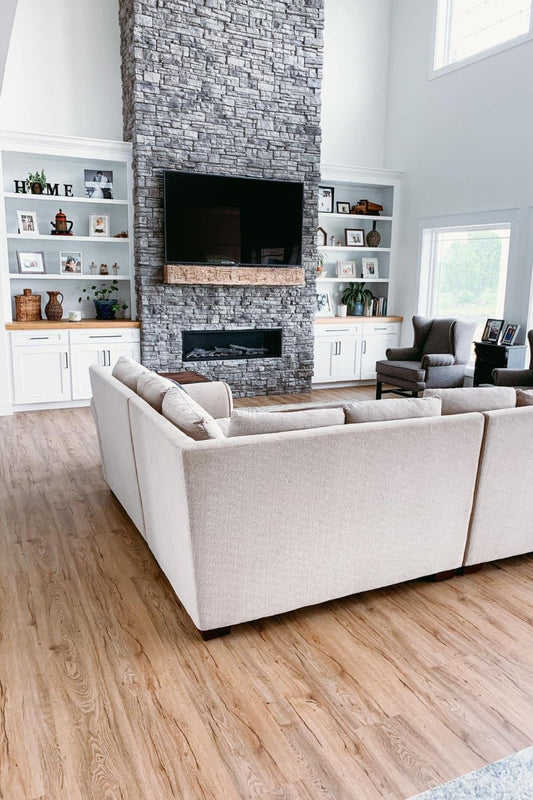
Ready stack is designed for customers who prefer the convenience of a panel-style installation. The mini panels incorporate multiple stones into a section, helping streamline placement while creating a layered stone appearance. As with any panel system, the finished layout and visibility of panel transitions depend on the product and installation.
The distinction is important when shopping for manufactured stone veneer. Individual stack stone products consist of separate stones installed piece by piece, while ready stack uses a mini panel format. Although both can create a layered appearance, they offer different installation experiences and different levels of control over the stone arrangement.
Stone Veneer Panels vs. Individual Stones
The best format depends on your project's priorities. If you want maximum control over the placement of each stone, greater flexibility around architectural details, and a customized appearance, individual manufactured stone veneer may be the better fit. It is particularly useful when the finished installation needs to accommodate irregular surfaces or emphasize natural-looking variation.
If installation efficiency and a predetermined pattern are more important, a panel system may be worth considering. Panels can simplify work on suitable surfaces and may reduce labor time, especially when the design does not require extensive customization.
It is also worth considering who will install the material. Experienced masons may prefer the design flexibility of individual stones, while some DIYers may appreciate the more structured layout of a panel system. However, neither format eliminates the need to follow the manufacturer's instructions or understand the installation requirements.
Whenever possible, review product photographs and order samples before making a final selection. Seeing the actual color, texture, and depth can help you determine whether a stone profile fits your design and how it complements nearby materials.
Frequently Asked Questions About Stone Veneer Panels vs. Individual Stones
Are stone veneer panels better than individual stones?
Neither option is universally better. Stone veneer panels can simplify installation and reduce labor time on suitable surfaces, while individual manufactured stones provide more control over layout, color distribution, and placement around architectural details. The right choice depends on the project's design, installation requirements, and budget.
Do individual manufactured stones look more natural than panels?
Individual stones can create a more varied, natural-looking installation because each piece can be positioned independently. Panels can also produce an attractive stone appearance, but their predetermined arrangements may create a more uniform or repeating pattern. The result depends on the product design and the installer's workmanship.
Are stone veneer panels cheaper than individual stone veneer?
Not necessarily. Panels may reduce installation labor, but material prices vary by product and manufacturer. The total project cost depends on material pricing, labor rates, cutting, surface preparation, and installation complexity. Compare both material and labor estimates before deciding.
Is individual stone veneer harder to install than panels?
Individual stone veneer generally requires more hands-on placement because every piece must be arranged separately. Some panel systems can be installed more quickly on straightforward surfaces. However, architectural details, curves, corners, and openings can make either installation more complicated.
Can individual manufactured stone veneer be repaired?
Yes. A damaged individual stone can often be removed and replaced without replacing an entire wall section. The repair must be performed carefully, and the replacement should match the existing profile, color, texture, and dimensions as closely as possible. The feasibility of the repair depends on the installation and the extent of the damage.
What's Next?
Transform your space with our stunning stone veneer! Shop now to find your perfect match or order a sample today to see and feel the quality for yourself!
Have a Question?
Please see our full terms of service or check out our frequently asked questions.
For general information and questions please call: (864) 882-8960 Mon. - Fri. 8am - 5pm (EST) or email: info@blackbearmountainstone.com we are more than happy to help you.
Or you can submit your questions via our contact us page.
We look forward to working with you on your upcoming project.
The Black Bear Mountain Stone Team
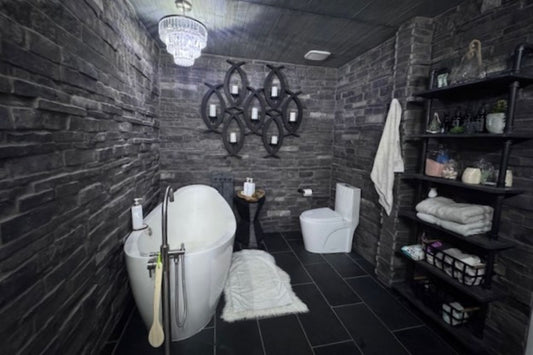
Pictured is ready stack cool gray.