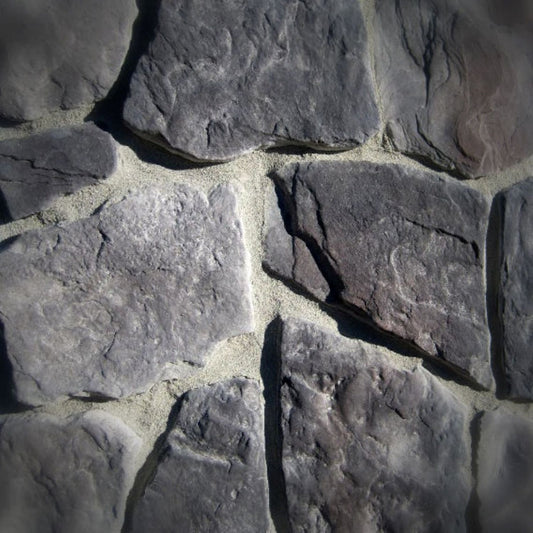

Manufactured Stone Veneer Installation Mistakes to Avoid
Share
Originally posted November 24, 2025, updated October 20, 2026.
Manufactured stone veneer installation requires proper surface preparation, the correct mortar and installation method, careful stone placement, and effective moisture management. Avoiding common mistakes helps prevent loose stones, cracking, water damage, and uneven finishes. Whether you choose DIY installation or hire a professional, following the manufacturer's installation instructions is essential for a durable, attractive result.
Manufactured stone veneer adds texture, character, and timeless appeal to interior and exterior spaces. From fireplace surrounds and accent walls to exterior facades and columns, it offers the appearance of natural stone with a lighter weight and a wide range of colors and styles. However, achieving a beautiful finished project involves more than selecting the right stone. Installation quality plays a significant role in the appearance, performance, and longevity of the finished surface.
Even high-quality manufactured stone veneer can develop problems when installed incorrectly. Poor surface preparation, incompatible mortar, inadequate moisture management, and rushed stone placement can lead to loose stones, visible inconsistencies, and costly repairs. These issues are particularly concerning on exterior walls, where changing weather conditions can expose installation weaknesses.
Understanding common manufactured stone veneer installation mistakes can help you plan your project, make informed decisions, and determine when professional assistance is worthwhile. Here is what homeowners and contractors should know before beginning an installation.
Why Proper Manufactured Stone Veneer Installation Matters
The quality of an installation affects both the appearance and long-term performance of manufactured stone veneer. Stones that are poorly bonded can loosen or fall off, while inadequate wall preparation and moisture protection can contribute to deterioration behind the veneer. Uneven spacing, poorly fitted corners, and inconsistent mortar joints can also detract from the natural appearance of the finished wall.
Many installation problems begin with small oversights. Failing to follow the manufacturer's instructions, using an incompatible installation system, or rushing through surface preparation can create issues that are difficult to correct once the stone is in place.
Proper installation starts with understanding the wall assembly, selecting compatible materials, and planning the layout before applying mortar. Taking the time to complete each step correctly helps protect your investment and reduces the likelihood of expensive repairs.
Skipping the Manufacturer's Installation Instructions
One of the most avoidable mistakes is beginning a project without reading the manufacturer's installation guide. Although manufactured stone veneer products share some general installation principles, requirements can vary depending on the product, substrate, location, and installation system.
The manufacturer's instructions explain the appropriate surface preparation, bonding materials, application methods, and environmental conditions for the specific product. They may also address corner installation, joint treatment, sealing, and maintenance. Ignoring these requirements can compromise adhesion, create moisture-related problems, and potentially affect warranty coverage.
Before purchasing materials, review the installation requirements for your chosen stone veneer and confirm that your existing wall can accommodate the recommended system. If you are working with an unfamiliar substrate or installing veneer in a demanding environment, consult the manufacturer or a qualified installer before proceeding.
Improper Surface Preparation
Surface preparation is one of the most important parts of a successful manufactured stone veneer installation. Applying stone to an unsuitable, dirty, damp, or unstable surface can prevent proper bonding and lead to loose stones or other failures.
The correct preparation depends on the wall construction. Wood framing with plywood or OSB sheathing generally requires an appropriate weather-resistant barrier, properly installed metal lath, and a mortar scratch coat for typical adhered manufactured stone veneer systems. Other substrates, including concrete, masonry, insulated concrete forms (ICFs), and existing finished walls, may require different preparation methods.
Drywall and cement board should not automatically be treated as suitable surfaces for direct stone veneer installation. Cement board, in particular, does not necessarily provide an approved direct-bonding surface for every product or installation system. Always verify substrate compatibility and follow the manufacturer's requirements.
Before installing stone, make sure the wall is structurally sound and address loose materials, contamination, or moisture problems. On exterior projects, the wall assembly must also manage water appropriately. Correcting deficiencies before installation is much easier than repairing a completed stone wall.
Choosing the Wrong Mortar or Adhesive
Using an incompatible bonding material is another common installation mistake. Not every mortar or construction adhesive is suitable for manufactured stone veneer, and choosing a product simply because it is available can compromise the bond.
The appropriate mortar depends on the veneer, substrate, installation system, and manufacturer requirements. Use a mortar specifically approved for the intended application and follow its instructions for mixing, application thickness, working time, and curing. Do not assume that thin-set mortar, general-purpose cement mortar, or construction adhesive can be substituted without approval.
For typical adhered manufactured stone veneer installations, proper mortar coverage is essential. Back-buttering involves applying mortar to the back of an individual stone before pressing it into the prepared surface. When required by the installation instructions, this technique helps establish the necessary contact between the stone and the mortar bed.
Insufficient coverage, mortar that has begun to dry before the stone is placed, or incorrect mixing can weaken the bond. Follow the specified application method rather than relying on guesswork, and never use adhesive in place of mortar unless the manufacturer explicitly approves that method for the particular product and installation system.
Failing to Plan the Stone Layout
Installing stones without planning the layout can create awkward gaps, excessive cutting, repetitive patterns, and uneven joint spacing. These problems can make even realistic manufactured stone veneer look unnatural.
Before applying mortar, arrange the stones on a flat surface when practical, or plan their placement directly on the wall. Distribute different sizes, shapes, and colors throughout the installation to create a balanced appearance. Avoid placing similar stones together repeatedly or allowing vertical joints to line up across adjacent rows.
Pay particular attention to corners, windows, doors, and transitions between different materials. Planning these areas in advance helps reduce narrow slivers of stone and makes the finished installation look more intentional.
Accurate measurements are equally important when estimating material quantities. Calculate the wall area carefully, accounting for openings and the coverage method specified by the manufacturer. Include a reasonable allowance for cuts, fitting, and waste based on the project's complexity and the product's requirements. Ordering the correct amount at the beginning can help avoid delays and potential color differences between production batches.
Cutting Stones Incorrectly
Poor cutting techniques can damage stone veneer and leave visible edges that interrupt the finished pattern. Using an unsuitable blade, applying excessive pressure, or cutting without measuring carefully can cause chipped corners, broken pieces, and unnecessary waste.
Use a wet saw or an angle grinder equipped with an appropriate diamond blade, depending on the product and cut required. Always follow the tool manufacturer's safety instructions and wear appropriate eye, hearing, respiratory, and other protective equipment. Stone cutting can produce hazardous dust, so use suitable dust-control methods.
Measure each cut carefully and test-fit the stone before applying mortar. Where possible, position cut edges so they are less noticeable, while maintaining the pattern and joint details appropriate for the selected veneer style.
Careful cutting is particularly important around corners, electrical fixtures, windows, and other architectural details. Taking time to fit these areas properly helps create a more natural, professional-looking result.
Neglecting Corners, Joints, and Alignment
Corners and transitions require special attention because they are highly visible and can be vulnerable to installation errors. Using the appropriate manufactured corner pieces, where available, helps create a more natural appearance and avoids exposed cut edges at outside corners.
The underlying wall assembly must also be properly detailed at corners, with lath and other components installed according to the approved system. Improvised details can create weak points or interfere with moisture management.
During installation, check the alignment and spacing of stones regularly. Step back from the wall periodically to assess the overall pattern rather than concentrating only on the section immediately in front of you. For designs with visible mortar joints, maintain consistent joint widths and remove excess mortar as directed by the installation instructions.
Allow the mortar to cure for the required period before exposing the installation to conditions or activities that could disturb it. Rushing the process can undermine the bond and compromise the finished appearance.
Overlooking Moisture Management and Flashing
Moisture management is especially important for exterior manufactured stone veneer. Although the veneer itself is durable, it should not be assumed to function as a completely waterproof barrier. Water can enter through joints, transitions, and other parts of the exterior wall assembly.
A properly designed installation manages water before it becomes trapped behind the veneer. Depending on the wall construction and applicable building requirements, this may involve weather-resistant barriers, flashing, drainage provisions, and weep screeds. Flashing is particularly important around windows, doors, roof-to-wall intersections, and other horizontal transitions where water can collect or flow toward the wall.
Skipping these details can contribute to water damage, efflorescence, deterioration of underlying materials, and problems with stone adhesion. Exterior installations should follow the applicable building code and the manufacturer's approved system, with particular attention to how the wall assembly directs water outward.
Interior installations also require appropriate moisture considerations in areas such as bathrooms and kitchens. The correct waterproofing and substrate system depends on the location and the materials being installed. A sealer alone is not a substitute for proper waterproofing behind the veneer.
Assuming Every Installation Needs Sealing
Sealing is another area where homeowners can make unnecessary or inappropriate choices. Manufactured stone veneer does not automatically require a sealer in every application. Whether sealing is beneficial depends on the product, location, exposure, and desired maintenance characteristics.
A compatible breathable, penetrating sealer may help reduce staining or water absorption in certain applications. However, an unsuitable sealer can alter the stone's color, create an unwanted sheen, or interfere with moisture movement.
If you are considering sealing your veneer, consult the manufacturer's care recommendations and select a product approved for the material and intended environment. Test it on a small, inconspicuous area first to evaluate any change in color or texture. Follow the specified application and maintenance instructions.
Routine care also matters. Remove dirt using an appropriate cleaning method, address stains according to the manufacturer's recommendations, and avoid harsh chemicals or aggressive cleaning techniques that could damage the surface.
Rushing the Installation or Ignoring Weather Conditions
Manufactured stone veneer installation requires patience. Rushing through preparation, mortar application, cutting, or alignment increases the likelihood of mistakes that affect both appearance and durability.
Weather conditions are especially important for exterior projects. Excessive heat can cause mortar to lose moisture too quickly, while cold temperatures can interfere with proper curing. Rain, frost, and freezing conditions can also compromise the installation. Follow the mortar manufacturer's temperature requirements and protect the work as directed during installation and curing.
Do not install stones that are wet when the manufacturer's instructions require dry material. Likewise, do not assume that simply covering an installation provides sufficient protection from unsuitable temperatures or moisture.
Allow adequate time for each stage of the project. A methodical approach makes it easier to identify problems early, correct alignment, and achieve consistent results across the entire surface.
Should You Install Stone Veneer Yourself or Hire a Professional?
Manufactured stone veneer can be suitable for DIY projects, particularly smaller interior accent walls or straightforward installations undertaken by someone with the necessary skills and tools. DIY installation can reduce labor expenses and provide greater control over the design and placement of the stone.
However, the project involves more than attaching stones to a wall. Understanding substrate requirements, moisture management, mortar application, cutting techniques, and building code considerations is essential. Mistakes can be expensive to correct, particularly after an entire wall has been completed.
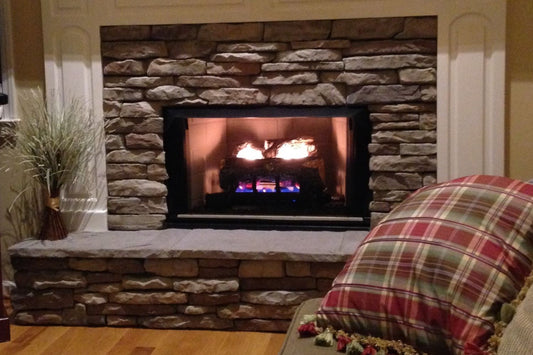
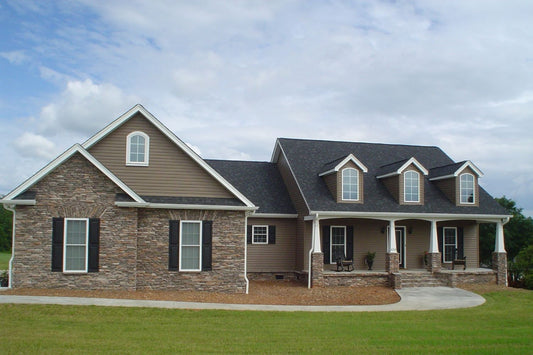
Professional installation is often the better choice for large exterior surfaces, complex architectural details, fireplaces, and projects involving challenging substrates or moisture exposure. An experienced stone mason or contractor can evaluate the wall assembly, identify potential problems, and complete the work using an appropriate installation system.
At Black Bear Mountain Stone, we manufacture manufactured stone veneer for homeowners, contractors, masons, architects, and designers, but we do not provide installation services. We recommend working with a qualified local installer when professional assistance is needed and following the installation instructions for your selected product.
Manufactured Stone Veneer Installation Mistakes to Avoid
A successful manufactured stone veneer project begins with selecting a style that suits your space and understanding the requirements for installing it correctly. Careful planning, compatible materials, proper surface preparation, and effective moisture management are the foundation of a durable installation.
Whether you are completing a DIY project or hiring a professional, take time to review the manufacturer's instructions before work begins. Confirm substrate compatibility, plan the layout, use the approved mortar and application method, and allow adequate curing time. These steps can help prevent common problems and preserve the appearance of your finished wall.
Frequently Asked Questions About Manufactured Stone Veneer Installation Mistakes to Avoid
What are the most common manufactured stone veneer installation mistakes?
The most common mistakes include inadequate surface preparation, using incompatible mortar or adhesive, failing to plan the layout, cutting stones incorrectly, overlooking flashing and moisture management, and rushing the installation. Following the manufacturer's instructions helps prevent these problems.
Can I install manufactured stone veneer myself?
Yes, DIY installation may be appropriate for smaller, straightforward projects if you have the necessary skills, tools, and understanding of the approved installation system. Larger exterior projects, complex corners, and walls requiring specialized moisture protection are often better handled by an experienced stone mason or contractor.
Can manufactured stone veneer be installed directly over drywall or cement board?
Not necessarily. Drywall and cement board should not automatically be considered approved surfaces for direct installation. The appropriate preparation depends on the substrate, product, and installation system. Consult the manufacturer's instructions before beginning work.
What mortar should I use for manufactured stone veneer?
Use a mortar approved by the stone veneer manufacturer for your particular substrate and installation system. Follow the specified mixing, application, coverage, and curing requirements. Do not substitute construction adhesive or another bonding material unless the manufacturer explicitly approves it.
Does manufactured stone veneer need to be sealed?
Not always. Sealing is optional for some products and applications but may be beneficial where additional stain resistance or reduced water absorption is desired. Choose a compatible, breathable sealer when appropriate, and test it on an inconspicuous area before applying it to the entire installation.
How can I prevent manufactured stone veneer from falling off?
Proper substrate preparation, compatible mortar, adequate mortar coverage, correct stone placement, and appropriate curing conditions all help reduce the risk of loose stones. Exterior installations also require effective moisture management. If stones begin loosening, have the cause investigated rather than simply reattaching them without addressing the underlying problem.
What's Next?
Transform your home with premium manufactured stone veneer, showcasing realistic texture and vibrant, natural colors Shop now to start your durable, timeless project today or order a sample to experience it up close.
Have a Question?
Please see our full terms of service or check out our frequently asked questions.
For general information and questions please call: (864) 882-8960 Mon. - Fri. 8am - 5pm (EST) or email: info@blackbearmountainstone.com we are more than happy to help you.
Or you can submit your questions via our contact us page.
We look forward to working with you on your upcoming project.
The Black Bear Mountain Stone Team
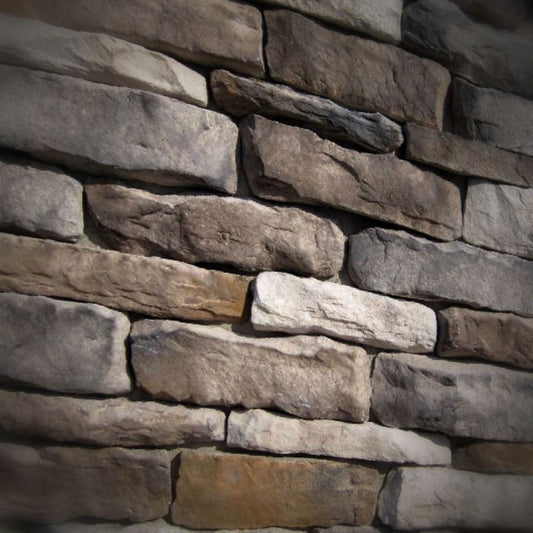
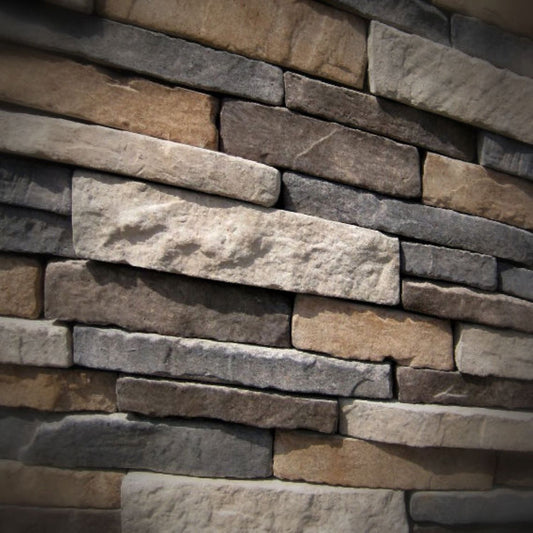
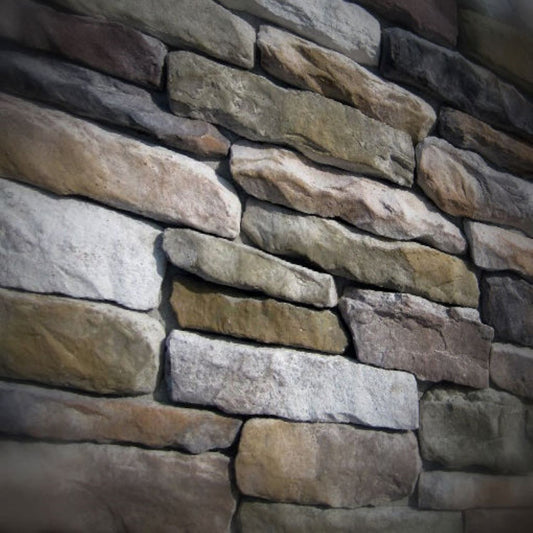
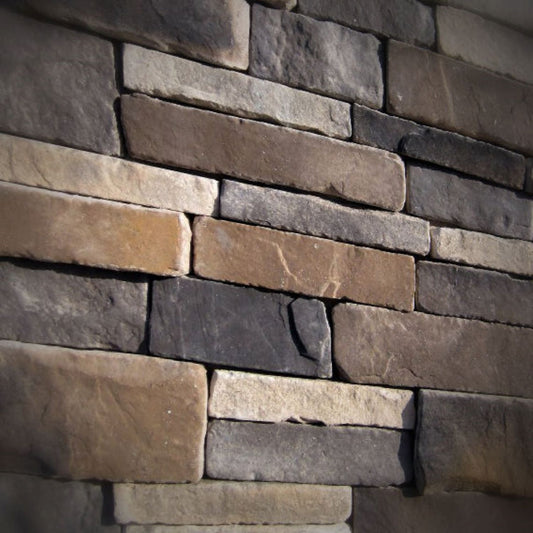
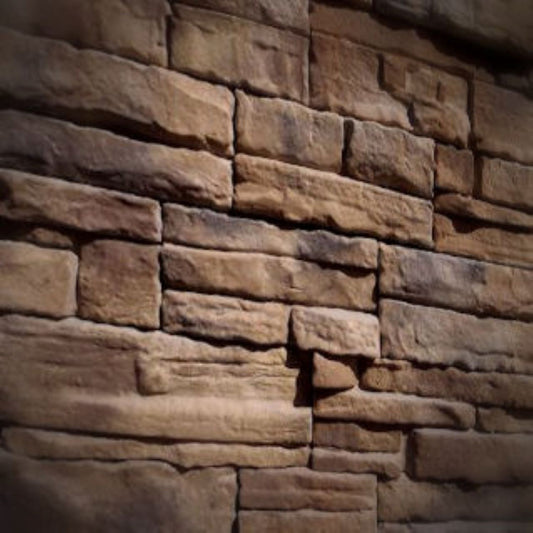
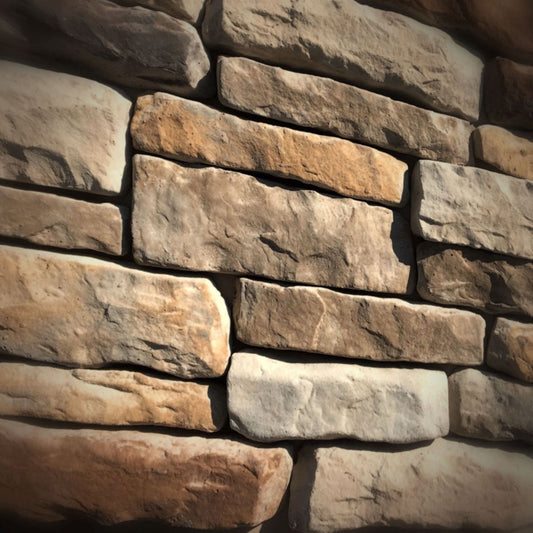
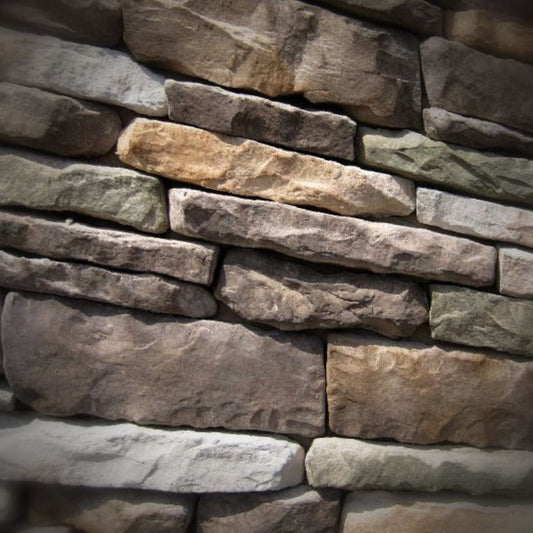
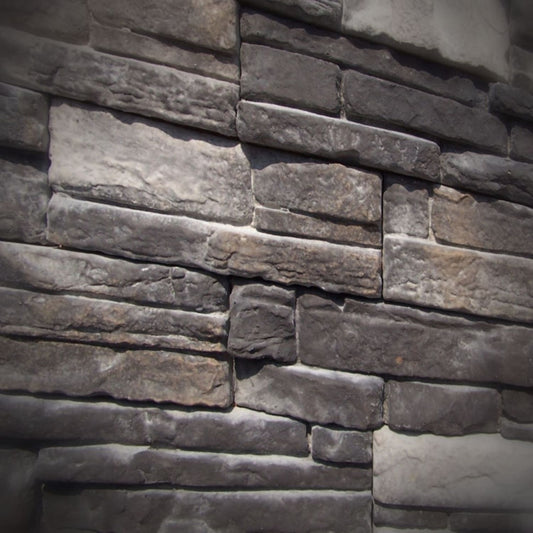
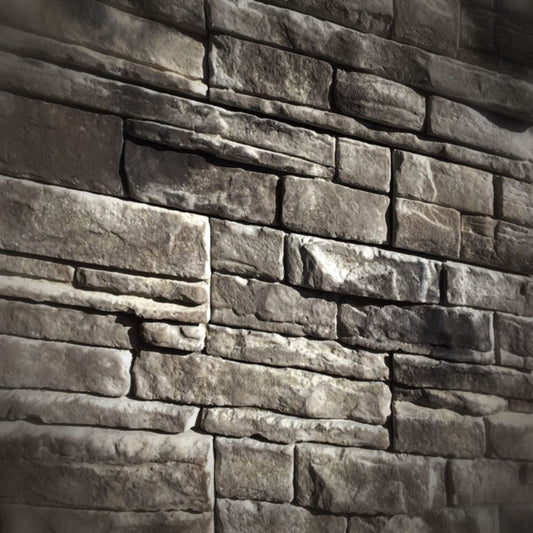
Pictured is stack stone aspen.