

Dry Stacking Stone Veneer vs. Grouted Stone Veneer
Share
Originally posted March 12, 2025, updated July 8, 2026.
Dry stack stone veneer is installed with stones fitted tightly together, leaving no visible mortar joints, while grouted stone veneer features exposed mortar between each stone. Both styles create a natural stone appearance for fireplaces, accent walls, home exteriors, and outdoor living spaces. The best choice depends on your preferred design, stone profile, and installation requirements.
Choosing between dry stack and grouted manufactured stone veneer is an important design decision that influences the overall appearance of your project. Although both installation styles showcase the texture, color, and character of stone, they create distinctly different finishes. Dry stack stone veneer delivers a tight-fitting, streamlined appearance, while grouted stone veneer offers the traditional character of visible mortar joints.
Whether you're updating a fireplace, adding dimension to an interior accent wall, improving your home's curb appeal, or designing an outdoor kitchen, understanding these differences will help you select the right style for your space. Beyond appearance, it's also important to consider installation techniques, substrate preparation, moisture management, and ongoing maintenance.
What is Dry Stack Manufactured Stone Veneer?
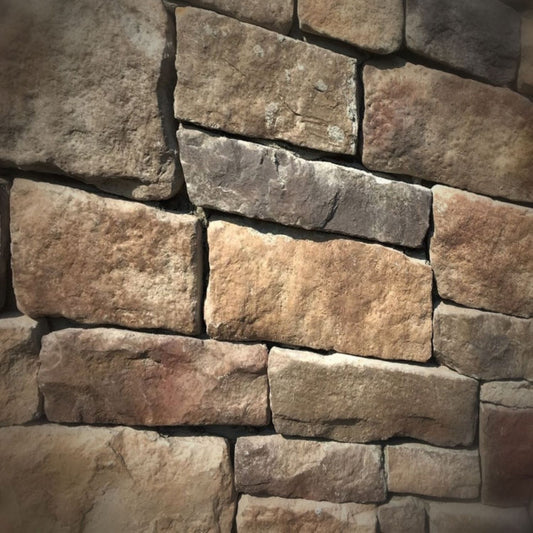
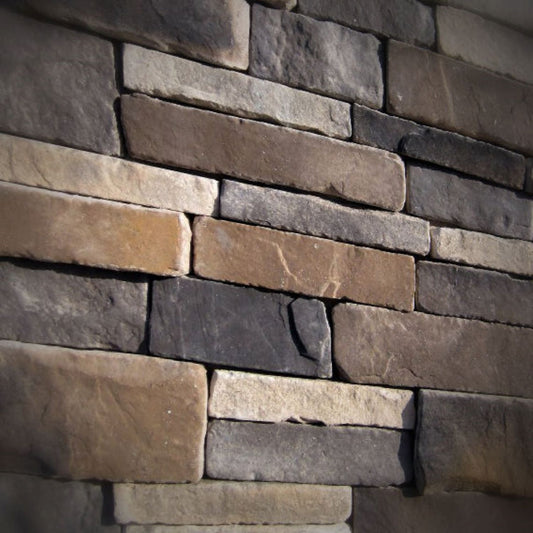
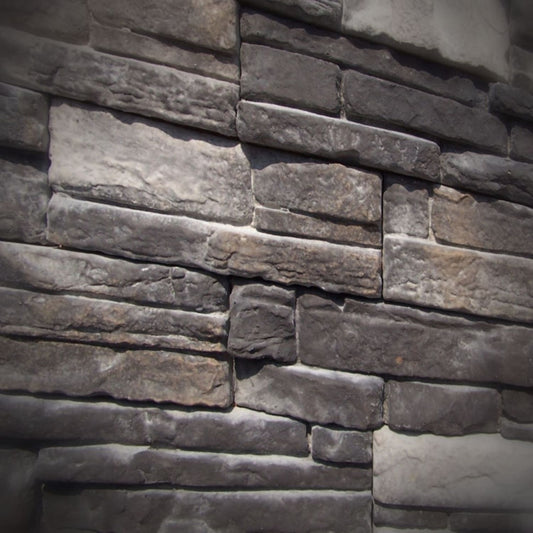
Dry stack manufactured stone veneer is an installation style in which individual stones are fitted closely together without visible mortar joints. Although the finished surface appears mortarless, mortar is still used behind each stone to bond the veneer securely to the prepared wall.
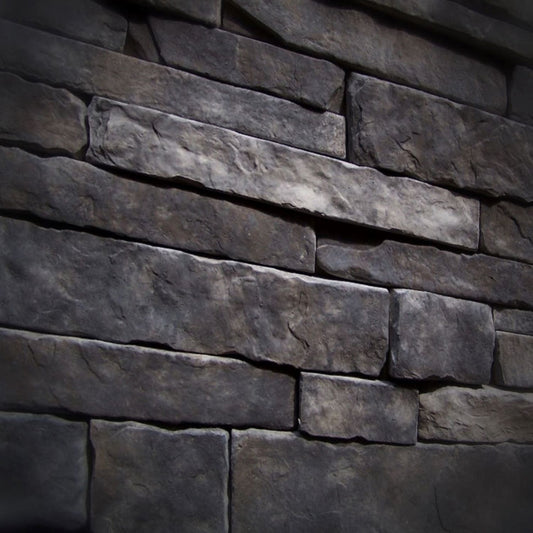
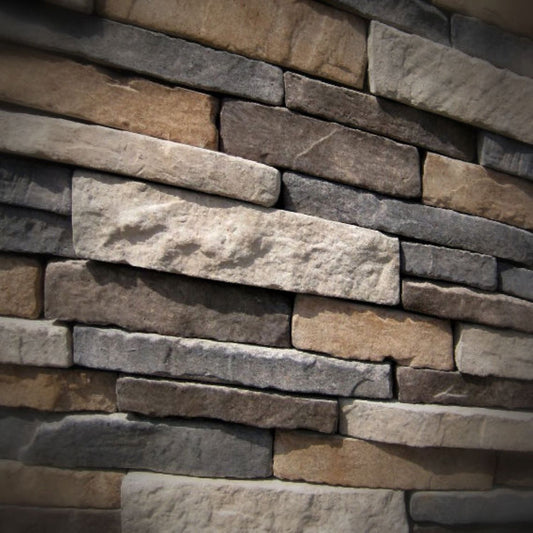
This technique creates a continuous stone surface that emphasizes the individual shapes, textures, colors, and contours of the material. Without exposed mortar separating the stones, the natural-looking variations become the primary visual feature.
Dry stack stone veneer is especially popular in contemporary homes, mountain-inspired designs, modern farmhouses, and rustic interiors. Its versatility makes it an attractive option for homeowners who want an architectural finish that feels both timeless and current.
The term dry stack describes the finished appearance rather than a mortar-free installation method. Manufactured stone veneer is a nonstructural cladding system, so it must be installed using the appropriate materials and techniques specified by the manufacturer. It should not be confused with traditional dry stone walls, which rely on carefully arranged stones rather than mortar for their construction.
What is Grouted Manufactured Stone Veneer?
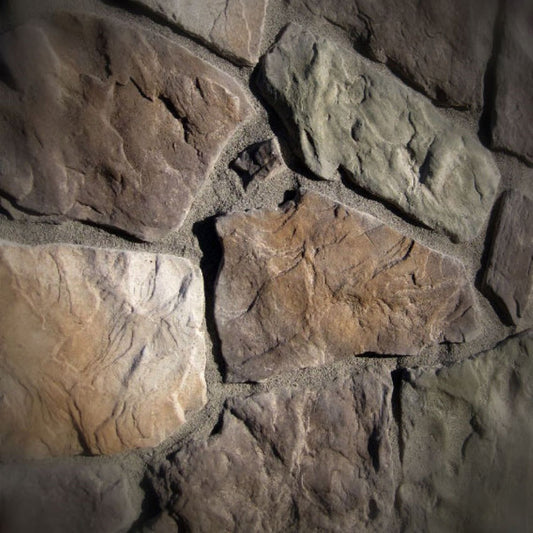
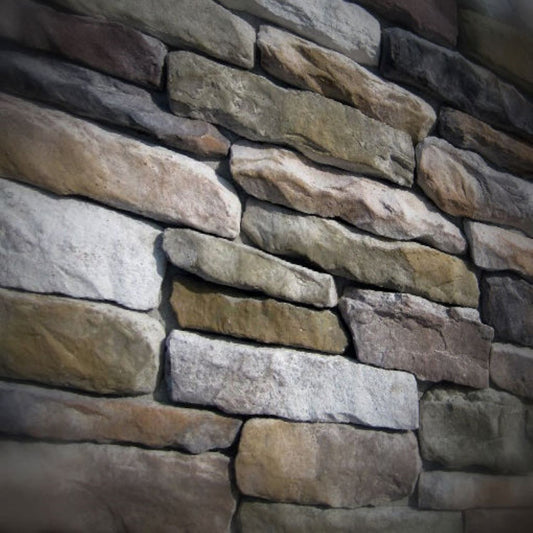
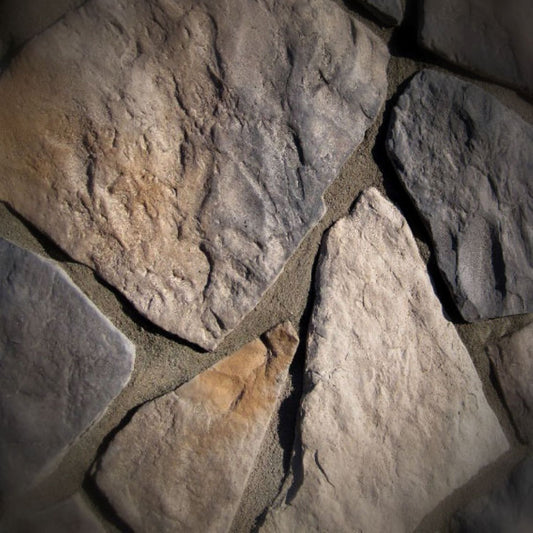
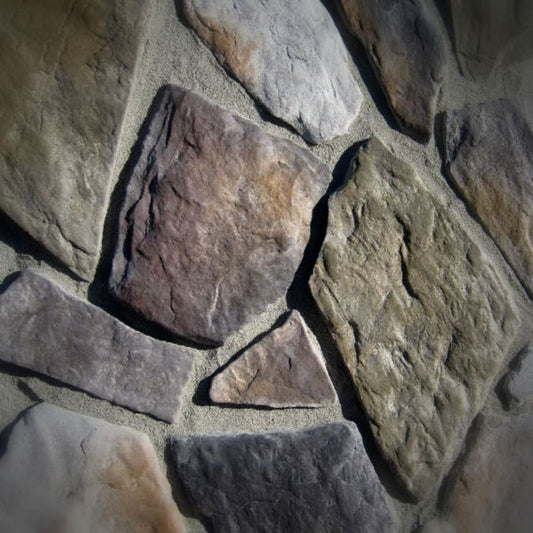
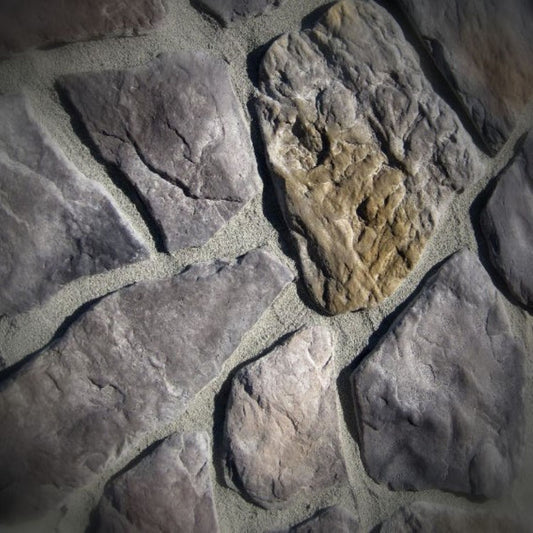
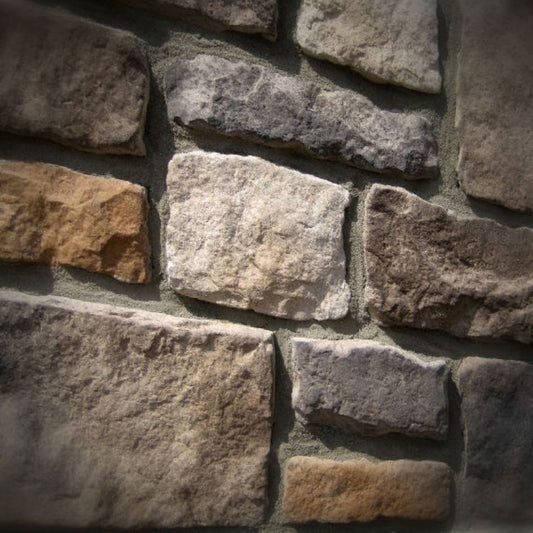
Grouted manufactured stone veneer features visible mortar joints between individual stones. These joints create a traditional masonry appearance that highlights the shape of each stone while adding contrast and definition to the overall design.
The width, finish, and color of the mortar joints can influence the final result. Narrow joints create a more subtle appearance, while wider joints emphasize the individual stones and create a pronounced masonry pattern. Contrasting mortar colors make each stone stand out, whereas complementary colors produce a more blended finish.
Grouted stone veneer works particularly well with traditional, rustic, farmhouse, Mediterranean, and historic architectural styles. It is also an excellent choice for homeowners who appreciate the handcrafted character of classic stone masonry.
Because manufactured stone profiles vary in shape, size, and thickness, visible mortar joints can help create a balanced appearance between individual pieces. The finished look depends on the stone profile, joint design, mortar color, and quality of installation.
Dry Stack vs. Grouted Stone Veneer: Key Differences
The primary difference between dry stack and grouted stone veneer is the appearance of the finished surface. Dry stack installations minimize visible separation between stones, while grouted installations intentionally incorporate mortar joints into the design.
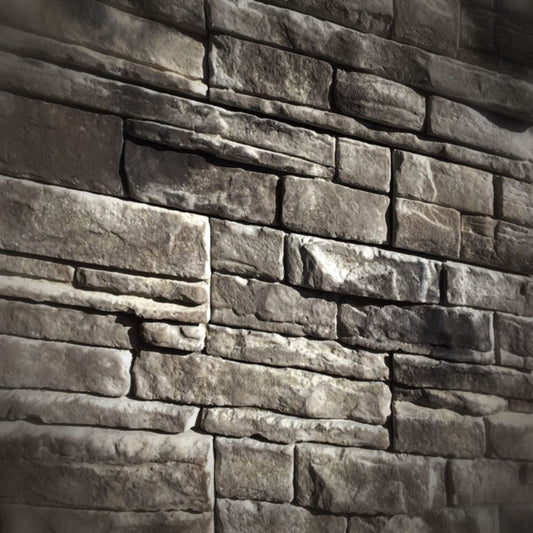
Dry stack stone veneer emphasizes texture, depth, and the natural-looking contours of each piece. The absence of visible mortar creates pronounced shadow lines that change with lighting conditions, making it especially appealing for feature walls and contemporary exteriors. The closely fitted stones also create a more continuous visual pattern.
Grouted stone veneer introduces another design element through the mortar itself. The joints can complement or contrast with the stone, creating a traditional, textured finish. This style is often preferred when the goal is to highlight individual stones within a clearly defined masonry pattern.
Neither option is universally better. Both can produce attractive, long-lasting results when the selected stone profile is appropriate for the desired appearance and the installation follows the manufacturer's instructions.
Dry Stack vs. Grouted Stone Veneer for Fireplaces and Accent Walls.
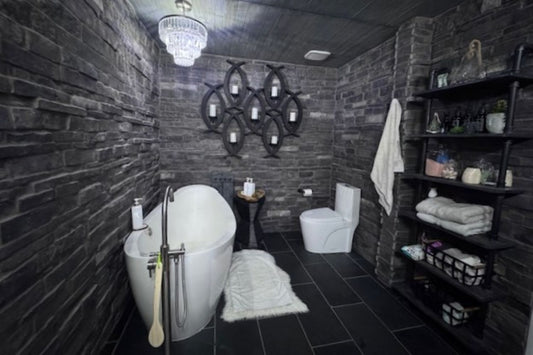
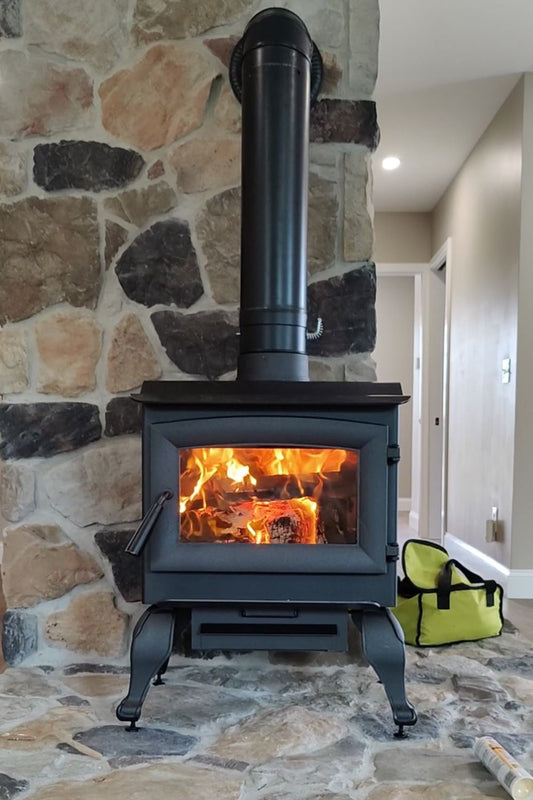
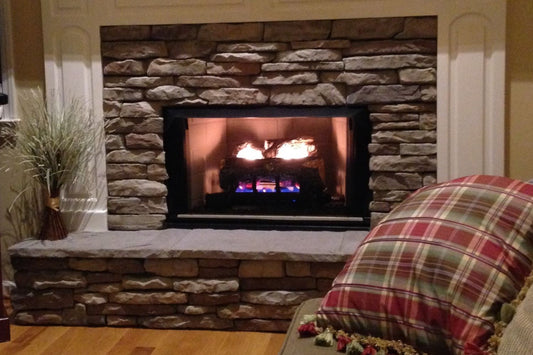
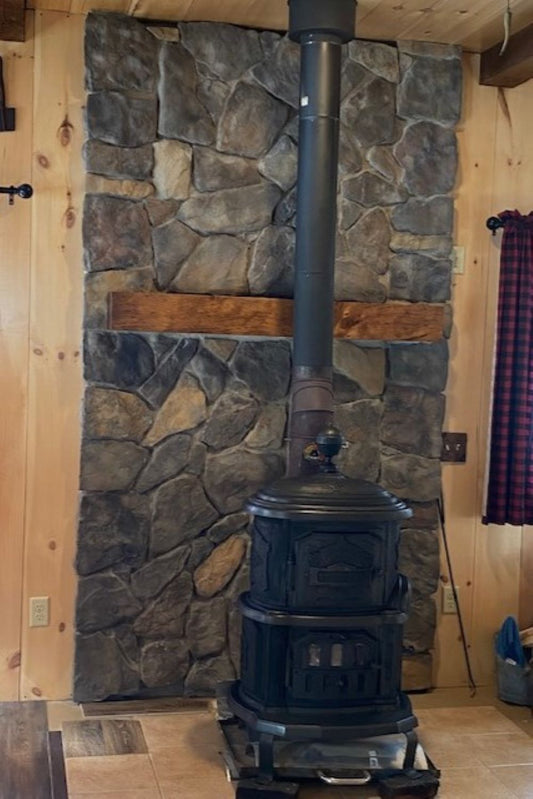
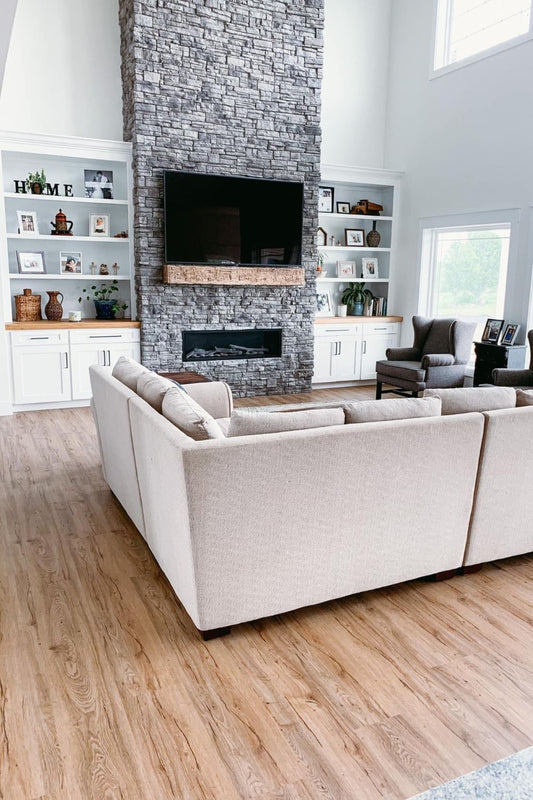
Dry stack stone veneer is a popular choice for fireplace surrounds because it creates a strong focal point without visible mortar joints interrupting the stone pattern. Floor-to-ceiling installations can add dramatic height, while smaller fireplace features introduce texture and depth without overwhelming the room.
Interior accent walls in living rooms, entryways, dining rooms, and bedrooms also benefit from the tight-fitting appearance of dry stack stone. The changing contours of the stone create visual interest even in spaces with relatively simple furnishings.
Grouted stone veneer offers a different character for these same applications. Visible mortar joints can create a traditional fireplace surround, a rustic gathering space, or a classic architectural feature that complements wood beams, natural finishes, and traditional interiors.
Dry Stack vs. Grouted Stone Veneer for Home Exteriors and Entryways
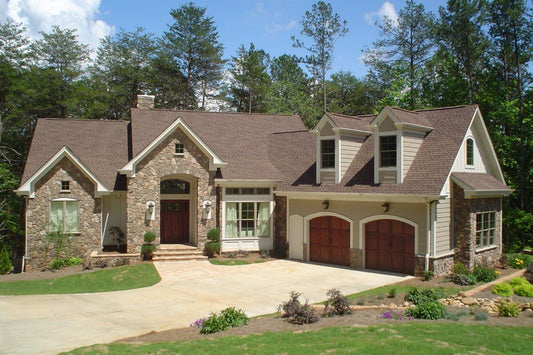
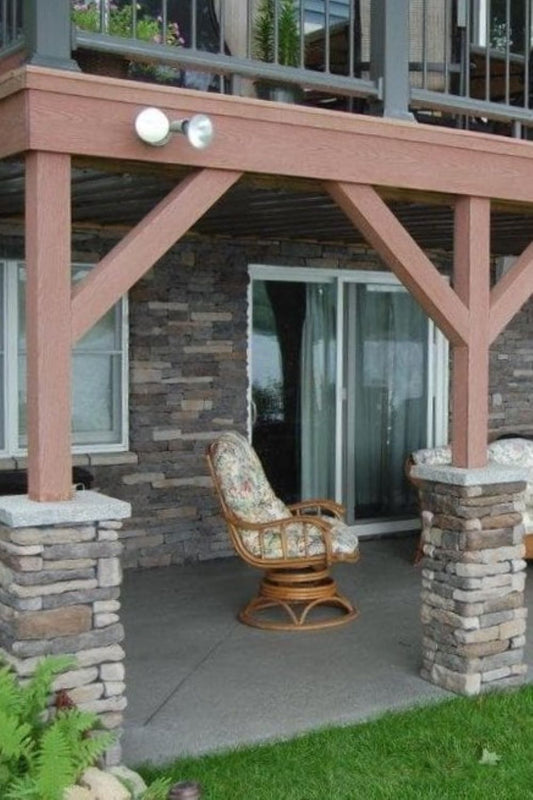
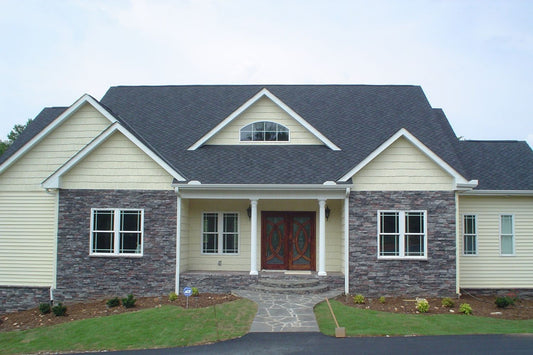
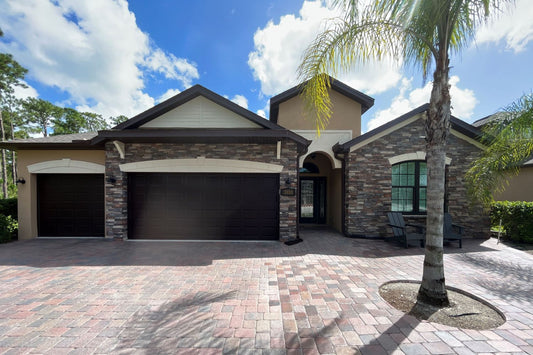
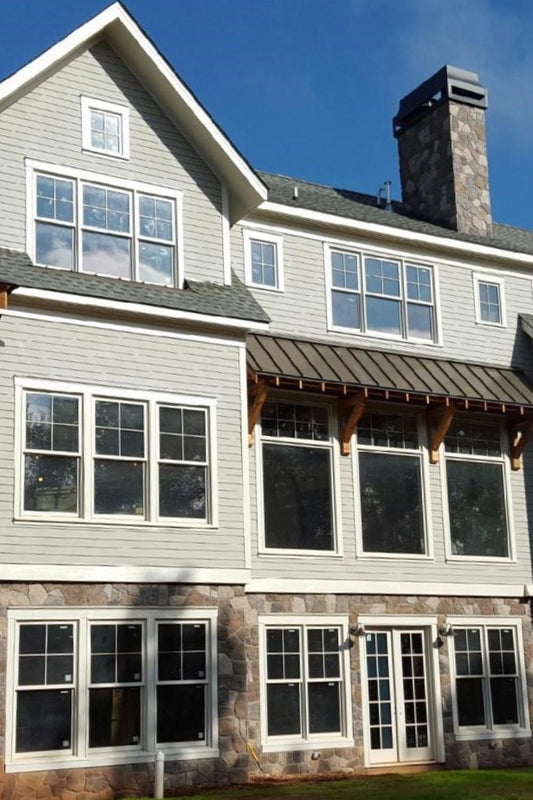
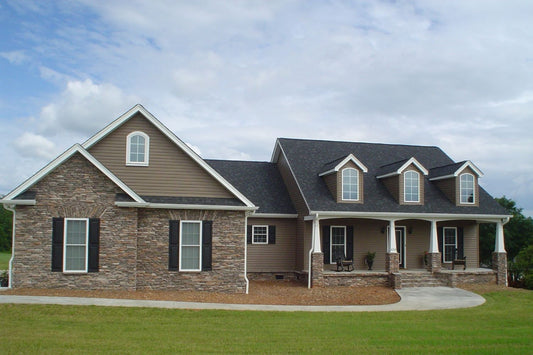
Both dry stack and grouted manufactured stone veneer can enhance a home's exterior when installed as part of an appropriate wall assembly. Dry stack stone is particularly effective on modern facades, entryway surrounds, columns, foundation accents, and architectural features where a streamlined appearance is desired.
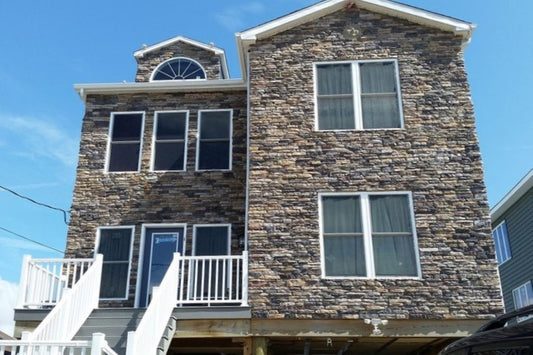
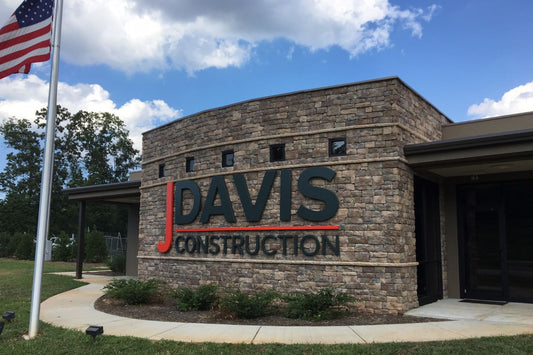
Grouted stone veneer can complement traditional homes, cottages, farmhouses, and other designs that benefit from a more classic masonry appearance. Mortar joints help define the stone pattern and can coordinate with brick, siding, trim, and other exterior materials.
For exterior applications, proper moisture management is essential regardless of the style selected. Weather-resistant barriers, flashing, drainage provisions, and other components must be appropriate for the wall assembly and installed according to applicable requirements.
Dry Stack vs. Grouted Stone Veneer for Outdoor Living Spaces
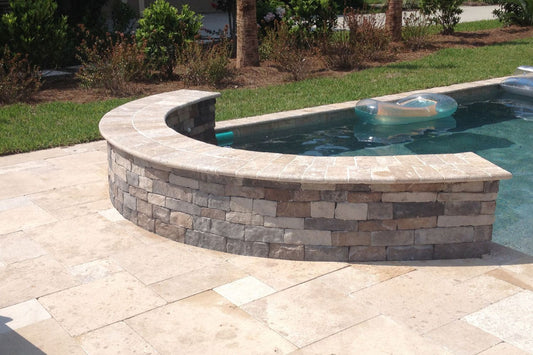
Outdoor fireplaces, kitchen islands, seating areas, and entertainment spaces are also excellent applications for manufactured stone veneer. Dry stack stone can create a refined outdoor kitchen or a contemporary fireplace feature, while grouted stone provides a more traditional outdoor living aesthetic.
Both styles can be suitable for outdoor use when the product and installation system are appropriate for the conditions. Exposure to rain, temperature changes, and other environmental factors makes proper installation particularly important.
Is Dry Stack Stone Veneer Harder to Install?
Dry stack stone veneer often requires careful planning and precise placement because there are no visible mortar joints to disguise inconsistent spacing. Installers must arrange the stones to create a balanced pattern while maintaining the intended tight-fitting appearance.
Selecting and positioning each piece takes attention to detail, particularly when working with individual stones rather than panelized products. Variations in stone shape and thickness must be considered throughout the installation to create a natural-looking finish.
Grouted stone veneer also requires skill, but the visible joints provide some flexibility in how individual stones are arranged. Mortar joints can help accommodate variations in stone shape and establish a consistent overall pattern.
Neither installation method should be assumed to be faster in every situation. Project size, stone profile, wall conditions, installer experience, and the complexity of the design all influence installation time. Some panelized products can simplify placement, but product-specific instructions still determine the correct installation method.
Why Mortar and Surface Preparation Matter
Even though dry stack stone veneer has no visible mortar joints, the hidden bonding mortar is essential to its performance. Each stone must be properly bonded to a suitable substrate using the mortar and installation method specified for the product.
The wall must be structurally suitable, clean, and properly prepared before installation begins. Depending on the substrate and application, preparation may involve a weather-resistant barrier, metal lath, a scratch coat, or another approved system. Existing masonry may have different preparation requirements from wood-framed construction.
Interior drywall should not automatically be treated as a suitable direct-bond surface. The appropriate preparation depends on the specific product, substrate, and installation system. Cement board also does not automatically eliminate the need for the prescribed preparation layers.
For grouted installations, the mortar joints must be completed using the specified materials and techniques. For dry stack installations, careful stone placement and adequate bonding coverage are especially important because the finished appearance provides no visible joints between the pieces.
Following the manufacturer's installation instructions helps prevent avoidable problems and supports the long-term performance of either style.
Moisture Management for Exterior Stone Veneer
A common misconception is that dry stack stone veneer is waterproof because the stones fit tightly together. In reality, the finished veneer should not be relied upon as the wall's primary waterproofing layer. Water can penetrate the stone assembly and must be managed by the properly designed wall system behind it.
Exterior installations require appropriate moisture protection, including weather-resistant barriers, flashing, and drainage provisions where specified by the applicable installation system. These components help direct water away from vulnerable areas and allow moisture to drain rather than accumulate behind the veneer.
Grouted stone veneer also requires appropriate moisture management. Visible mortar joints do not eliminate the need for proper wall preparation and drainage, and grouting alone should not be treated as a substitute for waterproofing details.
A breathable penetrating sealer may be appropriate for certain products or environments, but sealing is not automatically necessary or suitable for every manufactured stone veneer. Always verify compatibility with the manufacturer before applying a sealer.
Maintenance and Long-Term Performance
Both dry stack and grouted manufactured stone veneer can maintain their appearance for years with proper installation and routine care. Occasional cleaning and periodic inspections help identify issues before they become more significant.
Dry stack stone has no exposed mortar joints to maintain, which some homeowners prefer for its streamlined appearance. However, the absence of visible joints does not make the installation maintenance-free. Exterior walls should still be inspected for signs of moisture intrusion, movement, or damage.
Grouted stone veneer may require additional attention to visible mortar joints over time. Environmental exposure, movement, and installation conditions can affect their appearance and condition. Any necessary repairs should use compatible materials and follow the applicable manufacturer's recommendations.
For both styles, use cleaning products and methods approved for the specific stone veneer. Avoid assuming that pressure washing, chemical cleaners, or sealants are suitable without checking the product guidance.
Can You Combine Dry Stack and Grouted Stone Veneer?
Yes. Combining dry stack and grouted stone veneer can create visual contrast and help distinguish different architectural features. For example, a dry stack fireplace wall can be paired with grouted stone on an adjacent feature, or different finishes can be used to define separate areas of an exterior.
The key is to create a deliberate design rather than combining styles without a clear visual purpose. Stone color, profile, scale, and surrounding materials should work together so the finished project feels cohesive.
Before beginning installation, confirm that each selected product is compatible with its intended location and that the transition between the two finishes can be completed according to the relevant installation requirements.
Dry Stacking Stone Veneer vs. Grouted Stone Veneer
Dry stack manufactured stone veneer is an excellent choice if you prefer a streamlined appearance that emphasizes the shape, texture, and natural-looking variation of each stone. It works particularly well for contemporary designs, dramatic fireplace features, modern exteriors, and outdoor living spaces.
Grouted manufactured stone veneer is often the better fit if you want visible mortar joints, a traditional masonry appearance, or greater emphasis on the pattern formed by individual stones. The ability to select a suitable joint color and finish also gives you another way to customize the final design.
Ultimately, both installation styles offer an attractive way to incorporate the look of stone into your home. The right choice is the one that complements your design goals and can be installed correctly for the conditions of your project.
Frequently Asked Questions About Dry Stacking Stone Veneer vs. Grouted Stone Veneer
Does dry stack stone veneer use mortar?
Yes. Dry stack manufactured stone veneer typically uses mortar behind each stone to bond it to the prepared wall. The dry stack appearance comes from fitting the stones closely together so that no mortar joints are visible on the finished surface.
Is dry stack or grouted stone veneer better for exterior walls?
Both styles can be suitable for exterior walls when the selected product and installation system are appropriate for outdoor use. Proper substrate preparation, flashing, weather-resistant barriers, and drainage provisions are essential for either style.
Is dry stack stone veneer more expensive to install?
Installation costs vary according to the stone profile, project size, wall conditions, labor rates, and installer experience. Dry stack installations may require additional time for precise stone placement, while grouted installations require time to complete the visible mortar joints. Neither style is always less expensive.
Can manufactured stone veneer be installed over drywall?
Not necessarily. Drywall is not automatically a suitable direct-bond substrate for manufactured stone veneer. The required preparation depends on the application, substrate, product, and manufacturer instructions. A metal lath and scratch coat may be required for certain installations.
Does grouted stone veneer provide better water resistance than dry stack stone?
Not by itself. Neither visible mortar joints nor tightly fitted stones replace a properly designed moisture-management system. Exterior stone veneer requires appropriate drainage, flashing, and water-resistive components as specified for the wall assembly.
Can I use dry stack and grouted stone veneer on the same house?
Yes. Combining the two styles can add architectural interest and distinguish different areas of a home. Choose complementary stone colors and profiles, and make sure each installation follows the manufacturer's requirements for the intended application.
What's Next?
Transform your vision with our premium stone veneer! Shop now to find the ideal style or order a sample to feel the texture and see the color in person. Begin your project today!
Have a Question?
Please see our full terms of service or check out our frequently asked questions.
For general information and questions please call: (864) 882-8960 Mon. - Fri. 8am - 5pm (EST) or email: info@blackbearmountainstone.com we are more than happy to help you.
Or you can submit your questions via our contact us page.
We look forward to working with you on your upcoming project.
The Black Bear Mountain Stone Team
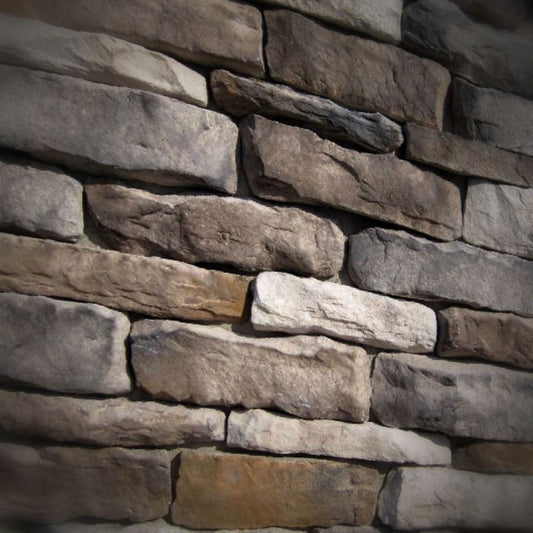
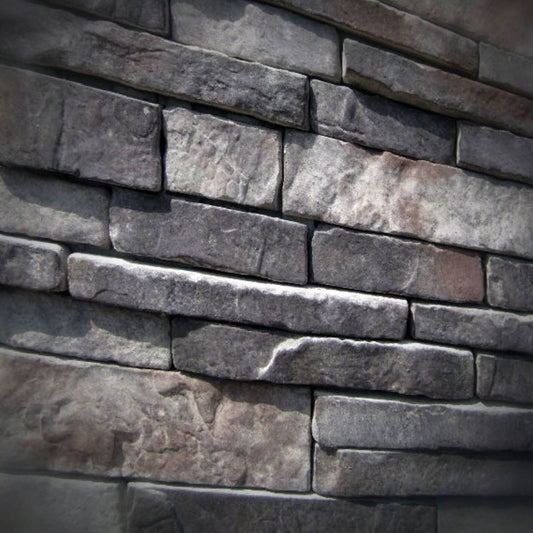
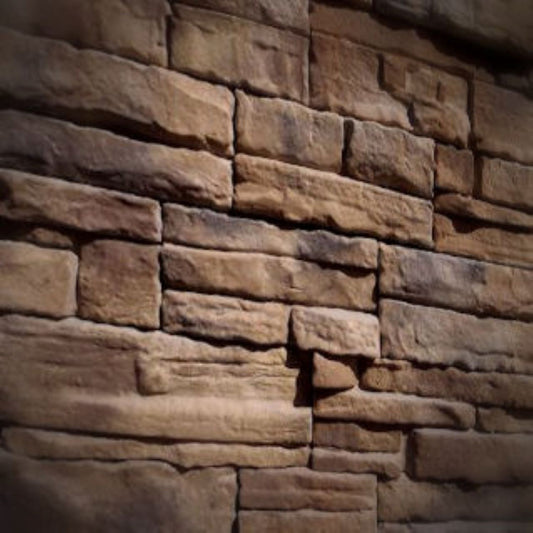
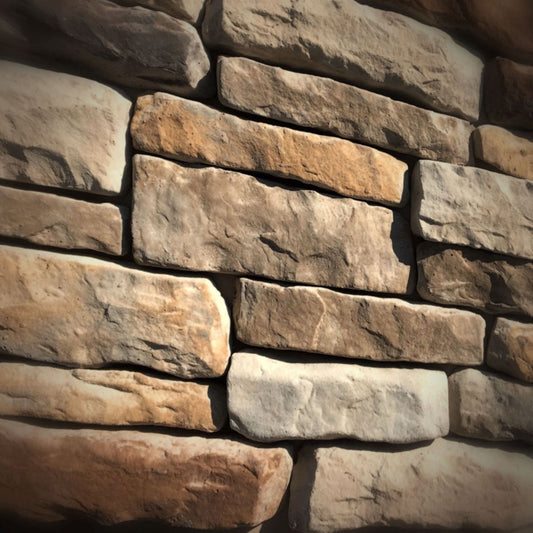
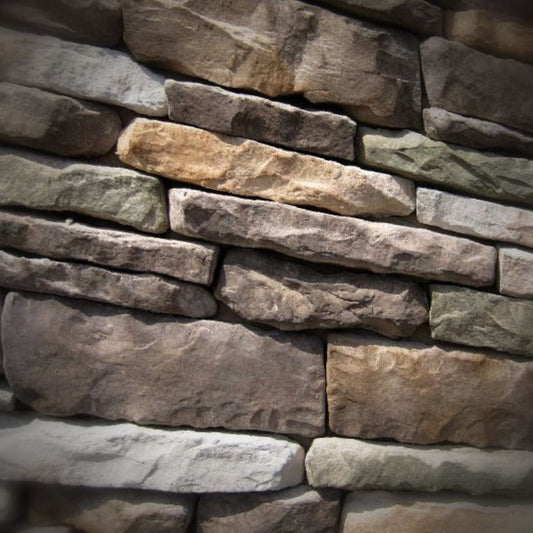
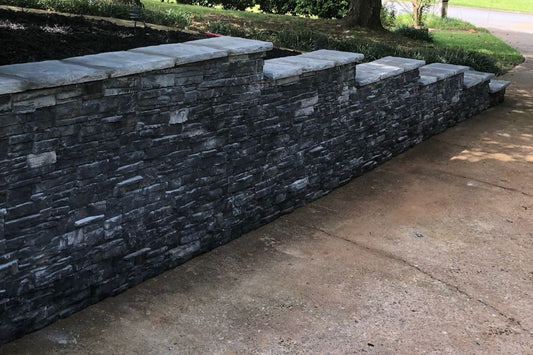
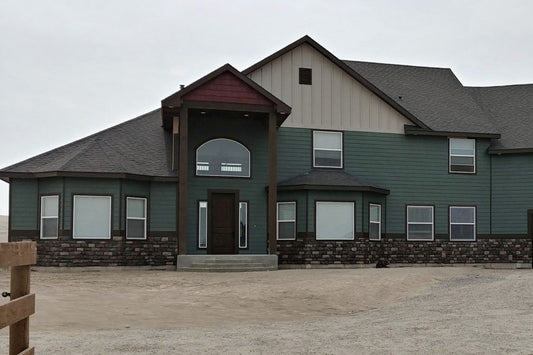
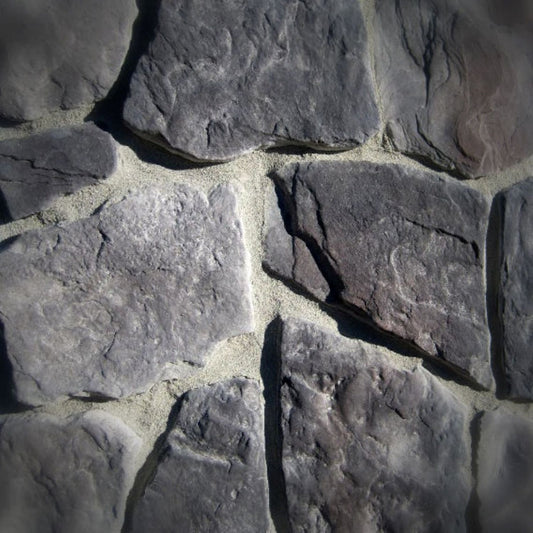
Pictured is stack stone buck mountain.




2 comments
Hi Tom,
Thank you for your question and interest in our stone veneer.
Our stone veneer does not come with a top ledge piece; however, we offer this as an accessory. Please see https://blackbearmountainstone.com/products/sill.
Our sills measure 3" deep, by 17.5" long, however, you will most likely have a grout joint in between them so for measuring purposes please use 18", by 2.5" tall in the back and 2" tall in the front as our sills have approximately a 1/2" slope from the back to the front for water runoff. Installation is easy, simply install the back flat to the wall, no need to tilt or angle them down. Also, our sills have a drip edge groove cut into the bottom side so water cannot run behind the stone veneer installed underneath the sills.
Please let us know if you have any more questions!
Planning on stacked stone veneer for our mountain home. We will be placing stacked veneer up the exterior to a height of 44 inches. What do you recommend for the top edge of stone veneer?
Thanks for info. 805-469-3173