
How Much Does Manufactured Stone Veneer Weigh?
Share
Originally posted May 5 2025, updated August 18 2026.
Manufactured stone veneer typically weighs about 8 to 12 pounds per square foot, depending on the profile, thickness, and manufacturer. It is significantly lighter than full-depth natural stone but generally heavier than lightweight faux stone panels.
When planning a renovation or new construction project, homeowners and contractors often focus on the color, profile, texture, and appearance of manufactured stone veneer. Another important specification to consider is weight.
Knowing how much manufactured stone veneer weighs can help with everything from delivery and material storage to jobsite handling and installation. Weight can also be an important consideration when determining whether an existing wall is suitable for a new veneer application.
Manufactured stone veneer is designed to provide the appearance and texture of natural stone while using considerably less material than full-depth masonry. Its relatively lightweight construction is one of the reasons it is commonly used for exterior facades, fireplaces, accent walls, interior features, and remodeling projects.
However, "lightweight" does not mean weight is irrelevant. An individual piece may be manageable by hand, while a complete order can weigh hundreds or even thousands of pounds. Understanding both the approximate weight per square foot and the total project weight can make material handling and installation easier to plan.
How Much Does Manufactured Stone Veneer Weigh?
There is no single weight that applies to every manufactured stone veneer product. Weight varies according to the profile, thickness, individual stone dimensions, composition, and manufacturer.
As a general guideline, manufactured stone veneer commonly weighs approximately 8 to 12 pounds per square foot. Some products may fall outside this range, so the manufacturer's published specifications should always be used when an exact weight is required.
The weight can also vary between individual profiles. A product made with larger or thicker pieces may weigh differently from a thinner, more irregular profile even when both products cover the same amount of wall area.
For project planning, it is useful to determine the manufacturer's stated coverage and package weight. This allows you to estimate how much material will need to be transported, stored, and handled during installation.
How Much Does Stone Veneer Weigh Per Square Foot?
Manufactured stone veneer typically weighs around 8 to 12 pounds per square foot, although the exact figure varies by product.
The easiest way to determine the weight per square foot is to divide the package weight by its stated coverage. For example, if a box covers 10 square feet and weighs 90 pounds, the material weighs approximately 9 pounds per square foot.
This calculation represents the weight of the veneer itself. The completed wall assembly will weigh more because mortar, metal lath, scratch coat, fasteners, weather-resistant barriers, and other installation components may contribute additional weight.
For structural planning, use the manufacturer's specifications for the exact product rather than relying solely on a general pounds-per-square-foot estimate.
How Heavy is a Pallet of Manufactured Stone Veneer?
Large manufactured stone veneer orders are commonly packaged and transported on pallets. The total weight of a pallet depends on the amount of material, the selected profile, packaging, and the manufacturer.
A pallet containing a large quantity of manufactured stone veneer can weigh hundreds or more than 1,000 pounds. This makes pallet placement and unloading important considerations before delivery.
The weight and dimensions of the shipment may affect the type of delivery vehicle and unloading equipment required. Customers should also consider where the material can be safely placed when it arrives.
Because palletized stone veneer is heavy, delivery access should be considered before ordering. Narrow roads, steep driveways, gravel surfaces, restricted access, or other site conditions may affect how the shipment can be delivered and unloaded.
Why Does Manufactured Stone Veneer Weight Matter?
Weight matters for several reasons, starting with installation and material handling.
Individual manufactured stone pieces can generally be handled one at a time, allowing installers to position each piece without having to maneuver large sections of masonry. This can make the material easier to work with around windows, doors, corners, and other architectural details.
Weight also matters when materials are being moved from the delivery location to the work area. A pallet may be too heavy to move manually even though individual boxes and stones are manageable.
Planning where the material will be placed before delivery can prevent unnecessary handling later in the project. Keeping boxes reasonably close to the installation area can also reduce the amount of material that needs to be moved repeatedly around the jobsite.
Is Manufactured Stone Veneer Heavy?
Compared with full-depth natural stone, manufactured stone veneer is relatively lightweight. It uses a thinner stone-facing material rather than the substantial depth associated with full-bed natural stone.
Compared with lightweight faux stone panels, however, manufactured stone veneer is heavier. Faux stone panels are typically made from polyurethane or other lightweight composite materials, while manufactured stone veneer is a cement-based product.
This means manufactured stone veneer generally falls between full-depth natural stone and lightweight faux panels when comparing material weight. It provides a substantial, dimensional stone appearance without the same material volume and weight associated with full-depth masonry.
Weight alone, however, does not determine the durability or performance of a stone veneer product. Material composition, installation requirements, weather exposure, and manufacturer specifications are also important when comparing products.
Manufactured stone veneer should therefore be considered a relatively lightweight masonry-facing material rather than an extremely lightweight decorative panel.
Manufactured Stone Veneer Weight Compared With Natural Stone and Faux Stone
The weight difference between manufactured stone veneer, natural stone, and faux stone panels can be an important consideration when selecting a material.
Full-depth natural stone is generally the heaviest of the three because it contains considerably more material. Natural stone varies substantially in weight depending on the type of stone, its density, dimensions, and thickness. Full-depth masonry can therefore place considerably more load on the supporting structure than a manufactured veneer application.
Manufactured stone veneer uses a thinner profile and less material while maintaining the dimensional appearance and texture associated with stone. This makes it substantially lighter than many full-depth natural stone applications and can make it more practical for remodeling and other applications where reducing added weight is important.
Faux stone panels are typically lighter still because they are made from materials such as polyurethane and other composites rather than cement-based material. Their low weight can make them attractive when minimizing material weight and simplifying installation are the primary considerations.
The best choice depends on the project. Natural stone may be appropriate when full-depth masonry and its structural requirements are acceptable. Faux panels may be appropriate when very low weight and simplified installation are priorities. Manufactured stone veneer offers a middle ground, combining a cement-based stone product with a substantially lower material weight than full-depth natural stone.
When comparing products, use the manufacturer's published weight and installation specifications rather than relying on generic pounds-per-square-foot estimates.
Does Stone Veneer Weight Affect Wall Structure?
The weight of the veneer is an important consideration when determining whether an existing wall assembly is suitable for the installation.
Manufactured stone veneer is non-structural, meaning it functions as a facing material rather than a structural component of the building. However, the underlying wall and installation system must still be capable of supporting the added weight.
This is particularly important when installing veneer on existing walls, framed construction, upper-story applications, or unusual substrates.
The appropriate installation method depends on the substrate and project conditions. Metal lath, scratch coat, mortar, weather-resistant barriers, flashing, and other components may form part of the complete installation system.
When there is any question about structural capacity or the suitability of an existing wall, consult a qualified contractor, mason, engineer, or building professional and follow applicable local building codes.
Does Stone Veneer Weight Affect Second-Story Installation?
Manufactured stone veneer can be used on second-story exterior walls when the complete wall assembly is properly designed and prepared.
Its reduced weight compared with full-depth stone can make it more practical for elevated applications, but the fact that it is lighter does not eliminate structural or installation requirements.
Second-story applications also require careful consideration of scaffolding, material handling, weather exposure, moisture management, and worker safety.
The veneer itself should never be considered a structural component of the building. The supporting wall system must be appropriately designed for the installation.
Does Stone Veneer Weight Affect Shipping?
Yes. Weight is one of the primary considerations when shipping manufactured stone veneer.
Because stone veneer is a cement-based material, larger orders can become very heavy. This is why manufactured stone veneer is commonly shipped by freight on pallets rather than through standard parcel delivery.
Shipping weight also affects delivery logistics. A large pallet of veneer requires appropriate equipment for unloading and moving the material.
The delivery location should be evaluated before ordering. The area needs to be accessible to the delivery vehicle and suitable for unloading a heavy pallet.
If a property has unusual access conditions, such as narrow roads, gravel roads, steep access, or other delivery limitations, those conditions should be communicated to the supplier before ordering so appropriate arrangements can be made.
Does Stone Veneer Weight Affect Installation?
The weight of individual stones can influence how quickly and comfortably an installer can work.
Individual manufactured stones allow installers to handle one piece at a time and make adjustments as they build the wall. This is one reason individual stone veneer can be practical for complex installations.
The total project weight still matters. A large project may require hundreds of individual stones and multiple boxes of material.
Installers should plan material staging so boxes do not need to be repeatedly moved long distances around the jobsite. Keeping the material reasonably close to the installation area can make the process more efficient while reducing unnecessary handling.
How Do You Calculate the Weight of a Stone Veneer Project?
The simplest approach is to determine the total square footage of veneer required and use the manufacturer's coverage and package-weight information.
For example, if a product covers 10 square feet per box and each box weighs 90 pounds, the material weighs approximately 9 pounds per square foot.
A project requiring approximately 100 square feet of that product would require about 10 boxes based on the stated coverage. At 90 pounds per box, the veneer itself would weigh approximately 900 pounds.
Remember that actual project requirements can be affected by corners, cuts, waste, and the specific coverage of the selected profile. The total finished wall assembly will also weigh more than the veneer alone because mortar and other installation components contribute additional weight.
For precise structural planning, use the manufacturer's specifications for the exact product and consult an appropriate professional when necessary.
Does Stone Veneer Thickness Affect Its Weight?
Yes. Thickness is one factor that can influence manufactured stone veneer weight.
A thicker piece generally contains more material than a thinner piece of otherwise similar size. However, thickness is only one factor. The profile, shape, dimensions, aggregate composition, and overall design of the stone can also affect its weight.
This is why two different manufactured stone profiles covering the same number of square feet may not weigh exactly the same.
If you're planning around a specific weight limitation, always use the published specifications for the exact product rather than estimating based solely on thickness.
Frequently Asked Questions About How Much Does Manufactured Stone Veneer Weigh?
How much does manufactured stone veneer weigh per square foot?
Manufactured stone veneer typically weighs approximately 8 to 12 pounds per square foot, although the exact weight varies by manufacturer, profile, thickness, and product design. Always check the manufacturer's specifications for the most accurate figure.
How much does a pallet of manufactured stone veneer weigh?
Pallet weight varies according to the amount of veneer, profile, packaging, and manufacturer. A large pallet can weigh hundreds or more than 1,000 pounds, so appropriate delivery and unloading equipment may be required.
Is manufactured stone veneer lighter than natural stone?
Manufactured stone veneer is generally much lighter than full-depth natural stone because it uses a thinner profile and less material. The exact difference depends on the specific products being compared.
Is manufactured stone veneer heavier than faux stone panels?
Generally, yes. Faux stone panels are typically made from lightweight polyurethane or other composite materials, while manufactured stone veneer is a cement-based product. Faux panels can therefore weigh considerably less, although the exact weight varies by product.
Does weight affect the durability of stone veneer?
Not necessarily. Weight alone does not determine durability. Manufactured stone veneer is a cement-based product designed for long-term use, while lightweight faux stone panels use different materials and construction. When comparing products, consider material composition, installation requirements, weather exposure, and manufacturer specifications.
Does manufactured stone veneer need structural support?
The veneer itself is non-structural, but the supporting wall assembly must be capable of carrying the added load. Proper substrate preparation and installation are essential.
How Much Does Manufactured Stone Veneer Weigh?
Understanding manufactured stone veneer weight helps you plan your project from delivery through installation.
Manufactured stone veneer commonly weighs approximately 8 to 12 pounds per square foot, although actual weight varies by profile, thickness, manufacturer, and product design.
The material is relatively lightweight compared with full-depth stone, but a complete project can still involve substantial total weight. Proper delivery planning, material handling, substrate preparation, and installation are therefore essential.
Weight should be considered alongside the stone's thickness, profile, coverage, and installation requirements when selecting a product. If you're comparing manufactured stone veneer with natural stone or lightweight faux panels, consider the complete performance and installation requirements rather than weight alone.
What's Next?
Bring your vision to life with our premium stone veneer! Shop now to discover the perfect style or order a sample to feel the texture and see the color up close. Get started on your project today!
Have a Question?
Please see our full terms of service or check out our frequently asked questions.
For general information and questions please call: (864) 882-8960 Mon. - Fri. 8am - 5pm (EST) or email: info@blackbearmountainstone.com we are more than happy to help you.
Or you can submit your questions via our contact us page.
We look forward to working with you on your upcoming project.
The Black Bear Mountain Stone Team
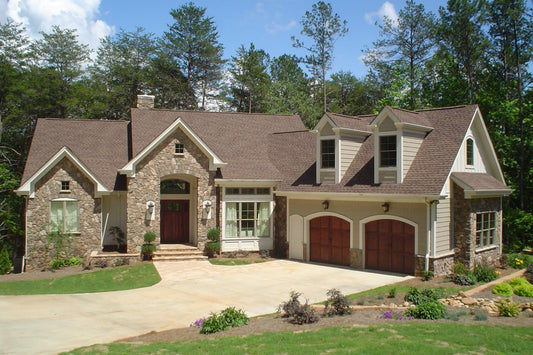
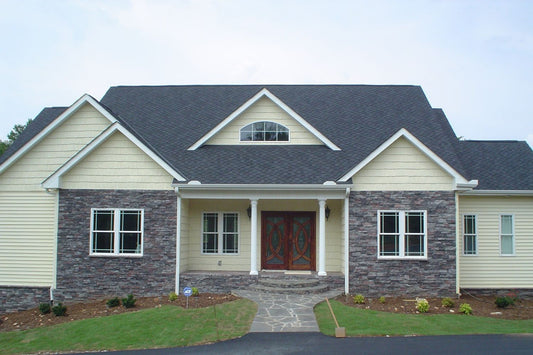
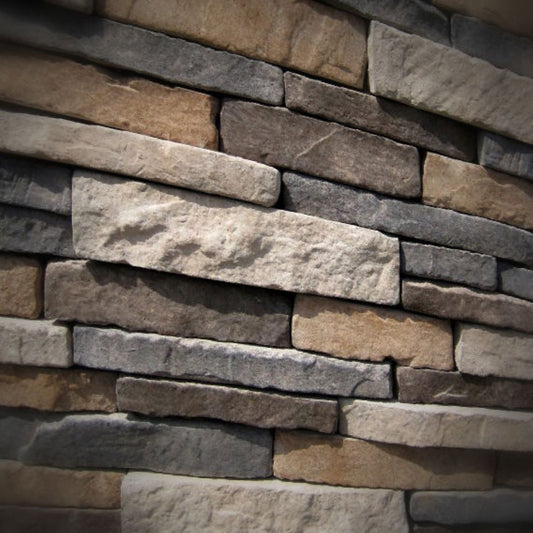
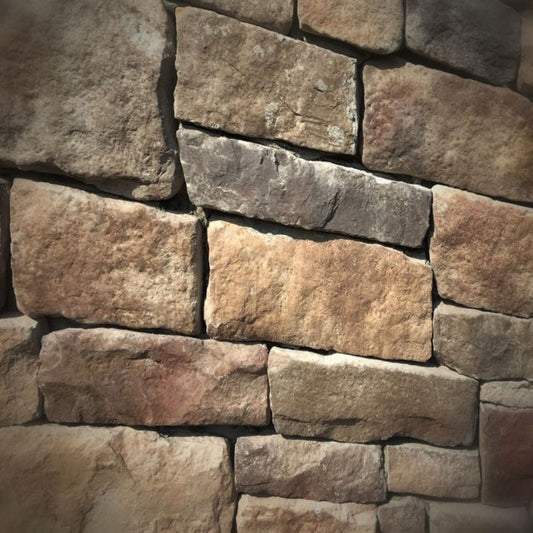
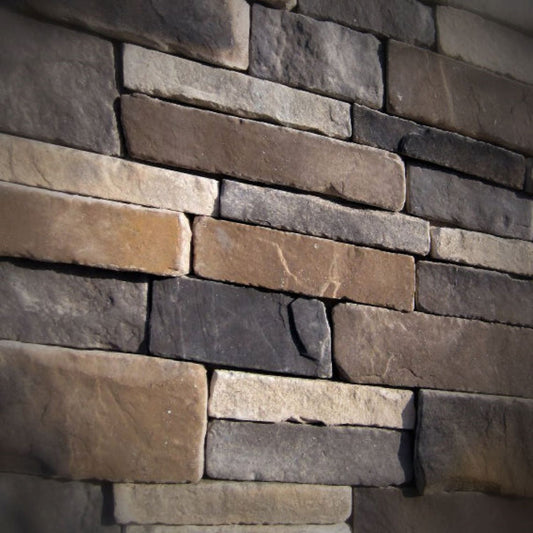
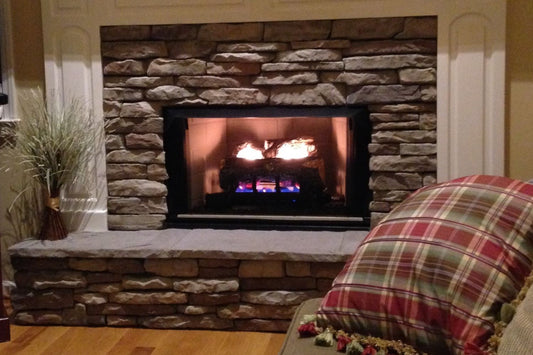
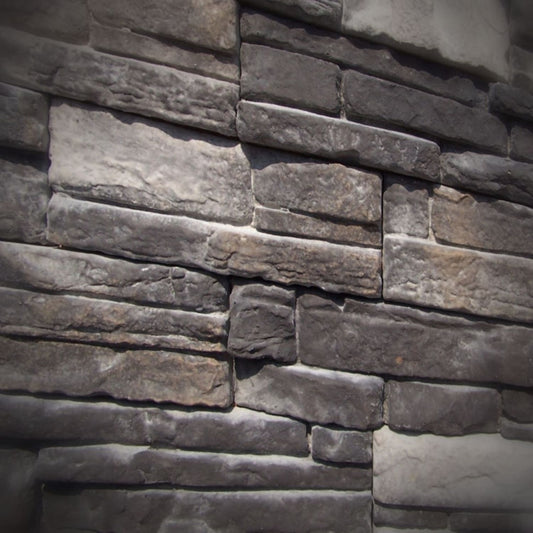
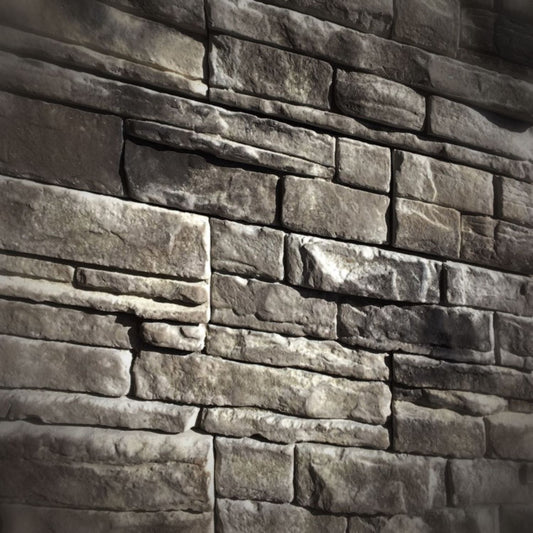
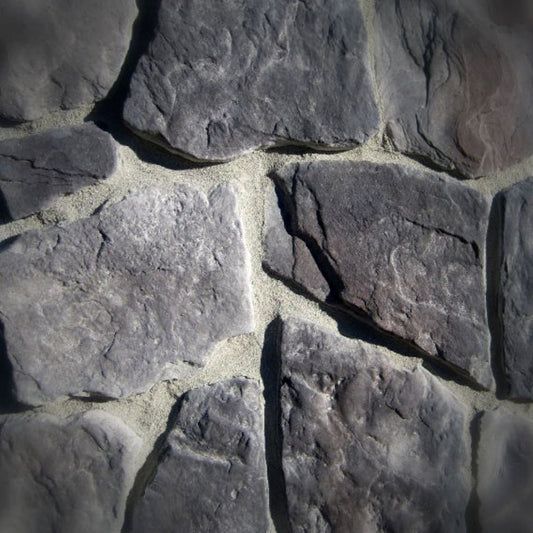
Pictured is ready stack alabama.