
Interior Stone Veneer Ideas and Trends for Modern Homes
Share
Originally posted January 2 2025, updated May 7 2026.
Manufactured stone veneer is a lightweight, cost-effective way to bring the beauty and texture of natural stone into interior spaces. Popular interior stone veneer applications include accent walls, fireplace surrounds, kitchen backsplashes, entryways, and selected bathroom feature areas. With a wide range of colors, textures, and stone profiles available, manufactured stone veneer complements modern, rustic, traditional, and transitional home designs.
Interior design continues to embrace natural textures, organic materials, and finishes that add depth and character to a space. Manufactured stone veneer fits naturally into this trend, offering the timeless appearance of stone without the weight and expense associated with many natural stone installations. Once primarily associated with rustic interiors and traditional fireplaces, interior stone veneer has evolved into a versatile design feature that works equally well in contemporary homes, modern farmhouses, and minimalist spaces.
As homeowners and designers look for ways to make interiors more distinctive, stone veneer provides an opportunity to transform ordinary walls and architectural features into focal points. Its dimensional surfaces, varied textures, and natural-looking colors introduce visual interest that paint and other flat finishes cannot easily replicate.
Beyond its aesthetic appeal, manufactured stone veneer offers practical advantages. It is generally lighter than natural stone, available in a wide variety of styles, and suitable for many interior applications when installed according to the manufacturer's instructions. Whether you are planning a dramatic fireplace renovation or looking for a subtle way to add texture to an entryway, understanding the latest interior stone veneer trends can help you choose the right look for your home.
Why Manufactured Stone Veneer Works for Interior Design
Manufactured stone veneer combines the visual appeal of natural stone with the consistency and versatility of a manufactured building material. Cement-based manufactured stone veneer is typically made using Portland cement, lightweight aggregates, and iron oxide mineral pigments. Molds and surface textures help recreate the distinctive shapes, contours, and color variations found in natural stone.
One of its biggest advantages is design flexibility. From rugged fieldstone and traditional ledgestone to tightly fitted stacked stone profiles, the available styles can accommodate a broad range of interior aesthetics. Lighter colors can create an open, understated appearance, while darker tones and pronounced textures introduce contrast and drama.
Manufactured stone veneer can also be more economical than natural stone, depending on the product, project requirements, and installation costs. Its relatively lightweight construction can simplify handling and expand the range of potential applications, although the substrate and installation method must still be appropriate for the specific product.
Durability is another consideration. When properly installed and maintained, interior stone veneer can retain its appearance for years without extensive upkeep. This combination of visual appeal, practical performance, and stylistic variety makes it an attractive option for homeowners who want to incorporate stone into their interiors.
Statement Accent Walls That Add Depth and Character
One of the most popular interior stone veneer ideas is creating a statement accent wall. Rather than leaving a large wall as a blank backdrop, homeowners can use dimensional stone to establish a focal point in a living room, dining area, bedroom, or entryway.
Stone accent walls work particularly well in spaces with open layouts, where a distinctive material can help define different areas without introducing additional partitions. The natural-looking texture creates depth and shadow, giving the wall a visual presence that changes with the lighting throughout the day.
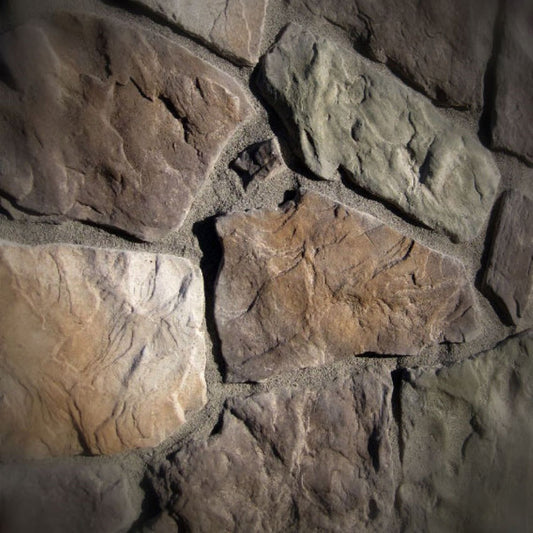
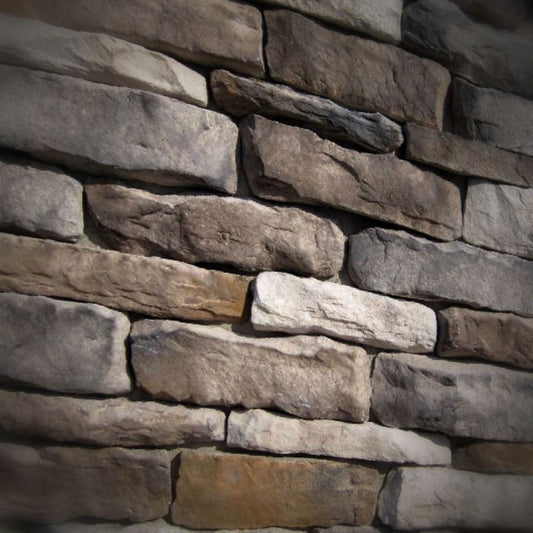
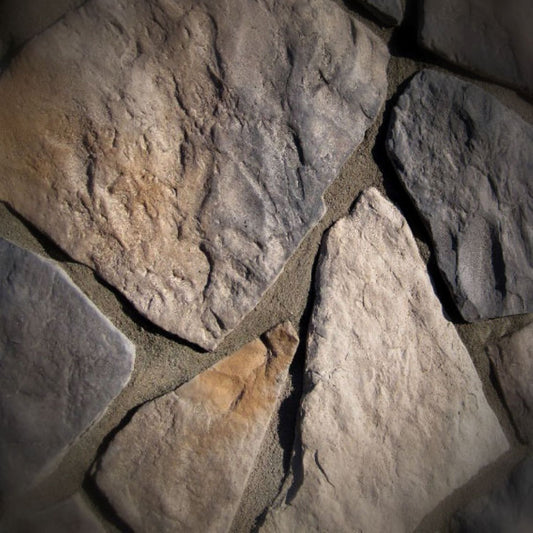
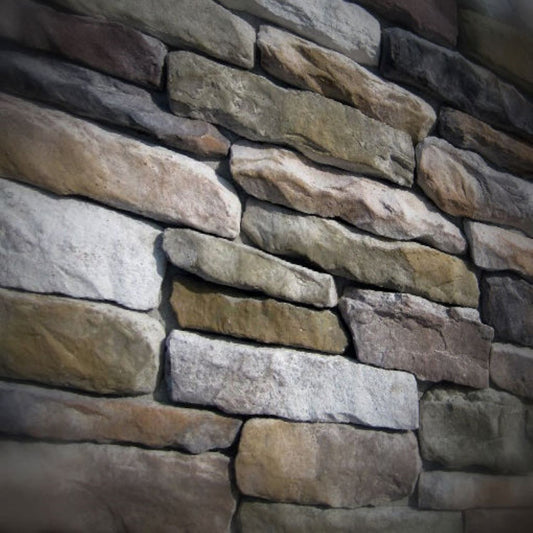
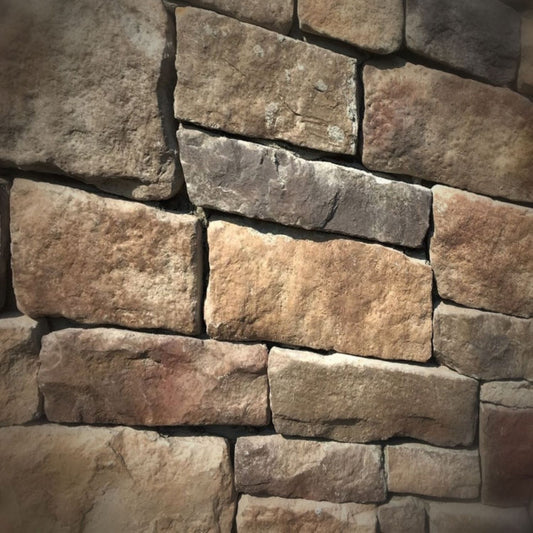
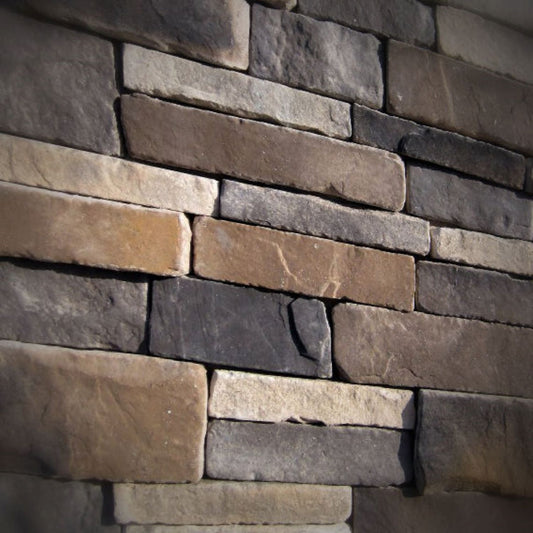
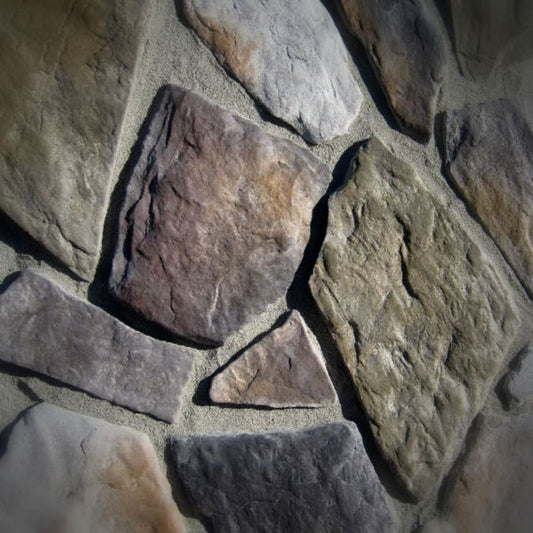
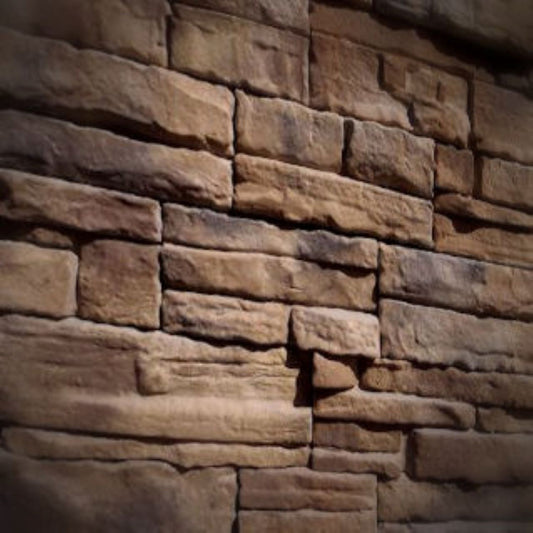
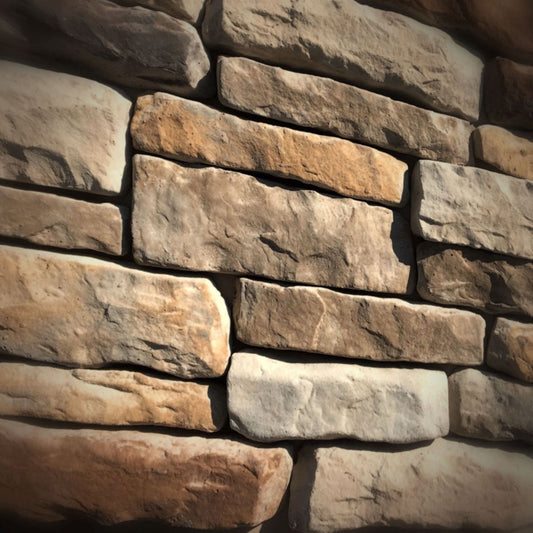
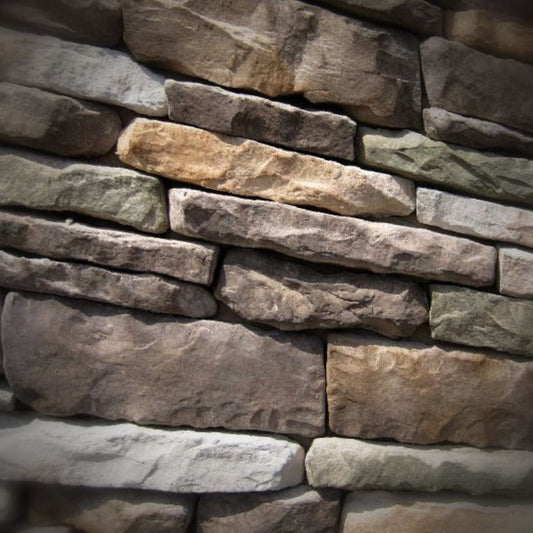
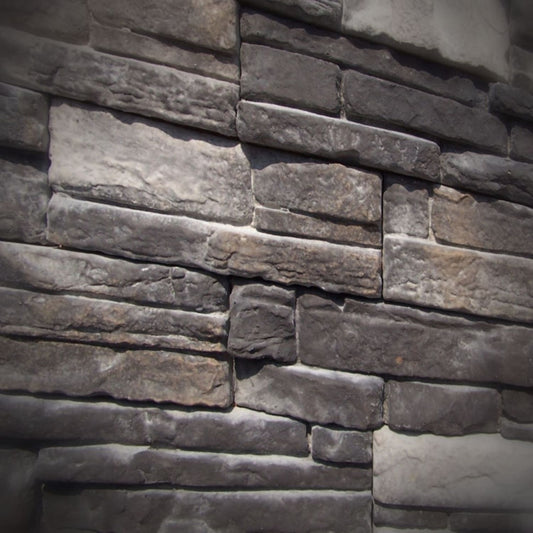
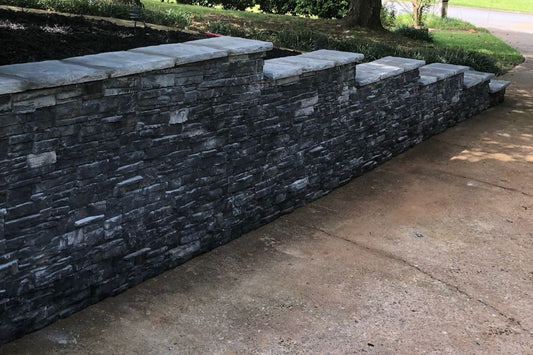
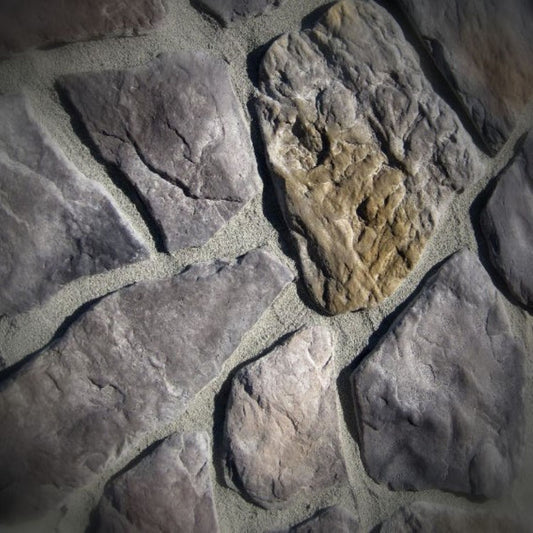
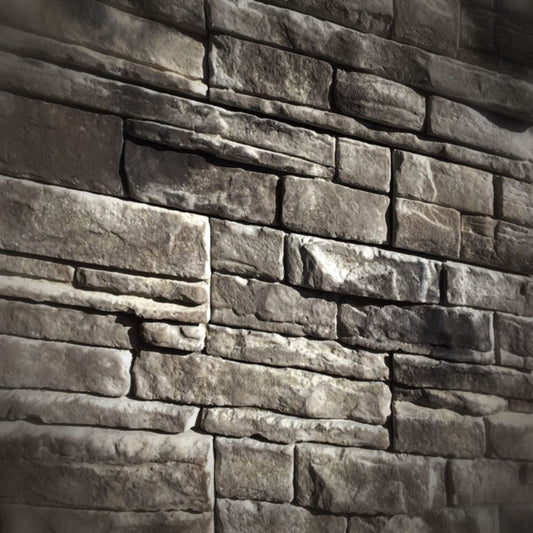
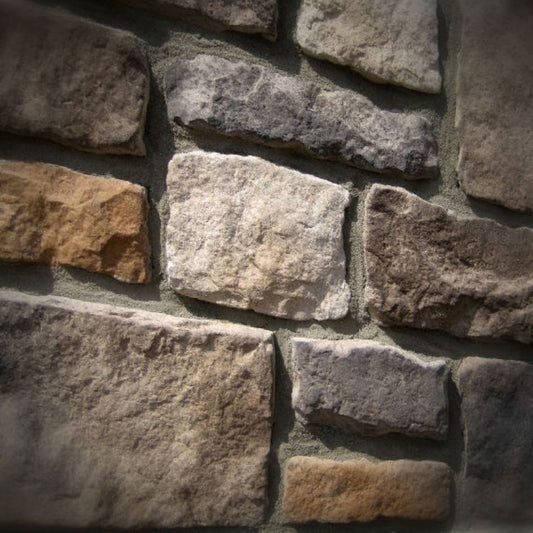
The choice of stone profile influences the overall effect. Ledgestone introduces horizontal lines and varied stone dimensions, making it suitable for contemporary and transitional interiors. Fieldstone offers irregular shapes and a more organic appearance, while stack stone creates a tightly fitted arrangement with narrow joints and a pronounced dry-stack aesthetic.
For a balanced design, consider how the stone will coordinate with flooring, cabinetry, furniture, and lighting. A heavily textured accent wall can stand on its own, while surrounding surfaces in complementary colors help prevent the room from feeling visually crowded.
Fireplace Surrounds That Become Architectural Features
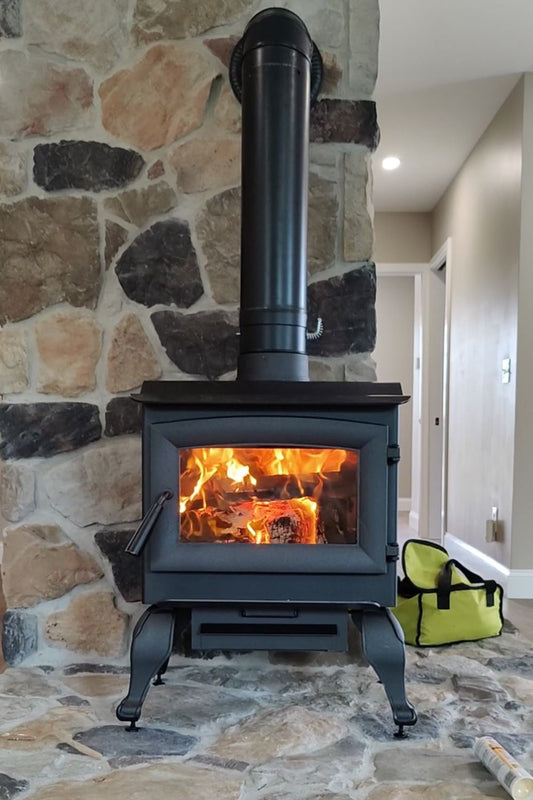
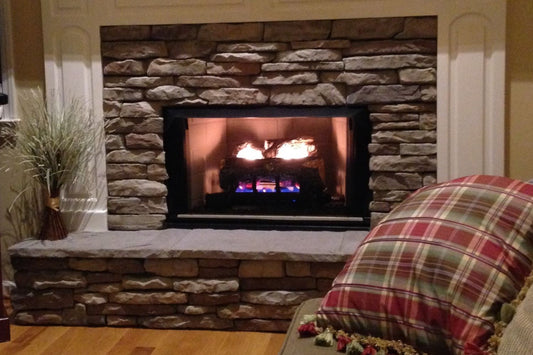
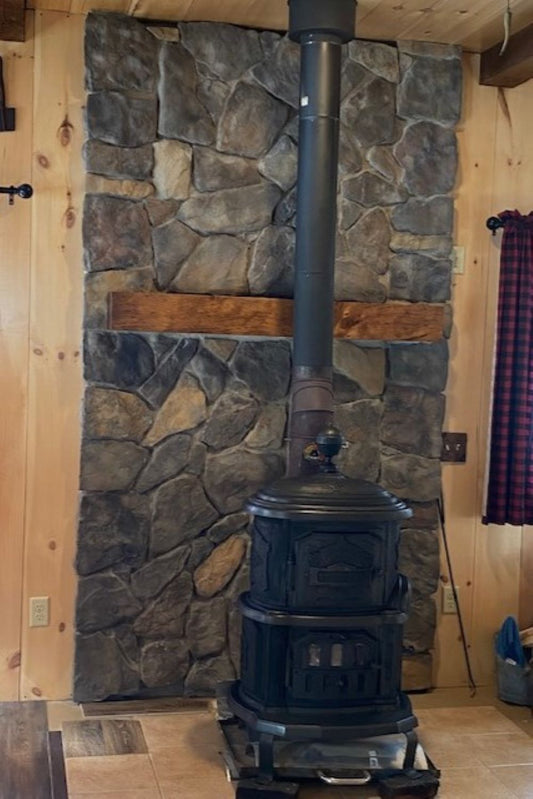
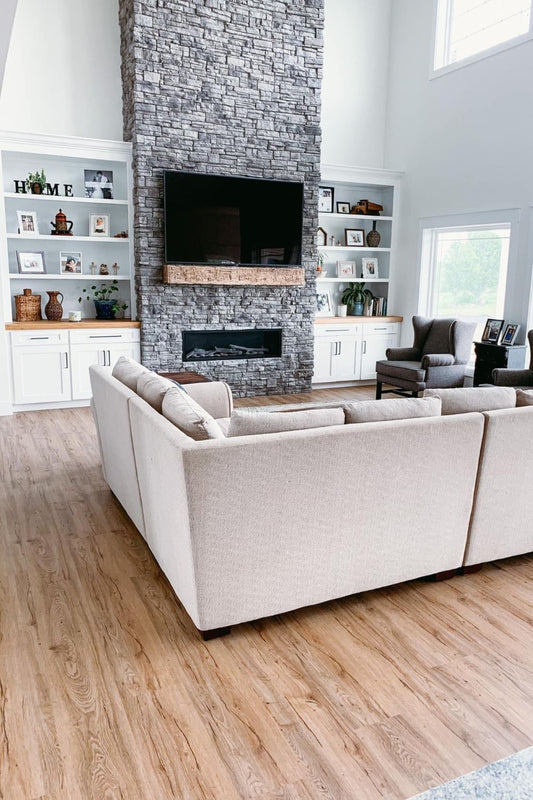
Fireplaces remain one of the strongest applications for interior stone veneer because stone naturally draws attention to the area where people gather. A manufactured stone veneer fireplace surround can transform an outdated feature into a focal point that anchors the entire room.
A floor-to-ceiling stone fireplace creates a particularly dramatic effect, emphasizing ceiling height and making the fireplace feel integrated into the architecture. In traditional or rustic homes, textured fieldstone and rugged ledgestone can reinforce a warm, established character. In contemporary spaces, streamlined stone profiles and neutral colors provide visual interest without overwhelming the design.
Color selection can change the mood considerably. Gray and charcoal stone can create a modern, sophisticated appearance, while beige, cream, and warm brown tones introduce a softer, more traditional atmosphere. Lighting positioned to highlight the stone's contours can further emphasize its three-dimensional character.
Before beginning a fireplace project, verify the clearances and material requirements for the specific fireplace or appliance. Manufactured stone veneer is not automatically a fire-rated assembly, and its suitability near heat-producing equipment depends on the complete installation and applicable manufacturer instructions and building codes.
Natural and Neutral Stone Colors for Timeless Interiors
Neutral color palettes remain a popular choice for interior stone veneer because they complement a wide range of finishes and furnishings. Soft gray, warm beige, taupe, cream, and muted brown tones provide a foundation that works with natural wood, painted cabinetry, metal accents, and glass.
The appeal of these colors extends beyond a particular design trend. Neutral stone can help a room feel cohesive and allow its texture to become the main visual feature. It also offers flexibility if furniture, wall colors, or decorative accents change over time.
For modern farmhouse and transitional interiors, warm neutrals can complement wood beams, natural flooring, and understated furnishings. Cooler grays often pair well with contemporary cabinetry, black metal fixtures, and clean architectural lines. White and light-colored stone can brighten a room, although the surrounding finishes and lighting will influence the final appearance.
When choosing a color, consider the entire room rather than the stone alone. Natural and artificial lighting can affect how a particular shade appears, and the colors in online photographs may differ from the actual product. Reviewing a physical sample alongside your flooring, paint, and cabinetry can help you make a more confident decision.
Industrial-Inspired Interiors With Dark Stone Textures
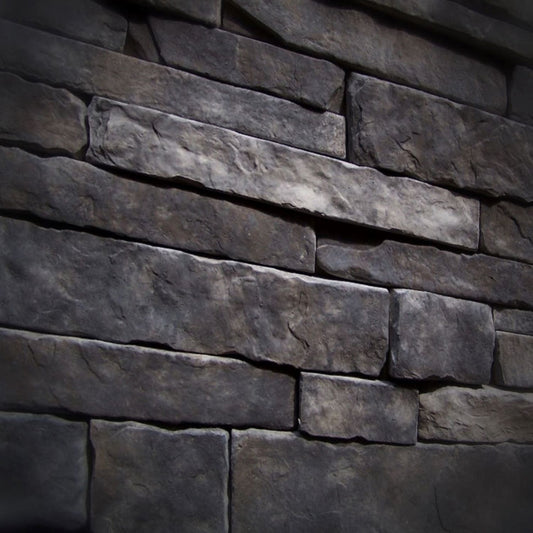
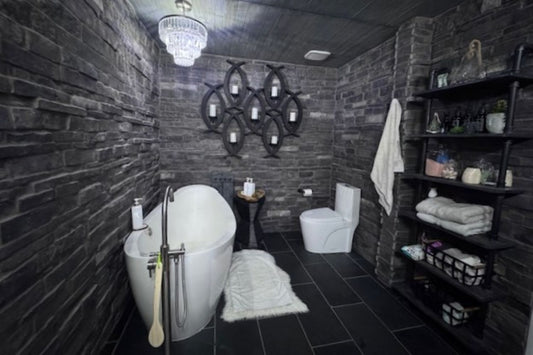
For homeowners who prefer a bolder aesthetic, darker manufactured stone veneer offers a striking way to introduce contrast. Charcoal, deep gray, and near-black stone profiles work particularly well with industrial-inspired interiors featuring exposed metal, concrete finishes, glass, and streamlined furnishings.
The contrast between rugged stone and smooth surfaces helps balance the overall design. Stone adds texture and warmth, while metal and glass maintain the clean, architectural character associated with industrial spaces.
This approach is effective for fireplace walls, entertainment areas, home offices, and commercial interiors. A dark stone feature wall can create a strong focal point without requiring extensive decorative elements. In smaller rooms, strategic lighting and lighter surrounding finishes can help prevent the darker material from making the space feel too enclosed.
Kitchens With Textured Stone Backsplashes
Manufactured stone veneer can bring a distinctive, natural look to kitchen interiors. A stone backsplash introduces dimensional texture and visual variation, creating an alternative to conventional tile in suitable applications.
Stone pairs especially well with wood cabinetry, neutral countertops, and metal fixtures. Warm-toned stone can soften a modern kitchen, while cooler gray or darker profiles can provide contrast against lighter cabinets. Under-cabinet lighting can accentuate the surface texture and create subtle shadows that make the backsplash more visually engaging.
However, kitchen applications require careful planning. Areas behind cooktops, near sinks, and around food preparation surfaces may be exposed to grease, moisture, and frequent cleaning. The suitability of manufactured stone veneer depends on the product, its location, and the installation details. A textured stone surface can also be more difficult to clean than a smooth backsplash material.
Before choosing stone for a kitchen, verify that the product is appropriate for the intended location and that any required clearances, protection, and cleaning procedures are understood. Selecting the right application from the beginning helps preserve both the appearance and practicality of the finished space.
Spa-Inspired Bathrooms and Moisture Considerations
Bathrooms are another area where stone texture can create a relaxing, spa-inspired atmosphere. Manufactured stone veneer may be used for selected feature walls, vanity surrounds, and other appropriate interior surfaces, introducing an organic element that complements wood accents, subdued colors, and soft lighting.
Lighter stone tones can help create an airy appearance, while warmer shades contribute to a more intimate, natural setting. Pairing stone with simple fixtures and restrained decoration allows the texture to become the main design feature.
Moisture exposure is an important consideration, however. Manufactured stone veneer should not automatically be assumed suitable for shower interiors or other locations subject to continuous water exposure. The stone, substrate, waterproofing system, and installation method must all be appropriate for the specific application. A penetrating sealer may offer additional stain protection in some situations, but it does not replace a required waterproofing system.
For bathroom renovations, consult the product manufacturer and a qualified installer before deciding where the stone can be used. Selecting a suitable location and following the correct installation requirements are essential to long-term performance.
Staircases, Hallways, and Entryways With Architectural Appeal
Stone veneer is not limited to large living spaces or fireplaces. Staircase walls, entryways, and hallways offer opportunities to incorporate texture into parts of the home that might otherwise receive little design attention.
A stone-clad entryway can establish a distinctive first impression, especially when paired with wood flooring, simple lighting, and complementary trim. In a hallway, stone can add depth to an otherwise plain wall and create a visual connection between adjacent rooms.
Staircase walls are particularly well suited to vertical stone features. The changing angle of the stairs and the movement of natural or artificial light can emphasize the stone's contours. In contemporary homes, combining stone with open railings and streamlined finishes creates an interesting contrast between rugged texture and modern design.
For these applications, consider how the stone will interact with the surrounding architecture. A carefully chosen profile and color can make a transitional space feel intentional without making it visually overwhelming.
Installation and Maintenance for Interior Stone Veneer
A successful interior stone veneer project begins with proper surface preparation. Not every wall is suitable for direct installation, and the correct substrate, attachment method, moisture protection, and mortar requirements depend on the product and the conditions at the installation site.
Drywall, wood framing, concrete, and existing masonry may require different preparation methods. Some installations over wood framing require a weather-resistant barrier, metal lath, and a scratch coat, while other substrates and approved systems may have different requirements. Cement board, for example, should not automatically be assumed suitable for direct bonding without verifying the manufacturer's approved installation method.
Always follow the specific product installation instructions and applicable building codes. Larger walls, complex layouts, fireplaces, and areas with demanding substrate or moisture conditions may benefit from a qualified professional installer.
Maintenance is generally straightforward when the veneer is installed in an appropriate location. Regular dusting with a soft brush or vacuum attachment can remove loose debris, while a damp cloth and a suitable mild cleaning solution may be appropriate for occasional cleaning. Avoid harsh chemicals, abrasive tools, and cleaning methods that could damage the surface.
A breathable penetrating sealer may be useful in certain applications to reduce staining, but sealing is not universally necessary or appropriate. Check the manufacturer's recommendations and test any sealer on a sample before applying it to the finished installation.
Choosing the Right Interior Stone Veneer for Your Home
The best interior stone veneer is one that suits both the design of the room and the practical requirements of the installation. Before choosing a profile, consider whether you want the stone to serve as a dramatic focal point or as a subtle architectural detail.
For bold accent walls and fireplaces, a deeply textured profile can create a strong visual statement. For contemporary interiors, a more consistent stone arrangement and restrained color palette may be a better fit. If your home features rustic wood, traditional furnishings, or natural materials, irregular fieldstone can help reinforce that aesthetic.
It is also important to consider the scale of the space. Larger stone shapes can create a substantial visual presence, while smaller or more elongated stones may complement different wall proportions. Lighting, grout or joint appearance, and the colors of surrounding materials all influence the final result.
Interior Stone Veneer Ideas and Trends for Modern Homes
Interior stone veneer trends reflect a growing interest in materials that bring texture, character, and a connection to nature into the home. From statement accent walls and floor-to-ceiling fireplaces to textured kitchen features, distinctive entryways, and selected bathroom applications, manufactured stone veneer offers a versatile way to enhance interior architecture.
Its broad selection of colors and profiles makes it suitable for rustic, traditional, transitional, and contemporary designs. When the right product is matched with an appropriate application and installed according to manufacturer instructions, manufactured stone veneer can provide lasting visual appeal without the expense and weight often associated with natural stone.
Whether you are planning a complete renovation or adding a single focal point, choosing a stone profile that complements your space is the first step toward creating an interior that feels distinctive, welcoming, and timeless.
Frequently Asked Questions About Interior Stone Veneer Ideas and Trends for Modern Homes
Can manufactured stone veneer be used indoors?
Yes, manufactured stone veneer can be used for many interior applications, including accent walls, fireplace surrounds, entryways, and selected kitchen and bathroom features. The substrate, installation method, and suitability of the product must be verified for each application.
What are the most popular interior stone veneer trends?
Popular interior stone veneer trends include statement accent walls, floor-to-ceiling stone fireplaces, natural neutral colors, dark industrial-inspired textures, and stone features that introduce an organic look to kitchens and living spaces.
Is manufactured stone veneer suitable for modern homes?
Yes, manufactured stone veneer works well in modern interiors when the stone profile, color, and surrounding finishes complement the overall design. Streamlined stone arrangements, neutral tones, and contrasting materials such as wood, glass, and metal can create a contemporary appearance.
Can manufactured stone veneer be installed over drywall?
Not every manufactured stone veneer product or installation system is suitable for direct installation over drywall. The appropriate substrate and preparation method depend on the product, wall construction, and installation location, so the manufacturer's instructions should always be followed.
Does interior stone veneer need to be sealed?
Sealing is not required for every interior application. A suitable breathable penetrating sealer may help protect against stains in certain locations, but its use should be based on the manufacturer's recommendations and the expected exposure to moisture or staining.
How do you clean interior manufactured stone veneer?
Interior manufactured stone veneer can generally be maintained by dusting with a soft brush or vacuum attachment and using a damp cloth when needed. Use only cleaning products approved for the specific veneer, and avoid harsh chemicals or abrasive tools that could damage its surface.
What's Next?
Upgrade your home with our beautiful stone veneer! Shop now to find the perfect style or order a sample today to see the quality up close!
Have a Question?
Please see our full terms of service or check out our frequently asked questions.
For general information and questions please call: (864) 882-8960 Mon. - Fri. 8am - 5pm (EST) or email: info@blackbearmountainstone.com we are more than happy to help you.
Or you can submit your questions via our contact us page.
We look forward to working with you on your upcoming project.
The Black Bear Mountain Stone Team
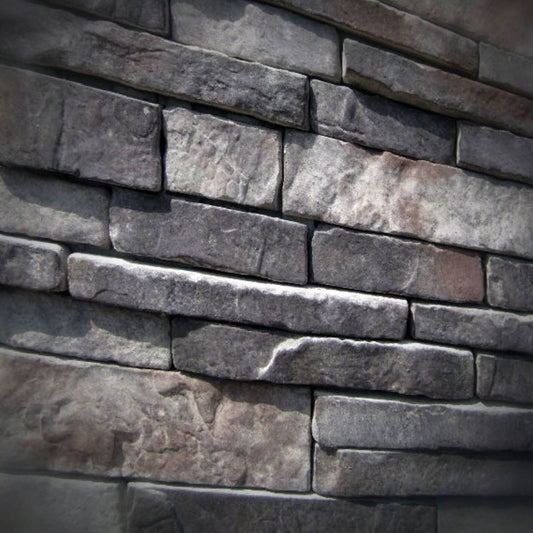
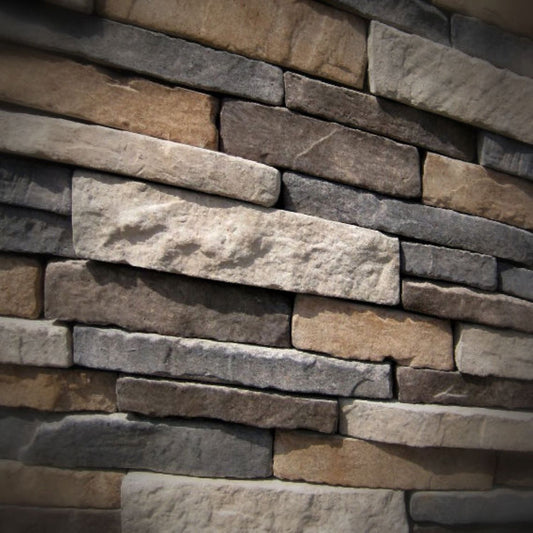
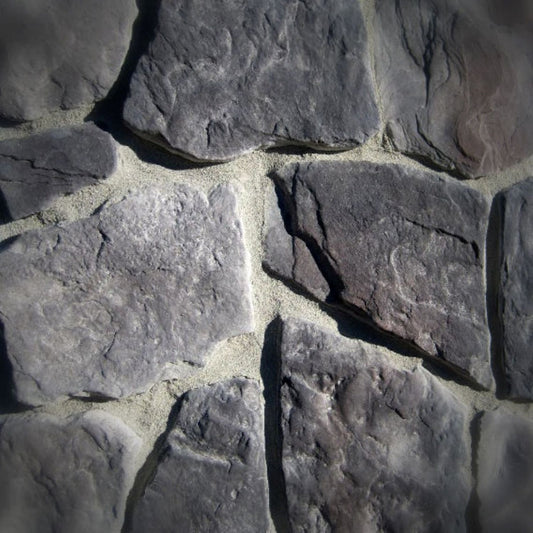
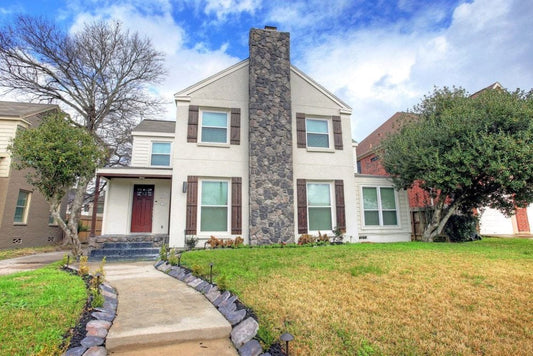
Pictured is ready stack cool gray.