
Stone Veneer Fireplace Ideas with Wood Mantels
Share
Originally posted November 4, 2025, updated November 23, 2026.
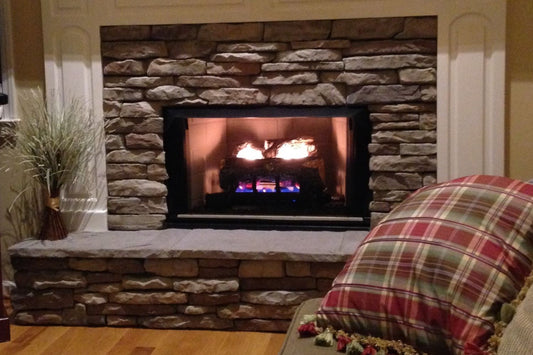
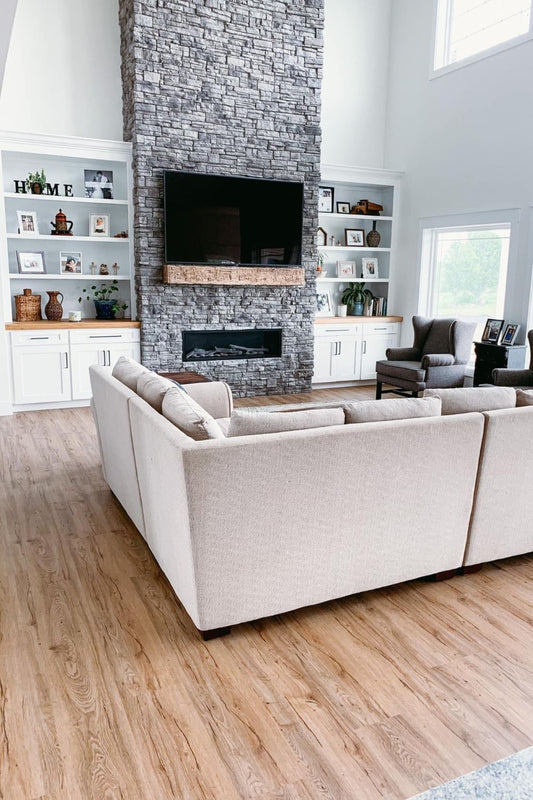
A stone veneer fireplace with a wood mantel combines the natural texture of stone with the warmth of wood to create a beautiful focal point. Manufactured stone veneer pairs well with rustic timber beams, modern floating mantels, and traditional wood designs. For the best results, securely attach the wood mantel to the wall before installing stone veneer around it. This creates a balanced, attractive fireplace while ensuring the mantel is properly supported.
Fireplace often becomes the natural gathering place in a home, and few design combinations make a stronger impression than stone veneer paired with a wood mantel. The contrast between rugged stone textures and the warmth of natural wood creates a welcoming atmosphere that works beautifully in everything from rustic farmhouse interiors to contemporary living spaces.
Whether you're remodeling an existing fireplace or designing a new one, manufactured stone veneer offers an opportunity to create a distinctive fireplace surround without the weight and expense associated with full-bed natural stone. With a wide variety of stone profiles, colors, and textures available, it's easy to find a style that complements your wood mantel and the overall character of your home.
Why Stone Veneer and Wood Mantels Work So Well Together
Stone and wood are natural design partners. Both materials bring texture, warmth, and visual interest to a room, but they contribute different characteristics that make the combination especially appealing.
Manufactured stone veneer creates a substantial, textured backdrop that gives a fireplace presence and character. Depending on the profile you choose, the stone can create anything from a rugged, rustic appearance to a more refined, architectural look. A wood mantel introduces another layer of warmth while providing a natural horizontal element that breaks up the stone surface.
The contrast between these materials is what makes the combination so effective. Dark, weathered wood can create a dramatic accent against lighter stone, while a natural oak or maple mantel can soften the appearance of darker stone colors. The result is a fireplace that feels balanced rather than overly uniform.
Another advantage is versatility. Stone veneer and wood can work together in traditional, farmhouse, mountain-inspired, transitional, and modern interiors. The final appearance depends largely on the stone profile, color, wood selection, and mantel design.
Choosing the Right Manufactured Stone Veneer for Your Wood Mantel
Selecting the right manufactured stone veneer is one of the most important decisions when designing your fireplace. The stone will cover a significant portion of the fireplace wall, making its color, texture, and overall appearance essential to the finished design.
Color is a good place to start. Consider the existing wood tones in your home, including flooring, furniture, cabinetry, and trim. Warm wood finishes such as walnut, cherry, and reclaimed timber generally complement earthy stone colors with brown, tan, cream, and gold undertones. These combinations create a traditional, inviting appearance that works particularly well in farmhouse and rustic interiors.
If you prefer a more contemporary look, consider pairing a lighter wood mantel with gray, charcoal, or cooler neutral stone colors. The contrast creates visual interest without making the fireplace feel overly busy. Alternatively, a darker wood mantel against light gray or cream stone can create a striking focal point.
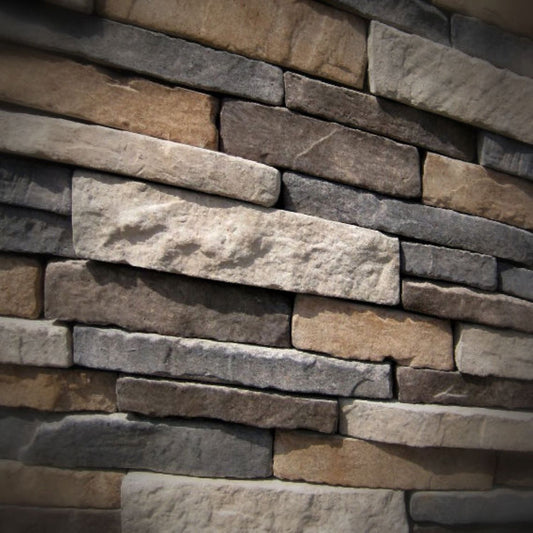
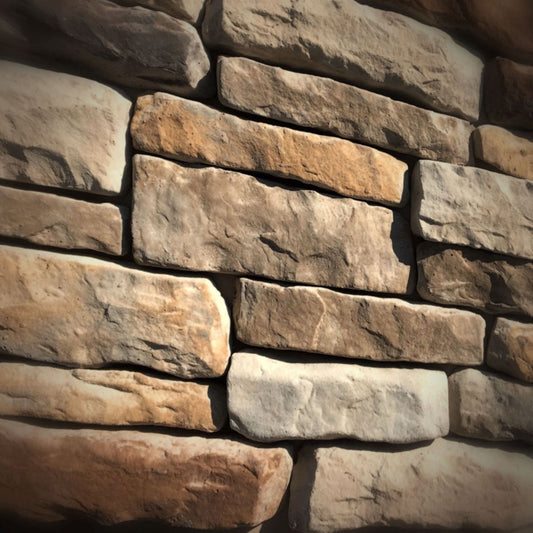
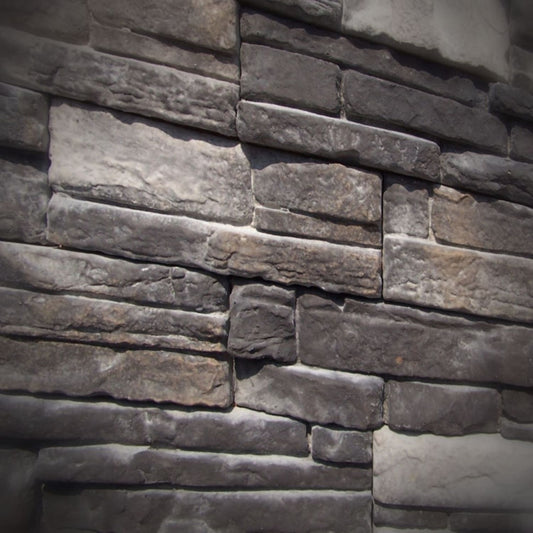
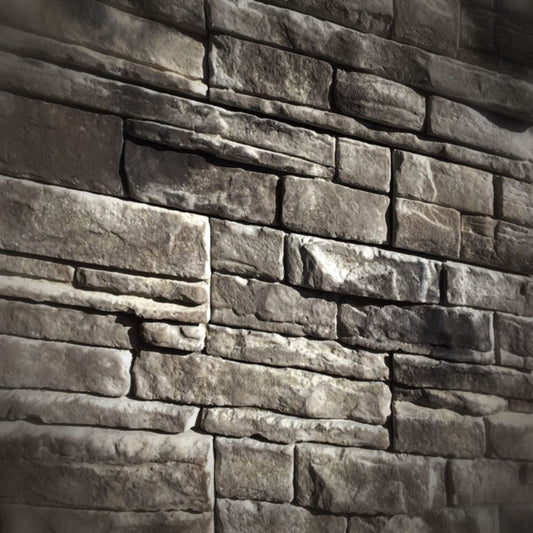
Texture and stone size also influence the overall design. Larger, irregular stones create a rugged appearance reminiscent of traditional mountain homes and rustic fireplaces. Smaller stones and more consistent shapes can produce a more structured, contemporary appearance.
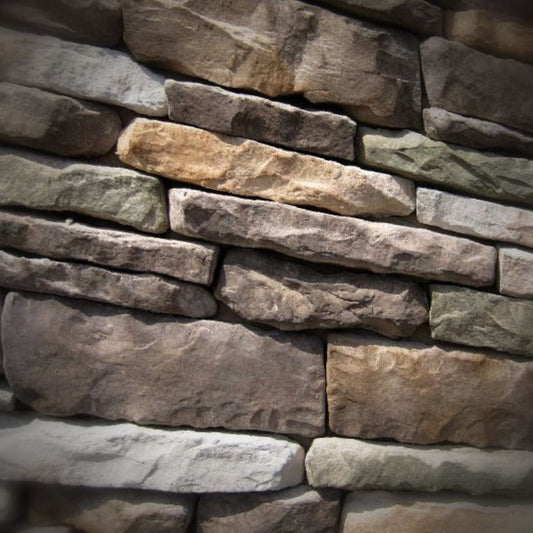
The amount of visible mortar joint also makes a difference. A traditional grouted appearance creates definition between individual stones and can emphasize their shapes and dimensions. A tight-jointed or dry-stack appearance produces a more continuous stone surface with less visible mortar, making it an excellent choice for modern and transitional designs.
When choosing your stone, consider the size of the fireplace and the proportions of the mantel. A large timber beam can look particularly impressive against substantial, irregular stone, while a thinner floating mantel may be better suited to a more uniform stone profile.
Wood Mantel Styles for Stone Veneer Fireplaces
The right wood mantel can bring a stone veneer fireplace together, adding warmth and character while complementing the natural texture of the stone. The style you choose can help define the overall look of your fireplace, whether you prefer rustic, modern, or traditional design.
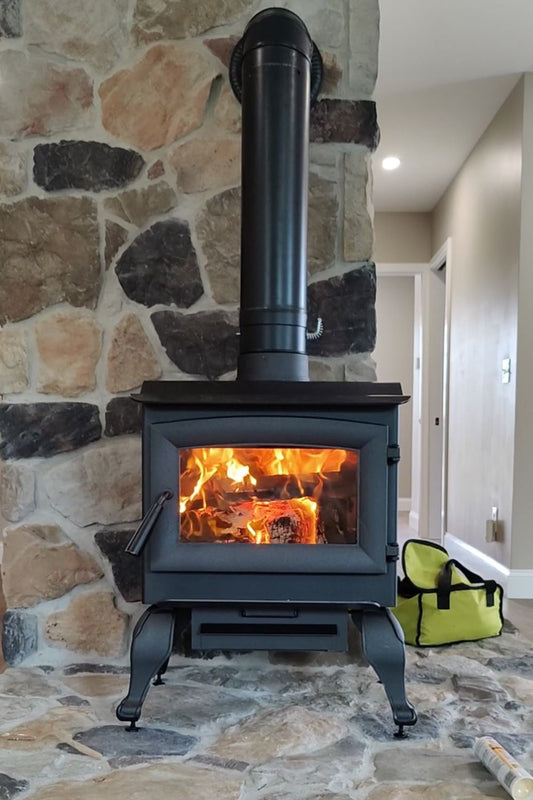
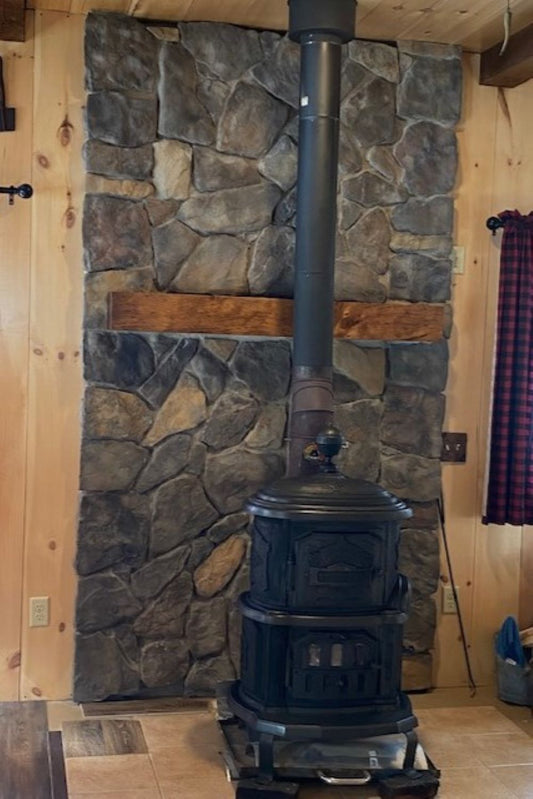
Rustic wood beam mantels are a natural choice for farmhouse, lodge, and mountain-inspired homes. Reclaimed timber and thick wood beams pair beautifully with fieldstone, ledgestone, and other rugged manufactured stone veneer profiles. Visible wood grain, knots, and weathered finishes add character and create a warm, inviting focal point.
For a more contemporary look, floating wood mantels offer a simple alternative. Their clean lines and understated design create an attractive contrast against textured stone. Light oak, maple, and natural wood finishes work particularly well with gray and neutral stone colors, making this combination ideal for modern living spaces.
Traditional and decorative wood mantels are another excellent option. Carved details and classic wood finishes complement limestone-inspired and ashlar stone profiles, creating a more refined appearance. The key is choosing a mantel that enhances the stone rather than competing with its natural texture.
How to Coordinate Your Fireplace With the Rest of Your Home
A stone fireplace and wood mantel should feel connected to the surrounding room. While the fireplace can certainly stand out as a focal point, incorporating similar colors and materials elsewhere helps create a more cohesive interior.
Consider coordinating the wood mantel with hardwood flooring, exposed ceiling beams, furniture, or cabinetry. The wood finishes don't need to match exactly. In fact, using slightly different but complementary wood tones often creates a more natural appearance.
Stone colors can also be repeated through other design elements. Neutral stone tones work well with natural fabrics, wood furniture, and understated wall colors. Darker stone can be balanced with lighter furniture, warm lighting, and natural wood accents.
Lighting is another important consideration. Recessed lighting, wall sconces, and carefully positioned accent lights can emphasize the texture of the stone and bring out the natural character of the wood mantel.
If you're planning a larger renovation, consider carrying the same stone veneer into an adjoining accent wall, entryway, or other architectural feature. This can help connect different areas of an open-concept living space.
Installing Manufactured Stone Veneer Around a Wood Fireplace Mantel
Proper installation is essential for both the appearance and safety of your finished fireplace. One important detail homeowners sometimes overlook is the order in which the mantel and manufactured stone veneer should be installed.
The wood mantel must be securely attached to the wall before installing the stone veneer. Stone veneer is a decorative facing material and is not designed to support the weight of a wood mantel. Attempting to mount a heavy mantel directly onto the finished stone surface can result in cracking, instability, or damage.
Instead, determine the mantel's location and mounting requirements before beginning the stone installation. Secure the mantel directly to the appropriate wall framing or structural support using suitable mounting hardware. Once the mantel is properly installed, the manufactured stone veneer can be applied around it to create a finished, integrated appearance.
The stone installation itself requires the appropriate preparation and materials. Depending on the existing wall construction, this may involve a water-resistive barrier, metal lath, and a mortar scratch coat before the manufactured stone veneer is installed. Suitable masonry surfaces may have different preparation requirements.
Type S mortar is required for installation. Construction adhesive or general-purpose glue should not be substituted for the recommended mortar installation method.
It's also important to understand the distinction between a fireplace surround and the firebox itself. Manufactured stone veneer is suitable for decorative fireplace surrounds when installed according to the applicable requirements, but it is not intended for direct flame exposure or installation inside a firebox. Always follow applicable building codes, fireplace manufacturer clearances, and installation requirements for combustible materials such as wood mantels.
Taking the time to plan the mantel placement and stone installation will help ensure the finished fireplace is attractive, secure, and built to last.
Stone Veneer Fireplace Ideas with Wood Mantels
A wood mantel and manufactured stone veneer fireplace offer a combination of natural texture, warmth, and timeless appeal. Whether you prefer the rugged character of a reclaimed timber beam, the simplicity of a floating mantel, or the elegance of a traditional wood surround, the right stone profile can bring the entire design together. With countless combinations of stone colors, textures, and wood finishes, it's easy to create a fireplace that complements your home's style and enhances the surrounding living space. By considering the proportions, materials, and overall design, you can create a beautiful fireplace that remains a welcoming focal point in your home for years to come.
Frequently Asked Questions About Stone Veneer Fireplace Ideas with Wood Mantels
Can you install a wood mantel on a stone veneer fireplace?
Yes, but the wood mantel must be securely attached to the wall framing or appropriate structural support before the manufactured stone veneer is installed. Stone veneer is not designed to support the weight of a mantel. Installing the mantel first and applying the stone around it creates a finished appearance while ensuring the mantel is properly supported.
What type of wood looks best with a stone fireplace?
Reclaimed timber, oak, walnut, maple, and other natural hardwoods are popular choices for stone fireplace mantels. Reclaimed wood and thick timber beams complement rugged stone profiles, while lighter woods such as oak and maple work particularly well with contemporary fireplace designs. The best choice depends on your stone color, interior finishes, and preferred decorating style.
What color stone veneer goes best with a wood mantel?
The best stone color depends on the wood finish and the overall appearance you're trying to achieve. Warm wood tones generally complement beige, tan, brown, and other earthy stone colors. Lighter wood finishes pair beautifully with gray, charcoal, and neutral stone profiles. Contrasting colors can also create an attractive focal point without requiring the wood and stone to match.
Is manufactured stone veneer suitable for a fireplace surround?
Yes. Cement-based manufactured stone veneer is commonly used to create decorative fireplace surrounds. It provides the appearance of natural stone while being lighter and generally easier to work with than full-bed natural stone. However, it is not intended for direct flame exposure or installation inside a firebox. Follow applicable fireplace clearances and installation requirements.
Can I install manufactured stone veneer around an existing wood mantel?
Yes, provided the existing mantel is securely attached to the wall and the surrounding surface is suitable for manufactured stone veneer installation. The wall may require additional preparation depending on its construction. The stone should be installed around the mantel, not used as a structural mounting surface for it.
Does manufactured stone veneer require professional installation?
Manufactured stone veneer can be installed by experienced DIY homeowners as well as professional masons and contractors. Successful installation requires proper surface preparation, the correct mortar, attention to clearances, and careful placement of the individual stones. Homeowners unfamiliar with masonry installation may prefer to hire an experienced installer to ensure a professional result.
What's Next?
Enhance your home with premium stone veneer. Shop now to start your timeless, durable project or order a sample to see the authentic texture and rich, natural colors up close or
Have a Question?
Please see our full terms of service or check out our frequently asked questions.
For general information and questions please call: (864) 882-8960 Mon. - Fri. 8am - 5pm (EST) or email: info@blackbearmountainstone.com we are more than happy to help you.
Or you can submit your questions via our contact us page.
We look forward to working with you on your upcoming project.
The Black Bear Mountain Stone Team
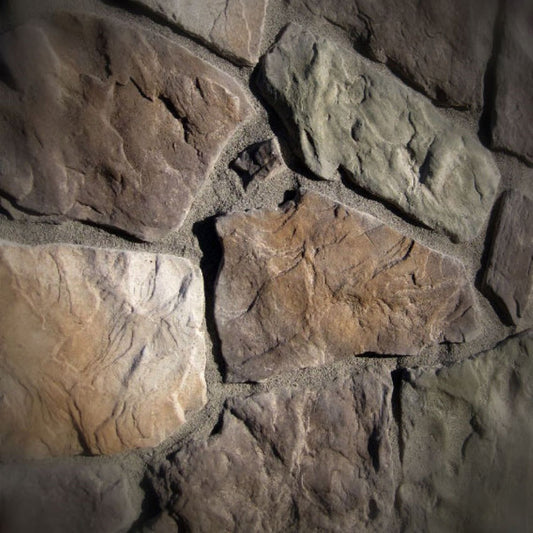
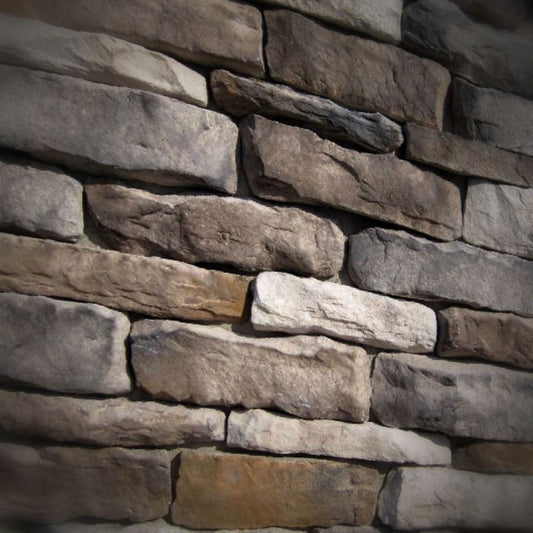
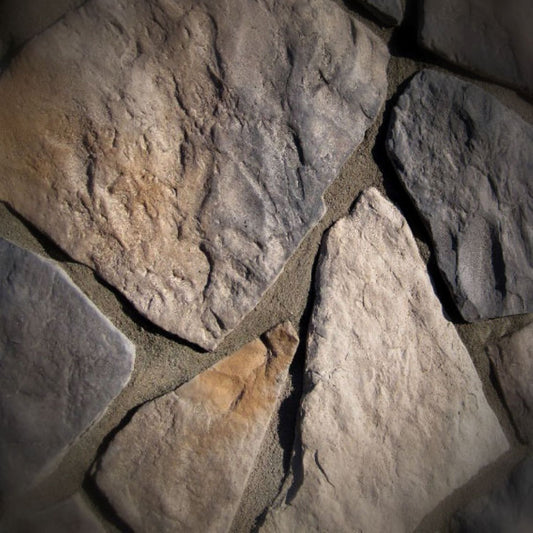
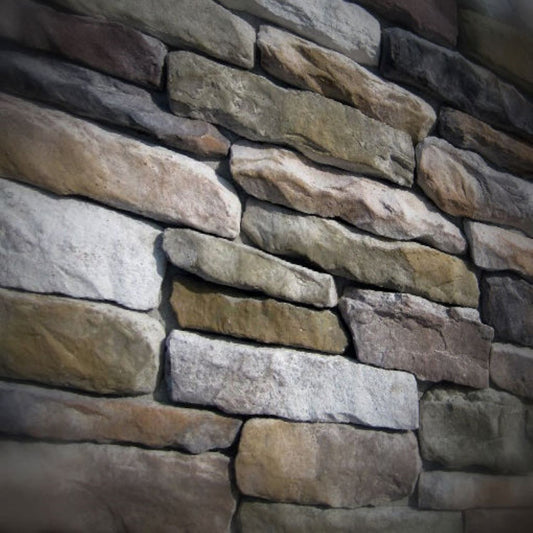
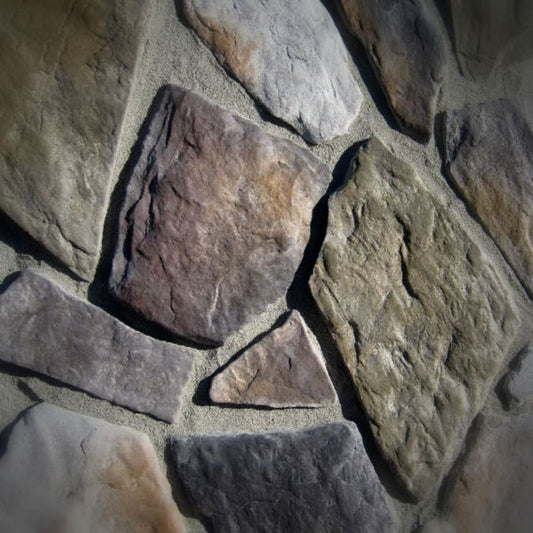
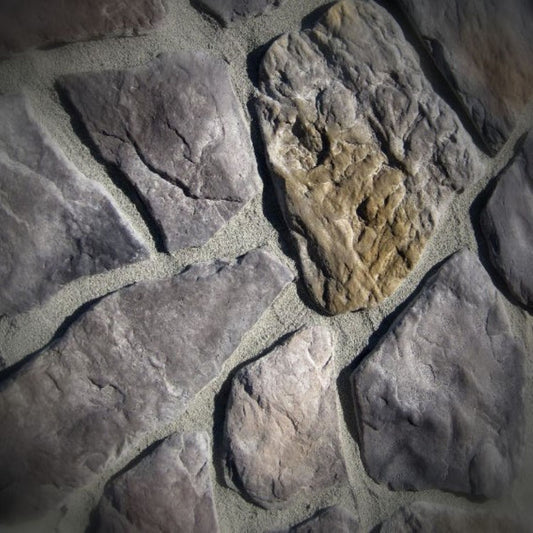
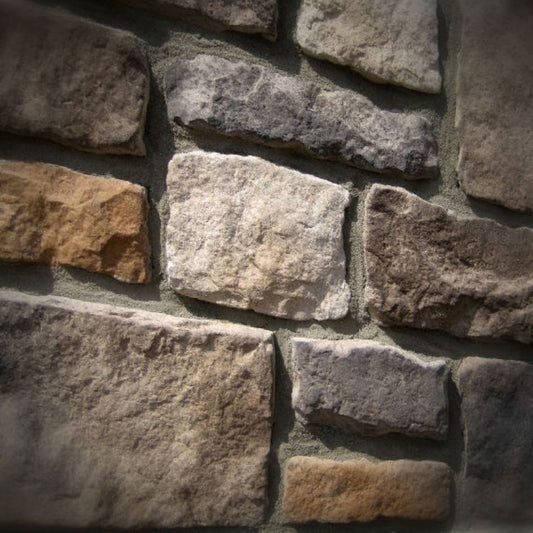
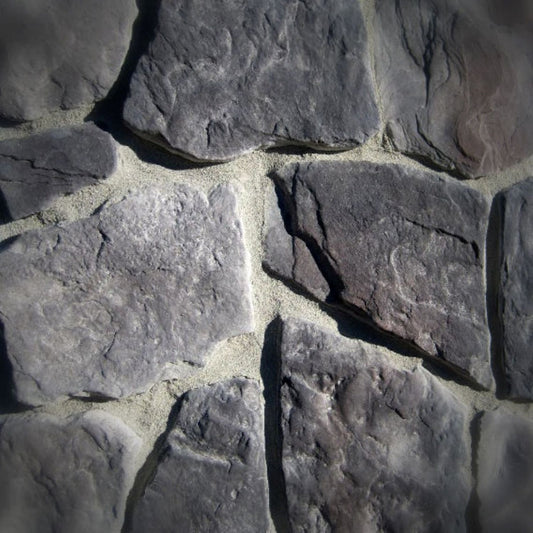
Pictured is field stone mossy creek.
The information shared in this blog is for general informational purposes only and is based on our opinions and experience within the stone veneer industry. Every stone veneer installation, application, project site, and manufacturer’s product is unique, and outcomes may vary depending on materials, site conditions, installation methods, and local building codes. While we aim to provide accurate and helpful guidance, this content should be used as a reference only and not as a substitute for professional advice, manufacturer instructions, or applicable building regulations. Always consult the product manufacturer, a qualified installer, and local authorities before starting any stone veneer project.