
Is Stone Veneer Good for a Fireplace? Pros, Cons, and Design Ideas
Share
Originally posted October 21, 2024, updated March 4, 2026.
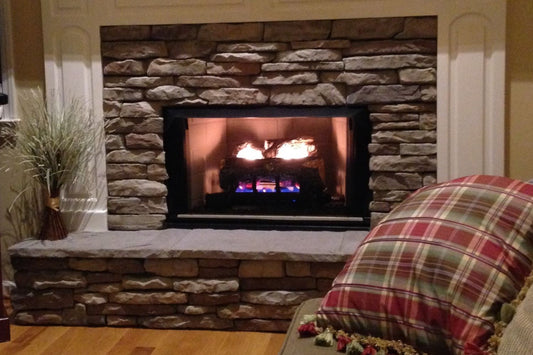
Manufactured stone veneer is an attractive, cost-effective option for fireplace surrounds and accent walls. It offers the look of natural stone in a lighter-weight format, with a wide range of colors, textures, and styles for traditional and contemporary homes. When installed over a suitable substrate and according to fireplace clearances, building codes, and manufacturer instructions, stone veneer can create a durable, long-lasting focal point indoors or outdoors.
A fireplace naturally draws attention, bringing warmth, character, and a welcoming atmosphere to a living space. However, an outdated brick surround, worn tile, or plain wall can make an otherwise beautiful room feel dated. Manufactured stone veneer offers a way to transform a fireplace without the expense and complexity of rebuilding it with full-thickness natural stone.
Available in styles ranging from rugged fieldstone and textured ledgestone to tightly fitted stacked stone and classic limestone, manufactured stone veneer can complement nearly any architectural style. Its relatively lightweight construction and versatile design options make it a popular choice for fireplace renovations, new construction, and outdoor living spaces.
Whether you want a rustic farmhouse fireplace, a contemporary feature wall, or a dramatic floor-to-ceiling stone installation, manufactured stone veneer offers flexibility without sacrificing the timeless appeal of stone. Understanding its benefits, installation requirements, and limitations will help you determine whether it is the right choice for your project.
Why Choose Manufactured Stone Veneer for a Fireplace?
Manufactured stone veneer combines the appearance of natural stone with practical advantages that make it well suited to many fireplace projects. It is typically made from Portland cement, lightweight aggregates, and iron oxide mineral pigments, with molded textures and shapes designed to replicate natural stone.
One of its biggest advantages is design versatility. Homeowners can choose from a variety of stone profiles, colors, sizes, and textures to complement existing finishes or establish an entirely new design direction. Unlike full-thickness natural stone, manufactured stone veneer is designed as a facing material, making it a more practical option for many interior renovations.
The lighter weight can simplify handling and installation compared with full-bed stone, potentially reducing labor and material costs. However, the existing wall and fireplace assembly must still be evaluated to determine whether the selected veneer system can be installed safely and securely.
Manufactured stone veneer also offers long-term visual appeal. When properly installed and maintained, it can remain an attractive fireplace finish for decades, making it a worthwhile consideration for homeowners who want a lasting alternative to paint, decorative panels, or other finishes that may need more frequent updating.
Can You Install Stone Veneer Over an Existing Fireplace?
One of the most appealing aspects of a stone veneer fireplace renovation is the opportunity to update an existing structure rather than start from scratch. In many cases, manufactured stone veneer can be installed over an existing brick or concrete fireplace surround, provided the surface is sound, properly prepared, and compatible with the installation system.
Older brick fireplaces are particularly good candidates for visual transformations. Replacing the appearance of dated brick with ledgestone, limestone, or fieldstone can change the entire character of a room. Ceramic tile surrounds may also be suitable in some situations, but the existing tile, its bond, and the underlying substrate must be evaluated before installation. A suitable backing system or removal of the existing finish may be necessary.
Interior drywall requires special consideration. Manufactured stone veneer should not automatically be bonded directly to bare drywall. The appropriate substrate and preparation depend on the wall construction, the veneer system, and the fireplace's heat exposure. Metal lath, a mortar scratch coat, or another approved backing assembly may be required. Cement board alone does not automatically make every installation suitable, and the complete assembly must meet applicable requirements.
Before beginning a renovation, inspect the existing fireplace for loose masonry, cracking, moisture damage, and other conditions that could compromise the finished installation. If the project involves changing the fireplace insert, modifying the firebox, or altering nearby combustible materials, consult a qualified professional before proceeding.
Is Manufactured Stone Veneer Safe Around a Fireplace?
Safety is one of the most important considerations when choosing a fireplace finish. Cement-based manufactured stone veneer is generally noncombustible, making it a suitable facing material for many fireplace surrounds when installed as part of an appropriate assembly. However, noncombustible does not mean fire-rated, and the veneer should never be assumed to protect combustible framing or other materials behind it.
The distinction between the fireplace surround and the firebox is essential. Manufactured stone veneer is intended for approved facing applications, not for lining the inside of a firebox or contacting direct flames. The firebox, chimney, venting system, and surrounding materials must all be designed and installed for the specific appliance and its operating temperatures.
Clearance requirements vary depending on whether the installation involves a wood-burning fireplace, gas fireplace, fireplace insert, or wood stove. Mantels, trim, framing, and other combustible materials must remain at the distances specified by the fireplace manufacturer and applicable building codes. Mortar, backing materials, and other components must also be suitable for the intended application.
Always review the appliance manufacturer's installation instructions and local building requirements before selecting materials or beginning work. When the existing assembly is unclear, a qualified fireplace installer or building professional can help determine which installation methods are appropriate.
Stone Veneer Fireplace Design Ideas
Manufactured stone veneer makes it possible to create fireplace designs that range from understated and traditional to bold and contemporary. The best profile depends on the room's architecture, the surrounding finishes, and the overall atmosphere you want to create.
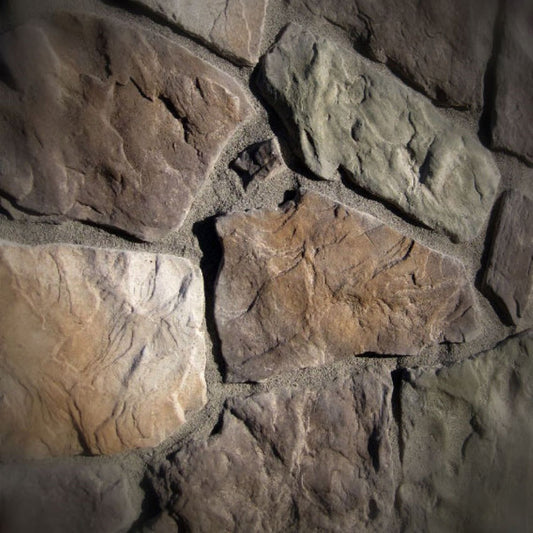
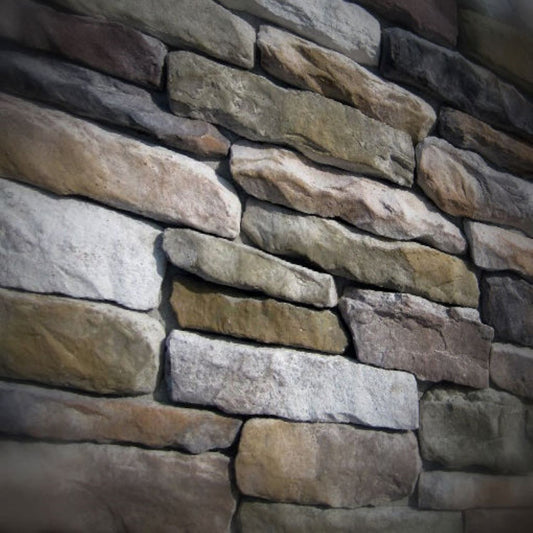
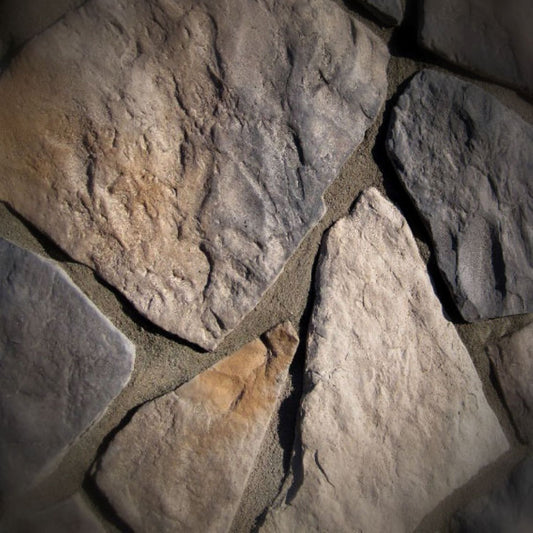
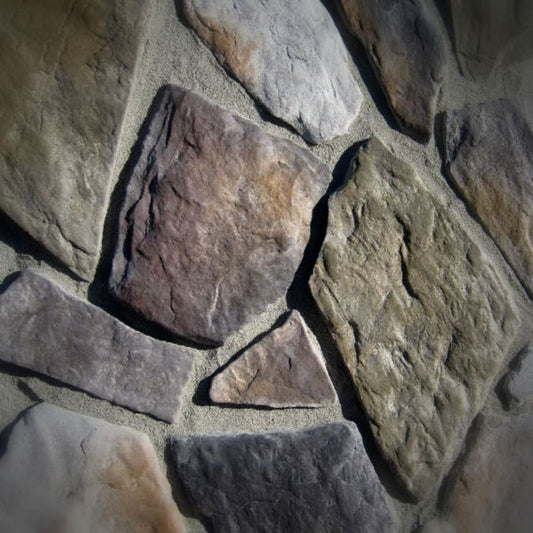
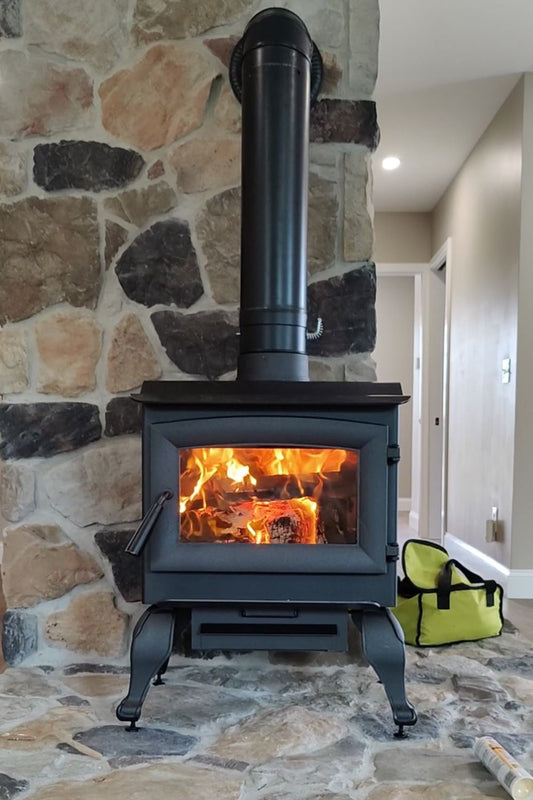
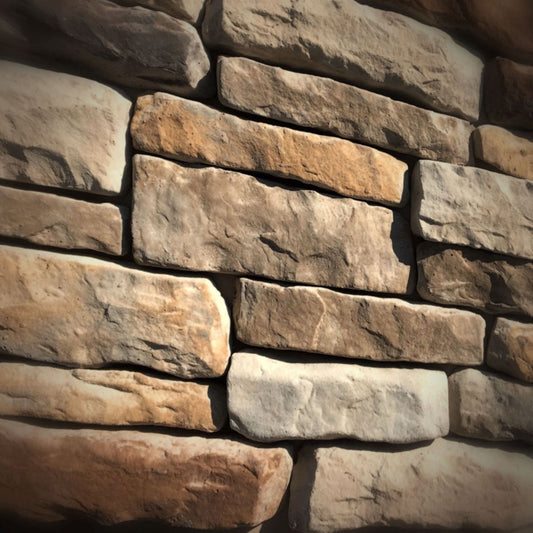
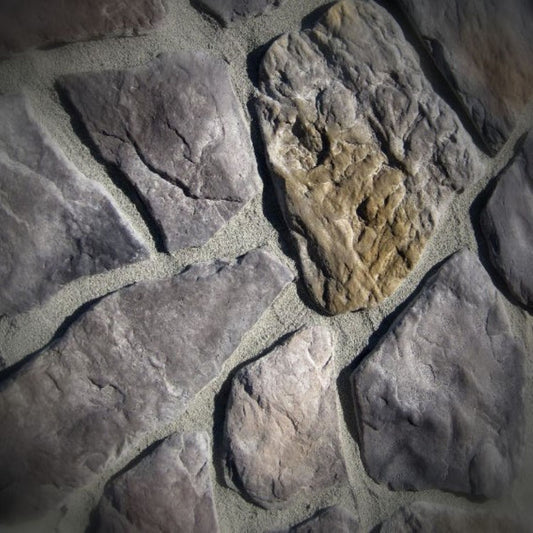
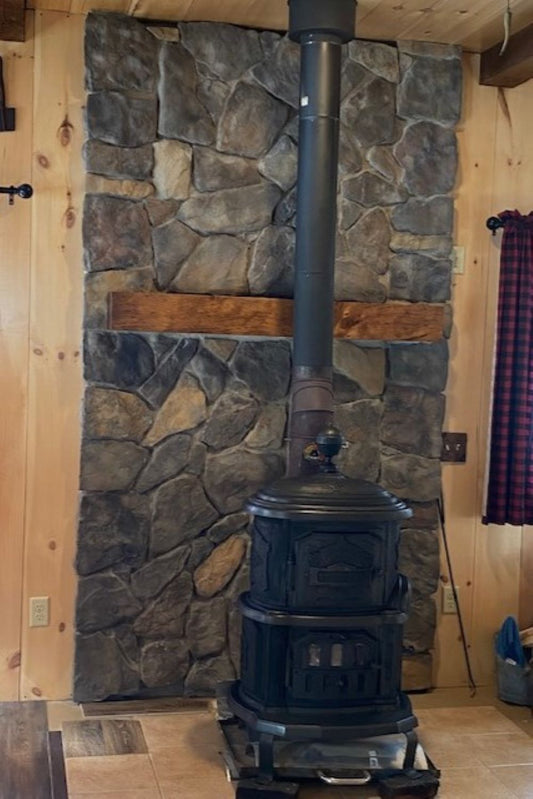
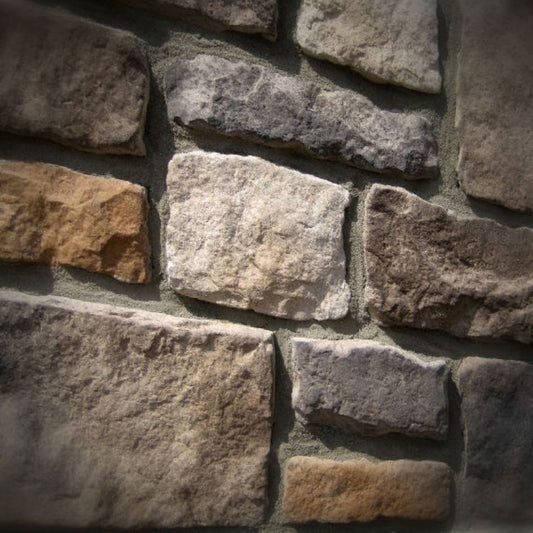
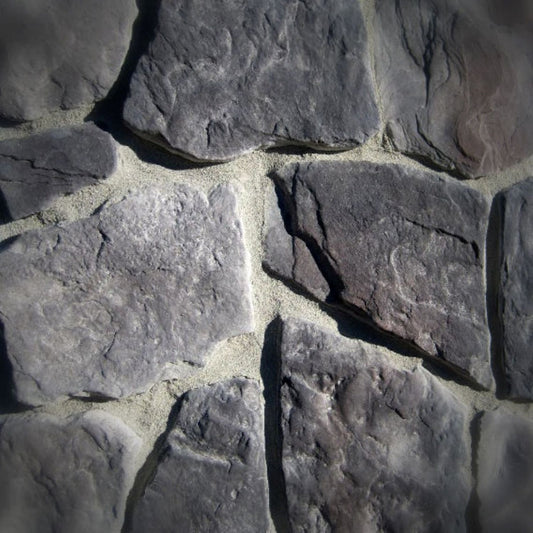
For a rustic farmhouse or mountain-inspired interior, fieldstone offers irregular shapes, varied textures, and an organic appearance. Pairing fieldstone with a wood mantel, exposed beams, and neutral furnishings can create a welcoming focal point without making the room feel overly formal.
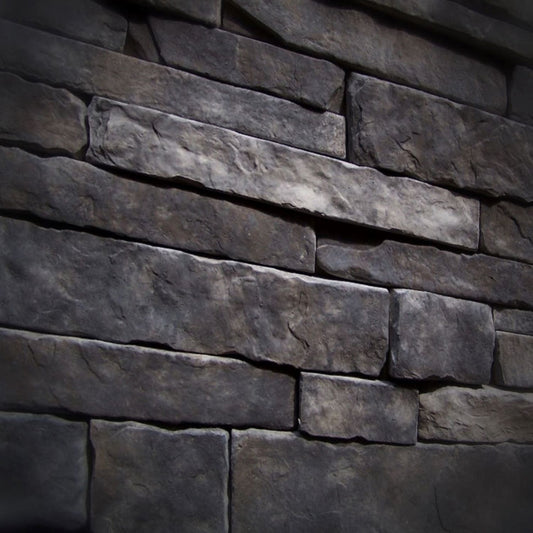
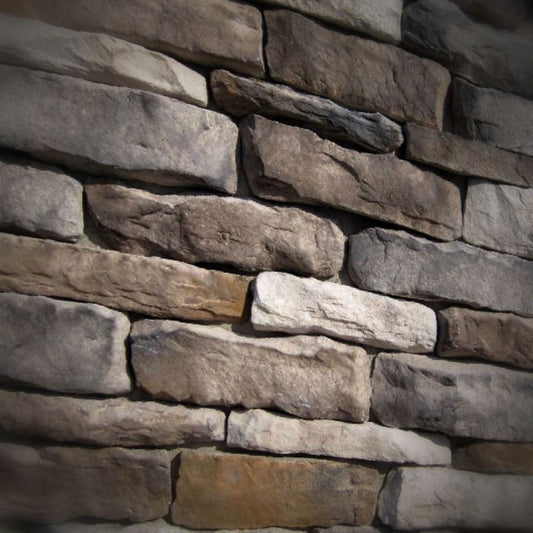
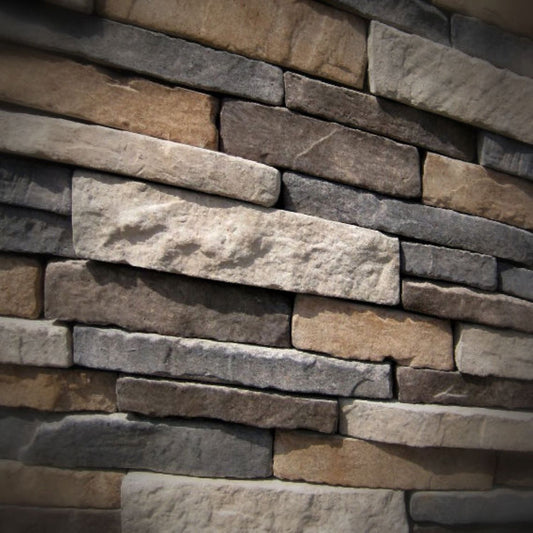
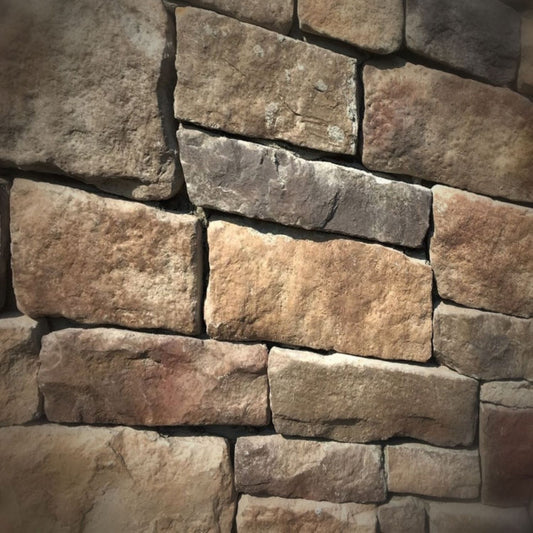
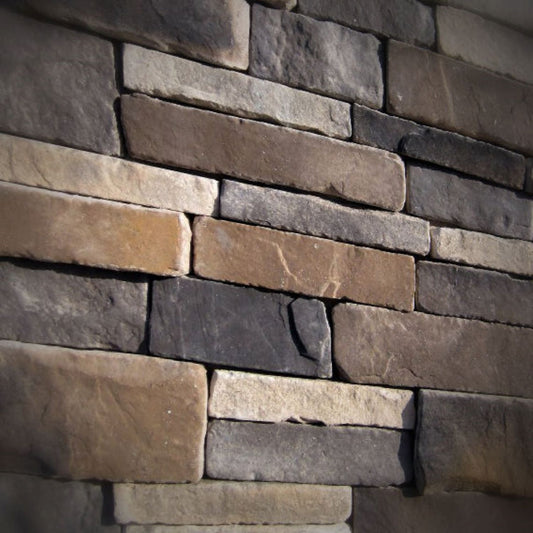
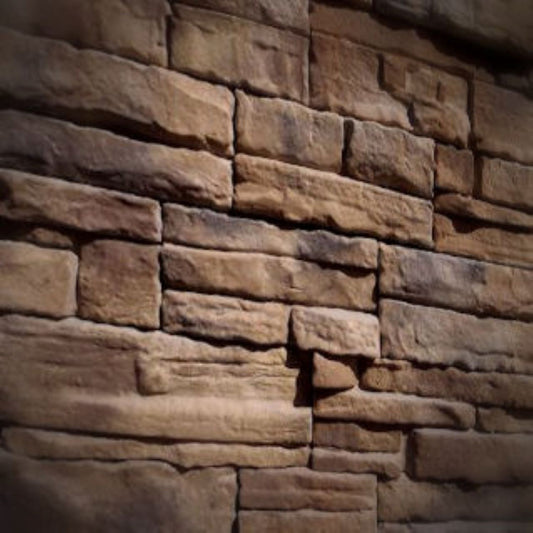
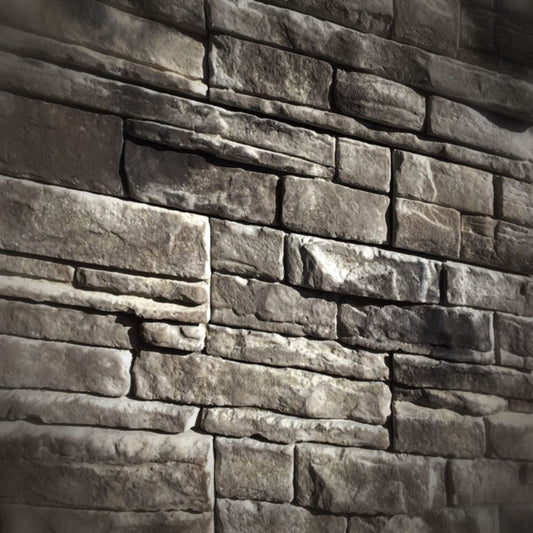
Ledgestone is another versatile option. Its elongated, relatively thin stones create horizontal lines and visual movement, making it suitable for traditional, transitional, and contemporary interiors. Depending on the profile and color, ledgestone can feel rugged and rustic or more restrained and architectural.
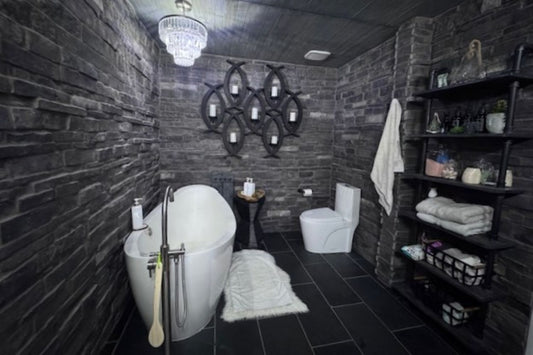
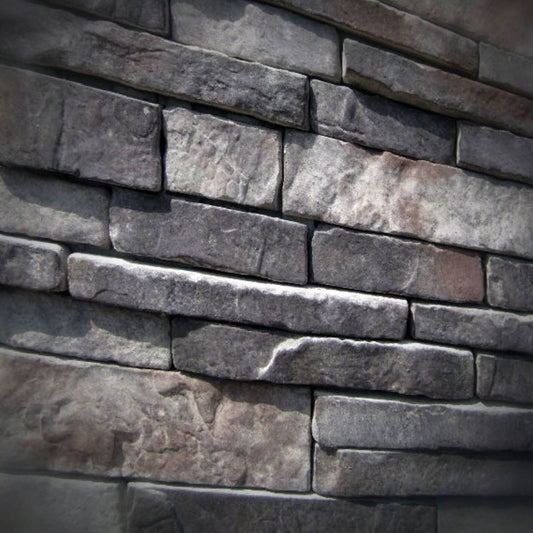
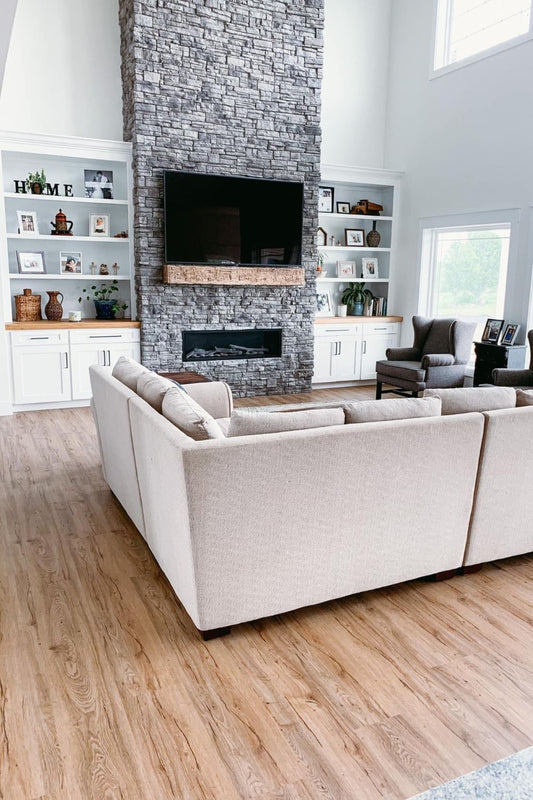
Stacked stone is a popular choice for homeowners who prefer tightly fitted individual stones, narrow joints, and a dry-stack appearance. Gray, charcoal, and other subdued colors can complement modern interiors, while warmer earth tones work well with natural wood and traditional furnishings.
Limestone-inspired profiles provide a classic look that works particularly well in traditional homes, transitional spaces, and interiors that emphasize subtle texture. Lighter shades can help a fireplace feel bright and refined, while darker stone creates contrast against pale walls and cabinetry.
For a more dramatic result, consider extending the veneer from the fireplace surround to the ceiling. A floor-to-ceiling stone feature wall adds height and visual presence, especially in rooms with vaulted ceilings or open layouts. In smaller spaces, covering only the surround may provide enough texture without overwhelming the room.
Two-tone designs can also introduce contrast, but combining different stone profiles requires careful planning. Coordinating the stone with the mantel, hearth, flooring, and wall color helps the finished fireplace feel intentional rather than visually crowded.
Choosing the Right Mantel and Hearth
A mantel and hearth can significantly influence the finished look of a stone veneer fireplace. A substantial wood mantel introduces warmth and contrast, particularly when paired with rugged fieldstone or ledgestone. A simpler mantel profile can complement tightly fitted stacked stone and contemporary interiors.
Stone hearths and capstones provide another way to create a cohesive design. Matching or complementary materials can visually connect the surround with the fireplace base, while contrasting colors can make individual features stand out.
Appearance is only one consideration. The hearth must meet the requirements of the specific fireplace, including applicable dimensions, extension requirements, and material specifications. Combustible mantels and decorative wood elements must also comply with the required clearances. Choose these components as part of the overall fireplace design rather than treating them as purely decorative additions.
How is Stone Veneer Installed Around a Fireplace?
A successful installation starts with a suitable substrate. The installer must assess the existing surface, determine whether additional preparation is needed, and select a compatible installation system. Depending on the project, preparation may involve cleaning and repairing masonry, installing an approved backing assembly, applying a scratch coat, or removing an unsuitable finish.
Once the substrate is ready, the stone pieces are arranged to create a balanced distribution of shapes, sizes, and colors. Dry-laying portions of the veneer before installation can help the installer avoid concentrated color variations or repeated-looking arrangements. Corners, edges, transitions, and openings require particular attention because these details strongly affect the finished appearance.
The mortar and installation method must follow the selected product's instructions and suit the substrate and exposure conditions. There is no single installation method that applies to every manufactured stone veneer product or fireplace assembly.
Although experienced DIYers may be able to complete smaller projects, large fireplace walls, complex layouts, and installations near heat-producing appliances can be challenging. A qualified installer can help ensure that the veneer is securely bonded, the layout looks natural, and the completed assembly complies with applicable requirements.
Indoor and Outdoor Stone Veneer Fireplaces
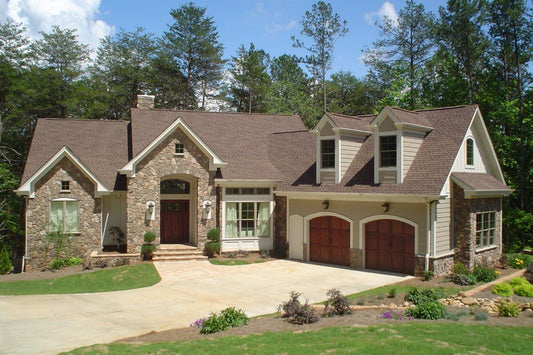
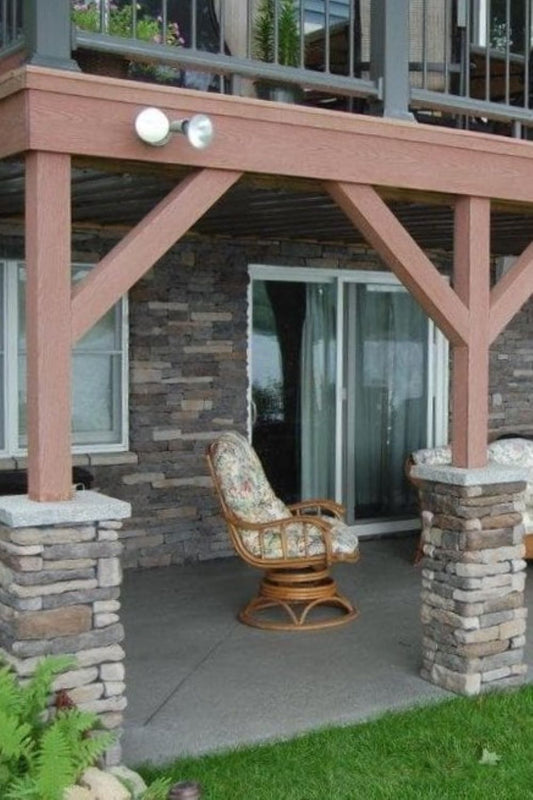
Manufactured stone veneer is used for both interior fireplaces and many outdoor fireplace designs, but the installation conditions differ. Indoor fireplaces generally face household dust, occasional soot, and normal changes in indoor temperature and humidity. Outdoor fireplaces are exposed to rain, temperature fluctuations, sunlight, and potentially repeated freeze-thaw cycles.
For outdoor projects, the complete assembly must be suitable for exterior exposure. Proper moisture management, drainage, flashing where required, and compatible installation materials are important for long-term performance. A veneer that is appropriate for an interior wall should not automatically be assumed suitable for every outdoor application.
Outdoor veneer must also be kept separate from direct flame and firebox interiors unless a component is specifically designed and approved for that use. For fire pits and outdoor fireplaces, follow the appliance or structure design requirements as well as the veneer manufacturer's guidance.
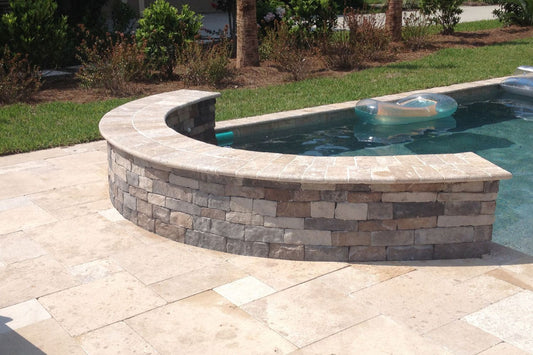
With appropriate materials and installation, manufactured stone veneer can create a cohesive look between indoor living areas and outdoor entertaining spaces.
Maintenance, Longevity, and Home Value
Manufactured stone veneer is relatively low maintenance when installed correctly. Routine care usually involves dusting and gentle cleaning with a soft brush or cloth and a suitable cleaning solution. Avoid harsh chemicals, abrasive tools, or aggressive cleaning methods that could damage the stone's surface or mortar joints.
For fireplaces used regularly, occasional inspection can help identify loose pieces, deteriorating joints, or other signs of damage. Soot and staining should be addressed with cleaning methods appropriate for the specific product rather than an untested chemical or abrasive treatment.
Sealing is not automatically necessary for every indoor fireplace. Some applications may benefit from a compatible, breathable masonry sealer, particularly where staining is a concern, but the decision depends on the product, exposure, and manufacturer's recommendations. Always test cleaning products or sealers on an inconspicuous area before treating the entire surface.
A well-designed stone veneer fireplace can also improve a home's visual appeal. Because fireplaces often serve as focal points, an updated surround can make a living room or great room feel more finished and distinctive. While no renovation guarantees a particular increase in resale value, a thoughtfully designed fireplace may improve a home's presentation and appeal to prospective buyers.
Is Stone Veneer Good for a Fireplace?
For many homeowners, manufactured stone veneer offers an appealing combination of design flexibility, relatively lightweight construction, durability, and cost-effectiveness. It can refresh an outdated brick fireplace, create a dramatic accent wall, or bring natural texture to a new construction project without requiring full-thickness natural stone.
The most important factors are choosing a profile that suits the space, evaluating the existing substrate, and ensuring that the complete installation meets fireplace safety requirements. When those details are addressed, manufactured stone veneer can provide a lasting focal point that complements your home for years to come.
Frequently Asked Questions About Is Stone Veneer Good for a Fireplace?
Is manufactured stone veneer good for a fireplace?
Yes. Manufactured stone veneer is a popular choice for fireplace surrounds because it offers the appearance of natural stone, a wide range of design options, and relatively low maintenance. It must be installed as part of an appropriate assembly and kept within the fireplace manufacturer's required clearances.
Can you put stone veneer over an existing brick fireplace?
In many cases, yes. Existing brick can provide a suitable base if it is structurally sound, properly prepared, and compatible with the selected installation system. Damaged, loose, or unsuitable surfaces may need repair or additional preparation before veneer is installed.
Can stone veneer be installed directly on drywall around a fireplace?
Not automatically. Bare drywall is not an appropriate direct-bonding surface for every manufactured stone veneer installation. The required substrate and preparation depend on the installation system, wall construction, and heat exposure, so verify the complete assembly before proceeding.
Does manufactured stone veneer withstand fireplace heat?
Cement-based manufactured stone veneer is generally noncombustible and can be used around many fireplaces when properly installed. It is not intended for the inside of a firebox or direct flame contact, and the complete assembly must meet the appliance manufacturer's clearance and material requirements.
Does a stone veneer fireplace need to be sealed?
Not necessarily. Many indoor fireplace surrounds do not require sealing, although a compatible breathable sealer may be appropriate in some situations. Check the veneer manufacturer's recommendations and test any proposed sealer before applying it to the entire surface.
Is manufactured stone veneer cheaper than natural stone for a fireplace?
Manufactured stone veneer is generally less expensive than full-thickness natural stone in material cost and may reduce installation labor because it is lighter and easier to handle. Total project costs depend on the fireplace's size, substrate preparation, selected profile, labor rates, and additional features such as mantels and hearths.
What's Next?
Bring your vision to life with our premium stone veneer! Shop now to explore our collection or order a sample today to experience the quality firsthand!
Have a Question?
Please see our full terms of service or check out our frequently asked questions.
For general information and questions please call: (864) 882-8960 Mon. - Fri. 8am - 5pm (EST) or email: info@blackbearmountainstone.com we are more than happy to help you.
Or you can submit your questions via our contact us page.
We look forward to working with you on your upcoming project.
The Black Bear Mountain Stone Team
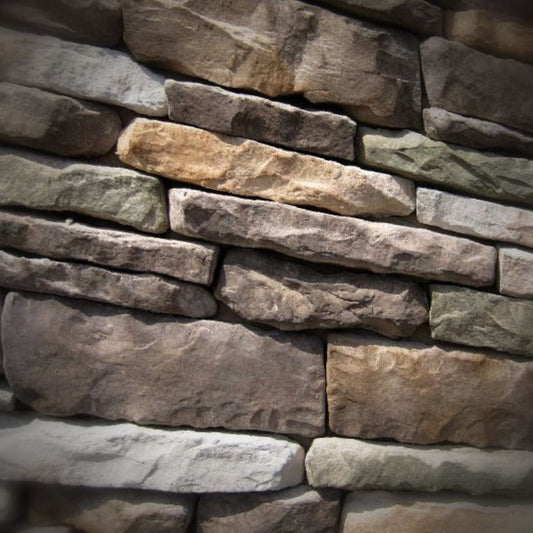
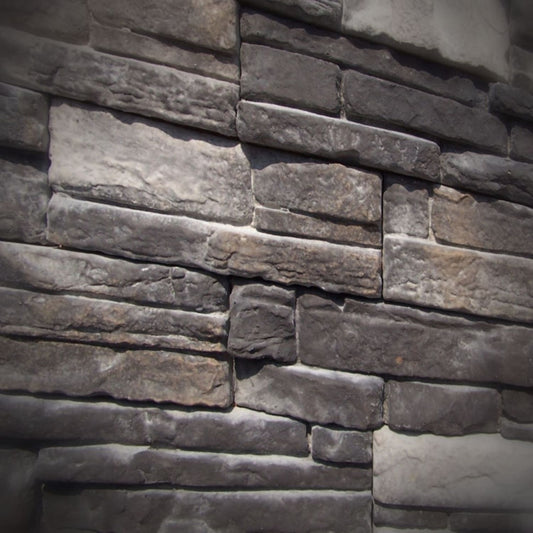
Pictured is ledge stone ash.