
How to Choose the Right Color Stone Veneer
Share
Originally posted May 1 2025, updated August 17 2026.
To choose the right manufactured stone veneer color, consider your existing siding, roof, trim, flooring, cabinets, and other permanent finishes. Compare warm, cool, and neutral stone colors in natural and artificial lighting, and always order physical samples before making a final decision. The best stone veneer color complements your home’s existing colors while creating the style and atmosphere you want.
Choosing a manufactured stone veneer color is one of the most important decisions you'll make when planning a stone veneer project. The right color can complement your home's architecture, highlight existing finishes, and create a cohesive look that remains appealing for years. The wrong color, however, can compete with your siding, cabinets, roof, or other major design elements.
Manufactured stone veneer is available in a wide variety of colors and blends, ranging from light creams and warm beiges to deep browns, grays, charcoal, and multi-color combinations. Because stone veneer is such a visually prominent material, choosing a color involves more than simply selecting the shade you like best.
The best approach is to consider the entire space. Look at the colors already present, think about how lighting will affect the stone, consider the architectural style of your home, and evaluate physical samples before committing to a larger order.
Start With the Existing Colors Around Your Home
Before choosing a manufactured stone veneer color, look at the materials and finishes that are already part of your home.
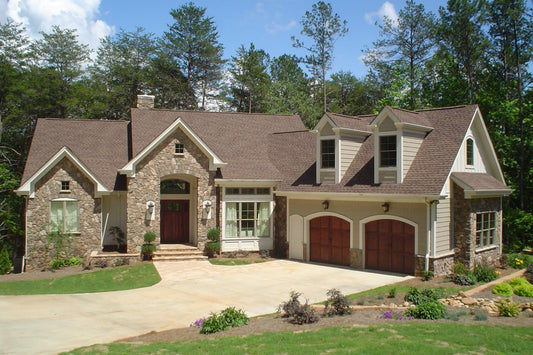
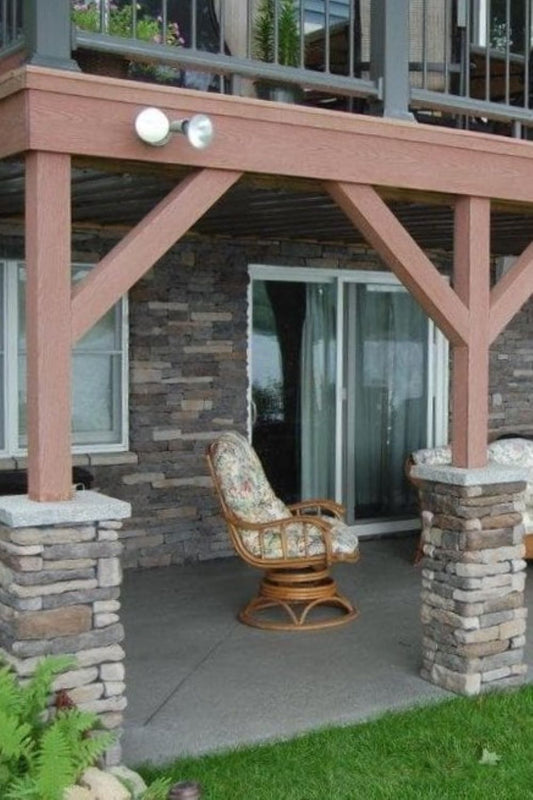
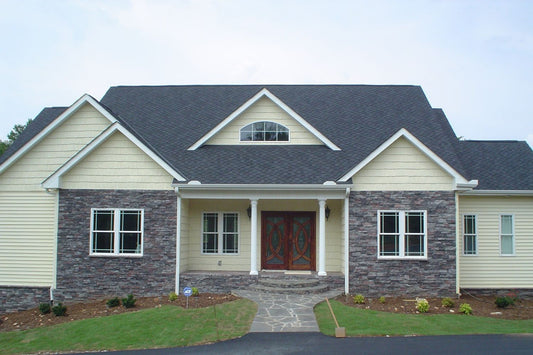
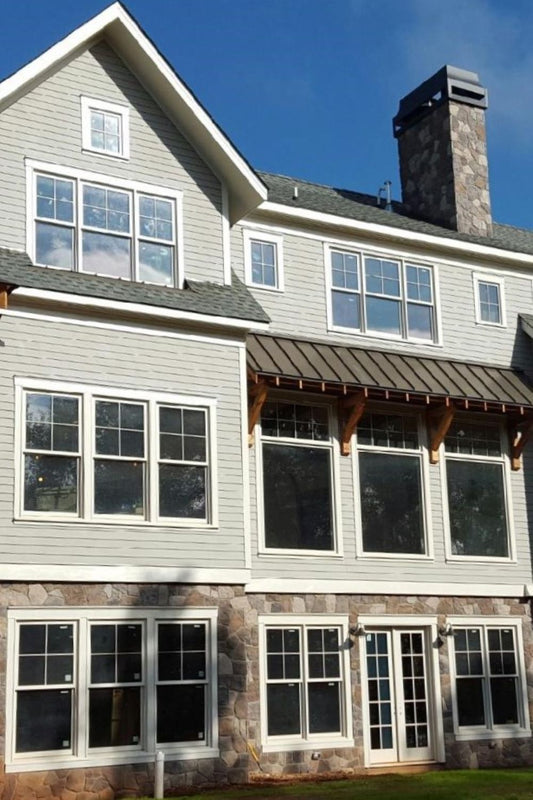
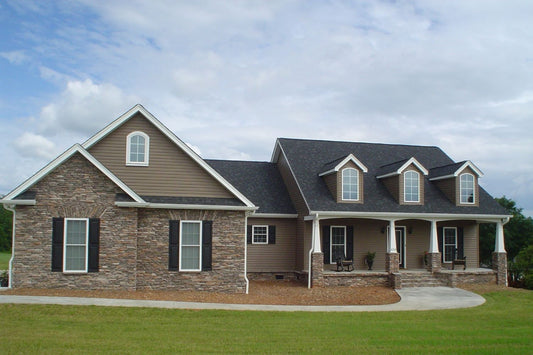
For an exterior project, consider the roof, siding, window trim, doors, garage doors, gutters, and landscaping. These elements can remain in place for many years, so your stone veneer should complement them rather than compete with them.
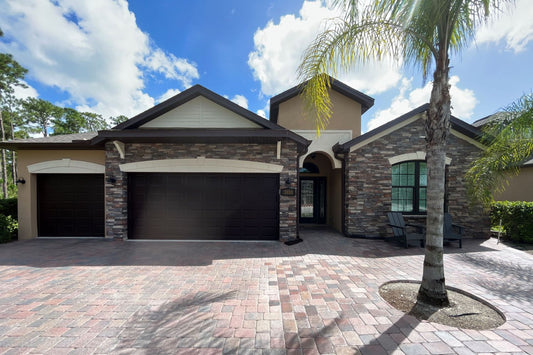
For example, a home with warm beige siding and brown roofing may work well with a warm stone blend containing tan, brown, cream, or subtle gold tones. A home with cool gray siding and black trim may be better suited to a gray, charcoal, or cooler neutral stone blend.
Interior projects require the same approach. Look at flooring, cabinets, countertops, wall colors, furniture, fireplaces, and other permanent finishes. A stone veneer accent wall should feel connected to the rest of the room rather than appearing as an unrelated feature.
The goal isn't necessarily to match every color exactly. In many cases, complementary colors create a more interesting and sophisticated result than trying to make everything identical.
Understand Warm, Cool, and Neutral Stone Colors
Understanding color temperature can make choosing stone veneer significantly easier.
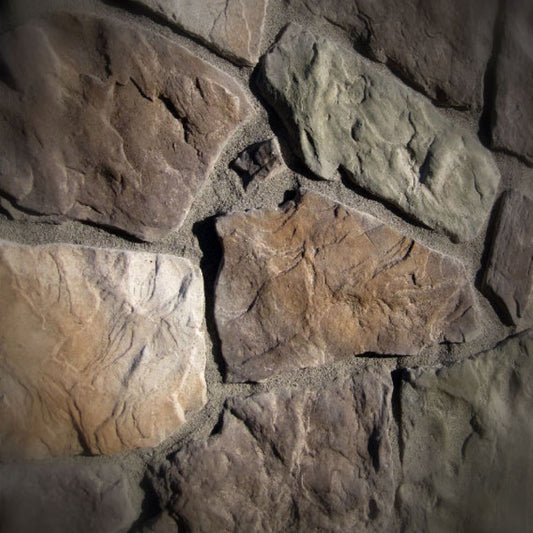
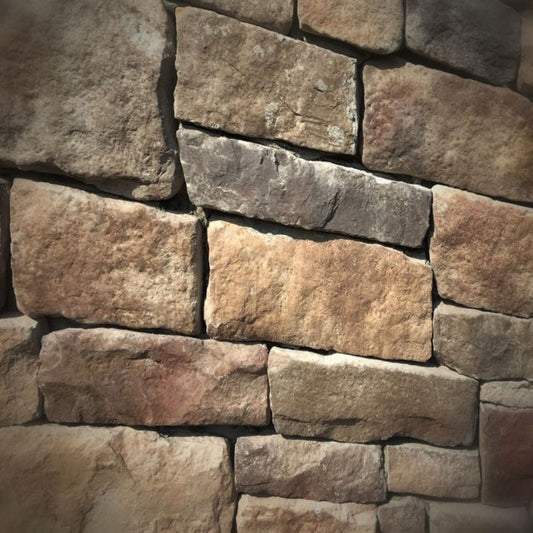
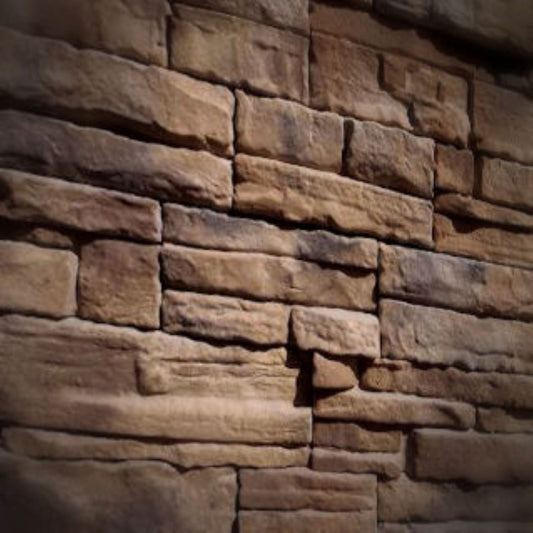
Warm stone colors typically include browns, tans, creams, rusts, reds, and golden tones. These colors tend to create a welcoming and traditional appearance and can work particularly well with rustic, farmhouse, Mediterranean, traditional, and natural-inspired designs.
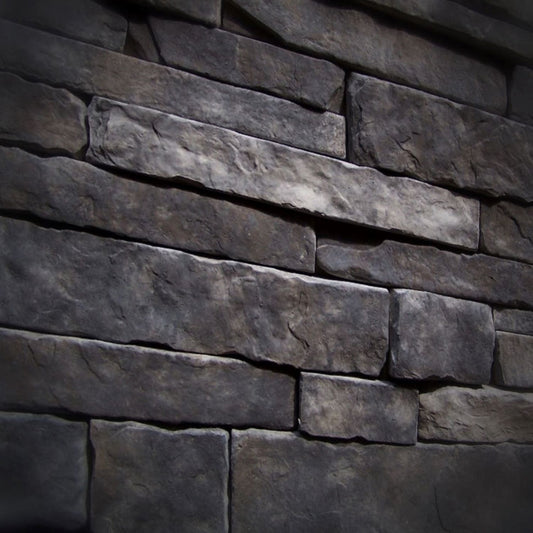
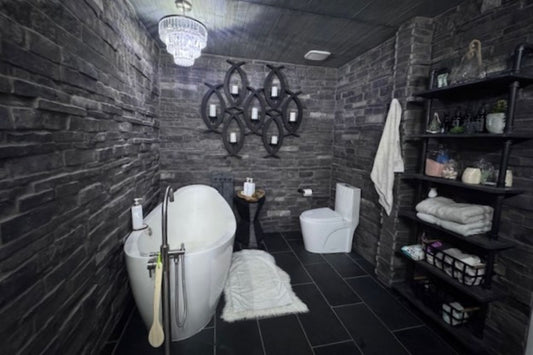
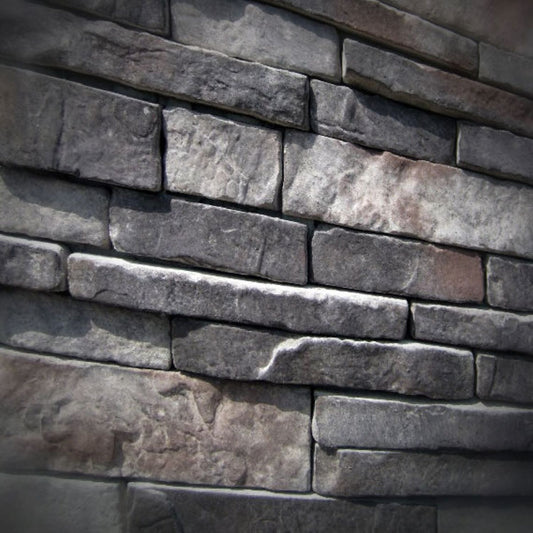
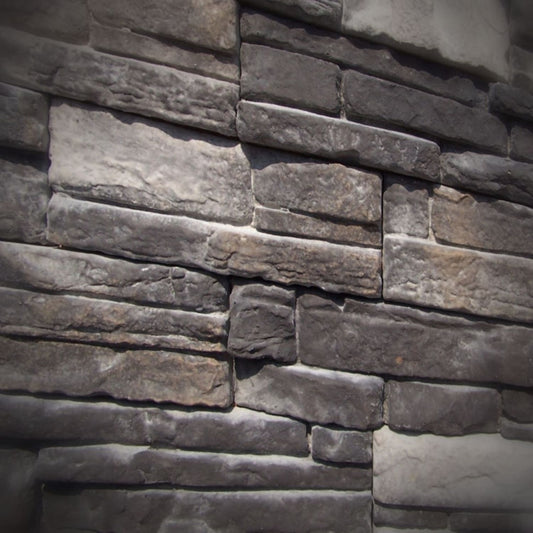
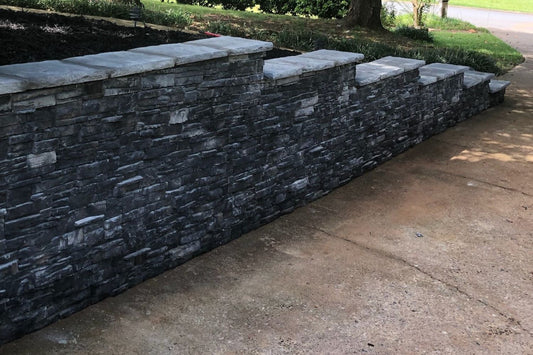
Cool stone colors generally include grays, blue-grays, charcoal, and some darker neutral tones. They can create a cleaner and more contemporary appearance and often complement modern architecture, black window frames, cool-colored siding, and industrial-inspired interiors.
Neutral stone colors such as taupe, greige, beige, soft gray, and cream can work across a broad range of styles. These colors are particularly useful when you want the stone to complement several different materials without becoming the dominant color in the room.
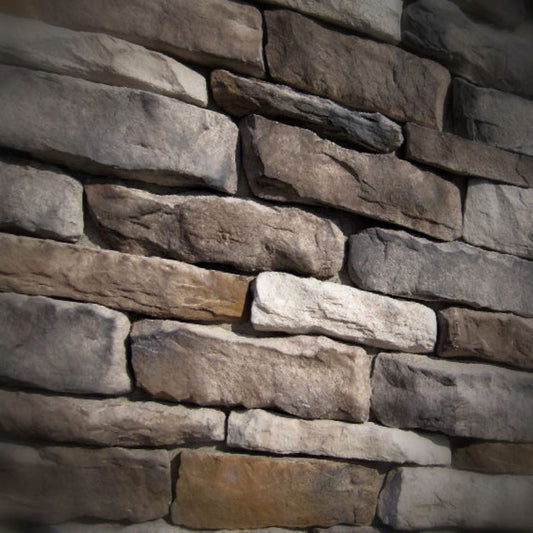
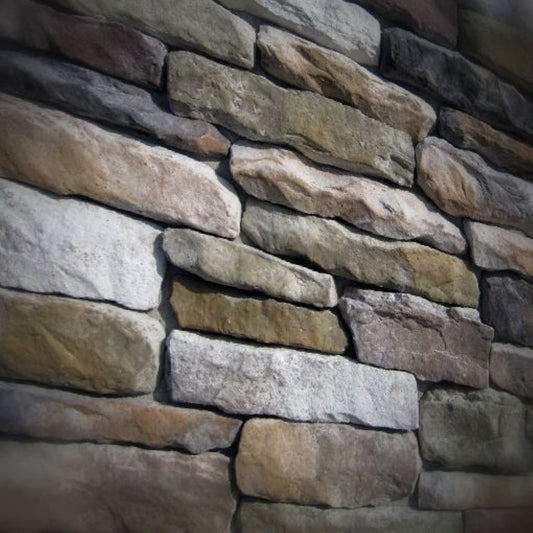
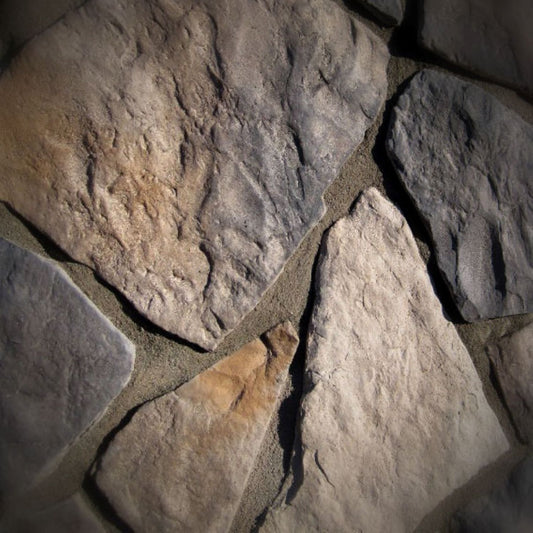
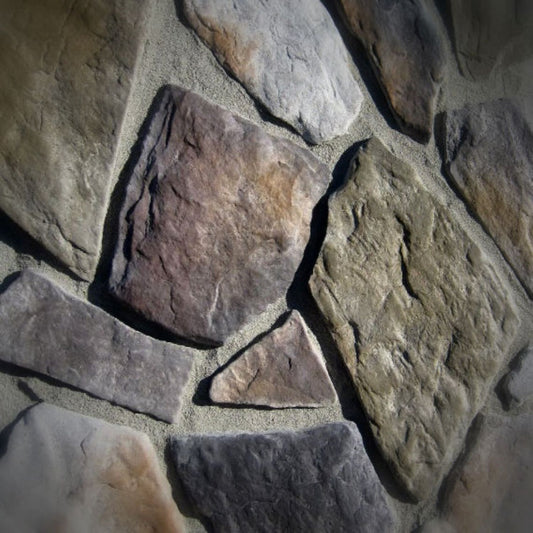
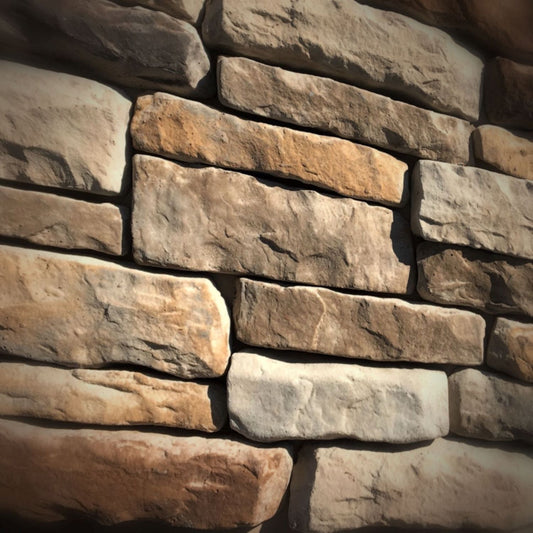
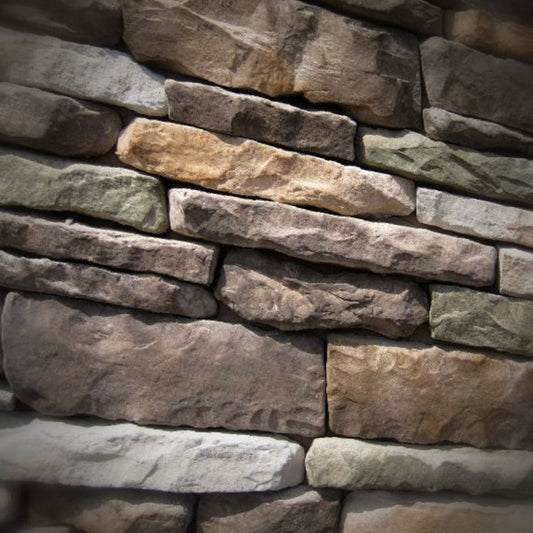
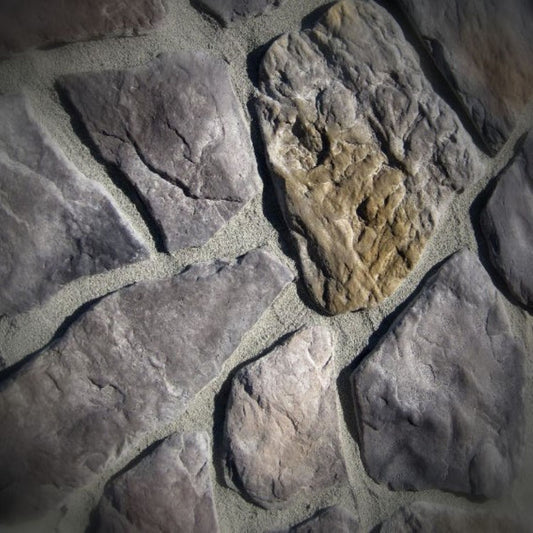
Keep in mind that manufactured stone veneer is often a color blend rather than a single solid color. A stone labelled as gray, for example, may contain several shades ranging from light gray to charcoal along with subtle warmer or cooler tones.
Look at the Undertones
Two stone colors can appear similar at first glance but look very different once they're placed beside your home's existing finishes. This often comes down to undertones.
A beige stone may have a warm yellow or golden undertone, while another beige may lean toward gray or taupe. Similarly, some gray stones have blue undertones while others contain brown or warmer tones. These subtle differences become much more noticeable when the stone is installed across a large wall.
When comparing stone veneer samples, place them beside the actual materials they will be next to. Compare the stone against your siding, trim, countertop, cabinets, or flooring rather than viewing the sample by itself.
A color that looks attractive in isolation may not be the best choice once it is surrounded by the colors already present in your home.
Consider How Lighting Changes Stone Color
Lighting can dramatically affect how manufactured stone veneer appears. The same stone can look noticeably different in direct sunlight, shade, warm indoor lighting, and cool LED lighting.
Exterior stone should ideally be viewed at different times of day. Morning sunlight, afternoon sunlight, overcast conditions, and shade can all change the appearance of the color blend.
Interior stone should be evaluated under the lighting that will actually be used in the room. Recessed lighting, pendant lights, under-cabinet lighting, and natural window light can all influence how the stone appears.
This is one reason physical samples are so valuable. A photograph or computer screen cannot perfectly reproduce how a manufactured stone veneer color will look in your actual space.
If possible, move the sample around the project area and view it under different lighting conditions before making your final decision.
Use Light and Dark Stone Strategically
The size and lighting of your space can also influence which stone color works best.
Lighter stone colors can help a smaller room feel brighter and more open, particularly when combined with natural light and light-colored finishes. Cream, beige, light gray, and other soft colors can create an airy appearance without eliminating the texture that makes stone visually interesting.
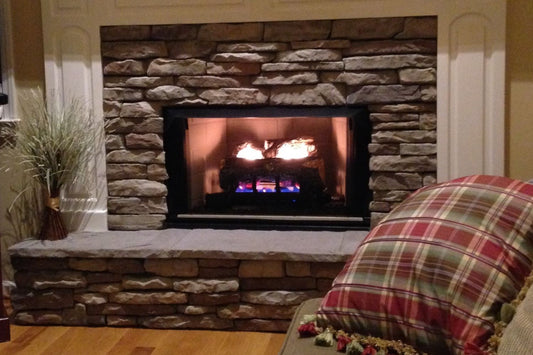
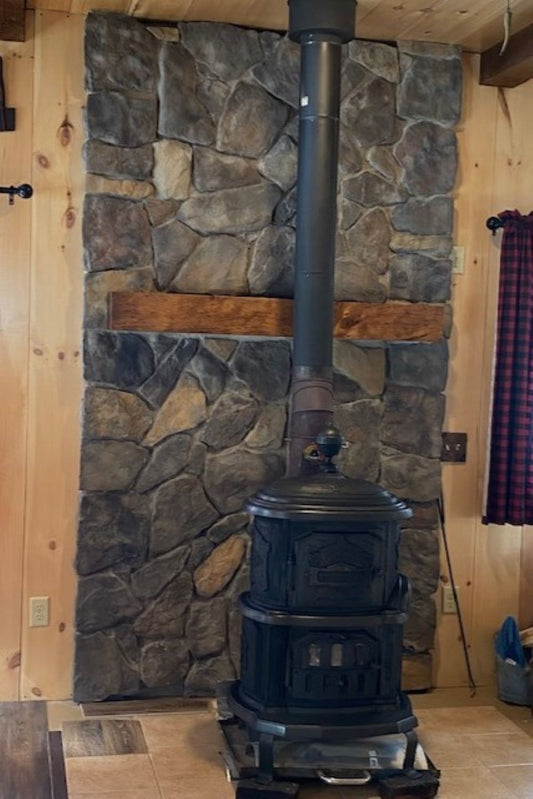
Darker stone can create stronger contrast and a more dramatic focal point. Charcoal, dark gray, brown, and other deeper blends can work especially well around fireplaces, entryways, exterior accents, and large feature walls.
Dark stone doesn't necessarily make a space feel smaller, but it does have greater visual weight. In a large room or on a substantial exterior feature, that added weight can create a powerful architectural statement.
The key is to consider the scale of the installation and the amount of surrounding light.
Think About the Mood You Want to Create
Stone veneer color can influence the overall feeling of a space.
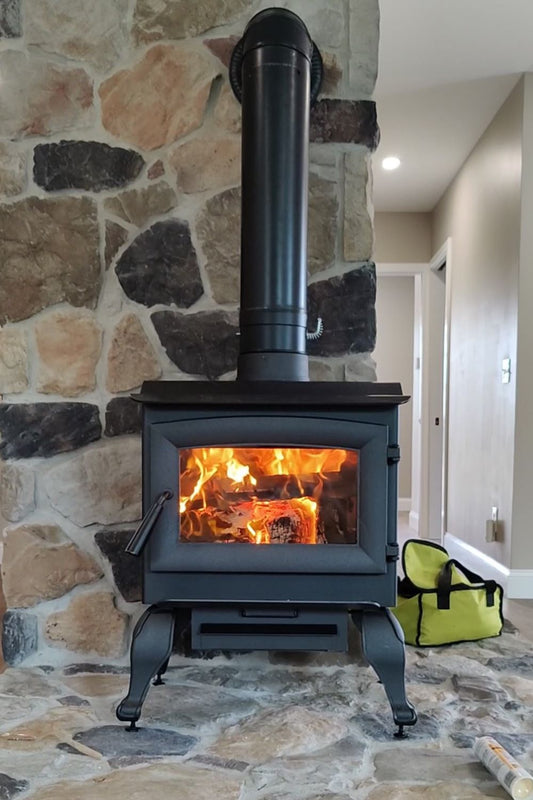
Warm browns, tans, and earthy blends can make a home feel comfortable, traditional, and connected to natural materials. These colors can be particularly effective on fireplaces, exterior facades, outdoor living spaces, and rustic interiors.
Lighter stone colors can create a clean and relaxed appearance. They can work well in bright interiors, transitional spaces, entryways, and exteriors where you want a softer architectural accent.
Dark gray and charcoal blends can produce a dramatic and contemporary effect. They can be especially effective when paired with black windows, modern siding, metal accents, and other clean architectural elements.
Multi-color stone blends can provide a more natural and varied appearance. Because they contain several complementary tones, they can also be forgiving when used on high-traffic exterior surfaces where small amounts of dust and everyday dirt may be less noticeable.
Match the Stone to Your Home's Architectural Style
The architectural style of your home can provide another useful starting point when selecting a stone veneer color.
Traditional and farmhouse homes often work well with warm earth tones, natural browns, creams, and varied blends. These colors reinforce the traditional appearance of natural masonry.
Modern homes may benefit from cooler gray, charcoal, or restrained neutral blends. Pairing a clean stone profile with a contemporary color can create a more streamlined architectural appearance.
Mountain, cabin, and rustic homes often lend themselves to deeper earthy blends that emphasize the natural character of the stone. Browns, tans, grays, and varied natural tones can complement wood, metal, and other rugged materials.
Transitional homes provide more flexibility. Neutral blends containing a combination of warm and cool tones can bridge different materials and allow the stone to work with both traditional and contemporary finishes.
There is no universal rule that says a particular stone color belongs to one architectural style. The most important consideration is whether the color, profile, and surrounding materials work together.
Consider the Entire Stone Color Blend
When shopping for manufactured stone veneer, don't judge the product based on one individual piece.
Manufactured stone veneer is designed to create variation. Multiple shades, shapes, and textures work together to produce the appearance of natural stone. A sample may contain several different tones, but the overall wall will have an even broader distribution of color.
Pay attention to the dominant color as well as the secondary tones. If most of the stone is warm beige with subtle gray accents, it will generally read as a warm stone installation even though gray is present.
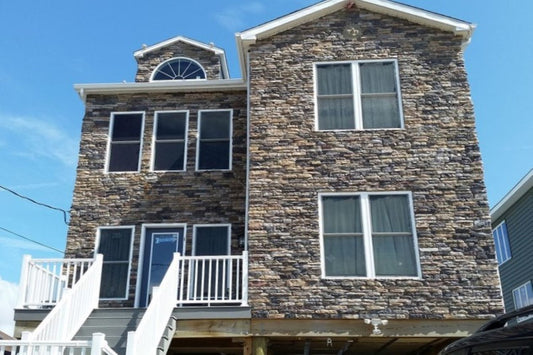
This matters when coordinating the stone with other materials. A multi-color blend can sometimes bridge two different color families, making it easier to coordinate with existing finishes.
Always Order a Physical Stone Veneer Sample
One of the best ways to choose the right manufactured stone veneer color is to see the actual product before placing a full order.
Online photographs are useful for narrowing down your choices, but screens can display colors differently depending on the device, settings, lighting, and surrounding environment.
A physical sample lets you evaluate the actual texture and color variation. Place it against the exterior siding or interior finishes and view it at different times of day.
Don't rush this step. A stone color that looks good for five minutes in a showroom or on a website may feel very different after you see it in your home for several days.
If you're choosing between two or three colors, physical samples can make the decision much easier because you can compare them side by side in the actual project environment.
Think About Long-Term Appeal
Manufactured stone veneer is designed to provide long-term architectural appeal, so it's worth thinking beyond current design trends.
Ask yourself whether you would still like the color if you changed your front door, repaint your siding, update your furniture, or replace your landscaping. A highly specific color combination may look fashionable today but provide less flexibility later.
Neutral and natural stone colors tend to provide considerable design flexibility because they can work with a variety of surrounding finishes.
That doesn't mean you should avoid bold colors. A dramatic charcoal or richly varied brown can be an excellent choice when it fits the architecture and your personal style. The important thing is to choose intentionally rather than selecting a color simply because it is currently popular.
Consider Regional and Environmental Influences
The environment around your home can also influence which stone colors feel most natural.
Coastal homes often pair well with lighter neutral, sandy, and gray tones that complement bright surroundings and natural landscapes. Mountain and cabin-style homes can work beautifully with earthy browns, deeper grays, and rugged multi-color blends.
Urban and contemporary homes often use gray, charcoal, and other restrained neutral colors to complement modern architectural materials.
These are design tendencies rather than strict rules. Your home's existing materials and architecture should remain the primary consideration.
Ask a Stone Veneer Supplier for Help
If you're having difficulty deciding between several manufactured stone veneer colors, don't hesitate to ask the manufacturer or supplier for guidance.
Provide photographs of your home or project and identify the materials that will surround the stone. Information about your siding color, roof, trim, flooring, cabinets, countertops, and other major finishes can help narrow down the choices.
A knowledgeable supplier can often help identify which stone blends are likely to coordinate well with your existing materials. Samples can then be used to confirm the choice in person.
The combination of photographs, product information, and physical samples provides a much better basis for a decision than choosing a color from a screen alone.
Frequently Asked Questions About How to Choose the Right Color Stone Veneer
How do I choose the right color for manufactured stone veneer?
Start by considering the colors of your home's existing materials, including siding, roofing, trim, flooring, cabinets, and countertops. Then determine whether warm, cool, or neutral stone colors best complement those finishes. Ordering physical samples and viewing them in the actual space is the best way to make a final decision.
What is the most popular color for manufactured stone veneer?
There is no single best or universally popular stone veneer color because preferences vary by home style, region, architecture, and surrounding materials. Neutral, earthy, gray, beige, and multi-color blends are widely versatile because they can complement many different exterior and interior designs.
Should stone veneer match my siding?
Stone veneer does not need to match your siding exactly. In many cases, choosing a complementary color creates more visual interest. The important thing is that the stone's overall color blend and undertones work well with the siding and other permanent exterior finishes.
Are lighter or darker stone veneer colors better?
Neither is universally better. Lighter stone can create a brighter, softer appearance, while darker stone can add contrast and dramatic visual weight. The best choice depends on the size of the space, available lighting, architectural style, and surrounding colors.
Does manufactured stone veneer color fade over time?
Manufactured stone veneer is designed for long-term exterior use, but all exterior materials are exposed to environmental conditions such as sunlight and weather. Product construction, installation, and maintenance can affect long-term appearance. Following the manufacturer's care and installation recommendations can help maintain the appearance of the veneer.
Should I order a stone veneer sample before buying?
Yes. A physical sample allows you to see the actual color variation, texture, and surface appearance. Compare the sample directly with your home's existing materials and view it in different lighting before placing a full order.
How to Choose the Right Color Stone Veneer
Choosing the right manufactured stone veneer color is about more than selecting your favorite shade. The best color is one that works with your home's existing materials, complements the architectural style, looks appropriate in the available lighting, and provides the atmosphere you want to create.
Start by examining the colors already present in your home. Consider whether warm, cool, or neutral tones will work best, then look closely at the undertones and overall color blend. Think about the size of the space and how much visual weight you want the stone to have.
Most importantly, order physical samples and view them in the actual space before committing to your project. Seeing the real stone beside your existing finishes is one of the most reliable ways to determine whether a color truly works.
With a little planning, the right manufactured stone veneer color can add depth, character, and lasting architectural appeal to both interior and exterior spaces.
What's Next?
Bring your vision to life with our premium stone veneer! Shop now to find the perfect style or order a sample to feel the texture and see the color up close. Start your project today!
Have a Question?
Please see our full terms of service or check out our frequently asked questions.
For general information and questions please call: (864) 882-8960 Mon. - Fri. 8am - 5pm (EST) or email: info@blackbearmountainstone.com we are more than happy to help you.
Or you can submit your questions via our contact us page.
We look forward to working with you on your upcoming project.
The Black Bear Mountain Stone Team
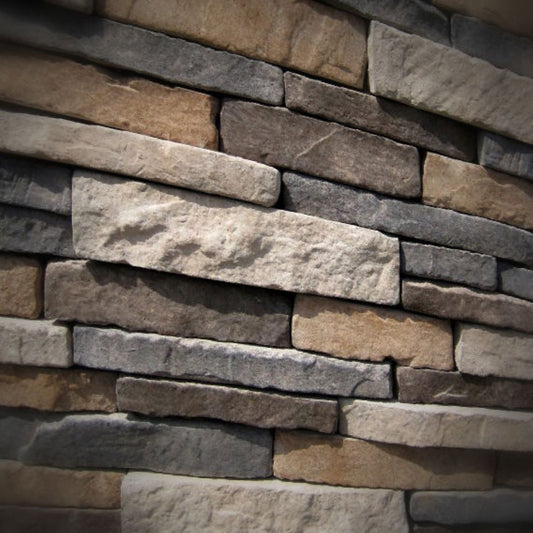
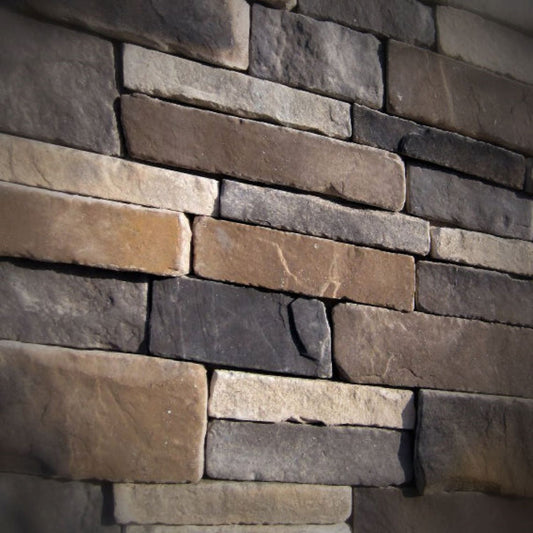
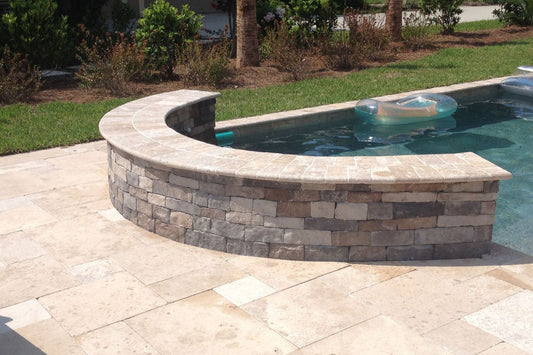
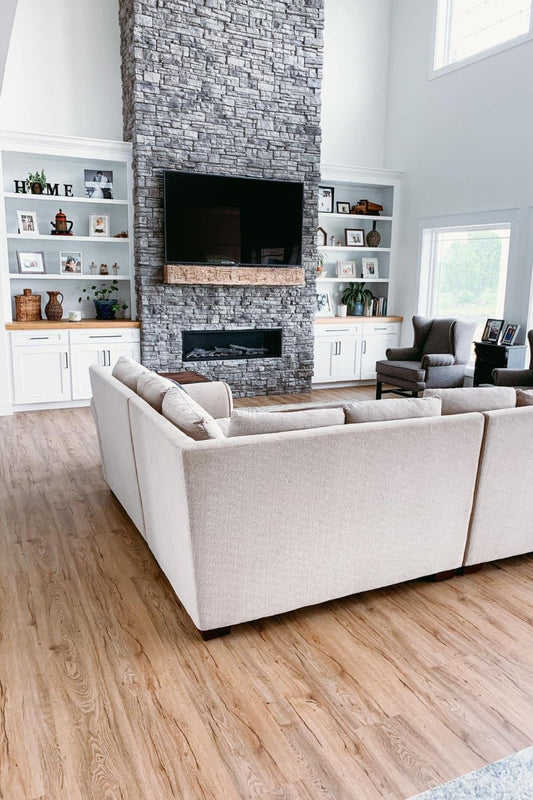
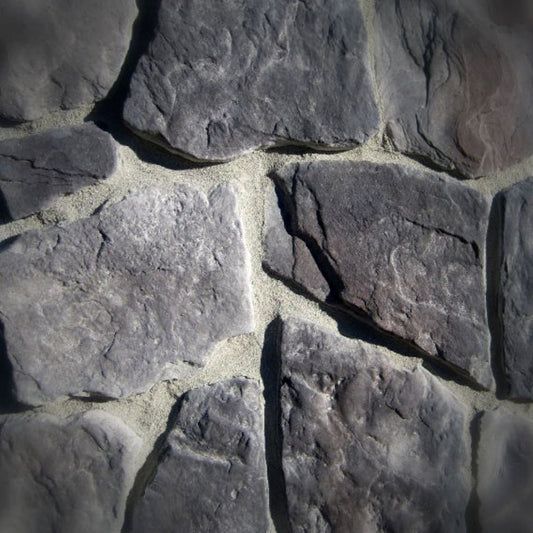
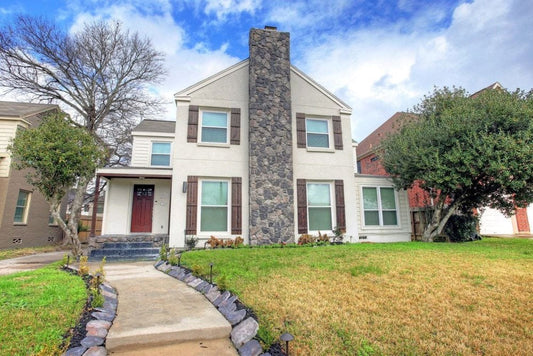
Pictured is ready stack cool gray.