
Can Stone Veneer Get Wet? What to Know About Water Resistance
Share
Originally posted June 11, 2024, updated January 29, 2026.
Stone veneer is not completely waterproof, but it can withstand normal exposure to rain and moisture when properly installed. Manufactured stone veneer is a porous, cement-based material that can absorb water. A properly designed wall assembly with a water-resistive barrier, flashing, and drainage helps protect the structure from moisture damage and supports long-term durability.
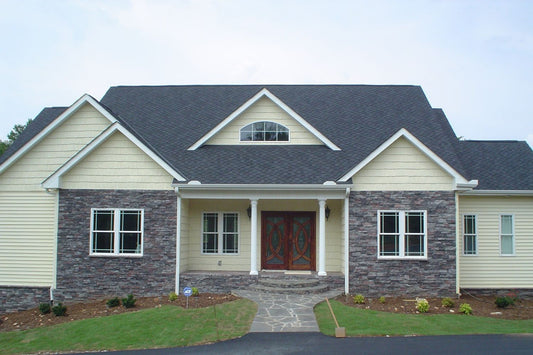
Stone veneer is a popular choice for exterior walls, fireplaces, foundation facades, and interior accent walls because it provides the appearance of natural stone without the weight and expense of full-thickness masonry. Available in a wide range of shapes, textures, and colors, stone veneer offers design flexibility for residential and commercial projects alike. However, because it is frequently used outdoors, one important question comes up before installation: is stone veneer waterproof, and can it get wet without sustaining damage?
The answer depends on the type of stone veneer, the conditions surrounding the installation, and how effectively moisture is managed. Both natural and manufactured stone veneer can be exposed to rain and ordinary environmental moisture, but neither should automatically be treated as a waterproof barrier. Understanding how stone veneer interacts with water, what problems excessive moisture can cause, and how proper installation protects the wall behind it can help homeowners and contractors make informed decisions.
What is Stone Veneer?
Stone veneer is a decorative masonry facing applied to a wall or another suitable surface. It is available in natural stone and manufactured stone varieties, each offering different characteristics in appearance, composition, and moisture absorption.
Natural stone veneer is cut from quarried stone and shaped for use as a facing material. Its water absorption varies depending on the type of stone, mineral composition, density, and porosity. Some natural stones absorb very little water, while others are considerably more porous. As a result, natural stone veneer should not be assumed to be waterproof simply because it comes from the earth.
Manufactured stone veneer is typically made from Portland cement, lightweight aggregates, and iron oxide mineral pigments. Specialized molds reproduce the textures and contours of natural stone, creating a durable, lightweight alternative to full-bed stone masonry. Because manufactured stone veneer is cement-based and contains microscopic pores, it can absorb moisture when exposed to water.
Neither type of veneer provides a universal solution for waterproofing a building. The appropriate installation system must account for the characteristics of the selected material and the exposure conditions.
Is Stone Veneer Waterproof or Water-Resistant?
Waterproof and water-resistant describe different levels of protection. A waterproof material is designed to prevent water from passing through it under specified conditions. A water-resistant material can withstand some moisture exposure or limit absorption, but it does not necessarily prevent all water penetration.
Stone veneer is generally considered a water-resistant exterior finish rather than a waterproofing system. Rain may run off its surface, but some moisture can enter through the stone itself, mortar joints, cracks, or openings around windows and other penetrations.
This distinction is particularly important with manufactured stone veneer. Its cement-based composition allows it to absorb some water, and its finished surface should not be relied upon to protect the underlying structure from moisture. Even well-tooled mortar joints do not eliminate the need for a properly designed wall assembly.
When installed correctly, stone veneer can perform reliably in a variety of weather conditions. Its long-term performance depends on managing the water that reaches or passes through the exterior finish, rather than assuming that no water will ever penetrate it.
Can Stone Veneer Get Wet in the Rain?
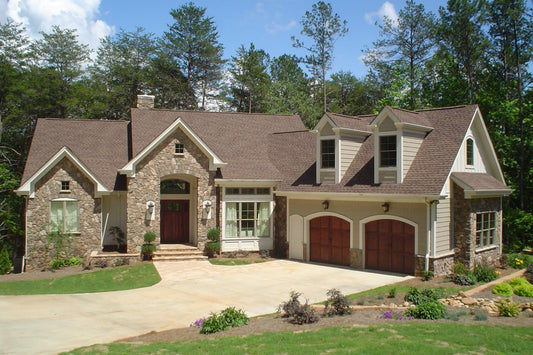
Stone veneer can get wet. Exterior stone veneer is commonly installed on homes, commercial buildings, outdoor kitchens, columns, and other architectural features exposed to the elements. Rain, snow, and humidity are normal environmental conditions for these applications.
Occasional wetting does not automatically damage stone veneer. The concern is prolonged saturation, repeated exposure without adequate drying, or water entering the wall assembly and remaining trapped behind the material. These conditions can contribute to deterioration of the veneer, mortar, substrate, or surrounding building components.
Proper moisture management allows water to drain away and helps the wall assembly dry between wetting events. Roof overhangs, correctly installed flashing, appropriate drainage details, and suitable site grading can also help limit unnecessary water exposure.
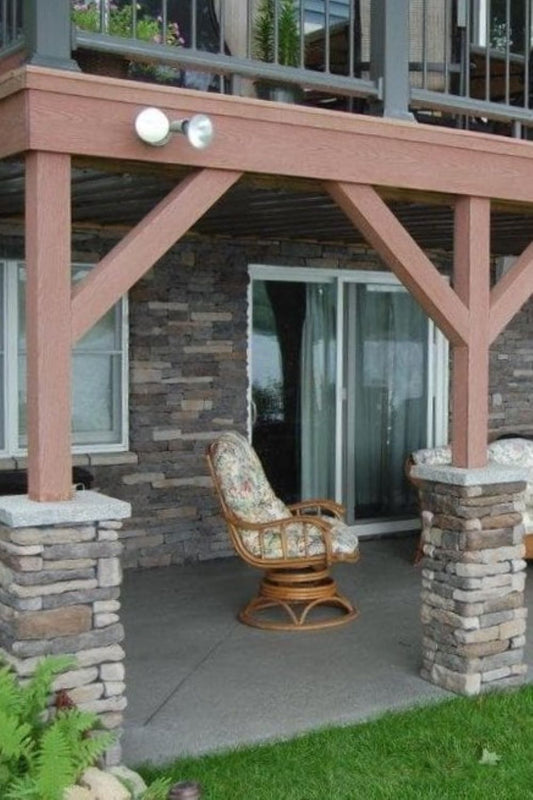
Stone veneer installed near the ground requires particular attention because soil, mulch, standing water, and snow can keep the material damp for extended periods. Following the applicable installation clearances and local building requirements helps reduce the risk of moisture-related problems.
Why Moisture Management Matters Behind Stone Veneer
One of the most important principles of exterior stone veneer installation is that the finished stone surface is only one part of the wall system. The layers behind the veneer play a critical role in protecting the building from water intrusion.
A properly designed wall assembly typically incorporates a water-resistive barrier, flashing at vulnerable transitions and openings, and drainage provisions appropriate for the construction type and local requirements. These components help direct water away from the structural wall and provide a path for moisture to escape.
The exact assembly depends on the substrate, building design, applicable codes, and the stone veneer manufacturer's installation instructions. Wood-framed walls, masonry walls, and other substrates may require different preparation and moisture management details.
Windows, doors, roof intersections, decks, and wall penetrations deserve particular attention because these areas can allow water into the building if flashing is missing or incorrectly installed. A durable veneer cannot compensate for improperly detailed openings or a wall assembly that traps moisture.
Proper mortar installation and joint detailing are also essential. The appropriate mortar and installation method should be selected based on the veneer product, substrate, and manufacturer’s instructions. Mortar joints contribute to the finished appearance and help limit water penetration, but they do not eliminate the need for proper moisture management. Construction adhesives or glue should not be substituted for the specified mortar installation method.
What Happens When Stone Veneer Absorbs Too Much Water?
Excessive moisture can affect stone veneer installations in several ways. The severity of a problem depends on the material, climate, installation details, and duration of exposure.
Efflorescence is one possible issue. It appears as a white, powdery deposit on the stone or mortar surface when water carries soluble salts toward the surface and evaporates. Efflorescence is often primarily a cosmetic concern, although recurring deposits may indicate that moisture is continuing to move through the assembly. Cleaning the visible residue without addressing the source of water may not prevent it from returning.
Freeze-thaw damage can occur when moisture enters susceptible materials and freezes. As water freezes and expands, repeated cycles can contribute to surface scaling, cracking, or deterioration. This risk makes drainage and drying especially important in climates with regular temperature fluctuations around freezing.
Water trapped behind the veneer can create more serious building-related problems. Depending on the wall construction, persistent moisture may contribute to wood decay, corrosion of metal components, damage to adjacent materials, and conditions that support mold growth. Loose stones, deteriorating mortar, staining, or recurring damp areas may indicate a problem that requires further investigation.
These issues are not inevitable consequences of using stone veneer. They are reasons to ensure that the complete installation is designed and maintained to manage water effectively.
Should Stone Veneer Be Sealed to Prevent Water Damage?
Sealing stone veneer is not always necessary. Many installations perform well without a sealer when the product is installed correctly and the surrounding wall assembly provides suitable moisture management.
In some situations, a compatible breathable masonry sealer may help reduce surface water absorption or make routine cleaning easier. However, sealers vary in their intended uses, appearance, and ability to allow water vapor to escape. A product that is unsuitable for the veneer or installation conditions may alter the surface appearance or interfere with moisture movement.
Before applying a sealer, check the stone veneer manufacturer's guidance and confirm that the product is specifically suitable for the material and intended exposure. Test it on an inconspicuous area or sample first, since some sealers can change the color or sheen of the finished stone.
A sealer should not be considered a substitute for flashing, drainage, a water-resistive barrier, or proper installation. Applying a coating over a wall with an existing moisture problem will not correct the underlying cause.
How to Maintain Stone Veneer in Wet or Humid Conditions
Routine inspections help preserve the appearance and performance of stone veneer. Periodically examine the installation for cracked or deteriorating mortar joints, loose stones, damaged flashing, recurring efflorescence, and areas where water collects or repeatedly runs down the wall. Addressing problems early can help prevent more extensive repairs.
Keep gutters, downspouts, and nearby drainage paths functioning properly so that roof runoff does not continually saturate the veneer or the ground around it. Landscaping should also be arranged to prevent soil, mulch, or standing water from remaining against the installation.
Clean stone veneer using gentle methods and cleaners approved for the material. Avoid harsh acids, abrasive tools, and aggressive washing that could damage the stone's surface or mortar joints. Pressure washing should generally be avoided unless the product manufacturer permits it and specifies appropriate limits and techniques.
If moisture-related staining, persistent dampness, loose stones, or recurring efflorescence develops, investigate the source rather than relying solely on cleaning or sealing. A qualified installer or building professional can help determine whether the issue involves drainage, flashing, mortar, or another part of the wall assembly.
Can Stone Veneer Be Used in Bathrooms and Other Damp Areas?
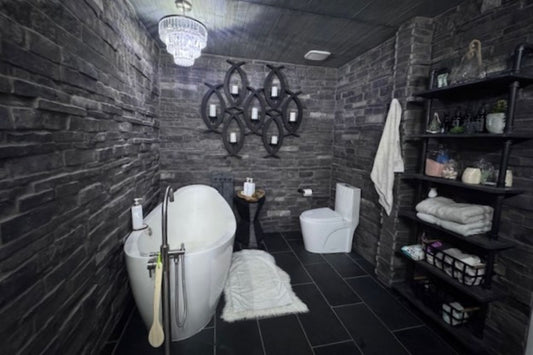
Stone veneer can be used in many interior spaces where humidity or occasional moisture is present, including kitchens, bathrooms, and laundry rooms. However, an area exposed to humidity is different from one that receives frequent direct water contact.
A decorative stone accent wall in a bathroom may have very different requirements from stone installed inside a shower. Shower surrounds and other continuously wet areas require a suitable waterproofing system, compatible substrate, and installation method approved for that application. The veneer itself should not be assumed to provide the required waterproofing.
Ventilation is also important in humid interior environments because it helps control condensation and supports drying. Before installing stone veneer in a wet area, verify that the product is suitable for the intended application and that the complete assembly meets applicable building codes and manufacturer requirements.
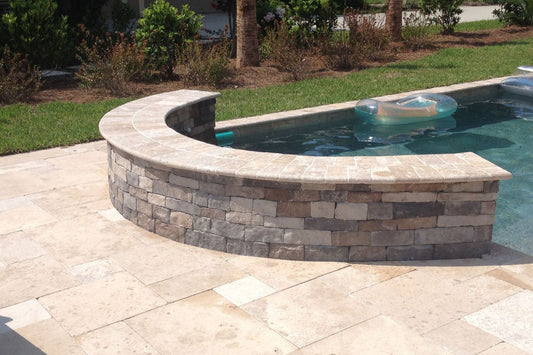
The same principle applies to exterior features such as outdoor kitchens and covered patios. Stone veneer can be an attractive finish, but installation details must account for exposure to rain, splashing water, temperature changes, and the construction behind the veneer.
Can Stone Veneer Get Wet?
Stone veneer is not completely waterproof, but it can provide durable, long-lasting performance when used in an appropriate application and installed correctly. Natural stone and manufactured stone veneer both vary in their ability to absorb moisture, so the specific material and exposure conditions matter.
For manufactured stone veneer, the key is to treat the stone as a finished facing rather than a waterproof barrier. Proper flashing, a suitable water-resistive barrier, effective drainage, correct mortar installation, and appropriate maintenance all contribute to protecting the structure behind the veneer.
Sealing may provide additional benefits in certain applications, but it is not universally required and cannot correct an improperly designed wall assembly. By understanding how water interacts with stone veneer and addressing moisture management from the beginning, homeowners, contractors, and designers can enjoy its appearance and functionality for years to come.
Frequently Asked Questions About Can Stone Veneer Get Wet?
Is manufactured stone veneer waterproof?
No. Manufactured stone veneer is a porous, cement-based material that can absorb some moisture. When installed as part of a properly designed wall assembly with suitable moisture protection and drainage, it can perform reliably in many interior and exterior applications.
Can stone veneer get wet in the rain?
Yes. Exterior stone veneer is designed for use in appropriate outdoor applications and can be exposed to normal rain and weather conditions. The installation must allow water to drain and the wall assembly to dry to help prevent moisture-related damage.
Is natural stone veneer more water-resistant than manufactured stone veneer?
Not necessarily. Water absorption varies among natural stone types and manufactured products. Some natural stones are dense and absorb little moisture, while others are porous. Compare the characteristics of the specific products rather than assuming that one category is always more water-resistant.
Does manufactured stone veneer need to be sealed?
Not always. A sealer may help reduce surface water absorption in certain conditions, but many installations do not require one. If sealing is appropriate, choose a compatible product that allows water vapor to escape and follow the manufacturer's instructions.
What happens if water gets behind stone veneer?
Water behind stone veneer should be directed out of the wall by the appropriate moisture management system. If it becomes trapped, it can contribute to efflorescence, freeze-thaw damage, wood decay, corrosion, or deterioration of surrounding materials. Proper flashing, drainage, and installation details help reduce these risks.
Can stone veneer be installed in a shower?
Only when the specific veneer is suitable for the application and the complete installation uses an appropriate waterproofing system and approved installation methods. Stone veneer itself should not be treated as the waterproof layer in a shower or other continuously wet area. Always confirm product suitability with the manufacturer and follow applicable building codes.
What's Next?
Ready to transform your space? Shop now to see our beautiful stone veneer or order a sample today to experience the quality firsthand!
Have a Question?
Please see our full terms of service or check out our frequently asked questions.
For general information and questions please call: (864) 882-8960 Mon. - Fri. 8am - 5pm (EST) or email: info@blackbearmountainstone.com we are more than happy to help you.
Or you can submit your questions via our contact us page.
We look forward to working with you on your upcoming project.
The Black Bear Mountain Stone Team
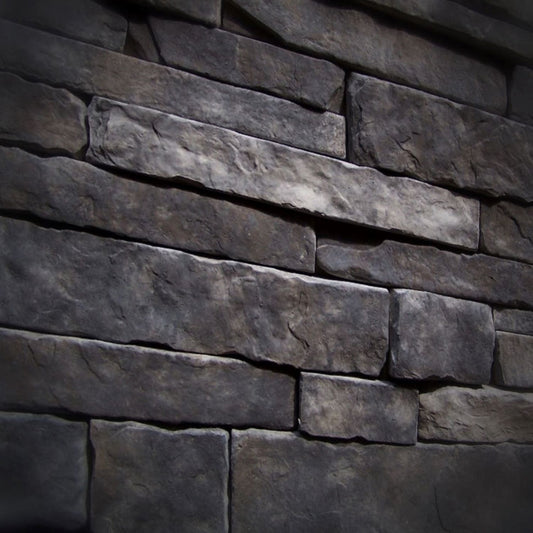
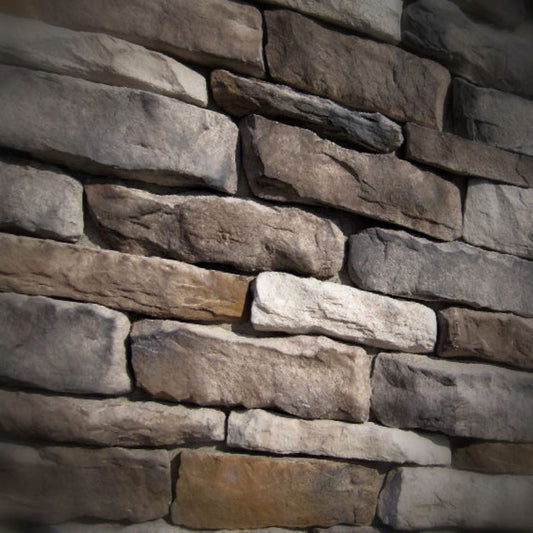
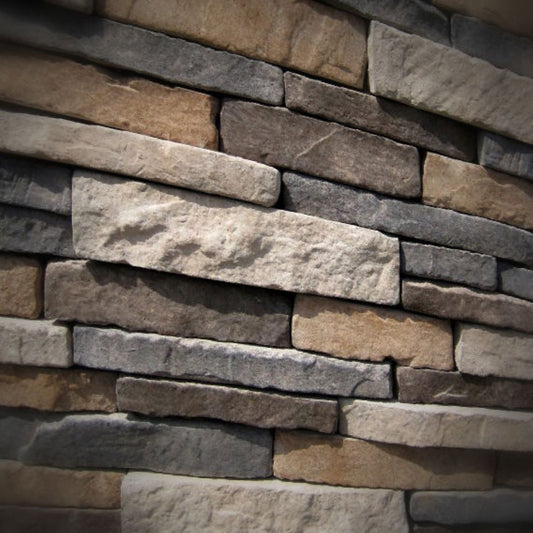
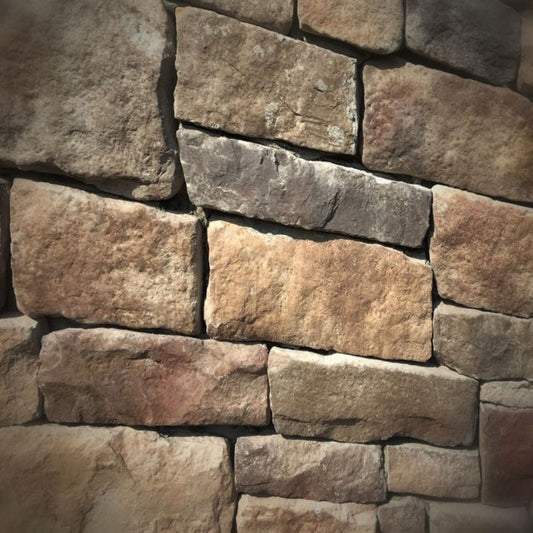
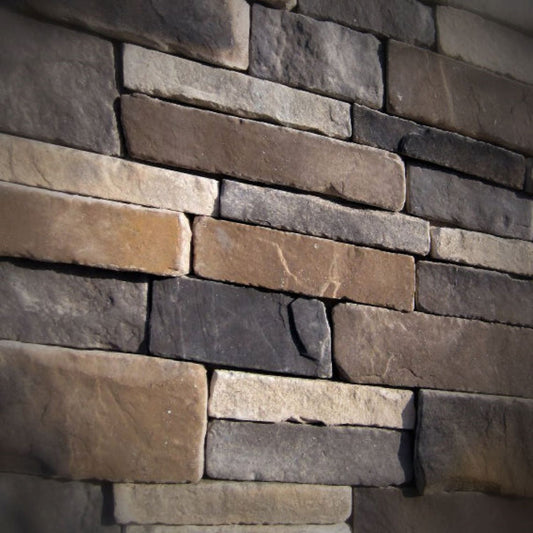
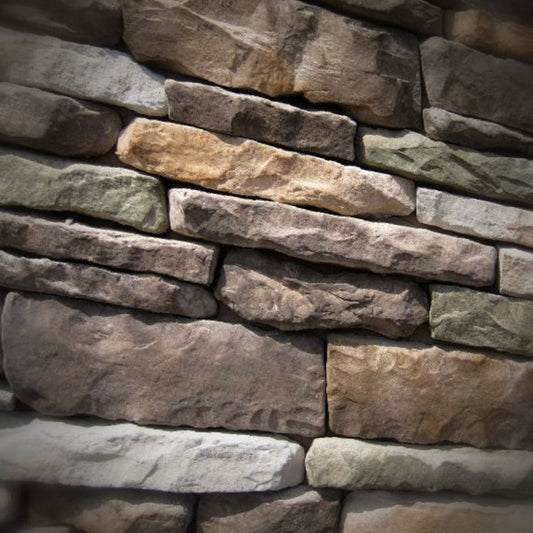
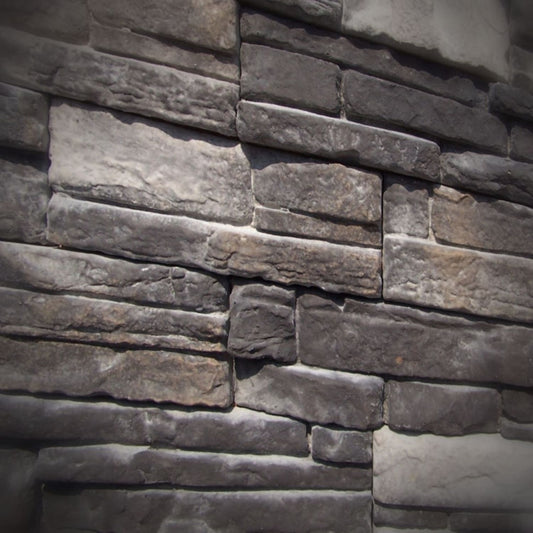
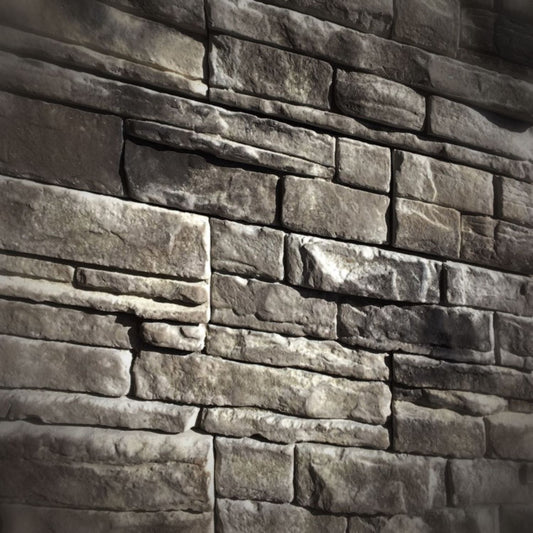
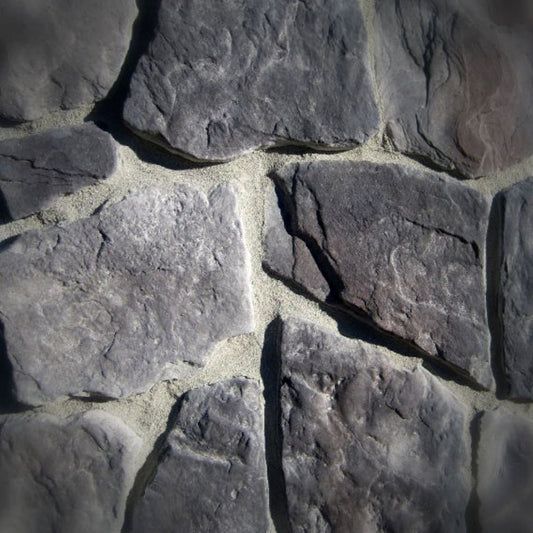
Pictured is stack stone rustic.