
Repairing vs. Replacing a Capstone
Share
Capstones play a critical role in protecting masonry features like chimneys, retaining walls, pillars, and stone veneer installations. Over time, exposure to weather, moisture, and freeze-thaw cycles can cause a capstone to crack, shift, or deteriorate. This leads many homeowners to ask: can you repair a capstone, or does it need to be replaced? The answer depends on the type of damage, the material, and the underlying cause. In this guide, we’ll explain when a capstone can be repaired, when replacement is the better option, and how to prevent future damage.
What is a capstone?
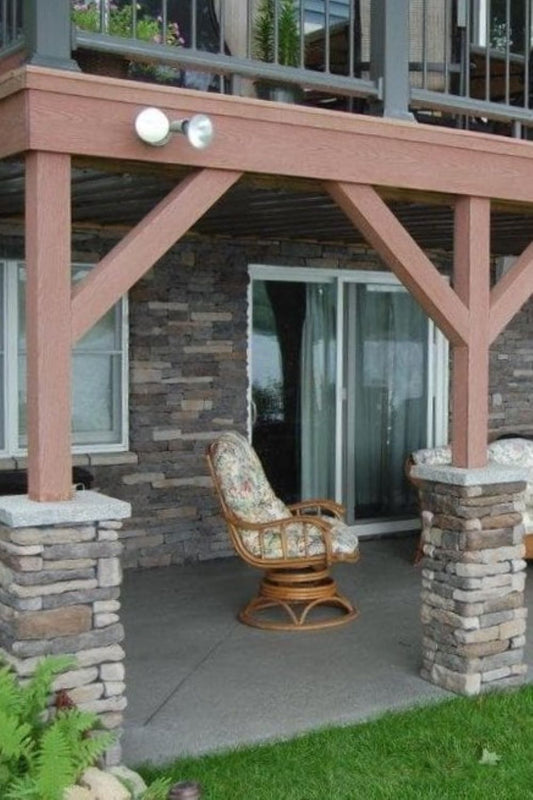
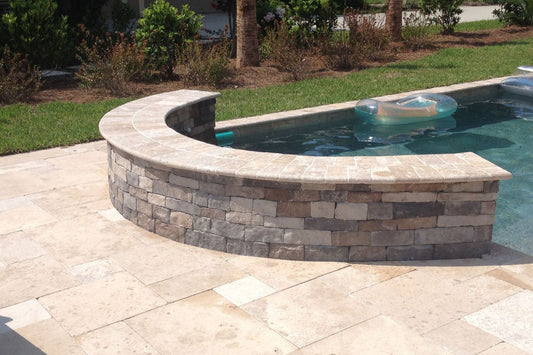
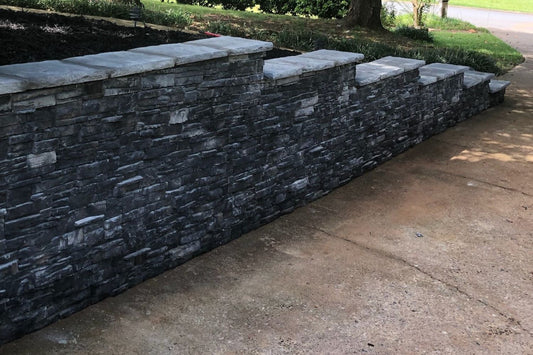
A capstone is the uppermost stone or concrete piece placed on masonry structures, including chimneys, retaining walls, garden and landscape walls, pillars, columns, and stone veneer walls. Its primary function is to direct water away from the structure, preventing moisture from seeping into the masonry below. When installed correctly, a capstone not only protects the underlying stone or brickwork but also helps extend the overall lifespan of the structure.
Can a capstone be repaired?
Yes, capstone can often be repaired, provided the damage is minor and the structural integrity remains intact. Typical issues that can be addressed include small surface cracks, minor chips or spalling, hairline fractures without movement, deteriorated or failed mortar joints, and minor separation at seams. In these situations, using masonry patching compounds, crack fillers, or repointing mortar can effectively restore both the function and appearance of the capstone.
When a damaged capstone should be replaced
Capstone damage that typically requires replacement includes large or widening cracks, capstones that are loose, tilted, or shifting, severe spalling or crumbling, water infiltration beneath the capstone, and damage resulting from improper slope or installation. When a capstone no longer sheds water effectively, replacement is generally the safer and more reliable long-term solution.
Common causes of capstone damage
Understanding why a capstone failed helps determine whether repair is viable:
1. Freeze-thaw cycles: water enters small cracks, freezes, expands, and gradually causes the stone or concrete to fracture. This is especially common in cold or wet climates.
2. Poor installation: capstones must be installed with a slight slope (shed) and proper overhang. Flat or improperly sloped capstones allow water to pool.
3. Moisture penetration: lack of sealing or damaged mortar joints can allow water to seep in, accelerating deterioration.
4. Age and weather exposure: UV exposure, rain, snow, and temperature fluctuations naturally wear down capstones over time.
How is a capstone repaired?
Minor capstone repairs typically involve cleaning the surface to remove dirt, moss, and debris, filling cracks or chips with masonry repair compound, repointing joints if the mortar has deteriorated, smoothing and blending repairs for visual consistency, and sealing the capstone to protect against future moisture intrusion. For chimney capstones or other structural elements, a professional assessment is recommended to ensure safety and proper repair.
How to prevent capstone damage in the future
To prolong the life of your capstones, ensure they are installed with the proper slope and overhang, use high-quality mortar, and seal them periodically when appropriate. Regularly inspect mortar joints and address small cracks early before they worsen, as preventive maintenance is far less expensive and less disruptive than major masonry repairs.
Frequently asked questions
1. Can a cracked capstone be repaired? Yes, small hairline cracks can often be repaired with masonry crack filler or patching compound. Large or expanding cracks usually require replacement.
2. Should I seal a repaired capstone? In many cases, yes. A breathable masonry sealer can help reduce moisture absorption and extend the life of the repair.
3. Can I repair a capstone myself? Minor cosmetic repairs may be DIY-friendly, but chimney capstones or structural capstones should be assessed and repaired by a professional mason for safety reasons.
4. How long does a repaired capstone last? A properly repaired and sealed capstone can last several years. However, repairs are not permanent if underlying drainage or installation issues remain.
5. How much does it cost to repair a capstone? Costs vary depending on damage severity and location. Minor repairs may be relatively inexpensive, while replacement involves higher material and labor costs.
Repairing vs. replacing a capstone
So, can you repair a capstone? In many cases, yes, especially when damage is minor and caught early. However, if the capstone is loose, severely cracked, or allowing water infiltration, replacement is often the smartest long-term investment. Whether you’re maintaining a chimney, retaining wall, or stone veneer feature, a well-installed and properly maintained capstone is essential for protecting your masonry and preserving curb appeal.
You may also like
Stone veneer capstones: Everything you need to know.
Stone veneer hearthstones: A complete homeowner’s guide.
Stone veneer care & maintenance: Keep your stone looking new.
What's next?
Elevate your home with premium manufactured stone veneer, featuring realistic textures and rich, natural colors. Order a sample to experience the detail up close or shop now to begin your durable, timeless project.
Have a question?
Please see our full terms of service.
For general information and questions please call: (864) 882-8960 Mon. - Fri. 8am - 5pm (EST) or email: info@blackbearmountainstone.com we are more than happy to help you.
Or you can submit your questions via our contact us page.
We look forward to working with you on your upcoming project.
The Black Bear Mountain Stone Team
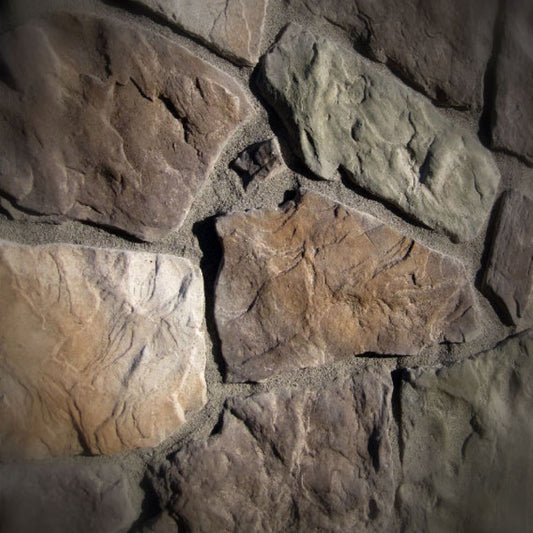
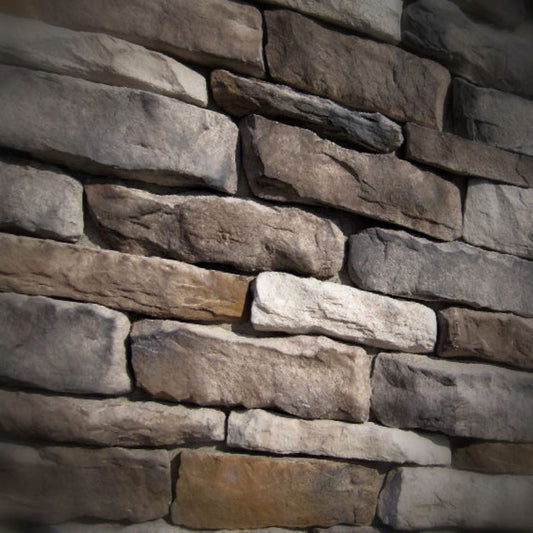
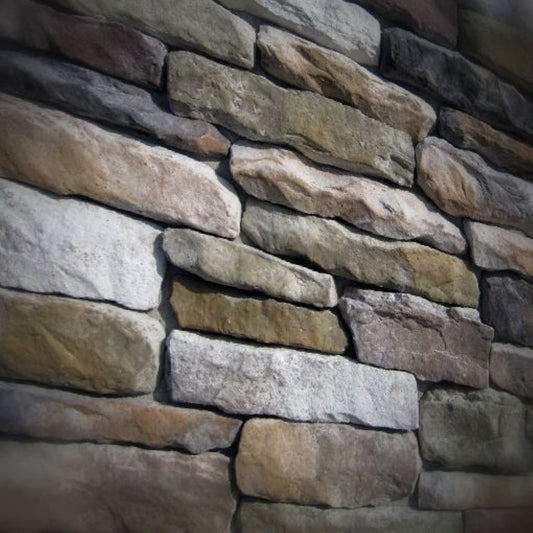
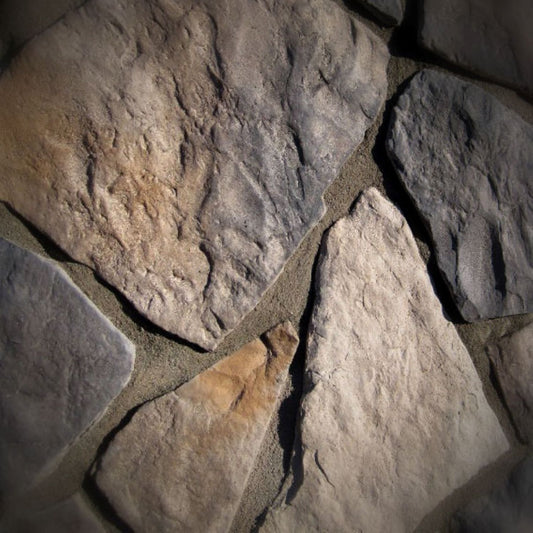
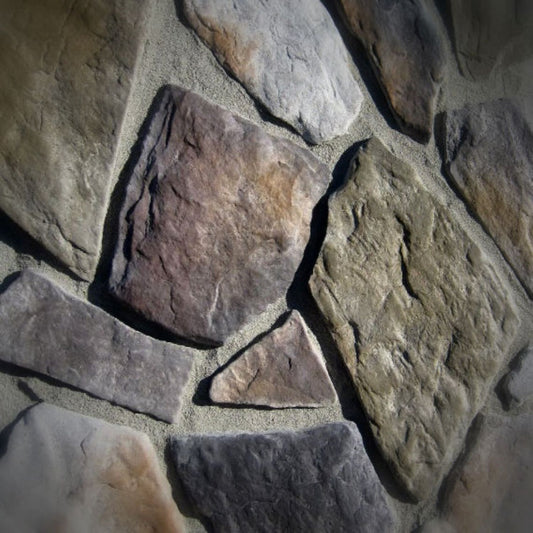
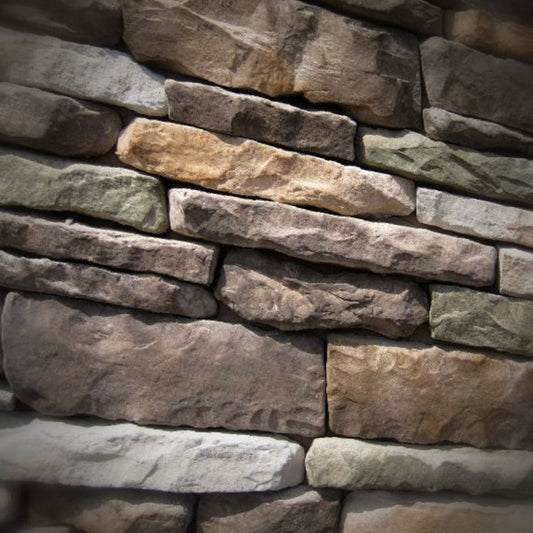
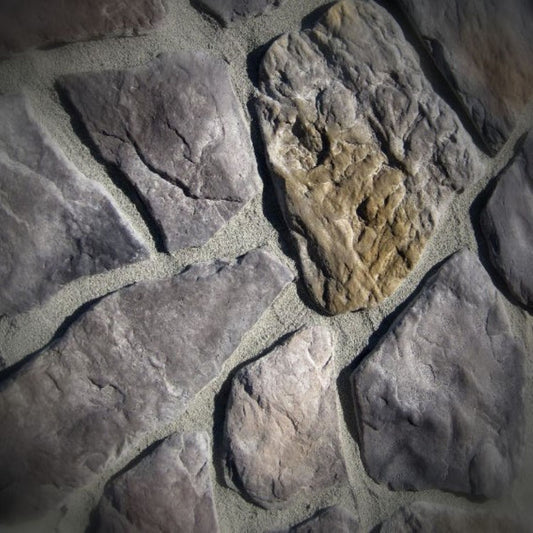
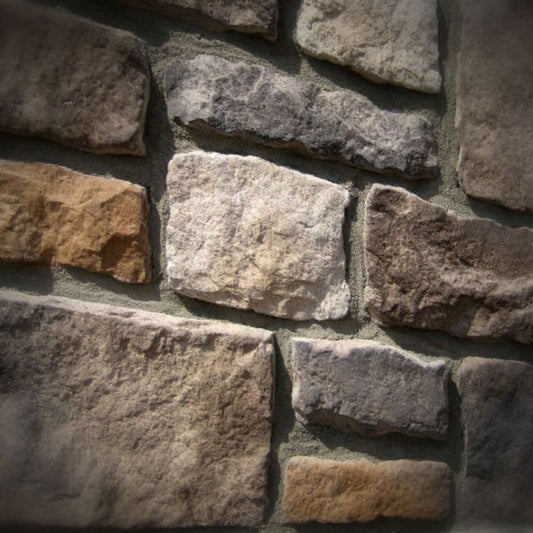
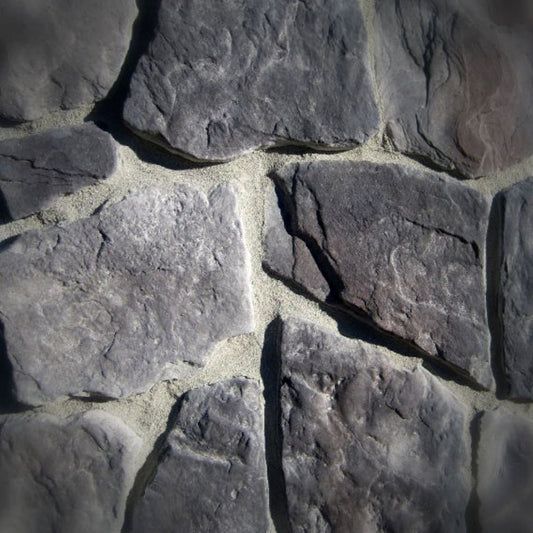
Pictured is field stone ash.