

Transform Your Brick Fireplace with Stone Veneer
Share
Originally posted December 12 2024, updated April 26 2026.
Manufactured stone veneer can be installed over an existing brick fireplace to create a modern, natural stone look without demolition. The process involves cleaning and preparing the brick, applying a bonding surface if needed, installing the veneer with mortar, and finishing the joints. It is a cost-effective, lightweight, and durable way to update outdated fireplaces while improving aesthetics and home value.
A brick fireplace has long been a defining feature in many homes, offering warmth, character, and a sense of tradition. However, what once felt timeless can eventually begin to look dated, especially as interior design trends evolve. Instead of committing to a full tear-out and rebuild, many homeowners are choosing a more practical and visually striking solution: covering their existing brick with manufactured stone veneer.
This approach allows you to completely transform the look of your fireplace without the cost, complexity, and structural considerations that come with replacing it. Manufactured stone veneer replicates the texture, depth, and variation of natural stone while offering greater flexibility in installation and design. Whether your goal is to create a rustic focal point or a clean, modern feature wall, this material provides a versatile path forward.
Why manufactured stone veneer is ideal for fireplace updates
One of the biggest advantages of manufactured stone veneer is its ability to deliver a high-end appearance without the challenges associated with full-thickness natural stone. Because it is significantly lighter, it can often be installed directly over existing brick surfaces without additional structural reinforcement. This alone makes it an attractive option for renovations where minimizing disruption is a priority.
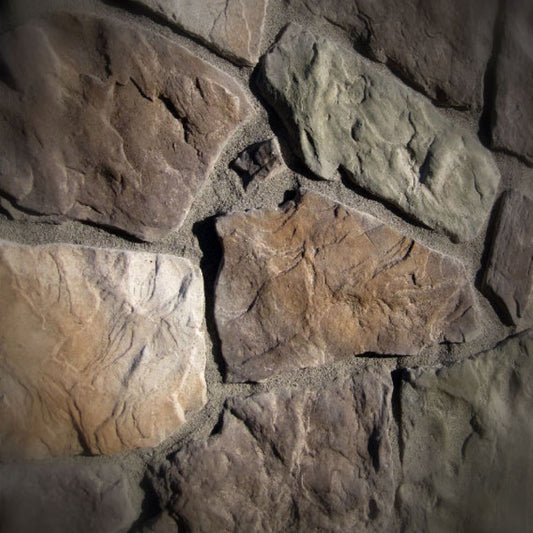
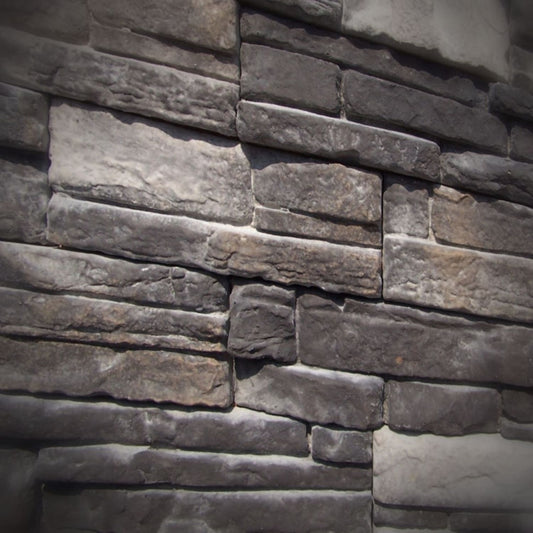
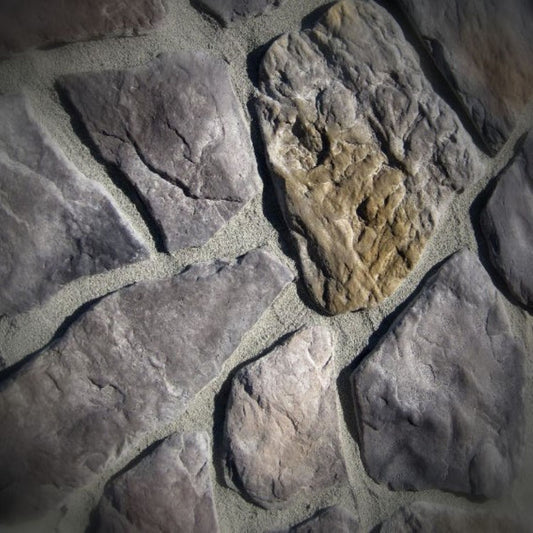
Beyond weight, design flexibility is a major factor driving its popularity. Manufactured stone veneer is available in a wide range of profiles, from ledgestone and stacked stone to more traditional fieldstone or limestone styles. Each option offers unique textures, shapes, and color blends, allowing you to tailor the fireplace to match your overall interior aesthetic. Whether you are aiming for a contemporary look or something more traditional, the material adapts easily.
Cost is another important consideration. Compared to natural stone, manufactured stone veneer is more affordable not only in terms of material but also installation. Reduced labor time and fewer structural requirements contribute to overall savings, making it accessible for a broader range of renovation budgets.
Durability further reinforces its appeal. Once installed correctly, manufactured stone veneer resists cracking, chipping, and fading under normal indoor conditions. It is designed to maintain its appearance over time, even in spaces that experience regular temperature fluctuations from fireplace use.
Preparing your brick fireplace for stone veneer
The success of any fireplace transformation depends heavily on proper preparation. While it may be tempting to jump straight into installation, taking the time to ensure the surface is ready will make a significant difference in both appearance and longevity.
The first step is evaluating the condition of the existing brick. The surface must be stable and structurally sound. Any loose, damaged, or deteriorating bricks should be repaired or replaced before proceeding. Manufactured stone veneer relies on a solid substrate for proper adhesion, so this step cannot be overlooked.
Cleaning the brick is equally important. Over time, fireplaces accumulate soot, dust, and residue that can interfere with mortar bonding. A thorough cleaning using a wire brush, vacuum, or appropriate cleaning solution ensures the surface is free from contaminants.
In some cases, especially when dealing with smooth, sealed, or painted brick, a bonding layer is required. Applying a scratch coat of mortar creates a rough, textured surface that allows the veneer to adhere properly. For added reinforcement, particularly on less porous surfaces, a metal lath may be installed prior to the scratch coat. This provides a mechanical bond that improves overall stability.
Installing manufactured stone veneer over brick
Once the surface is properly prepared, the installation process can begin. While the steps are straightforward, attention to detail is critical to achieving a natural, professional-looking result.
Planning the layout is an essential first step. Arranging the stone pieces on the floor beforehand helps avoid repetitive patterns and ensures a balanced mix of sizes, shapes, and colors. This dry layout stage is often overlooked but plays a major role in the final appearance.
Installation typically begins at the bottom of the fireplace and works upward. Each piece of stone is coated with mortar on the back and pressed firmly into place. Consistent pressure ensures proper adhesion while minimizing gaps or uneven surfaces. Working in sections allows for better control and alignment as the pattern develops.
After the stones are set, attention turns to the joints. Mortar is applied between the stones using a grout bag, then shaped and smoothed with a pointing tool. The style of the joints can vary depending on the desired look, ranging from flush finishes to more recessed or rustic profiles.
Cleaning excess mortar before it fully dries is crucial. A damp sponge or soft brush can be used to remove residue without smearing it across the stone surface. Taking care during this step preserves the natural texture and detail of the veneer.
In some cases, sealing the finished surface may be recommended. While not always necessary for interior applications, a breathable sealer can provide additional protection and make maintenance easier, especially for fireplaces that see frequent use.
Design possibilities and style considerations
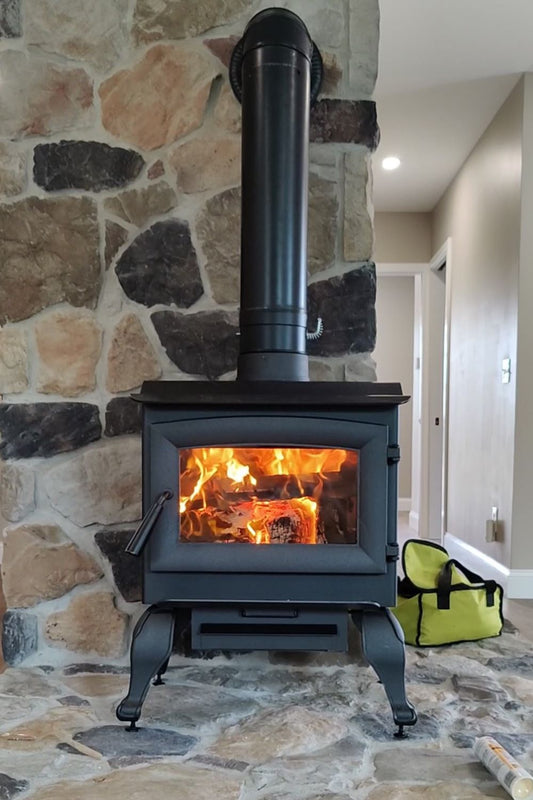
One of the most compelling reasons to choose manufactured stone veneer is the creative freedom it offers. A fireplace is often the focal point of a room, and updating it presents an opportunity to redefine the entire space.
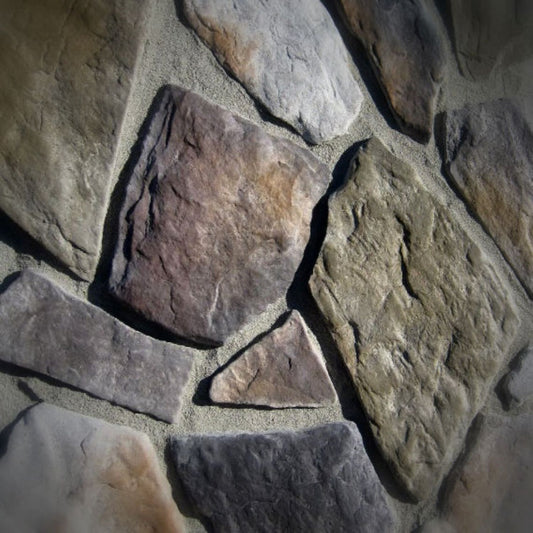
For those seeking a modern aesthetic, linear profiles such as ledgestone or stacked stone create clean lines and a sleek appearance. These styles pair well with minimalist interiors and contemporary finishes. On the other hand, more traditional profiles like fieldstone or river rock introduce a sense of warmth and texture that complements rustic or transitional designs.
Color selection also plays a significant role. Lighter tones can brighten a room and make the fireplace feel more open, while darker shades add depth and contrast. Blended color palettes offer a natural variation that closely mimics real stone, enhancing authenticity.
The surrounding elements of the fireplace should also be considered. Mantels, hearths, and adjacent walls all contribute to the overall look. Coordinating these features with the chosen stone veneer ensures a cohesive design that feels intentional rather than pieced together.
DIY vs. professional installation
While installing manufactured stone veneer is achievable for experienced DIYers, it is not without its challenges. Achieving a natural pattern, maintaining consistent mortar application, and working around architectural features like mantels or fireboxes require a certain level of skill and patience.
Professional installers bring experience and efficiency to the project. They are equipped to handle uneven surfaces, complex layouts, and detailed finishing work. In many cases, hiring a professional can save time and reduce the risk of costly mistakes, especially for larger or more intricate fireplace designs.
That said, smaller or more straightforward projects may be well within reach for confident homeowners willing to invest the time and effort. The decision ultimately depends on the scope of the project and the desired level of precision.
Long-term performance and maintenance
Once installed, manufactured stone veneer requires minimal maintenance, which is part of its long-term appeal. Regular dusting or occasional cleaning with a mild solution is typically sufficient to keep it looking its best.
Unlike natural stone, which may require periodic sealing or specialized care, manufactured stone veneer is designed for durability with less upkeep. When properly installed, it holds up well against the heat cycles associated with fireplaces, maintaining both its structural integrity and visual appeal.
Over time, this low-maintenance performance contributes to its overall value, making it a practical investment for homeowners looking to enhance both aesthetics and functionality.
Frequently asked questions
1. Can manufactured stone veneer be installed directly over brick? Yes, in most cases it can be installed directly over brick, provided the surface is clean, stable, and properly prepared. A scratch coat or bonding layer may be required depending on the condition of the brick.
2. Does manufactured stone veneer look like real stone? High-quality manufactured stone veneer closely replicates the texture, color variation, and depth of natural stone, making it difficult to distinguish in most applications.
3. Is stone veneer safe to use around fireplaces? Yes, manufactured stone veneer is designed to withstand typical fireplace temperatures when installed according to manufacturer guidelines and building codes.
4. How long does a stone veneer fireplace last? When properly installed, manufactured stone veneer can last for decades with minimal maintenance, maintaining both its appearance and structural integrity.
5. Do you need to seal manufactured stone veneer on a fireplace? Sealing is optional for most interior applications, but it can provide added protection and make cleaning easier, especially for fireplaces that are used frequently.
Transform your brick fireplace with stone veneer
Transforming a brick fireplace with manufactured stone veneer is one of the most effective ways to update a living space without major renovation. It combines visual impact with practical benefits, offering a lightweight, cost-effective, and durable alternative to natural stone.
With the right preparation and thoughtful installation, the result is a fireplace that feels entirely new, serving as a centerpiece that enhances the character and comfort of your home. Whether approached as a DIY project or completed with professional help, this upgrade delivers lasting results that go far beyond a simple cosmetic change.
What's next?
Elevate your design with our premium stone veneer! Shop now to explore our styles or order a sample today to see and feel the quality up close!
Have a question?
Please see our full terms of service or check out our frequently asked questions.
For general information and questions please call: (864) 882-8960 Mon. - Fri. 8am - 5pm (EST) or email: info@blackbearmountainstone.com we are more than happy to help you.
Or you can submit your questions via our contact us page.
We look forward to working with you on your upcoming project.
The Black Bear Mountain Stone Team
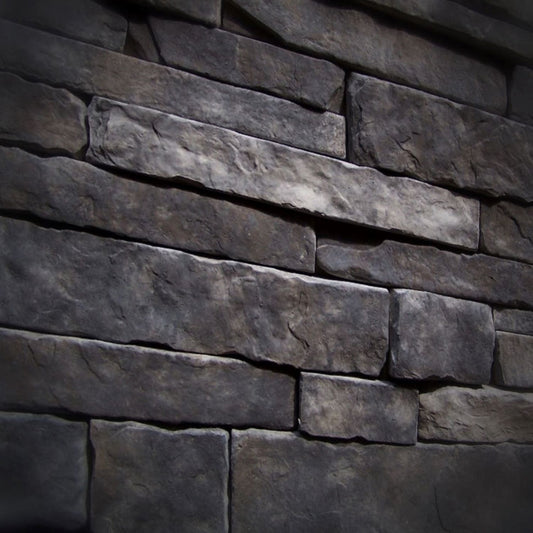
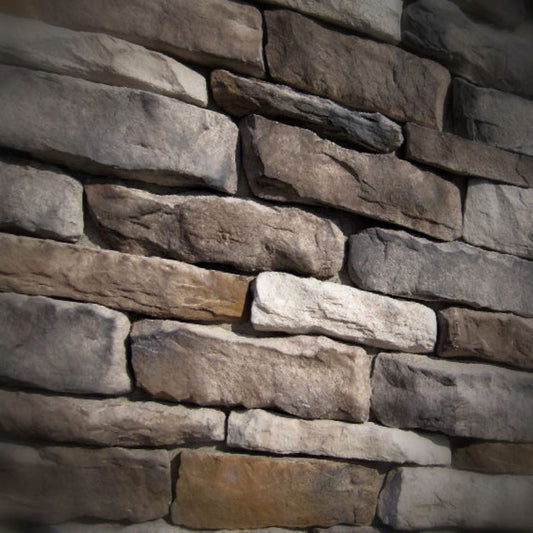
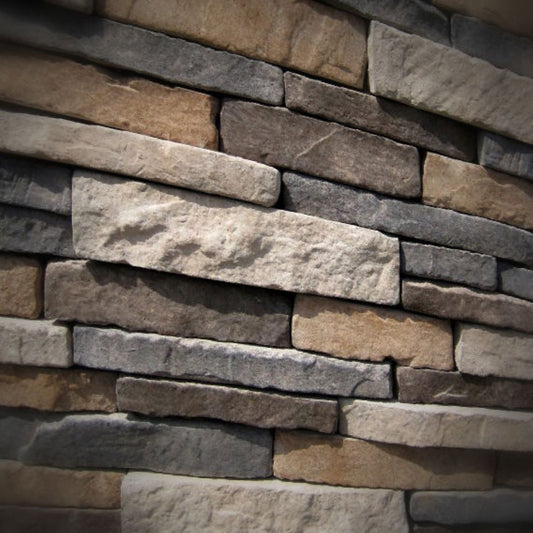
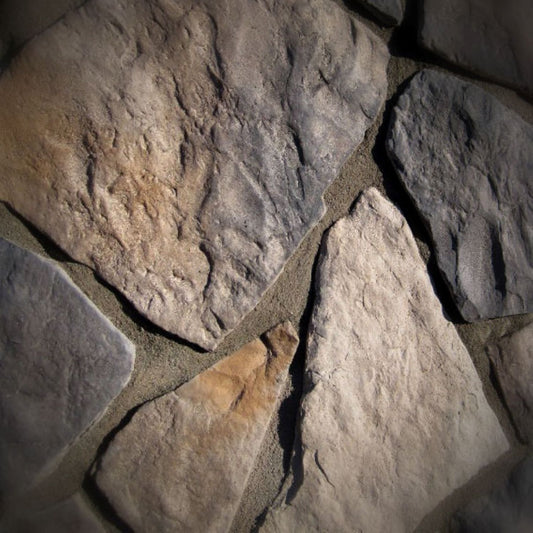
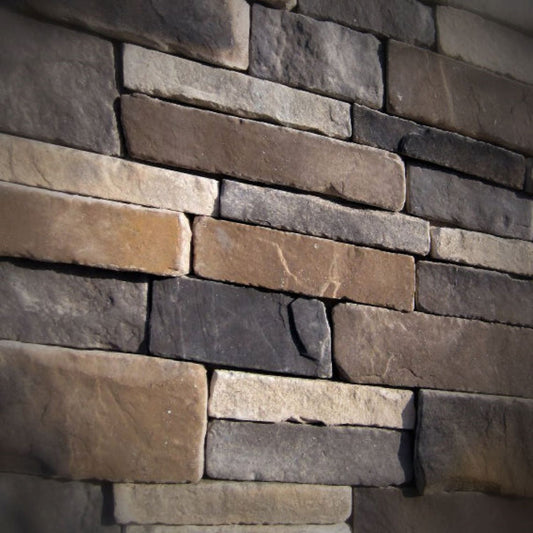
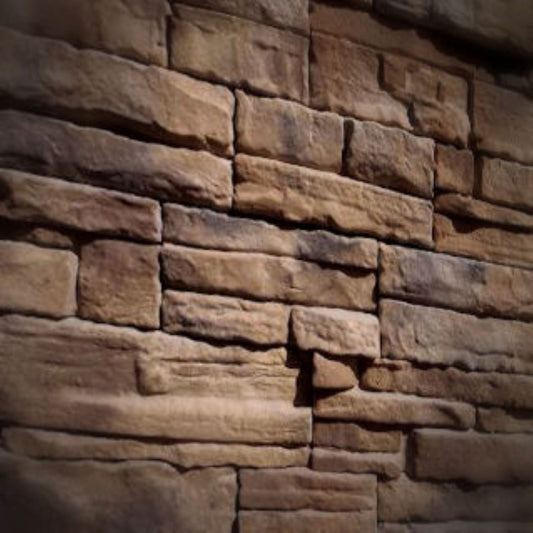
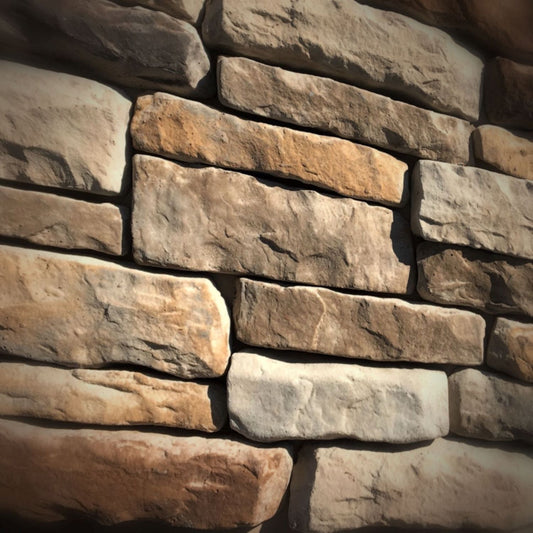
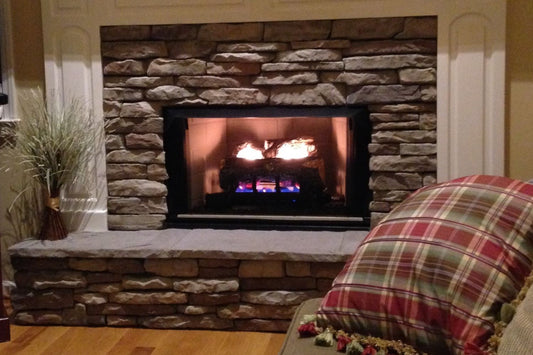
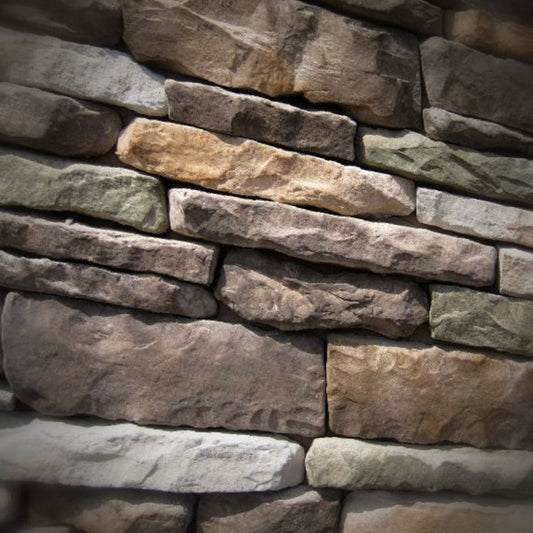
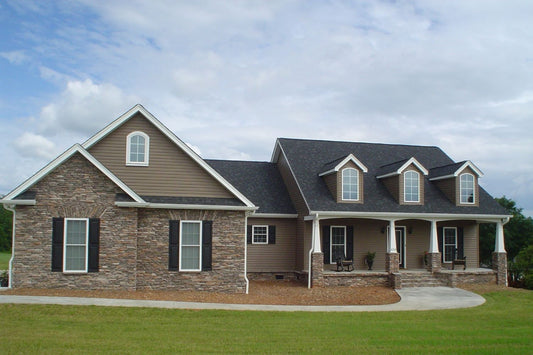
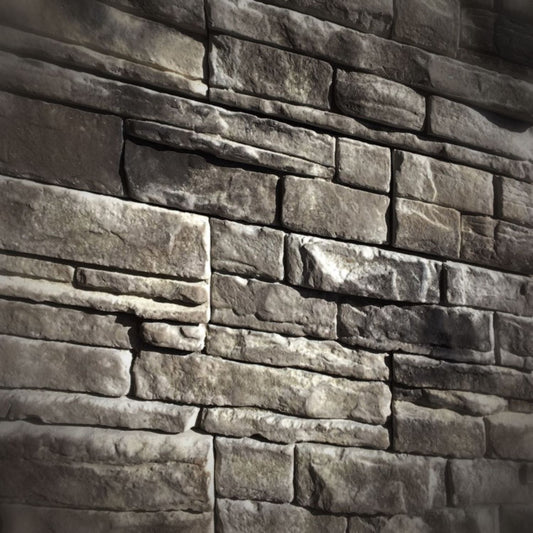
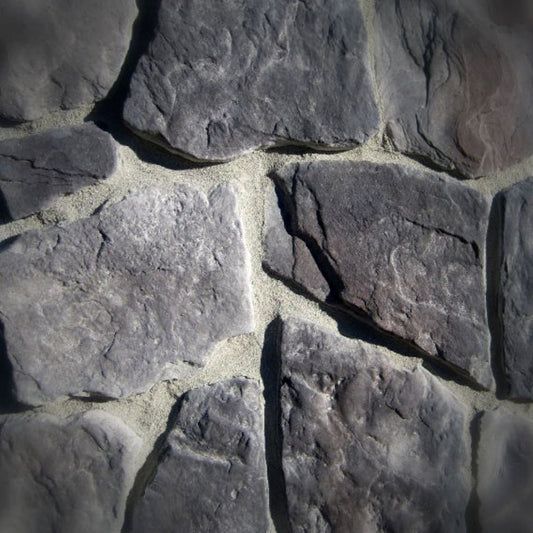
Pictured is ledge stone aspen.




2 comments
Updated May 5th, 2025:
Hi Jim,
Thank you for your question and interest in our stone veneer.
Our installation instructions can be downloaded at https://blackbearmountainstone.com/pages/post-purchase-support. For the surface prep, which is the most important step, you will need to install a moisture barrier and then install wire lath over that. Make sure the nails or screws for wire lath hit studs to ensure a good foundation. Your scratch coat goes over the wire lath and then the stone veneer. We recommend our stone veneer and brick veneer be installed with Type S mortar. Mortar is recommended for installation opposed to an adhesive as mortar is cheaper than adhesive, and when installing with an adhesive you must hold the stone in place until the adhesive sets which really slows down installation time, whereas mortar instantly holds.
Please let us know if you have any more questions!
Can the stone veneer be attached to just plywood or does it need a screen- like mesh to adhere better ???