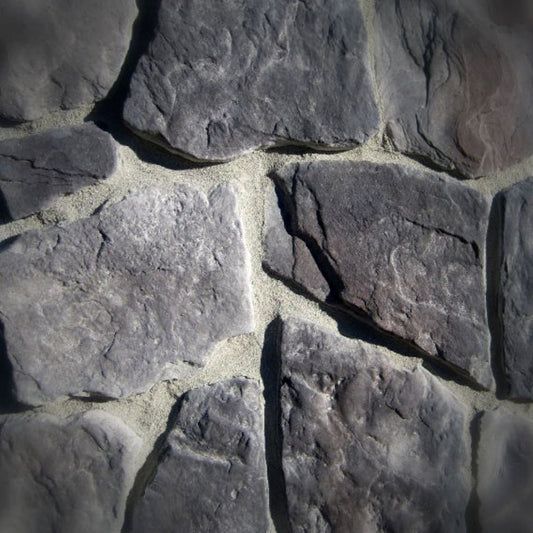

Stone Veneer and Heat Sources
Share
Originally posted February 27 2025, updated July 3 2026.
Manufactured stone veneer can be safely installed near heat sources such as fireplaces, wood-burning stoves, chimneys, outdoor grills, and kitchens when it is installed correctly. While manufactured stone veneer itself is non-combustible, proper installation requires heat-resistant mortars, fire-rated substrates, adequate clearances, and compliance with local building codes and manufacturer recommendations to ensure long-term safety and durability.
Manufactured stone veneer is one of the most versatile and attractive building materials available for both interior and exterior projects. Its authentic appearance, lighter weight, and easier installation make it a popular choice for homeowners, builders, and designers looking to create beautiful fireplaces, outdoor kitchens, feature walls, chimneys, and entertainment spaces.
Many of these applications are located close to heat-producing appliances, leading homeowners to ask an important question: can manufactured stone veneer be installed safely near heat sources? The answer is yes, but only when the installation is completed using the proper materials, methods, and clearances. Although manufactured stone veneer is non-combustible, the performance of the entire installation depends on much more than the stone itself. Mortar selection, substrate preparation, ventilation, expansion allowances, and local building codes all play an important role in creating a safe, durable installation that will continue performing for years.
This post explains everything you should know about installing manufactured stone veneer around fireplaces, wood-burning stoves, chimneys, indoor and outdoor kitchens, and built-in grills.
Understanding manufactured stone veneer and heat
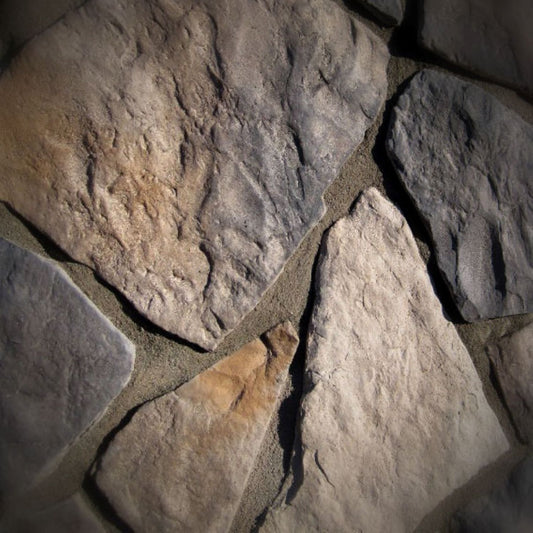
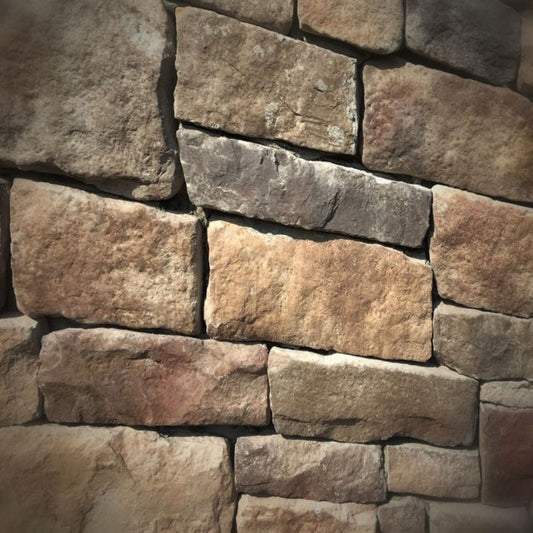
Manufactured stone veneer is engineered from lightweight concrete and carefully molded to replicate the appearance of natural stone. Because it is made primarily from cement and aggregates, the stone itself is considered non-combustible and performs well in environments exposed to elevated temperatures.
However, the stone is only one component of the complete veneer system. Mortars, adhesives, flashing, weather barriers, framing, and the wall assembly behind the stone must also be capable of handling the conditions created by nearby heat sources.
For this reason, manufacturers typically specify approved installation methods and minimum clearance requirements. These recommendations should always be followed alongside local building codes and the appliance manufacturer's installation instructions.
When properly installed, manufactured stone veneer provides an attractive, long-lasting finish that performs exceptionally well in both residential and commercial applications exposed to intermittent or continuous heat.
Installing manufactured stone veneer around fireplaces
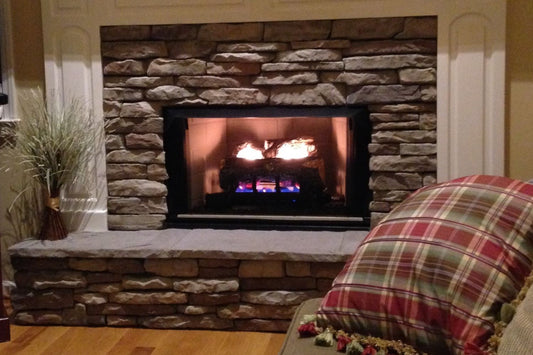
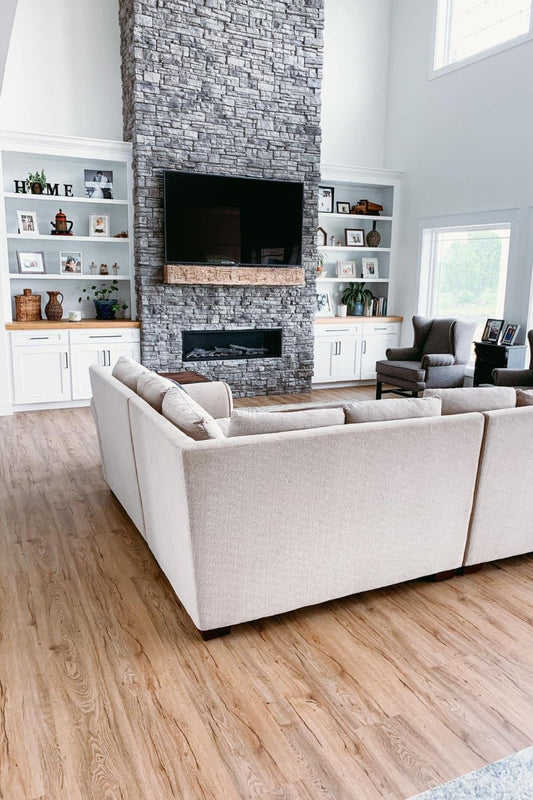
A fireplace is often the centerpiece of a living room, family room, or outdoor gathering space. Manufactured stone veneer creates a timeless appearance that complements both traditional and contemporary home designs while adding warmth and architectural character.
Although the stone veneer itself can withstand high temperatures, the installation surrounding a fireplace deserves careful planning. Open wood-burning fireplaces, gas fireplaces, and direct vent units each produce different levels of radiant heat, making proper installation essential.
One of the most important considerations is selecting a mortar specifically recommended for stone veneer applications and capable of withstanding elevated temperatures. Standard installation materials may not perform as well in areas subjected to repeated heating and cooling cycles.
The wall behind the stone should also be constructed using fire-rated materials. Cement board is commonly recommended because it provides excellent heat resistance. Standard drywall should never be used where fire-resistant materials are required.
Equally important are the required clearances between the fireplace opening and surrounding finish materials. Every fireplace manufacturer provides minimum clearance specifications, and these instructions should always take precedence. Following these guidelines helps prevent excessive heat from affecting both the veneer system and the surrounding wall assembly.
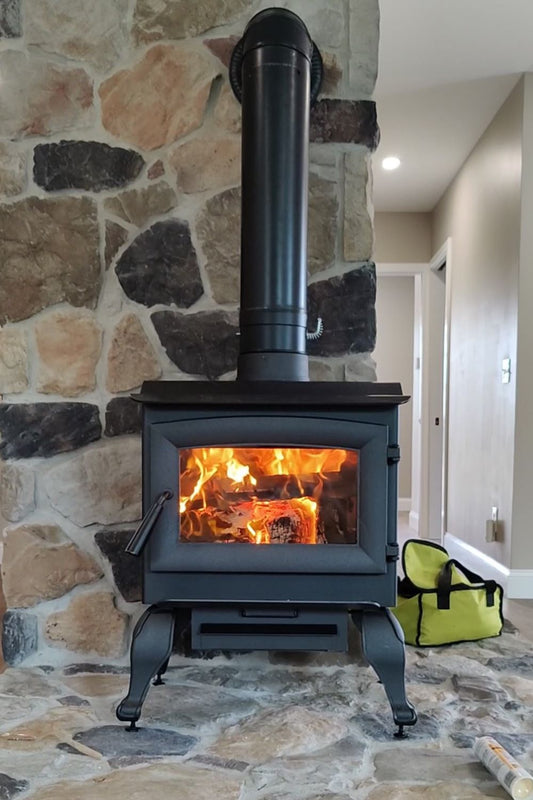
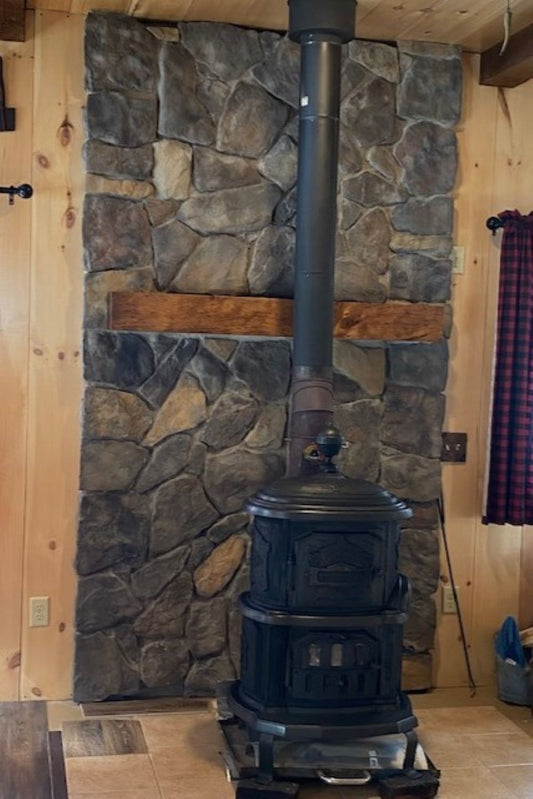
Stone veneer around wood-burning stoves
Wood-burning stoves generate significantly more sustained radiant heat than many fireplaces, making careful installation even more important.
Because these appliances operate at higher temperatures for extended periods, proper spacing between the stove and surrounding finishes is critical. Every stove manufacturer specifies minimum clearance distances based on the appliance's design, heat output, and whether approved heat shields are installed.
Heat shields can significantly reduce heat transfer to nearby wall surfaces and may allow reduced clearances when installed according to manufacturer specifications. These protective barriers help preserve both the veneer installation and the structural materials behind it.
Choosing the correct mortar also contributes to long-term performance. High-temperature mortar systems are designed to better tolerate repeated expansion and contraction caused by ongoing heating cycles, reducing the likelihood of cracking or premature deterioration.
By combining proper clearances, suitable substrates, heat-resistant installation materials, and careful planning, manufactured stone veneer can create an attractive backdrop for a wood-burning stove while maintaining both safety and durability.
Using manufactured stone veneer on chimneys
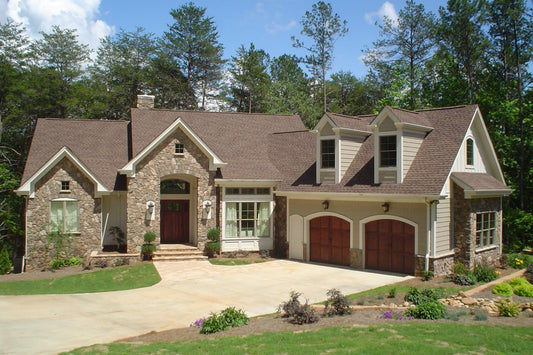
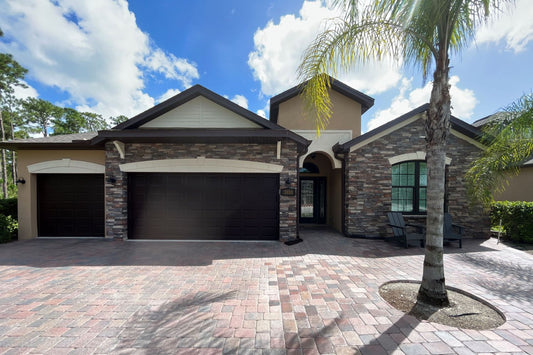
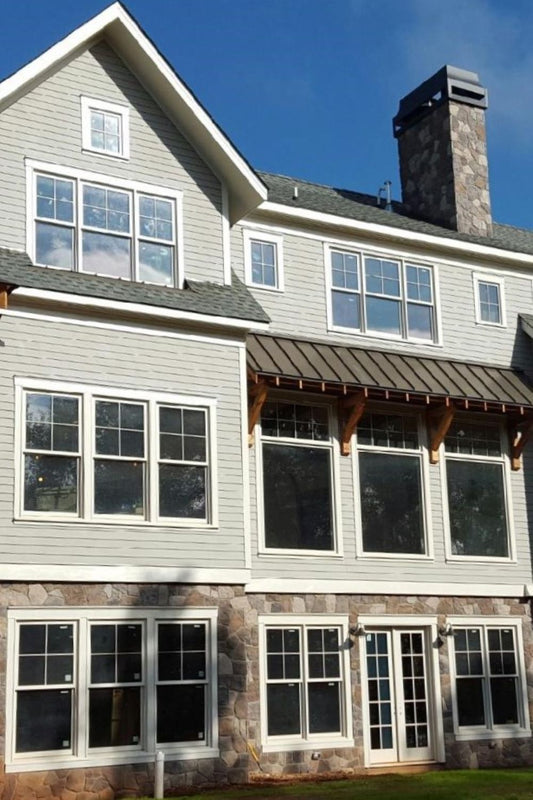
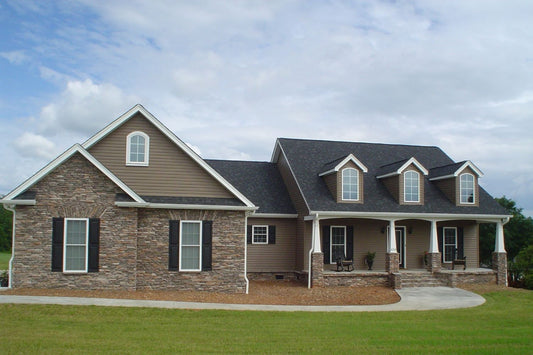
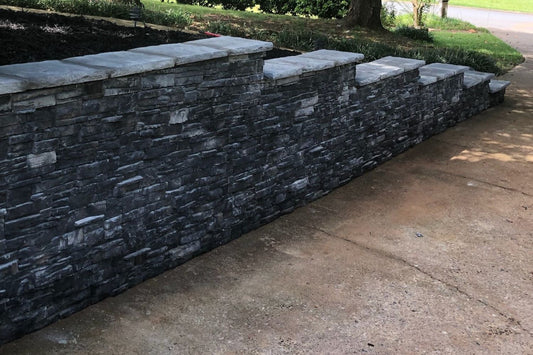
A stone-clad chimney creates impressive curb appeal and can dramatically improve the appearance of a home's exterior. Manufactured stone veneer offers the beauty of natural masonry without the added weight and expense, making it a popular choice for chimney renovations and new construction alike.
Unlike interior applications, exterior chimneys must withstand not only heat but also constant exposure to changing weather conditions. Rain, snow, freeze-thaw cycles, UV exposure, and seasonal temperature swings all place additional demands on the installation.
Moisture management is one of the most important factors in a successful chimney installation. Proper weather-resistant barriers, flashing details, and drainage systems help prevent water from entering behind the veneer, reducing the risk of freeze-thaw damage and long-term deterioration.
Thermal movement should also be considered. Chimneys expand when heated and contract as they cool. Allowing for appropriate movement through properly designed joints helps minimize stress on the veneer system and reduces the potential for cracking.
Because chimneys are part of a home's fire safety system, all installations should comply with local building codes and applicable fire safety requirements.
Manufactured stone veneer in indoor kitchens
Stone veneer isn't limited to fireplaces. It is increasingly used to create feature walls, kitchen islands, range hoods, backsplashes, and architectural accents that add texture and visual interest to indoor kitchens.
Areas located near ovens, cook tops, and ranges require additional planning because these appliances generate both heat and cooking residue. Heat-resistant mortar systems are recommended where elevated temperatures are expected, helping ensure the veneer maintains its strength and appearance over time.
Kitchen environments also expose surfaces to grease, steam, and airborne cooking particles. While manufactured stone veneer requires relatively little maintenance, some homeowners choose to apply an appropriate breathable sealer in cooking areas to make future cleaning easier and help minimize staining.
As with fireplace installations, cement board or another approved fire-rated substrate should be used wherever required by building codes or manufacturer recommendations.
Outdoor kitchens and built-in grills
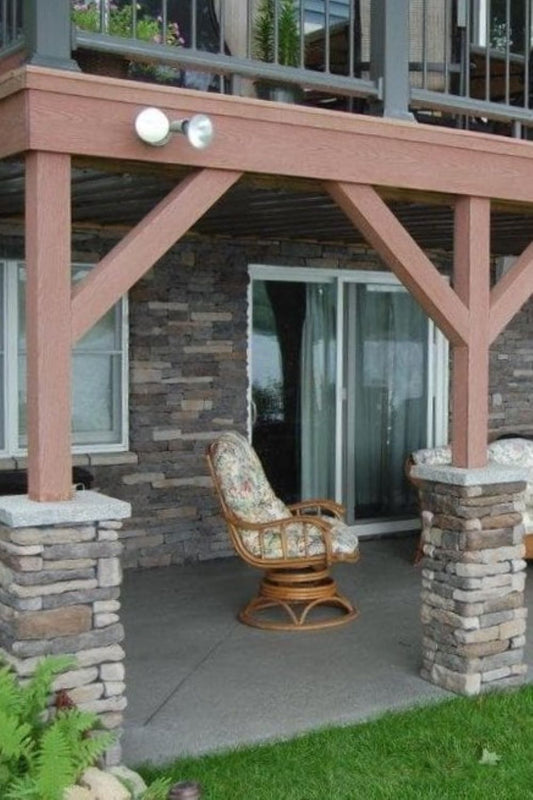
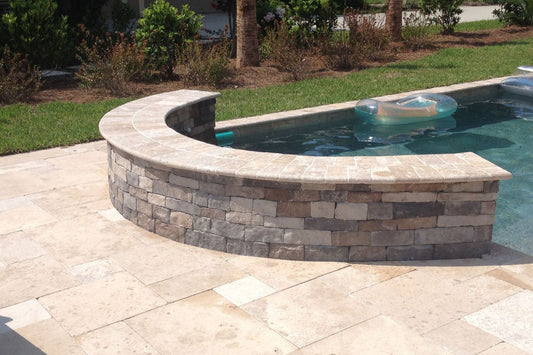
Outdoor kitchens have become one of the most desirable additions to modern homes, and manufactured stone veneer is frequently used to finish islands, seating walls, bars, fireplaces, and built-in grill surrounds.
These installations combine several challenging conditions, including direct sunlight, rain, snow, temperature fluctuations, grease, smoke, and intense heat generated by cooking appliances.
One of the most important design considerations is ventilation. Built-in grills require proper airflow to prevent excessive heat buildup inside enclosed cabinetry. Without adequate ventilation, trapped heat can negatively affect installation materials and shorten the lifespan of the surrounding construction.
The framing system supporting the veneer should also be designed for high-temperature applications. Metal framing, concrete masonry, or other fire-resistant construction materials are commonly used around grills and cooking appliances to improve both performance and safety.
Some homeowners also choose to seal manufactured stone veneer in outdoor cooking areas to help reduce grease absorption and simplify cleaning after years of regular use. Although sealing is not always necessary, it may provide additional protection in environments exposed to smoke, food splatter, and harsh weather.
The importance of choosing the right installation materials
Even the highest-quality manufactured stone veneer will only perform as well as the materials used to install it.
Heat-resistant mortars help maintain bond strength during repeated heating cycles, while cement board and other approved substrates provide stable, fire-resistant support behind the veneer. Proper flashing, weather barriers, drainage systems, and expansion joints all contribute to a longer-lasting installation.
Professional installation following manufacturer guidelines ensures each component of the veneer system works together as intended. Skipping recommended materials or attempting shortcuts can compromise both appearance and long-term performance.
Whether your project involves an indoor fireplace or a complete outdoor living space, investing in proper installation materials protects your investment for years to come.
Following building codes and manufacturer recommendations
Every heating appliance has its own installation requirements, and these instructions should always be considered alongside local building codes.
Clearance distances, ventilation requirements, approved substrates, and acceptable finish materials vary depending on the appliance being installed. Gas fireplaces, wood-burning fireplaces, pellet stoves, outdoor grills, pizza ovens, and chimneys each have unique requirements that should never be overlooked.
Consulting both the appliance manufacturer and the manufactured stone veneer manufacturer before installation helps eliminate guesswork and ensures the finished project meets all applicable safety standards.
Frequently asked questions
1. Can manufactured stone veneer be installed around a fireplace? Yes. Manufactured stone veneer is commonly installed around both gas and wood-burning fireplaces. Proper installation requires approved mortar, fire-rated backing materials where necessary, and adherence to the fireplace manufacturer's clearance requirements.
2. Is manufactured stone veneer heat resistant? Manufactured stone veneer itself is non-combustible and performs well around many heat sources. However, the complete installation system, including mortar, substrate, and framing, must also be suitable for high-temperature applications.
3. Can I install stone veneer around a wood-burning stove? Yes, provided all required clearances specified by the stove manufacturer are maintained. Heat-resistant mortars, approved substrates, and optional heat shields can help ensure a safe and durable installation.
4. Is manufactured stone veneer suitable for outdoor kitchens? Absolutely. Manufactured stone veneer is widely used on outdoor kitchens, grill islands, bars, fireplaces, and entertainment areas. Proper ventilation, weather protection, and approved installation methods are essential for long-term performance.
5. Should manufactured stone veneer be sealed near grills? Sealing is generally optional but can be beneficial in outdoor cooking areas where grease, smoke, and food splatter are common. A breathable sealer may make cleaning easier and help reduce staining.
6. What is the most important consideration when installing stone veneer near heat? The most important consideration is following the manufacturer's installation instructions and all local building codes. Proper clearances, fire-rated substrates, heat-resistant mortars, and adequate ventilation are essential for creating a safe and long-lasting installation.
Stone veneer and heat sources
Manufactured stone veneer offers exceptional versatility for projects located near heat-producing appliances. From elegant fireplace surrounds and rustic wood-burning stove walls to dramatic chimneys and fully equipped outdoor kitchens, stone veneer creates timeless visual appeal while delivering excellent durability.
Success ultimately comes down to proper planning and professional installation. Selecting appropriate heat-resistant materials, maintaining required clearances, using fire-rated substrates, managing moisture, and following manufacturer recommendations all contribute to a safe, beautiful installation that will perform for decades.
When installed correctly, manufactured stone veneer provides the authentic appearance of natural stone while remaining a practical, cost-effective solution for virtually any residential or commercial project involving heat sources.
What's next?
Bring your vision to life with our premium stone veneer! Shop now to find the perfect style or order a sample to see the texture and color up close. Get started today!
Have a question?
Please see our full terms of service or check out our frequently asked questions.
For general information and questions please call: (864) 882-8960 Mon. - Fri. 8am - 5pm (EST) or email: info@blackbearmountainstone.com we are more than happy to help you.
Or you can submit your questions via our contact us page.
We look forward to working with you on your upcoming project.
The Black Bear Mountain Stone Team
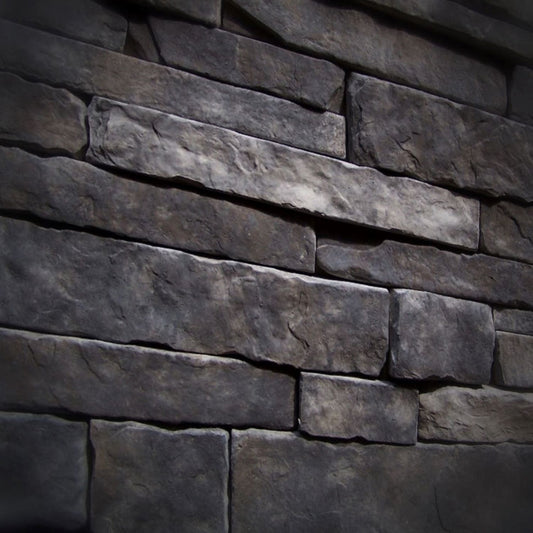
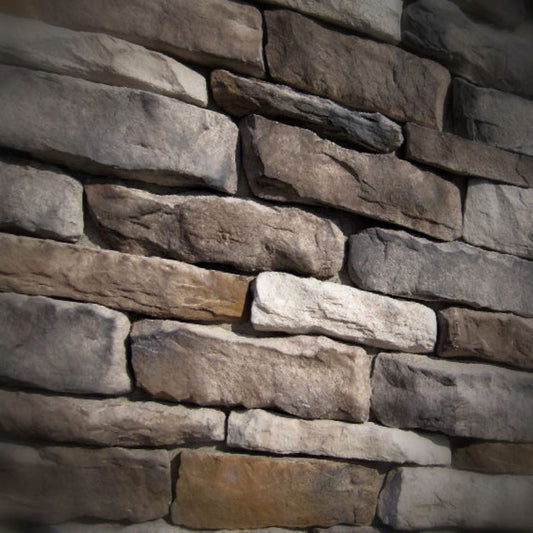
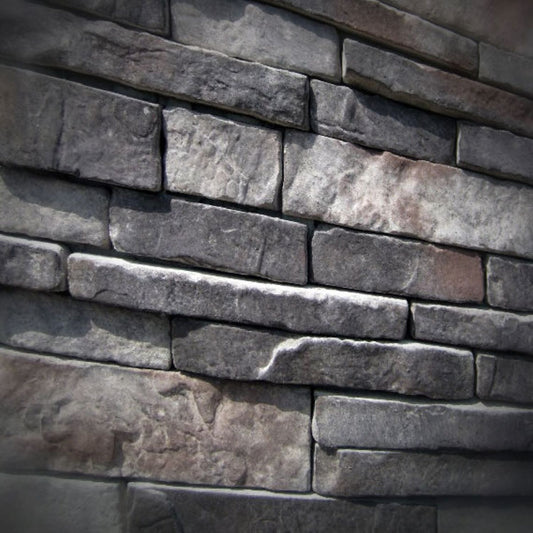
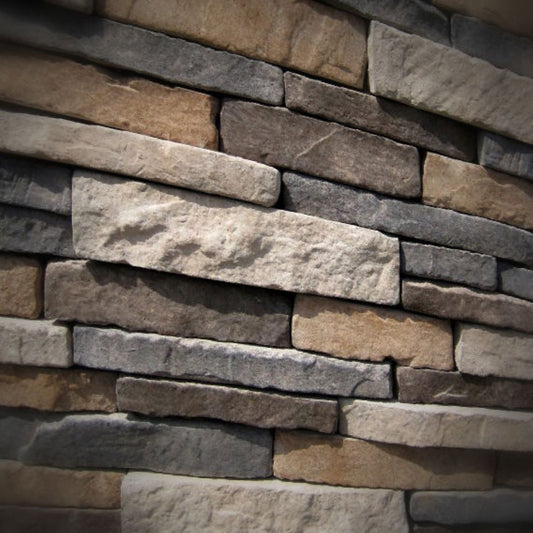
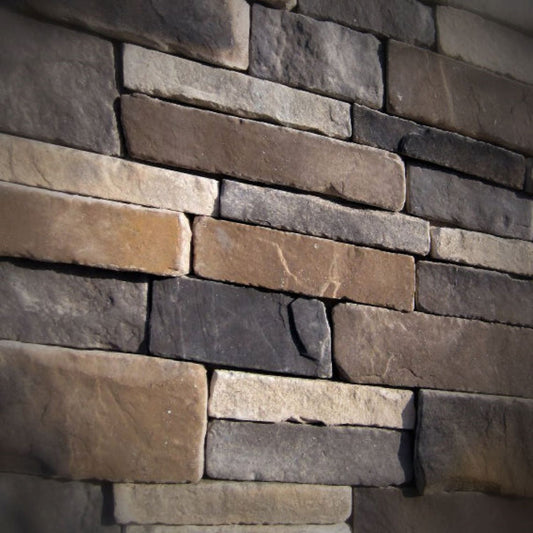
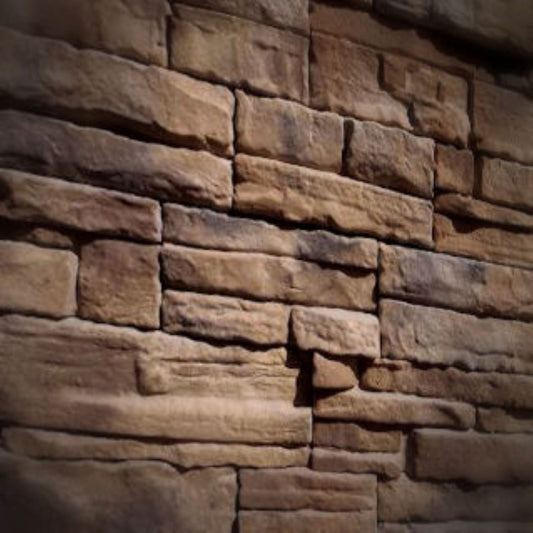
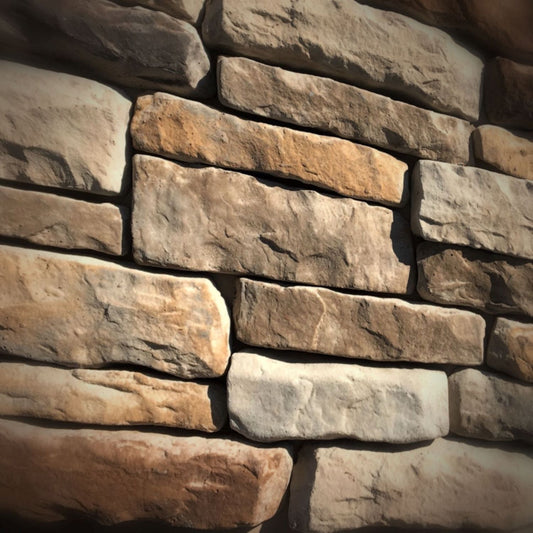
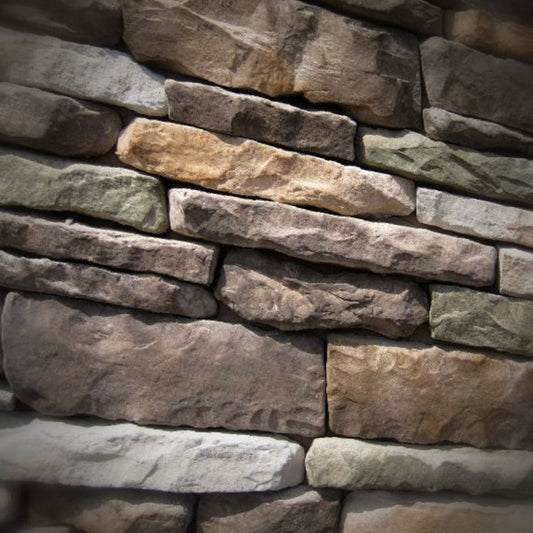
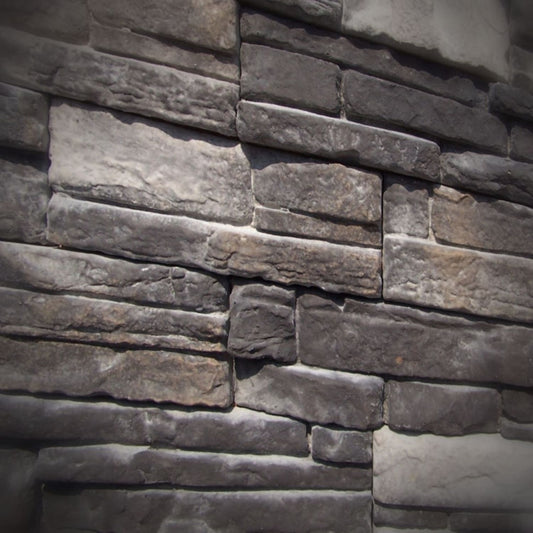
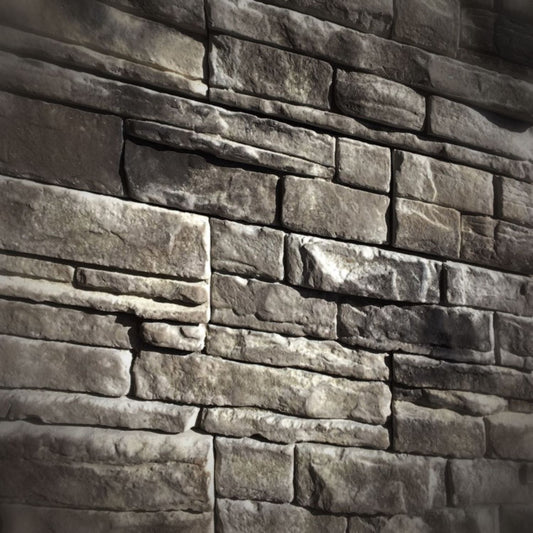
Pictured is stack stone ozark.