
Manufactured Stone Veneer for Exteriors: Benefits, Trends, and Outdoor Ideas
Share
Originally posted April 10, 2025, updated July 29, 2026.
Manufactured stone veneer is a lightweight, cost-effective alternative to natural stone for exterior walls, entryways, foundations, columns, outdoor kitchens, and patio features. Available in a wide range of colors, textures, and profiles, it enhances curb appeal while providing the appearance of natural stone. With proper installation, moisture management, and maintenance, manufactured stone veneer can deliver lasting beauty for residential and commercial exteriors.
The exterior of a home or commercial building creates its first impression. From the front entrance and foundation to columns, outdoor kitchens, and patio walls, the materials used on exterior surfaces influence the property's overall appearance, character, and curb appeal. Manufactured stone veneer offers a versatile way to introduce the texture and visual appeal of natural stone without the cost and weight associated with full-depth masonry.
Available in a wide variety of shapes, colors, textures, and stone profiles, manufactured stone veneer complements architectural styles ranging from traditional farmhouses and rustic mountain homes to contemporary residences and commercial properties. It can serve as a dramatic focal point or add subtle architectural detail to an otherwise simple exterior.
Beyond its appearance, manufactured stone veneer provides flexibility for both new construction and renovation projects. Understanding its benefits, design possibilities, installation requirements, and maintenance considerations can help homeowners, builders, and designers choose the right stone veneer for their exterior projects.
What is Manufactured Stone Veneer?
Manufactured stone veneer is a cement-based masonry product designed to replicate the appearance of natural stone. It is generally made from Portland cement, lightweight aggregates, and iron oxide mineral pigments, then molded and finished to create realistic stone textures, shapes, and color variations.
Unlike full-depth natural stone, manufactured stone veneer is produced as a thinner facing material. This makes it suitable for many applications where the appearance of stone is desired without the added weight and structural demands of traditional full-depth masonry. It can be installed over properly prepared wall assemblies on both residential and commercial buildings, provided the selected product and installation method are appropriate for the application.
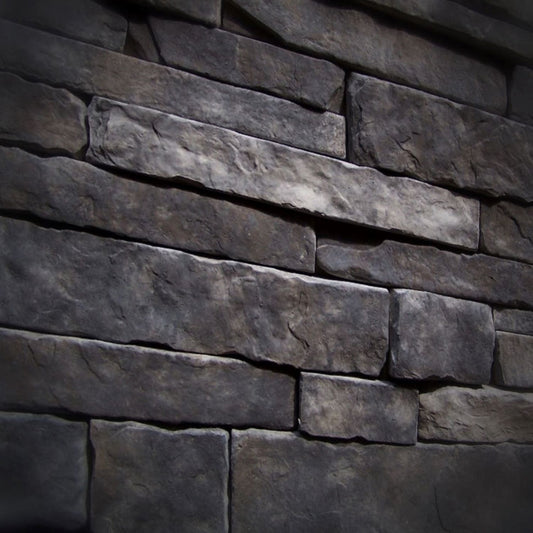
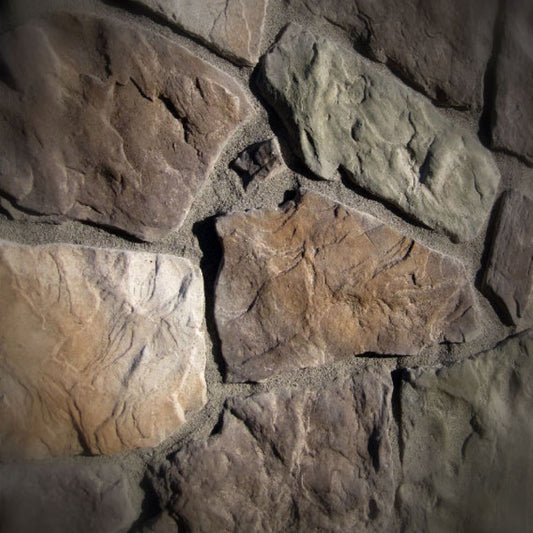
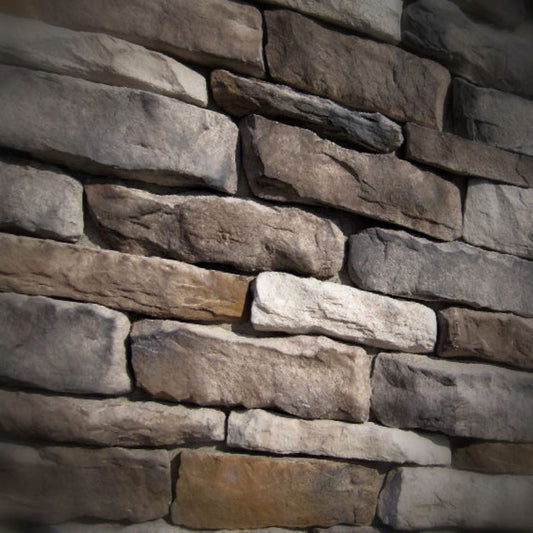
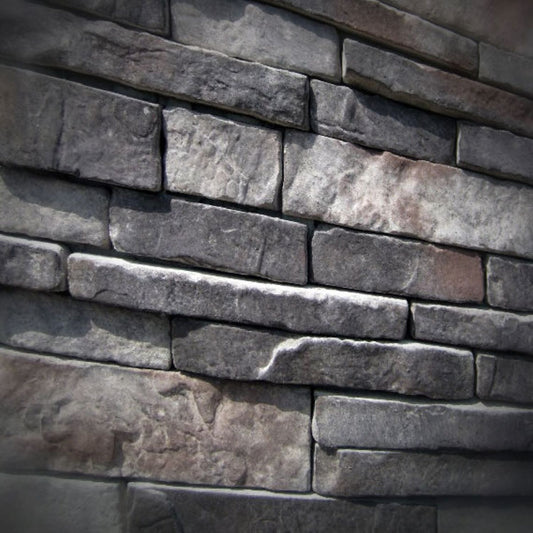
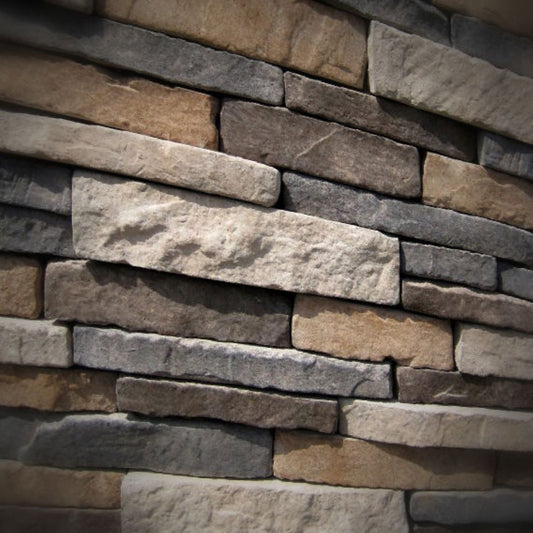
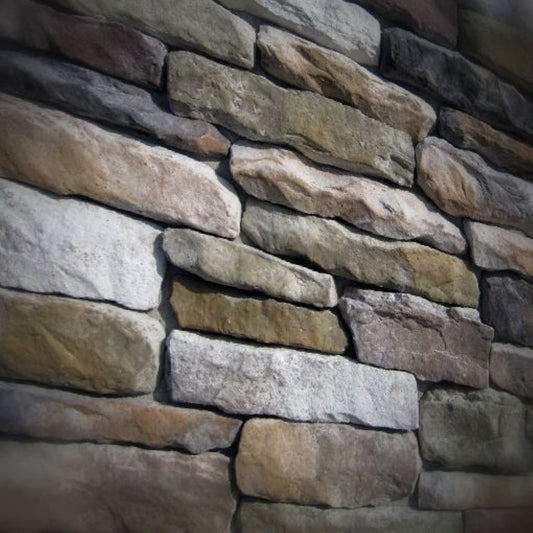
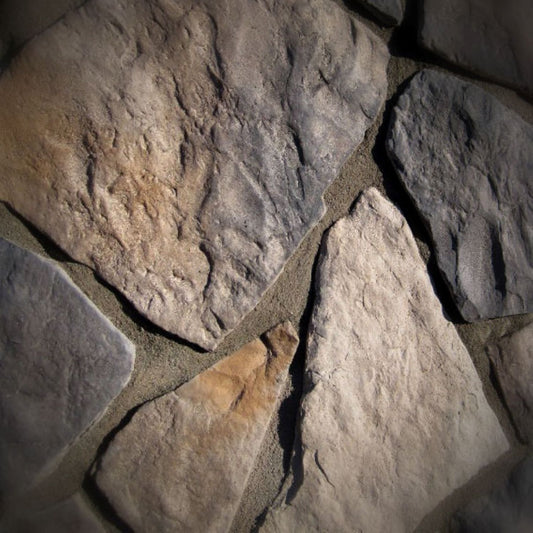
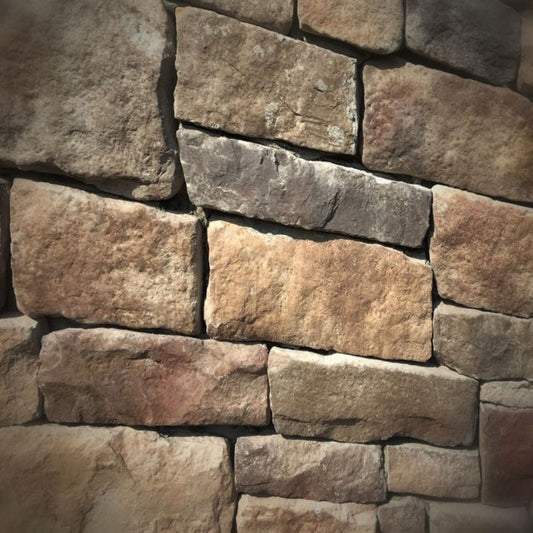
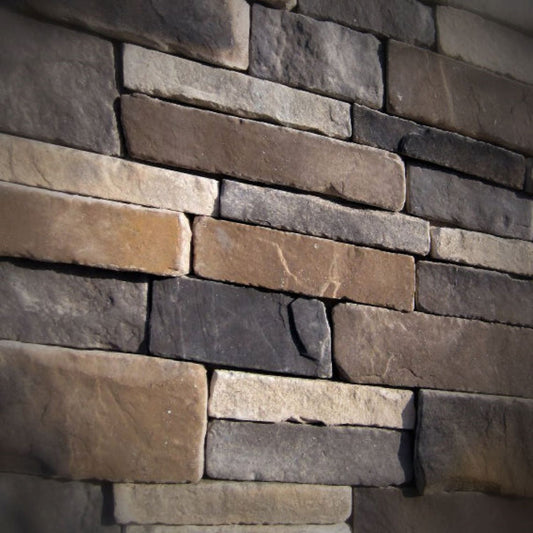
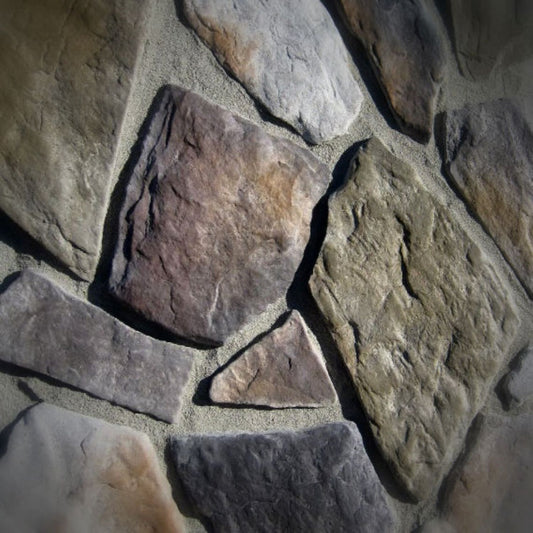
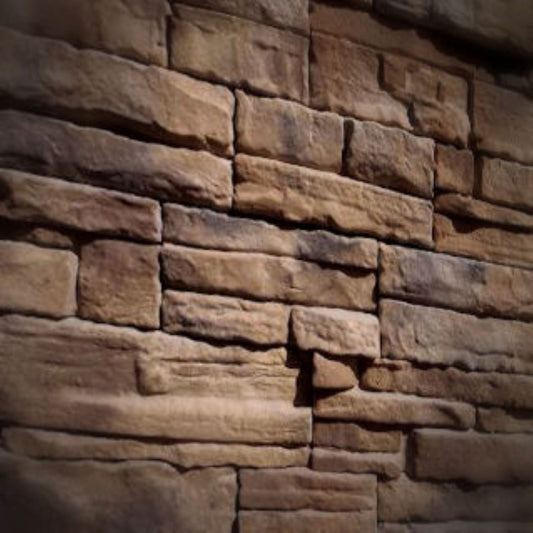
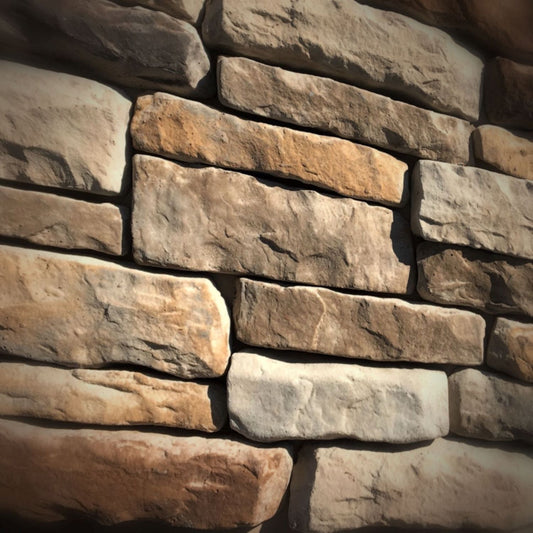
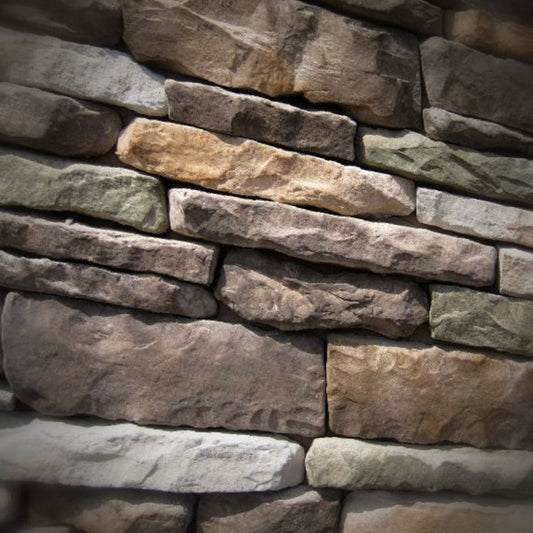
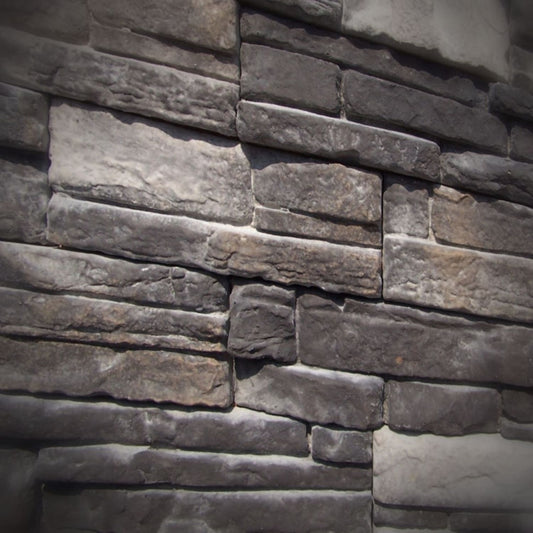
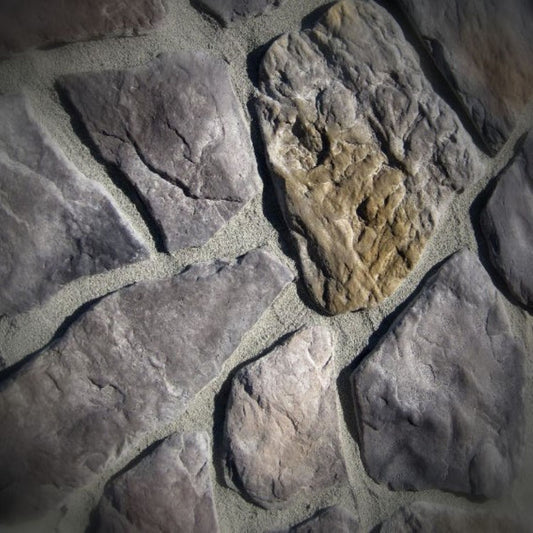
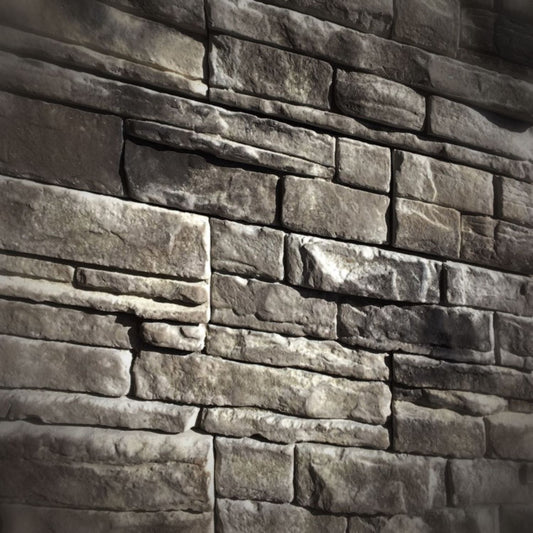
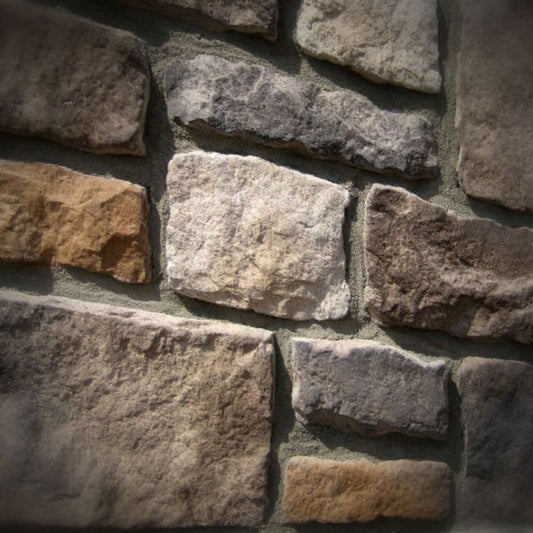
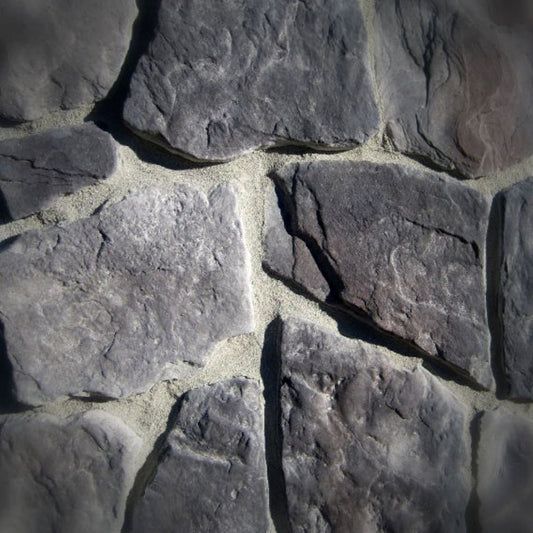
The range of available profiles makes manufactured stone veneer adaptable to different architectural styles. Ledgestone offers elongated shapes and horizontal coursing, while fieldstone provides a more irregular, rustic appearance. Ashlar-style profiles feature rectangular and square shapes that create a more structured pattern, and stacked stone designs use tightly fitted individual stones to produce a distinctive dry-stack appearance.
These variations allow manufactured stone veneer to complement siding, brick, stucco, wood, metal, and other exterior finishes. Rather than covering every wall in stone, many projects use it selectively to emphasize entrances, foundation walls, chimneys, columns, or other architectural features.
Benefits of Exterior Manufactured Stone Veneer
One of the main benefits of manufactured stone veneer is its ability to enhance curb appeal. Stone introduces texture, depth, and visual contrast that can make an exterior feel more substantial and architecturally interesting. Even a relatively small application around a front entrance or garage can create a noticeable change in the appearance of a property.
Manufactured stone veneer also offers greater design flexibility than many people realize. Because it is available in numerous profiles and color combinations, it can coordinate with existing roofing, siding, trim, windows, and landscaping. Homeowners can choose warm earth tones for a rustic appearance, neutral gray shades for a contemporary exterior, or mixed colors that complement traditional architecture.
Cost is another consideration. Manufactured stone veneer generally costs less than comparable natural stone, although the total installed cost depends on the product, project size, wall preparation, labor, accessories, and shipping. Its lighter weight can also simplify handling and expand the range of suitable applications compared with heavier full-depth stone, though the wall assembly must still meet the product's installation requirements.
Durability is important for exterior applications. Quality manufactured stone veneer is designed for use in appropriate exterior environments when installed according to the manufacturer's instructions. Proper substrate preparation, water management, flashing, drainage details, and joint treatment all contribute to the long-term performance of the installation.
Manufactured stone veneer can also provide a consistent design appearance across a project. Natural stone varies according to the quarry and material source, while manufactured stone is produced to achieve a particular profile and color range. The individual pieces still feature texture and variation, helping create a natural-looking finished surface.
Exterior Stone Veneer Ideas to Improve Curb Appeal
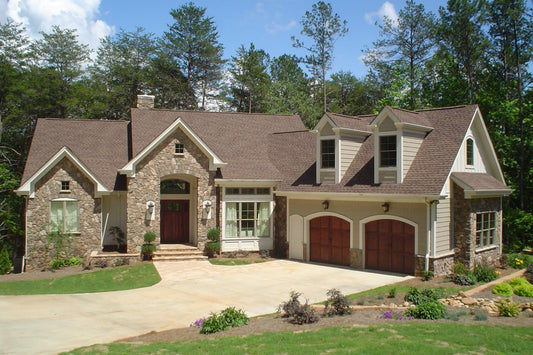
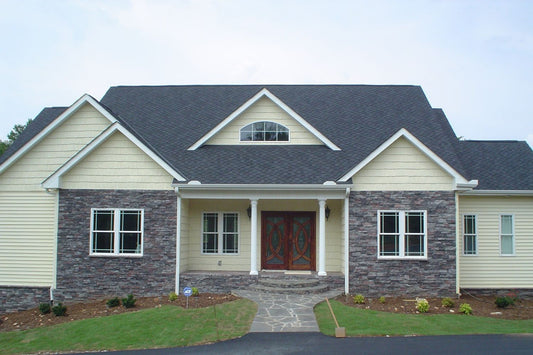
The front entrance is one of the most effective places to use exterior stone veneer. Applying stone around a doorway, along the entry walls, or across a covered porch creates a welcoming focal point. The stone can coordinate with the front door, exterior lighting, wood accents, and landscaping to establish a cohesive design.
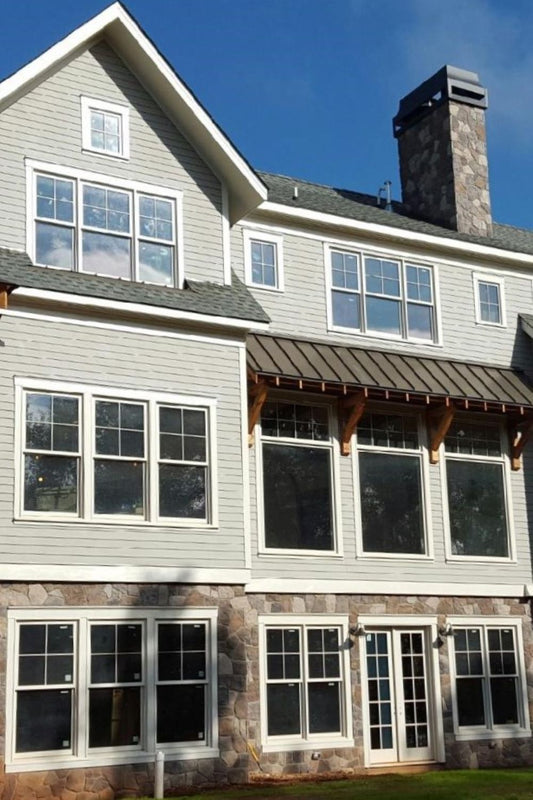
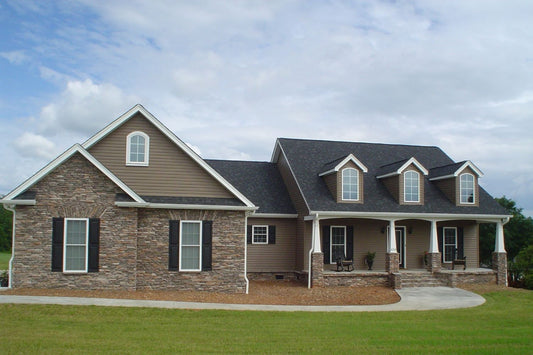
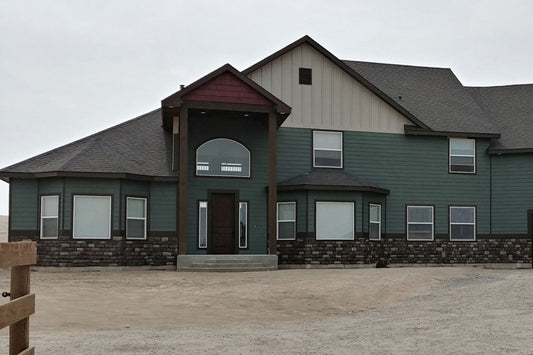
Foundation walls are another popular application. Exposed foundations can sometimes appear visually disconnected from the rest of a house, especially when paired with siding above. Adding manufactured stone veneer to the foundation creates a more finished appearance and provides a transition between the building and the surrounding landscape. The selected product must be installed with appropriate ground clearances and moisture-management details.
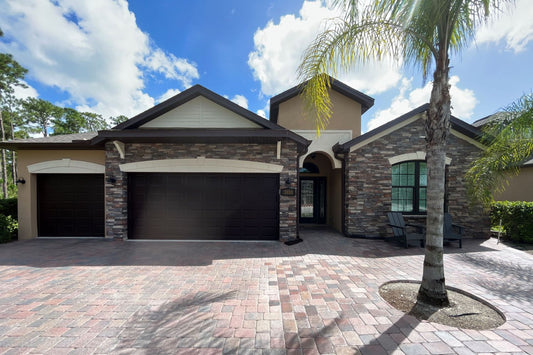
Garage exteriors can also benefit from stone accents. Stone around garage doors or across the lower portion of the facade can break up large expanses of siding and help balance the visual weight of the garage with the main entrance. This approach is particularly effective when the stone color complements the roof, window trim, or other exterior finishes.
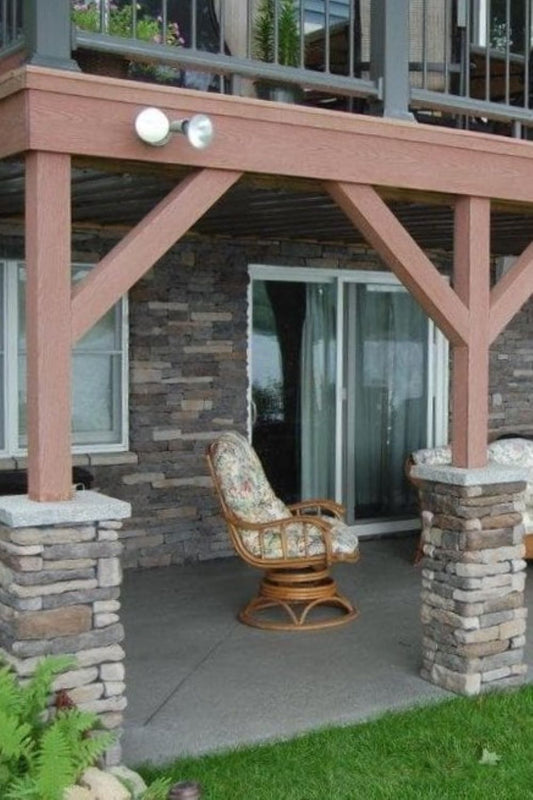
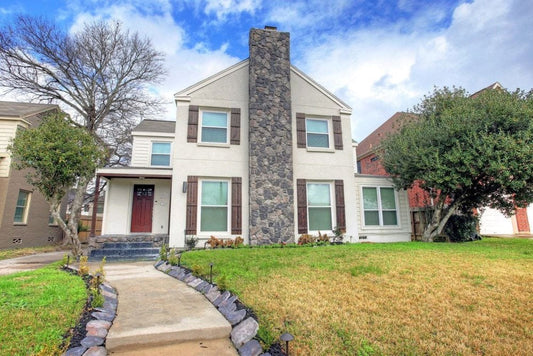
Columns and porch supports provide another opportunity to introduce stone without covering large wall areas. Stone-clad columns can add visual weight and architectural character to covered porches, porticos, and outdoor entertaining areas. They can also help tie together other stone elements used elsewhere on the property.
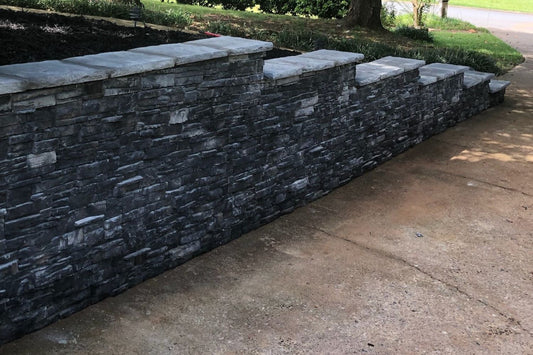
For larger projects, manufactured stone veneer can be used on chimneys, gable accents, retaining-wall facings where the assembly is appropriate, and selected sections of exterior walls. Repeating the same stone profile or coordinating complementary profiles across these features can create a consistent exterior design.
Exterior Stone Veneer Trends for Modern Homes
Exterior stone veneer works with both traditional and contemporary architecture. Current design approaches often emphasize natural-looking textures, restrained color palettes, and combinations of materials rather than covering every exterior surface with a single finish.
Neutral colors remain versatile choices for residential exteriors. Gray, charcoal, beige, cream, and blended earth tones can complement a wide range of siding and roofing colors. Darker stone can create contrast against light siding, while lighter stone can soften a darker exterior and help highlight architectural details.
Texture is equally important. Profiles with varied stone sizes, irregular edges, and dimensional surfaces can add depth and shadow throughout the day as natural light changes. The best profile depends on the architectural style and the visual effect the project is intended to achieve. More uniform shapes can create a structured appearance, while irregular stone profiles tend to feel more rustic and organic.
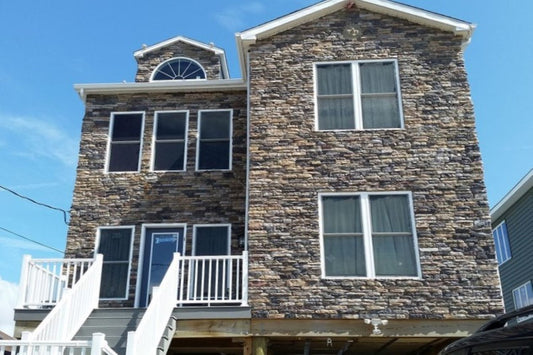
Mixed-material exteriors are also popular. Pairing stone veneer with horizontal siding, vertical board-and-batten siding, timber accents, or metal details creates contrast without overwhelming the design. Stone can anchor the lower portion of a home while lighter materials occupy the upper walls, helping establish a balanced facade.
A successful exterior design considers the entire property rather than selecting stone in isolation. Roof color, window frames, trim, walkways, landscaping, and neighboring structures can all influence how a stone color appears once installed. Reviewing samples in natural daylight and comparing them with the other exterior materials can help prevent unexpected color differences.
Transform Patios and Outdoor Living Spaces With Stone Veneer
Outdoor living areas provide additional opportunities to use manufactured stone veneer. As patios, covered porches, and outdoor kitchens become extensions of indoor living spaces, stone can help create a cohesive design that feels substantial and inviting.
Outdoor kitchen islands and built-in grill surrounds are popular applications. Stone veneer can give these structures the appearance of traditional masonry while coordinating with the patio, house exterior, and other landscape features. Before installation, the design must account for the structure, heat exposure, clearances, and any manufacturer-specific requirements for the appliance or surrounding assembly.
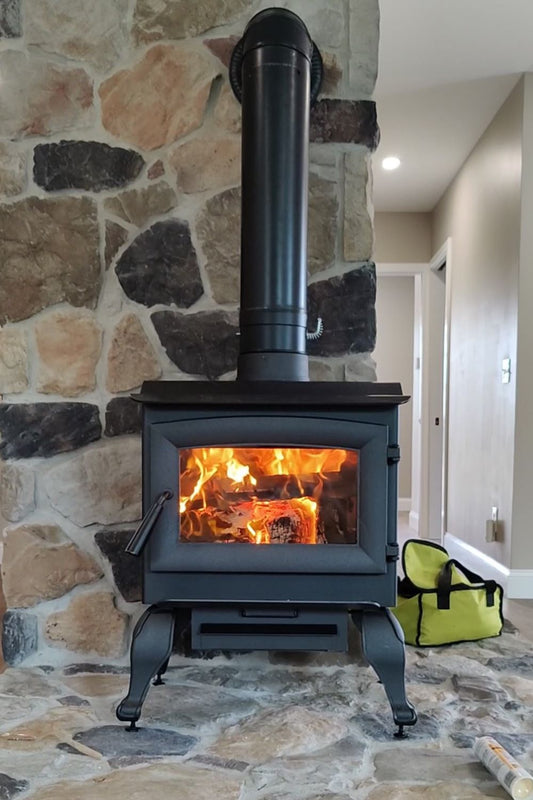
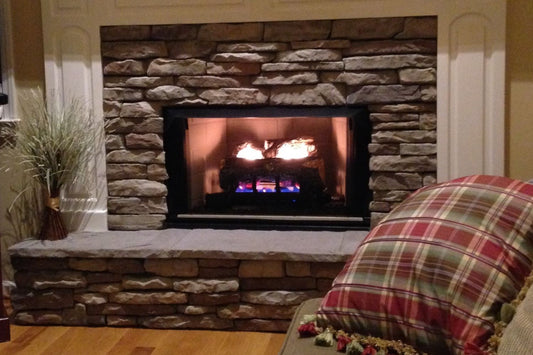
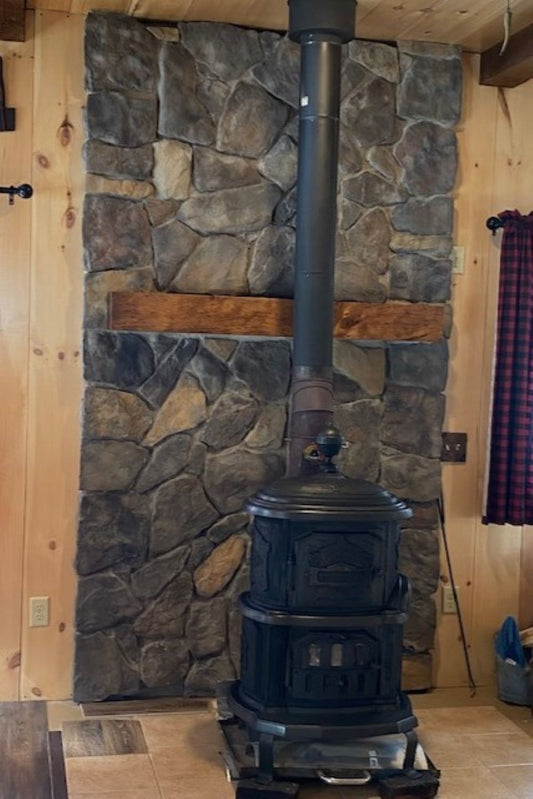
Fireplace surrounds and the exterior surfaces of outdoor fireplace structures can also incorporate manufactured stone veneer when the product is used in an appropriate location. The veneer itself should not be assumed to be suitable for direct flame exposure or use inside a firebox. Firebox materials, insulation, clearances, and heat-resistant components must be selected for the specific fireplace design.
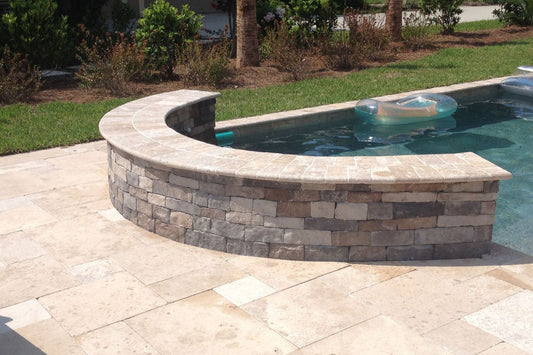
Stone veneer can also add visual interest to outdoor seating walls, covered-patio columns, and garden features. Using stone that complements the home's exterior helps connect the built environment with surrounding landscaping. A rustic profile may suit a naturalistic garden, while a more uniform stone can work well with contemporary paving and simple planting schemes.
For outdoor applications, weather exposure and installation details are especially important. Water must be directed away from the wall assembly, and flashing, drainage, movement joints, and clearances must be addressed as required by the product and construction details. A beautiful outdoor feature needs a properly designed assembly to perform as intended over time.
Can the Same Stone Veneer Be Used Indoors and Outdoors?
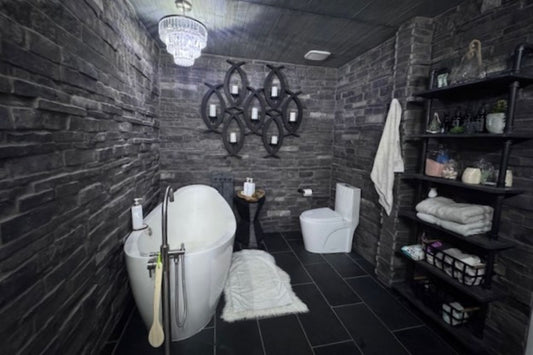
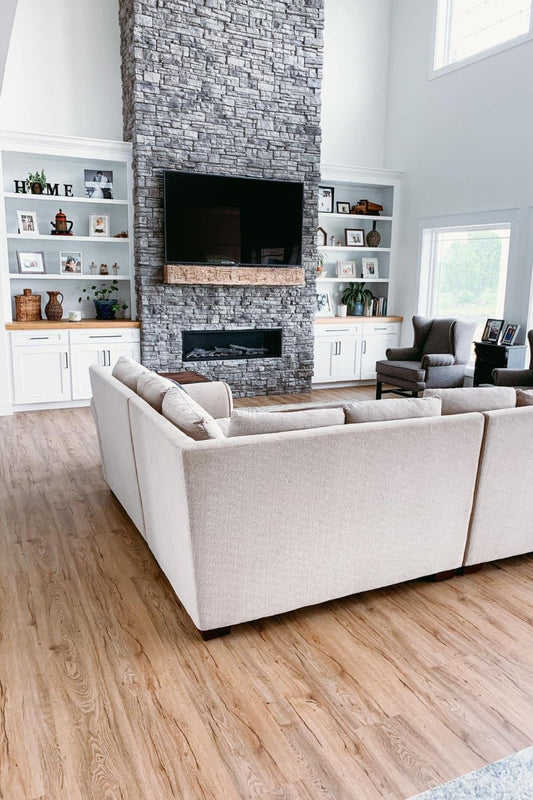
Many manufactured stone veneer profiles can be used in both interior and exterior applications, but suitability depends on the specific product and its installation requirements. A profile used on an outdoor entrance may also work well on an indoor fireplace surround, accent wall, or kitchen feature wall when the product is approved for both locations.
Using the same or coordinating stone indoors and outdoors can create visual continuity. For example, stone around a covered patio entrance can relate to a nearby interior fireplace or accent wall, helping connect the two spaces. This approach can be especially effective in homes with large windows, sliding doors, or open-plan living areas.
The conditions of each installation still matter. Interior walls may require different preparation than exterior walls, while outdoor walls must account for weather exposure and water management. Moisture levels, substrate compatibility, heat exposure, and local building requirements can affect which product and installation system are appropriate.
It is also important to consider lighting. Natural daylight and outdoor shadows can make stone colors appear different from the way they look under interior lighting. Comparing samples in both environments helps ensure that the chosen color and texture work throughout the project.
Installation and Maintenance for Long-Lasting Exterior Stone Veneer
Proper installation is essential to the performance of exterior manufactured stone veneer. The appropriate wall assembly depends on the substrate, building construction, exposure conditions, and product manufacturer's instructions. Exterior installations may require a water-resistive barrier, flashing, metal lath, a scratch coat, or other components based on the specific wall system. The veneer should not be installed directly over a surface simply because that surface appears solid or suitable for bonding.
Moisture management deserves particular attention. Stone veneer is a facing material, not a waterproofing system. Rainwater can enter exterior wall assemblies through joints and other openings, so the underlying wall must be designed to manage and drain moisture appropriately. Flashing around windows, doors, roof intersections, and other penetrations helps direct water away from vulnerable areas.
Movement and clearances must also be considered. Building materials expand, contract, and move over time, and the installation must accommodate movement where required. Proper clearance above soil, mulch, paving, and other surfaces helps reduce moisture-related problems and supports the longevity of the finished wall.
Maintenance requirements are generally straightforward, but they depend on the product, installation, and environment. Routine visual inspections can help identify damaged joints, cracks, drainage issues, or areas where water is collecting. Cleaning should be performed using methods and products that are compatible with the veneer. Harsh chemicals, abrasive tools, and aggressive pressure washing can damage the surface and should not be used unless specifically permitted by the manufacturer.
Sealing is not automatically necessary for every manufactured stone veneer installation. A compatible breathable penetrating sealer may be appropriate in some situations, but the decision should be based on the product's requirements and the conditions of the installation. Glossy coatings or incompatible sealers can change the appearance of the stone or interfere with its ability to release moisture. Always verify compatibility and test products in an inconspicuous area before treating the entire surface.
How to Choose the Right Stone Veneer for Your Project
Choosing manufactured stone veneer begins with the architectural style and intended application. Consider whether the project calls for a rustic, traditional, contemporary, or formal appearance, then narrow the options to profiles that support that direction. The shape and size of the individual stones can influence how large or small a wall appears, while color variation affects the overall character of the finished surface.
The surrounding materials should guide the color selection. Compare stone samples with the siding, roofing, trim, windows, and hardscape rather than evaluating the stone by itself. Outdoor lighting can change how a color looks, so examine samples in the actual location where the veneer will be installed.
Project requirements should be evaluated alongside appearance. Confirm that the selected product is suitable for the intended interior or exterior application and that the substrate and installation system meet the manufacturer's requirements. For outdoor kitchens, fireplace structures, and other specialized features, verify heat exposure, clearances, and assembly details before purchasing materials.
Ordering samples can make the selection process more reliable. Photographs and online color representations are useful for comparing styles, but they cannot fully communicate texture, depth, and color variation. Seeing a physical sample alongside other building materials helps homeowners, contractors, and designers make a more informed decision.
Manufactured Stone Veneer for Exteriors
Manufactured stone veneer offers homeowners, builders, and designers a versatile way to improve exterior appearance, add architectural character, and create more cohesive outdoor living spaces. From entryways and foundations to columns, outdoor kitchens, and patio features, the right stone profile can complement a wide range of architectural styles.
The best results come from balancing appearance with practical considerations. Choosing a suitable profile and color, evaluating physical samples, and following the product's installation and moisture-management requirements all contribute to a successful project.
Frequently Asked Questions About Manufactured Stone Veneer for Exteriors
Can manufactured stone veneer be used on the exterior of a house?
Yes, manufactured stone veneer is commonly used on exterior walls, foundations, entryways, columns, and other architectural features when the product is approved for exterior use and installed according to the manufacturer's instructions. Proper substrate preparation, flashing, drainage, and moisture management are essential to long-term performance.
Is manufactured stone veneer cheaper than natural stone?
Manufactured stone veneer generally costs less than comparable natural stone, although total project costs vary depending on the product, installation labor, wall preparation, accessories, and shipping. Its lighter weight can also simplify handling compared with full-depth natural stone.
Does exterior stone veneer increase curb appeal and home value?
Manufactured stone veneer can improve curb appeal by adding texture, contrast, and architectural detail to a home's exterior. Its effect on resale value depends on the property, the quality of the installation, local market conditions, and how well the stone complements the overall design.
Can manufactured stone veneer withstand rain, snow, and freezing temperatures?
Exterior-rated manufactured stone veneer can be used in appropriate weather conditions when installed according to the product's requirements. Performance depends on the product, installation quality, water management, drainage, and exposure conditions. The veneer itself should not be treated as a waterproof barrier.
Does exterior stone veneer need to be sealed?
Not every manufactured stone veneer installation requires a sealer. When sealing is appropriate, use a compatible product that meets the manufacturer's recommendations and preserves the intended appearance of the stone. Test the sealer before applying it to the entire surface.
Can manufactured stone veneer be used around outdoor kitchens and fireplaces?
Manufactured stone veneer can be used on suitable exterior surfaces around outdoor kitchens and fireplace structures when the product and assembly are appropriate for the application. It should not be assumed to be suitable for direct flame exposure or use inside a firebox. Heat clearances and firebox materials must meet the requirements of the appliance and construction design.
What's Next?
Bring your vision to life with our premium stone veneer! Shop now to explore the perfect style or order a sample to see the texture and colors up close. Kick off your project today!
Have a Question?
Please see our full terms of service or check out our frequently asked questions.
For general information and questions please call: (864) 882-8960 Mon. - Fri. 8am - 5pm (EST) or email: info@blackbearmountainstone.com we are more than happy to help you.
Or you can submit your questions via our contact us page.
We look forward to working with you on your upcoming project.
The Black Bear Mountain Stone Team
Pictured is ledge stone midnight.