
Can Stone Veneer Be Used in Bathrooms and Showers?
Share
Originally posted April 3 2025, updated July 28 2026.
Manufactured stone veneer can be used in bathrooms and even showers when installed correctly. Because stone veneer is not waterproof, it must be installed over a properly waterproofed substrate using appropriate mortar, moisture barriers, and penetrating sealers. With proper ventilation, routine maintenance, and periodic resealing, manufactured stone veneer can provide a beautiful, long-lasting finish in humid bathroom environments.
Bathrooms have evolved from purely functional spaces into relaxing retreats where natural materials play an important role in the overall design. Homeowners are increasingly looking for ways to create spa-inspired bathrooms that feel warm, inviting, and timeless. One of the most popular ways to achieve this look is with manufactured stone veneer.
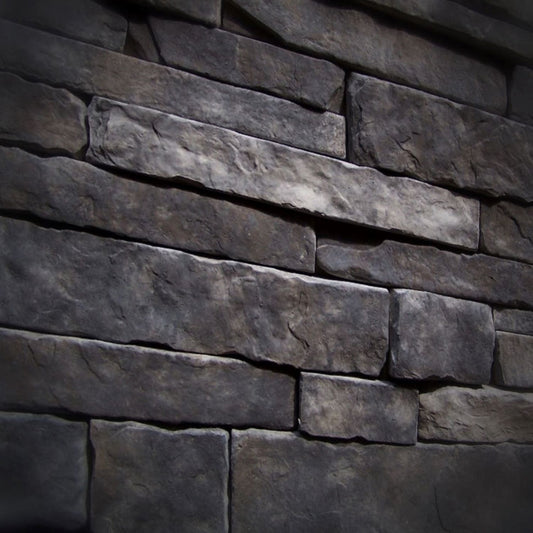
Manufactured stone veneer delivers the appearance of natural stone while remaining significantly lighter and more affordable. It can transform an ordinary bathroom into a luxury space by adding texture, depth, and character without the structural concerns associated with full-thickness natural stone.
While manufactured stone veneer performs exceptionally well in many interior applications, bathrooms and showers require special attention because of their high humidity and regular exposure to moisture. Understanding how to properly install, waterproof, and maintain stone veneer is the key to ensuring decades of beautiful performance.
Is manufactured stone veneer good for bathrooms?
Manufactured stone veneer is an excellent choice for bathroom walls when installed according to industry best practices. Since bathrooms experience constant humidity, selecting durable materials that can withstand changing moisture levels is essential.
Unlike natural stone, manufactured stone veneer weighs considerably less, making it much easier to install on interior wall systems. This reduced weight often eliminates the need for additional structural reinforcement while still providing the authentic appearance of hand-laid stone.
Another advantage is design flexibility. Whether your bathroom features a contemporary aesthetic, rustic farmhouse styling, modern luxury, or traditional architecture, there are manufactured stone veneer profiles that complement virtually any design. The wide variety of colors, textures, and stone shapes allows homeowners to create unique feature walls that become the focal point of the room.
Manufactured stone veneer is also a cost-effective alternative to natural stone. It delivers premium visual appeal while helping reduce material and installation costs, making luxury bathroom designs more attainable for a wider range of renovation budgets.
Understanding that stone veneer is not waterproof
One of the biggest misconceptions about manufactured stone veneer is that it is naturally waterproof. While the finished surface appears solid, the material itself is porous.
Manufactured stone veneer is made from Portland cement, lightweight aggregates, and iron oxide pigments. Like concrete and many natural stones, it can absorb moisture if left unprotected. This does not mean the product cannot be used in bathrooms, but it does mean the installation must be designed to properly manage water.
Stone veneer should never be considered the waterproof layer of the wall assembly. Instead, the waterproofing system must exist behind the veneer to prevent moisture from reaching the wall structure. Without proper waterproofing, water can migrate behind the stone, potentially leading to mold, mildew, or damage to the underlying wall.
This distinction is especially important in shower installations, where surfaces receive frequent and direct water exposure.
Can manufactured stone veneer be used in showers?
The answer is yes, but only when the installation is properly waterproofed and sealed.
Showers create one of the most demanding environments in any home. Continuous water exposure, high humidity, and frequent temperature changes require careful planning before installing manufactured stone veneer.
The wall assembly should begin with a suitable moisture-resistant substrate, followed by an approved waterproofing membrane that prevents water from reaching the framing behind the wall. The veneer is then installed using appropriate mortar designed for masonry applications in wet environments.
Proper drainage and ventilation are equally important. Even the best waterproofing system performs better when excess moisture is quickly removed from the bathroom through a quality exhaust fan and good air circulation.
When these installation principles are followed, manufactured stone veneer can become a stunning feature within a shower while maintaining long-term durability.
Proper installation is essential
The success of any bathroom stone veneer project depends far more on proper installation than on the stone itself.
Every installation should begin with a stable, moisture-resistant substrate. Cement board or another approved waterproof backing provides a reliable base that performs well in humid conditions. Standard drywall should never be used in wet areas because prolonged moisture exposure can cause deterioration.
In wet environments, proper waterproofing membranes are critical. These systems create the primary moisture barrier that protects the structure behind the stone veneer.
Mortar selection also matters. Type S mortar is recommended for manufactured stone veneer installations because it provides the strength and durability needed for long-lasting performance.
Professional installation is often recommended for shower applications because even small waterproofing mistakes can create expensive problems later.
Why sealing manufactured stone veneer matters
Although waterproofing protects the wall assembly behind the veneer, sealing helps protect the stone itself.
A quality penetrating sealer reduces water absorption while allowing the stone to remain breathable. This helps minimize staining, reduces moisture penetration, and makes routine cleaning significantly easier.
Proper sealing also helps reduce the likelihood of efflorescence, which appears as a white powdery residue caused by mineral deposits migrating to the surface. While efflorescence is generally cosmetic, sealing helps minimize its occurrence.
Many installers apply an initial coat of penetrating sealer before grouting to help prevent grout haze or staining. After installation is complete and fully cured, a second application provides long-term protection.
Because bathrooms experience regular humidity and water exposure, sealers gradually wear over time. Most manufacturers recommend inspecting the surface periodically and reapplying the sealer every one to two years, depending on the specific product and amount of use.
Bathroom design ideas using manufactured stone veneer
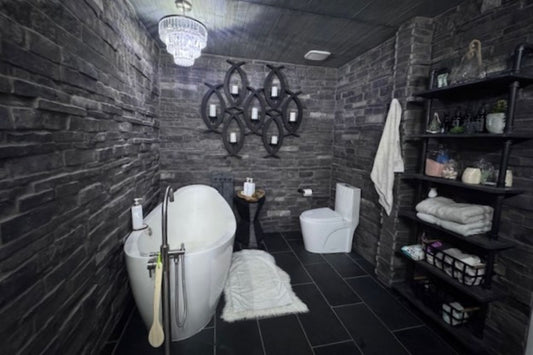
Manufactured stone veneer offers countless opportunities to create dramatic bathroom designs without overwhelming the space.
Accent walls remain one of the most popular applications. A stone wall behind a freestanding bathtub instantly creates a luxurious spa atmosphere while serving as a striking focal point.
Stone veneer also works beautifully behind bathroom vanities, adding warmth and texture that complements wood cabinetry, quartz countertops, and modern fixtures. Even a smaller vanity backsplash can introduce the character of natural stone without covering an entire wall.
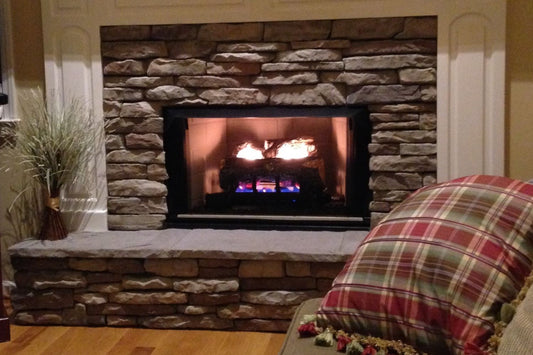
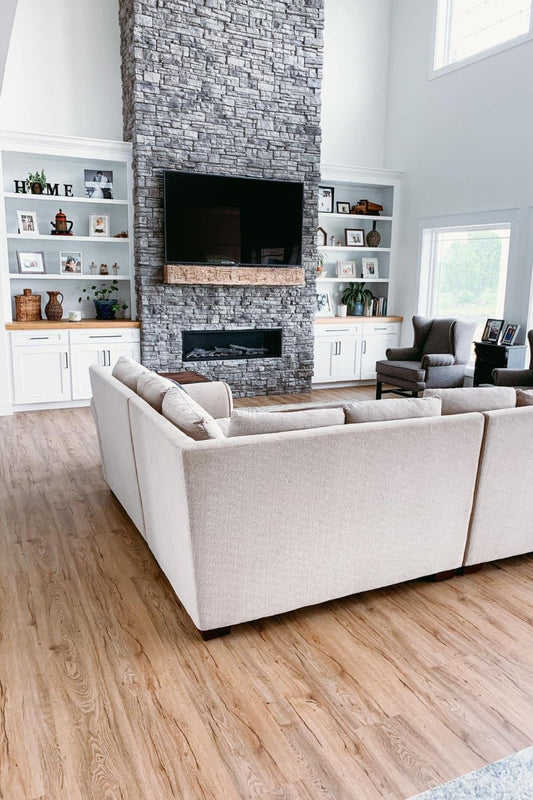
For larger primary bathrooms, manufactured stone veneer can be incorporated around fireplaces, architectural niches, or decorative columns, helping unify the overall design while creating a relaxing retreat.
When properly waterproofed, shower feature walls can also benefit from the natural beauty of manufactured stone veneer, creating a high-end custom appearance that elevates the entire bathroom.
Caring for stone veneer in bathrooms
One of the advantages of manufactured stone veneer is that it requires relatively little maintenance when properly installed.
Routine cleaning should be performed using mild cleaners that are compatible with masonry surfaces. Harsh acidic cleaners or aggressive chemicals should be avoided because they may damage both the stone and the protective sealer.
Bathrooms should also be well ventilated to reduce humidity after showers. Running the exhaust fan during and after bathing helps remove excess moisture, reducing condensation throughout the room.
Homeowners should periodically inspect mortar joints and sealed surfaces for signs of wear. Small maintenance issues addressed early can help prevent larger repairs later while preserving the appearance of the installation.
With proper care, manufactured stone veneer can maintain its beauty for decades.
Frequently asked questions
1. Can manufactured stone veneer get wet? Yes. Manufactured stone veneer can handle moisture, but it is not waterproof. It should always be installed with proper waterproofing behind the veneer and protected with a high-quality penetrating sealer in wet environments.
2. Can manufactured stone veneer be installed inside a shower? Yes, manufactured stone veneer can be installed inside a shower when the wall assembly includes an approved waterproofing membrane, moisture-resistant substrate, Type S mortar, and regular sealing. Proper installation is essential for long-term performance.
3. Does manufactured stone veneer need to be sealed in a bathroom? Yes. Bathrooms experience high humidity, so applying a breathable penetrating sealer helps reduce water absorption, staining, mold growth, and efflorescence while making the surface easier to maintain.
4. What is the best wall surface for installing manufactured stone veneer in a bathroom? Cement board or another approved moisture-resistant substrate is recommended. Standard drywall should not be used in wet areas because it can deteriorate when exposed to moisture.
5. How often should bathroom stone veneer be resealed? Most penetrating sealers should be reapplied approximately every one to two years, although the exact schedule depends on the sealer used, bathroom humidity levels, and frequency of water exposure.
6. Is manufactured stone veneer better than natural stone for bathrooms? Manufactured stone veneer offers many advantages, including lower weight, easier installation, reduced cost, and an authentic stone appearance. When properly installed and maintained, it provides excellent long-term performance in bathroom applications.
Can stone veneer be used in bathrooms and showers?
If you're looking to create a luxurious bathroom that combines natural beauty with lasting durability, manufactured stone veneer is an outstanding option. Its lightweight construction, authentic appearance, and wide variety of styles make it suitable for everything from modern spa bathrooms to rustic retreats.
The most important consideration is understanding that stone veneer itself is not waterproof. Successful bathroom and shower installations rely on proper waterproofing, appropriate substrates, quality Type S mortar, penetrating sealers, and adequate ventilation. When these elements work together, manufactured stone veneer becomes a beautiful, durable finish that performs exceptionally well in humid environments.
Whether you're designing a dramatic accent wall, upgrading a vanity area, or creating a custom shower feature, manufactured stone veneer offers timeless appeal while providing a practical alternative to full natural stone.
What's next?
Bring your vision to life with our premium stone veneer! Shop now to find the perfect style or order a sample to experience the texture and colors up close. Get started today!
Have a question?
Please see our full terms of service or check out our frequently asked questions.
For general information and questions please call: (864) 882-8960 Mon. - Fri. 8am - 5pm (EST) or email: info@blackbearmountainstone.com we are more than happy to help you.
Or you can submit your questions via our contact us page.
We look forward to working with you on your upcoming project.
The Black Bear Mountain Stone Team
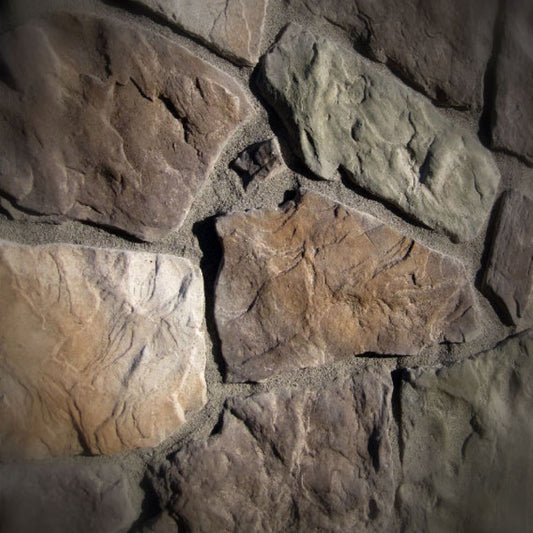
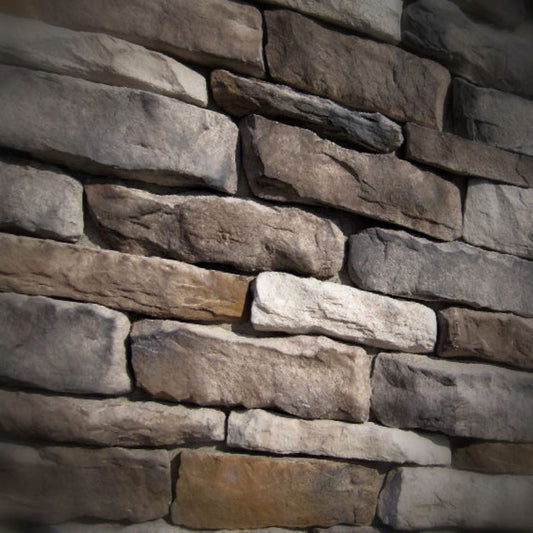
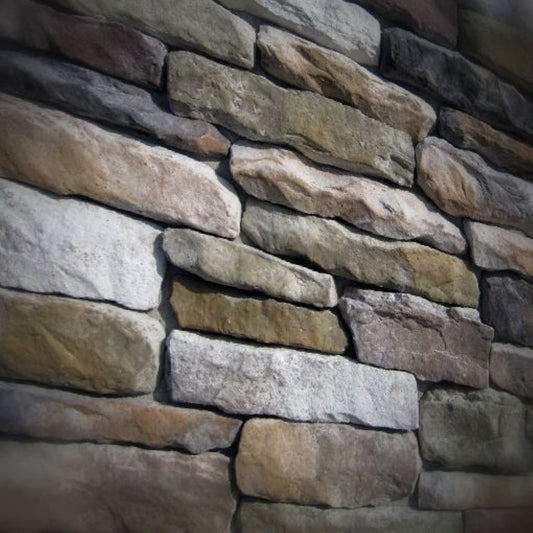
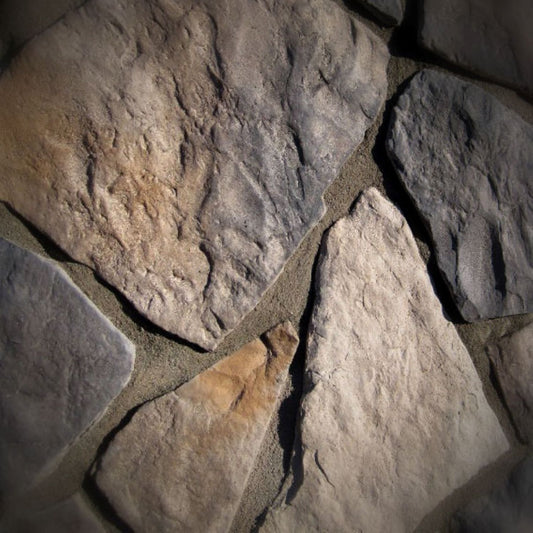
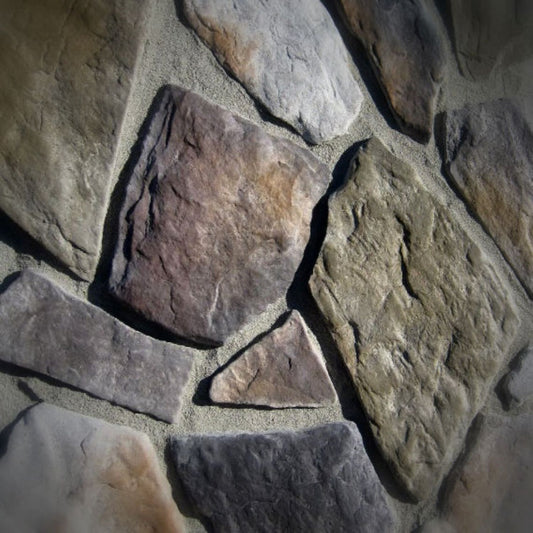
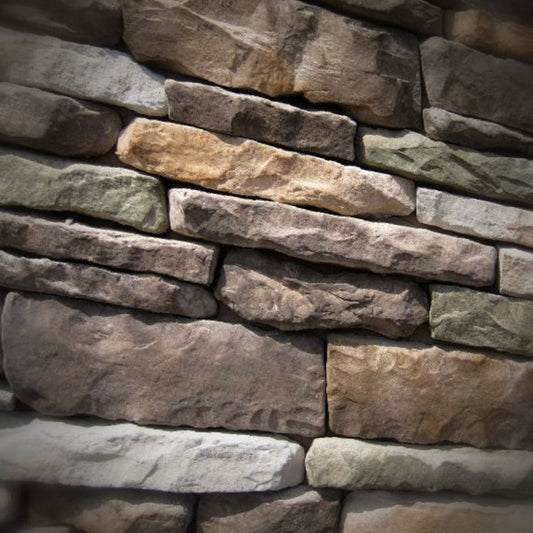
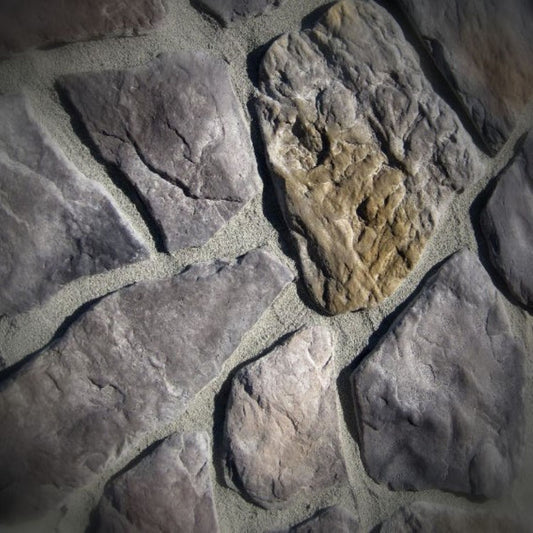
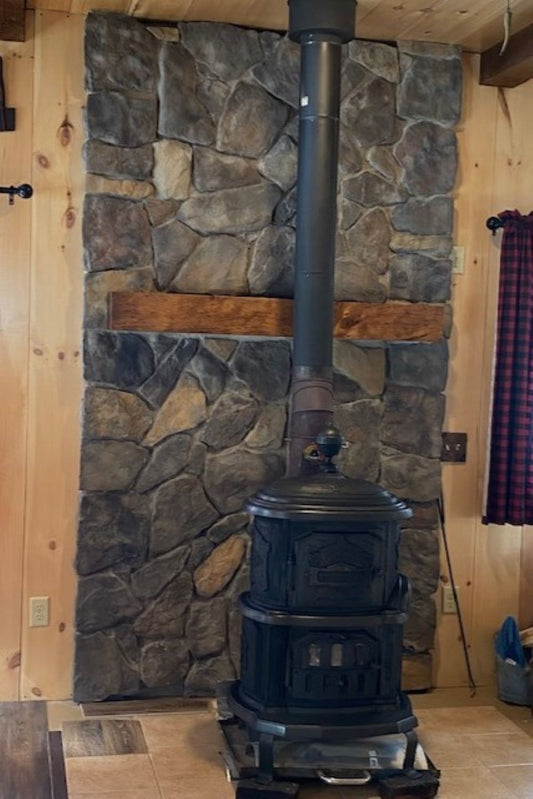
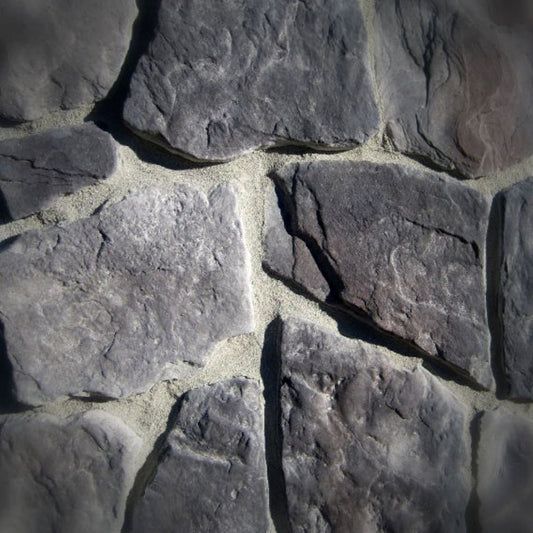
Pictured is field stone rustic.