
Stone Veneer and Outdoor Kitchens: Ideas for a Beautiful Backyard
Share
Originally posted March 28, 2025, updated July 24, 2026.
Manufactured stone veneer is an attractive, durable option for outdoor kitchens, BBQ surrounds, kitchen islands, bars, and outdoor fireplaces. Available in a wide range of colors and stone profiles, it creates the appearance of natural stone while offering a lighter-weight, versatile alternative to full-bed stone. With proper installation, moisture management, and attention to appliance clearances, manufactured stone veneer helps create a beautiful outdoor living space designed for years of enjoyment.
Outdoor kitchens have transformed the way homeowners use their backyards. What was once a simple patio with a grill has evolved into a complete outdoor living space, combining cooking, dining, and entertaining in a comfortable setting. From compact BBQ stations to expansive outdoor kitchens with built-in grills, pizza ovens, bars, and dining areas, these spaces offer a practical way to enjoy more of your home.
Choosing the right materials is an important part of creating an outdoor kitchen that looks beautiful and performs well over time. Manufactured stone veneer has become a popular choice because it combines the timeless appearance of natural stone with design flexibility and a lighter weight than full-bed stone. Whether you're building a rustic backyard retreat or a contemporary entertainment area, stone veneer can add texture, depth, and a custom-built appearance to your outdoor kitchen.
By combining thoughtful layout planning, complementary materials, and durable finishes, you can create an outdoor kitchen that feels like a natural extension of your home.
Why Manufactured Stone Veneer is Ideal for Outdoor Kitchens
Outdoor kitchens face different challenges than indoor spaces. Rain, humidity, sunlight, temperature changes, and seasonal weather all affect the materials used in their construction. Surfaces must be selected not only for their appearance but also for their ability to perform under outdoor conditions.
Manufactured stone veneer offers a practical way to achieve the look of traditional masonry without the weight and installation demands of full-thickness natural stone. Made with cement-based materials, lightweight aggregates, and mineral pigments, it recreates the textures, shapes, and color variations associated with natural stone.
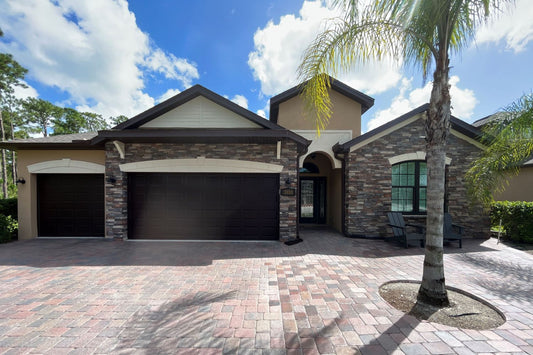
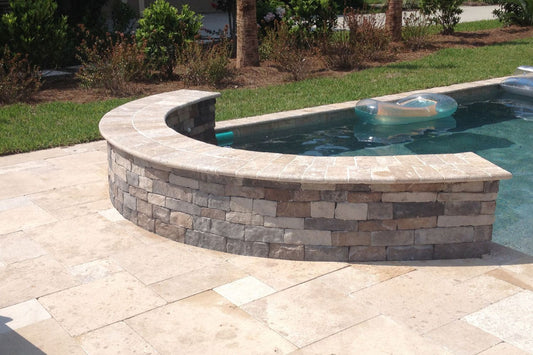
Its versatility makes it suitable for many outdoor kitchen features, including grill surrounds, island bases, serving counters, bar fronts, and decorative walls. It can also coordinate with nearby patios, fireplaces, seating walls, and landscape features, helping create a consistent design throughout the backyard.
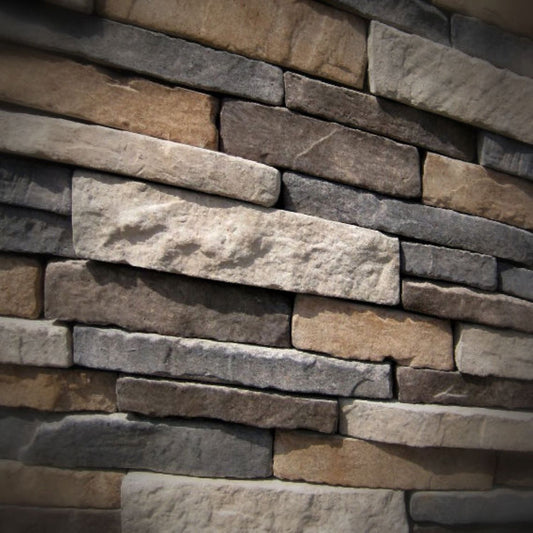
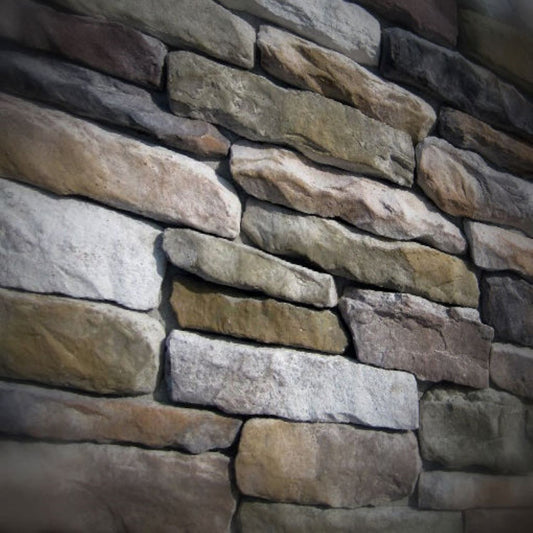
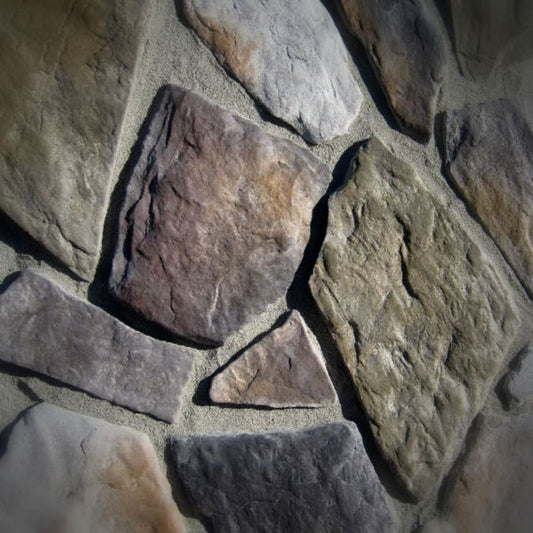
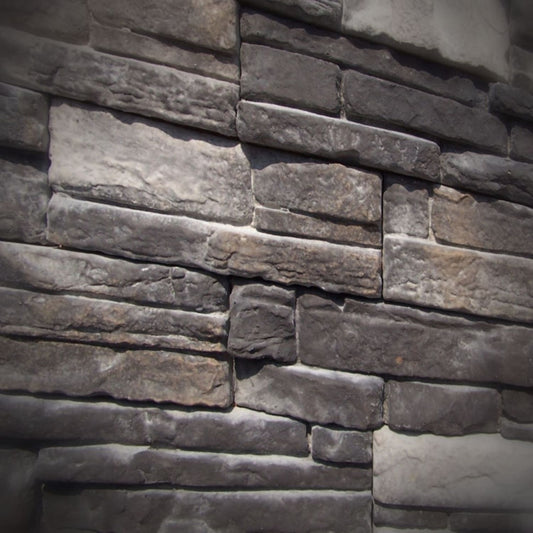
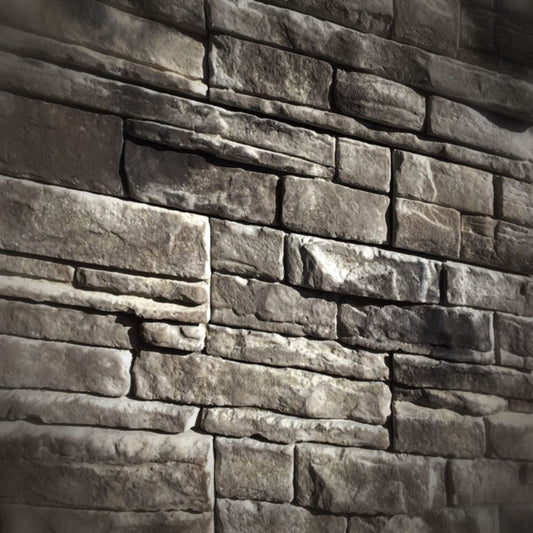
Because manufactured stone veneer is available in numerous colors, shapes, and textures, homeowners can choose a style that complements their home's architecture and the overall atmosphere they want to create. From rugged fieldstone to linear ledgestone and stacked stone profiles, the possibilities extend well beyond traditional rustic designs.
Achieve the Look of Natural Stone Without the Added Weight
Natural stone has long been valued for its distinctive texture and enduring appearance. However, full-bed natural stone can be heavy and may require additional structural support, specialized handling, and more labor during installation.
Manufactured stone veneer provides a different approach. Its reduced weight compared with full-bed stone can simplify certain installations and expand the design possibilities for outdoor kitchen structures. It delivers the depth and character of masonry without requiring the same thickness as traditional full-bed stone.
High-quality manufactured stone veneer features realistic surface textures and color variations that help replicate the appearance of natural stone. When thoughtfully selected and professionally installed, it can create a convincing masonry finish that looks appropriate alongside natural wood, concrete countertops, stainless steel appliances, and other outdoor materials.
For homeowners balancing appearance, project costs, and installation considerations, manufactured stone veneer offers an appealing option for building a custom-looking outdoor kitchen.
Stone Veneer Ideas for BBQ Surrounds and Grill Stations
The grill is often the focal point of an outdoor kitchen, making its surrounding materials an important design decision. A manufactured stone veneer surround can transform a standard built-in grill into a more substantial architectural feature.
Stone veneer pairs particularly well with stainless steel grills because the textured masonry creates contrast with the smooth, reflective metal. Dark gray or charcoal stone can complement modern appliances and concrete countertops, while warmer beige, brown, and earth-tone profiles can create a more traditional outdoor cooking area.
Manufactured stone veneer is also commonly used on the exposed faces of grill enclosures and adjacent cabinetry structures. Matching the stone across these surfaces helps create a cohesive appearance rather than making the grill feel like a separate feature.
Heat safety must remain a priority when designing any BBQ surround. Although cement-based manufactured stone veneer is non-combustible, that does not automatically make an entire outdoor kitchen assembly fire-rated or suitable for every high-temperature application. Follow the grill manufacturer's clearance and construction requirements, applicable building codes, and the veneer manufacturer's installation instructions. Stone veneer should not be installed inside fireboxes or in areas exposed directly to flames.
Create a Custom Outdoor Kitchen Island With Stone Veneer
Outdoor kitchen islands provide valuable workspace while helping define the cooking and entertaining area. They can accommodate built-in grills, food preparation surfaces, storage, and serving space, making them one of the most versatile elements of an outdoor kitchen.
Manufactured stone veneer adds visual weight and architectural character to an island's exposed sides. Instead of leaving the base with a plain finish, stone creates texture and makes the structure feel integrated with the surrounding patio and landscaping.
The stone profile should complement the island's proportions. Larger, rugged stone shapes can work well on substantial islands in spacious backyards, while more linear profiles may suit compact kitchens and contemporary patios. Lighter colors can help smaller spaces feel open, whereas darker stone can establish a dramatic focal point.
Countertops are another important consideration. Concrete, granite, and other suitable outdoor countertop materials can complement manufactured stone veneer, provided they are selected and installed for exterior use. Coordinating the countertop, stone color, and appliances creates a more intentional design.
Before construction begins, make sure the island's structure, substrate, appliance openings, and countertop support are designed for their intended use. Stone veneer is a decorative facing material, not a substitute for structural support.
Extend Stone Veneer to Outdoor Bars and Dining Areas
An outdoor kitchen is about more than cooking. Bars and dining areas help create a comfortable gathering place where guests can socialize while food is being prepared.
Manufactured stone veneer can connect these areas visually by carrying the same finish from the grill surround to the bar front, serving counter, or nearby seating wall. This continuity helps the entire outdoor living space feel planned rather than assembled from unrelated features.
A raised bar with a stone veneer base can provide casual seating while concealing the underlying structure. In larger spaces, a matching serving station or beverage area can create a convenient place for guests to gather away from the main cooking zone.
Dining areas should also be planned around comfortable movement. Leave enough room to move between the grill, preparation surfaces, seating, and access points to the house. Lighting, shade, and weather-resistant furniture can further improve the space's usability, especially when entertaining after sunset or during warmer weather.
When stone veneer is used consistently across kitchen and dining features, it provides a visual connection that helps the outdoor space function as a unified extension of the home.
Complement Pizza Ovens, Fireplaces, and Outdoor Living Features
Outdoor kitchens increasingly incorporate features that go beyond a traditional BBQ. Wood-fired pizza ovens, outdoor fireplaces, and fire pits can turn a cooking area into a destination for year-round gatherings, depending on the climate and design.
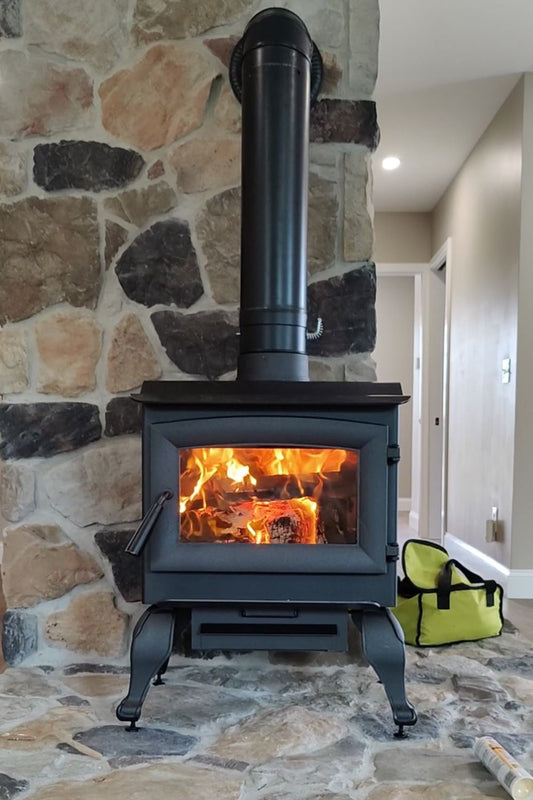
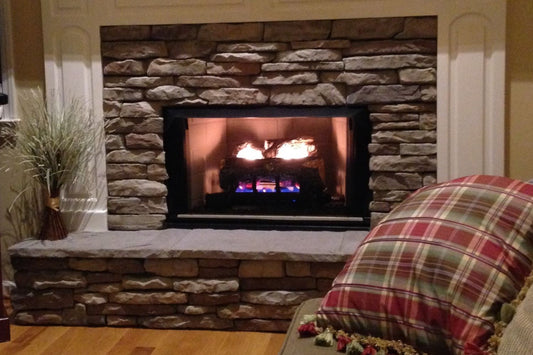
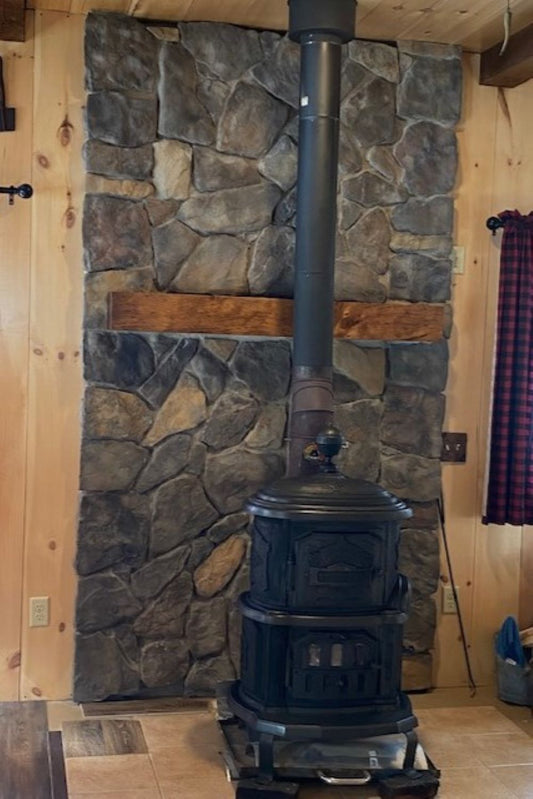
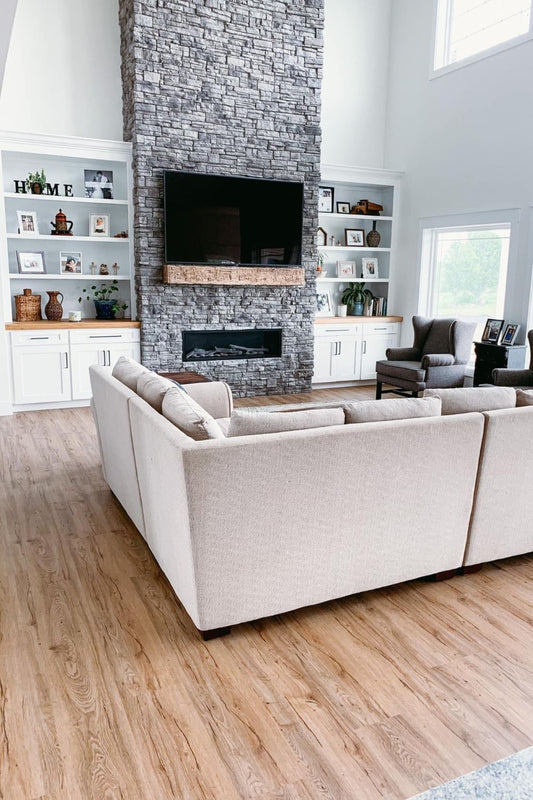
Manufactured stone veneer is well suited to creating the masonry appearance associated with these features. A stone veneer surround can complement a pizza oven's traditional shape, while a matching fireplace can provide a focal point near the dining or lounge area.
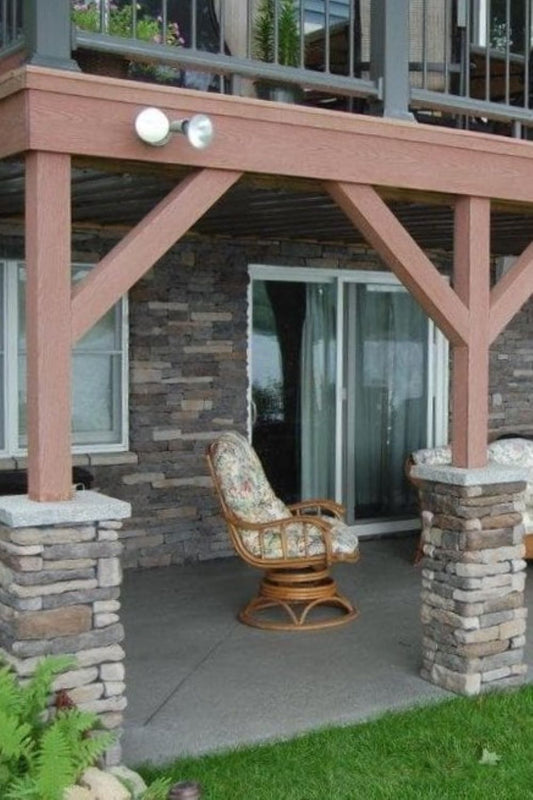
The same stone can also be extended to columns, seating walls, and other architectural features around the patio. This repetition of materials helps establish a consistent visual theme throughout the backyard.
However, each appliance and fire feature has its own temperature, clearance, and construction requirements. The complete assembly must be designed for the intended application, and the stone veneer must be installed according to the relevant product instructions and applicable codes. Non-combustibility alone does not establish suitability for direct flame exposure or a fire-rated assembly.
Choose a Stone Veneer Style That Complements Your Home
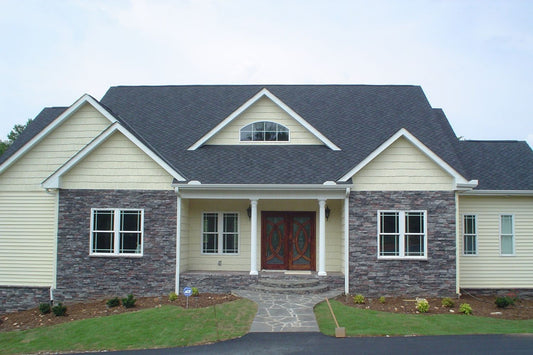
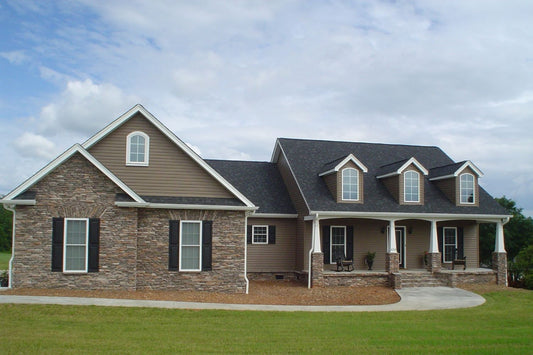
The right manufactured stone veneer profile can influence the entire character of an outdoor kitchen. Color, texture, stone size, and joint appearance should work with the home's exterior, surrounding landscape, patio materials, and outdoor furniture.
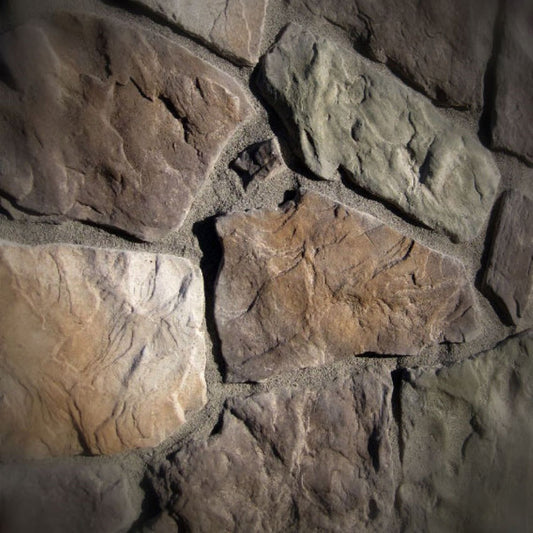
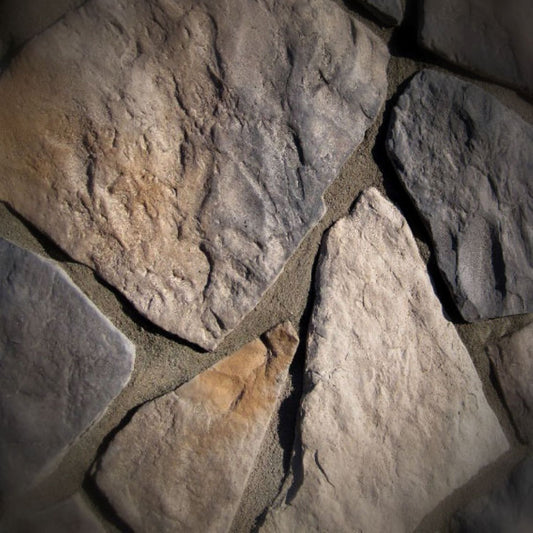
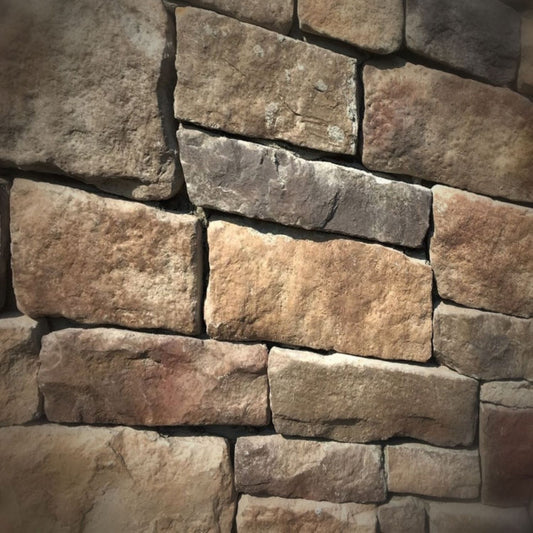
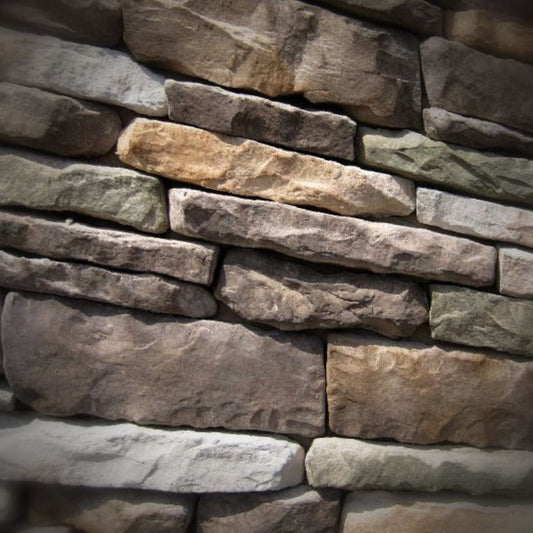
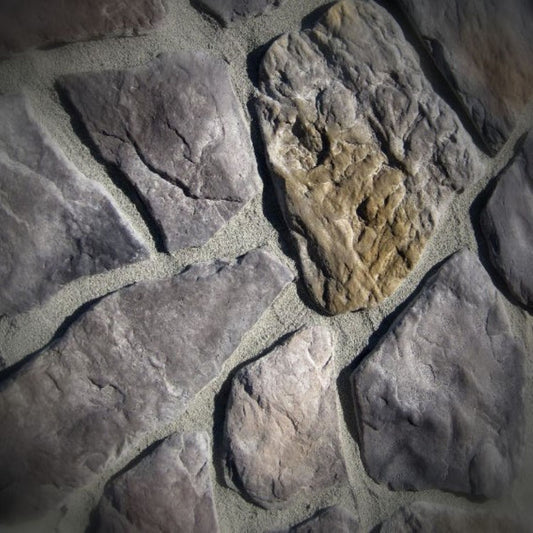
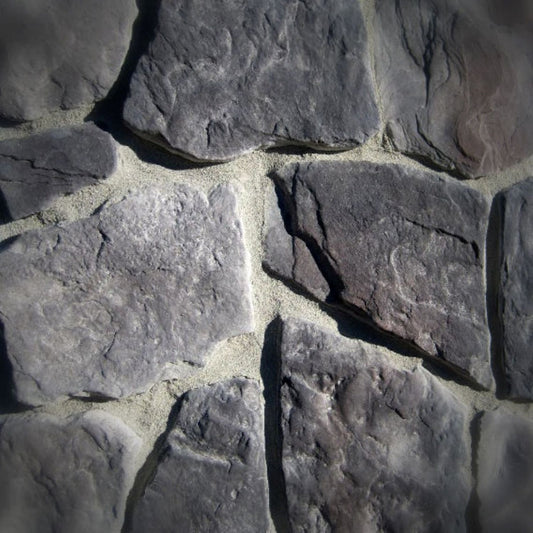
For rustic outdoor kitchens, fieldstone and rugged ledgestone profiles can create an organic appearance that pairs well with timber accents, natural landscaping, and warm-toned countertops. These styles are particularly effective when the goal is to create a relaxed backyard retreat.
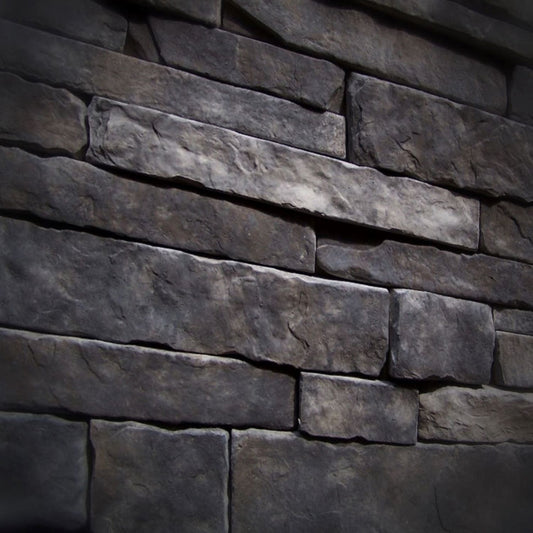
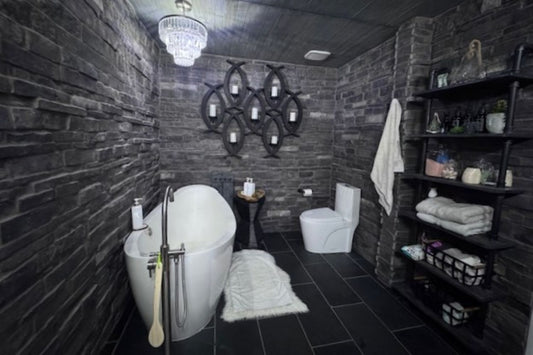
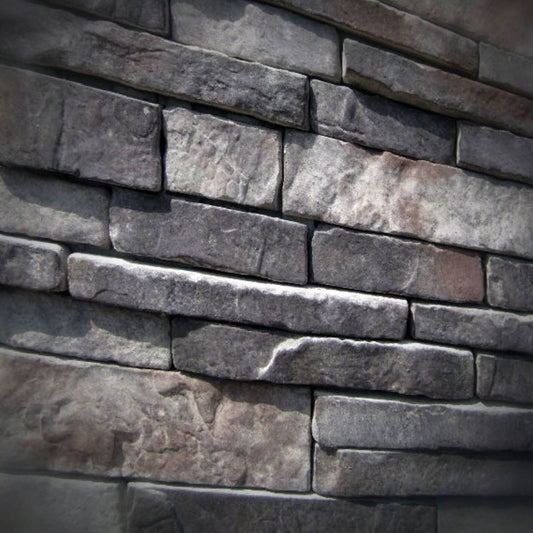
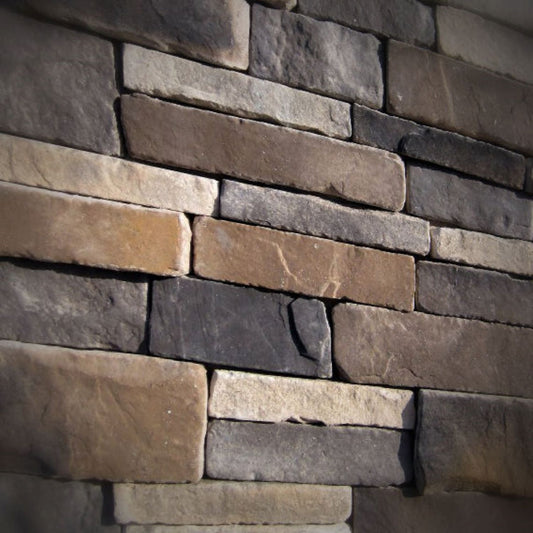
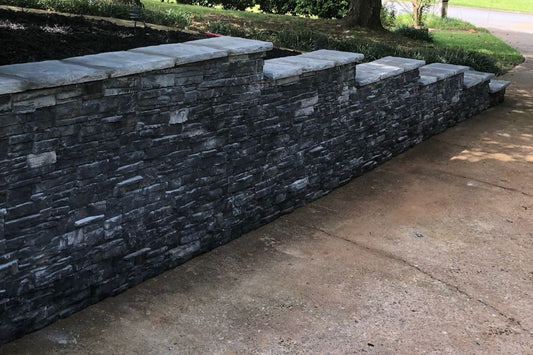
Contemporary designs often feature linear stacked stone in gray, charcoal, black, or lighter neutral tones. These profiles complement stainless steel appliances, streamlined cabinetry, and simple geometric forms. The contrast between textured stone and smooth surfaces adds interest without requiring elaborate decoration.
Traditional and farmhouse-inspired outdoor kitchens may benefit from limestone-inspired or ashlar profiles in cream, tan, beige, or muted gray. These colors coordinate with brick patios, painted cabinetry, wood accents, and classic architectural details.
Before choosing a profile, consider how it will look across the full installation. A small sample is useful for evaluating texture and color, but viewing several pieces together can provide a better sense of the overall pattern. Outdoor lighting and surrounding materials can also influence how a stone color appears.
Build for Weather Resistance and Long-Term Performance
Even attractive materials can underperform when an outdoor kitchen is not designed to manage moisture properly. Rain can reach exposed surfaces, enter joints, and collect around countertops or appliance openings. Freeze-thaw cycles can create additional stress in climates with cold winters.
Long-term performance depends on the complete wall or island assembly, not simply the stone veneer itself. Substrate preparation, moisture management, drainage, flashing where required, and appropriate installation methods all contribute to a durable result.
The correct installation system depends on the structure and substrate. Wood-framed exterior walls, masonry surfaces, concrete structures, and purpose-built outdoor kitchen islands may require different preparation and installation methods. Follow the manufactured stone veneer manufacturer's current instructions and applicable local building requirements rather than assuming every surface can be treated the same way.
Countertops should shed water appropriately, and joints and transitions around grills, sinks, electrical components, and other openings should be detailed for exterior exposure. Where necessary, provide suitable protection for underlying structures and materials.
Manufactured stone veneer can perform well outdoors when incorporated into a properly designed and installed system. For larger or more complex outdoor kitchens, working with an experienced installer can help address corners, countertop transitions, appliance clearances, and moisture-management details before they become problems.
Is Manufactured Stone Veneer Low Maintenance?
One of the benefits of manufactured stone veneer is that it generally requires less routine upkeep than painted or frequently refinished exterior surfaces. Once installed correctly, it does not require regular painting to maintain its intended appearance.
Outdoor stone veneer can collect dust, pollen, soil, and other environmental debris. Periodic inspection and gentle cleaning can help keep it looking its best. When needed, use appropriate cleaning methods recommended by the product manufacturer, testing in an inconspicuous area first.
Sealing is not automatically necessary for every installation. In some situations, exposure conditions or the risk of staining may make a compatible breathable penetrating sealer worth considering. However, an unsuitable product can alter the stone's appearance or affect its performance. Confirm compatibility and follow the manufacturer's recommendations before applying any sealer.
It is also important to keep the surrounding outdoor kitchen in good condition. Maintaining countertop joints, checking transitions around appliances, and addressing drainage issues promptly can help protect the overall assembly.
Can Stone Veneer Help Increase the Appeal of Your Home?
A thoughtfully designed outdoor kitchen can improve the functionality and appeal of a home by providing additional space for cooking, entertaining, and relaxing. The value of the investment depends on the property's location, local buyer preferences, project quality, and overall cost, so an increase in resale value is never guaranteed.
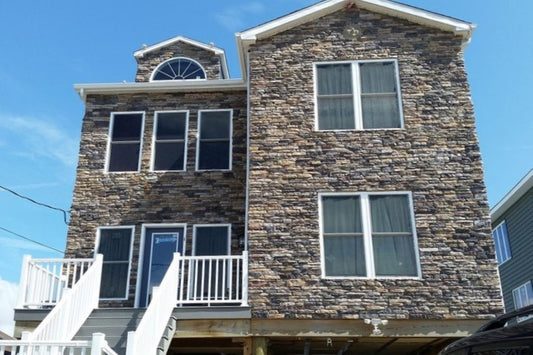
Manufactured stone veneer can contribute to the finished appearance of an outdoor kitchen by making islands, grill surrounds, and bars look more substantial and architecturally integrated. Its versatility also makes it easier to coordinate the kitchen with existing exterior finishes and landscape features.
Even if selling is not part of your plans, the everyday benefits can be significant. A functional layout, comfortable dining area, and attractive materials can make the backyard more inviting and encourage more frequent use.
The most successful outdoor kitchens balance appearance with practical details. Adequate workspace, comfortable seating, appropriate lighting, weather protection, and safe appliance placement are just as important as the choice of stone.
Stone Veneer and Outdoor Kitchens
An outdoor kitchen should be more than a place to cook. With the right layout, durable materials, and coordinated finishes, it can become a natural gathering place for family and friends. Manufactured stone veneer offers a versatile way to bring texture, character, and the appearance of natural masonry to BBQ surrounds, kitchen islands, bars, pizza oven surrounds, and outdoor dining areas.
Whether your vision is a compact grilling station or a complete backyard entertainment space, choosing a stone profile that complements your home and planning for proper installation can help create a result you'll enjoy for years.
Frequently Asked Questions About Stone Veneer and Outdoor Kitchens
Is manufactured stone veneer good for outdoor kitchens?
Yes. Manufactured stone veneer is commonly used on outdoor kitchen islands, BBQ surrounds, bars, and decorative walls. It offers the appearance of natural stone in a lighter-weight format and can perform well outdoors when the complete installation system is designed for exterior exposure and installed correctly.
Can manufactured stone veneer be installed around an outdoor grill?
Yes, manufactured stone veneer can be used around many built-in grills when the installation complies with the grill manufacturer's clearance requirements, applicable building codes, and the veneer manufacturer's instructions. The non-combustible nature of cement-based veneer does not mean the entire assembly is fire-rated or suitable for direct flame exposure.
Does outdoor kitchen stone veneer need to be sealed?
Not necessarily. Many manufactured stone veneer installations do not require sealing under normal conditions. Depending on the exposure and risk of staining, a compatible breathable penetrating sealer may be appropriate. Always check the manufacturer's recommendations before applying a sealer.
Can manufactured stone veneer withstand freezing temperatures?
Manufactured stone veneer can be suitable for cold climates when the product is appropriate for the intended exposure and installed using a properly designed exterior system. Moisture management, drainage, substrate preparation, and correct installation are important considerations in areas subject to freeze-thaw cycles.
What is the best stone veneer style for an outdoor kitchen?
The best style depends on the home's architecture, the size of the kitchen, and the desired appearance. Fieldstone and rugged ledgestone suit rustic designs, linear profiles complement contemporary kitchens, and limestone-inspired or ashlar stone can work well with traditional homes. Samples can help you compare colors and textures before making a final decision.
Is manufactured stone veneer less expensive than natural stone?
Manufactured stone veneer often costs less than full-bed natural stone, although the total project cost depends on the product, installation system, labor, preparation, and design complexity. Its lighter weight can simplify handling and installation in suitable applications, potentially reducing labor costs.
What's Next?
Bring your vision to life with our premium stone veneer! Shop now for the perfect style or order a sample to see the texture and colors up close. Start your project today!
Have a Question?
Please see our full terms of service or check out our frequently asked questions.
For general information and questions please call: (864) 882-8960 Mon. - Fri. 8am - 5pm (EST) or email: info@blackbearmountainstone.com we are more than happy to help you.
Or you can submit your questions via our contact us page.
We look forward to working with you on your upcoming project.
The Black Bear Mountain Stone Team
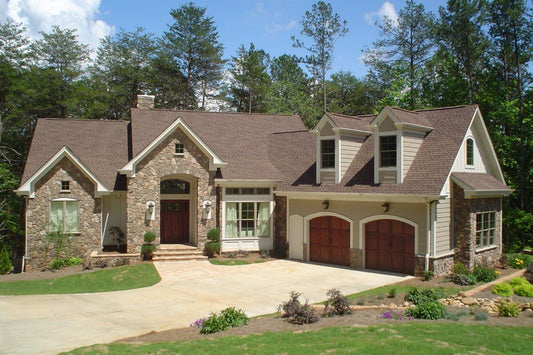
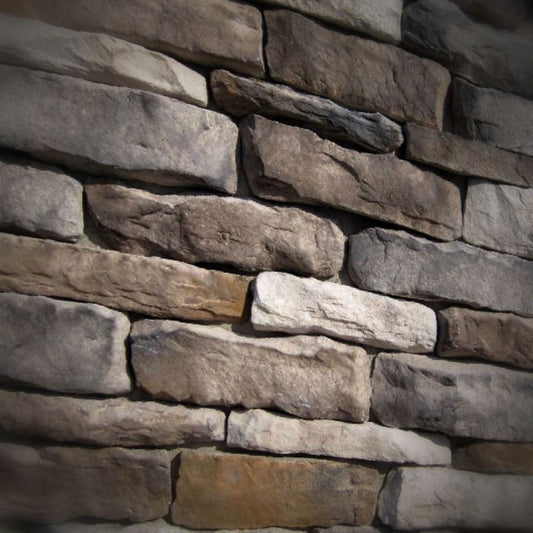
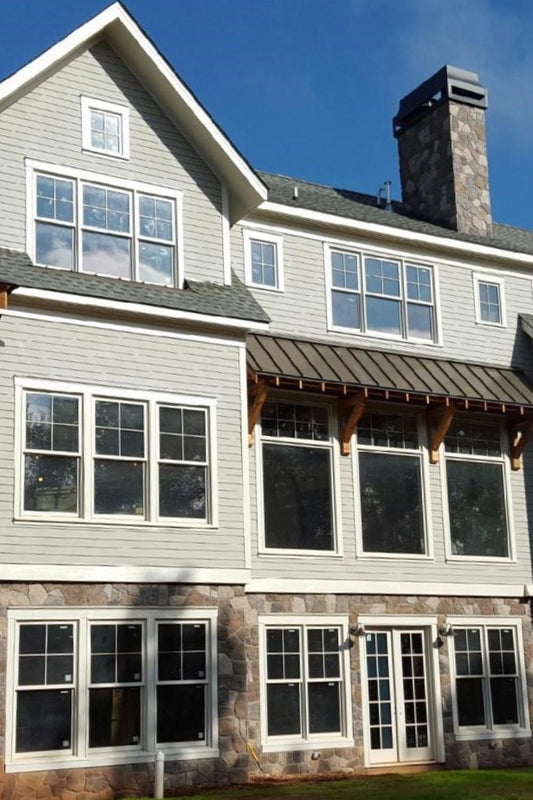
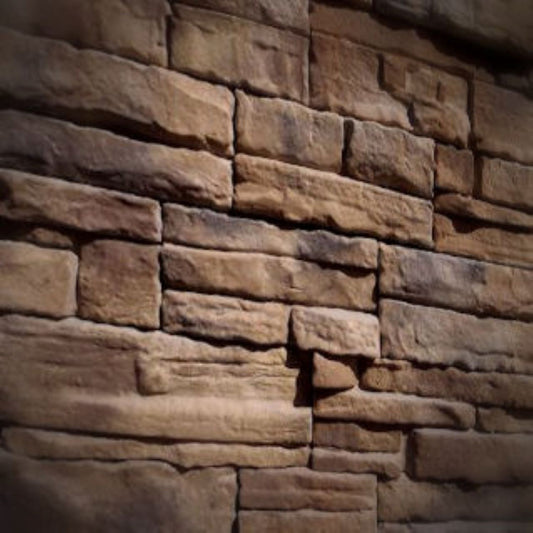
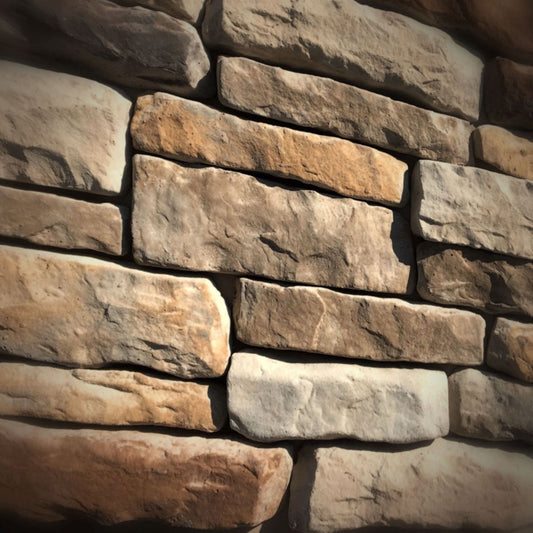
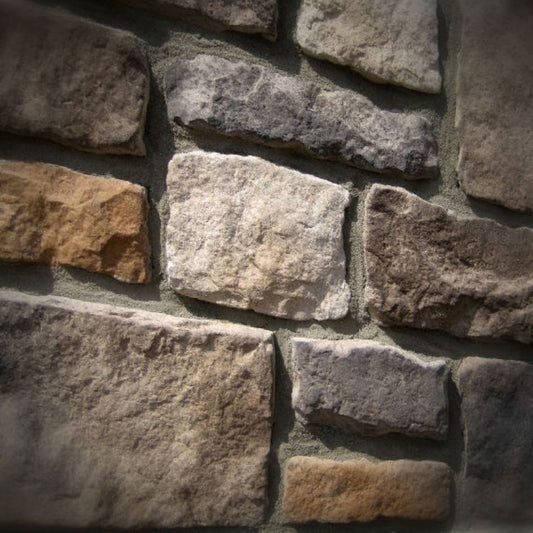
Pictured is hackett stone desert sand.