
Stone Veneer and Pools
Share
Originally posted March 3 2025, updated July 6 2026.
Manufactured stone veneer can be used around pools, waterfalls, and water features when it is properly installed and protected. It should not be continuously submerged or exposed to constant flowing water. Proper drainage, breathable sealers, and regular maintenance help minimize moisture-related issues such as efflorescence, freeze-thaw damage, mold growth, and surface deterioration.
Manufactured stone veneer is one of the most popular exterior cladding materials for homeowners looking to create elegant outdoor living spaces. Whether surrounding a swimming pool, accenting an outdoor kitchen, enhancing a retaining wall, or creating a dramatic waterfall, manufactured stone veneer offers the timeless appearance of natural stone without the high cost or weight.
While manufactured stone veneer performs exceptionally well in most exterior environments, areas with constant moisture require additional planning. Pools, fountains, waterfalls, ponds, and other decorative water features expose building materials to continuous splashing, humidity, chemicals, and, in many climates, repeated freeze-thaw cycles. Understanding how manufactured stone veneer reacts to these conditions can help ensure your project remains beautiful for many years.
With proper installation techniques, drainage, and routine maintenance, manufactured stone veneer can be an excellent choice around many water features. However, it is important to recognize where it performs best, and where alternative materials may be more appropriate.
Understanding manufactured stone veneer and moisture
Manufactured stone veneer is produced using Portland cement, lightweight aggregates, and iron oxide pigments that replicate the appearance of natural stone. The manufacturing process creates highly realistic textures and colors while keeping the material lighter and easier to install than full-bed natural stone.
Although manufactured stone veneer is engineered for exterior applications and is highly resistant to weather, it remains a cement-based product. Like concrete, it contains microscopic pores that allow moisture to enter and leave the material. This ability to breathe is beneficial because it allows trapped moisture to escape, but it also means that prolonged exposure to water requires careful design considerations.
Unlike tile or waterproof masonry products intended for submerged applications, manufactured stone veneer is designed primarily as an exterior wall cladding rather than a continuously wet surface.
Can manufactured stone veneer be used around swimming pools?
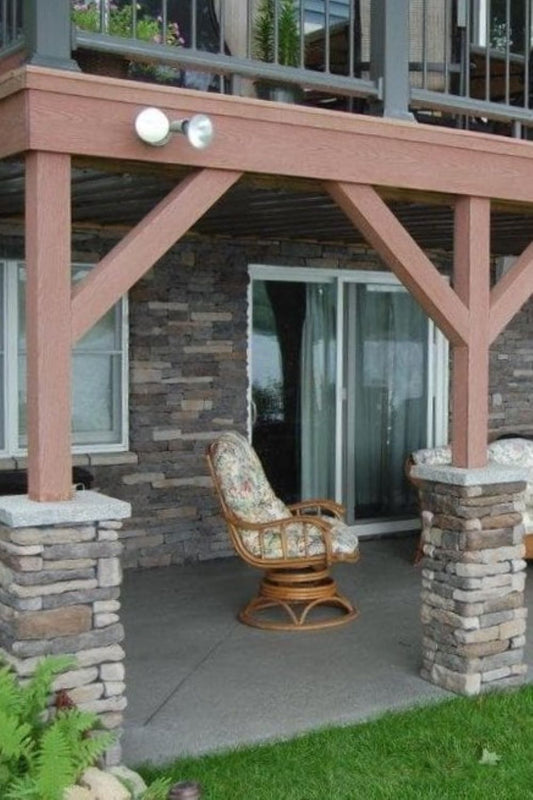
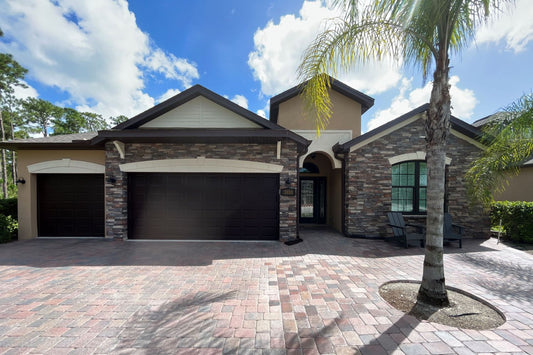
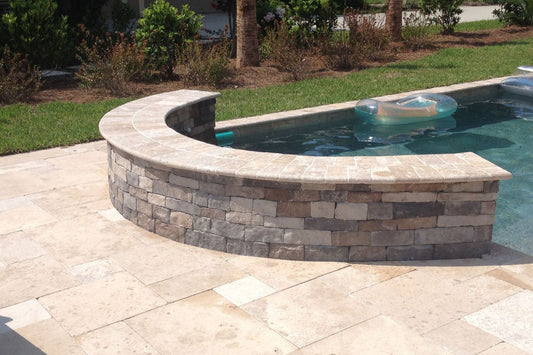
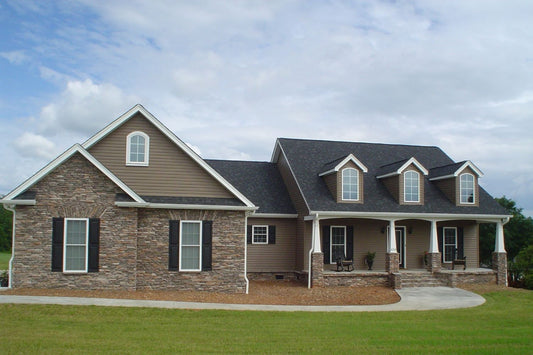
The short answer is yes, but location matters. Manufactured stone veneer performs very well on vertical walls surrounding swimming pools, outdoor fireplaces near pools, pool houses, landscape walls, and raised planters where occasional splashing occurs and the material has an opportunity to dry between wetting cycles.
These installations benefit from natural airflow, drainage, and sunlight that allow moisture to evaporate. When installed according to manufacturer guidelines, manufactured stone veneer can provide decades of attractive performance in these environments.
Problems typically arise when the veneer experiences continuous water exposure rather than intermittent moisture. Areas constantly saturated with water never have an opportunity to dry completely, increasing the likelihood of long-term deterioration.
Why constant water exposure can be problematic
Although manufactured stone veneer is durable, excessive moisture creates several conditions that may shorten its lifespan.
The first concern is water absorption. Because the material is porous, repeated exposure to water allows moisture to penetrate the surface over time. If the veneer remains wet for extended periods, the cement matrix may gradually weaken, increasing the potential for surface erosion, cracking, or spalling.
Another important consideration is freeze-thaw cycling. In colder climates, absorbed moisture expands as it freezes. This expansion places internal stress on the veneer, which may eventually lead to cracking, chipping, or surface damage. The more frequently the material cycles between freezing and thawing, the greater the potential for deterioration.
Water chemistry also plays a role. Swimming pools contain chlorine, salt systems, balancing chemicals, and dissolved minerals that may contribute to staining or accelerate cosmetic issues if moisture repeatedly evaporates from the veneer surface.
None of these concerns mean manufactured stone veneer should be avoided around pools entirely. Rather, they highlight the importance of using the material in appropriate locations while following proper installation practices.
Waterfalls and fountains require additional consideration
Decorative waterfalls and fountains often expose surrounding materials to nearly constant moisture. Water may cascade directly onto stone surfaces day and night, creating conditions very different from occasional rain or pool splash.
Manufactured stone veneer should generally not be installed where flowing water continuously impacts the surface. Constant saturation prevents drying and increases moisture absorption over time.
Similarly, the interior walls of fountains, pond liners, spillways, or submerged features are not suitable applications for manufactured stone veneer. These environments require materials specifically engineered for permanent water exposure.
Instead, manufactured stone veneer works best as decorative cladding surrounding these features rather than forming the surfaces that remain constantly wet.
Freeze-thaw damage in cold climates
Homeowners in northern climates should pay particular attention to freeze-thaw conditions.
Water absorbed into manufactured stone veneer expands approximately nine percent when it freezes. Repeated expansion and contraction gradually place stress on the cement structure. Over many seasons, this may contribute to cracking, flaking, or spalling if moisture remains trapped within the veneer.
Proper drainage becomes especially important in climates experiencing regular winter freezes. Allowing water to escape from both the face and rear of the veneer significantly reduces the likelihood of freeze-related damage.
When installed correctly on properly drained wall systems, manufactured stone veneer has an excellent track record even in colder regions. The key is preventing prolonged saturation rather than simply preventing the material from getting wet.
Efflorescence and surface staining
One of the most common cosmetic concerns around pools and water features is efflorescence. Efflorescence appears as a white, powdery deposit that forms when moisture moves through cement-based materials and carries naturally occurring soluble salts to the surface. As the water evaporates, the salts remain behind. Although efflorescence does not typically indicate structural failure, it can temporarily affect the appearance of manufactured stone veneer.
Around swimming pools, additional minerals and pool chemicals may contribute to staining or discoloration if water repeatedly evaporates from the same locations.
Fortunately, efflorescence often diminishes naturally over time and can usually be cleaned using products specifically formulated for manufactured stone veneer.
Mold, mildew, and biological growth
Water features naturally create humid environments. Combined with shade, limited airflow, and organic debris, these conditions may encourage mold, mildew, algae, or moss growth.
Manufactured stone veneer's textured surface creates small crevices where moisture can linger longer than on smooth materials. While this texture contributes to its realistic appearance, it may also provide ideal conditions for biological growth if the surface remains damp.
Routine cleaning and good landscape design that encourages airflow can significantly reduce these issues.
Proper installation is essential
No matter how attractive the stone veneer may be, installation quality ultimately determines long-term performance. Moisture management begins behind the veneer. Properly installed weather-resistant barriers, drainage planes, flashing, and weep systems allow incidental moisture to exit the wall assembly before it causes damage.
Professional installers understand the importance of directing water away from the veneer while preventing moisture from becoming trapped behind it.
Following manufacturer installation instructions is especially critical around pools and water features, where moisture exposure is naturally greater than on typical exterior walls.
Should you seal manufactured stone veneer?
Applying a high-quality breathable penetrating sealer can provide an additional layer of protection in moisture-prone environments. Unlike film-forming coatings that trap moisture beneath the surface, breathable sealers reduce water absorption while still allowing water vapor to escape naturally.
Sealing is particularly beneficial around swimming pools, outdoor kitchens, water features, and other exterior living areas where moisture exposure is higher than average. Keep in mind that sealers require periodic reapplication according to the manufacturer's recommendations. They should be viewed as one component of an overall moisture management strategy rather than a substitute for proper installation.
Routine maintenance extends the life of stone veneer
Manufactured stone veneer requires relatively little maintenance, but regular inspections are worthwhile around wet environments.
Occasional cleaning removes dirt, algae, mineral deposits, and organic debris before they become more difficult to eliminate. Using cleaners specifically intended for manufactured stone veneer and soft-bristle brushes helps preserve both the surface texture and color.
Routine inspections also allow homeowners to identify small issues such as loose mortar joints, damaged sealant, or drainage problems before they develop into more significant repairs.
With periodic maintenance, manufactured stone veneer can retain its appearance for many years even in demanding outdoor environments.
When natural stone may be the better choice
There are situations where natural stone or other specialized materials provide better long-term performance. Applications involving permanent water immersion, continuous waterfalls, spillways, fountain interiors, pool interiors, or submerged retaining walls are generally better suited for natural stone or products specifically engineered for constant water exposure.
Natural stone often has lower water absorption characteristics depending on the stone type and can better withstand permanent wet conditions when properly selected and installed.
Choosing the appropriate material for each portion of a project allows homeowners to achieve both exceptional aesthetics and lasting durability.
Creating beautiful poolside designs with stone veneer
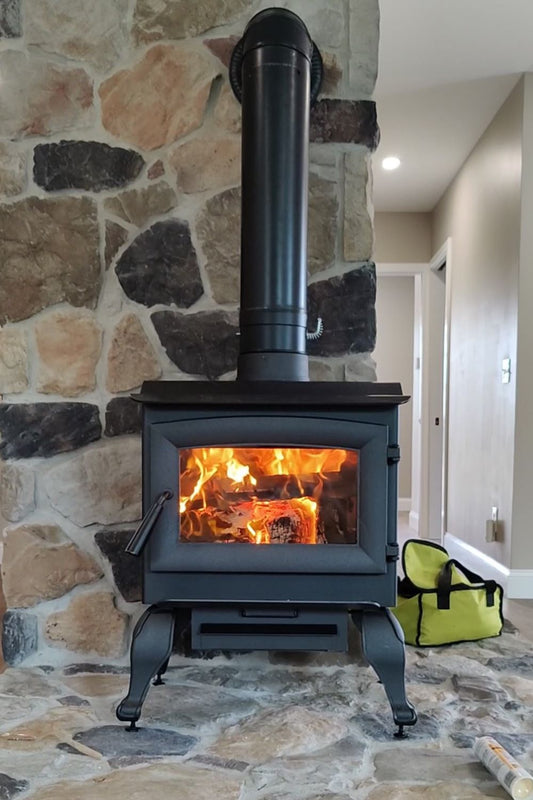
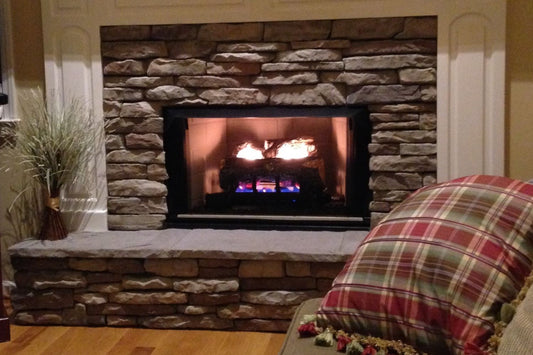
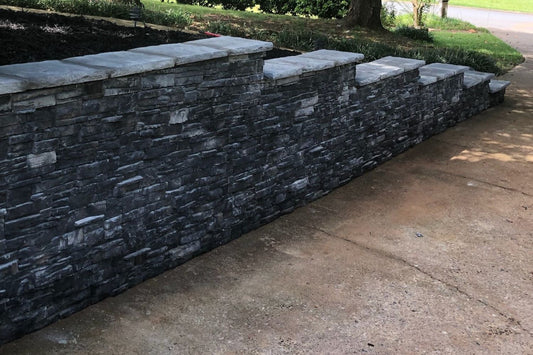
Manufactured stone veneer remains an outstanding choice for enhancing outdoor living spaces. It creates elegant poolside accent walls, outdoor fireplaces, kitchen islands, seating walls, columns, privacy walls, garden features, and raised planters that complement surrounding landscaping. The key is understanding the distinction between areas exposed to occasional moisture and those subjected to continuous water contact.
By limiting direct water exposure, incorporating proper drainage, applying breathable sealers when appropriate, and performing routine maintenance, homeowners can enjoy the authentic appearance of stone while maximizing the lifespan of their investment.
Frequently asked questions
1. Can manufactured stone veneer be installed around a swimming pool? Yes. Manufactured stone veneer is commonly installed on pool walls, outdoor kitchens, columns, and landscape features surrounding swimming pools. It performs best where it receives only occasional splashing rather than constant water exposure.
2. Is manufactured stone veneer waterproof? No. Manufactured stone veneer is water-resistant but not waterproof. It is a porous cement-based material that can absorb moisture, which is why proper drainage and moisture management are essential.
3. Should manufactured stone veneer be sealed around water features? A breathable penetrating sealer is often recommended for installations around pools, fountains, and other moisture-prone areas. Sealers help reduce water absorption while allowing trapped moisture to escape.
4. Can manufactured stone veneer be used inside fountains or waterfalls? Generally, no. Manufactured stone veneer should not be used on submerged surfaces or where water flows continuously over the stone. Natural stone or waterproof materials designed for constant immersion are better choices.
5. Will pool chemicals damage manufactured stone veneer? Occasional exposure to chlorinated or saltwater splash is generally not a problem. However, continuous exposure combined with evaporation may contribute to staining or efflorescence over time if the veneer is not properly maintained.
6. How do I maintain manufactured stone veneer around a pool? Regular cleaning, periodic inspections, proper drainage, and reapplying breathable sealers as needed will help keep manufactured stone veneer looking its best and extend its service life in moisture-rich environments.
Stone veneer and pools
Manufactured stone veneer can absolutely be used around pools, waterfalls, fountains, and other outdoor water features when it is installed in suitable locations and protected using industry best practices. While the material is highly durable, it is not intended for continuous submersion or constant flowing water.
Thoughtful design, proper drainage, breathable sealers, and routine maintenance all contribute to long-lasting performance. When projects involve permanently wet or submerged applications, natural stone or specialized waterproof materials are typically the better solution.
Choosing the right material for each part of your outdoor project ensures your landscape remains both beautiful and durable for years to come.
What's next?
Bring your vision to life with our high-quality stone veneer! Shop now to find the perfect style or order a sample to experience the texture and color firsthand. Start your project today!
Have a question?
Please see our full terms of service or check out our frequently asked questions.
For general information and questions please call: (864) 882-8960 Mon. - Fri. 8am - 5pm (EST) or email: info@blackbearmountainstone.com we are more than happy to help you.
Or you can submit your questions via our contact us page.
We look forward to working with you on your upcoming project.
The Black Bear Mountain Stone Team
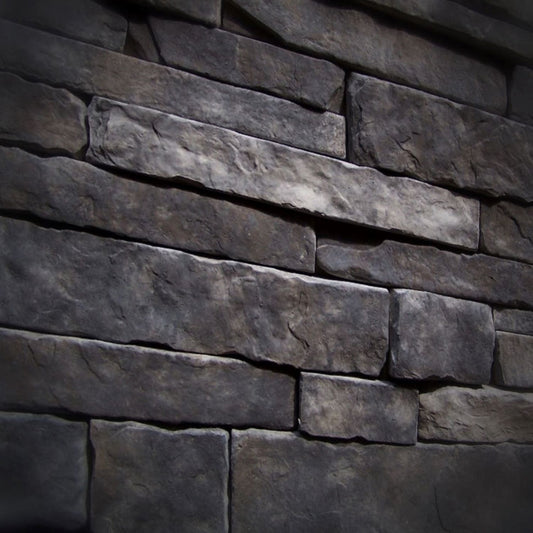
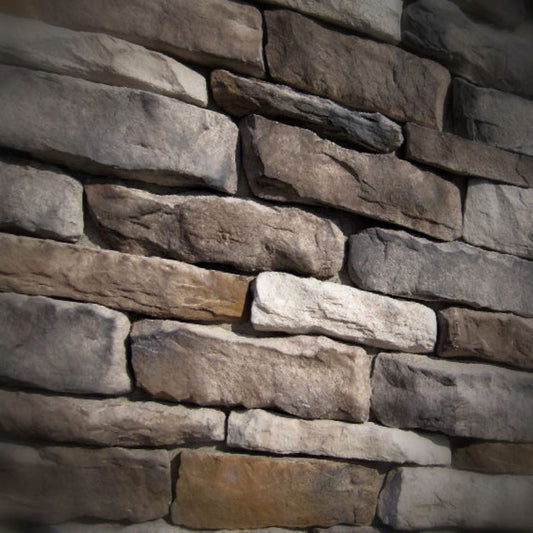
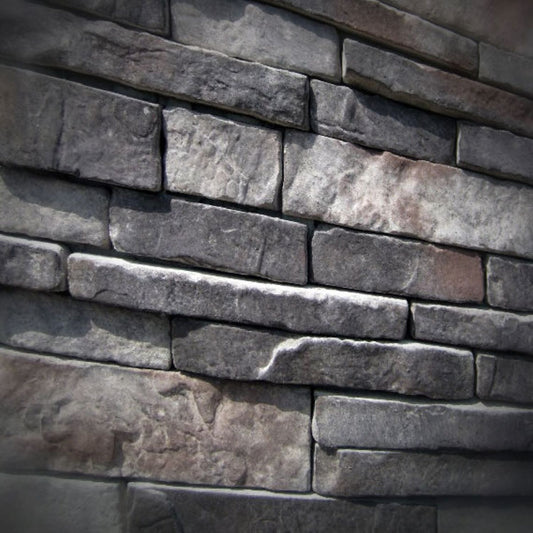
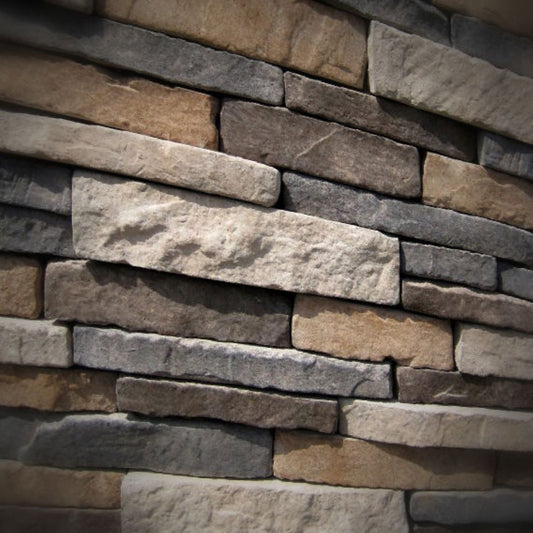
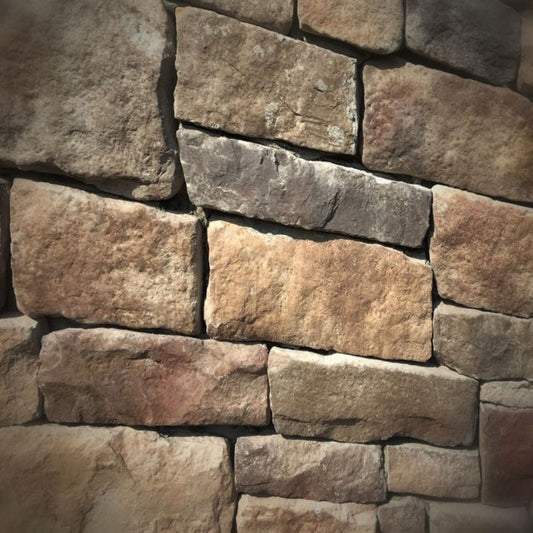
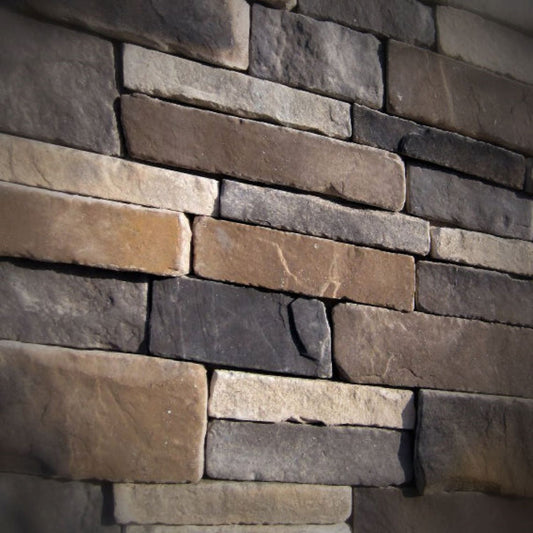
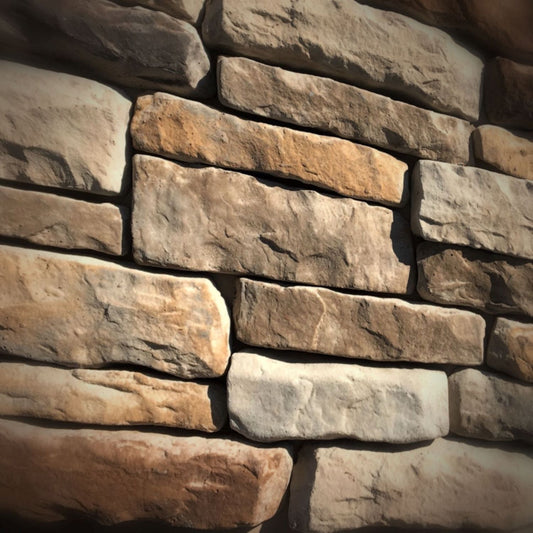
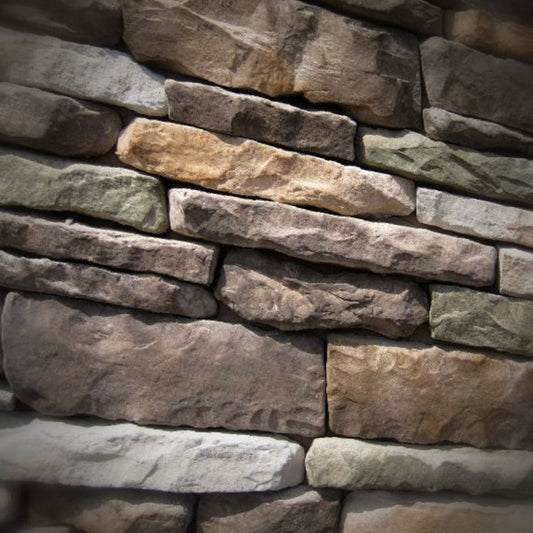
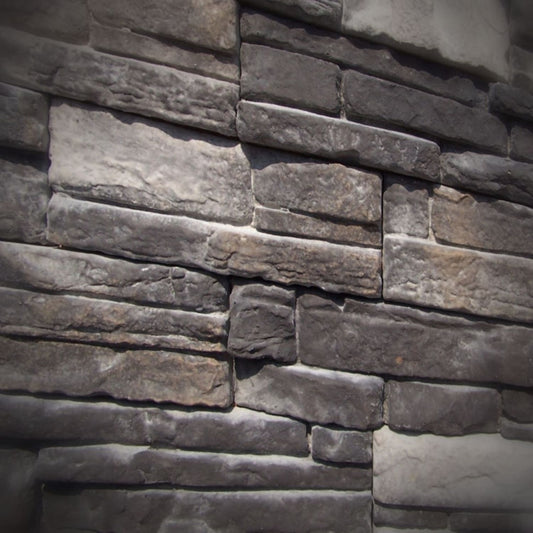
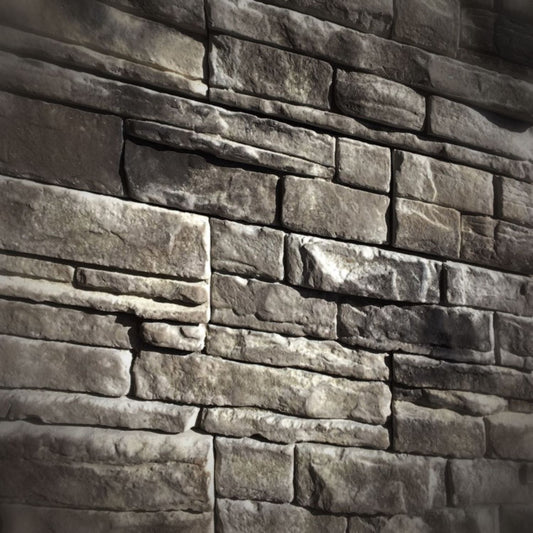
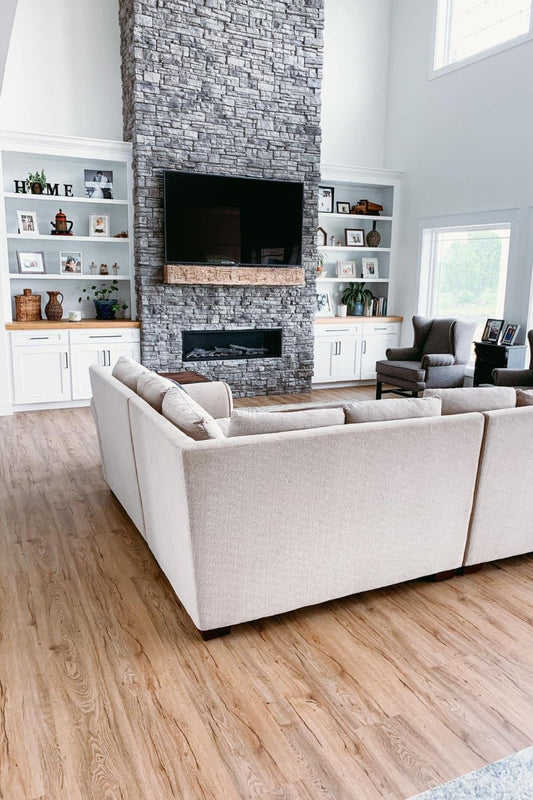
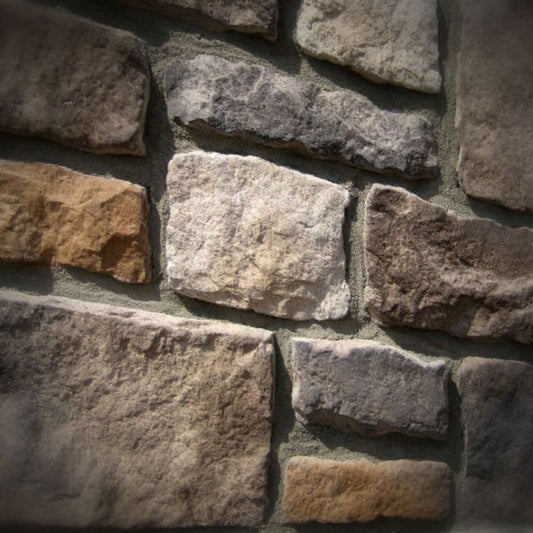
Pictured is stack stone rustic.