

Is Stone Veneer Better Than Faux Stone Panels? A Complete Comparison
Share
Originally posted January 30, 2025, updated February 4, 2026.
Manufactured stone veneer is generally the better choice for homeowners seeking a realistic stone appearance, long-term durability, and lasting value. Made from cement-based materials, it is installed piece by piece using mortar and is suitable for many interior and exterior applications. Faux stone panels are lightweight synthetic products that offer faster installation and a decorative stone look, making them an alternative for projects where convenience and ease of installation are the primary considerations.
Stone adds timeless character, texture, and visual appeal to a home. Whether it surrounds a fireplace, enhances an exterior facade, accents an entryway, or transforms an outdoor living space, the look of stone can create a distinctive architectural finish. However, natural stone can be expensive and labor-intensive to install, leading many homeowners to explore alternative materials that deliver a similar appearance.
Two popular options are manufactured stone veneer and faux stone panels. Although both are designed to replicate natural stone, they differ significantly in composition, appearance, installation, durability, and long-term value. Understanding these differences can help you determine which material is best suited to your home and project goals.
Manufactured stone veneer provides the dimensional appearance of traditional masonry using cement-based materials, while faux stone panels use synthetic materials to create a lightweight decorative covering. Neither option is automatically right for every project, but comparing their characteristics makes it easier to choose a material that balances aesthetics, performance, and budget.
What is Manufactured Stone Veneer?
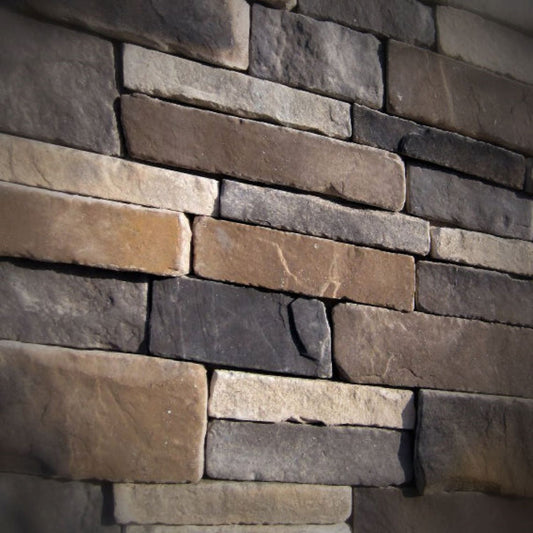
Manufactured stone veneer is a cement-based building material designed to replicate the texture, shape, and color variations of natural stone. It is commonly produced using Portland cement, lightweight aggregates, and iron oxide mineral pigments. Specialized molds capture the irregular surfaces and distinctive textures of natural stone, creating individual pieces with varied shapes, dimensions, and profiles.
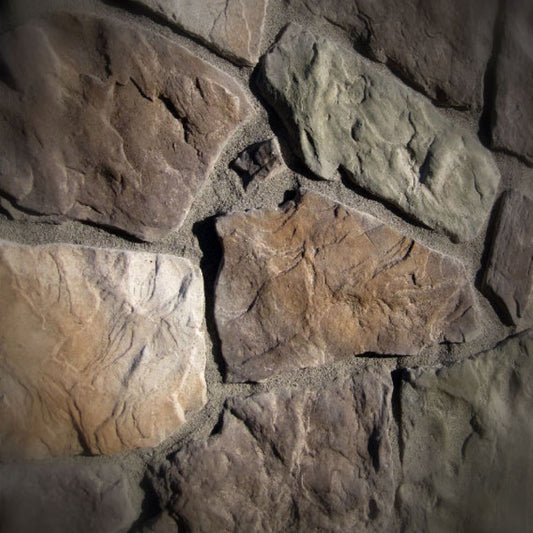
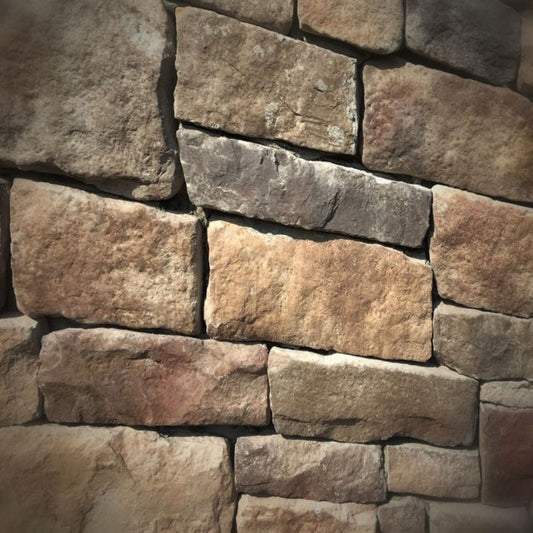
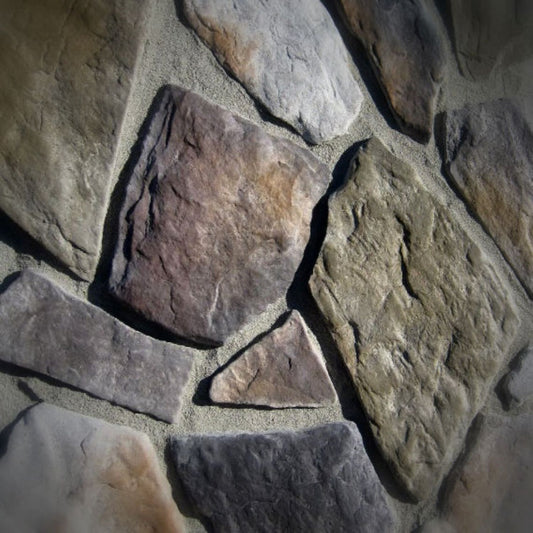
Unlike full-depth natural stone, manufactured stone veneer is designed to provide the appearance of masonry without the same weight or material requirements. It is available in a wide range of styles, including ledgestone, stacked stone, fieldstone, limestone, and other traditional and contemporary designs.
Manufactured stone veneer is generally installed one stone at a time using mortar and appropriate installation methods for the substrate and application. This individual placement creates natural variations in spacing, texture, and shadow lines, helping the finished surface resemble traditional stone masonry.
Because of its versatility, manufactured stone veneer is used on home exteriors, foundations, fireplaces, interior accent walls, columns, outdoor kitchens, and other architectural features. When the product is selected and installed according to the manufacturer's requirements, it can provide a durable, long-lasting finish for many residential and commercial projects.
What Are Faux Stone Panels?
Faux stone panels are decorative wall coverings designed to imitate the appearance of stone using synthetic materials. Many products are made from polyurethane foam, while others use PVC or composite plastics. The material is molded to create stone-like textures and then finished with colors intended to resemble natural stone.
The main difference between faux stone panels and manufactured stone veneer is how they are constructed and installed. Instead of placing individual stones, installers attach larger panels that contain multiple simulated stones molded into a single section. Many systems feature interlocking edges or concealed fastening points to simplify installation and reduce visible seams.
Faux stone panels are popular for decorative accent walls, entertainment areas, basement renovations, and other projects where a stone-inspired appearance is desired without traditional masonry installation. Certain products are also designed for exterior use, although their suitability depends on the specific product's ratings, installation requirements, and exposure conditions.
Their lightweight construction and relatively straightforward installation can make faux stone panels appealing to DIY homeowners. However, the finished appearance, resistance to physical damage, and expected service life can differ considerably from those of cement-based manufactured stone veneer.
Appearance and Realism: Which Looks More Like Natural Stone?
For many homeowners, appearance is the deciding factor when comparing manufactured stone veneer and faux stone panels. Both products imitate natural stone, but the way they create texture, depth, and variation can influence how convincing the finished installation looks.
Manufactured stone veneer generally offers a more authentic masonry appearance because each stone is a separate piece. Individual shapes, surface textures, color variations, and mortar joints combine to create a dimensional finish with natural-looking shadows. Installers can also vary the placement of individual pieces, helping avoid the repetitive appearance that can occur with larger prefabricated panels.
Faux stone panels can reproduce the general look of stone, and some higher-quality products feature detailed textures and carefully blended colors. However, their molded construction can make repeating patterns and panel boundaries more noticeable, particularly across large walls or when viewed up close. The synthetic material may also feel different from a cement-based product when touched.
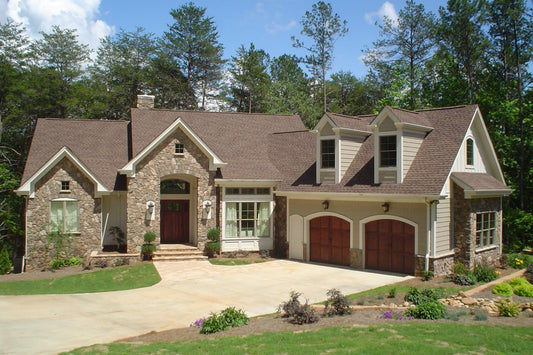
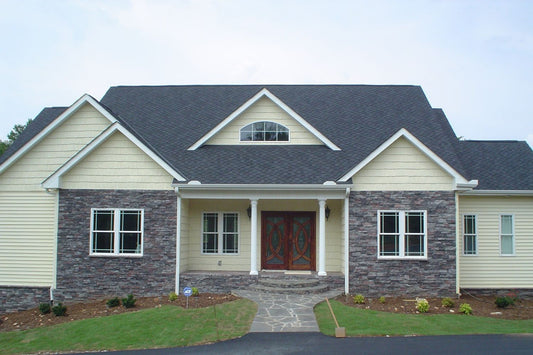
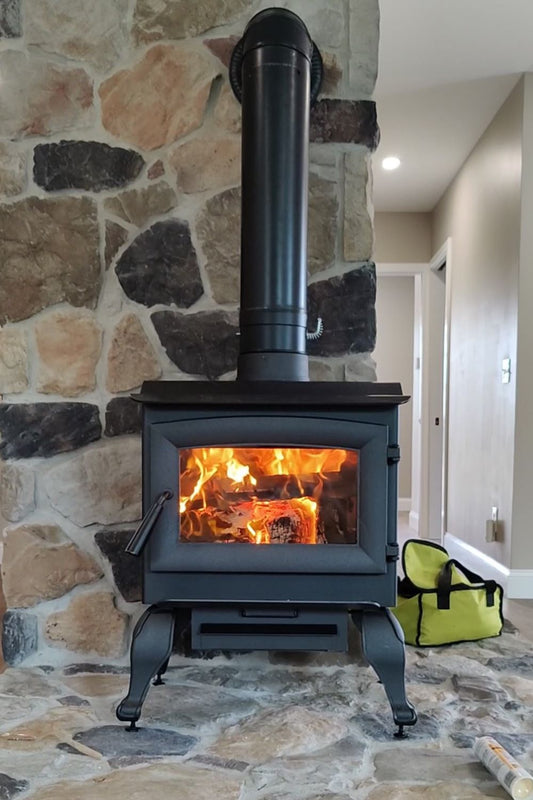
The difference becomes especially important on prominent architectural features, such as front entrances, fireplaces, exterior facades, and columns. In these locations, the depth and variation of individual manufactured stone veneer pieces can contribute to a more convincing, permanent masonry appearance.
For homeowners prioritizing realistic stone texture and traditional craftsmanship, manufactured stone veneer is generally the stronger choice.
Durability and Long-Term Performance
Durability is another important consideration, particularly for installations exposed to everyday wear or outdoor weather. Manufactured stone veneer is made primarily from cement-based materials and aggregates, creating a solid, rigid product designed for architectural applications.
When properly selected and installed, manufactured stone veneer can perform well in a variety of climates and remain attractive for decades. Its suitability for a particular project depends on the product specifications, installation details, exposure conditions, and appropriate moisture management. Like other masonry materials, it can still be damaged by improper installation, excessive movement, impact, or prolonged exposure to unsuitable conditions.
Faux stone panels are much lighter and typically have a softer or more flexible structure, depending on their material. Some products can be vulnerable to dents, punctures, cracks, or other impact damage. Sun exposure and temperature changes may also affect their appearance or performance over time, depending on the formulation and protective finishes.
It is important to recognize that product quality varies within both categories. Not every faux stone panel performs the same way, and manufactured stone veneer is not immune to damage. Nevertheless, for permanent architectural applications where a solid masonry-style finish is the priority, manufactured stone veneer generally offers a more substantial and durable solution.
Installation Differences and Project Complexity
Installation is one area where faux stone panels have a clear advantage. Their large format and lightweight construction allow installers to cover substantial wall areas quickly. Depending on the product, installation may involve screws, designated fasteners, or approved adhesives. Many systems are designed to accommodate DIY projects without requiring the same masonry skills used for individual stone installation.
Manufactured stone veneer requires a more involved process. Depending on the wall construction and application, preparation may include a suitable moisture-management system, metal lath, a scratch coat, mortar, and careful placement of each stone. Exterior installations require particular attention to drainage, flashing, clearances, and applicable building requirements.
The individual installation process takes more time and skill, but it also allows greater control over the placement and overall appearance of the finished surface. A qualified installer can distribute colors, shapes, and sizes to create a more natural-looking result.
Although faux stone panels may reduce labor expenses, homeowners should compare the entire installation rather than the installation time alone. Surface preparation, finishing details, required accessories, material costs, and the quality of the final appearance all influence the overall value of a project.
Interior and Exterior Applications
Both manufactured stone veneer and faux stone panels can be used to create attractive interior features, but the appropriate choice depends on the intended location and the manufacturer's requirements.
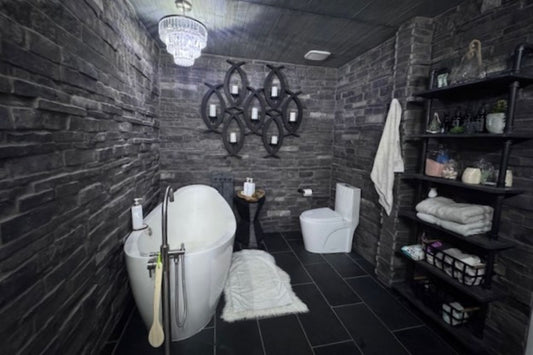
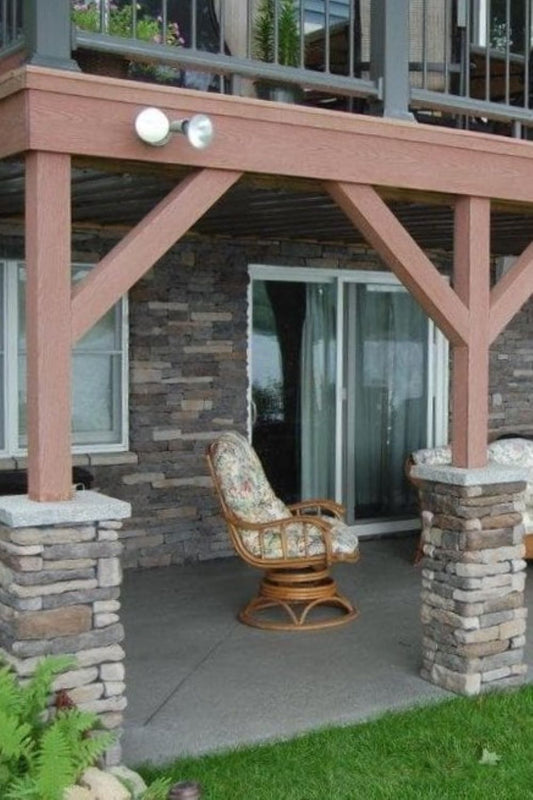
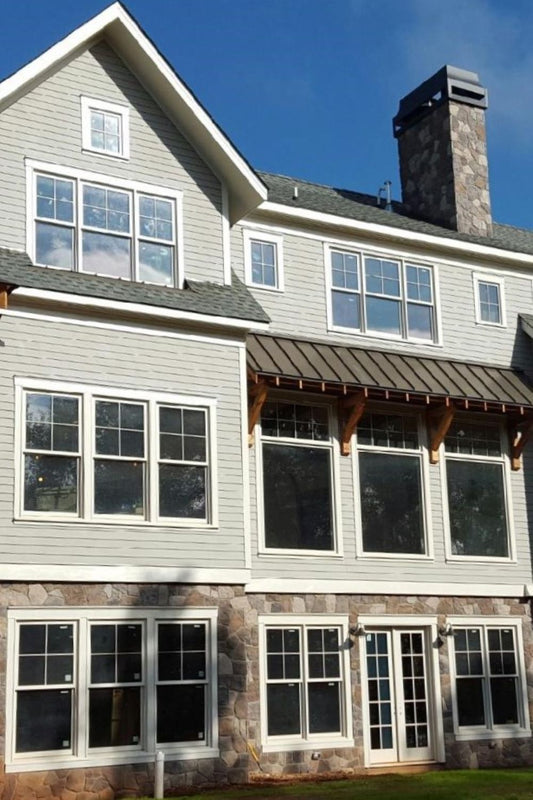
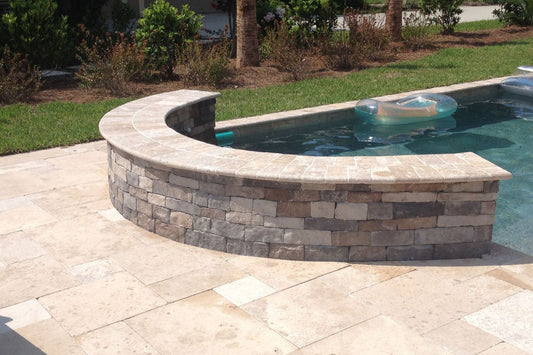
Manufactured stone veneer is commonly used on interior fireplaces, accent walls, entryways, kitchen features, and other architectural details. Its dimensional texture and individual stone shapes make it suitable for both rustic and contemporary interiors. The material is also widely used on exterior facades, foundations, columns, chimneys, and outdoor kitchens when the selected product is approved for the application and installed correctly.
Faux stone panels can work well for decorative interior walls, entertainment spaces, and other areas where lightweight construction and faster installation are beneficial. Certain products are rated for exterior applications, but that rating should be verified rather than assumed. Exposure to direct sunlight, moisture, wind, and changing temperatures can affect performance, and the installation must follow the product's specific instructions.
Neither material should automatically be considered waterproof simply because of its composition. Exterior wall assemblies require appropriate moisture management, and installations around pools, outdoor kitchens, and other wet environments need special consideration of the surrounding conditions.
For a long-term exterior masonry-style finish, manufactured stone veneer is generally the preferred option. For a lightweight decorative feature in a suitable interior setting, faux stone panels may meet the project's needs.
Cost and Overall Value
The initial price of a material is only one part of the total project cost. Manufactured stone veneer and faux stone panels have different material and labor requirements, so the more economical option depends on the specific products, installation conditions, and whether the work will be completed professionally or as a DIY project.
Faux stone panels may offer savings through faster installation and reduced labor requirements. However, higher-end synthetic panels can have substantial material costs, and additional expenses may arise from finishing corners, concealing seams, preparing surfaces, or replacing damaged sections.
Manufactured stone veneer may require more installation time, particularly when individual pieces must be carefully fitted around openings and architectural details. However, its material cost can be competitive, and its realistic appearance and long service life can make it a worthwhile investment.
Homeowners should consider the expected lifespan, maintenance needs, potential repair costs, and visual impact alongside the initial purchase price. A lower upfront cost does not necessarily translate into better long-term value if the material does not deliver the desired appearance or performance.
Manufactured stone veneer can also enhance curb appeal by giving a home the appearance of traditional masonry. Although no material guarantees a specific increase in resale value, stone accents may improve a property's perceived quality and architectural appeal.
Maintenance and Expected Lifespan
Both materials can be relatively easy to maintain when properly installed, but their maintenance needs differ.
Manufactured stone veneer generally benefits from periodic inspections and gentle cleaning appropriate for the product. Mortar joints and surrounding construction should be checked for signs of damage or moisture-related problems, particularly on exterior walls. A compatible penetrating sealer may be appropriate in certain applications, but sealing is not universally required and should follow the manufacturer's guidance.
Faux stone panels can often be cleaned with relatively simple methods, depending on their surface finish. However, damaged panels may need to be replaced rather than repaired using traditional masonry techniques. Replacement can also be challenging if the original color or product is no longer available or has changed in appearance through sun exposure.
There is no single lifespan that applies to every product in either category. Installation quality, climate, exposure, maintenance, and the manufacturer's specifications all affect longevity. Properly installed manufactured stone veneer can last for decades, making it an appealing choice for homeowners who want a long-term architectural finish rather than a temporary decorative upgrade.
Is Stone Veneer Better Than Faux Stone Panels?
The best choice depends on what matters most for your project. Faux stone panels offer lightweight construction, faster installation, and a convenient way to introduce stone-inspired texture into an appropriate space. They can be a practical option for decorative applications where installation simplicity is the main priority.
Manufactured stone veneer is generally the better choice for homeowners who prioritize authentic-looking stonework, dimensional texture, durability, and long-term performance. Its individual pieces create a more natural masonry appearance, and its cement-based composition makes it suitable for a wide range of interior and exterior architectural applications when properly installed.
For permanent exterior features, prominent fireplaces, entryways, and other areas where the quality of the finished appearance matters, manufactured stone veneer offers an appealing balance of realism, versatility, and value.
Before making a decision, compare the specific products, verify application requirements, and consider the full cost of installation over the expected life of the project. Choosing the material that best fits your goals will help ensure the finished space looks attractive and performs as intended.
Frequently Asked Questions About is Stone Veneer Better Than Faux Stone Panels?
Is manufactured stone veneer better than faux stone panels?
Manufactured stone veneer is generally better for projects that require a realistic masonry appearance, a solid cement-based material, and long-term architectural performance. Faux stone panels can be a better fit for lightweight decorative applications where ease and speed of installation are the primary concerns.
Which looks more realistic, manufactured stone veneer or faux stone panels?
Manufactured stone veneer generally looks more realistic because individual stones have distinct shapes, textures, colors, and mortar joints. Faux stone panels can also look convincing, but repeated molded patterns and visible panel seams may become noticeable on larger installations.
Can faux stone panels be used outdoors?
Some faux stone panels are designed and rated for exterior use, but not all products are suitable for outdoor exposure. Check the manufacturer's requirements for sunlight, moisture, temperature changes, fastening methods, and the intended wall assembly before installation.
Does manufactured stone veneer cost more than faux stone panels?
Not necessarily. Faux stone panels may reduce labor costs because they cover walls quickly, but their material prices can vary considerably. Manufactured stone veneer may require more installation labor, but its material cost, appearance, and expected lifespan can make it competitive in terms of overall project value.
How long does manufactured stone veneer last?
Properly installed manufactured stone veneer can last for decades. Its longevity depends on product quality, installation methods, moisture management, climate, and maintenance. Incorrect installation or prolonged exposure to unsuitable conditions can shorten its service life.
Can I install manufactured stone veneer myself?
Experienced DIYers can install manufactured stone veneer if they understand the required masonry techniques, substrate preparation, mortar application, and moisture-management details. The appropriate installation method depends on the product and application. Professional installation is worth considering for complex projects and exterior walls.
What's Next?
Transform your space with our beautiful stone veneer! Shop now to find your ideal style or order a sample today to experience the quality firsthand!
Have a Question?
Please see our full terms of service or check out our frequently asked questions.
For general information and questions please call: (864) 882-8960 Mon. - Fri. 8am - 5pm (EST) or email: info@blackbearmountainstone.com we are more than happy to help you.
Or you can submit your questions via our contact us page.
We look forward to working with you on your upcoming project.
The Black Bear Mountain Stone Team
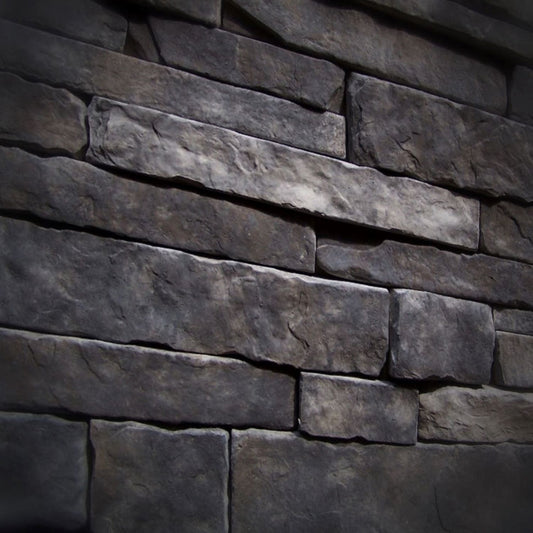
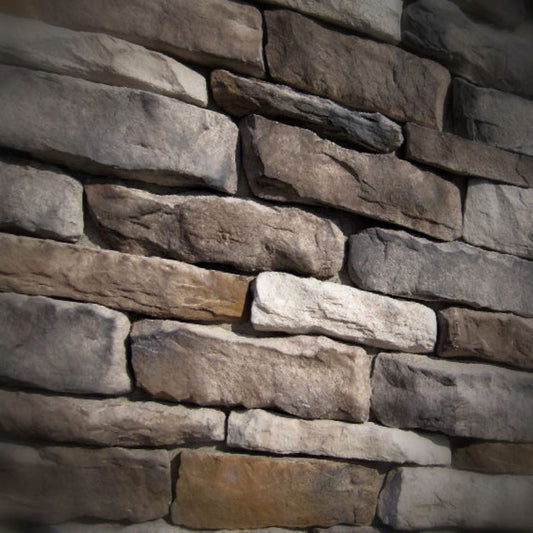
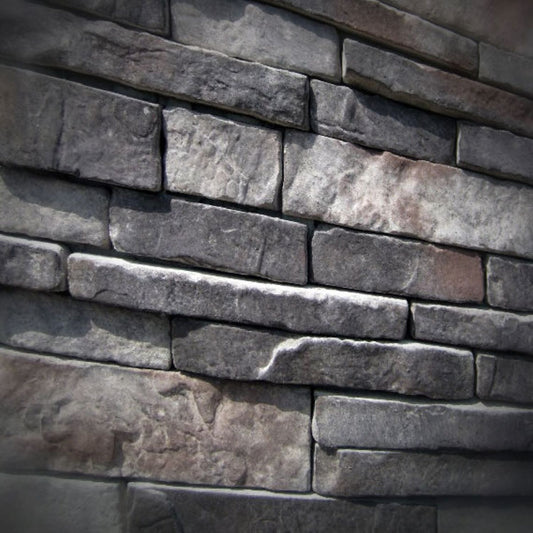
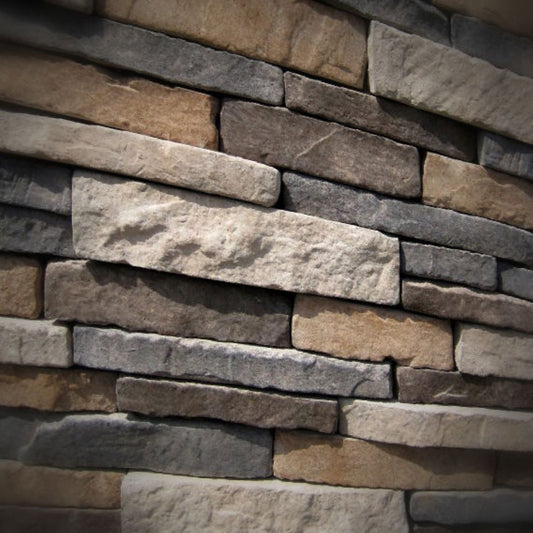
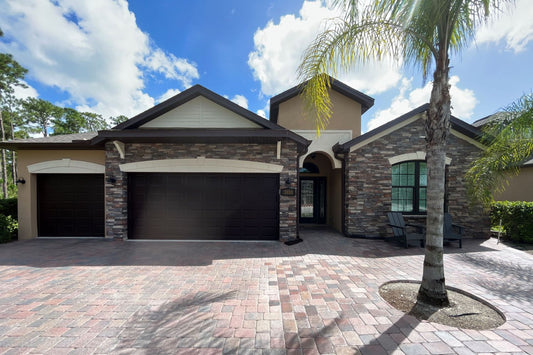
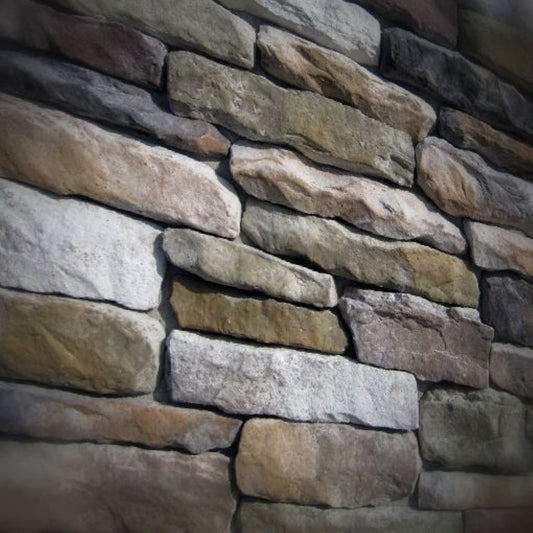
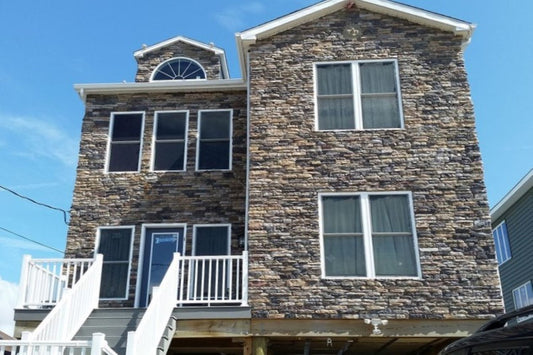
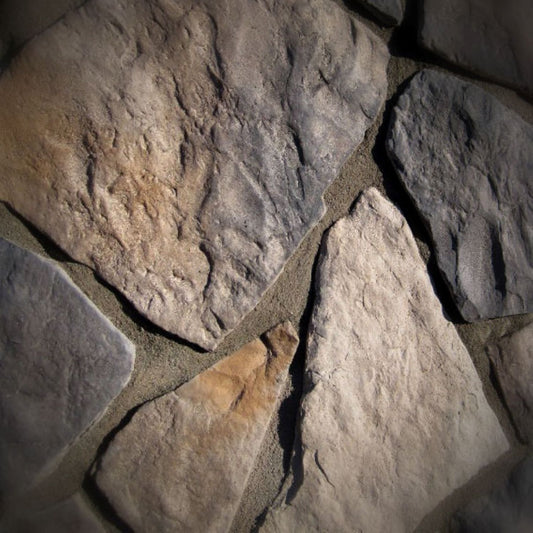
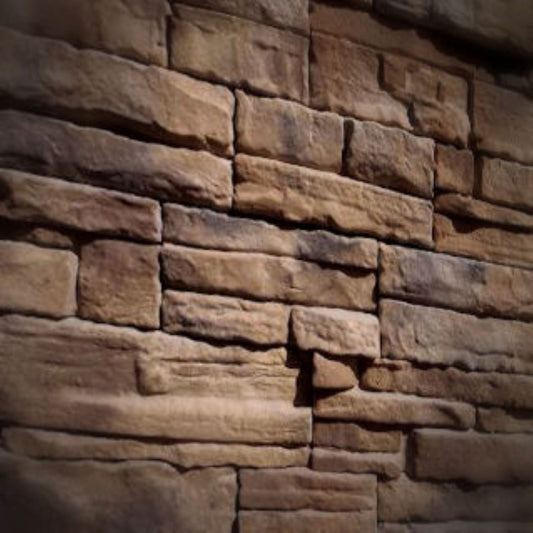
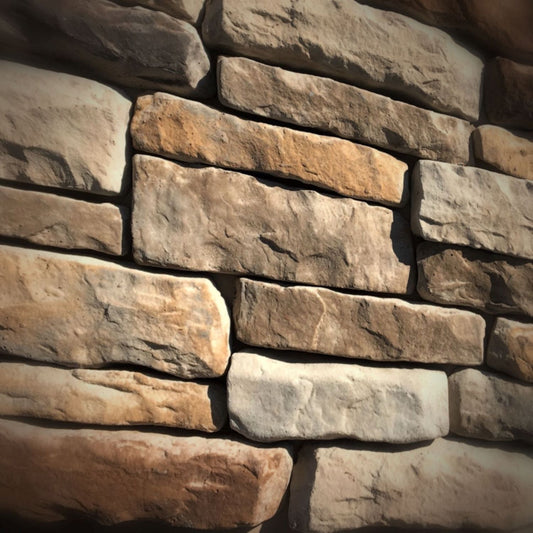
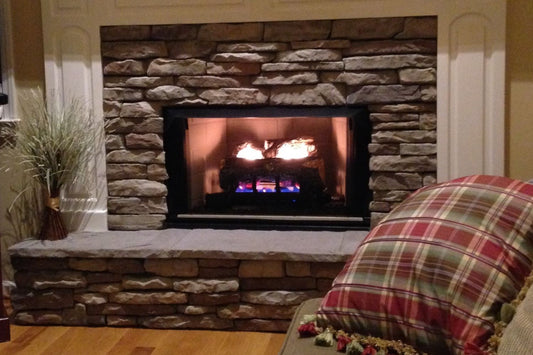
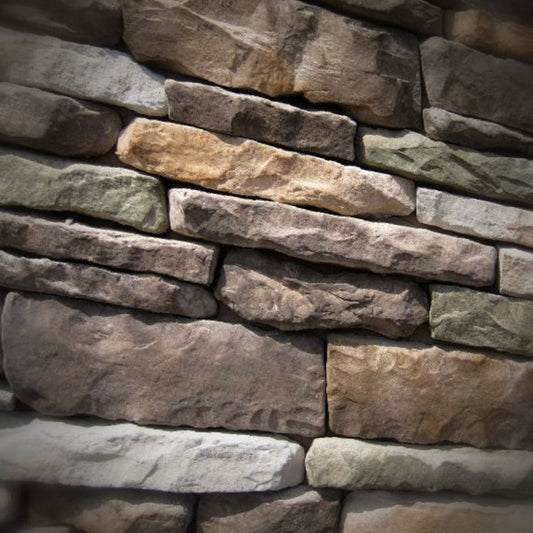
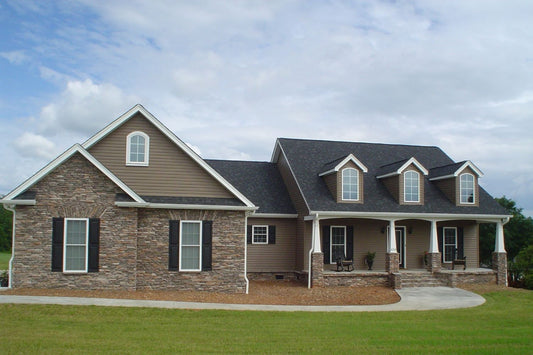
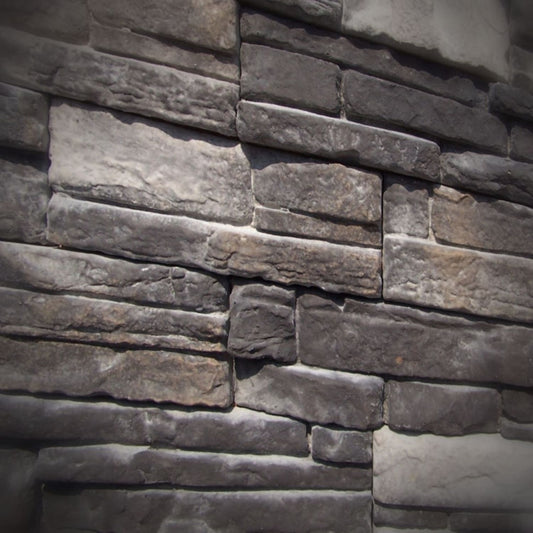
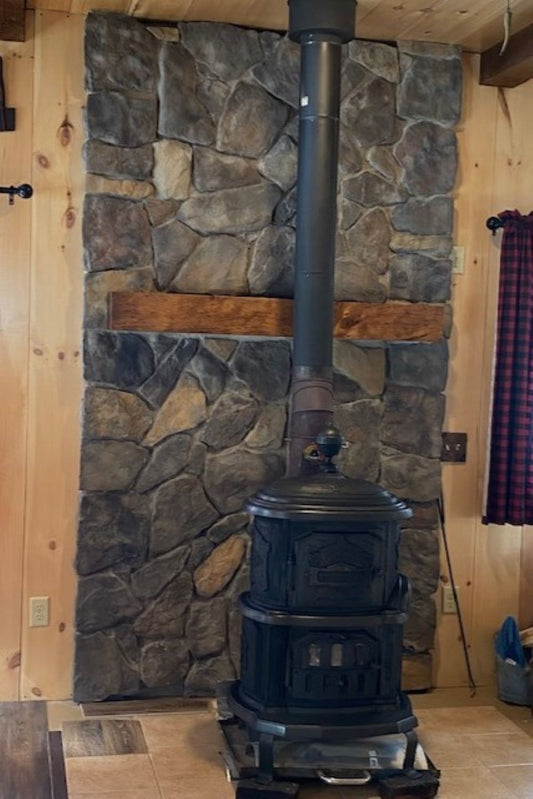
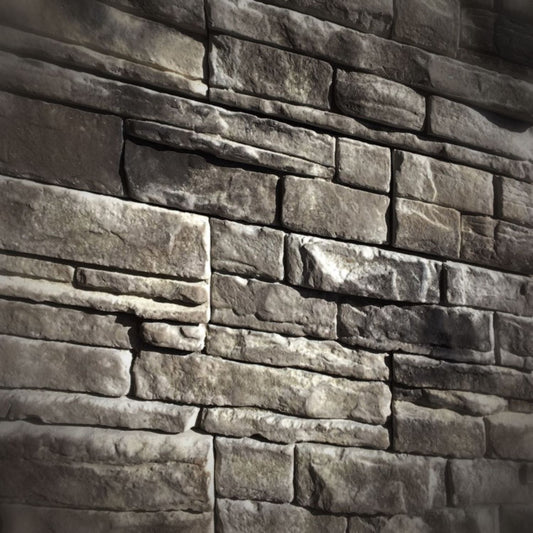
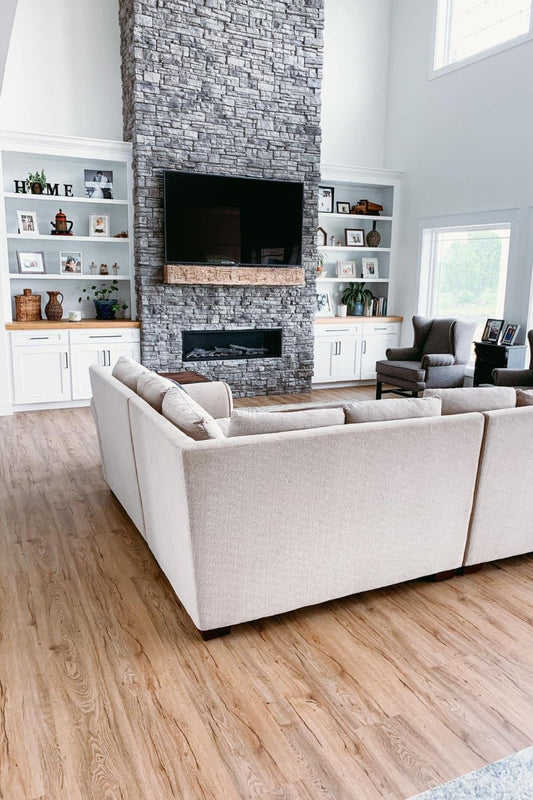
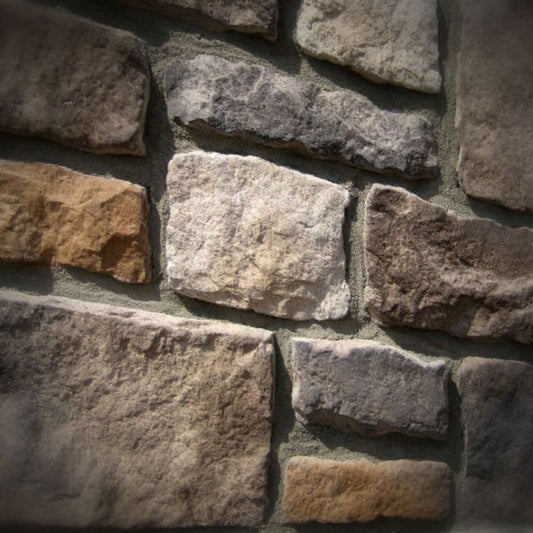
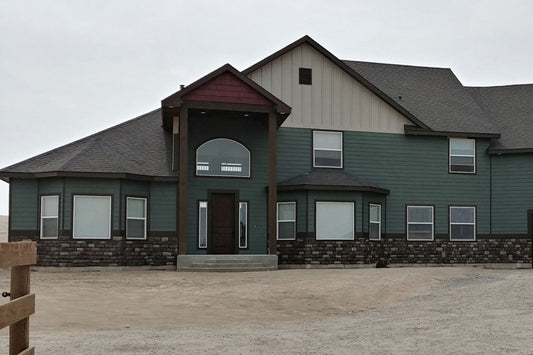
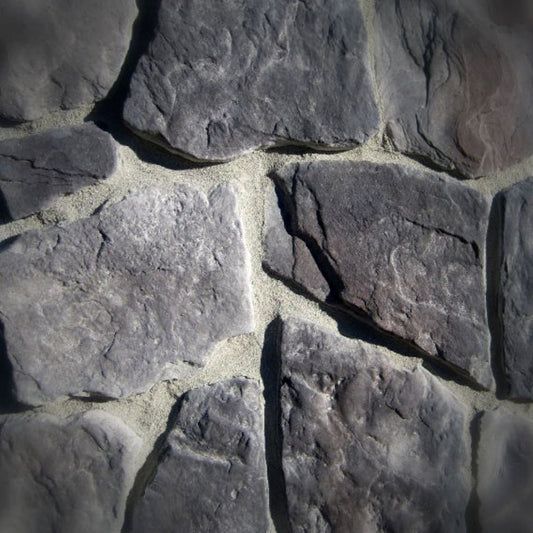
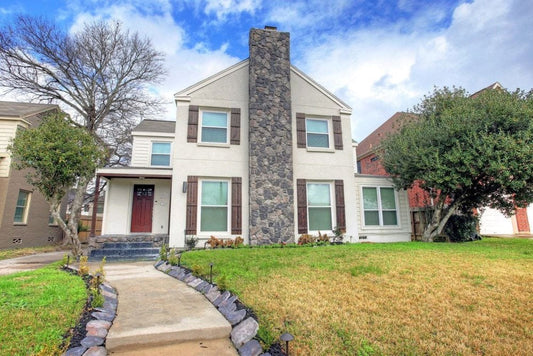
Pictured is ledge stone aspen.



2 comments
Updated May 5th, 2025:
Hi Greg,
Thank you for your question and interest in our stone veneer.
The majority of our stone profiles are individual stone and they are made of Portland cement. The individual stones will vary in size, shape, and thickness. To achieve the desired natural stone finish as shown in our images it is up to the installer to arrange the individual stones in the correct pattern and install each stone one at a time. We call this out on our website in several places, but it can be missed. As stone veneer is made out of Portland cement, manufacturing it in sheets/panels is just not reasonable as the weight of the finished product would make it very difficult for the end user to install/work with, therefore the majority of manufactured stone veneer available in the market today will be individual stones.
If you are looking for a panel system, our ready stack profile is a mini panel stone product and is installed in sections at a time https://mountainviewstone.net/collections/ready-stack. Each panel measures 4” high but will vary in length (5.5”, 8.25”, 11”, 16.5”) and thickness (1.5”-2.5”). Each ready stack panel has multiple stones on each panel face. To achieve the desired finish as shown in our images it is up to the installer to arrange the panels in the correct pattern and install each panel one at a time.
Our pricing is available on our website. As our pricing can change it is best to view the price on each product page prior to placing your order.
Please let us know if you have any more questions!
Pricing on 4×8 panels