
Is Manufactured Stone Veneer Real Stone? Understanding the Differences
Share
Originally posted May 23, 2024, updated January 27, 2026.
Manufactured stone veneer is not natural stone. It is a cement-based building material made from Portland cement, lightweight aggregates, and iron oxide mineral pigments, designed to replicate the appearance, texture, and color variations of natural stone.
Is manufactured stone veneer real stone? The short answer is no, but that does not mean it looks artificial or lacks the qualities homeowners and builders want from a stone finish. Manufactured stone veneer is a man-made architectural material designed to capture the appearance of natural stone while offering practical advantages in weight, cost, installation, and design flexibility.
Natural stone is quarried directly from the earth, with each piece reflecting the geological processes that formed it. Manufactured stone veneer is produced using carefully developed molds, textures, and color blends to recreate the character of quarried stone. Both materials can create beautiful interior and exterior finishes, but they differ in composition, weight, appearance, cost, and installation requirements.
Understanding these differences can help you decide whether manufactured stone veneer or natural stone is the right choice for your project.
What is Manufactured Stone Veneer?
Manufactured stone veneer is a cement-based architectural material created to replicate the appearance of natural stone. It is typically made from Portland cement, lightweight aggregates, and iron oxide mineral pigments. These materials are combined and formed in molds that capture the shapes, surface textures, and details of natural stone.
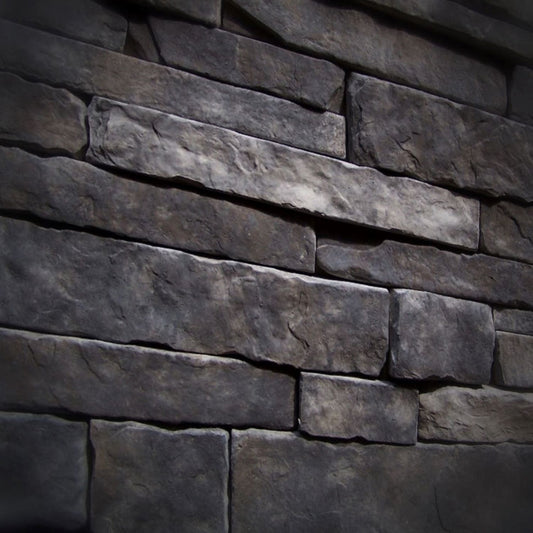
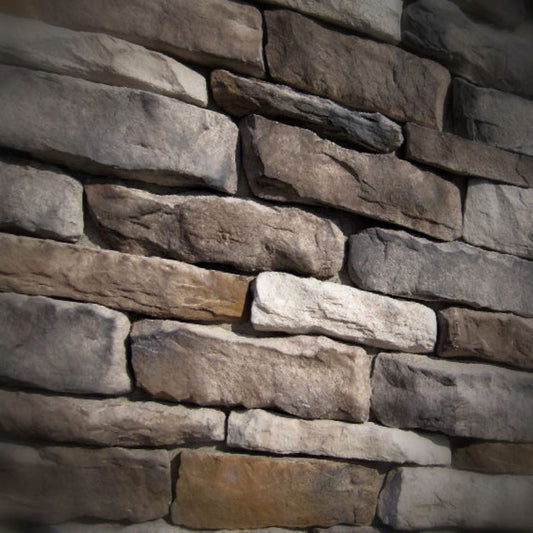
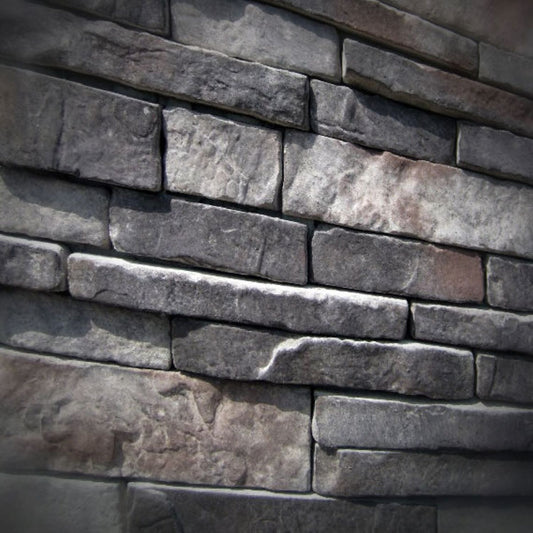
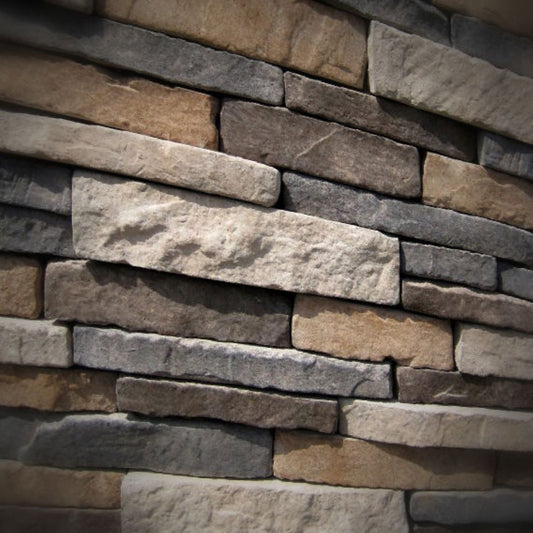
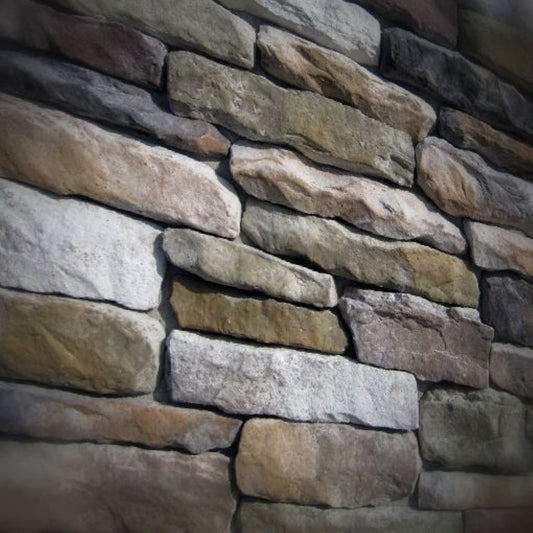
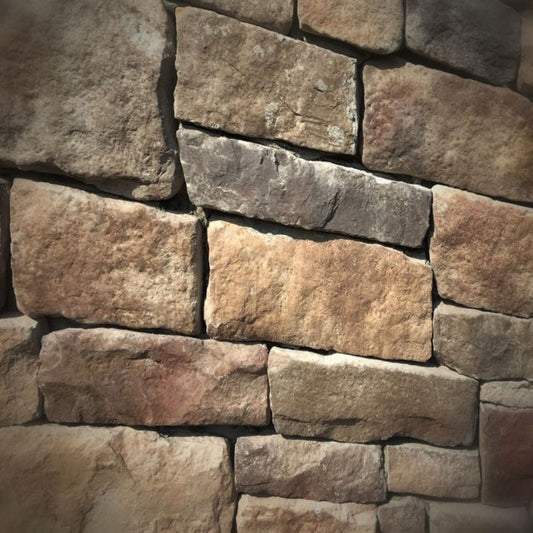
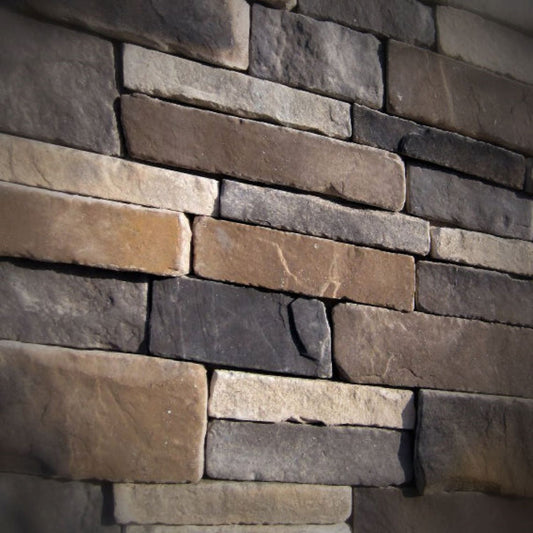
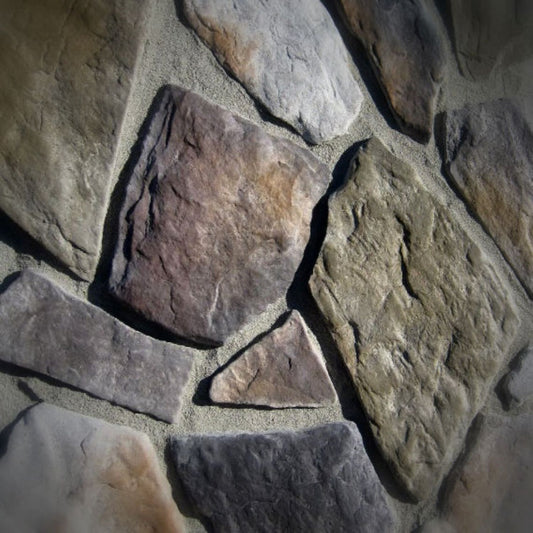
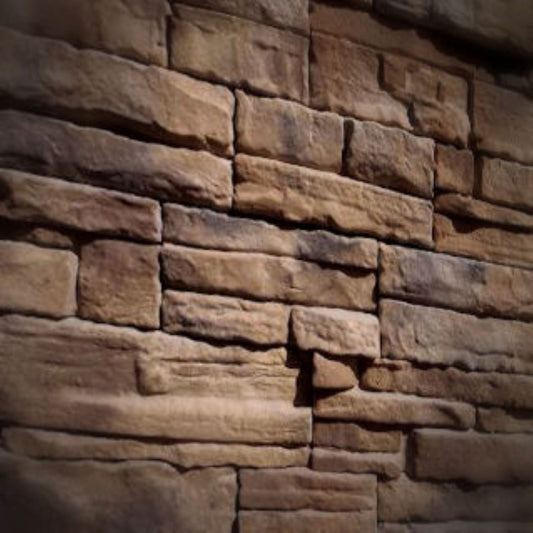
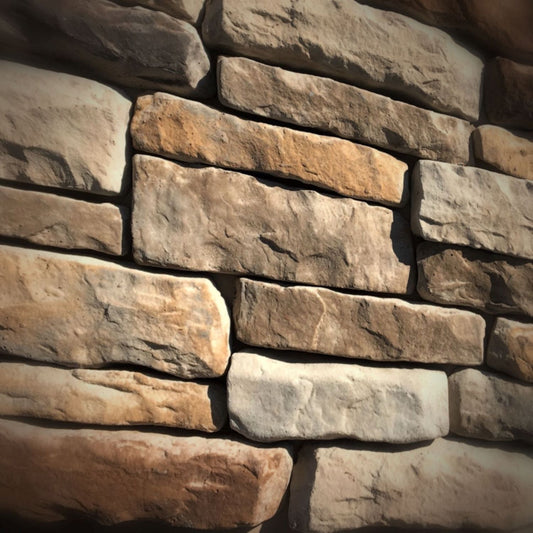
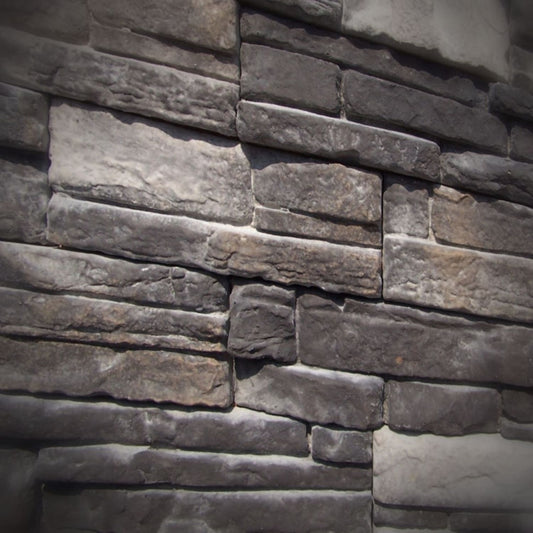
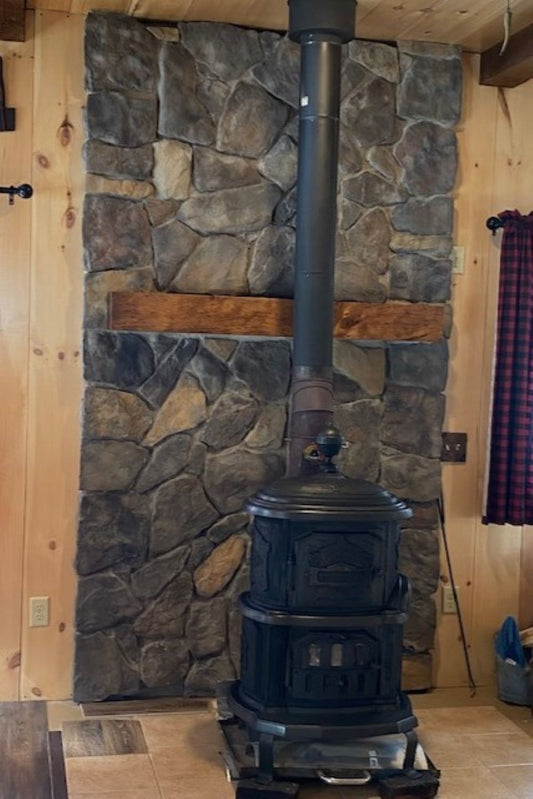
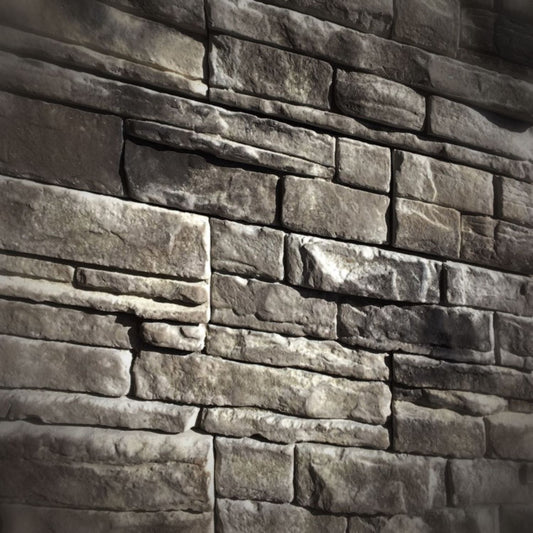
The manufacturing process allows individual pieces to reproduce the irregular edges, dimensional surfaces, and varied profiles associated with quarried stone. Depending on the style, manufactured stone veneer can resemble limestone, fieldstone, ledgestone, stacked stone, and many other natural stone varieties.
Unlike natural stone, which is extracted and processed from geological formations, manufactured stone veneer is produced in a controlled environment. This gives manufacturers the ability to develop specific profiles and color combinations while maintaining greater predictability in the finished product.
Manufactured stone veneer is also different from lightweight foam or polyurethane stone panels. Cement-based manufactured stone veneer has a solid, masonry-like composition and a textured surface designed to reproduce the character of real stone. Its appearance and performance depend on the product's composition, manufacturing quality, and proper installation.
How is Manufactured Stone Veneer Made?
Manufactured stone veneer begins with a mixture of Portland cement, lightweight aggregates, and iron oxide mineral pigments. The mixture is formed in molds designed to capture the surface details and contours of natural stone. After molding, the pieces cure and harden to develop their intended physical properties.
Color is an important part of the manufacturing process. Iron oxide mineral pigments create the hues and tonal variations that give each stone its distinctive appearance. Many manufactured stone veneer products have color concentrated primarily at the surface rather than uniformly throughout the entire piece. The specific coloring method varies by manufacturer, so a cut edge or broken piece may reveal a different color beneath the finished surface.
Texture and shape are equally important. Molds based on natural stone forms help reproduce the irregular surfaces, crevices, edges, and dimensional details that contribute to a realistic appearance. Individual pieces can vary in shape, size, texture, and color, allowing installers to create a finished wall with natural-looking variation.
Although the material is manufactured, the goal is not to create identical pieces. The goal is to recreate the visual character of natural stone while providing a more predictable, purpose-made architectural product.
What is Natural Stone?
Natural stone is quarried directly from the earth and includes materials such as limestone, granite, sandstone, slate, and other geological formations. Each variety has its own mineral composition, texture, color range, and physical characteristics.
Because natural stone forms through geological processes over long periods, its appearance cannot be precisely controlled. Individual pieces may feature unique mineral patterns, color shifts, veins, and surface irregularities. For homeowners and designers who value geological authenticity, these natural variations are a major part of its appeal.
Natural stone can be used in many architectural applications, including exterior facades, fireplaces, walls, and landscape features. However, its weight, thickness, availability, and ease of installation vary considerably by stone type and how it is processed.
Some natural stone is cut into relatively thin veneer pieces, while other applications use thicker or heavier material. As a result, comparisons between natural stone and manufactured stone veneer should account for the specific products being considered rather than assuming all natural stone has the same characteristics.
Does Manufactured Stone Veneer Look Like Real Stone?
High-quality manufactured stone veneer can closely resemble natural stone. Detailed molds reproduce natural-looking textures and surface contours, while carefully developed color blends create the variation needed for a convincing finished appearance.
The final result also depends on the selected profile and the installation. Stone size, shape, color distribution, mortar joints, and how individual pieces are arranged all influence the overall appearance. A well-planned installation can create the depth and character associated with a natural stone wall.
Natural stone still has an advantage when absolute geological authenticity is the priority. Its mineral patterns and naturally occurring characteristics cannot be duplicated perfectly in a manufactured product. Someone examining individual pieces closely may notice differences between quarried stone and a manufactured alternative.
However, manufactured stone veneer offers a wide range of architectural styles, from rugged fieldstone and rustic ledgestone to more contemporary stone profiles. This variety allows homeowners, builders, and designers to achieve a desired aesthetic without relying entirely on the natural stone available from a particular quarry.
For the best color comparison, request a physical sample before ordering. Photographs and digital screens can alter how a color appears, while lighting and surrounding materials can affect its appearance once installed.
Manufactured Stone Veneer vs. Natural Stone: Weight and Installation
One of the most significant differences between manufactured stone veneer and natural stone is weight. Manufactured stone veneer uses lightweight aggregates to create a stone-like appearance without the weight of a comparable solid piece of quarried rock. The exact weight depends on the product's profile, thickness, and design.
A lighter material can be easier to transport, handle, cut, and position during installation. This can help reduce handling demands and labor costs, particularly on projects involving fireplaces, columns, exterior facades, and large accent walls. Natural stone may require additional planning for material handling and structural support, depending on its weight and the building assembly.
Manufactured stone veneer is suitable for many interior and exterior applications, but it is not intended to be installed directly onto every surface. Proper substrate preparation and moisture management are essential. Depending on the wall assembly and application, installation may require a weather-resistant barrier, metal lath, a Type S mortar scratch coat, and the appropriate mortar installation method.
Natural stone installation requirements also depend on the selected material and application. The stone's dimensions, weight, substrate, and intended use all influence the installation method. In either case, following the manufacturer's instructions and applicable building codes is essential for long-term performance.
Is Manufactured Stone Veneer Cheaper Than Natural Stone?
Manufactured stone veneer is often a cost-effective alternative to natural stone, but the overall price depends on more than the material itself. The type of stone, profile, project size, shipping distance, installation method, and labor requirements all affect the final cost.
Manufactured stone veneer can offer savings through easier material handling, a broad selection of readily available styles, and potentially lower installation costs. Its controlled manufacturing process also allows specific profiles and colors to be produced without depending entirely on the availability of a particular natural stone formation.
Natural stone pricing varies significantly according to the quarry, stone variety, thickness, processing requirements, and transportation distance. Certain natural stones can be competitively priced, while rare varieties or materials requiring extensive cutting and specialized installation can be considerably more expensive.
When comparing the two materials, consider the total installed cost rather than relying exclusively on the price per square foot. A product with a lower purchase price may not provide the lowest overall project cost if shipping, handling, preparation, or installation expenses are substantially higher.
Color, Consistency, and Design Flexibility
Natural stone offers variations that develop naturally as the material forms. These variations can include mineral deposits, veins, subtle color shifts, and irregular surface characteristics. For projects where these geological details are central to the design, natural stone may be the preferred choice.
Manufactured stone veneer offers a different advantage: greater control over available profiles and color combinations. Manufacturers can develop specific looks, ranging from warm earth tones and weathered gray blends to darker contemporary colors. This flexibility makes it easier to coordinate a stone finish with siding, brick, roofing, cabinetry, flooring, and other architectural materials.
Manufacturing also provides greater predictability when selecting a particular style. Although individual pieces still exhibit variation, the product is designed around an established profile and color blend. This can be especially useful when coordinating materials across multiple areas of a home or commercial building.
Neither material is completely uniform. Natural stone varies because of its geological origins, while manufactured stone veneer varies according to its molds, surface details, and color distribution. The best choice depends on whether a project prioritizes naturally occurring variation or a particular architectural style that can be selected more predictably.
Where Can Manufactured Stone Veneer Be Used?
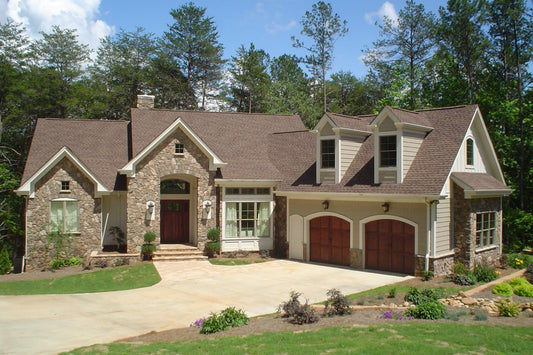
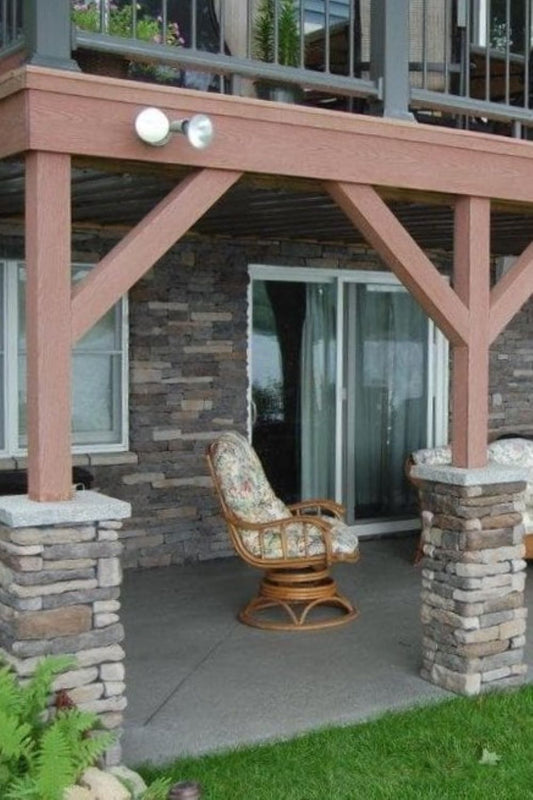
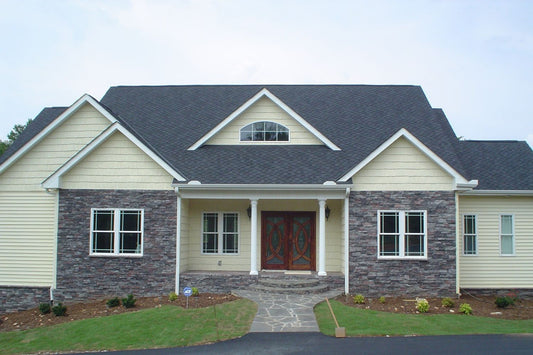
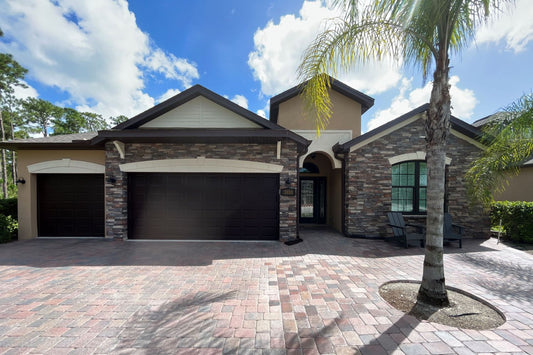
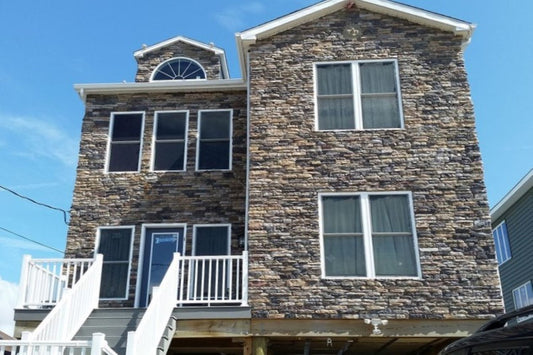
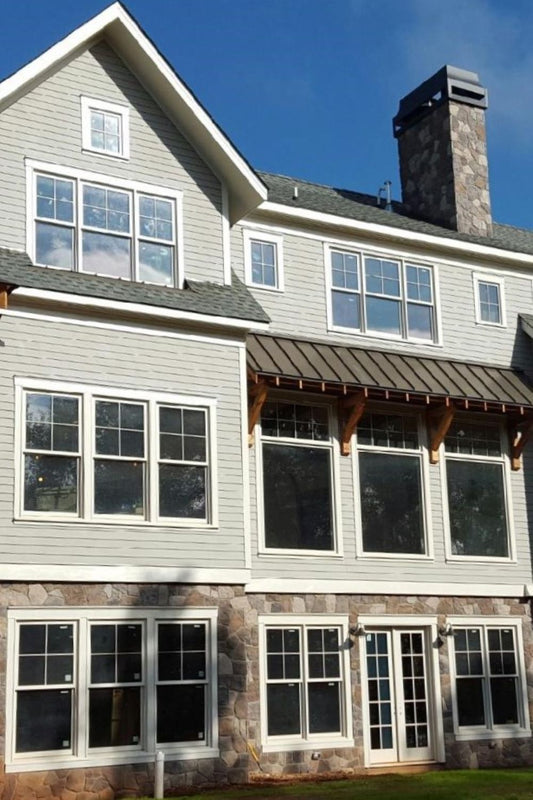
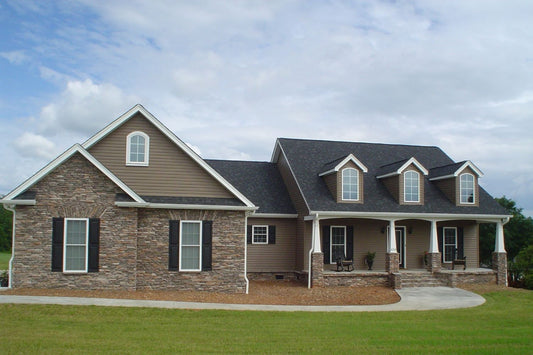
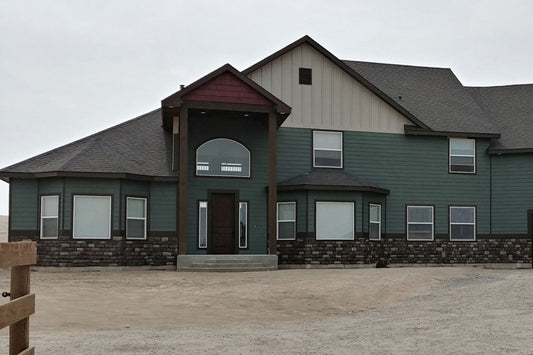
Manufactured stone veneer can enhance a wide range of interior and exterior spaces. On home exteriors, it is frequently used around entryways, garages, gables, columns, and foundation areas, as well as across larger wall sections. The right profile can add texture, contrast, and architectural character to traditional, rustic, and contemporary homes.
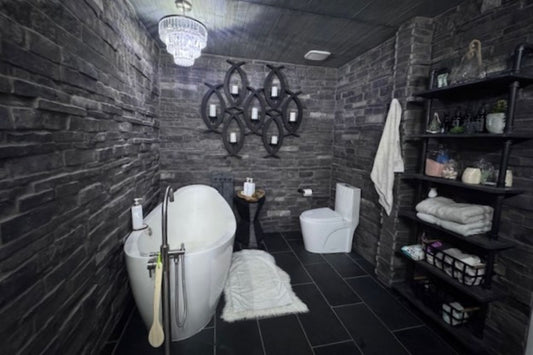
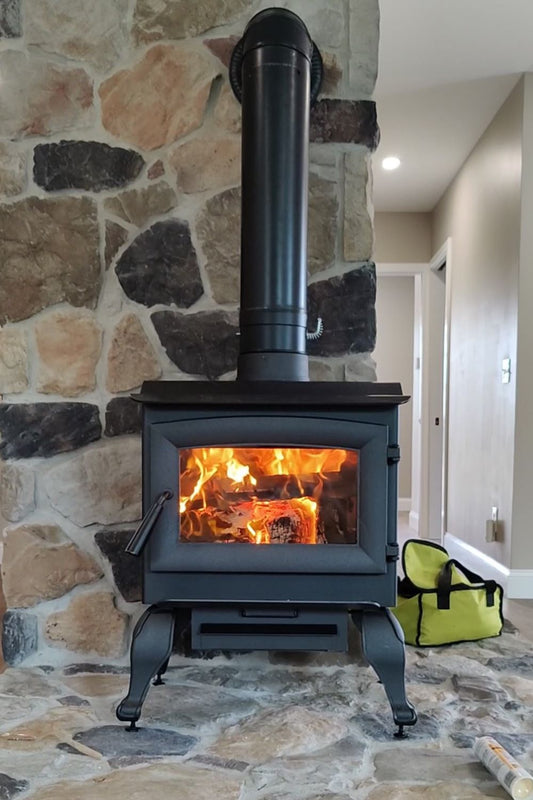
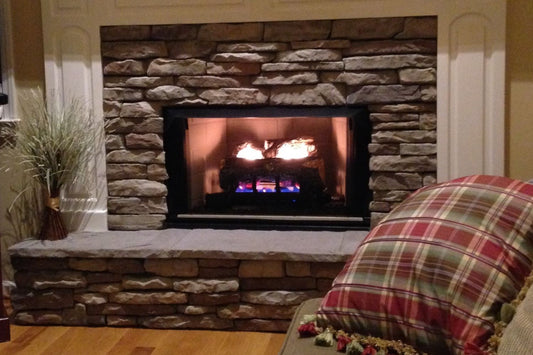
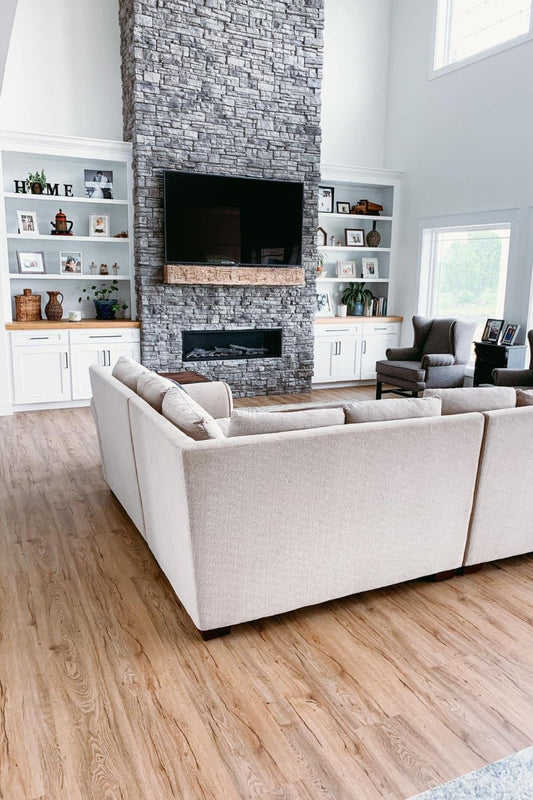
Inside the home, manufactured stone veneer is commonly used for fireplace surrounds, accent walls, and architectural features. Its dimensional texture creates visual interest without requiring the same material thickness or weight as many solid stone applications.
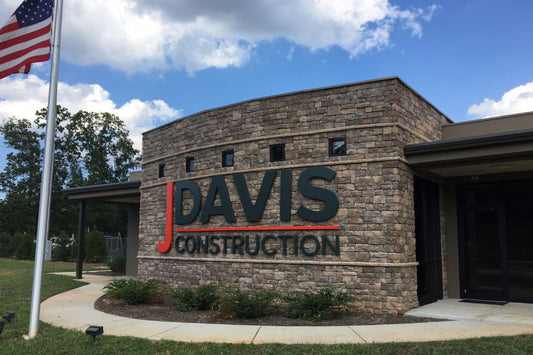
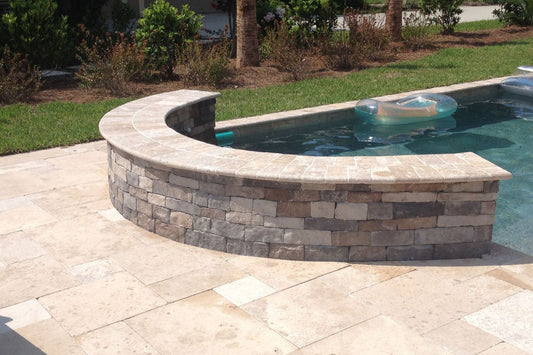
Outdoor living spaces offer additional possibilities. Manufactured stone veneer can finish outdoor kitchen islands, BBQ islands, fireplace surrounds, and other architectural features when the product and installation are appropriate for the application. Commercial buildings can also use stone veneer to create distinctive facades, reception areas, restaurant interiors, and hospitality spaces.
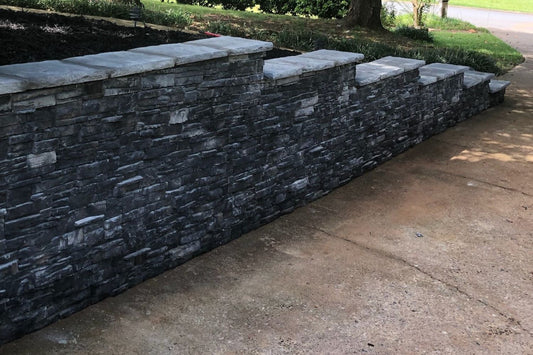
However, manufactured stone veneer is not a universal replacement for natural stone or other building materials. It is generally intended for vertical surfaces and should not be used as flooring, stair treads, or inside a firebox unless a specific product is expressly designed and approved for that use. It is also not intended for direct soil contact or use as a structural retaining wall. Always verify that the selected product is suitable for the intended application.
When is Natural Stone the Better Choice?
Natural stone may be the better option when authentic quarried material is essential to the design. Historic restoration projects, for example, may require a particular natural stone to preserve the original appearance and character of an existing building.
Some custom architectural projects also prioritize the unique mineral composition, geological patterns, and irregularities found in natural stone. When these characteristics are the main reason for choosing stone, a manufactured alternative may not fully satisfy the design requirements.
Manufactured stone veneer is often a strong choice when the priorities include realistic stone appearance, lighter weight, broad design options, and practical installation. Natural stone remains valuable for projects where its inherent geological characteristics justify its potentially greater weight, cost, or installation complexity.
Ultimately, neither material is automatically better for every application. The right decision depends on the building, the design goals, the budget, and the requirements of the installation.
Is Manufactured Stone Veneer Real Stone?
Manufactured stone veneer is not natural stone, but it provides a practical way to achieve the look of stone across a wide variety of architectural applications. Its cement-based composition, realistic textures, varied profiles, and lighter weight make it an appealing option for homeowners, contractors, and designers looking for a balance of appearance and practicality.
Natural stone remains an excellent choice when authentic geological variation is the defining priority. Manufactured stone veneer offers an alternative for projects where design flexibility, installation considerations, and overall value matter just as much as appearance.
Frequently Asked Questions About is Manufactured Stone Veneer Real Stone?
Is manufactured stone veneer real stone?
No. Manufactured stone veneer is a man-made, cement-based material made from Portland cement, lightweight aggregates, and iron oxide mineral pigments. It is designed to replicate the appearance and texture of natural stone but is not quarried from the earth.
How long does manufactured stone veneer last?
Quality manufactured stone veneer is designed for long-term architectural use when installed correctly and used in an appropriate application. Its lifespan depends on product quality, substrate preparation, installation, moisture management, environmental exposure, and maintenance. Proper installation is essential to achieving lasting performance.
Is manufactured stone veneer better than natural stone?
Manufactured stone veneer can be a better choice when lighter weight, design flexibility, installation efficiency, and overall value are priorities. Natural stone may be preferable when authentic geological characteristics and naturally occurring variation are essential. The best option depends on the project.
Does manufactured stone veneer require sealing?
Sealing is not automatically necessary for every manufactured stone veneer installation. Whether a sealer is appropriate depends on the product, its location, exposure conditions, and the manufacturer's instructions. If sealing is considered, choose a compatible breathable penetrating sealer and test it first, since sealers can change the stone's appearance.
Can manufactured stone veneer be installed outdoors?
Yes. Many manufactured stone veneer products are designed for exterior applications, including home facades, columns, entryways, and outdoor living features. The wall assembly must be properly prepared, with appropriate moisture protection and installation materials. Always follow the manufacturer's instructions and local building codes.
How can I compare manufactured stone veneer colors before buying?
Ordering a physical sample is one of the best ways to compare stone colors, textures, and profiles before committing to a larger order. View samples in the lighting conditions where the stone will be installed and alongside nearby materials to evaluate how the colors work together.
What's Next?
Transform your space with our beautiful stone veneer! Shop now for the perfect style or order a sample today to experience the quality firsthand!
Have a Question?
Please see our full terms of service or check out our frequently asked questions.
For general information and questions please call: (864) 882-8960 Mon. - Fri. 8am - 5pm (EST) or email: info@blackbearmountainstone.com we are more than happy to help you.
Or you can submit your questions via our contact us page.
We look forward to working with you on your upcoming project.
The Black Bear Mountain Stone Team
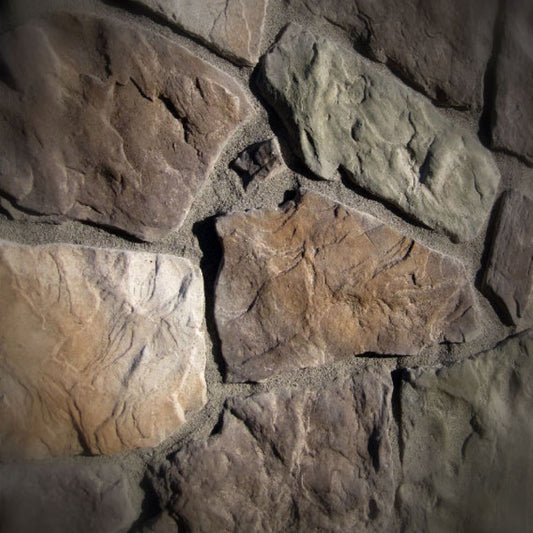
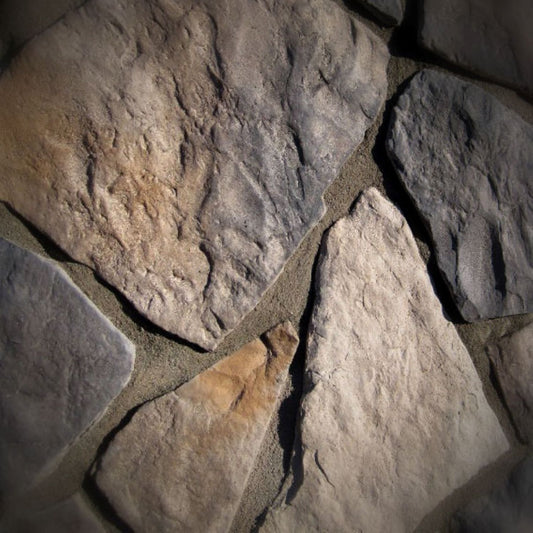
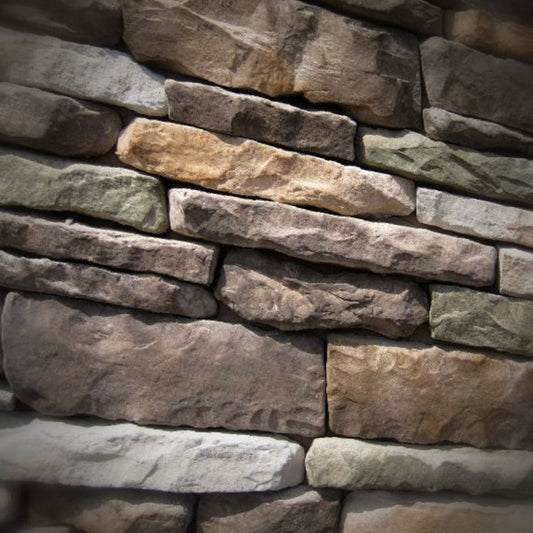
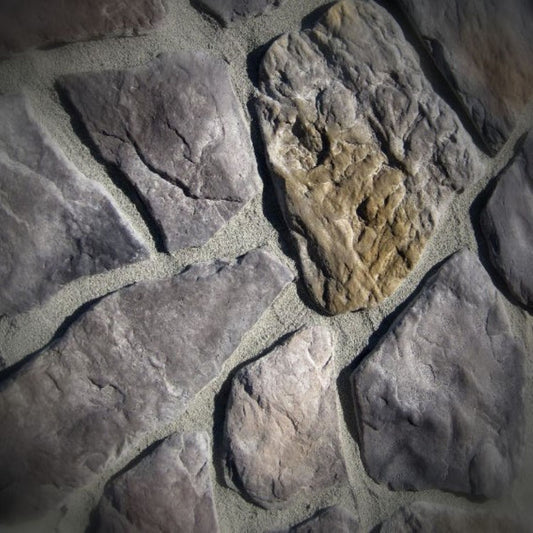
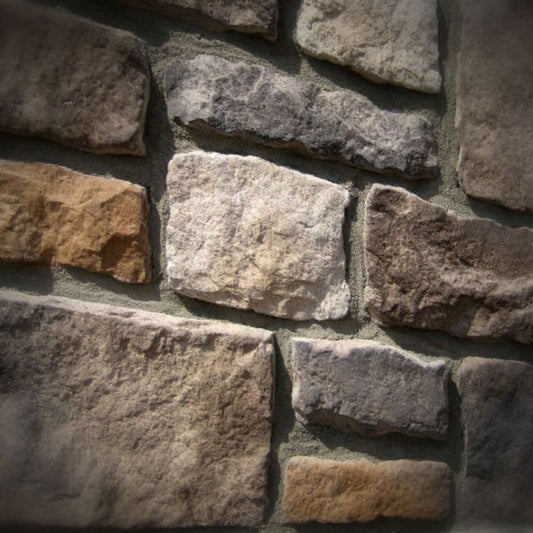
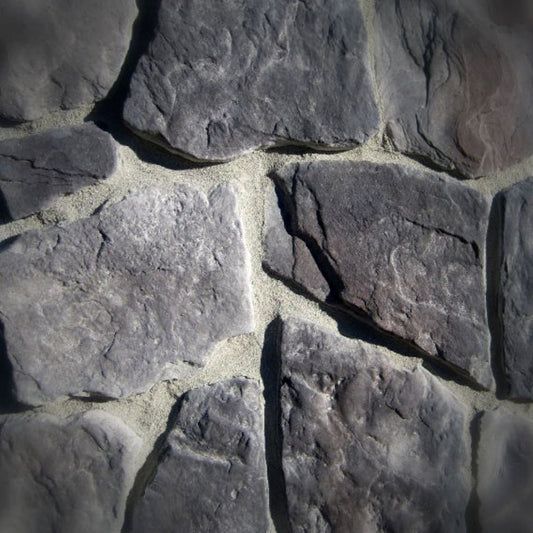
Pictured is field stone ash.